Zhouzhuang bills itself as “China’s No. 1 Water Town,” and with that title comes a certain inevitability. Yes, it’s crowded. Yes, it’s commercial. But to dismiss it for those reasons is to miss its enduring, watery heart. The trick is timing.

I stayed overnight. By 5 PM, the tide of day-trippers from Shanghai had receded, boarding their buses with bags of pork knuckles (a local specialty) and silk scarves. The town exhaled. The shopkeepers rolled down their metal shutters, and the true residents emerged. Old men unfolded stools to play cards by the canals. The rhythmic thump-thump of someone washing clothes with a wooden paddle echoed off the stone walls.
My guesthouse room had latticed windows opening directly over a canal so narrow I could almost touch the opposite house. As dusk settled, the water turned the color of dark tea. Red lanterns, reflected in long, wobbly lines, were switched on one by one. The only sounds were the gentle lap of water and the occasional creak of a wooden boat moored for the night.
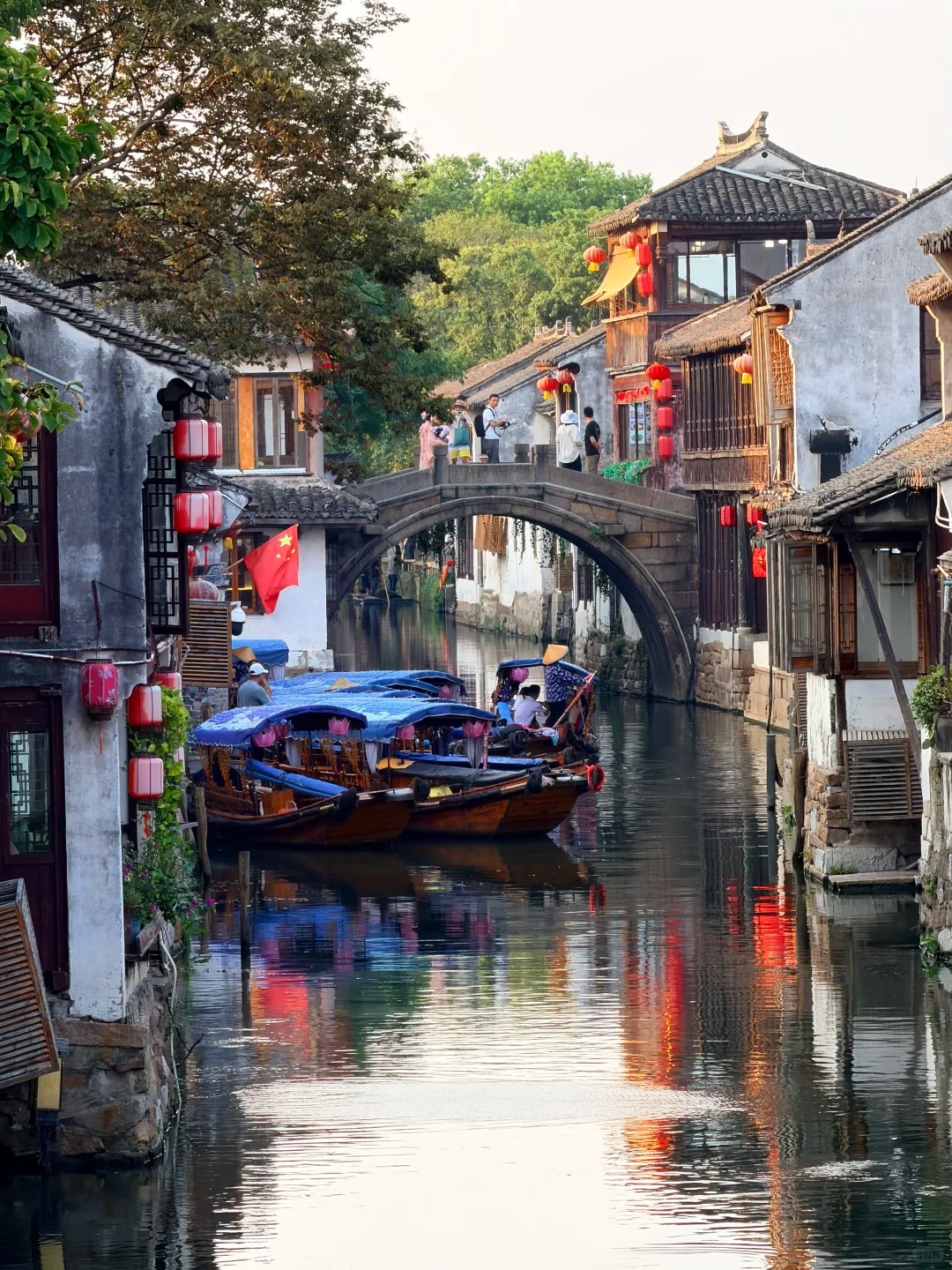
I took a night cruise. The boat auntie, wearing a traditional blue print jacket, punted us silently with a single long pole. We slid under the iconic Twin Bridges (Shuangqiao)—the rounded Key Bridge crossing the rectangular Yong’an Bridge—a postcard view that felt utterly private in the gloom. She sang a soft, folk song in the Wu dialect, its melody as fluid as the water beneath us.

The next morning, I was up at dawn. Mist hung over the canals, and the first light painted the whitewashed walls and gray-tiled roofs a soft peach. I had the labyrinth of alleys almost to myself. I visited the Shen House, a sprawling Ming-Qing era merchant’s mansion with its own private dock, and imagined the comings and goings of a wealthy water-town family.
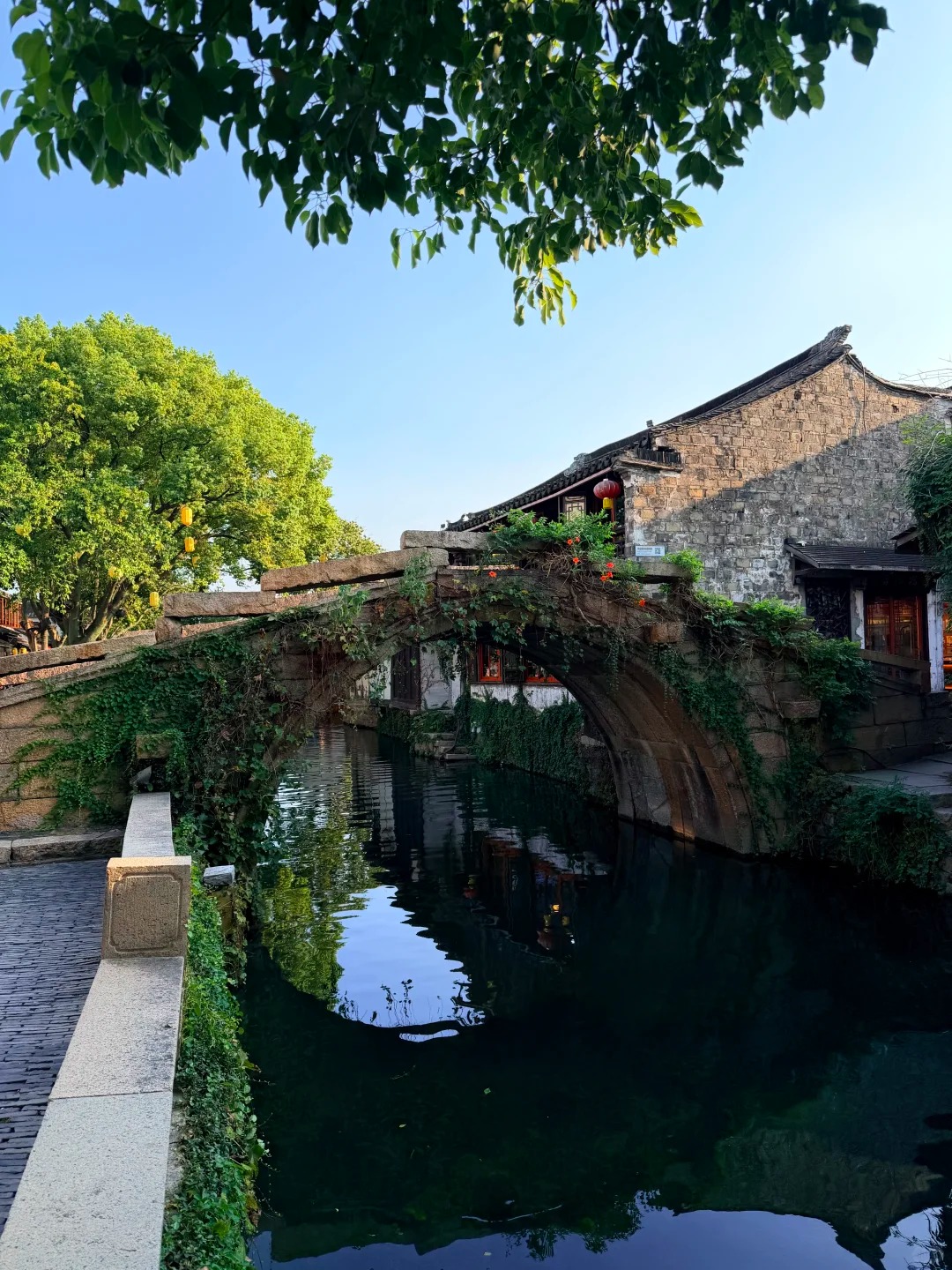
Zhouzhuang’s beauty is its authenticity as a functioning aquatic community. The canals aren’t decorations; they were the highways. Every house has a step leading into the water, a boat tie-up. The crowd is a modern overlay on an ancient blueprint that remains intact. To see it, you must wait for the curtain of tourism to fall, and watch as the stage is reclaimed by the soft, timeless rhythm of water-town life.