There is a certain melancholy beauty to Tianlongshan (Mount Tianlong). Located just outside the bustling industrial city of Taiyuan in Shanxi Province, it feels like a secret garden that has survived against the odds. I didn’t know what to expect when I hired a driver to take me there. I had read about the Buddhist grottoes, of course, but I wasn’t prepared for the emotional journey that hiking these limestone cliffs would provoke.
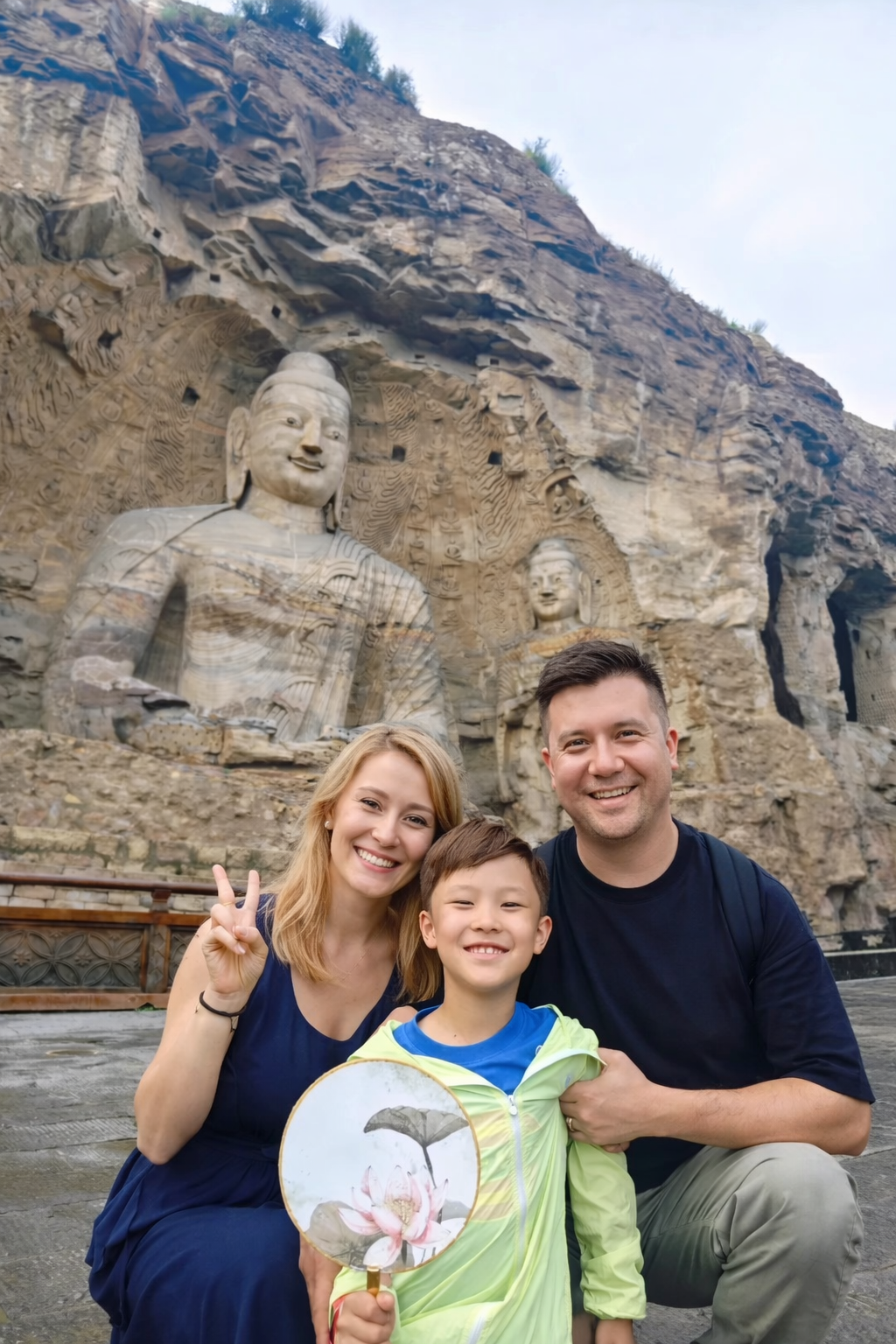
The road to the scenic area winds through dusty hills, a prelude to the arid, rugged landscape of northern China. But as we ascended, the greenery thickened. I arrived at the foot of the mountain early, hoping to beat the crowds. My plan was to hike up, rather than take the cable car immediately, because I wanted to earn the view the way the ancient pilgrims did—though, admittedly, they didn’t have paved switchbacks.
The hike is steep. My calves burned as I climbed the stone steps, shaded by ancient pine trees that seem to grow out of the solid rock. The air here is clean, smelling of pine resin and dry earth. It was quiet, save for the chirping of cicadas and the distant sound of a waterfall. About halfway up, I stopped to catch my breath and looked back. The view of Taiyuan below, shrouded in a light mist, was a stark contrast to the serenity of the mountain.
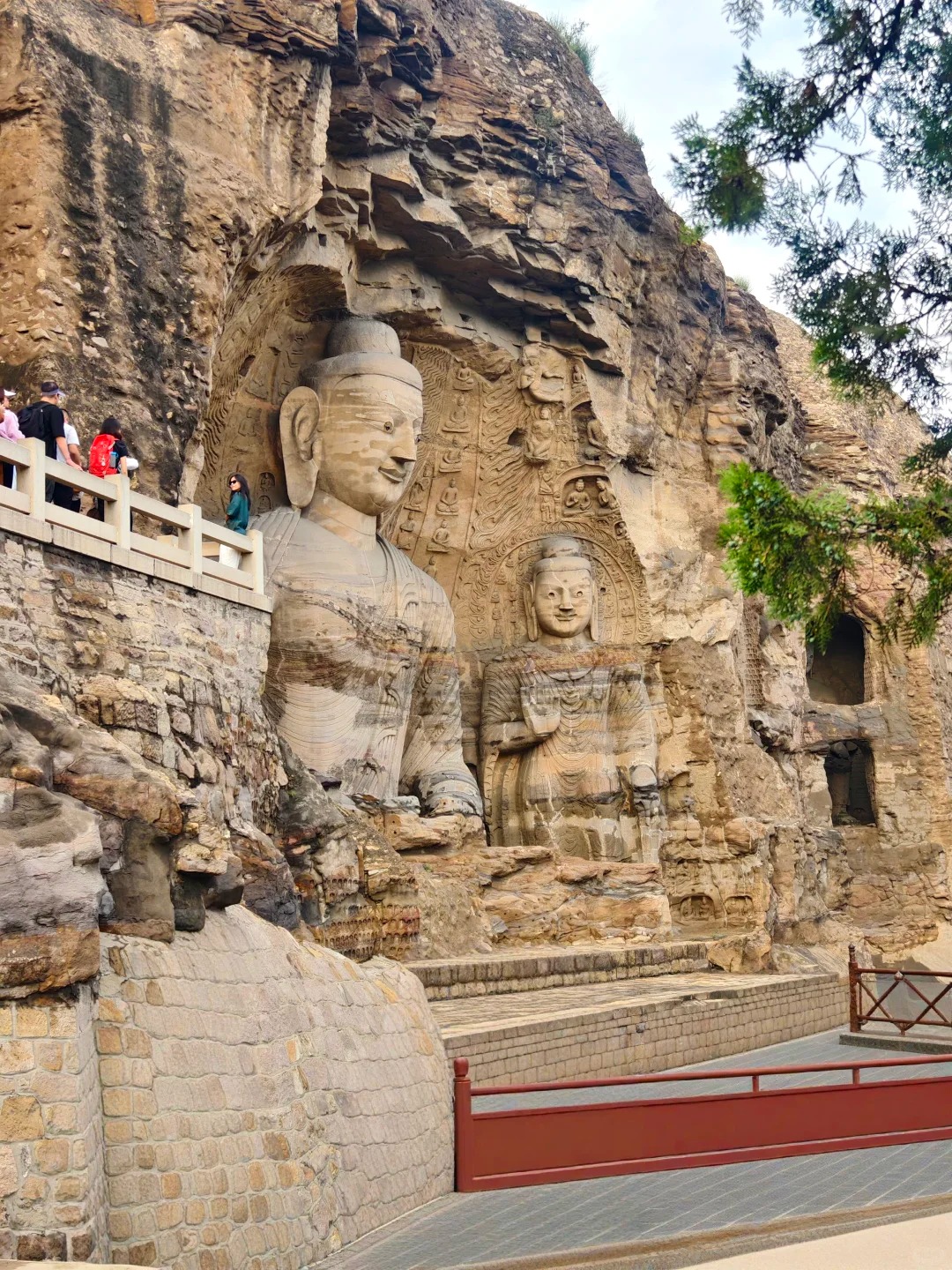
My destination was the Tianlongshan Grottoes, carved into the cliffsides between the Eastern Wei and Northern Qi dynasties, over 1,400 years ago. Unlike the massive scale of Yungang, Tianlongshan is more intimate, more refined. As I rounded a bend and entered the main area, I was struck by the elegance of the statues.
But I was also struck by sadness. One of the first things you notice about Tianlongshan is what is missing. In the early 20th century, many of the exquisite heads and hands of these statues were chiseled away by looters and sold to museums and collectors around the world. Standing in front of Cave 9, I saw a beautiful Bodhisattva draped in intricate stone jewelry. Her posture was fluid, almost liquid, but her face was gone.
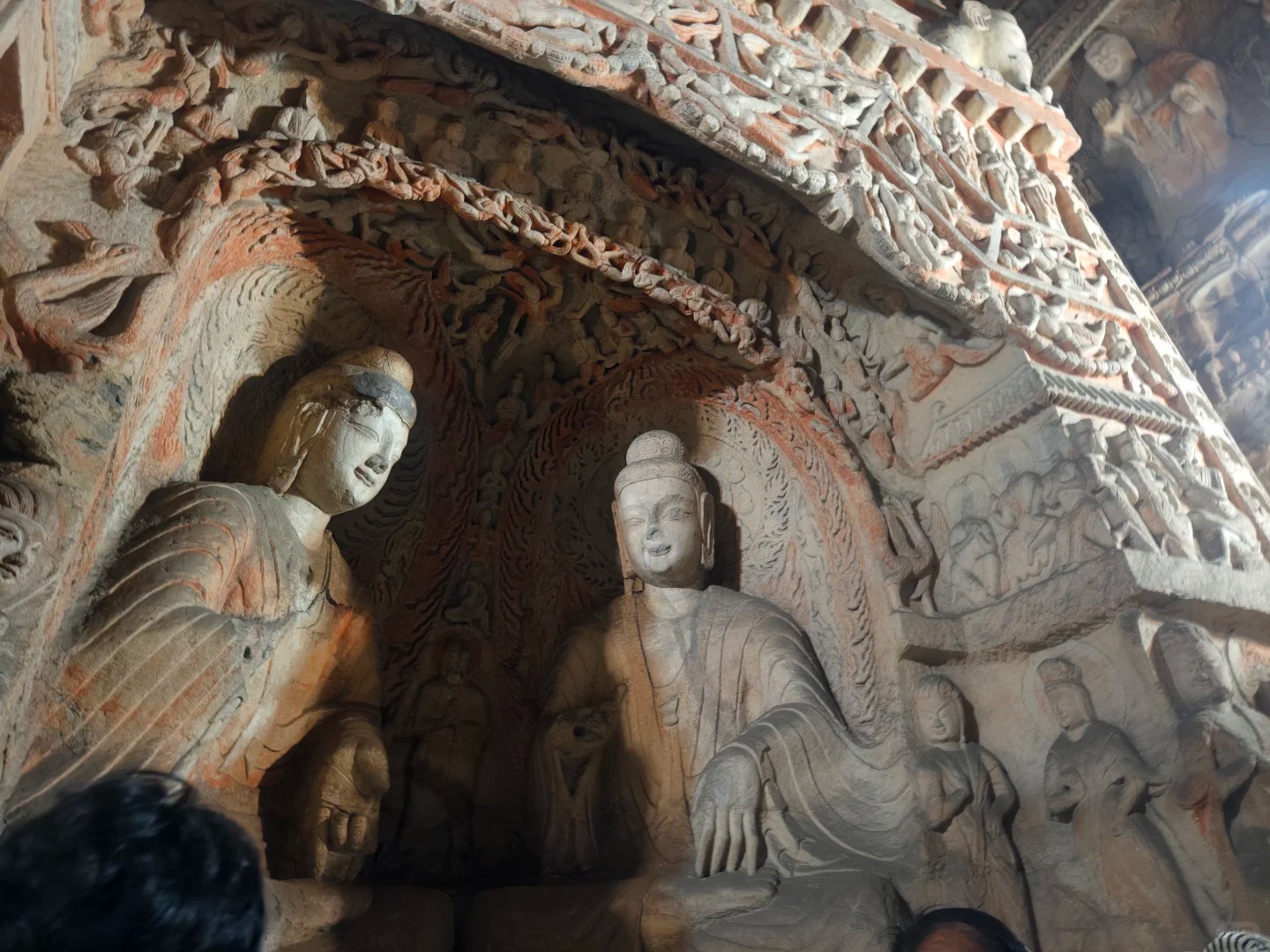
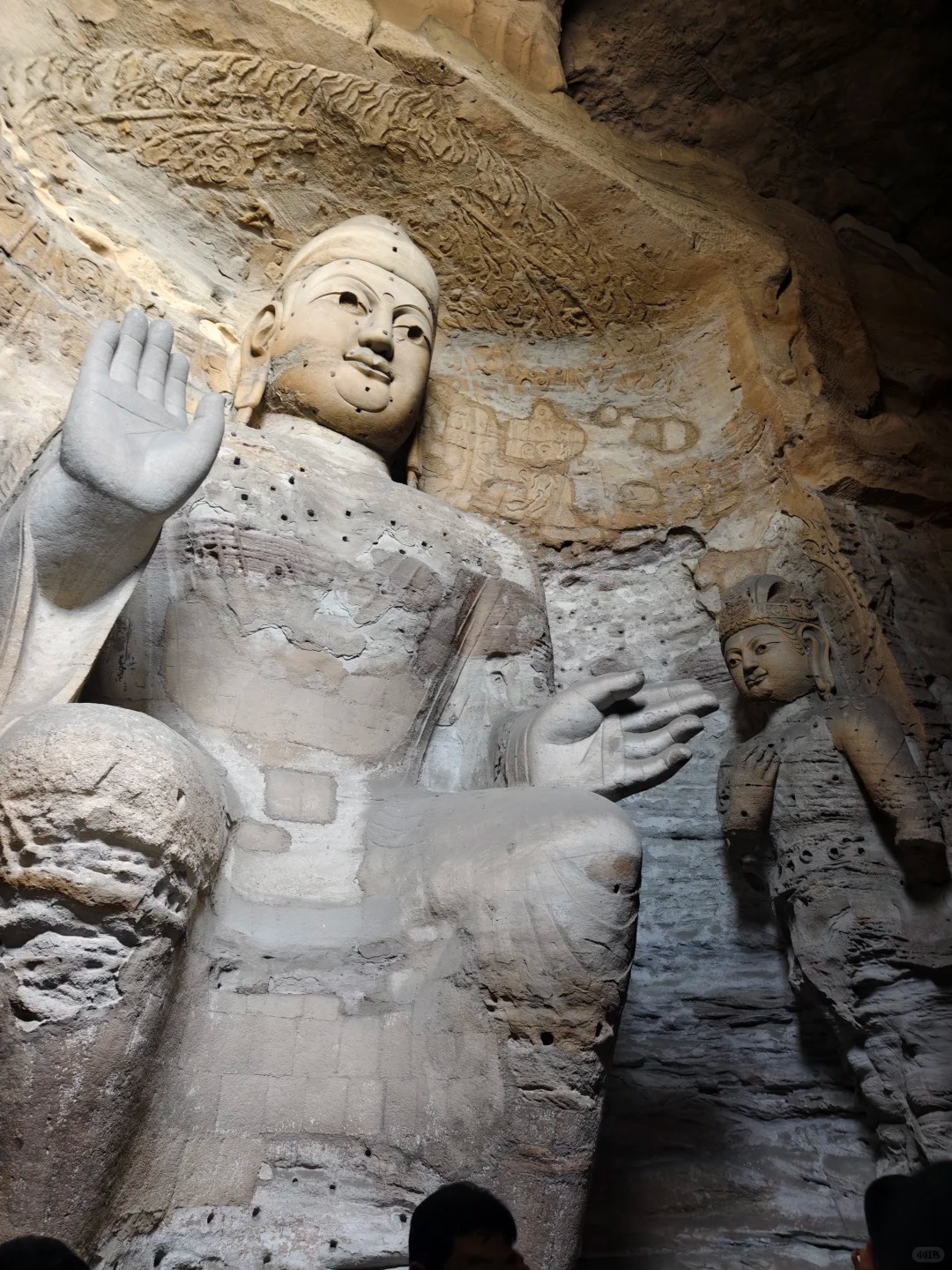
It felt like standing in a room of ghosts. Yet, the bodies that remain are miracles of artistry. The “Northern Qi style” represented here is characterized by a slim, elegant physique and a sense of movement that is incredibly lifelike. In Cave 8, I saw a massive Maitreya Buddha. Even though time has weathered his features, his smile—gentle and compassionate—remains. I found myself tracing the air where his hand would have been, feeling a strange connection to the nameless craftsmen who spent years chipping away at the hard limestone, breathing life into the stone.
I hiked higher up to the summit, where the Fan Temple (Grotto Temple) sits. The wind was fierce up here. The temple itself is a blend of wooden architecture and natural rock caves. It felt incredibly sacred. I found a quiet corner away from a tour group and just sat on a rock ledge, looking out over the valley. The silence here is profound. It’s the kind of silence that forces you to listen to your own thoughts.
One of the highlights was the view of the Dragon Spring, from which the mountain gets its name. The water is clear and cold, supposedly never freezing, even in the depths of winter. I cupped my hands and drank some. It tasted metallic and sweet, like the mountain itself.
On my way down, I decided to take the cable car for a different perspective. Gliding silently over the canopy, I looked down at the winding paths I had just walked. From above, the limestone cliffs looked like the spine of a sleeping dragon. I saw the small entrances to the caves dotted along the rock face, like windows into another dimension.
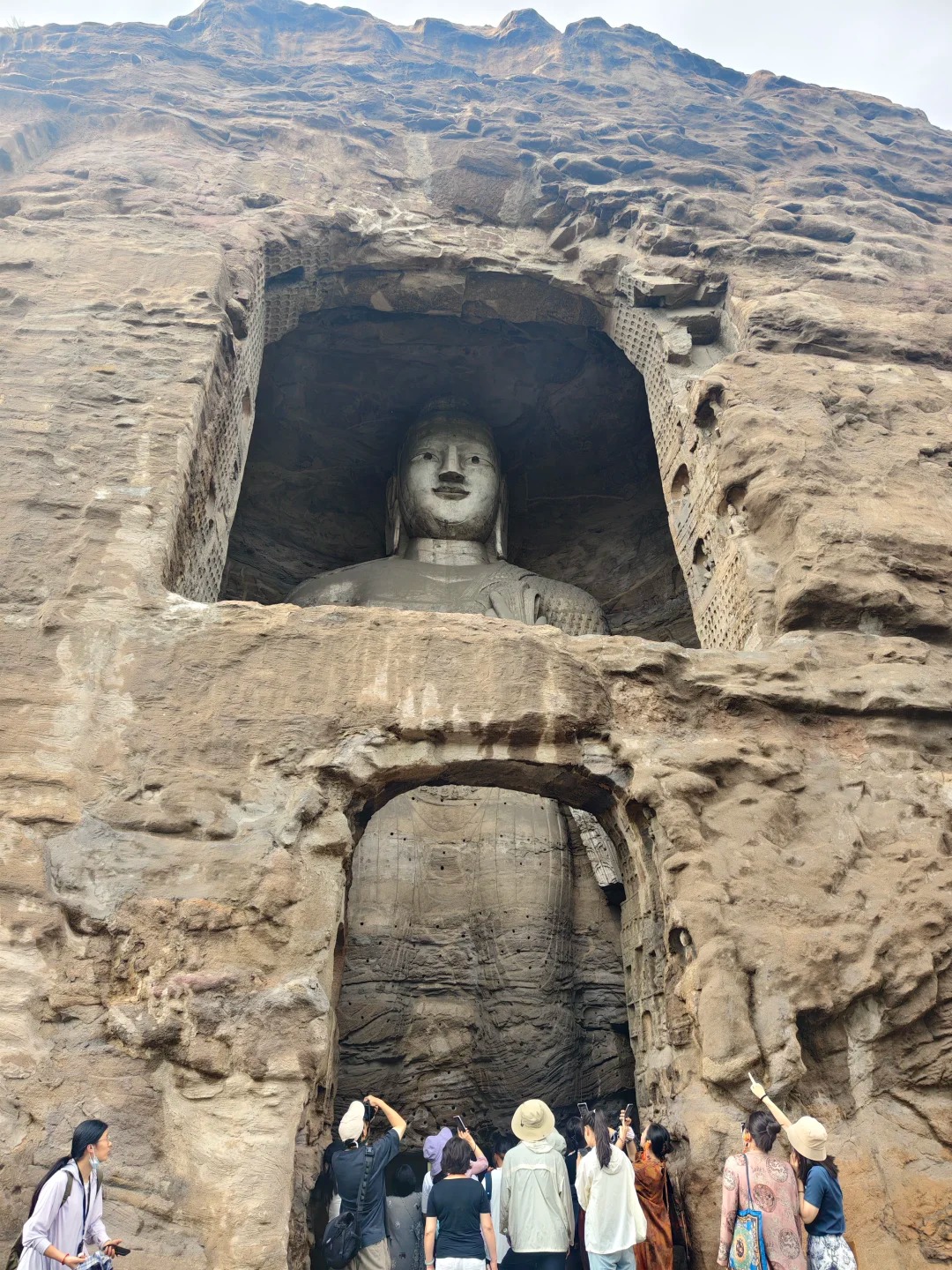
Visiting Tianlongshan is not just about seeing old statues; it’s about confronting history in all its complexity. It is about seeing the destruction caused by greed, but also the enduring power of art. The statues may be broken, but their spirit—their grace and their dignity—is undeniable.
As I left the scenic area, I bought a small bag of local walnuts from a vendor at the gate. They were hard to crack, but the meat inside was fresh and rich. It was the perfect end to the day—simple, earthy, and real. If you find yourself in Shanxi, make the trip to Tianlongshan. Go for the hike, go for the history, but mostly, go to feel the silence of the stone guardians who have watched over these peaks for centuries.