When I arrived in Nanning, the capital of Guangxi, the city’s hustle and bustle felt overwhelming. The constant honking of cars, the crowds of people, and the fast pace of life left me craving a moment of peace. That’s when a local friend recommended Qingxiu Mountain—a lush, green oasis located just a short drive from the city center. “It’s our city’s backyard,” she said. “A place where you can escape the noise and breathe fresh air.” Intrigued, I decided to spend a full day exploring this mountain paradise.
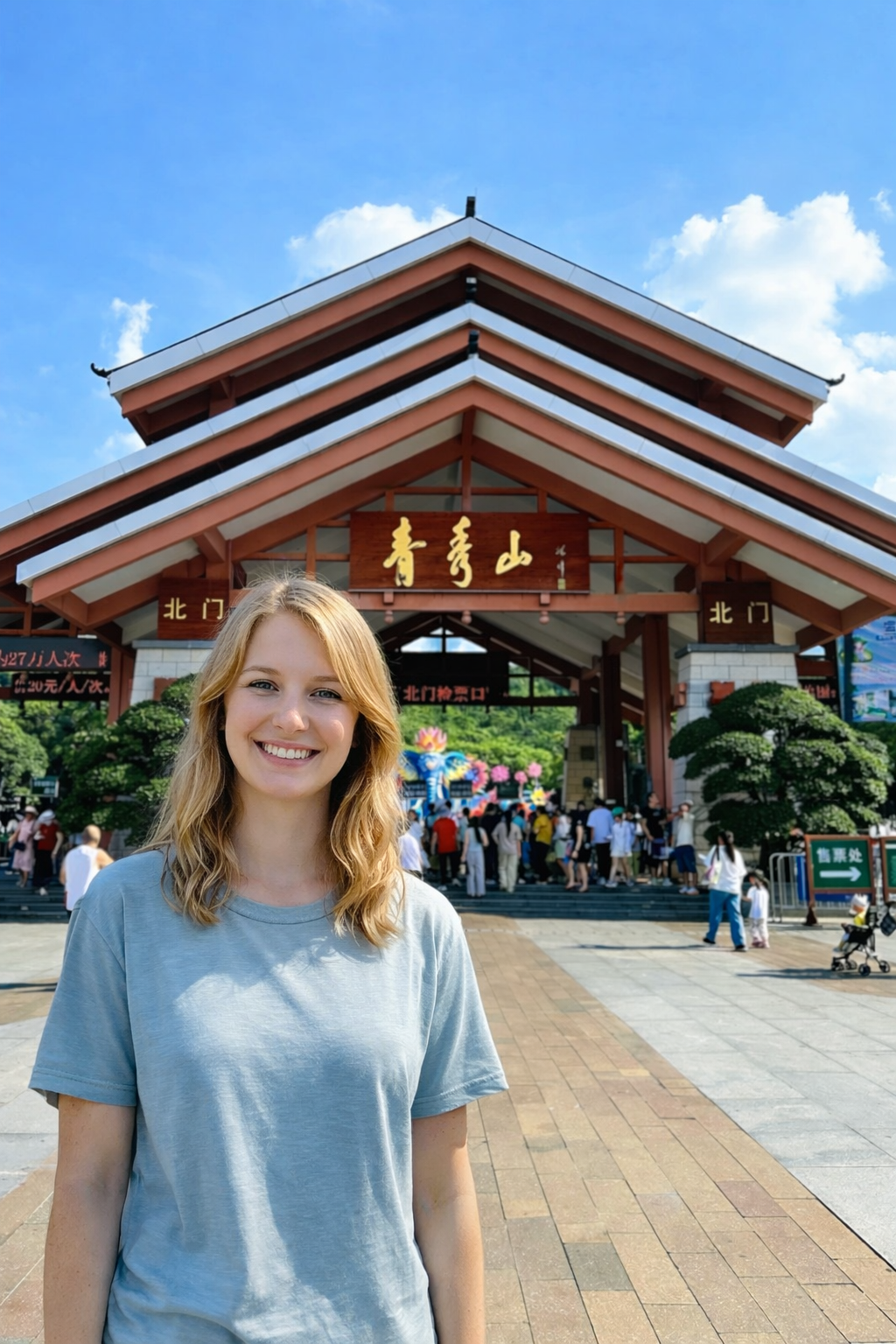
I arrived at Qingxiu Mountain early in the morning, when the air was still cool and misty. The entrance to the mountain is marked by a grand archway, adorned with intricate carvings of dragons and phoenixes—traditional Chinese symbols of good fortune. As I walked through the archway, I was immediately struck by the change in atmosphere: the noise of the city faded away, replaced by the sound of birds singing and water flowing. The path up the mountain is lined with towering banyan trees, their roots hanging down like giant tentacles, and colorful flowers that bloom year-round—orchids, azaleas, and bougainvillea.
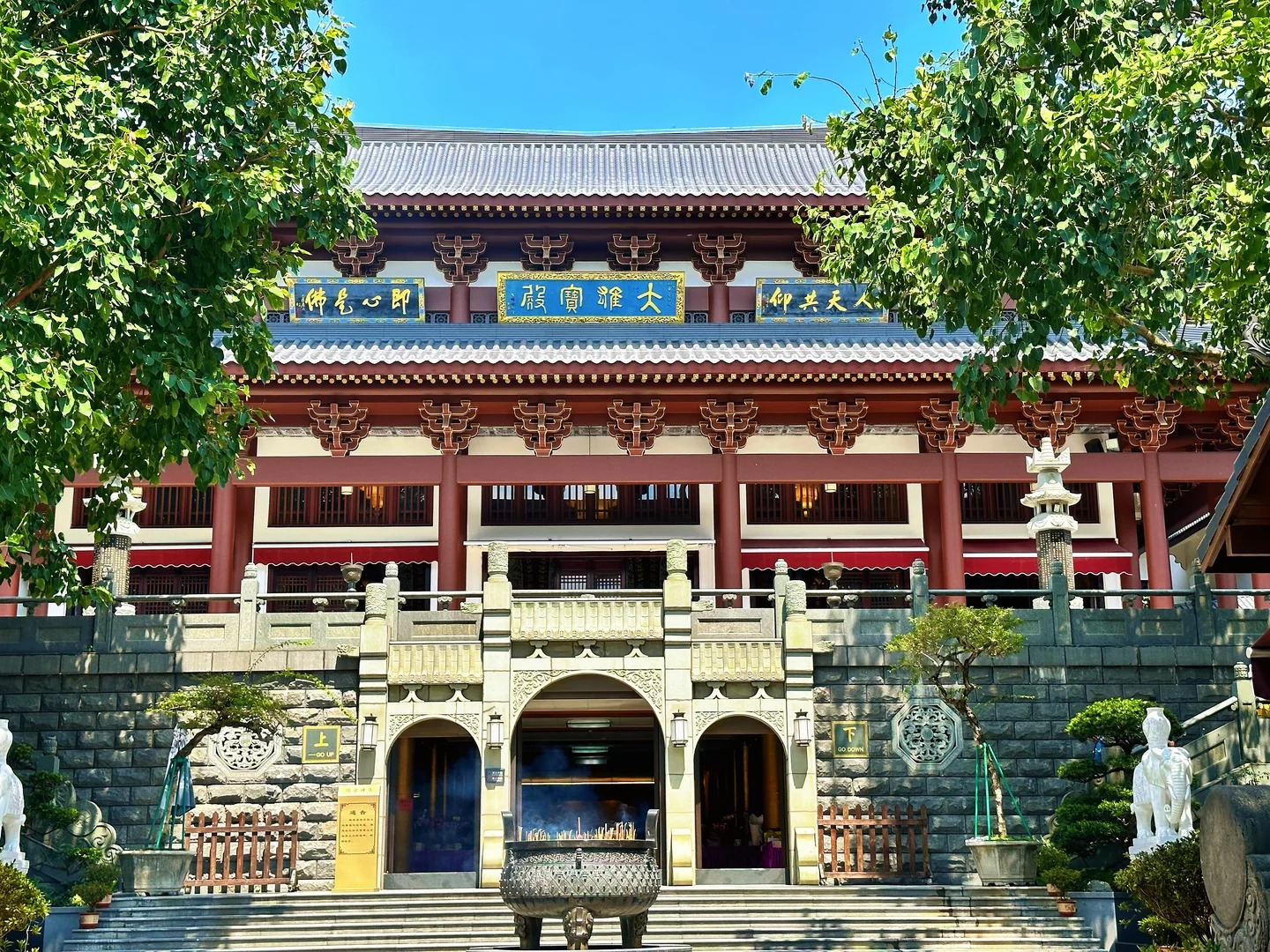
My first stop was the Shuiyue Nunnery, a ancient Buddhist nunnery nestled in a valley. The nunnery is surrounded by a small lake, and the reflection of the temple’s red walls and golden roof shimmers in the water. I walked along the lake’s wooden boardwalk, listening to the sound of Buddhist chants coming from the nunnery. Inside, the nunnery is simple and serene, with incense smoke drifting in the air and statues of Buddha lining the halls. A young nun noticed me looking at the murals on the walls and offered to explain their meaning. She told me that the murals depict the life of the Buddha, and that the nunnery has a history of over 600 years. Her voice was soft and calm, and her words made me feel at peace.
After leaving the nunnery, I continued up the mountain, stopping occasionally to rest on stone benches and admire the views. As I climbed higher, the scenery became even more breathtaking. I could see the entire city of Nanning spread out below me, its skyscrapers standing in stark contrast to the green mountains and rivers. I also passed by several pavilions, where locals were practicing tai chi, playing chess, or singing folk songs. One group of elderly people invited me to join them for a cup of tea, and we chatted (with the help of a translation app) about their daily lives on the mountain. They told me that they come to Qingxiu Mountain every morning to exercise and socialize, and that it’s an important part of their lives.
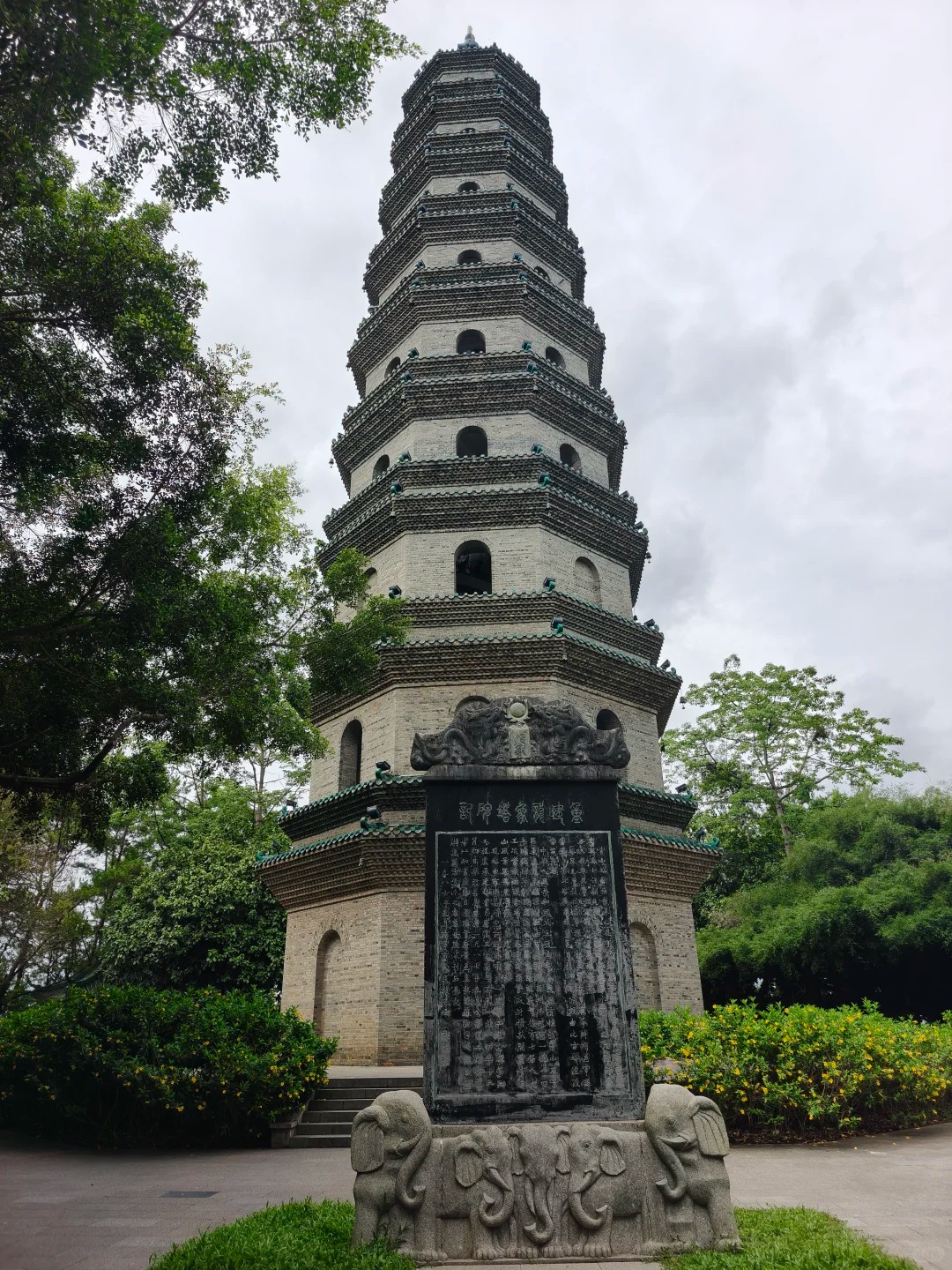
By midday, I reached the top of the mountain, where the Qingxiu Mountain Pagoda stands tall. The pagoda is a seven-story tower with a red exterior and a golden roof, and it offers panoramic views of the surrounding area. I climbed to the top of the pagoda and looked out at the mountains, rivers, and city below. The view was absolutely stunning—green mountains stretched as far as the eye could see, the Yongjiang River wound its way through the city like a silver ribbon, and the sun shone down on everything, making the world glow.
For lunch, I ate at a small restaurant near the pagoda, which serves traditional Guangxi cuisine. I ordered a bowl of snail noodles—a local specialty that’s famous for its spicy, sour flavor. At first, I was hesitant to try it (the smell is quite strong!), but after the first bite, I was hooked. The noodles were chewy, the soup was flavorful, and the snails added a unique texture. The restaurant owner told me that the snail noodles are made with fresh snails from the Yongjiang River, and that the recipe has been passed down for generations.
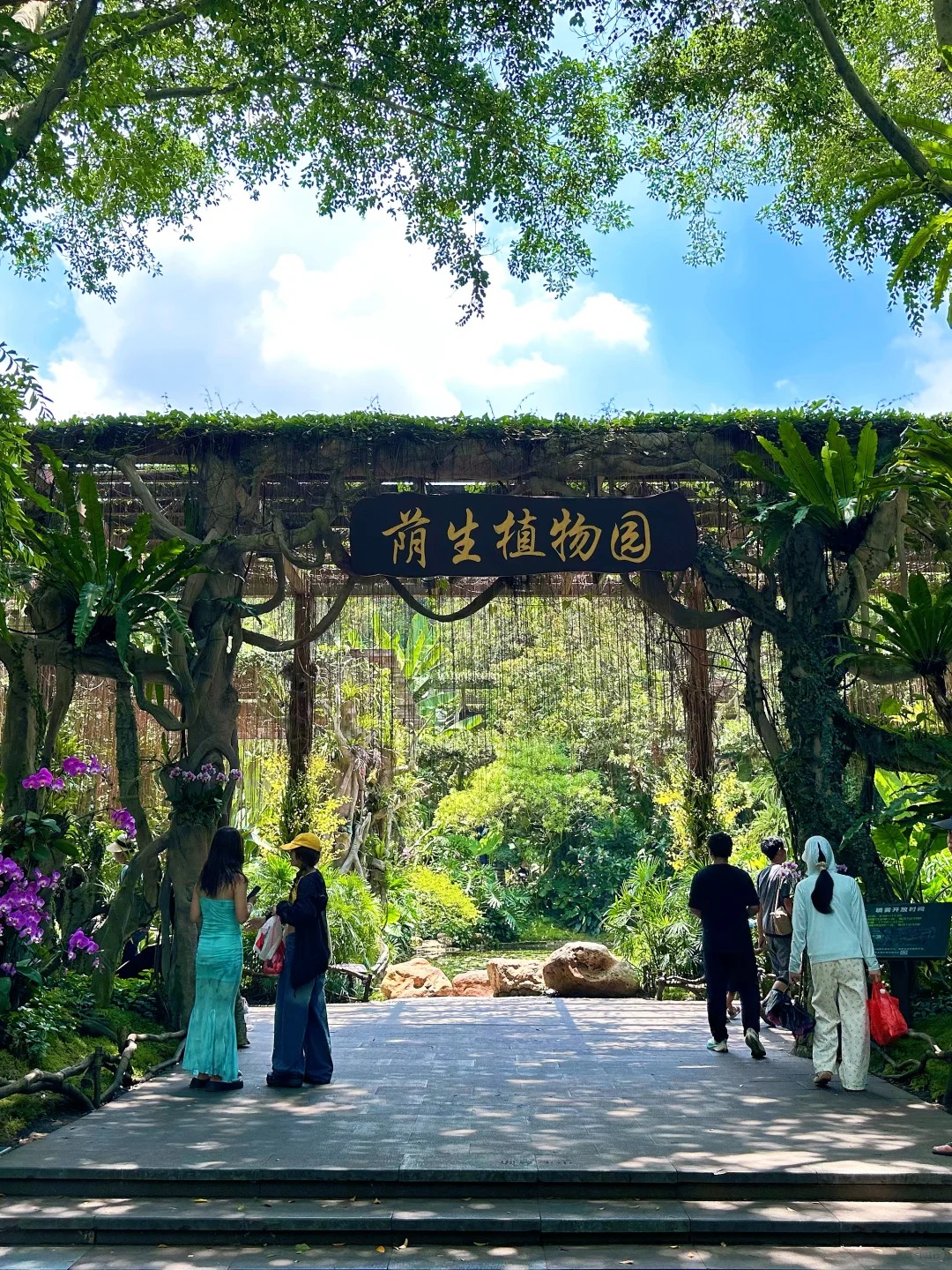
In the afternoon, I explored the Qingxiu Mountain Botanical Garden, which is home to over 1,200 species of plants. I walked through greenhouses filled with tropical flowers and rare plants, and along paths lined with bamboo and palm trees. I also visited the Butterfly Garden, where hundreds of colorful butterflies fluttered around me, landing on my shoulders and hands. It was a magical experience, like stepping into a fairy tale.
As the sun began to set, I made my way back down the mountain. The sky turned pink and orange, and the mountain was bathed in golden light. I passed by the Shuiyue Nunnery again, and the sound of chants was even more beautiful in the evening light. When I reached the entrance, I looked back at the mountain, feeling grateful for the peace and tranquility it had given me.
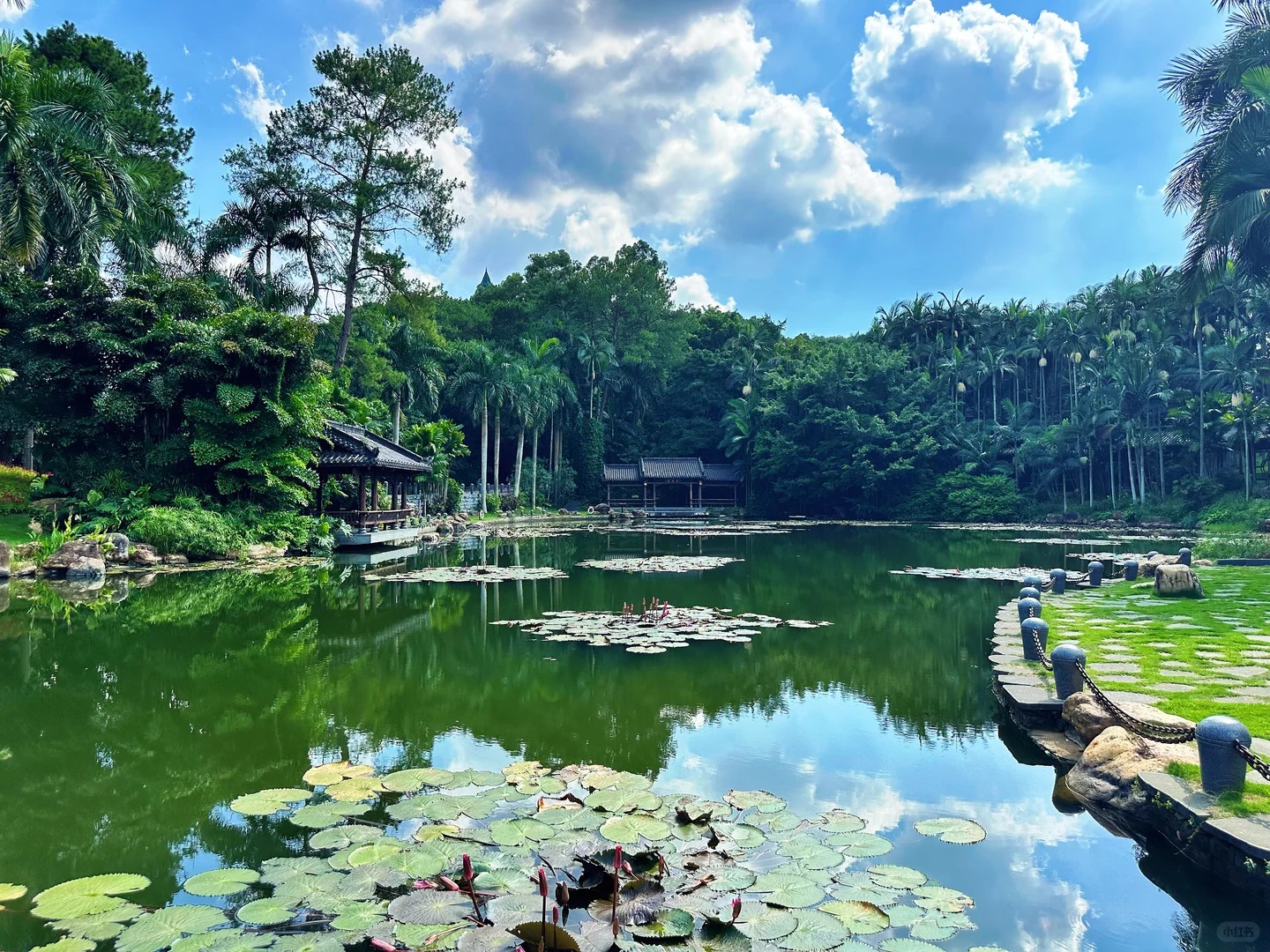
Qingxiu Mountain is more than just a mountain; it’s a symbol of Nanning’s connection to nature and culture. It’s a place where locals and tourists alike can escape the noise of the city, relax, and recharge. Whether you’re interested in Buddhism, botany, or just want to enjoy beautiful views, Qingxiu Mountain has something for everyone. If you ever find yourself in Nanning, don’t miss this green oasis—it’s a true gem.