Standing at the foot of Wuyishan’s iconic Danxia landforms, I’m instantly struck by the surreal beauty of the landscape. Jagged red sandstone peaks rise sharply from the lush green valleys, shrouded in a thin layer of mist that seems to change with every passing minute. I’ve traveled to many mountain ranges in China, from the grandeur of the Himalayas to the elegance of Huangshan, but Wuyishan’s unique combination of dramatic peaks, crystal-clear streams, and rich tea culture makes it a truly one-of-a-kind destination. Over the next three days, I immerse myself in this natural and cultural wonderland, and each moment feels like a new discovery.

My first adventure is a bamboo raft ride down the Nine Bend Stream, which winds its way through the heart of Wuyishan. The raft is guided by two local boatmen, who use long bamboo poles to navigate the shallow waters. As we glide downstream, the peaks on either side of the stream seem to come alive. Some resemble mythical creatures—a dragon soaring into the sky, a fairy sitting on a cloud—while others look like ancient pagodas or giant pillars. The boatmen point out the names of each peak and share local legends about them. One story tells of a fairy who fell in love with a mortal fisherman and lived with him by the stream, their love story immortalized in the shape of the peaks. I listen intently, letting the stories and the sound of the water wash over me. The water is so clear that I can see fish swimming around the rocks at the bottom, and occasionally, a heron flies low over the surface, searching for its next meal.
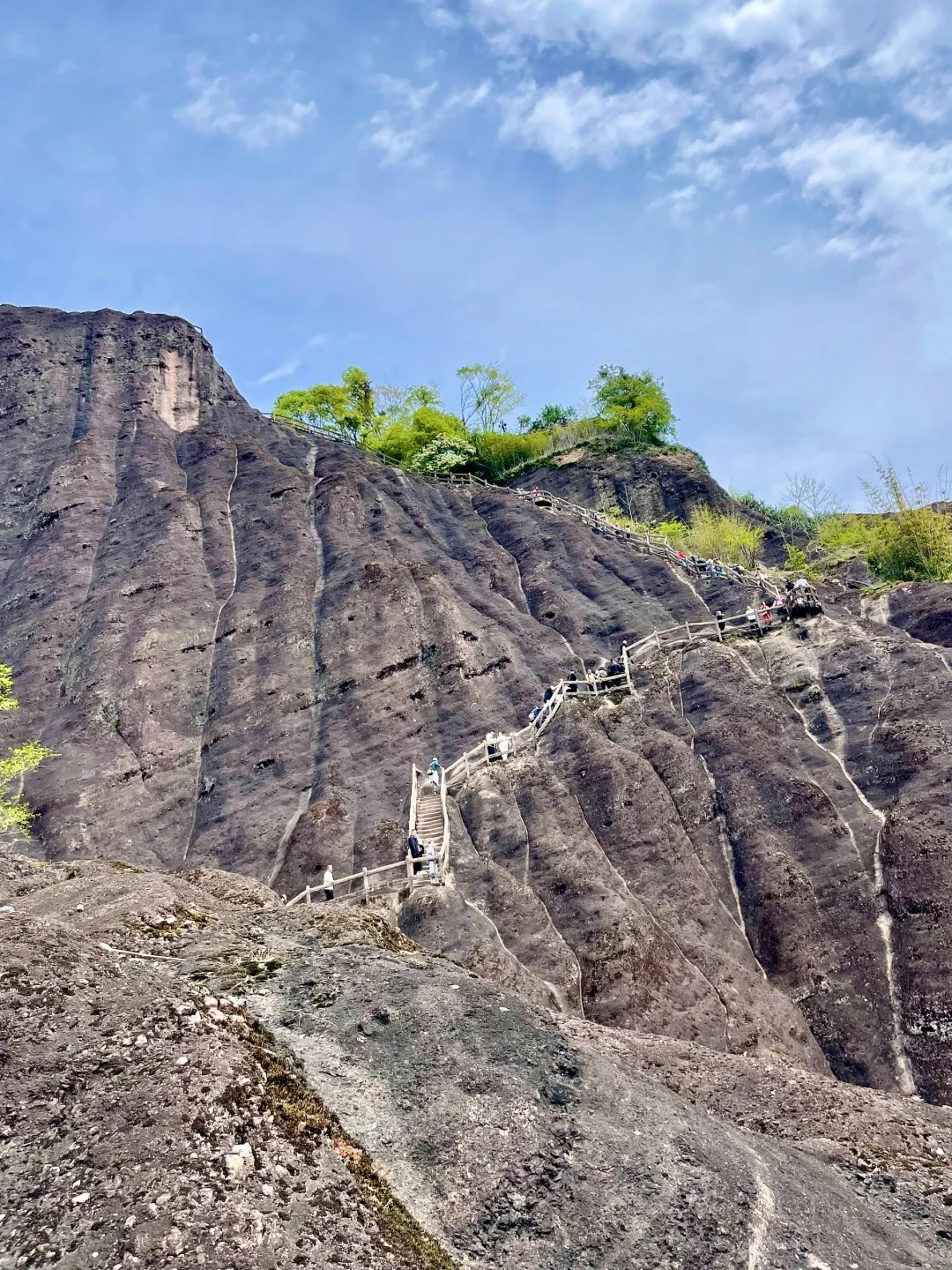
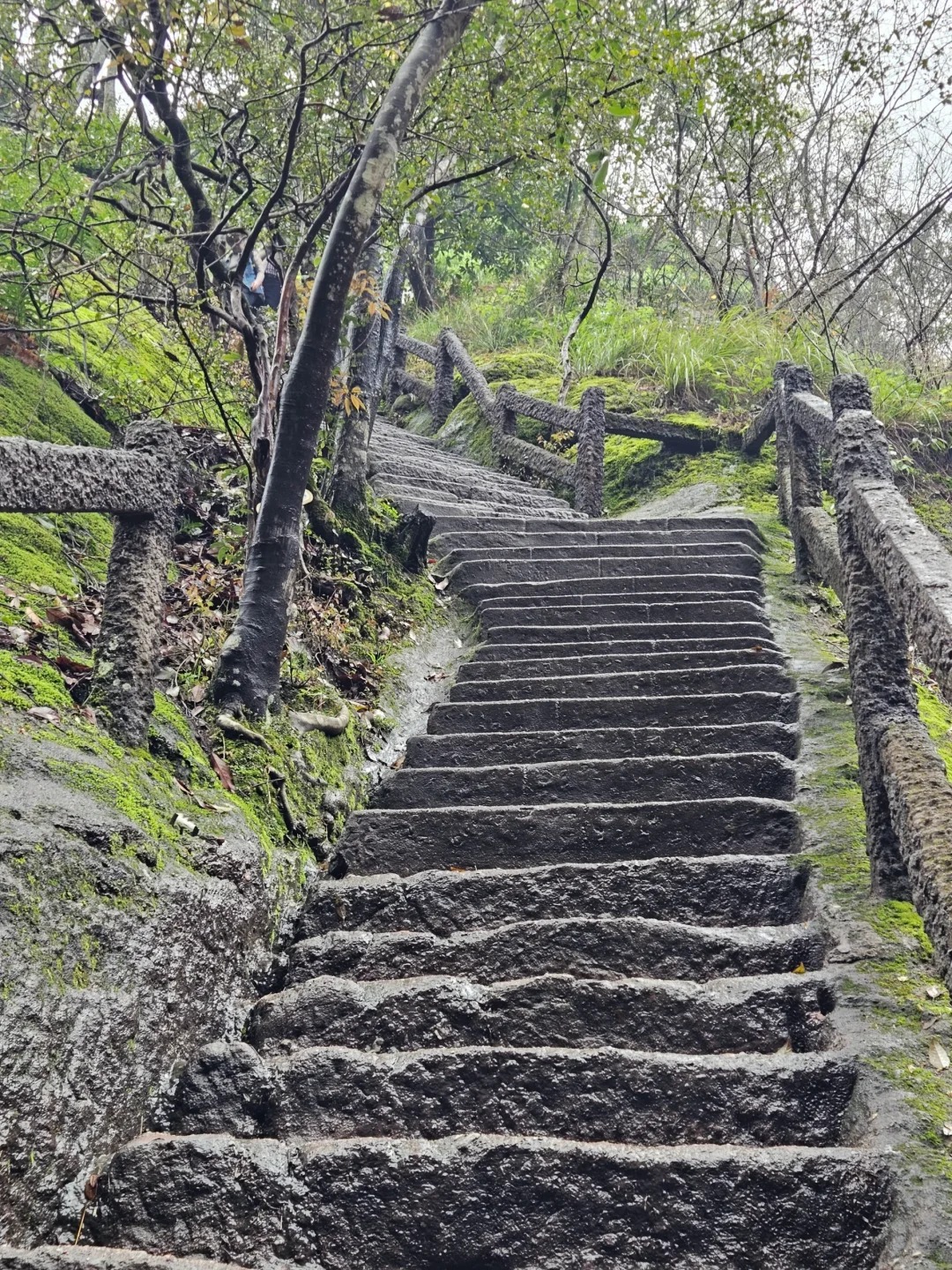
After the raft ride, I set out to hike the Heavenly Tour Peak, one of the most popular trails in Wuyishan. The trail is steep in places, with stone steps carved into the side of the mountain, but the views along the way are breathtaking. I pass by ancient stone inscriptions, some dating back over a thousand years, left by poets and scholars who were inspired by the beauty of Wuyishan. At the halfway point, I stop at a small pavilion to catch my breath. A group of local tea farmers are resting there, drinking tea from small clay cups. They invite me to join them, and I accept eagerly. They pour me a cup of da hong pao (big red robe) tea, a famous Wuyi rock tea. The tea has a rich, roasted flavor with a hint of sweetness, and it warms me up from the inside out. The farmers tell me about the process of growing and making Wuyi rock tea, explaining that the unique flavor comes from the rocky soil and the misty climate of the mountains. It’s a fascinating insight into a culture that has been passed down for generations.
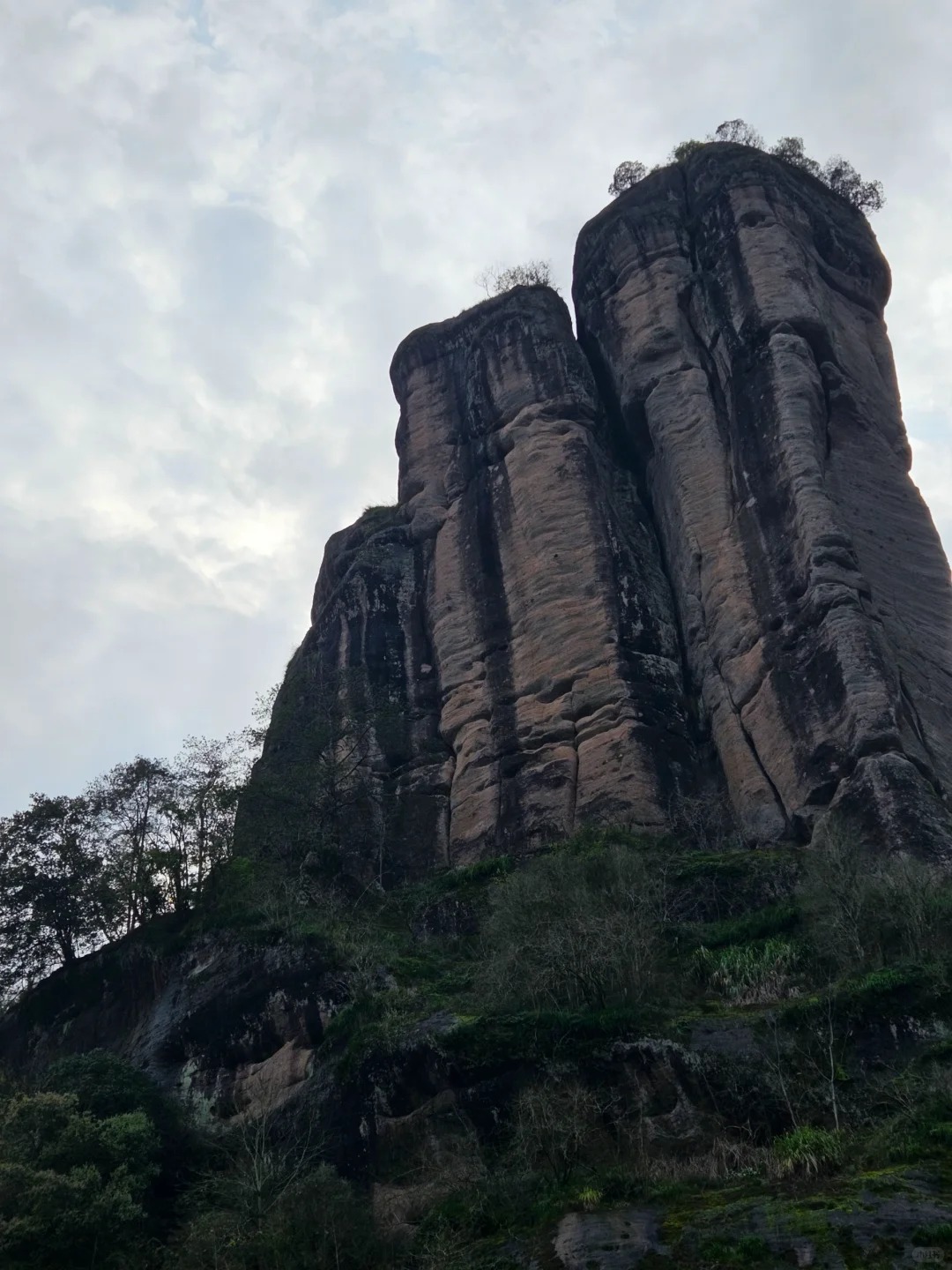
The next day, I visit the Da Hong Pao Scenic Area, where the original da hong pao tea bushes grow on a cliffside. These ancient bushes are over 350 years old, and they are considered national treasures. I walk along a plank road that winds around the cliff, getting a close-up view of the bushes. A guide explains that the tea from these bushes is extremely rare and valuable, and that only a small amount is produced each year. I also visit a local tea factory, where I watch the tea-making process from start to finish—from picking the tea leaves to roasting and rolling them. The workers are skilled and precise, and it’s amazing to see how much care and effort goes into making a single cup of Wuyi rock tea. Later, I have the opportunity to participate in a tea-tasting session, where I sample different types of Wuyi rock teas, each with its own unique flavor profile. It’s a sensory experience like no other, and I leave with a newfound appreciation for Chinese tea culture.
Wuyishan is not just about mountains and tea; it’s also home to a diverse range of flora and fauna. I spend a morning exploring the Wuyishan National Nature Reserve, which is a UNESCO World Heritage Site. The reserve is home to over 2,500 species of plants and 500 species of animals, including the rare South China tiger and the Chinese giant salamander. I walk along a trail through the forest, listening to the sound of birds chirping and leaves rustling in the wind. I spot a group of macaques swinging from tree to tree, their playful antics making me laugh. I also see many unique plants, including ancient gingko trees and colorful orchids. The air is fresh and clean, filled with the scent of pine and wild flowers. It’s a reminder of the importance of protecting our natural environment.
When it comes to food, Wuyishan’s cuisine is closely tied to its tea culture. Many dishes use tea as an ingredient, adding a unique flavor. I try braised pork with da hong pao tea, which is tender and flavorful, with a subtle tea aroma. I also enjoy stir-fried bamboo shoots with garlic, a fresh and crispy dish that showcases the local produce. For dinner, I eat at a small restaurant in the nearby town of Wuyishan City. The owner serves me a bowl of nongtang fish soup, a hearty soup made with fresh fish from the Nine Bend Stream, and a plate of stir-fried local vegetables. The food is simple but delicious, and it’s the perfect way to end a day of exploring.
On my last day in Wuyishan, I wake up early to watch the sunrise from the top of Heavenly Tour Peak. As the sun rises, the mist lifts, revealing the full beauty of the peaks and valleys. The sky is a riot of colors—orange, pink, and purple—and the mountains are bathed in golden light. I stand there, taking it all in, feeling grateful for the opportunity to experience such a beautiful place. Wuyishan is more than just a mountain; it’s a place where nature, culture, and history come together in perfect harmony. It’s a place that inspires awe and wonder, and it’s a place that I will never forget. Whether you’re an adventure seeker, a tea lover, or a nature enthusiast, Wuyishan has something to offer everyone.