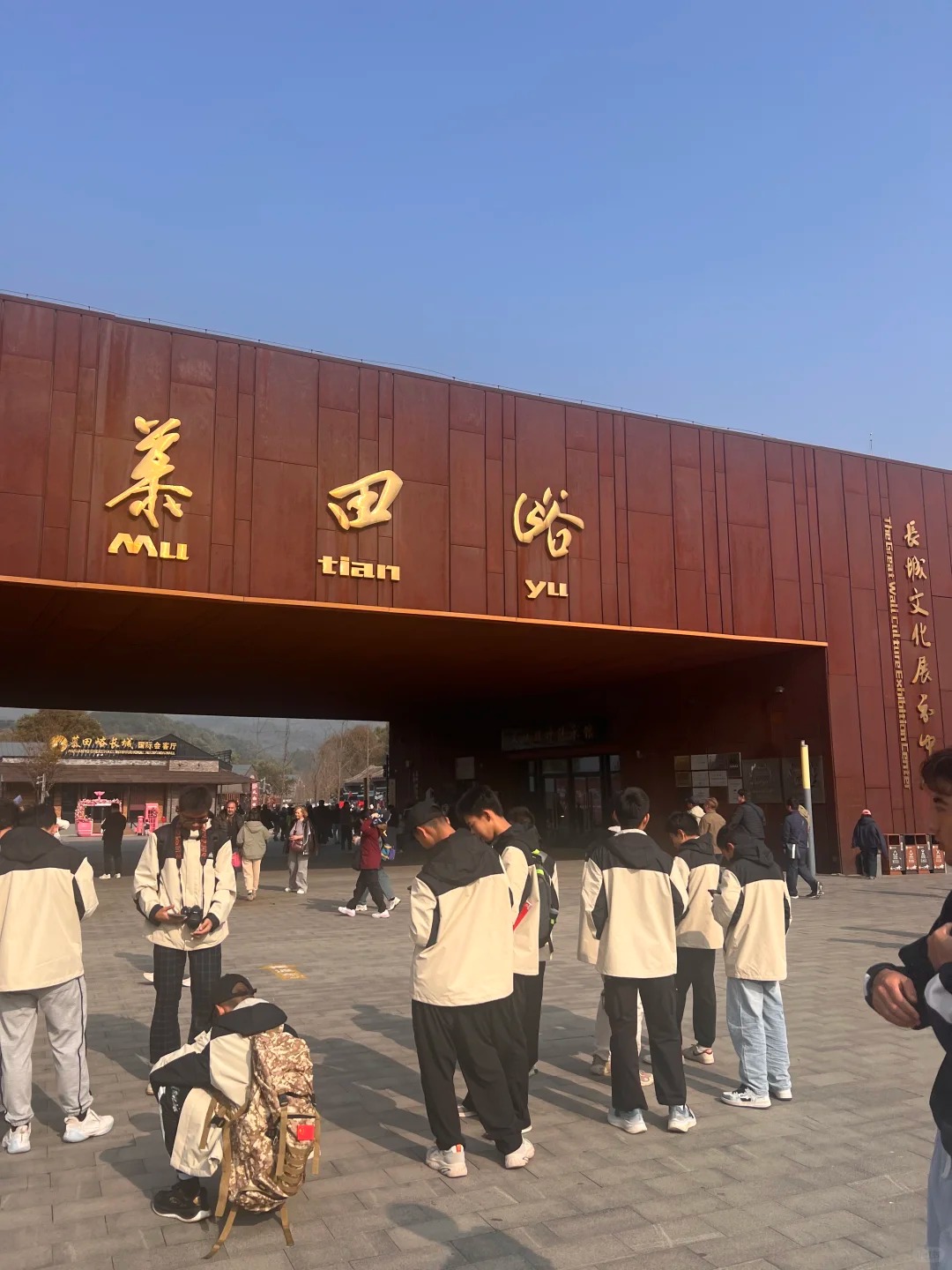
The morning mist was still clinging to the mountains of Huairou when I arrived, a thick, cottony blanket that muffled the sounds of the waking world. I had deliberately set my alarm for an unholy hour, determined to beat the busloads of tourists that inevitably descend upon Beijing’s most famous attraction. Standing at the base of the Mutianyu section, looking up at the verdant, forest-covered peaks, I felt that familiar flutter of anticipation—a mix of awe at the history before me and the physical challenge ahead.
Unlike the congested Badaling section, which often feels more like a chaotic market than a historical monument, Mutianyu offers a different kind of conversation with the past. It is quieter here, nestled in the dense forests, and the wall feels more organic, as if it grew out of the mountain ridges rather than being built upon them.
I bypassed the cable car for the chairlift. There is something poetic about sitting in that open-air chair, dangling your legs over the terraced orchards and ancient trees, slowly ascending toward the clouds. The air grew crisper as I rose, carrying the scent of pine and damp earth. When I stepped off onto the Watchtower 14, the wind hit me instantly—a cool, sharp breeze that tasted of history.
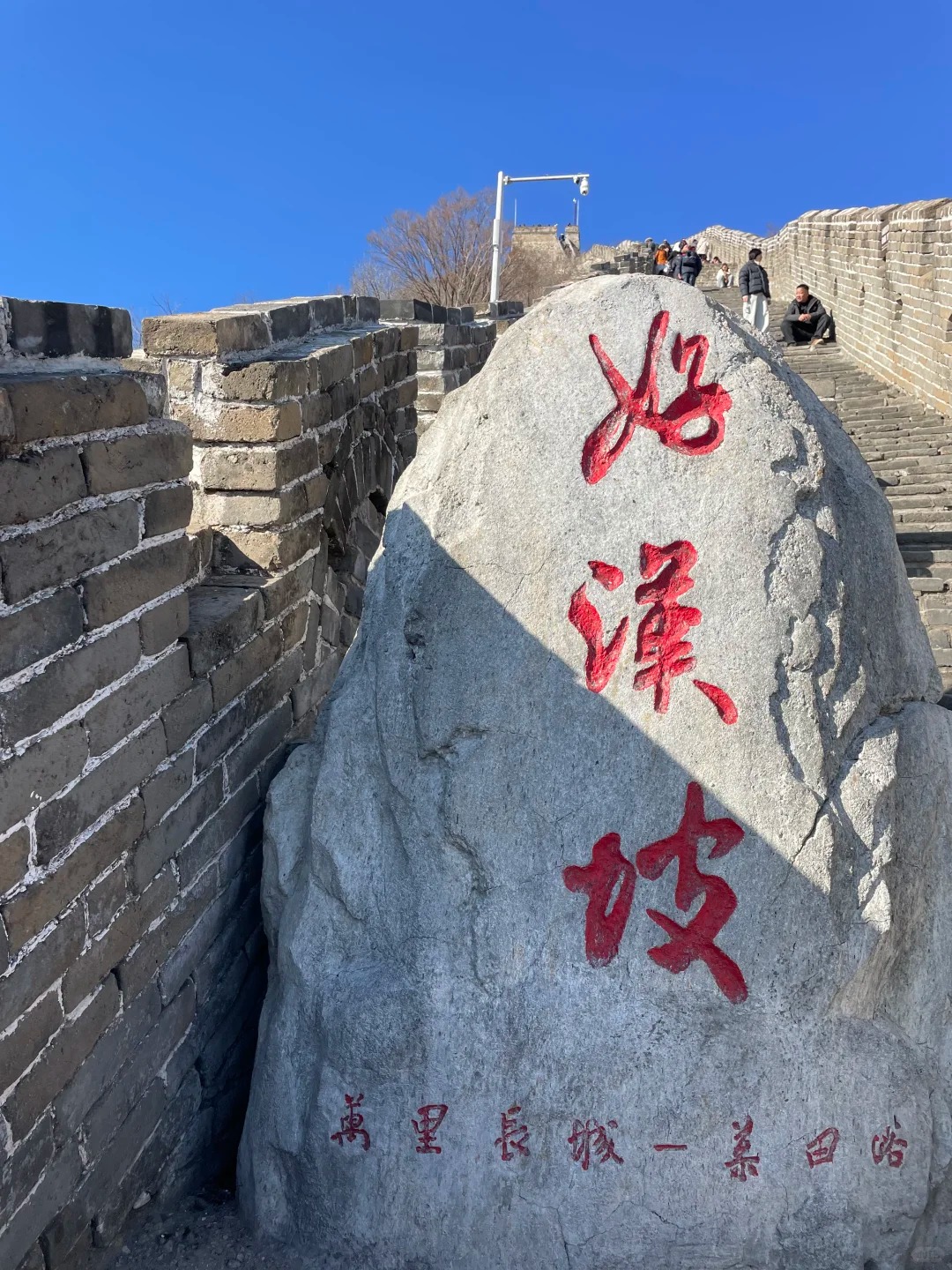
The wall here is a masterpiece of Ming Dynasty engineering. It snakes over the mountain crests like a massive stone dragon, its scales weathered by centuries of rain, snow, and the footsteps of soldiers and emperors. I started my hike, my boots gripping the uneven, sloping stones. Some steps are waist-high, built deliberately steep to deter invaders, forcing me to use my hands and knees to scramble up. It is a visceral workout; your thighs burn, your breath shortens, and you realize with sudden clarity that this was not built for leisure. It was a fortress, a hard line drawn in the landscape by a civilization determined to protect its way of life.
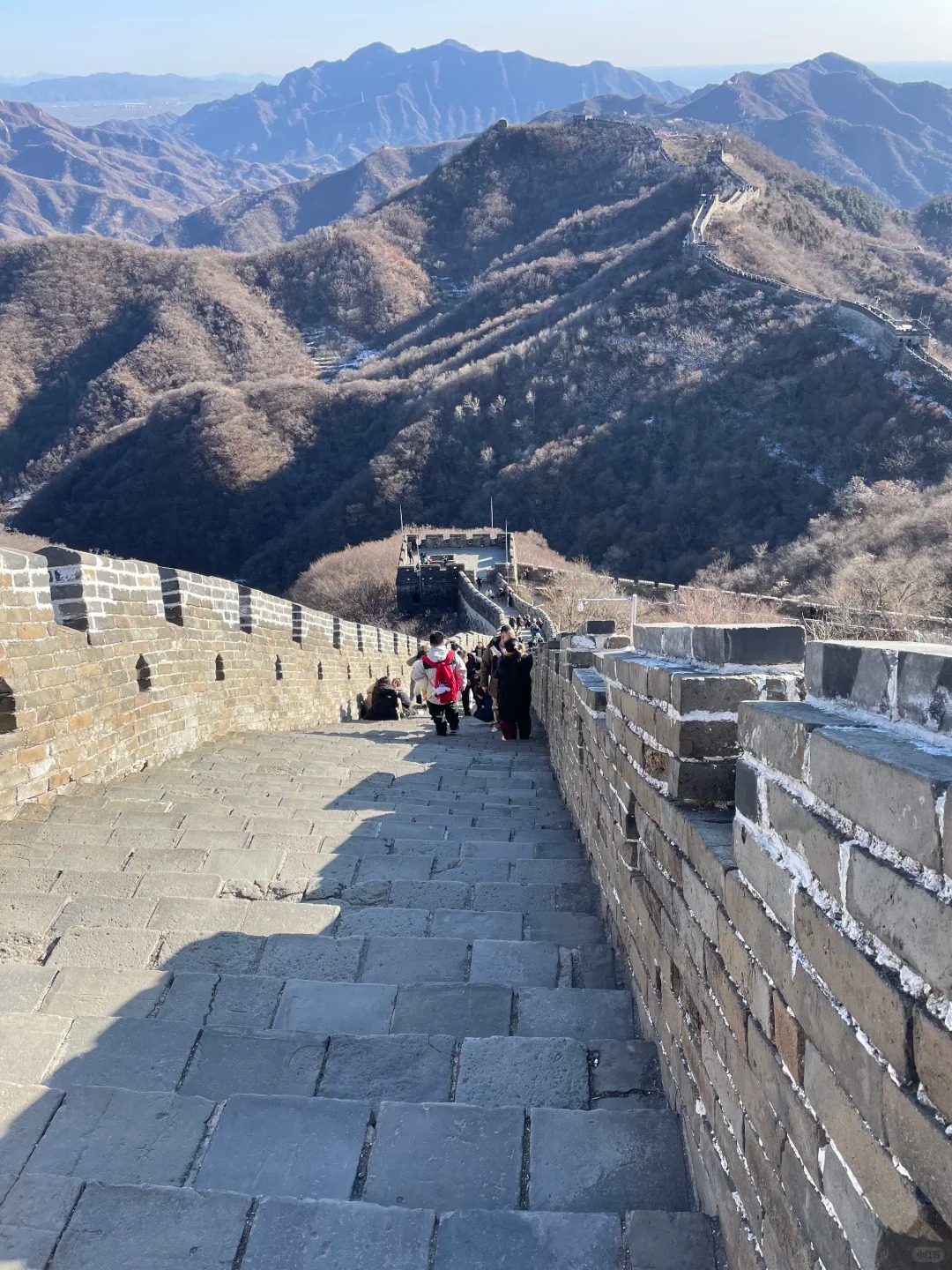
Reaching Watchtower 23, the highest point in this section, I stopped to catch my breath. Below me, the wall stretched endlessly in both directions, rolling over the mountains like waves freezing in time. The view is humbling. To the east, I could see the wall crumbling slightly, returning to nature in a section known as the “Wild Wall,” a stark contrast to the meticulously restored stretch beneath my feet.
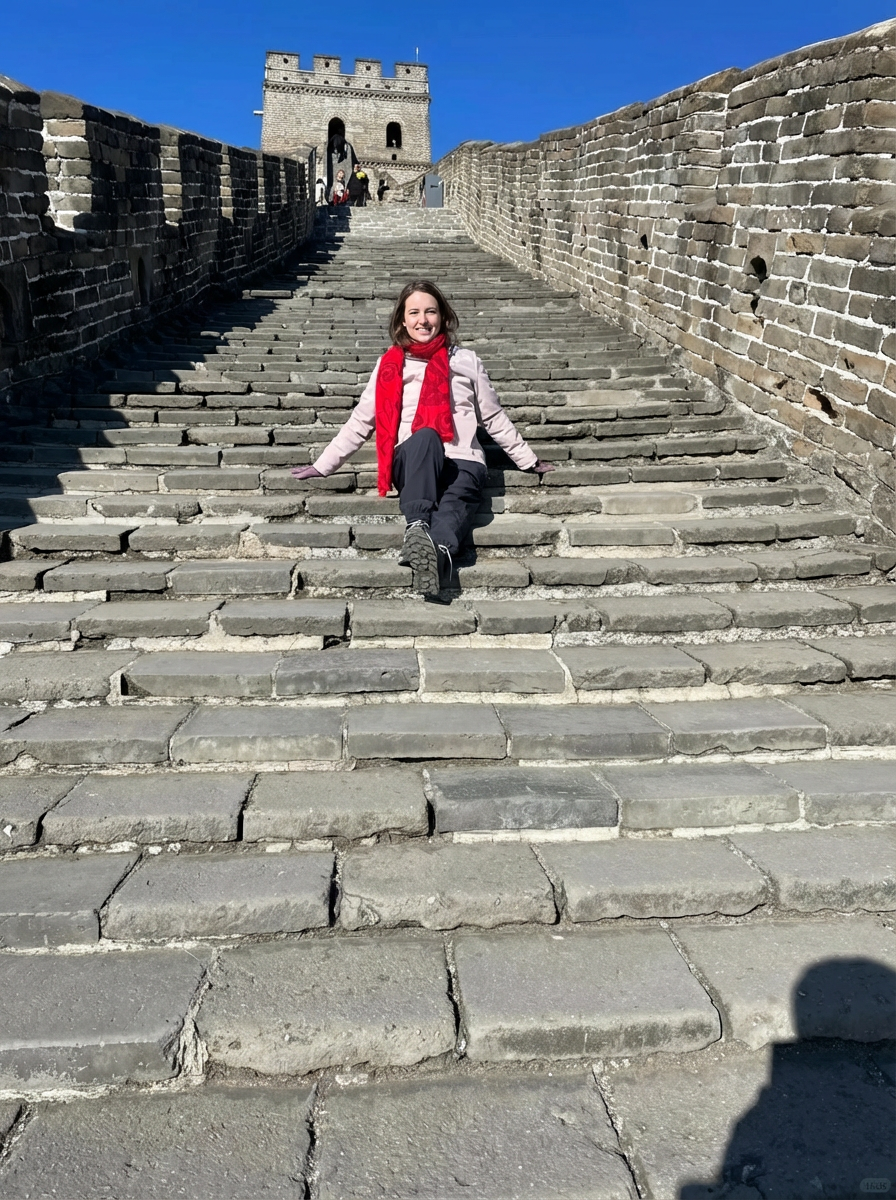
I found a solitary spot atop a battlement, sat down, and simply watched. For a long moment, I was the only person on that stretch of the wall. I closed my eyes and tried to listen to the ghosts. I imagined the clanking of armor, the shouted orders in archaic dialects, the smoke signal fires rising from the beacon towers. It is easy to get lost in the romanticism of it, but the reality is stark and brutal. This is a monument to immense human labor and suffering, a testament to the sheer willpower of a people.
Coming down was a different adventure. I chose the toboggan track—a modern, exhilarating contrast to the ancient ascent. Sitting in a plastic sled on a metal rail, I wound my way down the mountain, speeding through the forest with the wind rushing past my ears. It was a burst of pure joy, a moment of laughter that broke the solemnity of the morning hike. It felt like a secret handshake between the ancient world and the new.
Before leaving, I headed to the small village at the foot of the mountain to find some lunch. I found a family-run restaurant, the kind where the walls are covered in photos of celebrities who have visited and the owner treats you like a long-lost relative. I ordered the local specialty: *Huairou Rainbow Trout*, sizzled in a chili oil sauce with fresh ginger and scallions. The fish was fresh, caught from the mountain streams, and the flesh was tender and sweet, perfectly balanced by the heat of the spices.
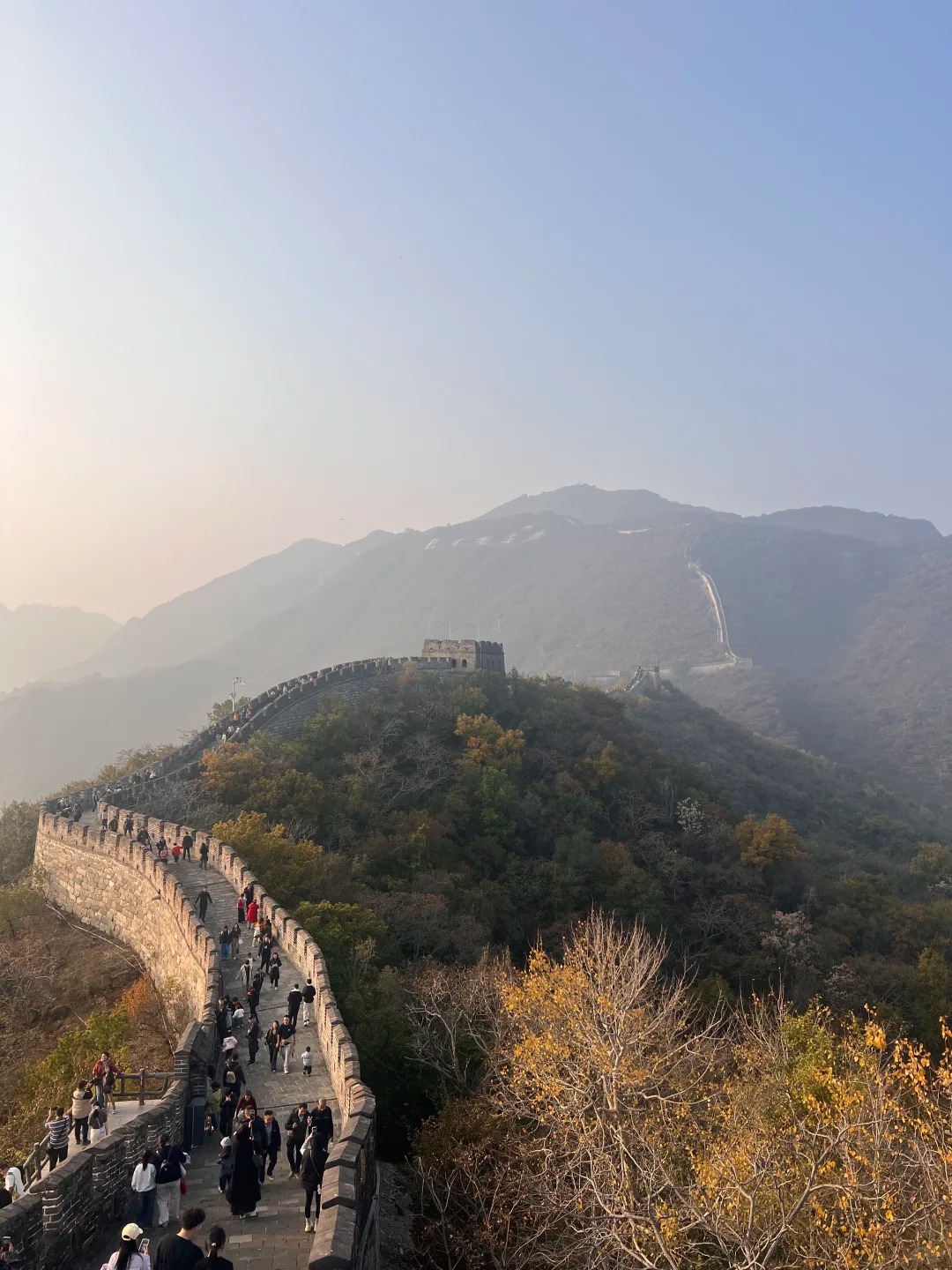
Sitting there, wiping sweat from my forehead, looking back up at the Wall that now looked like a faint grey line in the distance, I felt a profound sense of connection. The Great Wall is not just a pile of stones; it is the spine of this country. Visiting Mutianyu isn’t just about checking a landmark off a list. It is about walking the same path, touching the same bricks, and feeling the same wind that has shaped China for millennia. It was, without a doubt, one of the most physically demanding and spiritually rewarding mornings of my life.