They say you haven’t truly understood China until you’ve watched the sunrise from the summit of Mount Tai. But what they don’t tell you is that the pilgrimage up the mountain is the real revelation. I chose to walk, rejecting the cable car, starting my ascent from the Red Gate at midnight. The ancient stone staircase, worn smooth by millions of footsteps over 3,000 years, vanished into a velvet darkness punctuated only by the bobbing lights of headlamps from other climbers and the distant, cold glitter of stars.
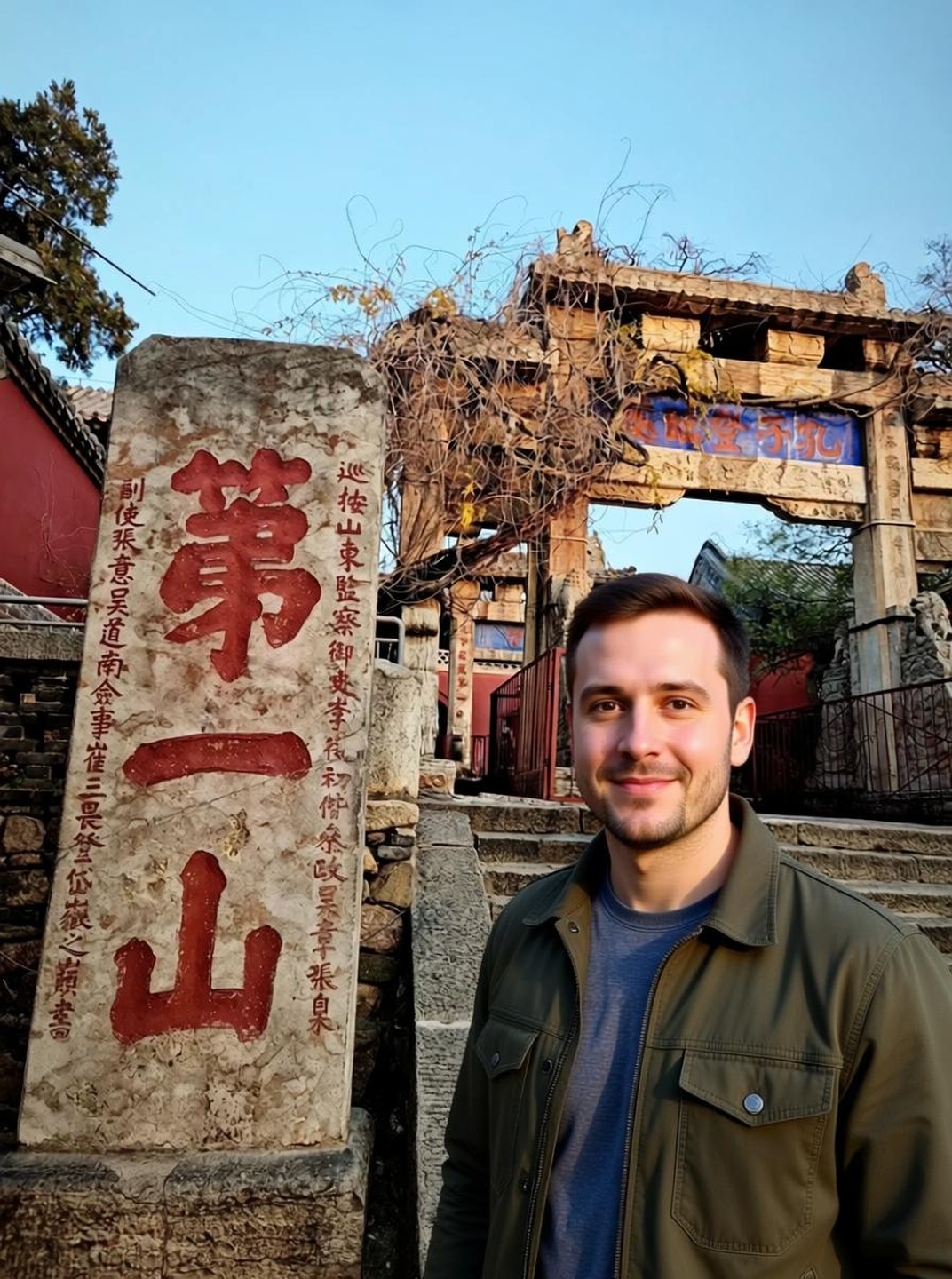
This was no hike; it was a vertical journey through Chinese cosmology. Mount Tai is not the tallest of China’s Five Great Mountains, but it is the most revered, the Eastern Peak where emperors performed sacred fengshan rituals to commune with Heaven. As I climbed, breathing the thin, pine-scented air, the path unfolded like a spiritual syllabus. I passed the solemn, towering stelae of calligraphy, where emperors from Qin Shi Huang to Qianlong had carved their legitimacy into the living rock. I rested at the Mid-Heaven Gate, feeling literally and metaphorically suspended between the earthly and the celestial realms. The higher I went, the more the climb stripped away the mundane. My muscles burned, my mind emptied of everything but the next step, the next breath. It became a moving meditation.
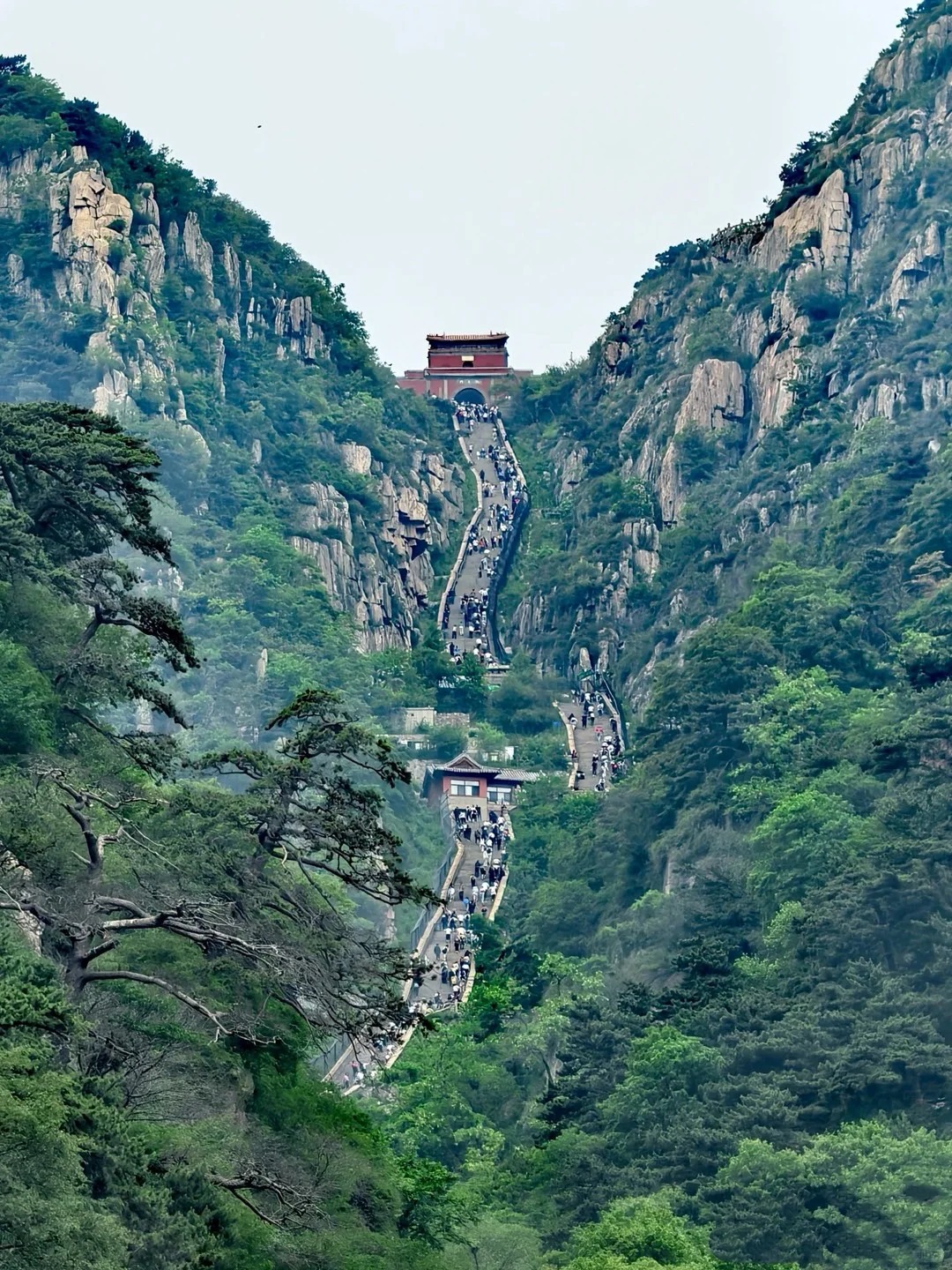
The final stretch before the South Heaven Gate—the infamous “Eighteen Bends”—is a sheer, seemingly endless staircase carved into the cliff face. Under the pale moonlight, it looked like a white ribbon cascading from the stars. Here, human vulnerability meets imperial ambition. I saw elderly pilgrims, their faces etched with determination, pausing at every few steps, whispering prayers. I saw young students, encouraging each other. There were no strangers on those steps, only fellow travelers in a shared, arduous quest for the top.
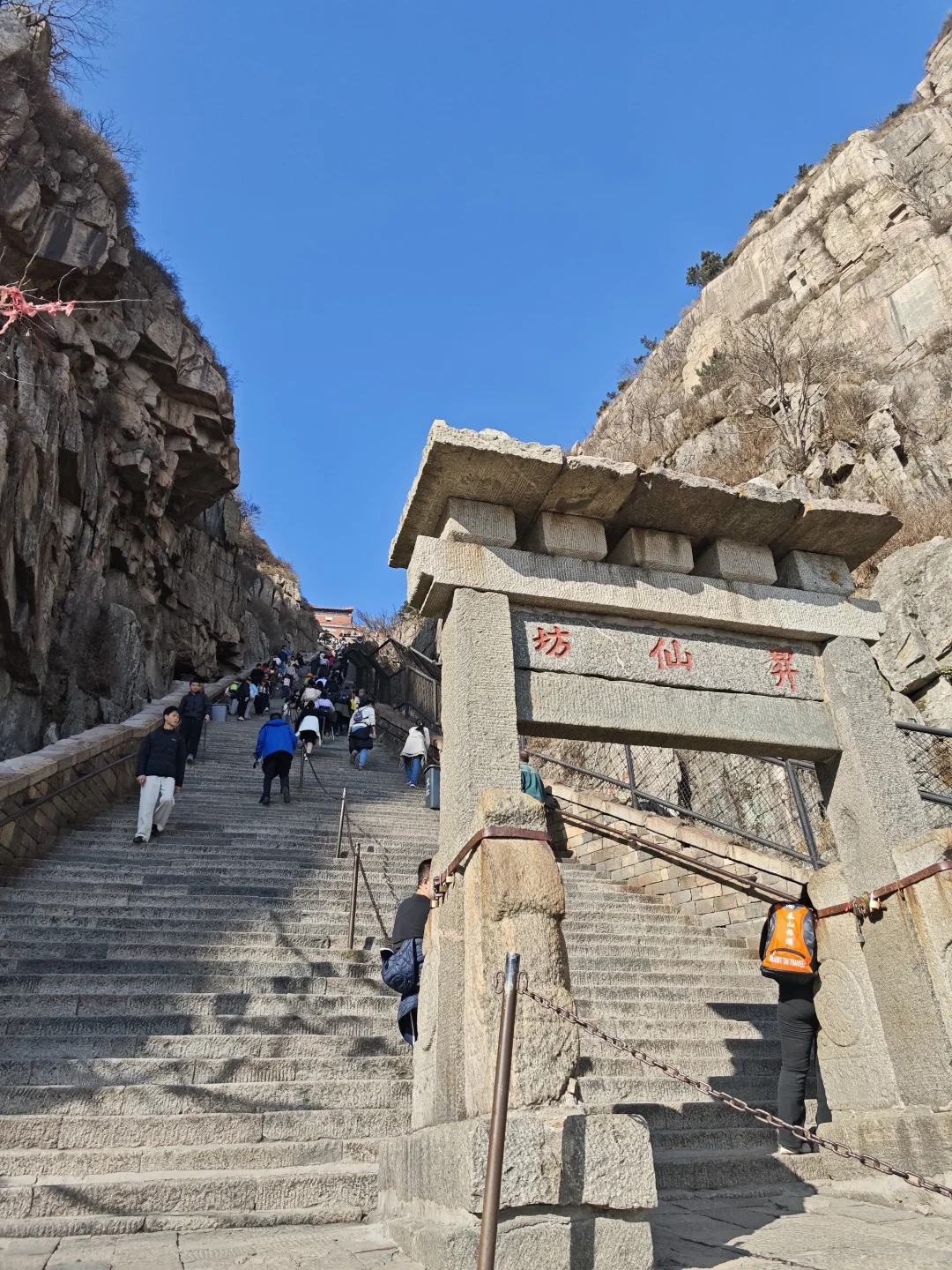
Reaching the summit ridge just before dawn, a world of granite temples and mist-shrouded pines emerged. I found a spot on the Sunrise Viewing Peak, huddled among a crowd of shivering, expectant faces. The wait was a communal, silent vigil. Then, it began. A sliver of molten gold fractured the grey horizon over the endless, rolling cloud sea below. It wasn’t a sudden appearance; it was a slow, majestic unfolding of light, painting the sea of clouds in impossible hues of rose, tangerine, and lavender. In that silent, collective gasp, I understood. The sunrise wasn’t the reward; it was the cosmic seal of approval on the effort. It mirrored the ancient belief: you must pass through the arduous journey (the climb) to earn the audience with the sublime (the dawn).
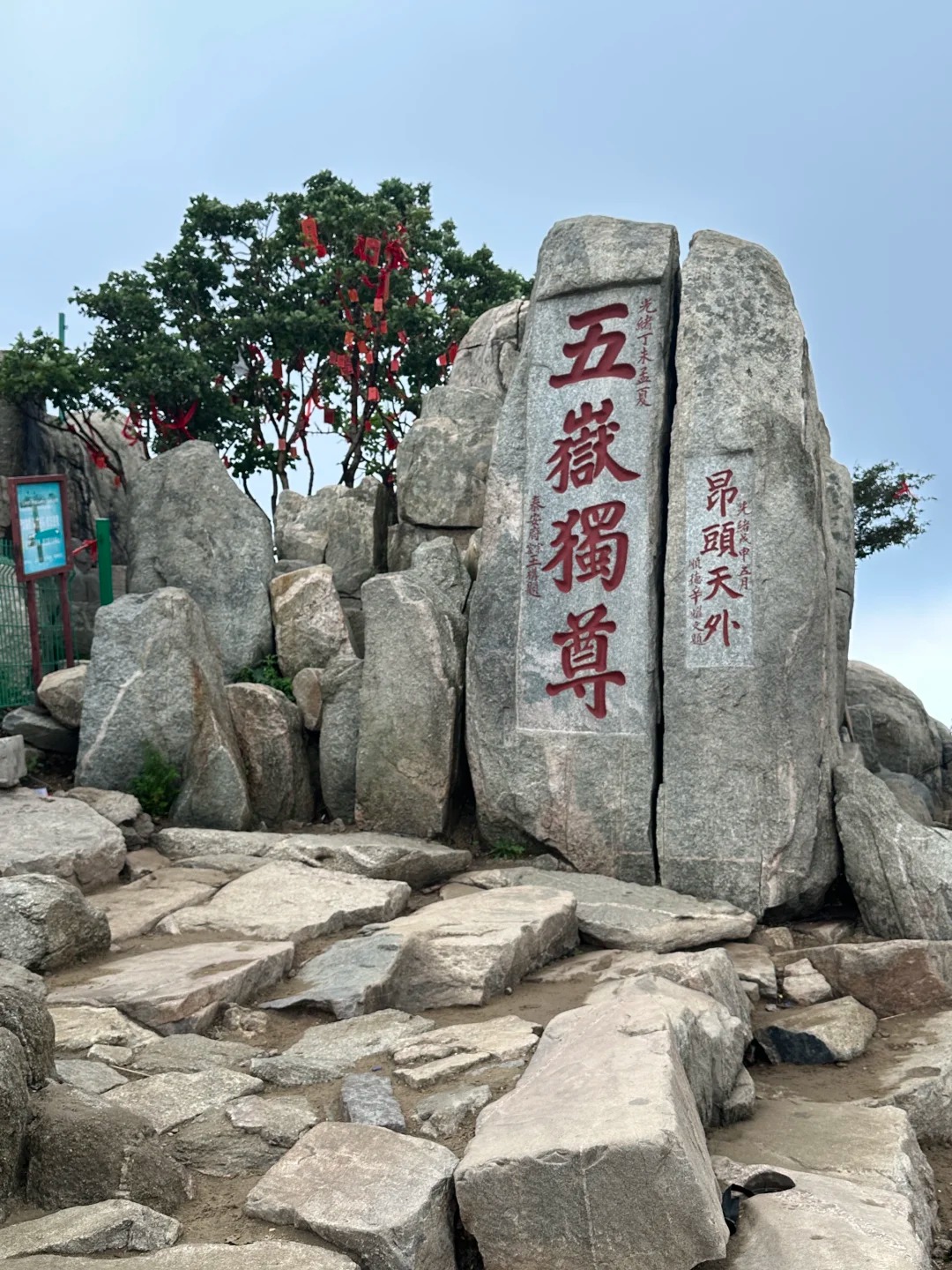
Descending in daylight, the mountain showed a different face—waterfalls cascading down verdant cliffs, temples clinging precariously to ridges, inscriptions glowing in the morning sun. I felt a quiet euphoria, a clarity earned not given. Mount Tai doesn’t just offer a view; it forges a perspective. You leave a piece of your fatigue on its stones and take with you a sliver of its timeless, enduring sky.