When people talk about Chinese mountains, Huangshan and Jiuhua Mountain always get the spotlight. But a friend who’s traveled all over China told me, “You haven’t seen real mountain beauty until you’ve been to Tianzhushan.” I was skeptical at first—how could a mountain be better than the ones I’d heard so much about? But as soon as I set foot on Tianzhushan, I knew my friend was right. This mountain has a quiet charm, a subtle beauty that creeps up on you and stays with you.

Tianzhushan is a granite mountain range in Qianshan City, Anhui Province, covering over 486 square kilometers. What makes it special is the granite itself—sharp, rugged peaks that rise straight out of the green valleys, their surfaces marked by millions of years of wind and rain. I started my journey at the foot of the mountain, taking the cable car up to the main scenic area. The cable car ride was smooth, and as we ascended, I watched the landscape change—from rice paddies and villages to dense forests and granite outcrops. A little boy sitting next to me pointed out Tianzhu Peak, its shape like a giant pillar reaching for the sky. “That’s the king of the mountain,” he said, and his father laughed.
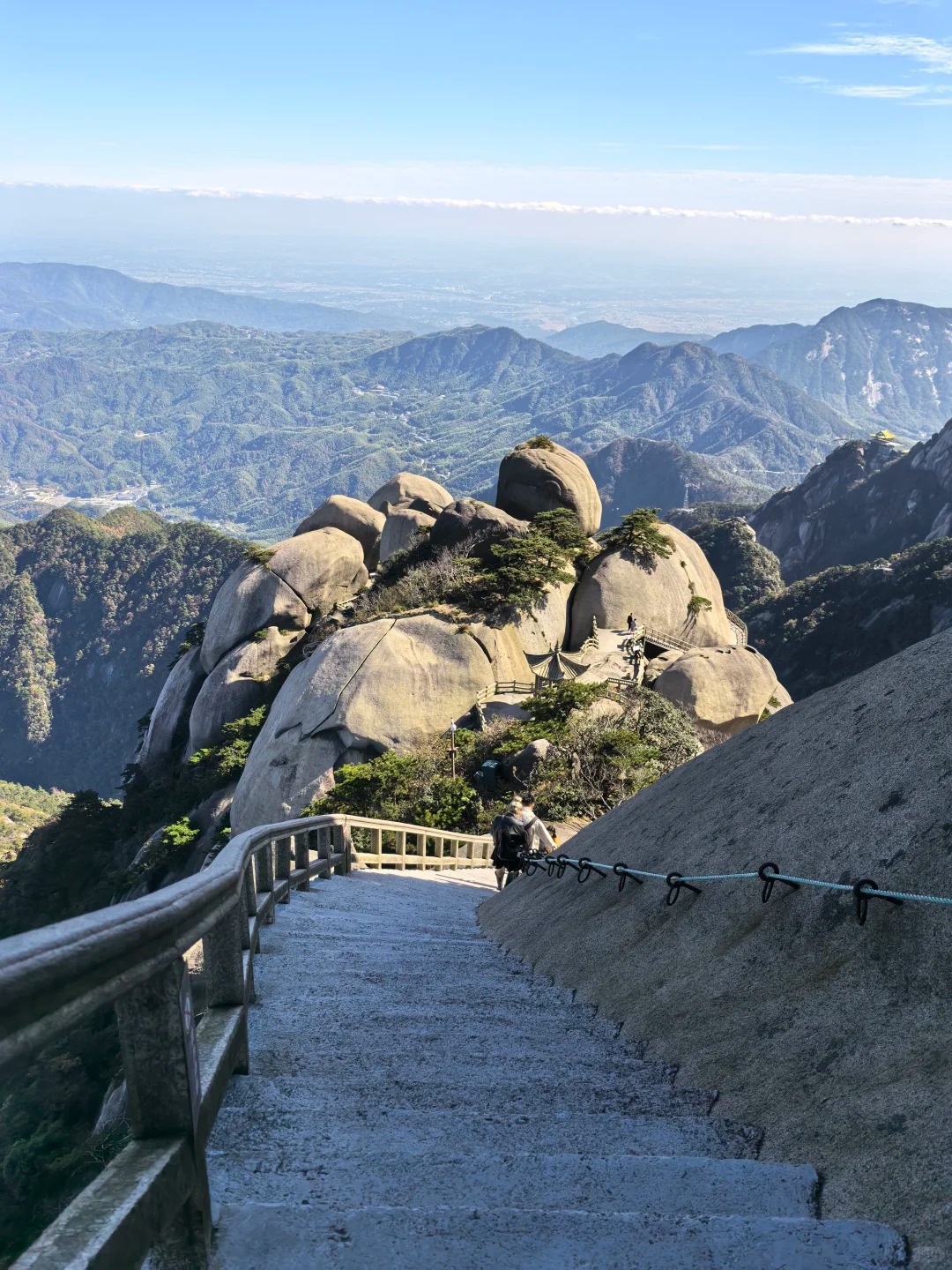
Once I reached the main area, I headed straight for Tianzhu Peak. The climb was steeper than I expected, but the trail was well-maintained, with handrails in the tricky parts. Along the way, I passed other hikers—families with kids, couples, solo travelers—and we’d nod at each other, a silent “good luck” as we tackled the steps. About halfway up, I stopped at a small snack stand run by an old woman. She sold cold tea and dried persimmons, and I bought a cup of tea. “Slow down,” she said, handing me the cup. “The mountain rewards patience.” I took her advice, sipping the tea slowly and watching the mist drift across the peaks.
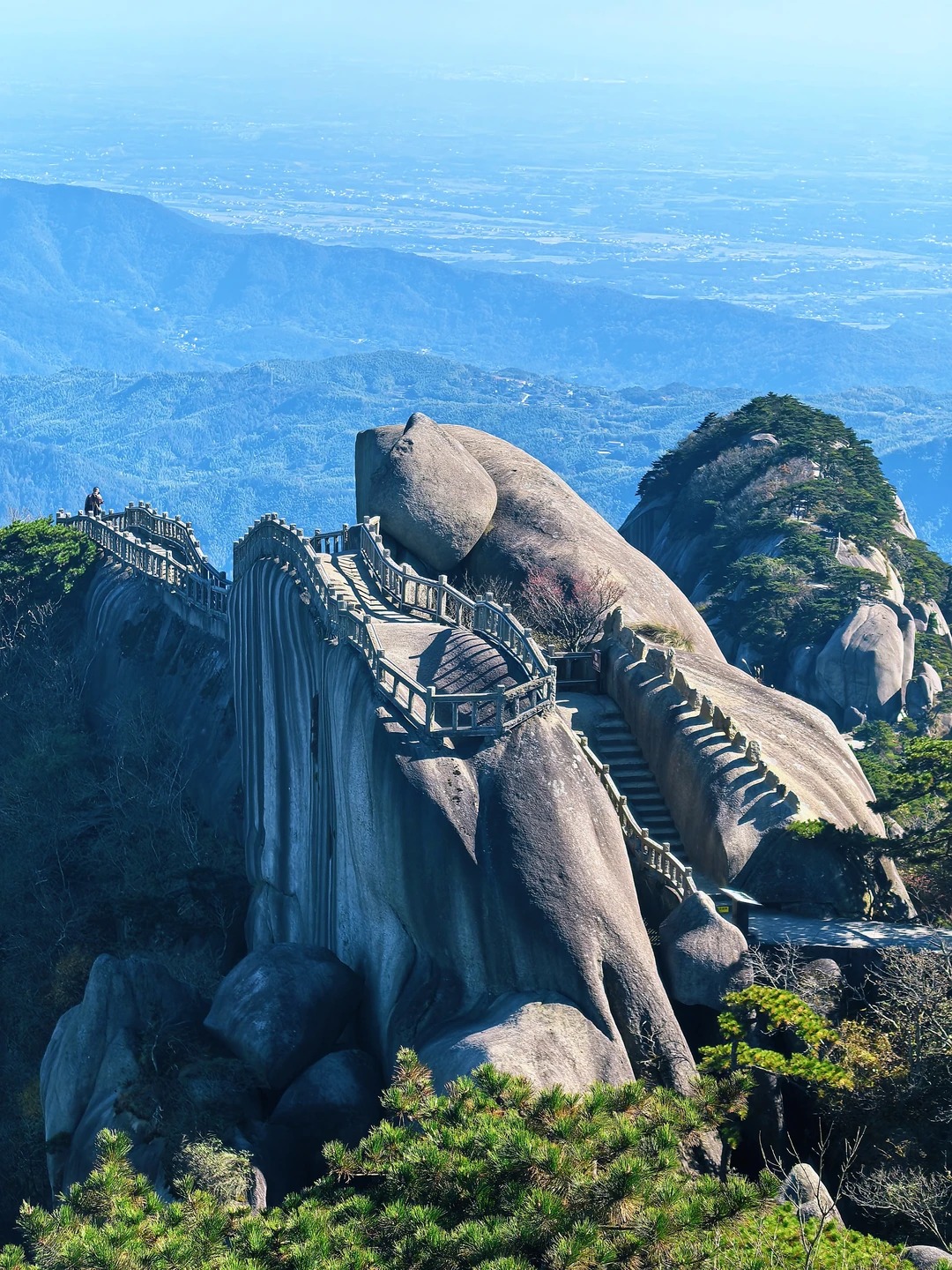
The view from the top of Tianzhu Peak was worth every sore muscle. Below me, the valleys were covered in a thick layer of mist, and the surrounding peaks looked like islands in a sea of white. The sun was shining, and the granite peaks glowed pink in the light. I sat down on a rock and stayed there for an hour, watching the mist shift and change. A solo traveler from Canada sat down next to me, and we chatted about why we’d chosen Tianzhushan over the more famous mountains. “I wanted something quieter,” she said. “A place where I could just be with nature.” I couldn’t agree more—Tianzhushan’s quiet was exactly what I needed.
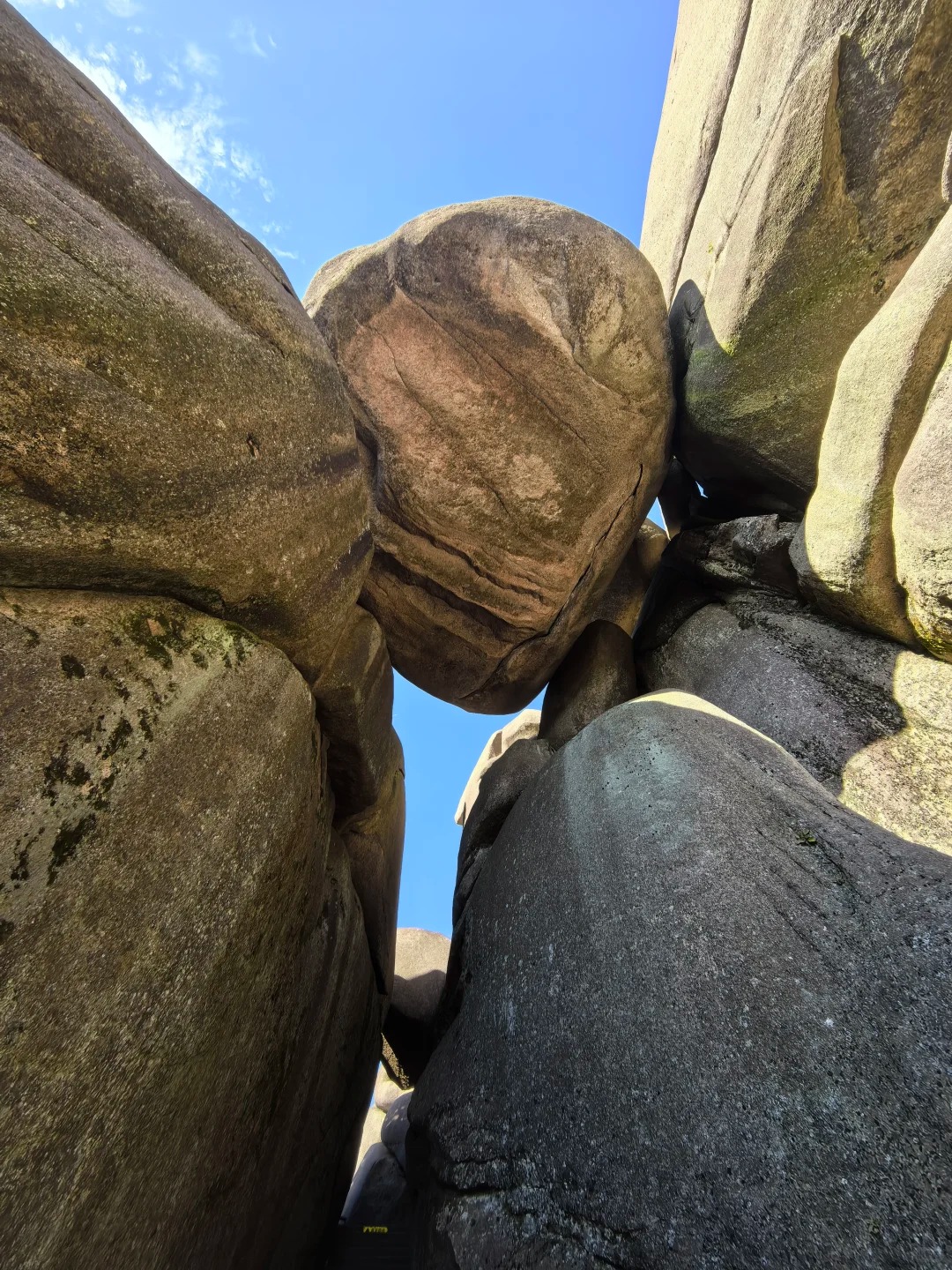
After descending Tianzhu Peak, I made my way to the Mysterious Valley. This was the part I’d been looking forward to most, and it didn’t disappoint. The valley is a maze of granite rocks, some stacked on top of each other, some leaning against each other, creating narrow passages and hidden caves. I had to climb over boulders, crawl through tight gaps, and even use a rope to pull myself up a steep rock face. It was like an outdoor adventure park, but with the beauty of nature all around. At one point, I found a small waterfall hidden between two rocks, its water clear and cold. I cupped my hands and drank, and it tasted like the purest water I’d ever had. A group of teenagers were there too, laughing and helping each other climb, and their energy was contagious.
Longtan Waterfall was my next stop, and it was a stark contrast to the Mysterious Valley. The waterfall is huge, dropping over 100 meters into a deep pool below. The sound of the water crashing was so loud that I had to shout to talk to the person next to me. I stood on the viewing platform and felt the mist on my face, cooling me down after the hike. A local photographer told me that the best time to see the waterfall is at sunrise, when the sun hits the water and creates a rainbow. “I come here every week at dawn,” he said. “It’s never the same.” I made a mental note to come back early the next day, but unfortunately, I had to leave the next morning—another reason to return.
Tianzhushan isn’t just about natural beauty; it’s also steeped in culture. I visited Chaotian Temple, a Tang Dynasty temple located on a hillside. The temple is small but beautiful, with red walls and golden eaves. Inside, there are ancient statues of Buddha and stone inscriptions from poets who visited the mountain centuries ago. A monk showed me around, and he told me that Li Bai, one of China’s most famous poets, had visited Tianzhushan and written several poems about it. “He loved the mountain’s beauty,” the monk said. “He said it was like a painting.” I could see why—every view from the temple was like a work of art.
The food around Tianzhushan was a pleasant surprise. I ate at a small family restaurant near my hotel, and the owner cooked me braised bamboo shoots with bacon. The bamboo shoots were fresh and tender, and the bacon added a salty, smoky flavor that was delicious. I also tried steamed fish from the mountain stream, which was light and flaky, with just a little ginger and scallion. The owner told me that all the ingredients were locally sourced—bamboo shoots from the mountain, fish from the streams, bacon from the village. “We cook simple food, but it’s made with love,” he said. He was right—the food tasted like home.
I stayed in a small hotel near the main scenic area, and the staff were incredibly friendly. They gave me a map of the mountain and recommended the best trails to take. One evening, the hotel manager invited me to join him and his family for dinner. We ate outside on the patio, watching the sunset over the peaks, and talked about life in the village. They told me that most of the villagers work in tourism now, but they still keep their traditional way of life—farming, fishing, and making handicrafts. It was fascinating to hear about their lives, and I felt like I was part of the family for a night.
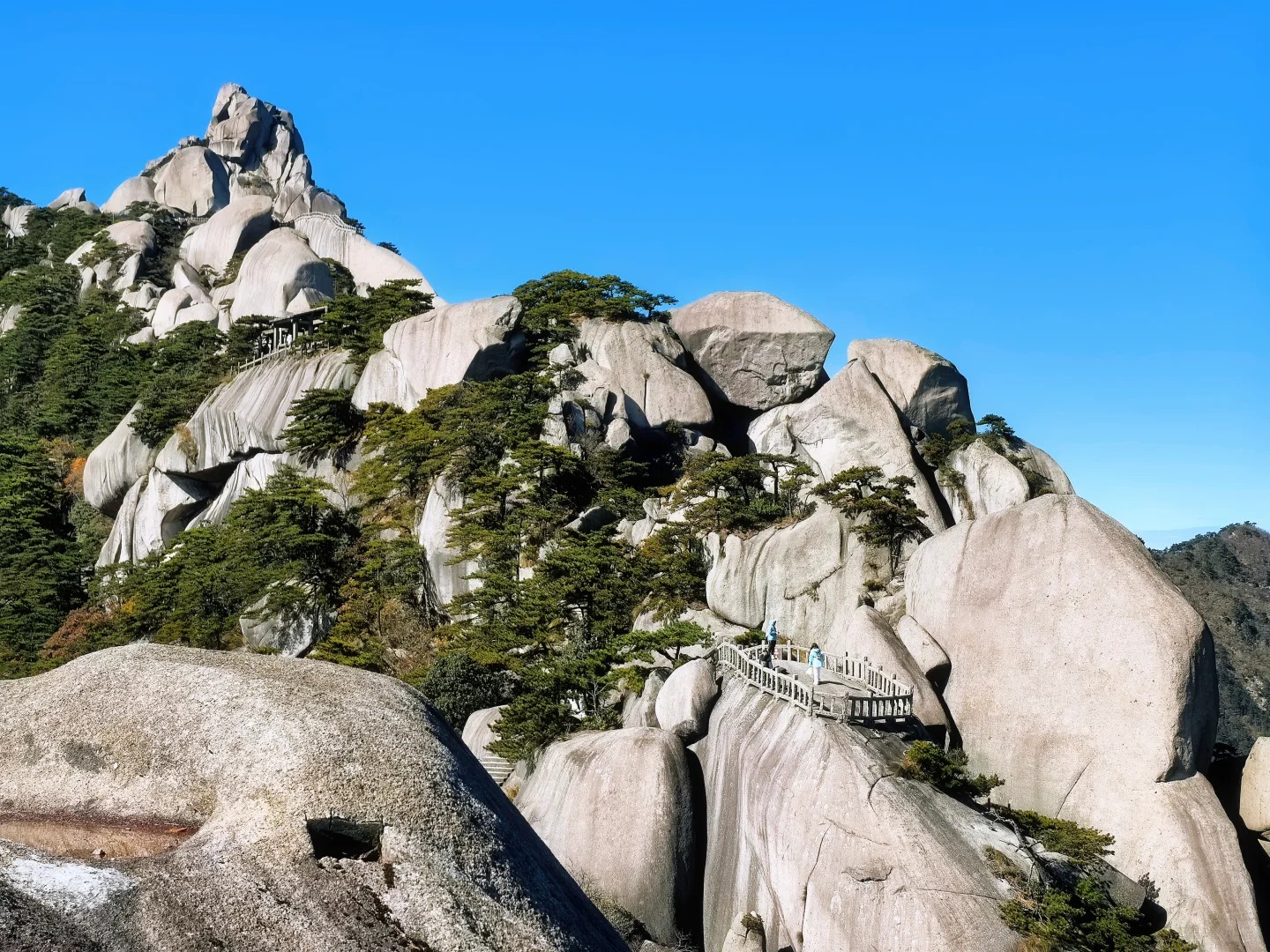
When I left Tianzhushan, I felt a sense of sadness. I’d only been there for two days, but I’d grown to love its quiet beauty, its friendly people, and its delicious food. As the bus pulled away, I looked back at the mountain, now a faint outline in the distance. I knew I’d be back one day—there were still trails to hike, temples to visit, and sunrises to see. Tianzhushan may not be as famous as Huangshan or Jiuhua Mountain, but that’s part of its charm. It’s a hidden gem, a place where you can escape the crowds and connect with nature and culture. If you’re looking for a mountain that’s beautiful, peaceful, and full of surprises, Tianzhushan is the perfect choice.