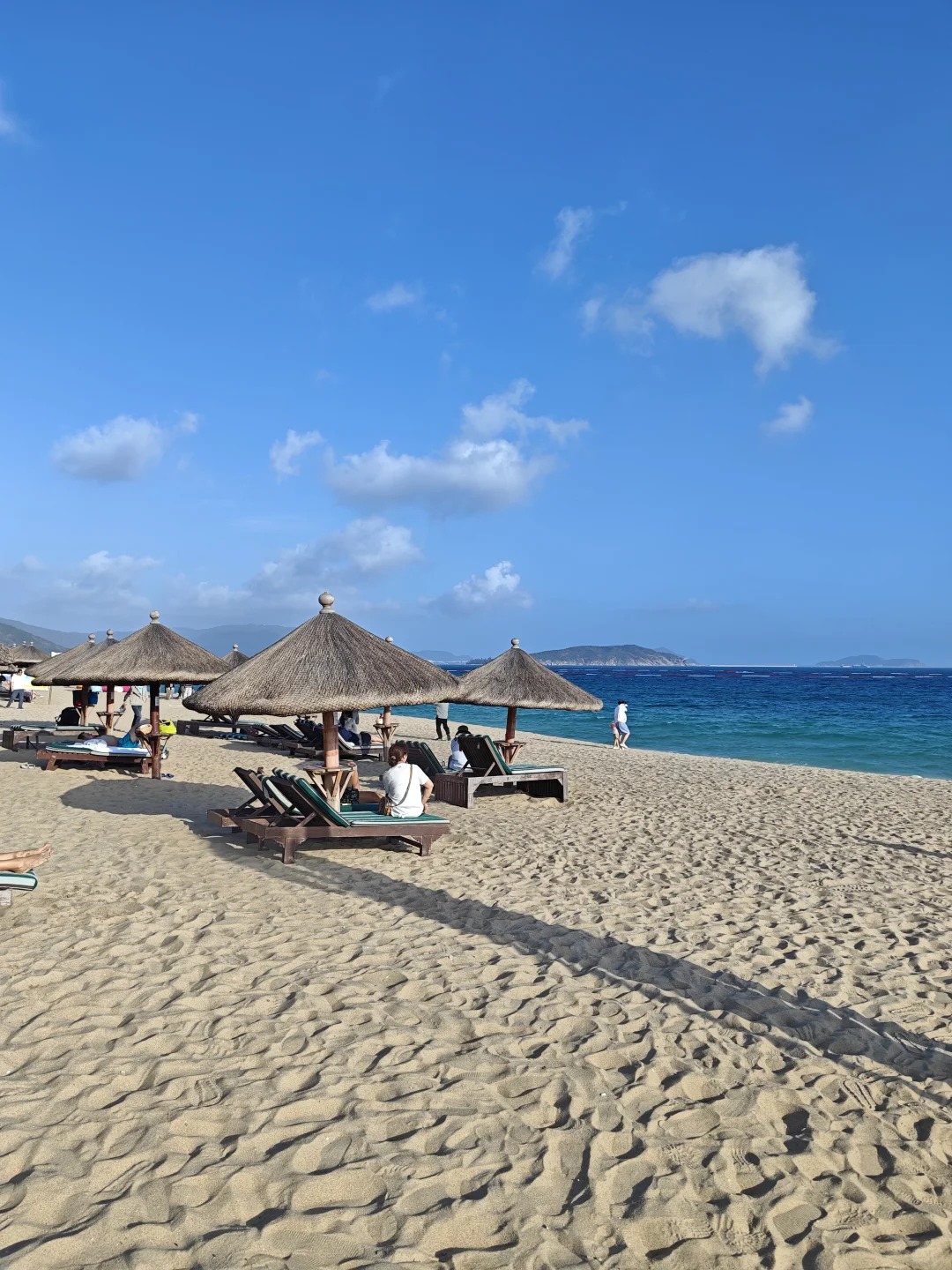
The brochure Sanya and the real Sanya are two different planets. I found the latter clinging to the back of a scooter, driven by a local friend named Ah Ming, as we veered away from the glittering high-rises of Yalong Bay. Our destination was Houhai, a village tucked behind a headland. Instantly, the atmosphere shifted. The air was thick with salt and the tang of reef. Reggae music drifted from open-door cafes. Tanned surfers in board shorts waxed their longboards, their conversation a mix of Mandarin and local dialect. This wasn't a curated resort experience; it was a living, breathing coastal community. I spent the afternoon bodysurfing in the warm, forgiving waves, then ate grilled prawns and drank fresh coconut at a plastic table on the sand, watching the sky melt into a psychedelic sunset. This was Sanya's youthful, liberated heartbeat.
Yet, to think of Sanya only as a beach paradise is to miss its depth. A short drive inland transports you to another world: the Yanoda Rainforest. The moment you step onto the misty trail, the ocean's roar is replaced by a dense, humming silence. The air is a warm, wet blanket, rich with the scent of decay and blooming things. I walked the dizzying canopy walkway, eye-level with ancient strangler figs and vibrant orchids. Butterflies the size of my hand fluttered past. My guide, a Li ethnic woman, pointed out plants used for medicine for generations. "The ocean gives us food," she said, "but the mountain gives us life and healing." This lush, primordial world is the island's green, beating heart, a vital counterpoint to the blue coast.
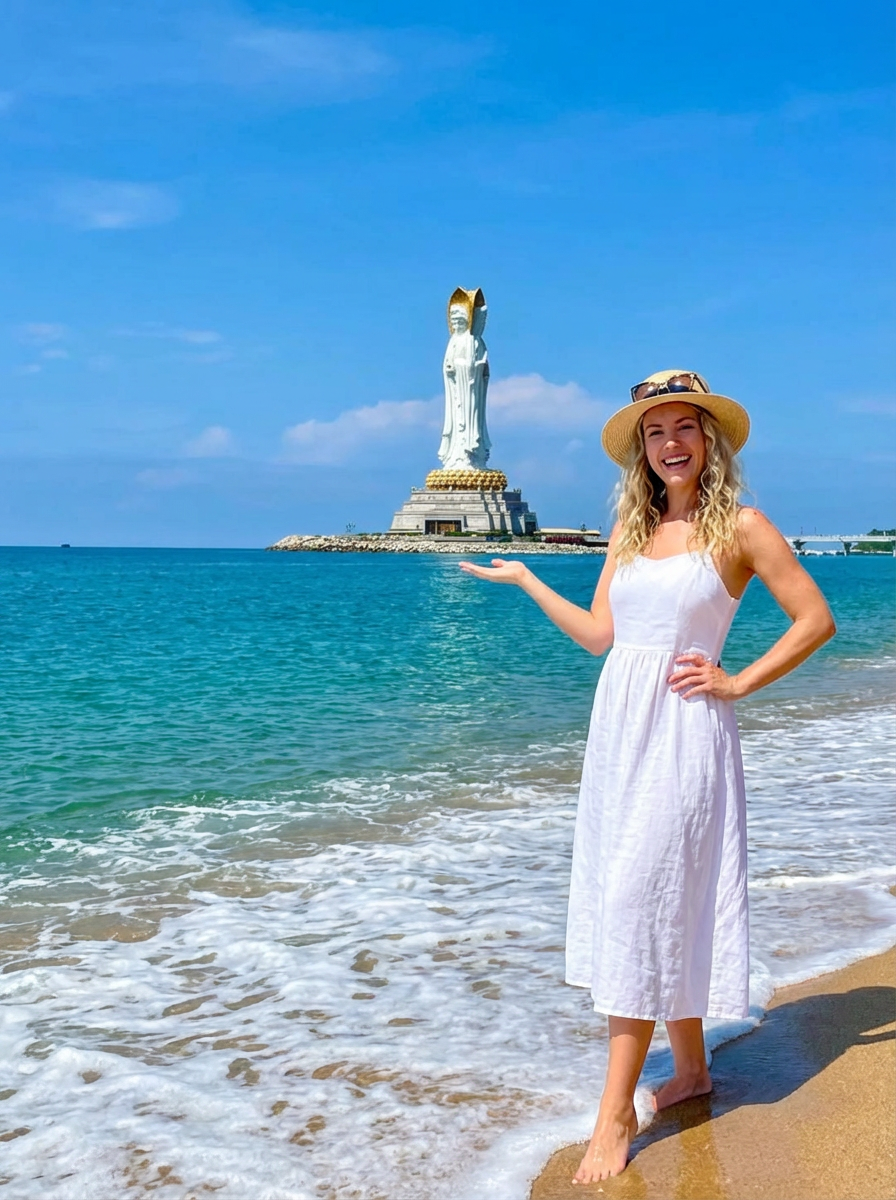
Sanya’s spiritual dimension is monumental—literally. At the Nanshan Cultural Tourism Zone, I encountered the 108-meter-tall statue of Guanyin, the Goddess of Mercy, standing serene on a man-made island. The scale is almost incomprehensible. But what moved me more than the statue were the pilgrims. Elderly women with canes, families with young children, walking slowly and reverently around the vast base. Some chanted, some knelt, their faces etched with devotion. In the quiet of the adjacent temple, the scent of sandalwood incense hanging heavy, I witnessed a deep, peaceful faith that had nothing to do with tourism. It was a reminder that this tropical haven is also a profound spiritual destination.
The final, most personal layer was revealed over a meal. Through a connection, I was invited to a home in a Li ethnic village near the coast. The Li are the original inhabitants of Hainan. In their simple wooden house, we sat on low stools. They servedrice steamed inside a bamboo tube, infused with a smoky, woody fragrance, and the famous poached to silken perfection and served with a fiery ginger-and-lime dip. As we ate, the grandmother, her face a beautiful map of wrinkles, showed me her hand-woven Li brocade, patterns of frogs and human figures telling stories of ancestry and nature. She spoke no Mandarin, only
the Li language, her daughter translating. Her laughter was deep and resonant. In that moment, Sanya crystallized for me. It is not a monoculture of sun and sand. It is a vibrant, complex tapestry: the rebellious surf culture of Houhai, the ancient, whispering rainforest of Yanoda, the serene spiritual power of Nanshan, and the enduring, woven traditions of the Li people. It’s a tropical microcosm where every layer, from the coral reef to the mountain peak, tells a part of China's most unexpected story.