Xinjiang is not just a place; it is a sensation. It is the smell of roasting lamb cumin, the blinding white of the desert sun, and the sound of the rawap (a plucked Uyghur instrument) echoing against mud-brick walls.
To take a "Xinjiang tour" is to step off the map of modern China and walk into the pages of One Thousand and One Nights. It is vast, occupying one-sixth of China’s landmass, and every mile is a testament to the endurance of the Silk Road spirit.
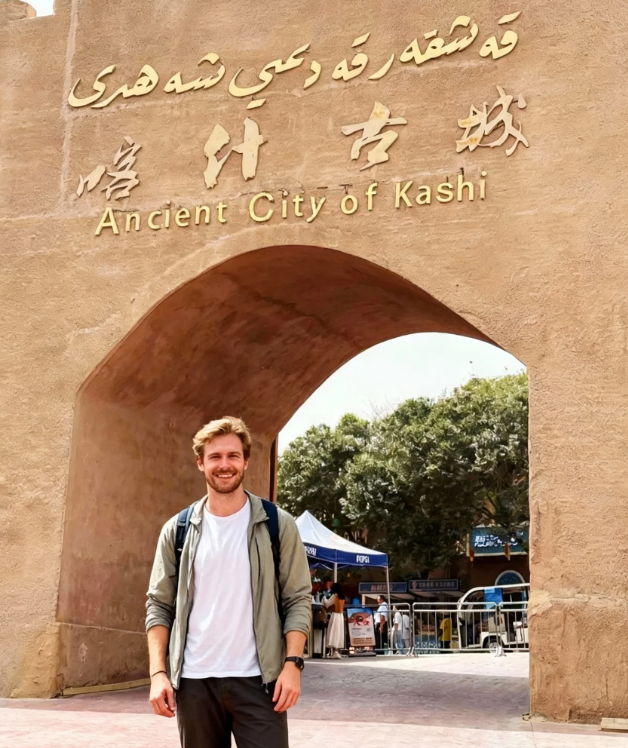
Urumqi: The Crossroads of Asia
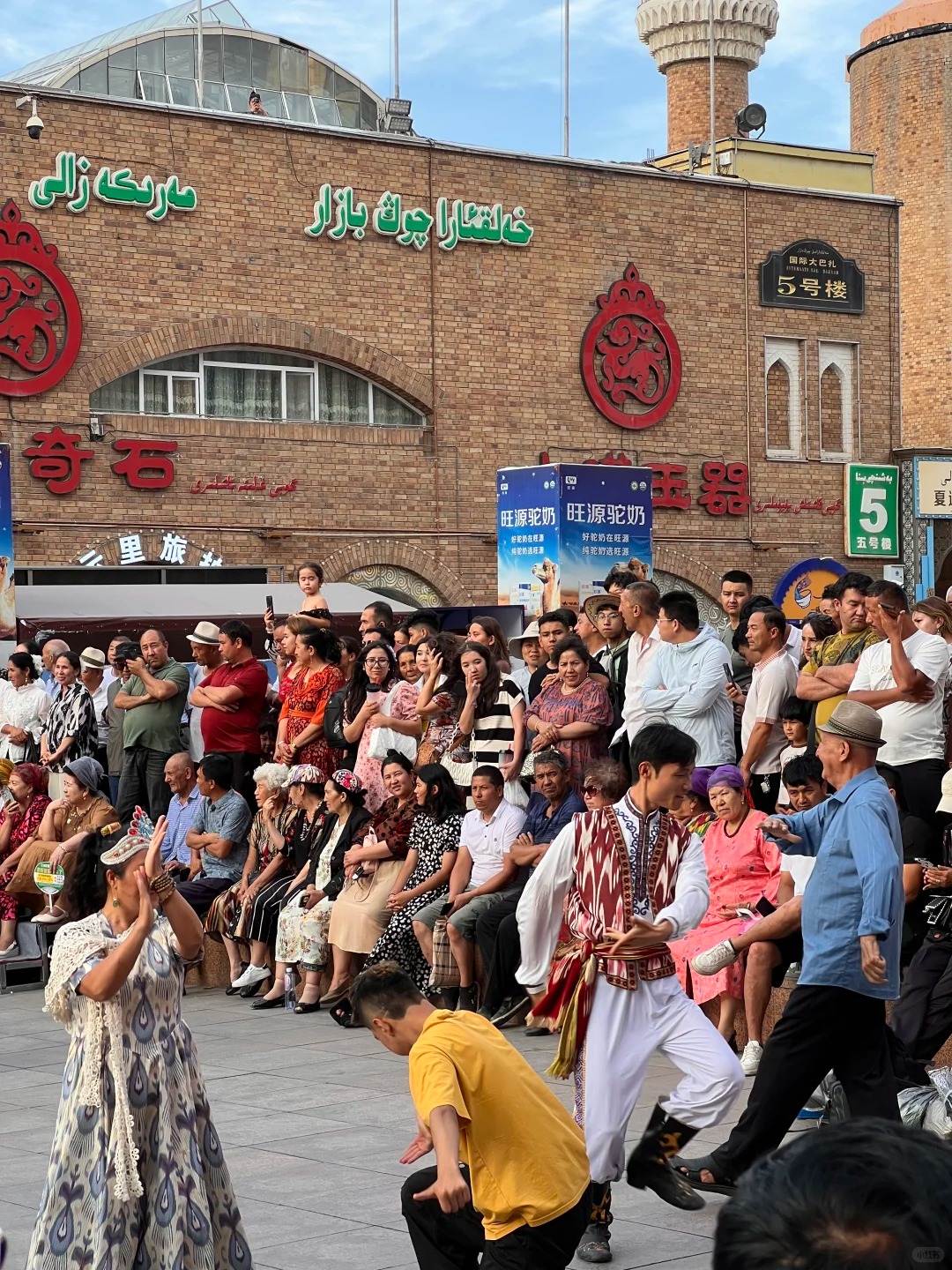
My journey began in Urumqi, the city furthest from any ocean in the world. But standing in the Grand Bazaar, I felt like I was drowning—in color, noise, and aroma.
The bazaar is a assault on the senses in the best way possible. Stalls overflow with dried apricots, raisins that taste like crystallized honey, and mounds of saffron. I watched a baker slap rounds of Naan bread onto the inside walls of a scorching tandoor oven. He used a stamp to press intricate floral patterns into the dough before baking.
I bought one fresh from the oven. It was the size of a steering wheel, golden and speckled with sesame seeds. It was hot, crisp on the outside, and chewy on the inside, smelling of wheat and fire. I tore off a piece and walked, munching as I passed stalls selling silver daggers and silk scarves.
Turpan: The Oven of the World
From Urumqi, I traveled to the Turpan Depression, the second-lowest point on Earth. It is known as the "Land of Fire," and it lives up to the name. The heat here is dry and physical; it wraps around you like a heavy blanket.
But Turpan has a secret: the Karez Well system. I descended into these ancient underground irrigation tunnels, hand-dug over 2,000 years ago to bring melted snow from the Tianshan Mountains to the desert. Down there, the air was cool and moist. It was an engineering miracle that allowed civilization to bloom in an oven.
And bloom it does. Turpan is famous for its grapes. I sat under a trellis in the Grape Valley, shielded from the sun by a canopy of green leaves. A local Uyghur farmer handed me a bunch of "Mare’s Nipple" grapes. They were elongated, green, and incredibly sweet—so sweet they made my teeth tingle. "Eat," he laughed. "In Xinjiang, the fruit is sweeter than first love."
Kashgar: The Soul of the Silk Road
If Urumqi is the capital, Kashgar is the legend. Located in the far west, it feels closer to Kabul or Istanbul than to Beijing.
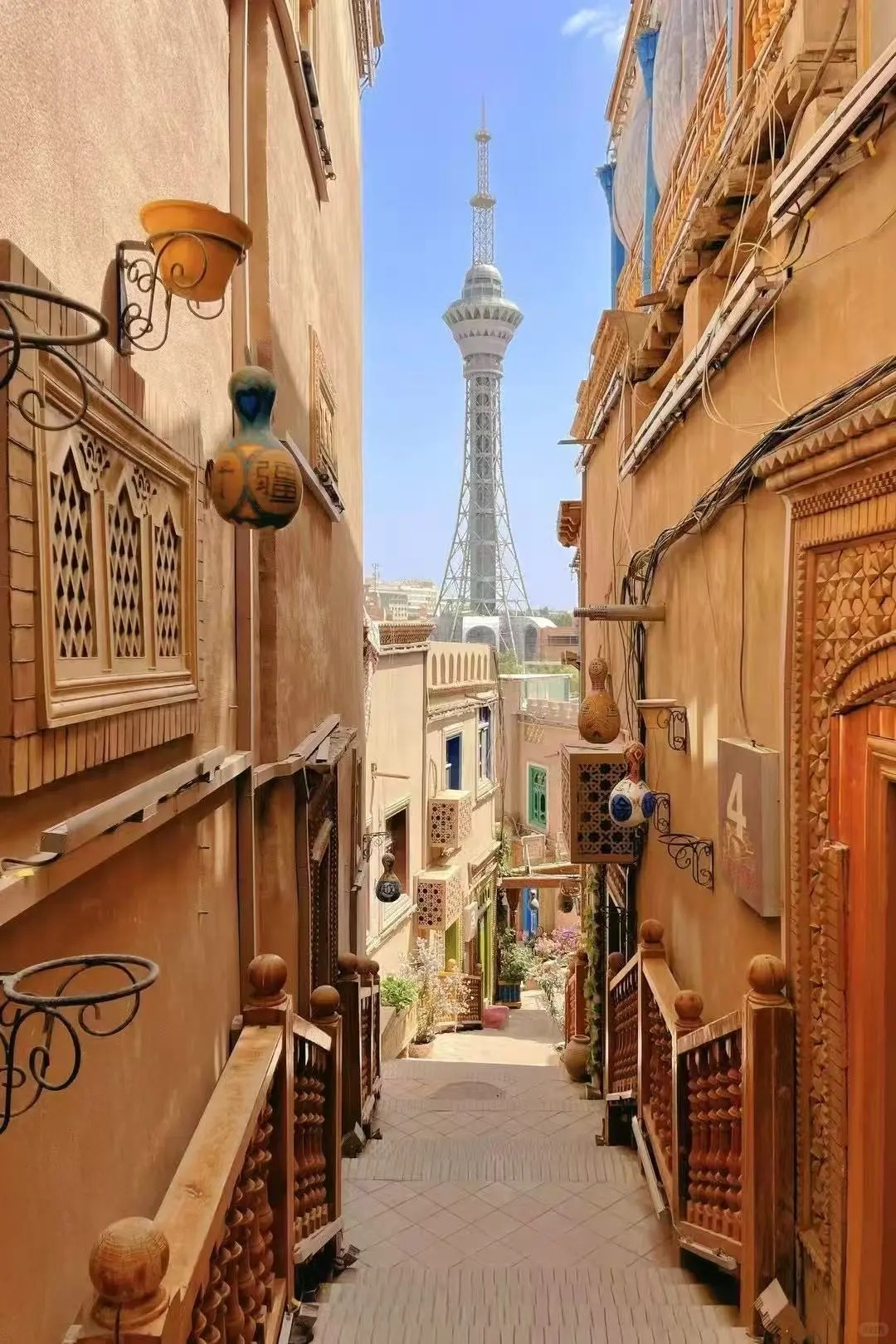
I arrived in the Kashgar Old City just as the call to prayer was drifting from the Id Kah Mosque. The streets here are a labyrinth of mud-brown buildings, their wooden balconies carved with intricate geometric patterns.
I stopped at a roadside stall for the ultimate Xinjiang feast: Lamb Kebabs (Chuan'r). These aren't the tiny skewers you get elsewhere. These are chunks of meat on tamarisk branches, alternated with pieces of fat to keep them juicy. The vendor fanned the charcoal grill, sending clouds of spicy smoke into the air. He dusted the meat with liberal amounts of cumin and chili powder.
The taste? It was primal. The fat sizzled and melted in my mouth, the cumin provided a smoky, earthy kick, and the meat was tender and gamey. I washed it down with Kvass, a fermented honey drink that is fizzy and refreshing.

Tea House Stories
My favorite memory of Xinjiang, however, wasn't the food or the sights. It was the Century-Old Tea House in Kashgar.
I climbed the creaking wooden stairs to the second floor. It was filled with men wearing doppa (traditional square hats), drinking tea from small bowls and dipping hard naan into the liquid to soften it. I found a spot on a carpeted divan on the balcony, overlooking the bustling street below.
I ordered a pot of tea with saffron and rose. A group of musicians began to play. The music was fast, rhythmic, and joyous. An old man with a white beard stood up and began to dance, his movements fluid and expressive. Soon, others joined in.
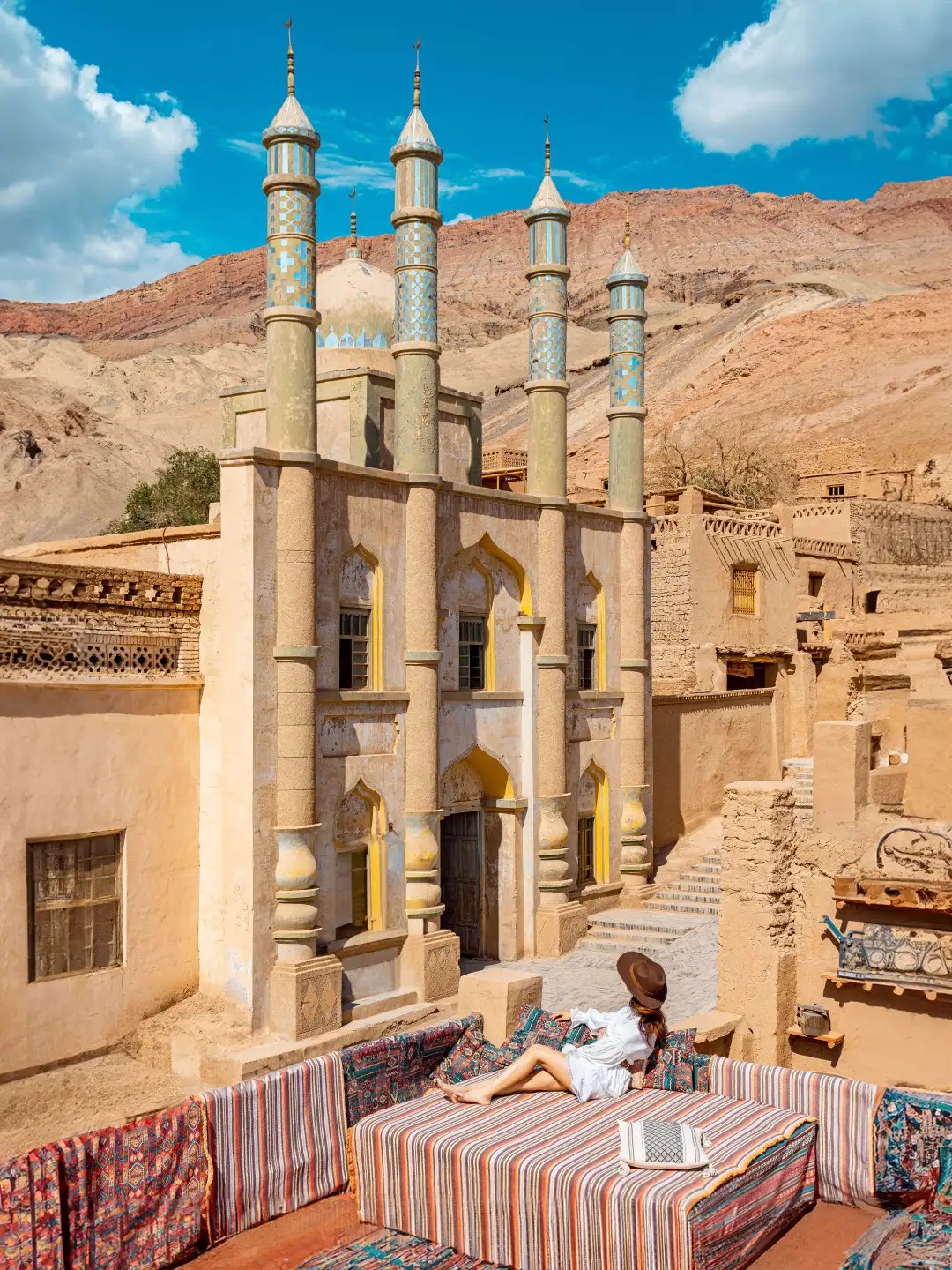
I didn't understand the lyrics, but I understood the joy. In this remote corner of the world, surrounded by deserts and mountains, people had carved out a space for beauty and community.
Why You Must Go
A "Xinjiang tour" challenges you. The distances are long, the sun is harsh, and the culture is distinctly different from the rest of China. But it rewards you with a richness that is unparalleled. It is a place where history is not just in museums, but in the faces of the people, the taste of the melons, and the dust on your boots.