In a world that’s constantly changing, there’s something magical about visiting a place that has remained untouched by time. Huangyao Ancient Town, located in Hezhou, Guangxi, is one such place. Founded over 900 years ago during the Song Dynasty, this ancient town is a well-preserved example of traditional Chinese architecture and way of life. When I walked through its stone-paved streets, I felt like I had stepped back in time, to an era of horse-drawn carriages, traditional crafts, and slow-paced living.
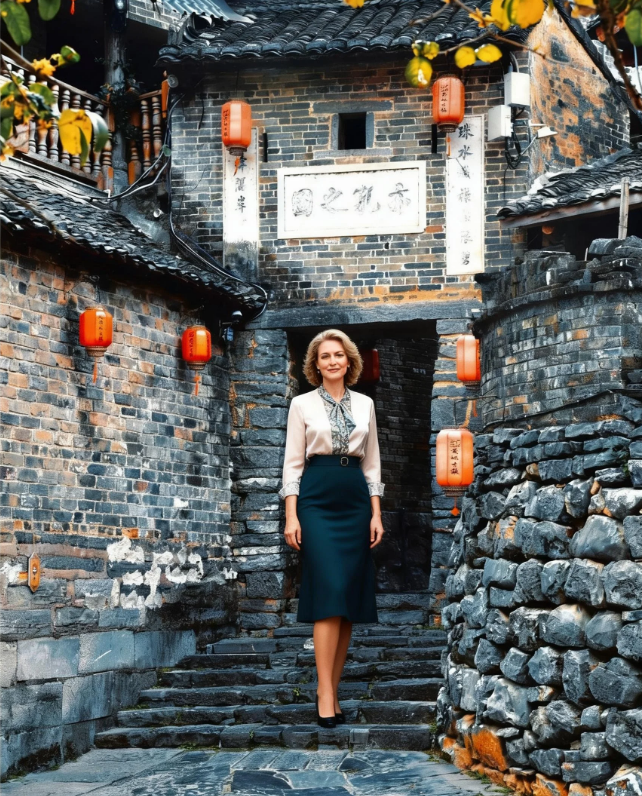
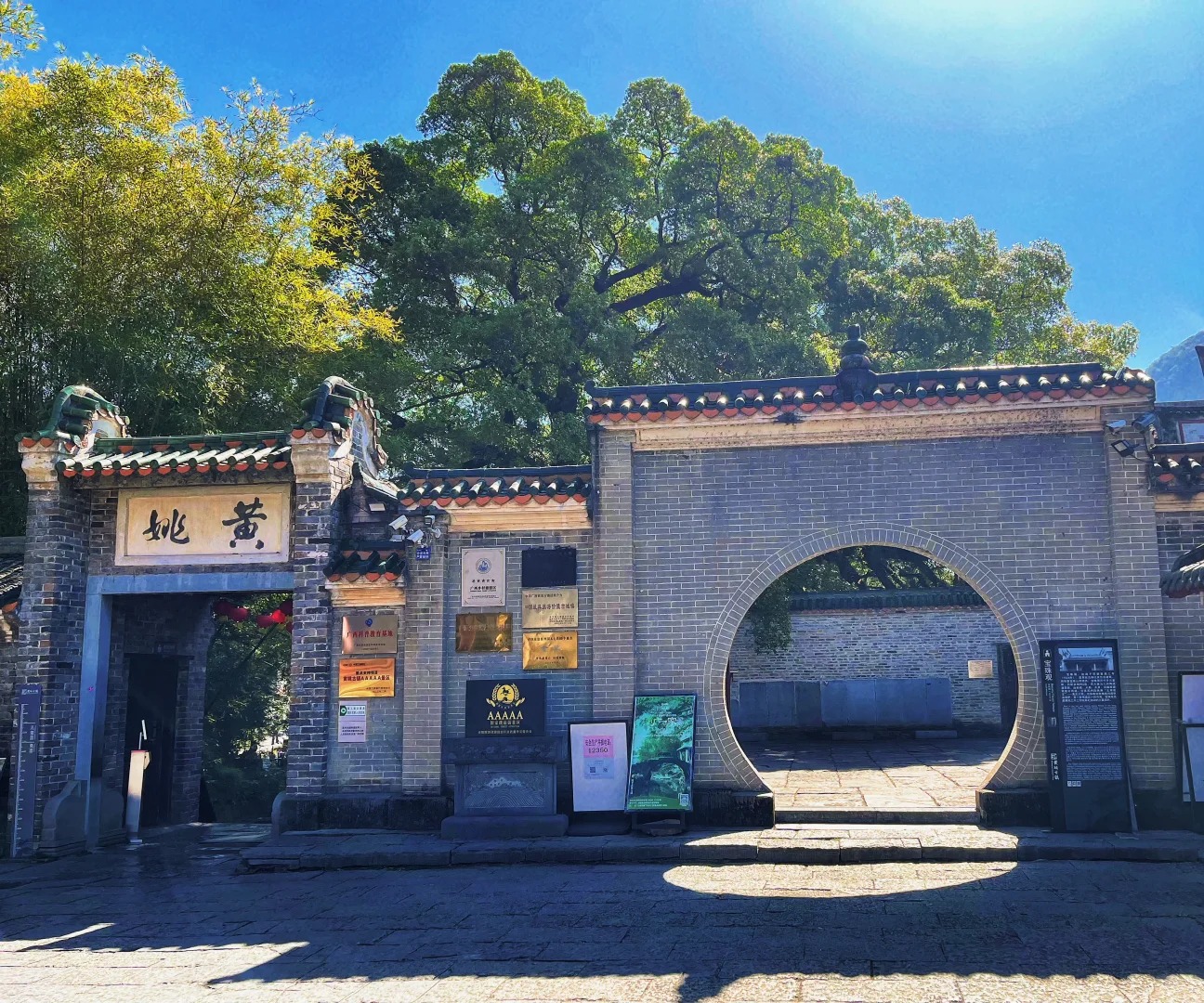
I arrived at Huangyao Ancient Town in the early morning, before the tourist crowds arrived. The town is surrounded by mountains and rivers, and the air was fresh and cool. As I walked through the town’s ancient gate, I was immediately struck by the architecture—traditional Chinese houses with black tiles and white walls, wooden windows adorned with intricate carvings, and stone bridges that cross the small rivers that run through the town. The streets are paved with large stone slabs, worn smooth by centuries of footsteps.
My first stop was the Town God’s Temple, a beautiful temple located in the center of the town. The temple was built during the Ming Dynasty, and it’s dedicated to the Town God, a deity who is believed to protect the town and its people. The temple’s entrance is marked by a grand archway, and inside, there are statues of the Town God and other deities, as well as colorful murals depicting scenes from Chinese mythology. A group of elderly locals were praying in the temple, their voices soft and reverent. I stood quietly in the corner, watching them, and felt a sense of peace.
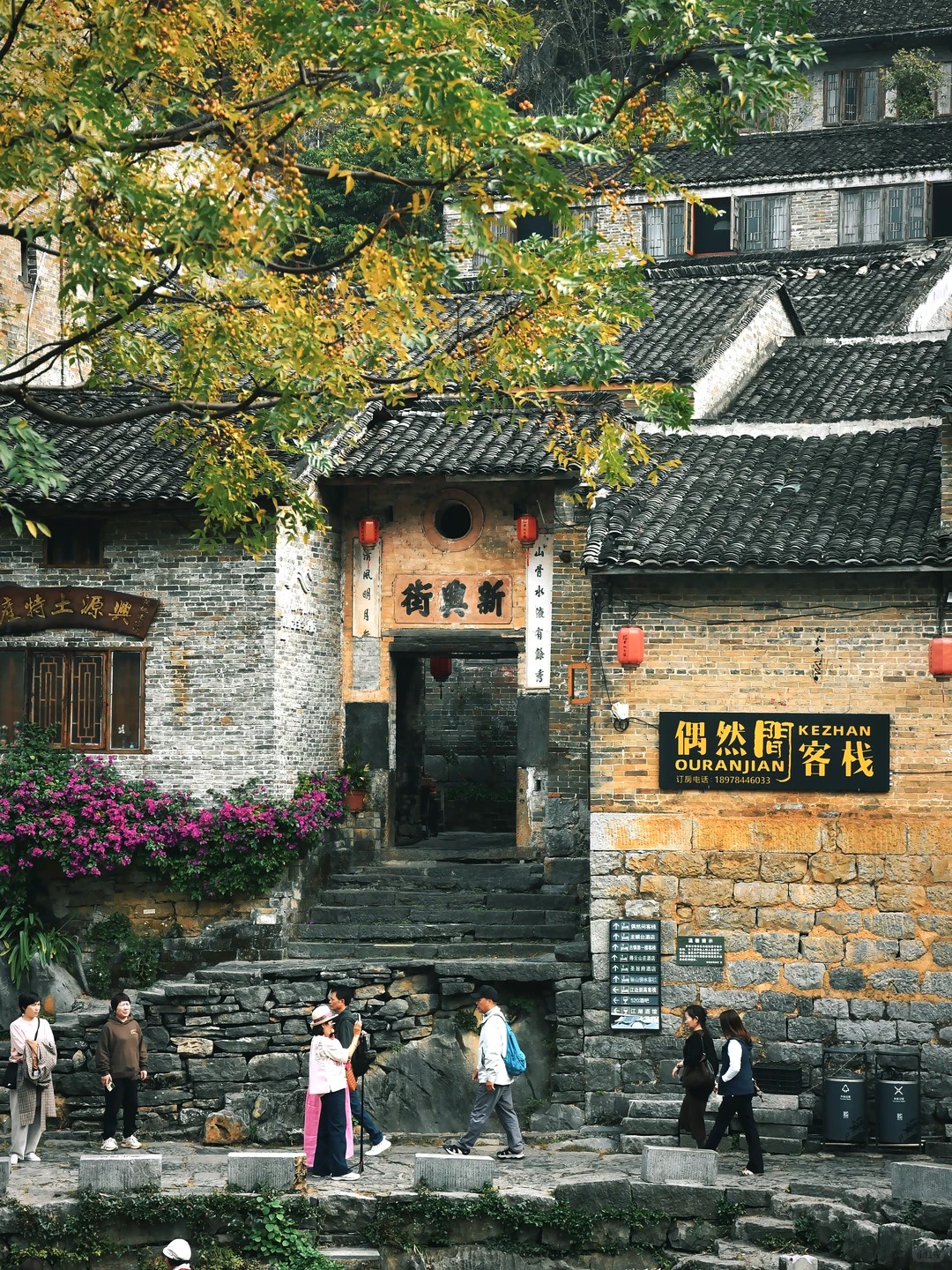
After leaving the temple, I wandered through the town’s streets, exploring the small shops and workshops that line the way. I passed by a woodcarving workshop, where an old craftsman was creating beautiful wooden boxes and furniture using traditional techniques. He let me watch him work, and he explained that he had learned the craft from his father, who had learned it from his grandfather. “This craft has been in my family for generations,” he said. “I hope to pass it on to my son one day.” I bought a small wooden box as a souvenir, carved with a beautiful pattern of a dragon.
I also visited a traditional Chinese medicine shop, where the owner showed me different herbs and explained their uses. He told me that many of the herbs are collected from the mountains around the town, and that traditional Chinese medicine has been used here for hundreds of years. I bought a small bag of osmanthus tea, which the owner said is good for digestion.
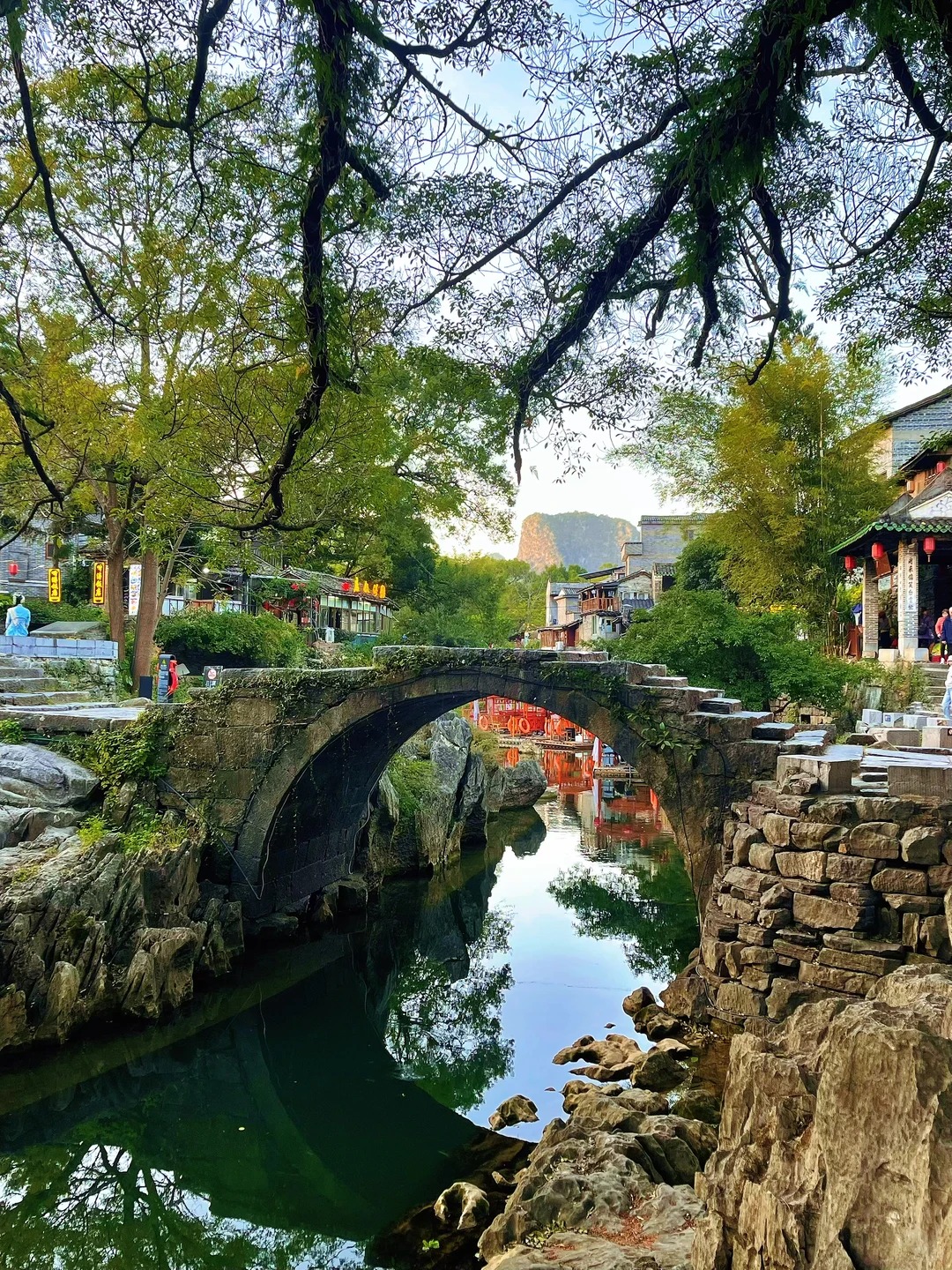
By mid-morning, I was hungry, so I stopped at a small restaurant located by the river. The restaurant serves traditional Guangxi cuisine, and I ordered a bowl of river snail noodles (a local specialty) and a plate of fried taro cakes. The food was delicious, and I ate it while watching the water flow by and listening to the sound of locals chatting.
After lunch, I took a boat tour along the river that runs through the town. The boat was steered by a local woman, who told me about the history of the town and the people who live here. She pointed out different landmarks, including ancient bridges and houses, and told me stories about the town’s past. As we sailed along the river, I saw locals washing clothes in the water, children playing on the banks, and fishermen casting their nets. It was a scene of pure, unadulterated joy, a glimpse into the simple life of the town’s residents.
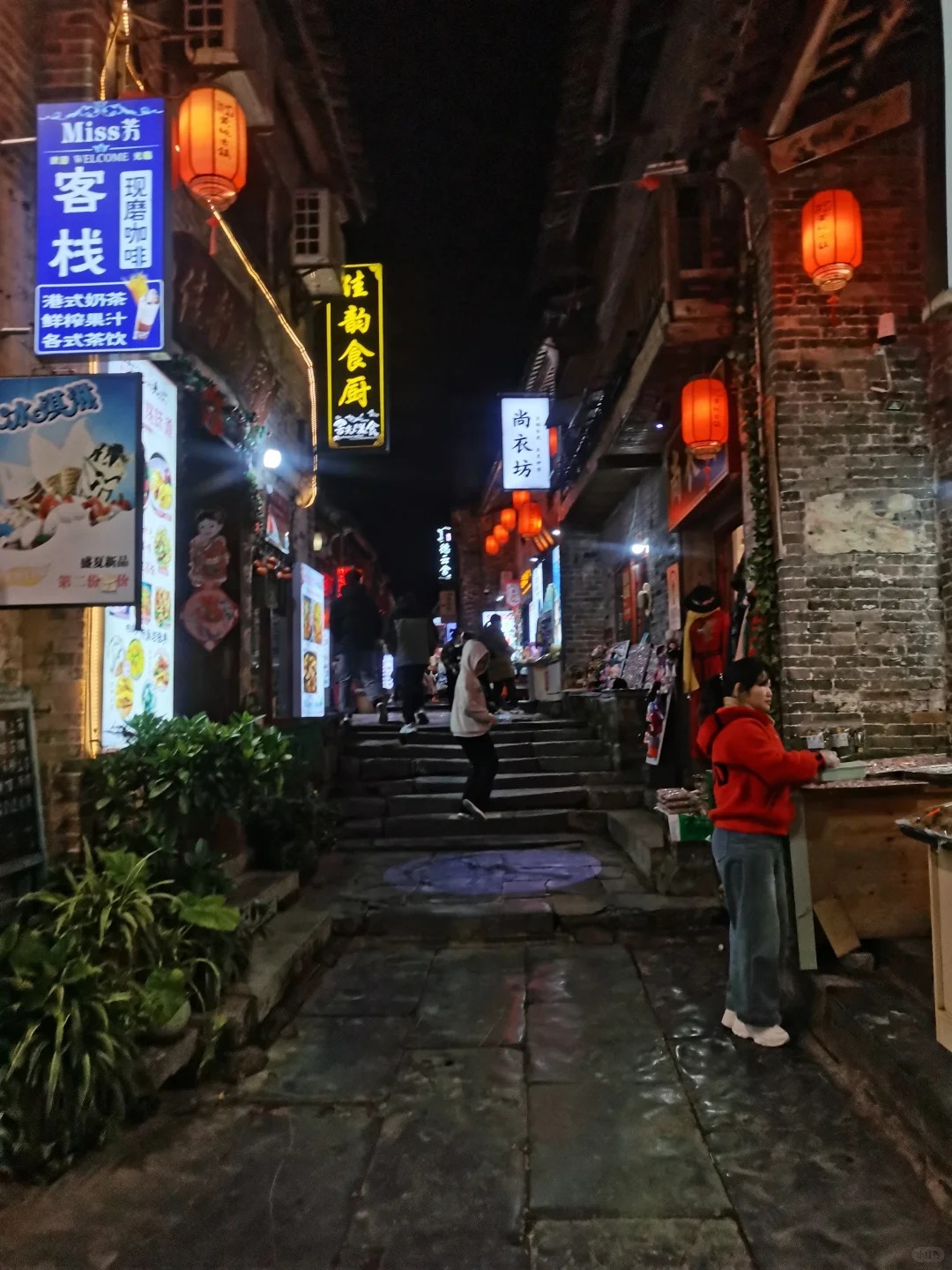
In the afternoon, I visited the Huangyao Ancient Town Museum, which tells the story of the town’s history and culture. The museum has exhibits on the town’s founding, its architecture, and the traditional crafts and customs of the local people. I learned that Huangyao was an important commercial town during the Ming and Qing Dynasties, and that it was a hub for trade between Guangxi and neighboring provinces. The museum also has a collection of ancient artifacts, including coins, pottery, and paintings.
As the sun began to set, I walked to the top of a small hill overlooking the town. From there, I had a panoramic view of Huangyao—its black-tiled roofs, stone streets, and small rivers winding through the town. The sun cast a golden glow over everything, making the town look even more magical. I stood there, watching the sunset, and felt a sense of awe. Huangyao Ancient Town is more than just a tourist attraction; it’s a living museum, a reminder of China’s rich history and culture. It’s a place where you can learn about traditional crafts, explore ancient architecture, and experience the simple joy of slow-paced living.
When I left Huangyao, I took with me not just souvenirs, but also a newfound appreciation for China’s traditional past. This ancient town is a hidden gem in Guangxi, and one that everyone should visit. Whether you’re a history buff, a culture enthusiast, or just someone who loves beautiful places, Huangyao will leave you spellbound. It’s a place where time stands still, and where the beauty of China’s past comes alive.