I’ve always been drawn to places that feel like they’re hidden from the world, and Tongling Grand Canyon in Guangxi did not disappoint. Nestled deep in the mountains, this canyon is a masterpiece of nature—with steep cliffs, crystal-clear rivers, and underground caves that glow like fairy tales. When I first heard about it, I was told that exploring Tongling is like stepping into a different world, and after spending a day there, I can say with certainty that this is true.
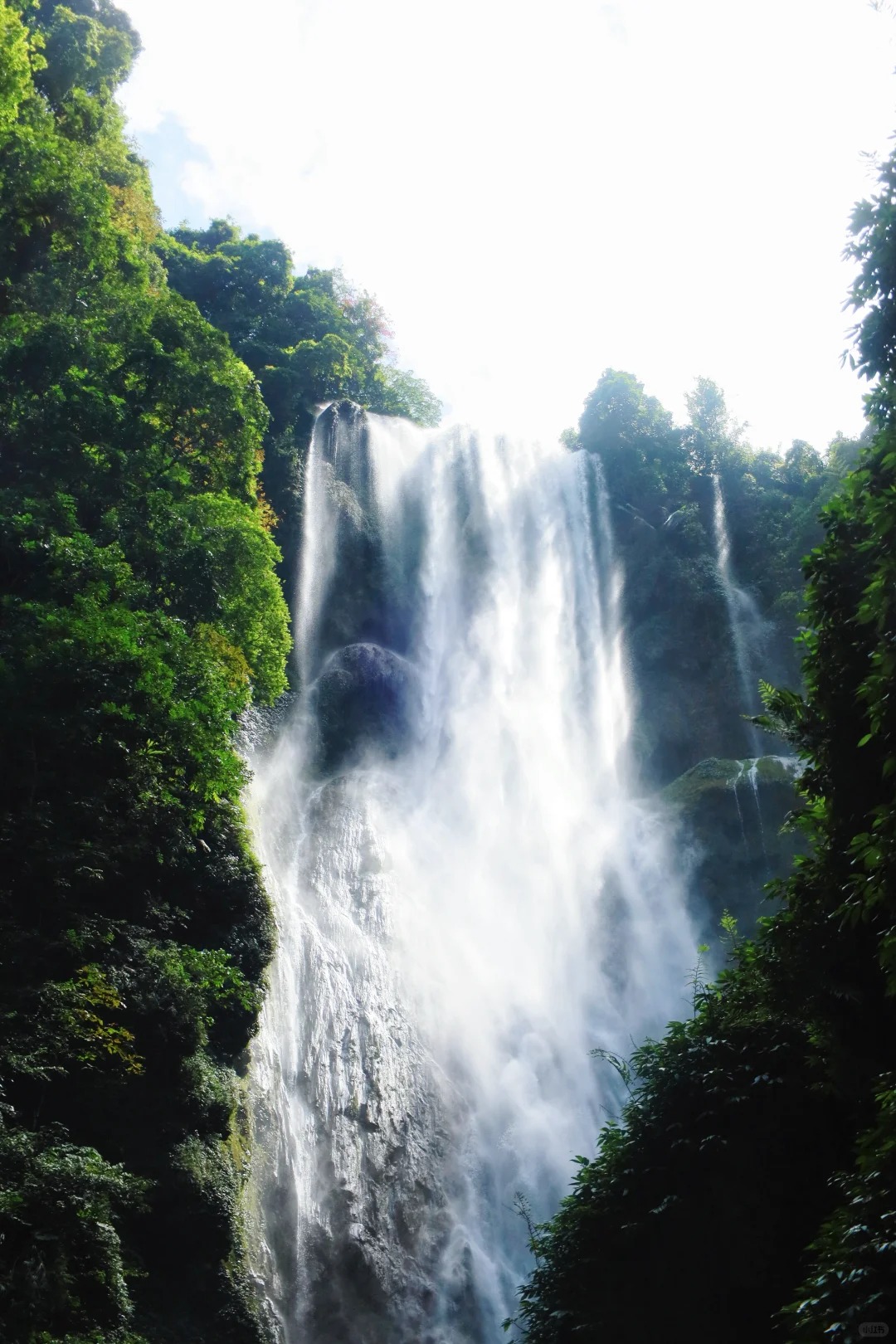
The journey to Tongling Grand Canyon began with a drive through winding mountain roads, surrounded by lush green forests. As I approached the canyon entrance, I could hear the sound of a river rushing, growing louder as I walked along the path. The first thing I saw was a towering waterfall, which cascades down a 168-meter cliff into a pool below. The water is so clear that I could see the pebbles at the bottom of the pool, and the mist from the waterfall created a cool, refreshing breeze. I stood there for a while, taking in the beauty of the waterfall, before following the path that leads down into the canyon.

The path down is steep and narrow, with stone steps carved into the cliffside. As I descended, the temperature dropped, and the air became damp and cool. The walls of the canyon are covered in green moss and ferns, and small waterfalls trickle down from the rocks. I passed by several natural pools, their water a vibrant shade of blue-green, and stopped to dip my feet in— the water was icy cold, but incredibly refreshing. Along the way, I met a local guide who was leading a small group, and he offered to let me join them. “There are so many hidden spots in the canyon that you might miss if you’re alone,” he said. I gladly accepted, and he turned out to be a wealth of knowledge.
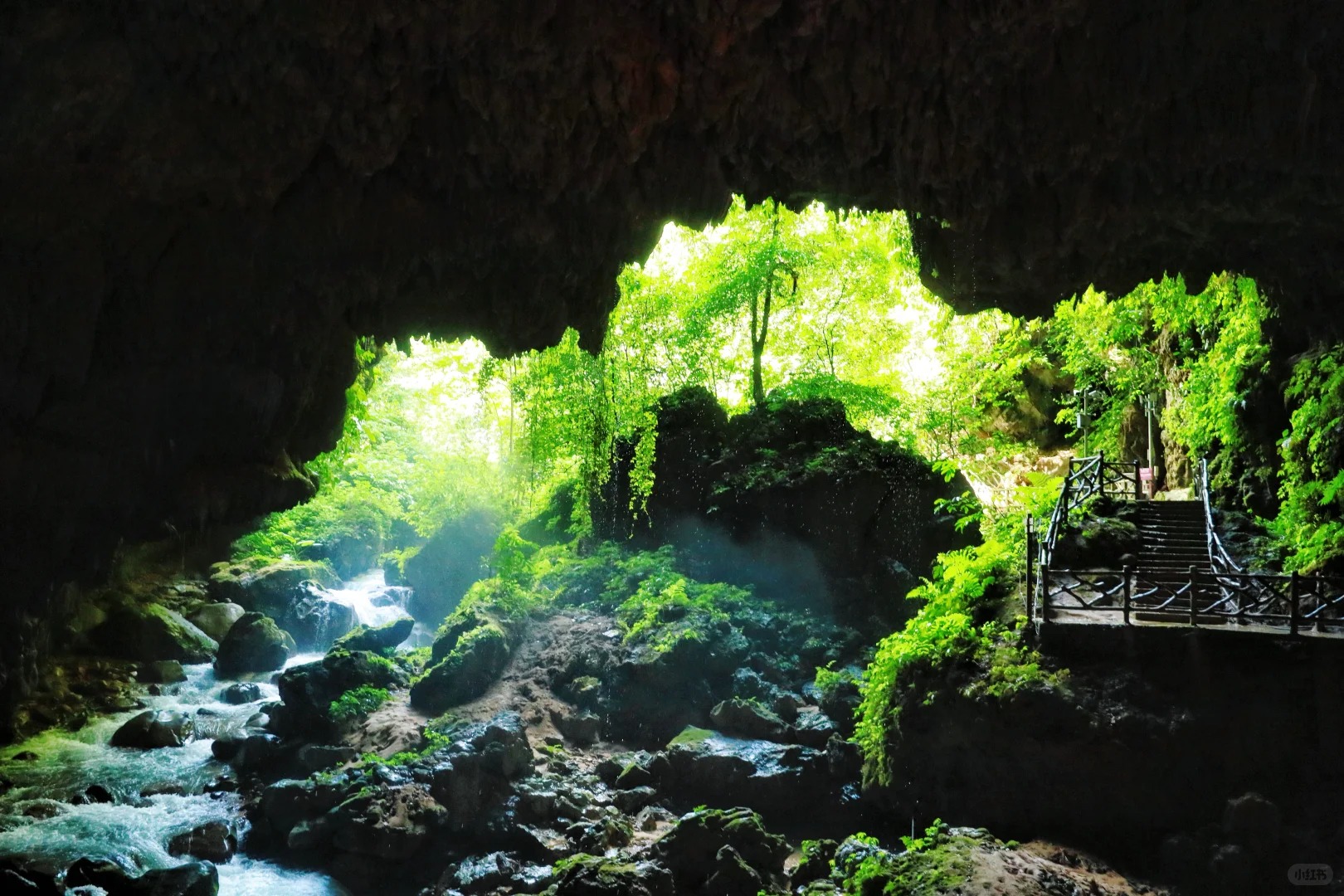
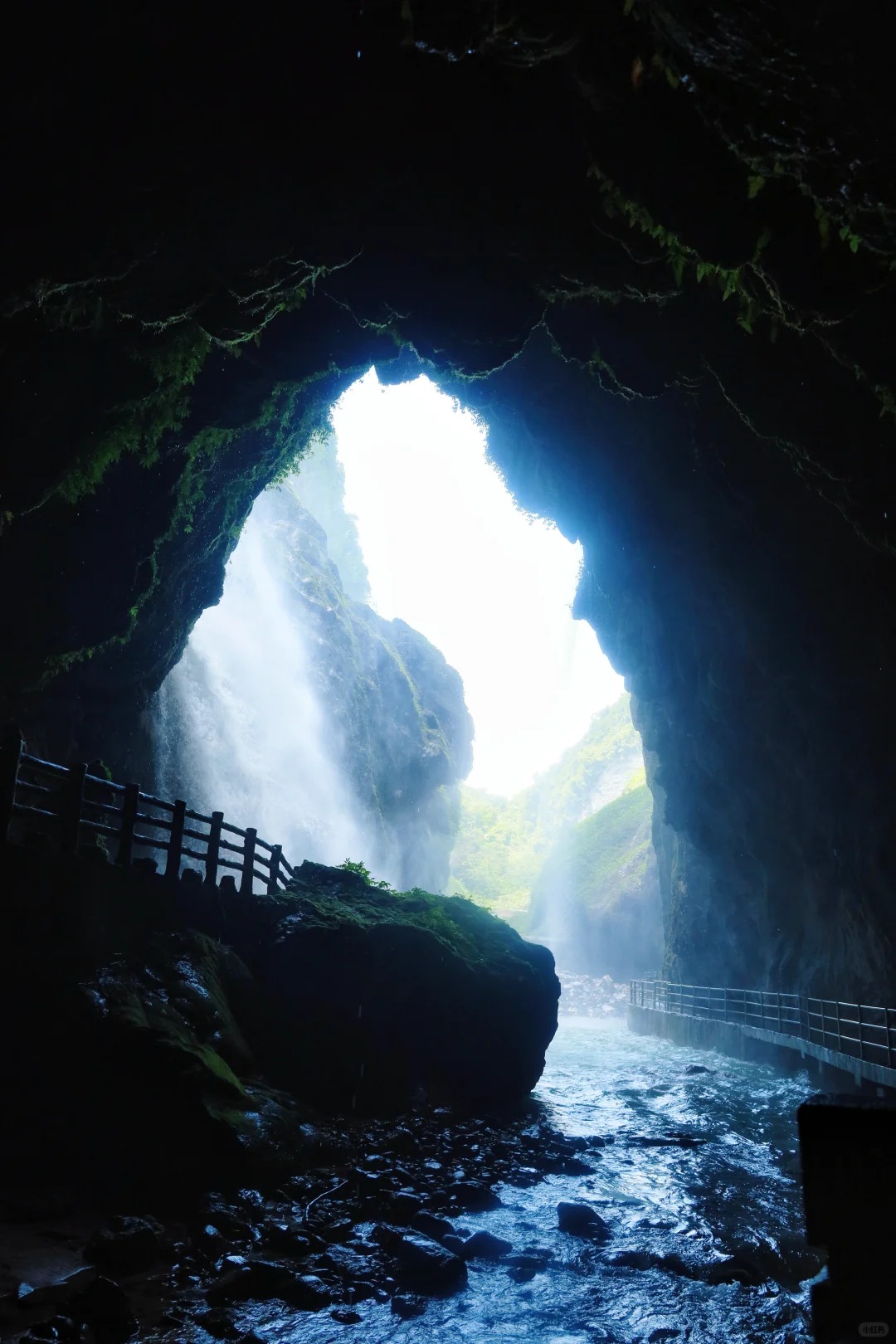
Our first stop with the guide was the Underground River Cave, the highlight of Tongling Grand Canyon. The cave is accessed by a small boat, which glides along a narrow underground river. As we entered the cave, I was amazed by the sight—stalactites and stalagmites hang from the ceiling and rise from the floor, shaped by thousands of years of water erosion. The guide pointed out different formations, giving them names like “Golden Dragon” and “Silver Elephant,” and told us the legends behind them. The cave is illuminated by colored lights, which make the formations even more magical—shades of red, blue, and green dance on the rocks, creating a surreal atmosphere. I felt like I was in a dream, floating through an underground wonderland.
After the cave tour, we continued along the path, which led us to a suspension bridge that crosses the canyon. The bridge is made of wood and steel, and it sways slightly as you walk across. From the bridge, I had a bird’s-eye view of the canyon—steep cliffs, green forests, and the river winding its way through the rocks. It was a breathtaking view, and I took dozens of photos to capture the moment. The guide told me that the canyon is home to many rare plants and animals, including the Chinese giant salamander and the karst orchid. “We need to protect this place,” he said. “It’s a precious gift from nature.”
By midday, we reached the bottom of the canyon, where there’s a small village. We stopped at a local restaurant for lunch, where we ate stir-fried wild vegetables, braised pork, and a soup made with local mushrooms. The food was simple but delicious, and it tasted like home. The restaurant owner told us that most of the ingredients come from the mountains around the canyon, and that the recipes have been passed down from generation to generation. After lunch, I walked around the village, which is home to a small community of Yao people. The Yao women were wearing traditional clothing—colorful jackets and skirts adorned with embroidery—and were selling handmade crafts like bracelets and bags.
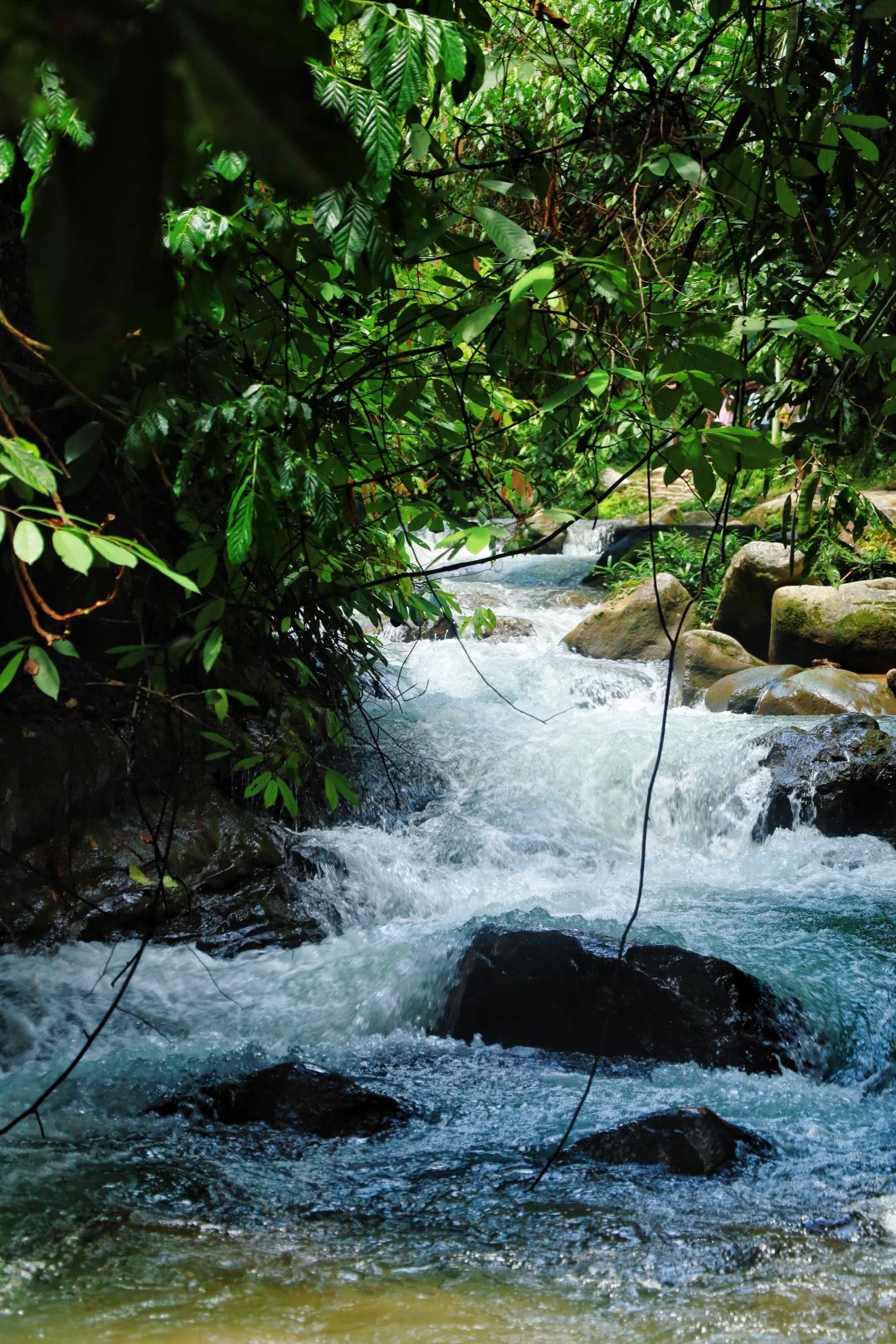
In the afternoon, we climbed back up the canyon, taking a different path that led us to several more waterfalls and natural pools. I stopped at a small waterfall and sat on a rock, listening to the sound of the water and watching the sunlight filter through the trees. It was a moment of pure peace, and I felt completely disconnected from the outside world. As we neared the entrance, the guide pointed out a small temple on the hillside. “That’s the Tongling Temple,” he said. “It’s been here for over 300 years, and locals come here to pray for good fortune.” I walked up to the temple, which is small but beautiful, and lit a stick of incense, saying a silent prayer of gratitude for the amazing day I’d had.
As I left Tongling Grand Canyon, I looked back at the mountains, feeling a sense of awe and wonder. This canyon is more than just a scenic spot; it’s a testament to the power and beauty of nature. It’s a place where you can explore underground caves, walk across suspension bridges, and immerse yourself in local culture. Whether you’re an adventure seeker or just someone who loves nature, Tongling Grand Canyon is a must-visit. It’s a hidden gem in Guangxi, and one that I will never forget.