I have climbed many mountains in China, but Mount Heng, also known as Nanyue (Southern Great Mountain), is different. It is not just a feast for the eyes; it is a feast for the spirit. Located in Hengyang, it is one of the Five Great Mountains of China, famous for its blend of Taoist and Buddhist traditions, its lush vegetation, and the ever-present mist that shrouds its peaks.
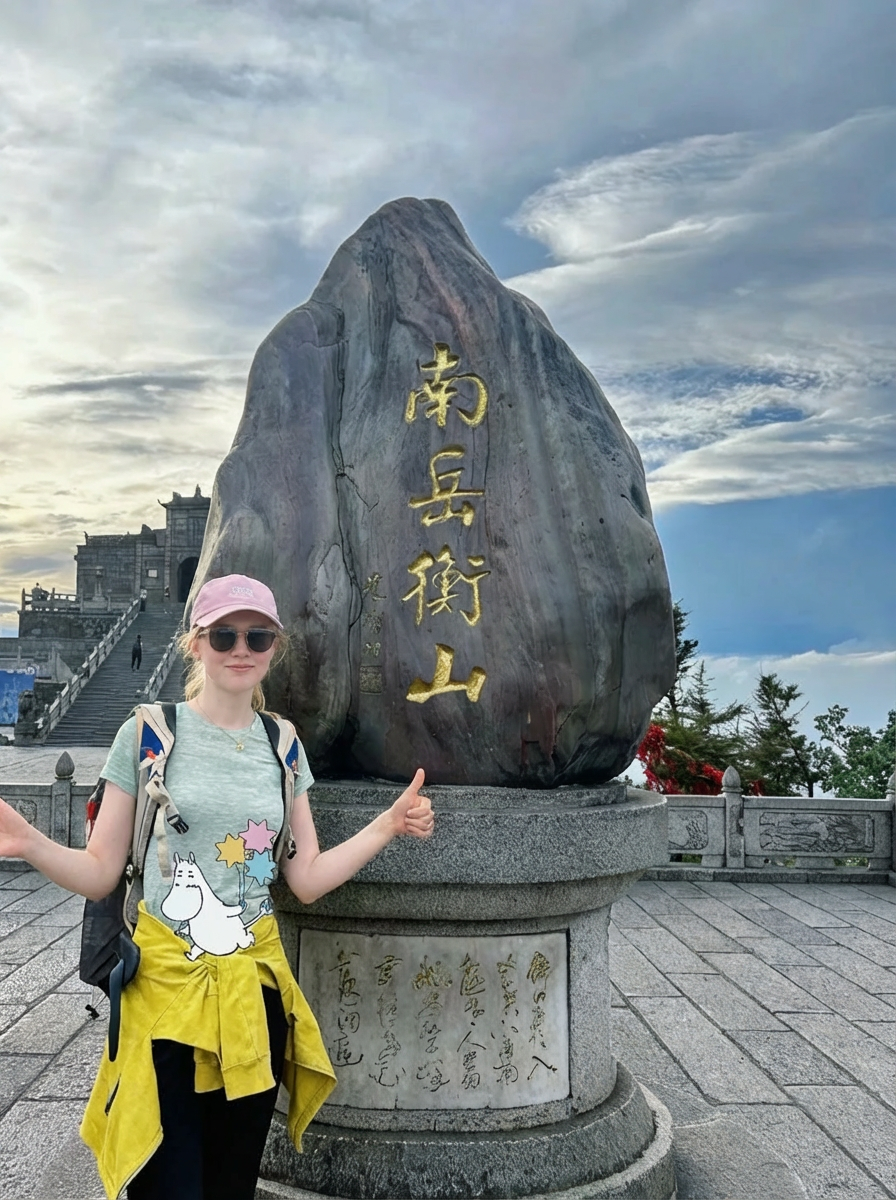
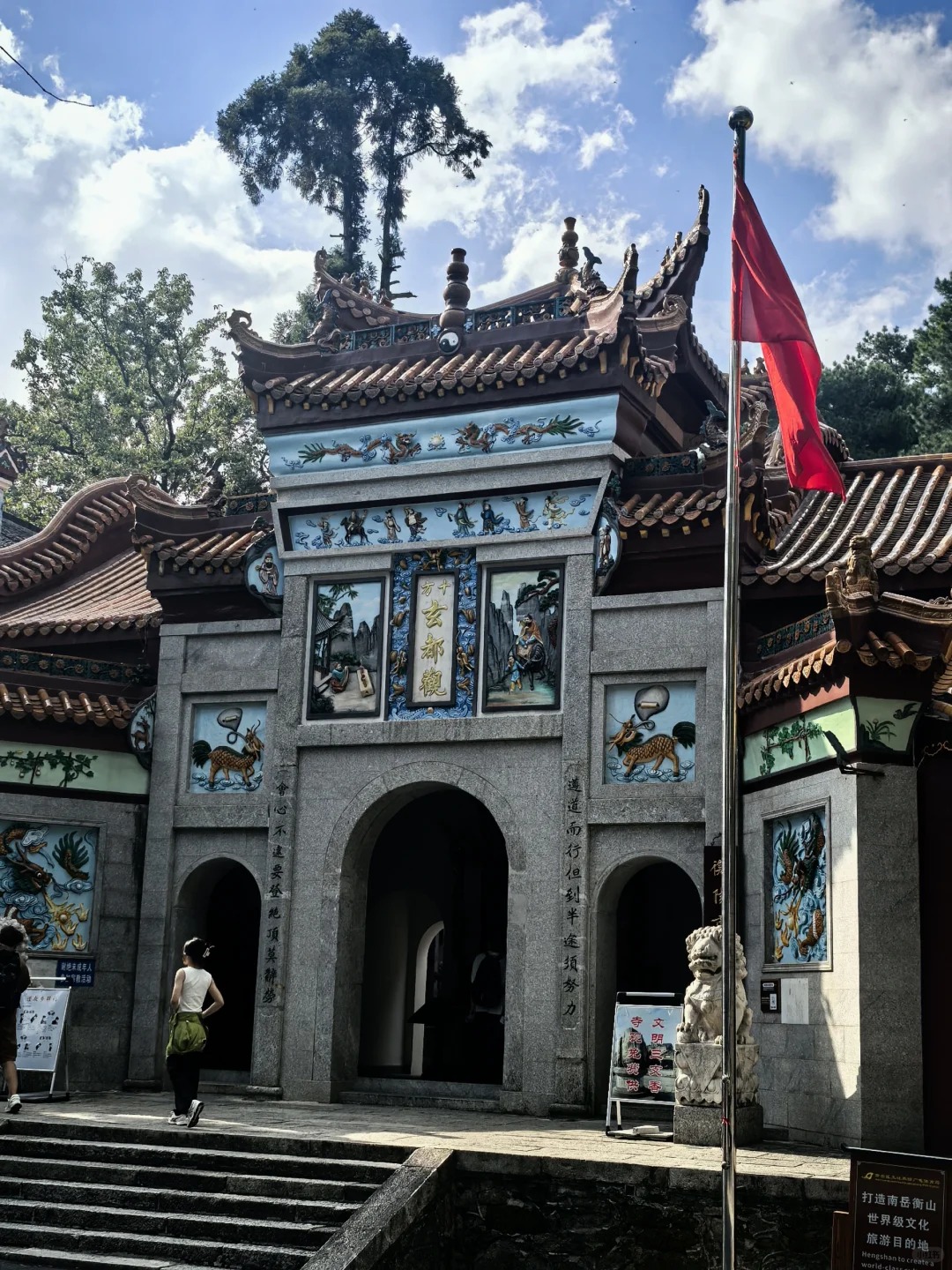
My journey began at the Nanyue Grand Temple at the base of the mountain. This is one of the largest and best-preserved ancient temple complexes in Southern China. Walking through the eight Taoist temples and eight Buddhist temples, all existing side by side in perfect harmony, I was struck by the religious tolerance and cultural depth of China. The smell of burning sandalwood incense was thick in the air, and the low hum of chanting monks created a trance-like atmosphere.
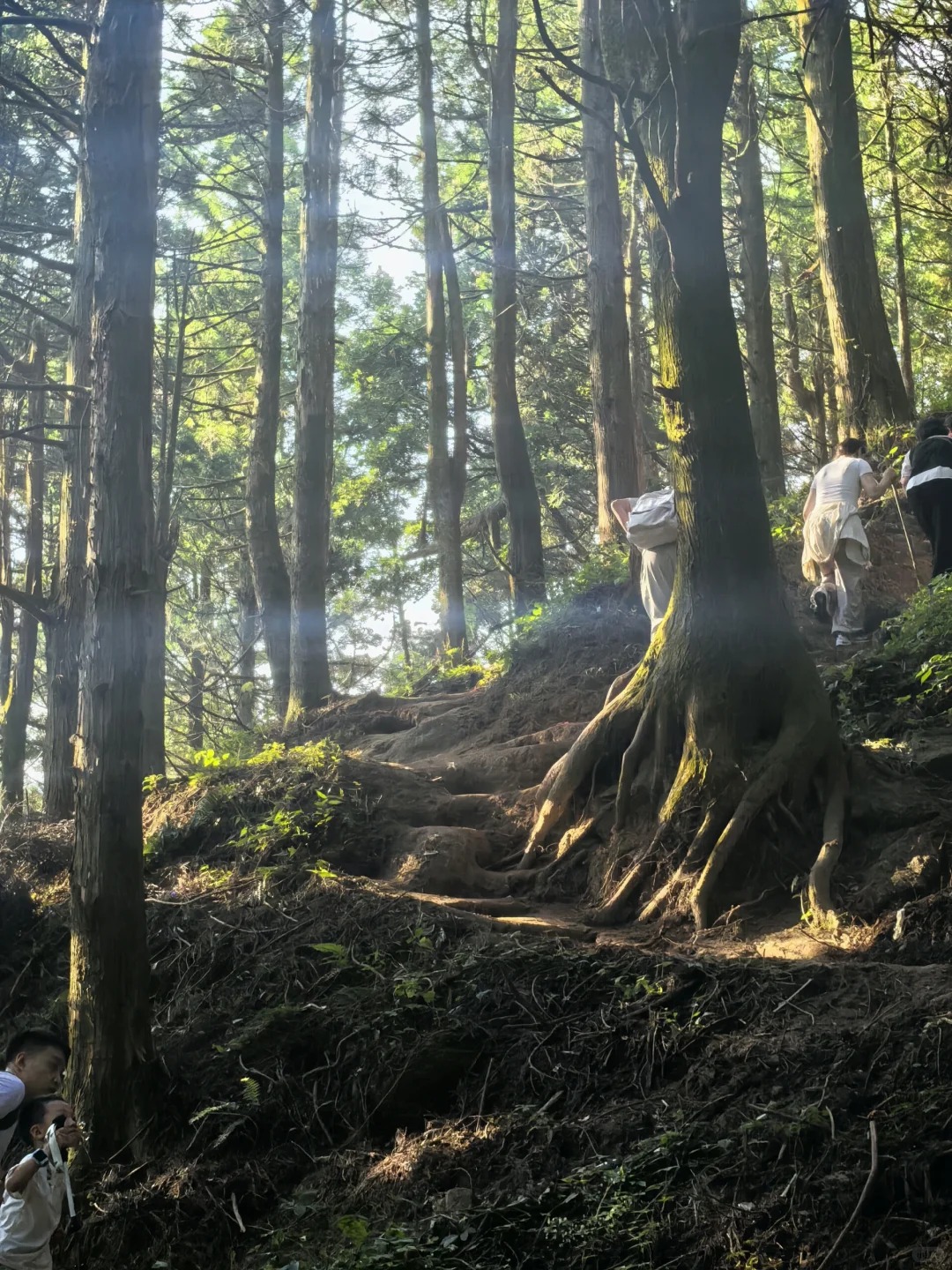
I took a bus partway up, then started hiking towards Zhurong Peak, the highest point. The forest here is ancient. Trees that are hundreds of years old tower overhead, their branches draped in hanging moss and lianas. The air was thick with moisture; I felt like I was breathing water in the best possible way. It felt primal.
As I ascended, I encountered numerous small shrines and stone tablets carved with calligraphy. I stopped at the Fangguang Temple, a place of quiet seclusion tucked into a cliff face. Here, I sat for a while, sipping tea from a paper cup, watching the clouds swirl up the valley. It was a moment of pure Zen. The contrast between the busy temple at the bottom and the solitary peace of the higher altitudes was stark.
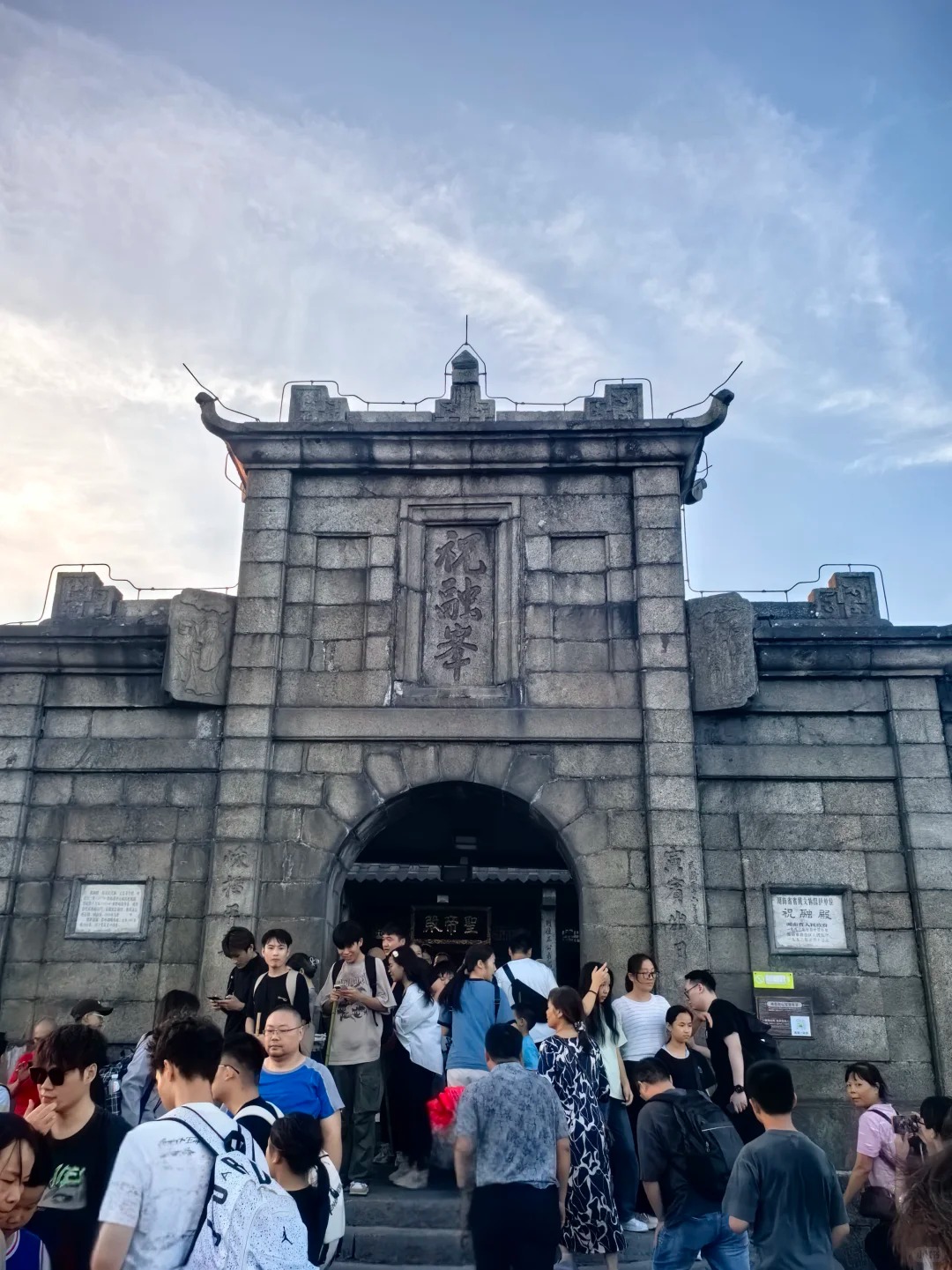
Reaching the summit of Zhurong Peak (1,300 meters) is an unforgettable experience. The top is dominated by the Zhurong Hall, dedicated to the God of Fire. As I emerged from the forest, I was standing above a sea of clouds. The peaks of other mountains poked through like islands. The wind howled, carrying the sound of temple bells from far below.
But what truly sets Hengshan apart is the “Sea of Clouds.” I was lucky enough to arrive just as the sun was beginning to set. The clouds turned from white to gold to deep purple. It felt like the heavens were opening up. I stood there, shivering slightly in the cold mountain air, feeling incredibly alive.
Hiking Hengshan is not a race; it’s a meditation. It is a place where you go to find balance. Whether you are a believer or not, the spiritual weight of the place is undeniable. It leaves you feeling cleansed, grounded, and connected to something much larger than yourself.