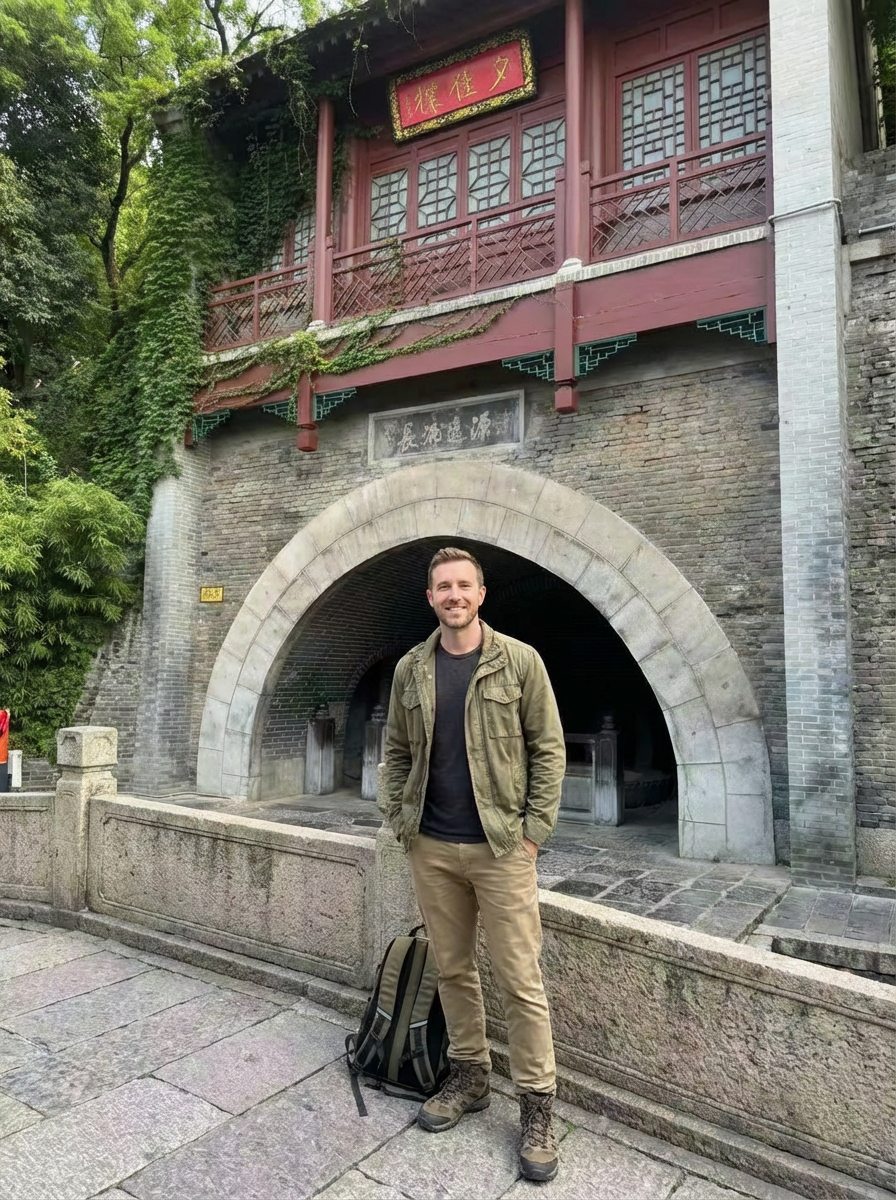
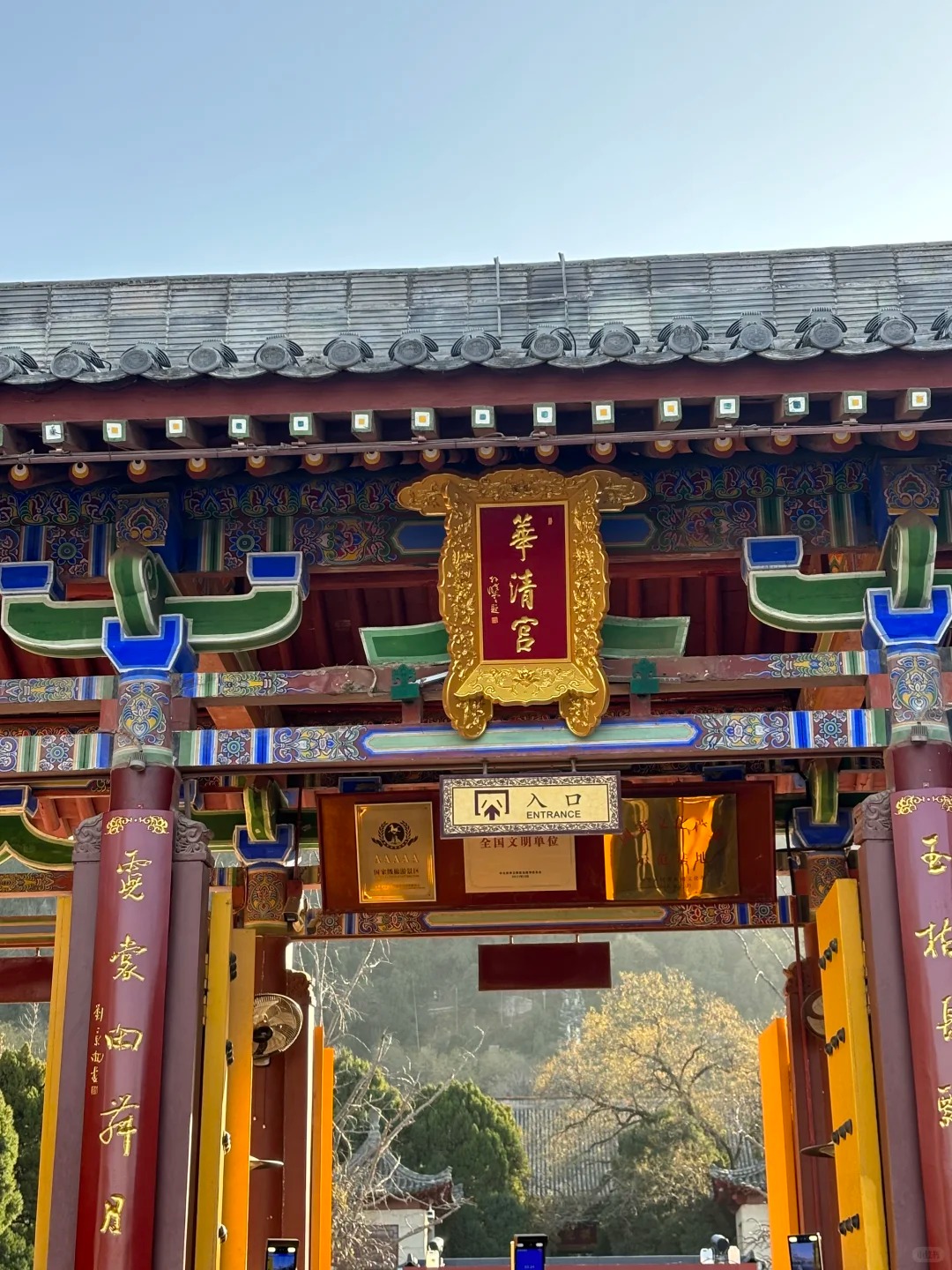
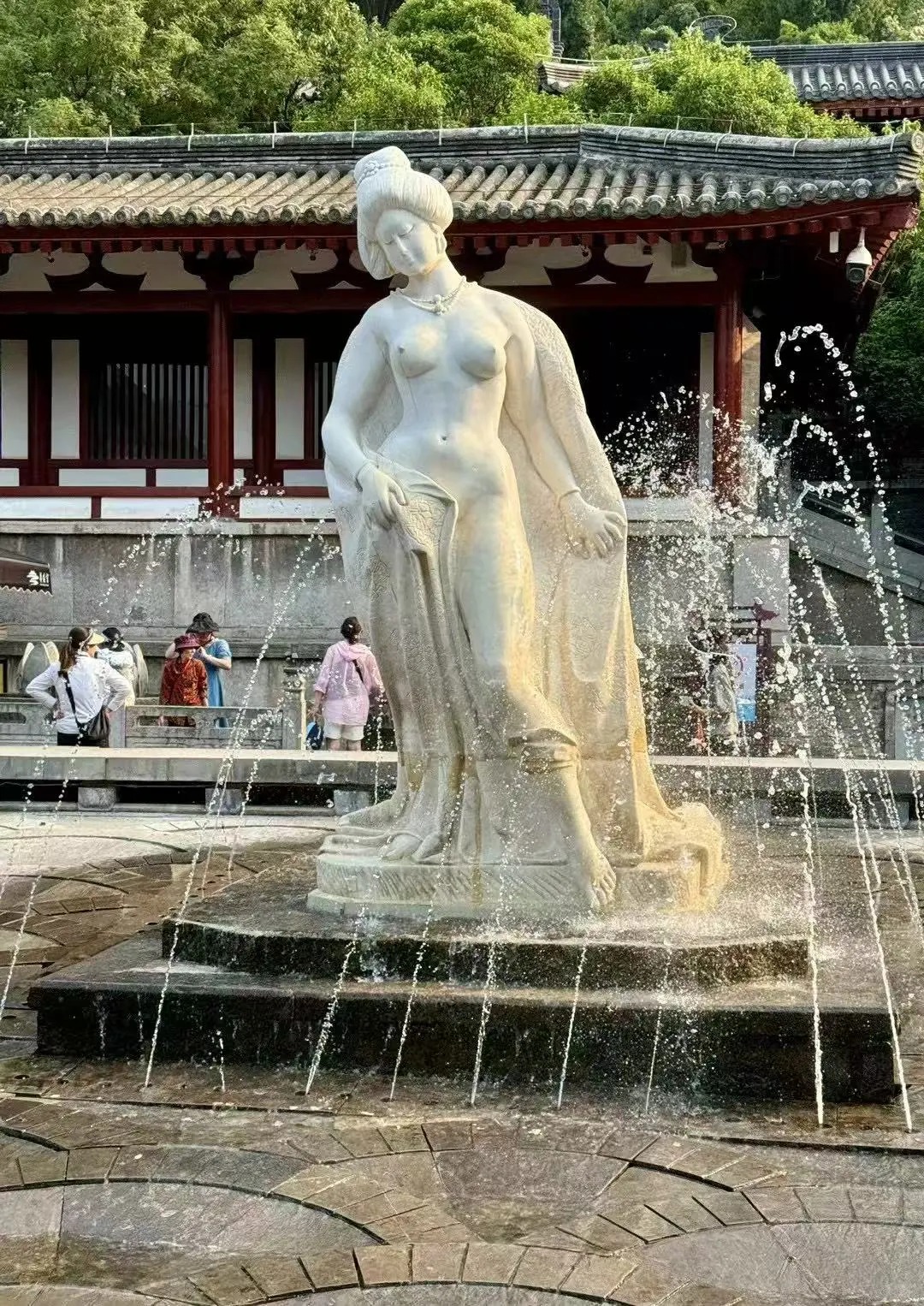
Most people come to Huaqing Pool (Huaqing Palace) for the love story. It is the legendary bathing site of Emperor Xuanzong and his beloved concubine Yang Guifei. It’s the setting of "The Song of Everlasting Sorrow," a poem every Chinese student memorizes. But as I walked through the manicured gardens at the foot of Mount Li, I realized this place is actually a layer cake of history—sweet romance on top, but with a gritty, violent filling.
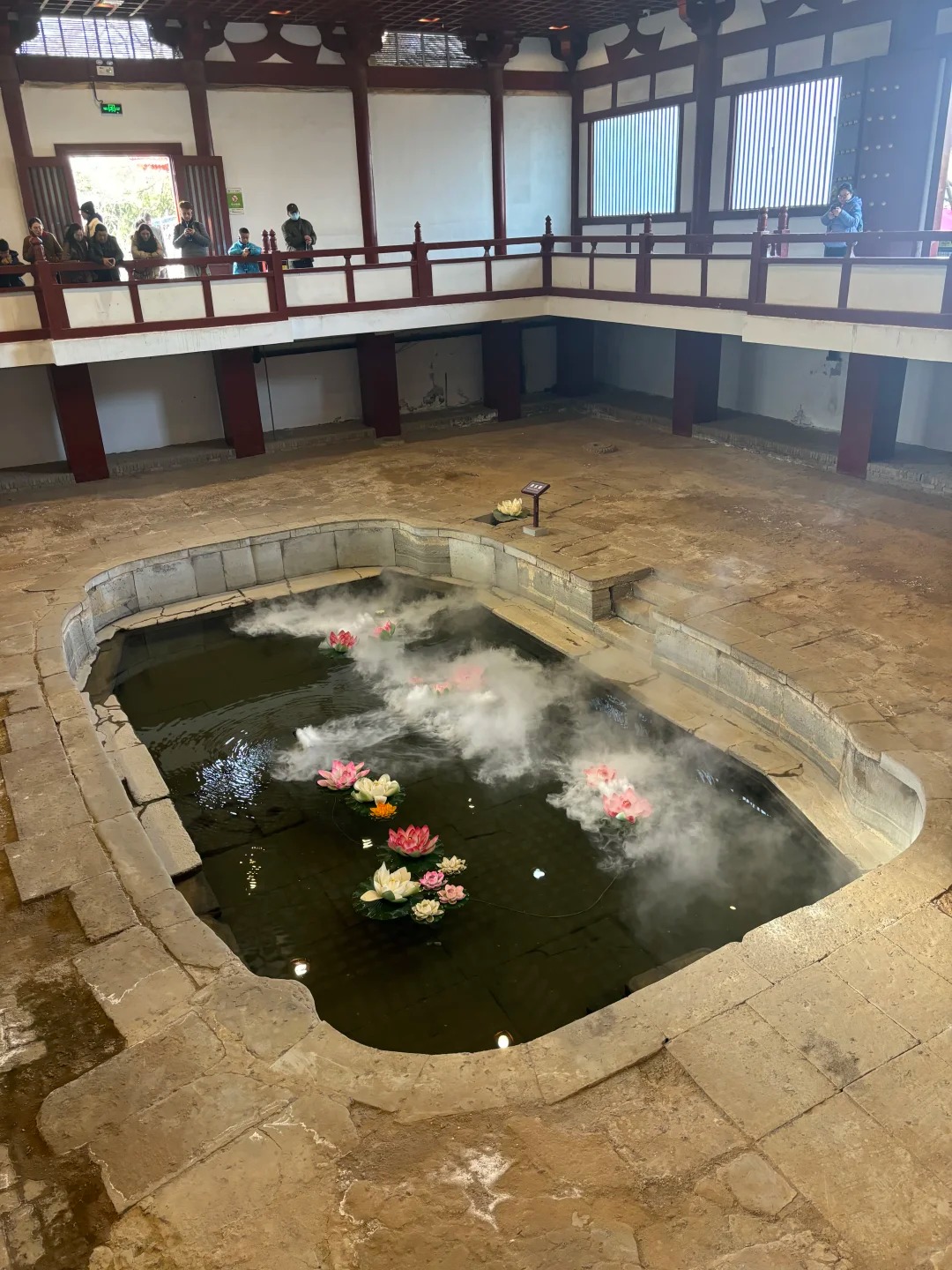
I started at the Imperial Pools. Seeing the empty, stone-lined pits where the Emperor and Yang Guifei once bathed was... well, requires some imagination. The "Lotus Flower Pool" (for the Emperor) and the "Begonia Pool" (for the Concubine) are dry now. Tour guides were shouting into megaphones, "This is where she bathed! Look at the shape!" It felt a bit dry, literally and figuratively.
The Water That Never Stopped
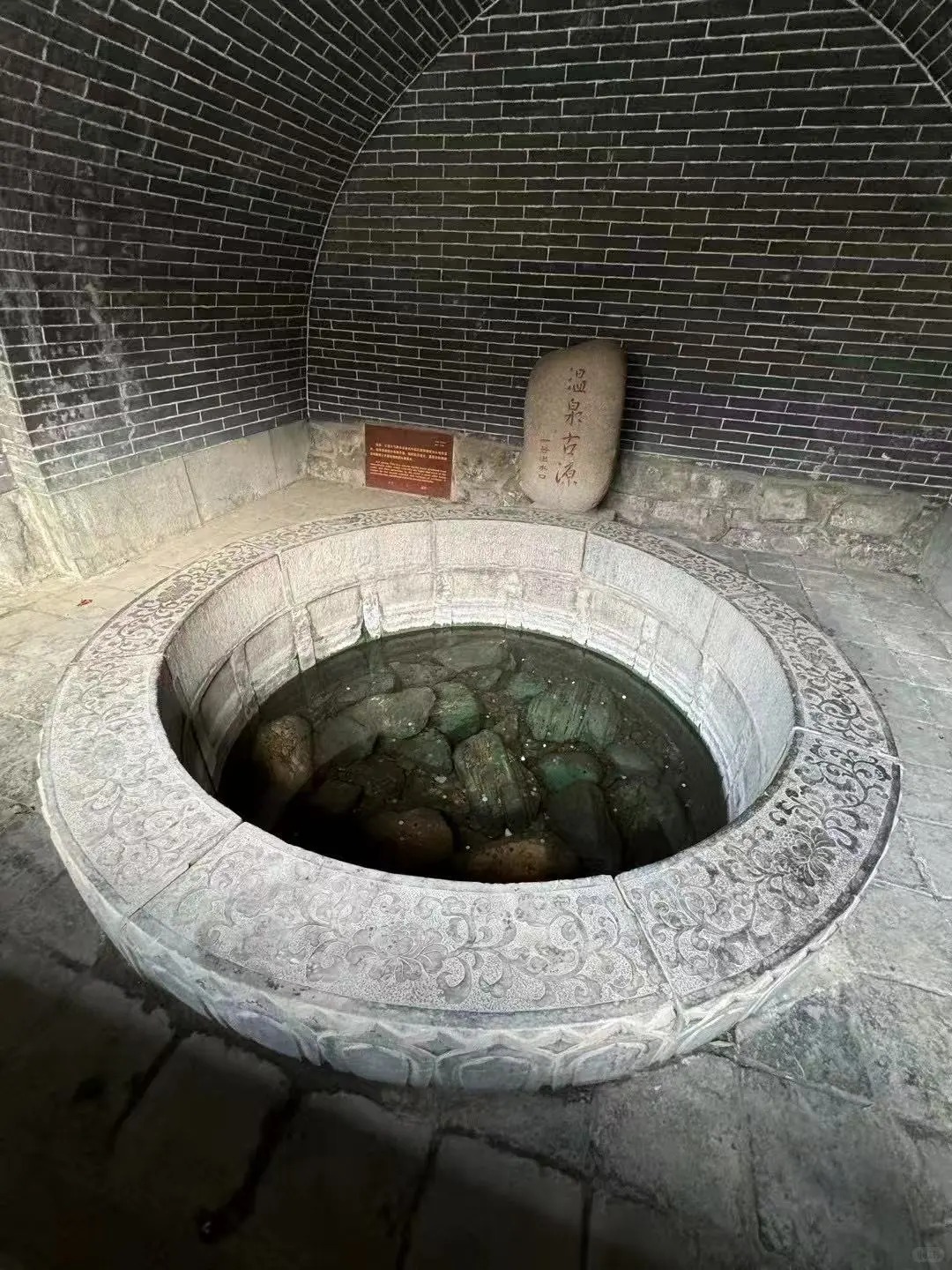
But then I found the actual hot spring source. In a small, unassuming room, you can see the crystal-clear water bubbling up from the earth at a constant 43 degrees Celsius. I dipped my hand in (there’s a designated spot for this). The water was silky, smelling faintly of sulfur. Closing my eyes, feeling that warmth, the centuries melted away. This was the same water. It touched the skin of the most beautiful woman in the Tang Dynasty. It soothed the aching bones of emperors. That physical connection was electric.
I decided to treat myself to a soak in the public spa area attached to the site. Lying in the hot mineral water, looking up at the misty green slopes of Mount Li, I understood why emperors built their winter retreat here. It’s a womb of warmth in the cold north. It’s seductive. You can easily see how an emperor could forget his duties here, lulled by the steam and the luxury.
The Bullet Holes in the Wall
But Huaqing Pool isn't just about ancient romance. I hiked further up the hill to the Five-Room Hall. The mood shifted instantly. This is where the Xi'an Incident took place in 1936. Chiang Kai-shek was staying here when his own generals kidnapped him to force an alliance against the Japanese invasion.
I stared at the bullet holes still visible in the brick walls and the shattered glass windows. They were jagged, real scars of modern history. I walked the path Chiang took when he scrambled out of his bedroom in his nightgown, fleeing up the mountain to hide in a crevice.
Standing at the "Capture Pavilion," panting slightly from the climb, the contrast was jarring. Down below, the ghosts of the Tang Dynasty were dancing in silk; up here, the ghosts of the Republic were firing machine guns.
Huaqing Pool is a strange, beautiful paradox. It’s where China reached its peak of cultural elegance, and also where it pivoted during its most desperate hour of survival.
The Show Must Go On
I stayed for the evening performance of "The Song of Everlasting Sorrow." It’s an outdoor extravaganza staged right on the Nine-Dragon Lake. The stage is submerged, hidden just below the water. When the lights came on, the mountain itself became the backdrop, lit up with stars.
Seeing the actors reenact the tragic farewell—where the Emperor is forced to order Yang Guifei’s death to save his throne—was heartbreaking. The fire, the water, the sorrowful music echoing off the real mountains... it was more than a show. It was a mass mourning for beauty destroyed by politics.
Leaving Huaqing Pool, I felt heavy. It’s a place that teaches you that beauty is fragile, and power is brutal. Whether it’s a silk cord for a concubine or a gun for a general, history here has always been written in extreme temperatures—boiling hot water and cold, hard steel.