Changchun is a heavy city. It’s the "Detroit of China," built on industry and history. But in the middle of this concrete sprawl lies a miracle: Jingyuetan (Net Moon Lake).
It’s not a natural lake; it’s a man-made reservoir built by the Japanese in the 1930s. But after 80 years, the forest has reclaimed it. It’s massive—bigger than Taiwan’s Sun Moon Lake, hence the name.
I went there not in winter, but in late autumn. The roads were carpeted in gold and red pine needles. It was quiet. Not the dead silence of the snow, but a living silence—birds chirping, the crunch of leaves under boots.
I rented a bike. Big mistake. The park is hilly. I was huffing and puffing up a slope when I crested the hill and saw the lake. It wasn’t just water; it was a vast expanse of blue framed by an endless sea of trees. The "Net Moon" name comes from the shape of the lake viewed from above, but from the ground, it feels like an ocean.
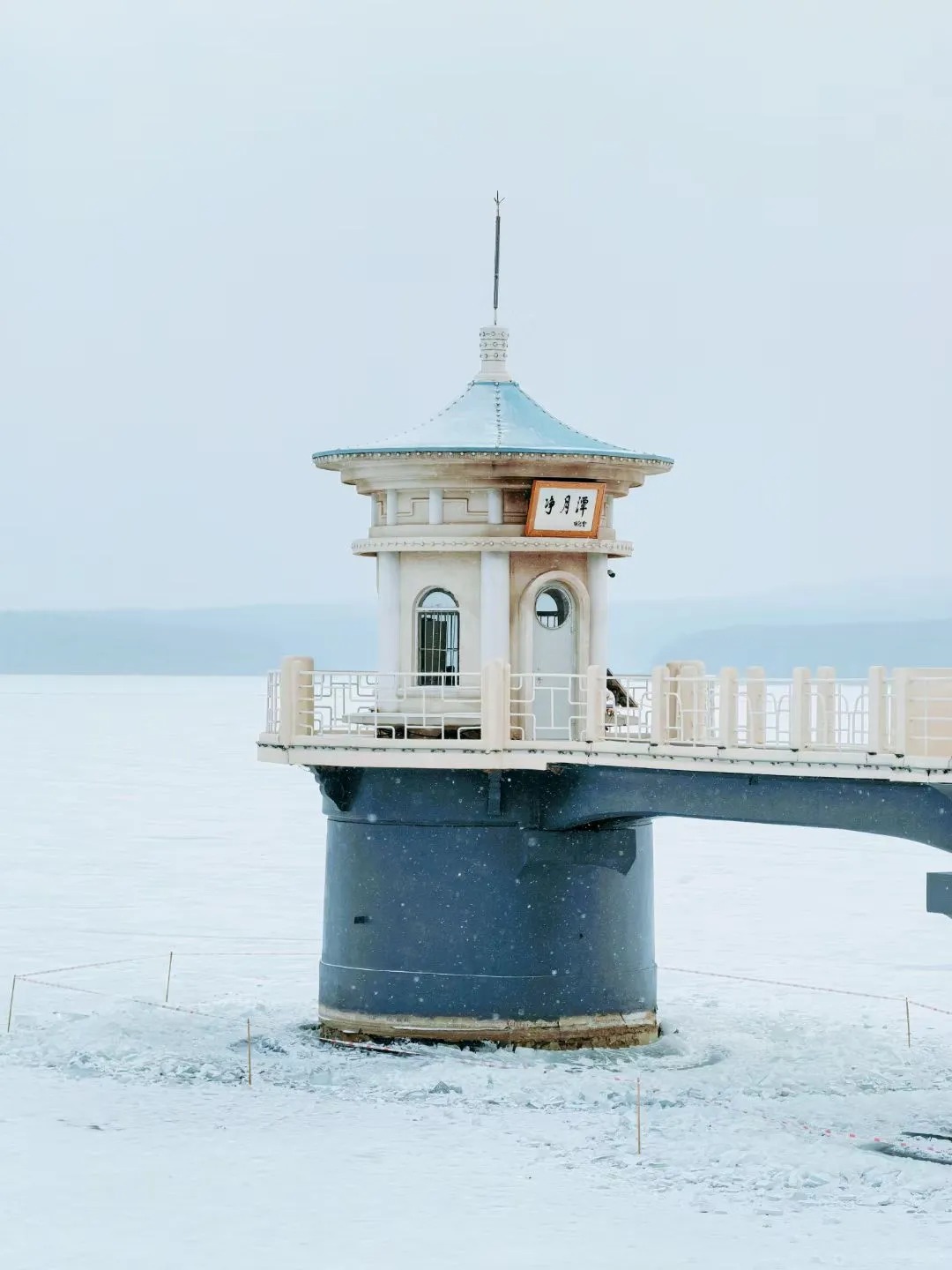
There’s a temple there, the Yu Huang Tan, nestled deep in the woods. The smell of incense mixed with the smell of pine resin. I watched a group of local aunties doing Tai Chi by the water. Their movements were slow, synchronized, fluid. They weren’t performing for tourists; they were cultivating their Qi.
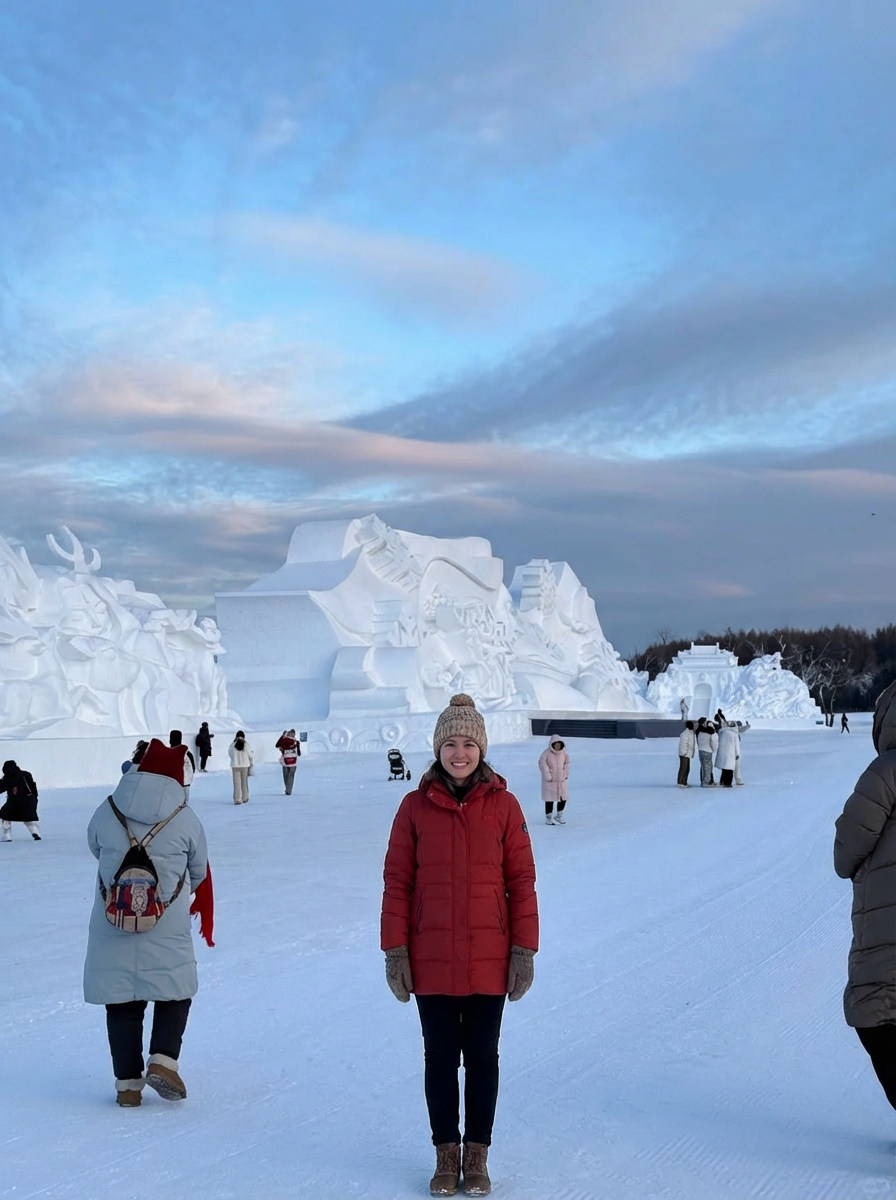
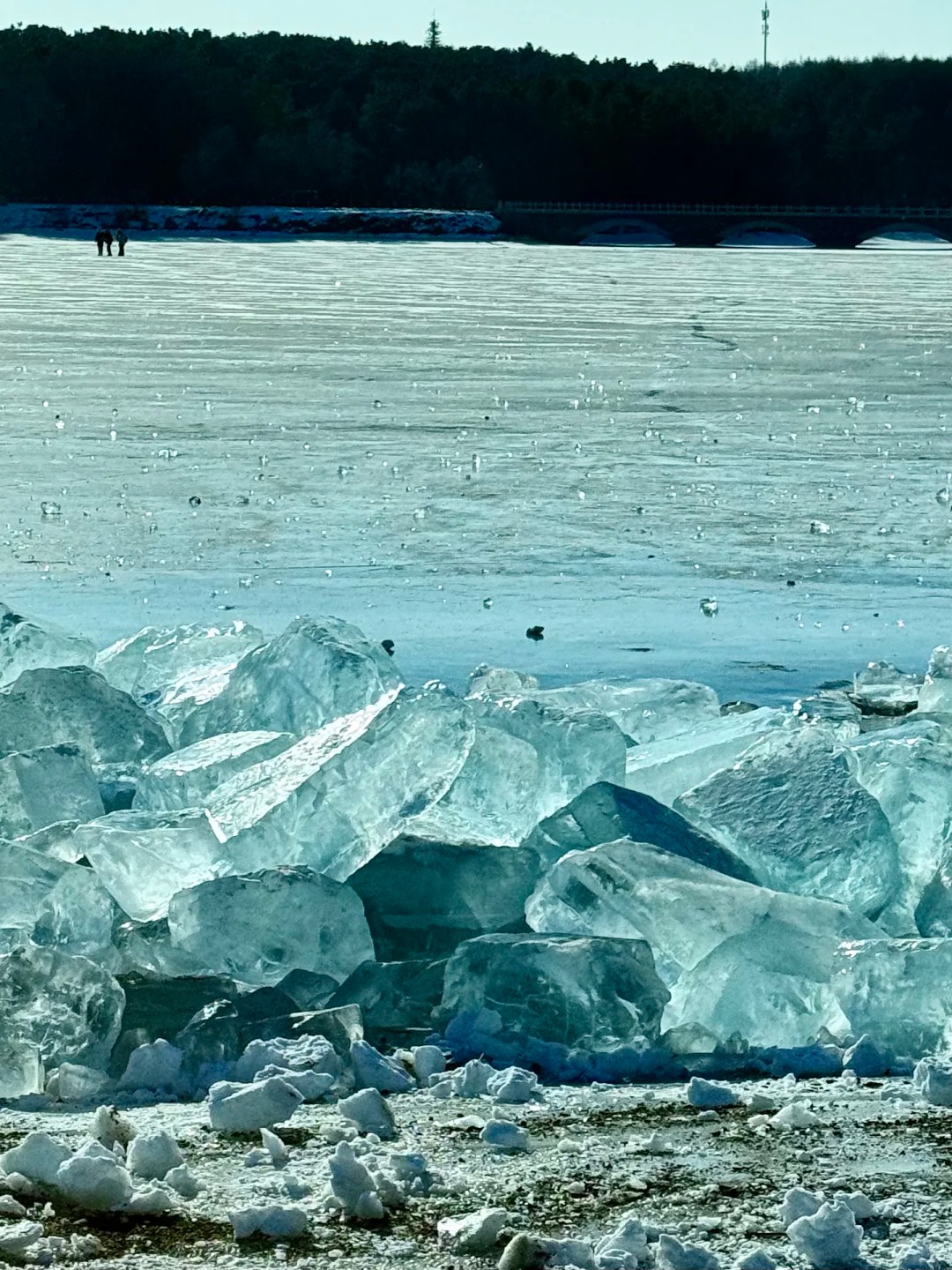
In winter, this place turns into a ski resort and an ice festival. I’ve seen the "Changchun瓦萨" (Vasaloppet) ski race here. Thousands of people, ski tracks carved into the frozen lake, massive snow sculptures that look like castles. It’s chaotic, loud, and incredibly fun. You eat tanghulu (candied hawthorn) on a stick while watching ice skaters spin.
But my favorite memory of Jingyuetan is just sitting on a bench, looking at the "Sister Trees"—two trees that grew together, intertwined. It’s a symbol of loyalty and love in Chinese culture.
Jingyuetan is the backyard of Changchun. It’s where the city goes to exhale. Whether you are skiing down a slope or meditating under a pine tree, this place heals you.