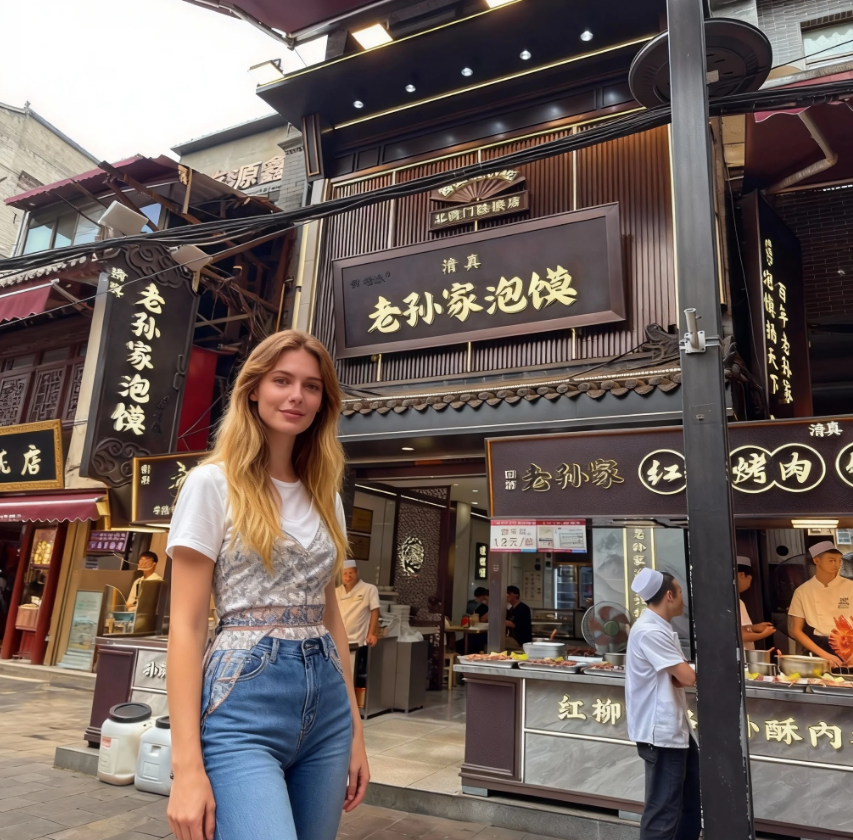
To taste Xi'an is to taste the layered history of China itself. Its cuisine is a robust, wheat-centered tapestry woven with threads from along the Silk Road, offering not just meals, but edible archaeology. My journey began at dawn in the maze-like Beiyuanmen Muslim Quarter, where the air itself is seasoned with cumin, roasted meat, and baking bread.
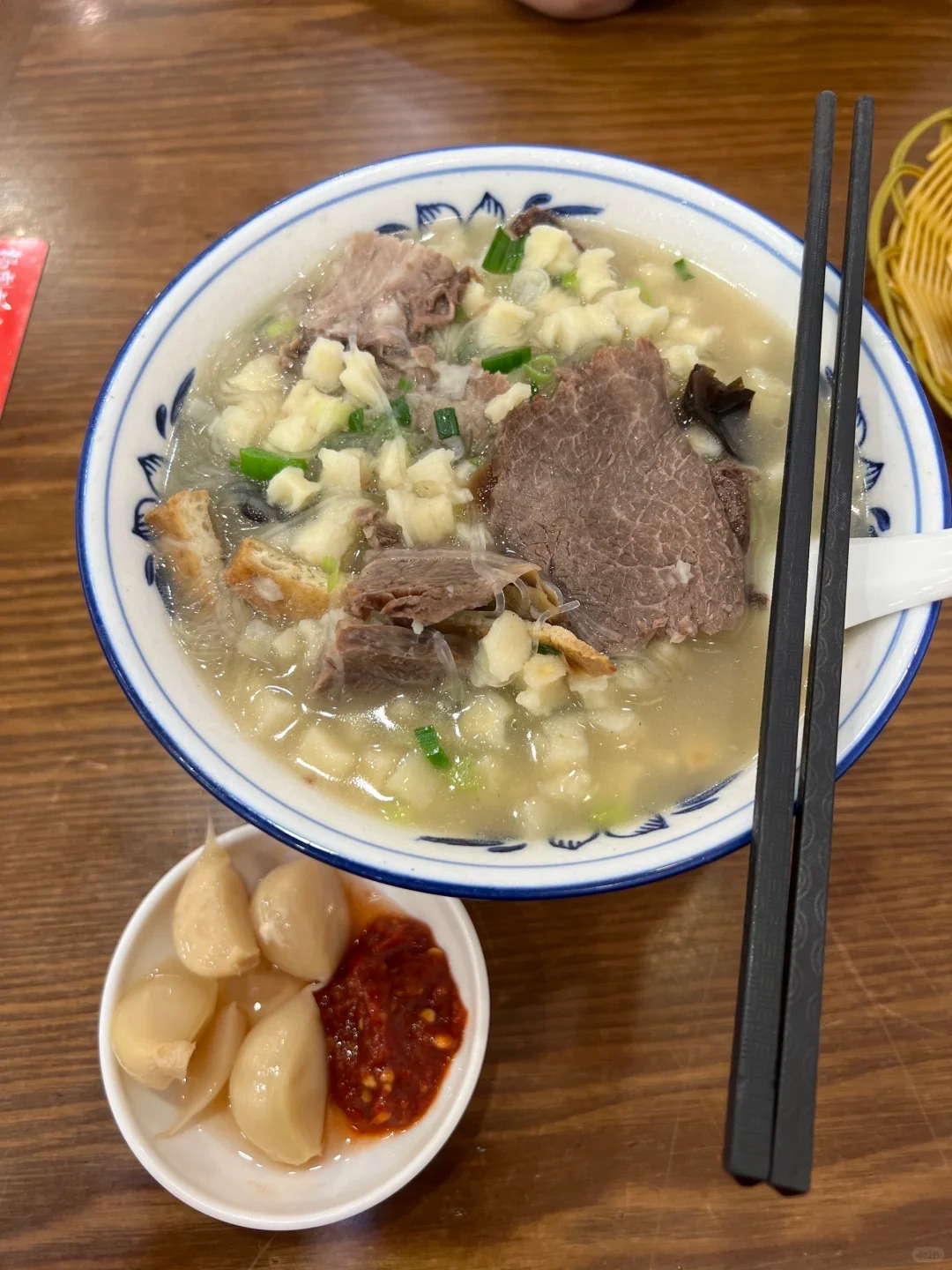
I joined a line of locals at a unassuming stall for my first breakfast: Yangrou Paomo. The ritual is part of the experience. You're given a bowl of flatbread (mo) and tasked with tearing it into tiny, fingernail-sized pieces—a meditative act. The pieces are then taken back, stewed with tender, succulent mutton in a rich, aromatic broth, and returned topped with cilantro and chili. The first spoonful is a revelation: hearty, warming, and deeply satisfying, a dish perfected by the city's Hui Muslim community over centuries.
Xi'an's identity is built on wheat. This is mian (noodle) territory. I sought out the legendary Biangbiang noodles, named for the onomatopoeic sound of the dough being slapped against the counter. Served in a broad, belt-like strand in a fiery sauce of chili oil, vinegar, and spices, each bite is a chewy, flavorful punch. In a small basement restaurant, I watched a master perform the dough-stretching ballet, his arms whirling the dough into long, perfect ribbons. "Our land grows strong wheat," he said, "so we make strong noodles for strong people."
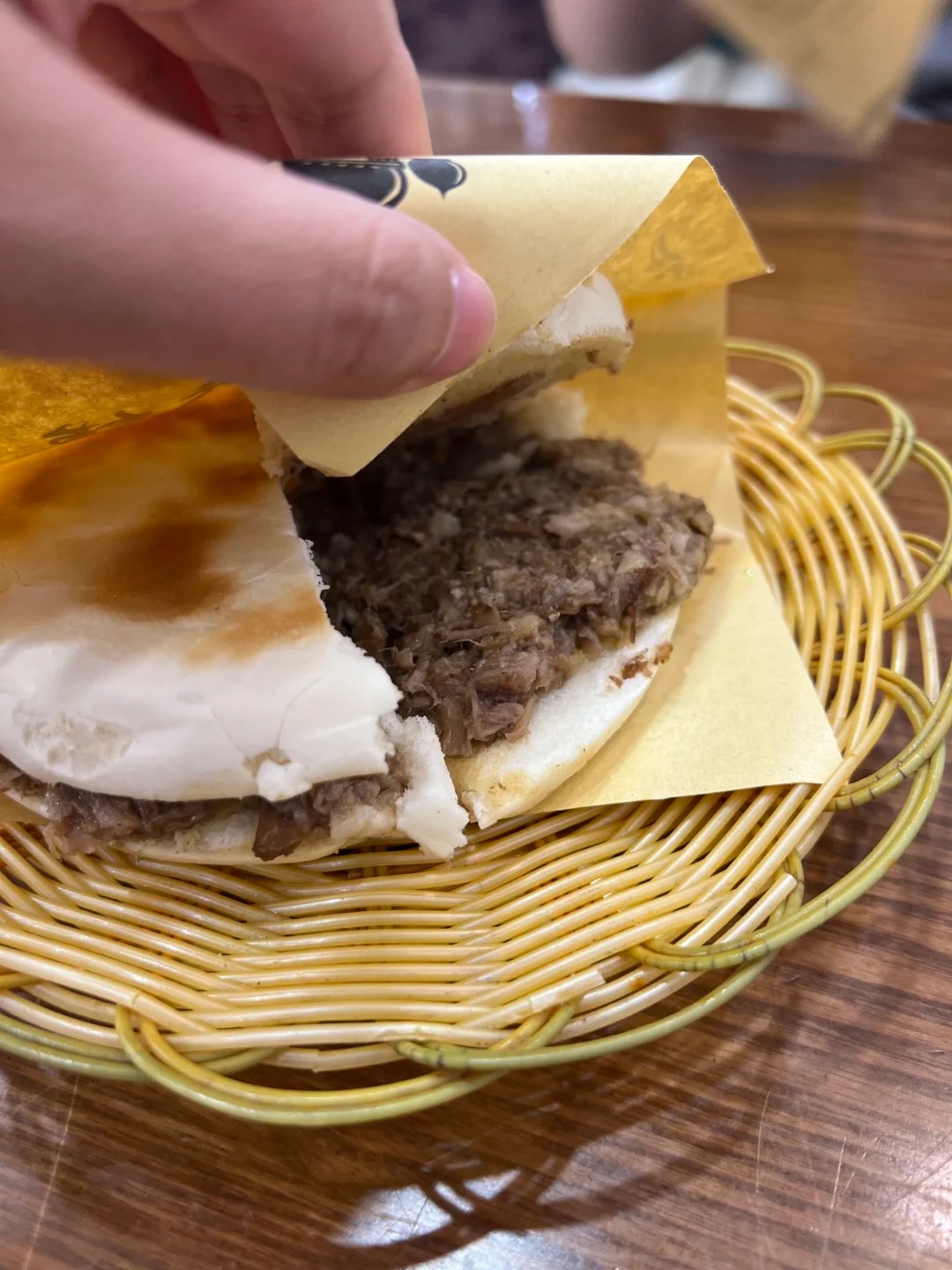
The Silk Road's influence is most deliciously evident in the street food. I savored Roujiamo, often called the "Chinese hamburger," where slow-stewed, spiced pork (or beef) is minced and stuffed into a crispy, baked flatbread—a possible descendant of Central Asian breads and meats. For something sweet, Persian crystal pomegranate cakes, a legacy from traders, offered a delicate, floral contrast.
The culmination of my culinary tour was a multi-course banquet featuring Tang Dynasty Palace Cuisine. This was a more refined, historical reconstruction of flavors from Xi'an's golden age: delicate soups, subtly seasoned meats, and elegantly carved vegetables. It was a stark, fascinating contrast to the vigorous street food, showcasing the range of this ancient capital's palate.
Eating in Xi'an is a dialogue with history. Every steaming bowl, every spicy skewer, tells a story of migration, exchange, and adaptation. It's food that sticks to your ribs and lingers in your memory, a testament to the enduring, flavorful soul of the city.