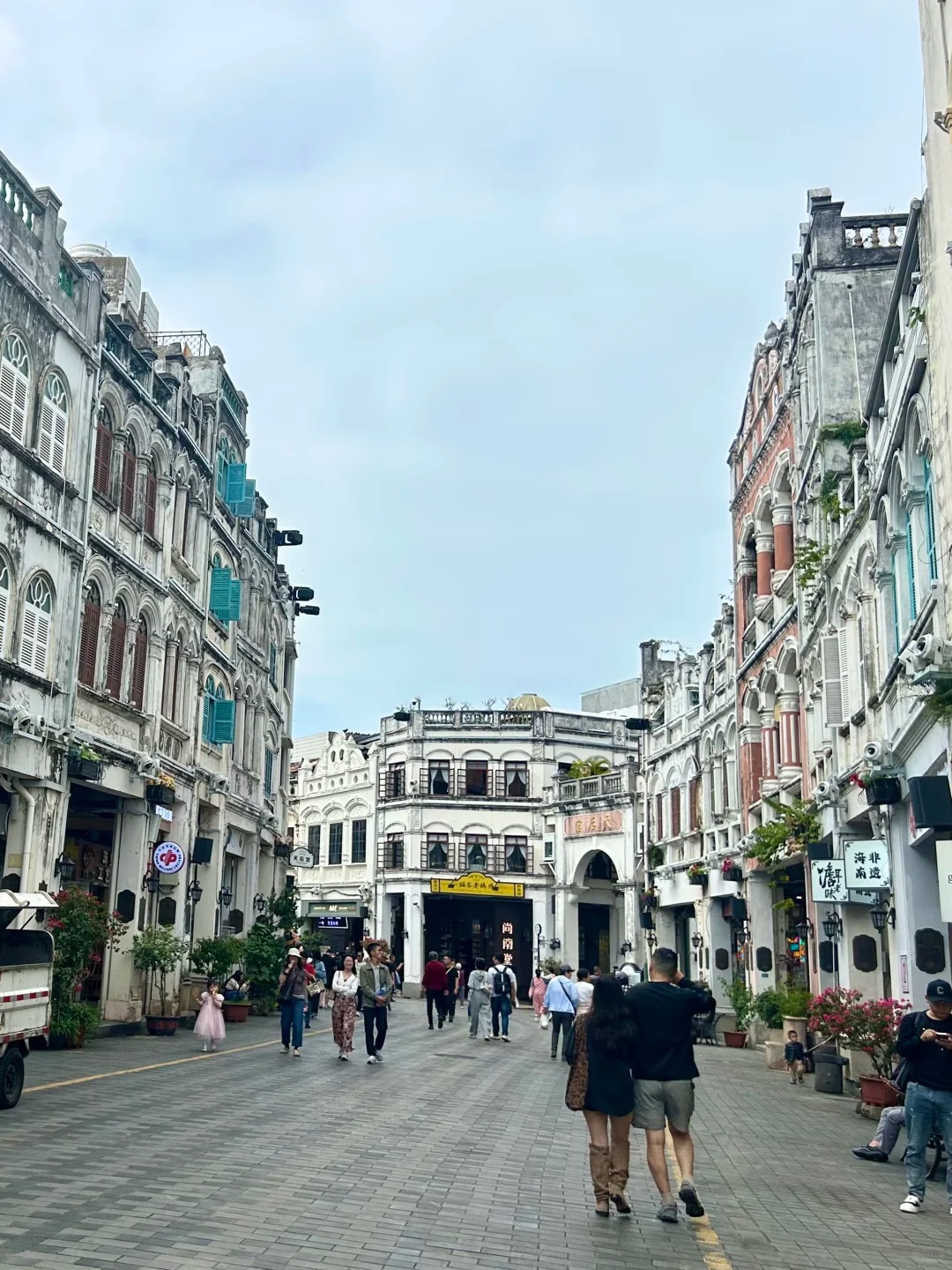
Haikou is the city most travelers rush through, a mere airport on the way to Sanya's beaches. To do so is to miss the very essence of Hainan—its slow, simmering, historical soul. My love affair with the island's capital began not on a beach, but under the shaded, colonnaded walkways of the Qilou Old Streets. These architectural hybrids, with their Southern Chinese tile roofs and European-style arched verandas, are relics of the early 20th century, when Hainan was a hub for returning Overseas Chinese. Walking these streets is like moving through a living museum of faded grandeur. Sunlight filters through the gaps, painting stripes on the worn stone. I passed a century-old optician's shop, its wooden cabinets dark with age; a tailor meticulously sewing on a pre-war Singer machine; and a traditional tea shop where the air was thick with the earthy scent of pu'erh.
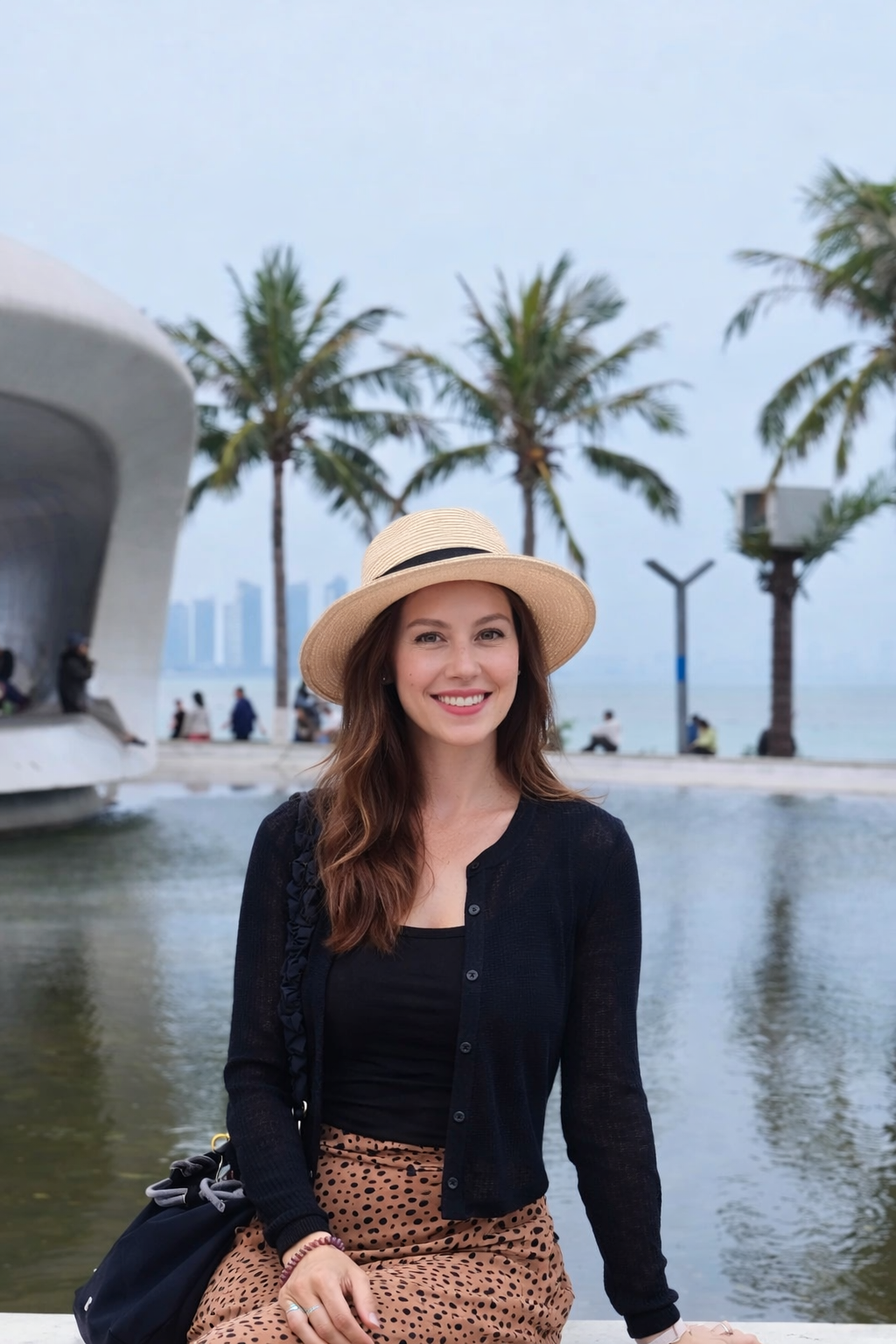
It was here I was initiated into the ritual of Old Dad Tea. I ducked into a sprawling, noisy, utterly unpretentious tea house. For the price of a few coins, I was given a thermos of hot water and a personal pot of strong, black Lipton tea. For hours, I sat at a Formica table amidst a symphony of clinking cups, shouted conversations, and the slap of dominoes. Retired men in sleeveless undershirts debated politics and horse racing. It was chaotic, democratic, and deeply comforting. This was Haikou's social fabric, woven daily over countless cups of cheap tea. There was no performance, no "culture show"—just the unvarnished, vibrant reality of local life, and I was silently accepted as part of the scenery.
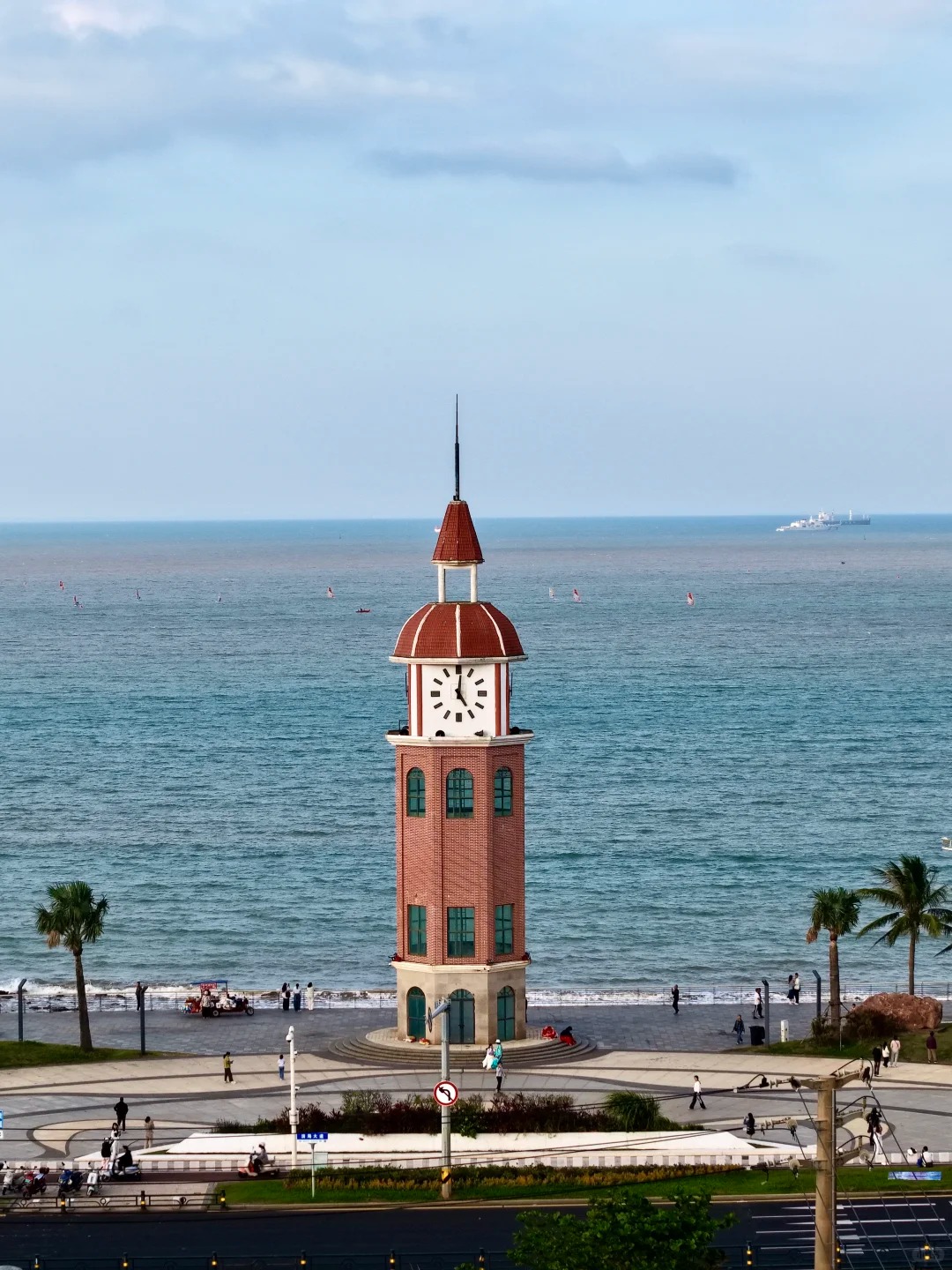
To understand Hainan's cultural genesis, I visited Wugong Temple (Five Lords' Temple). This serene complex, shaded by ancient banyan trees whose aerial roots hung like wise men's beards, honors five Tang and Song dynasty officials exiled to this "end of the world" for their political beliefs. Walking through the quiet courtyards, reading their poetry etched in stone, I felt a powerful irony. Their punishment—banishment to a remote, "uncivilized" island—became Hainan's blessing. They brought with them Confucian classics, agricultural techniques, and a scholarly tradition that took root in the fertile volcanic soil. Standing there, I realized Haikou isn't the periphery; it was the crucible where mainland Chinese culture was first grafted onto the island, where exile transformed into legacy.
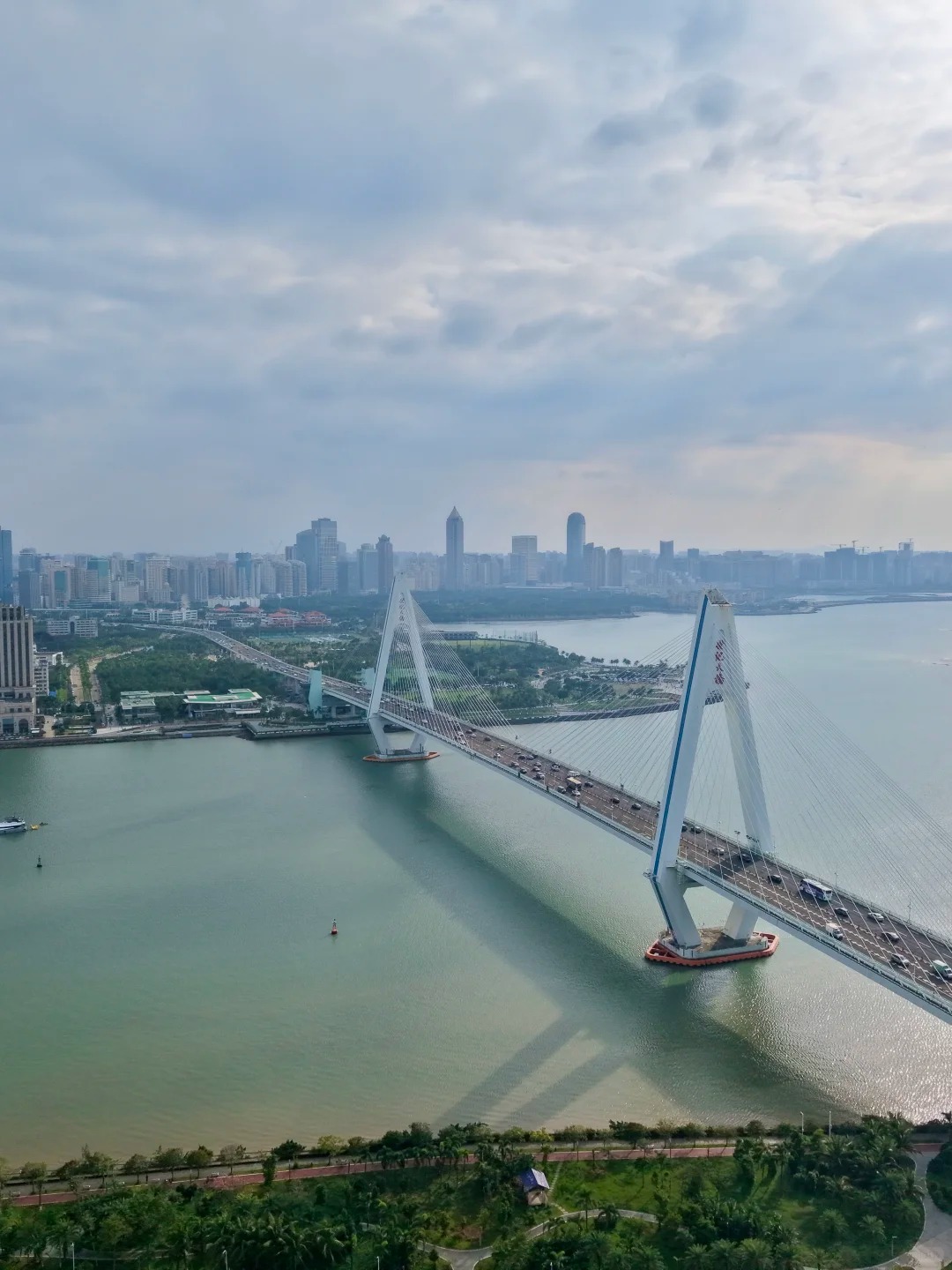
My Haikou epiphany, however, came at dusk on Holiday Beach. This is no pristine resort strand. It is the city's collective backyard. Families picnicked on the sand, children shrieked in the gentle surf, and teenagers played soccer. I joined a group of university students for an impromptu game of volleyball, our laughter mixing with the sound of the waves. As the sun set, painting the skyline in silhouette, vendors fired up grills, filling the air with the irresistible aroma of grilled squid and spicy "stinky tofu." Later, at a loud, packed outdoor restaurant, I shared a steaming hotpot of "Hainan black goat," the rich, gamey
broth a revelation. Surrounded by the warm chaos of local life, the sea breeze on my skin, I understood. Haikou is the authentic, unfiltered Hainan. It’s a city where history is preserved in the architecture of everyday life, where community is built over bottomless pots of tea, and where joy is found in a simple, public beach at sunset. It doesn't try to impress you; it invites you to live, for a moment, within its slow, sweet rhythm.