When people talk about Fujian Tulou, they often think of the iconic circular earthen buildings that dot the mountainous landscape of Southern Fujian. But after spending a week exploring these unique dwellings across Yongding and Nanjing counties, I’ve come to realize that Fujian Tulou is more than just a collection of buildings—it’s a living testament to the history, culture, and community spirit of the Hakka and Minnan people. From the massive circular tulou that can house hundreds of people to the smaller square ones that are home to a single family, each tulou has its own story to tell, and each offers a unique glimpse into a bygone era.
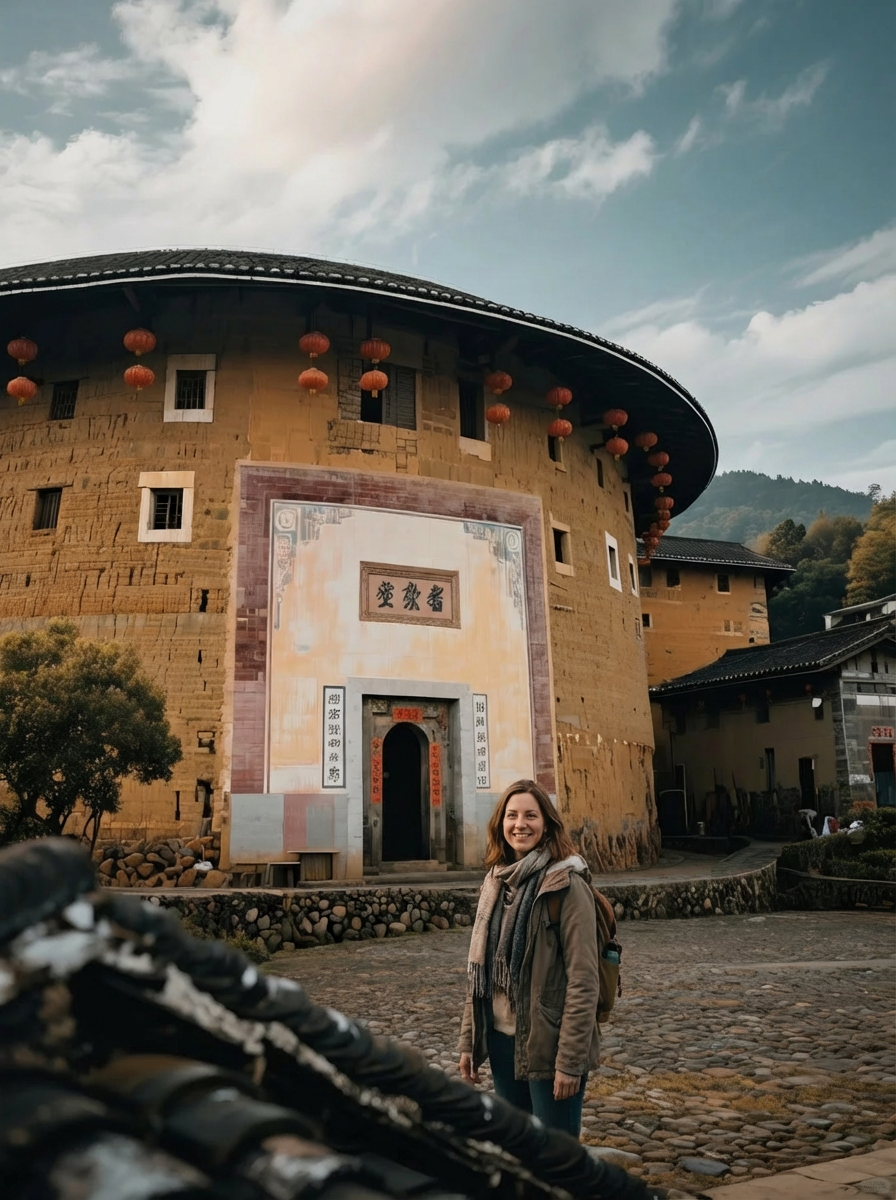
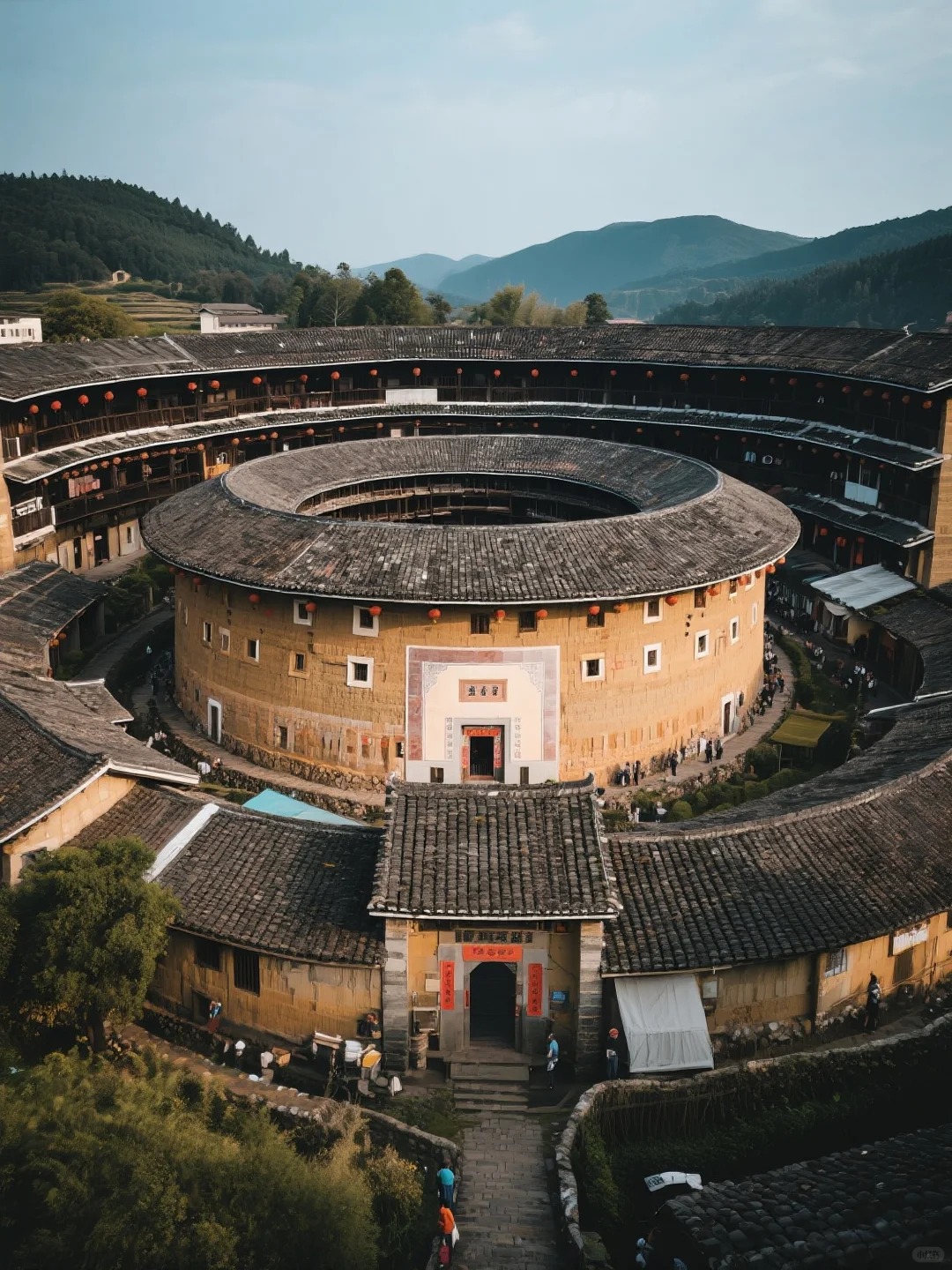
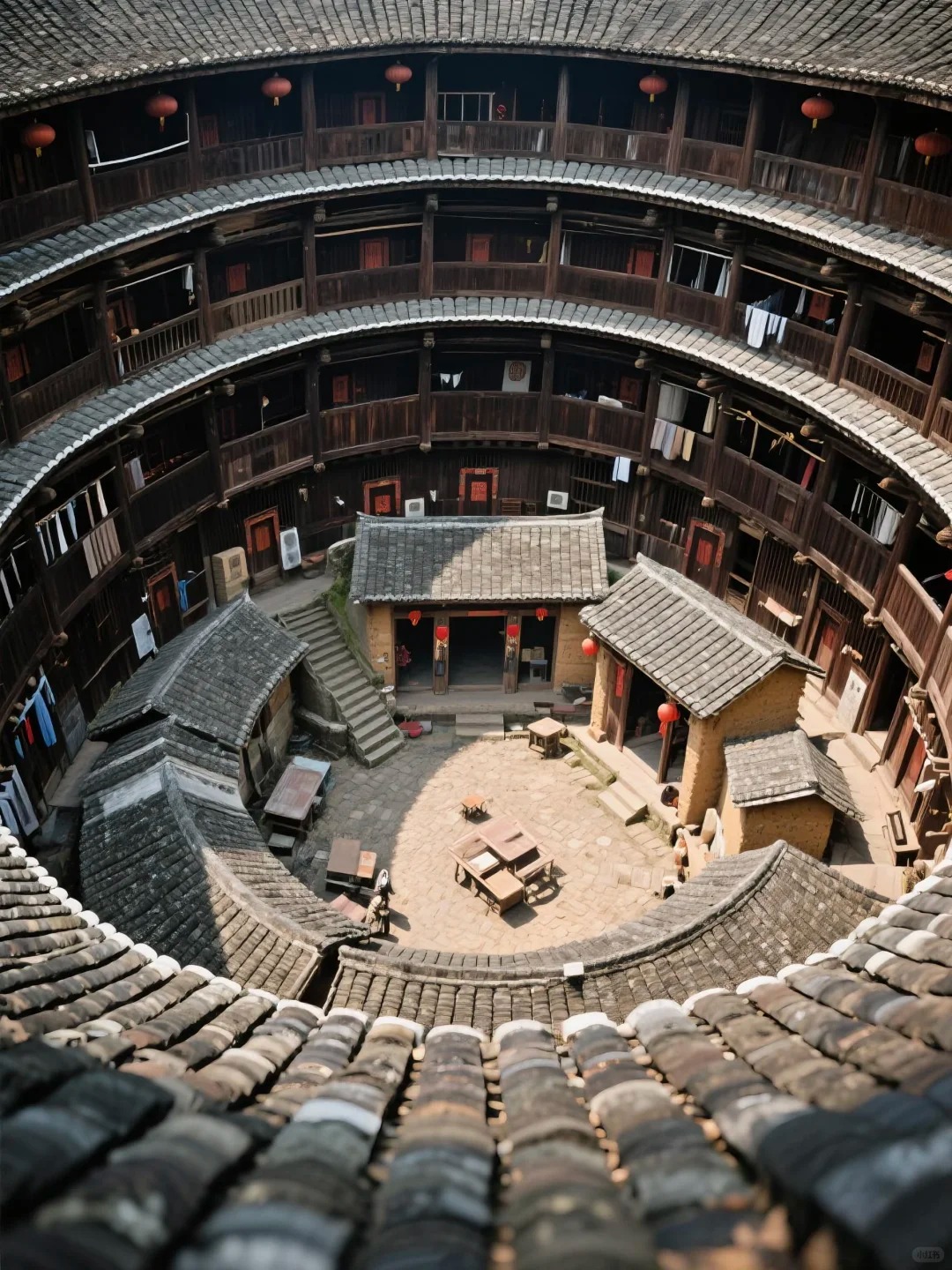
My journey through Fujian Tulou begins in Yongding County, home to some of the largest and most famous tulou. As I drive through the countryside, I’m struck by how the tulou blend seamlessly into the surrounding landscape. They are built on hillsides and in valleys, surrounded by rice paddies and bamboo forests, as if they’ve grown out of the earth itself. My first stop is Chengqi Lou, a massive circular tulou that’s often referred to as the “King of Tulou.” Built in the early 18th century, Chengqi Lou has four floors and 270 rooms, and it can accommodate up to 800 people. As I walk through the imposing wooden gate, I’m greeted by the sound of children laughing and the smell of cooking from the nearby kitchens. The interior of the tulou is a maze of wooden corridors and rooms, all centered around a large open courtyard. I climb up to the top floor, where I get a panoramic view of the surrounding countryside. The thick earthen walls, which are over a meter thick in some places, are impenetrable, a testament to the defensive nature of these buildings.
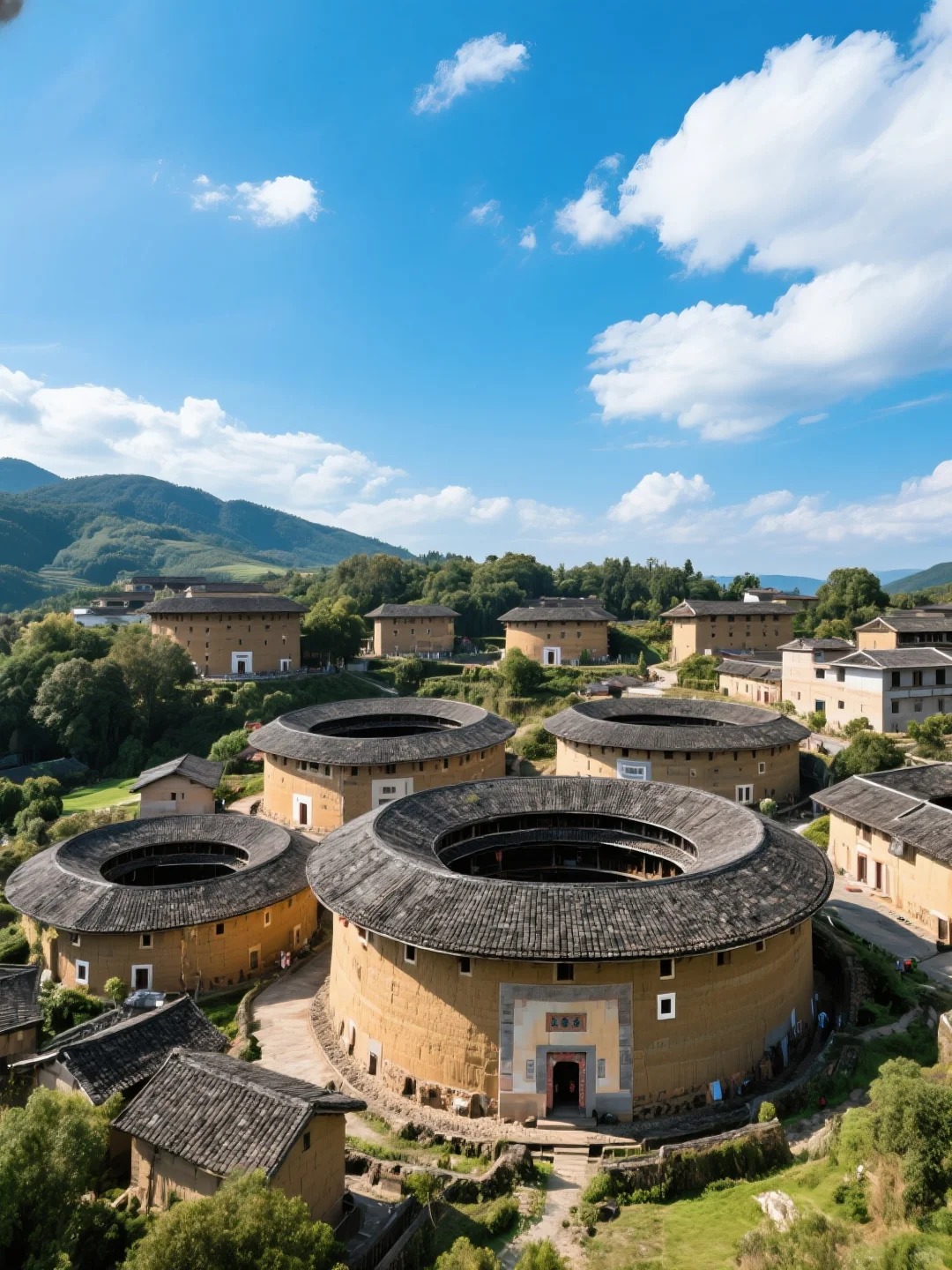
From Yongding, I travel to Nanjing County, which is home to a different style of tulou built by the Minnan people. Unlike the Hakka tulou, which are often large and communal, the Minnan tulou are smaller and more family-oriented. One of the most famous Minnan tulou is Tianluokeng Tulou Cluster, which consists of four circular tulou and one square tulou, arranged in the shape of a clover. The cluster is located on a hillside, and from a distance, it looks like a group of giant mushrooms. I walk through the narrow lanes between the tulou, admiring the intricate wood carvings and decorative paintings on the walls. I meet a local Minnan family who invites me into their home, a small square tulou. They tell me about their family history, explaining that their ancestors built the tulou over 200 years ago to protect themselves from bandits. They show me their family shrine, which is located in the center of the courtyard, and explain that ancestor worship is an important part of Minnan culture.
One of the things that fascinates me most about Fujian Tulou is their architectural ingenuity. The tulou are built using simple materials—earth, sand, lime, and glutinous rice—but they are extremely strong and durable. The walls are built by ramming the earth mixture into wooden frames, layer by layer, until they reach the desired height. The small windows on the upper floors are designed for defense, and the roofs are covered with tiles that are held in place by stones to prevent them from being blown away by strong winds. I visit a local construction site where workers are restoring an old tulou, and I watch as they use traditional techniques to rebuild the walls. It’s amazing to see how the ancient building methods are still being used today, a testament to their effectiveness.
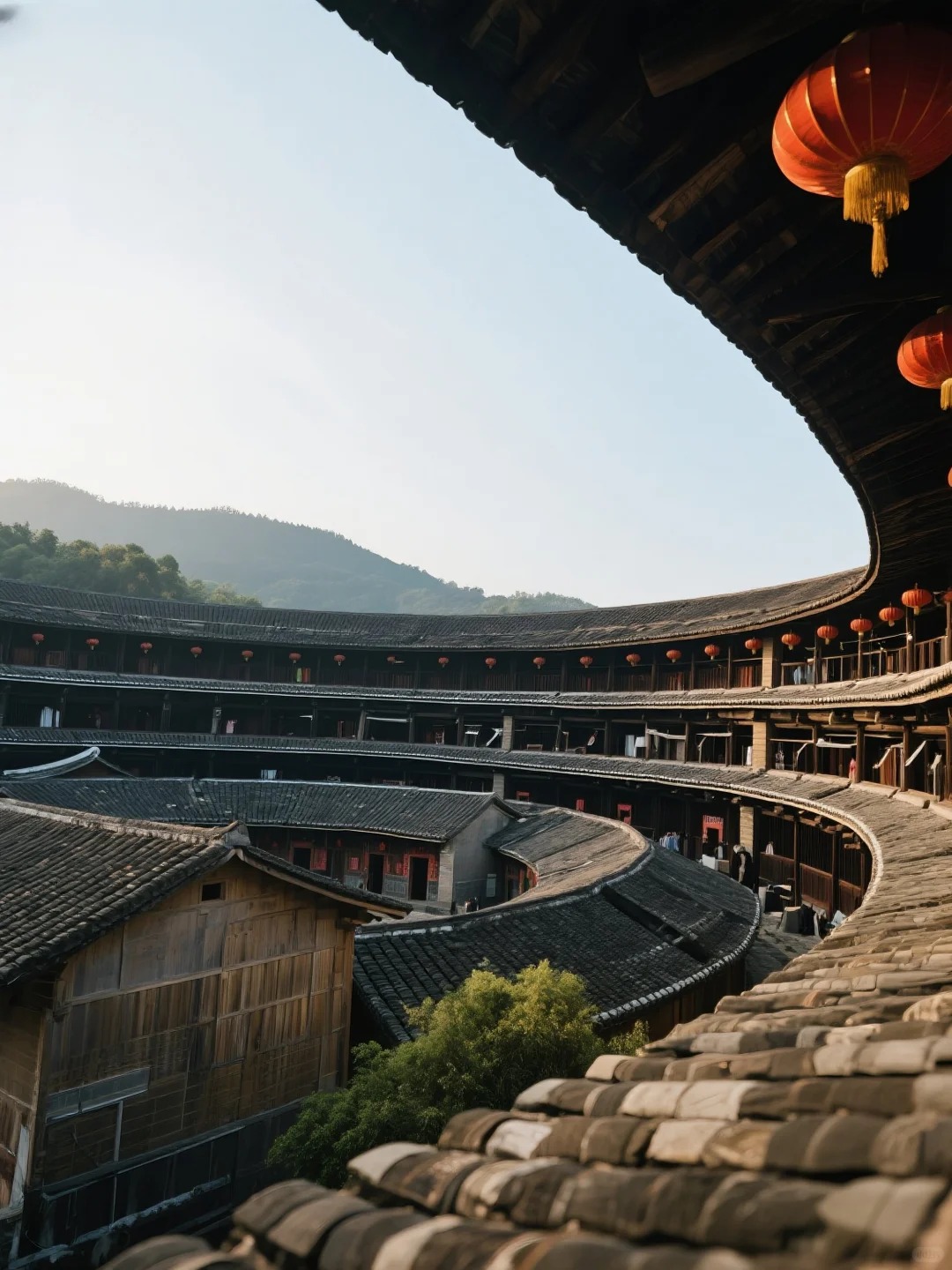
In addition to their architecture, Fujian Tulou is also a hub of cultural activity. I attend a traditional Hakka wedding ceremony in Yongding, which is held inside a large circular tulou. The ceremony is a colorful affair, with the bride wearing a red dress and a veil, and the groom dressed in traditional Hakka attire. The courtyard is decorated with red lanterns, and there’s music and dancing throughout the day. I also attend a Minnan folk festival in Nanjing, where locals perform traditional dances and music, and offer sacrifices to their ancestors. The festival is a celebration of community and tradition, and it’s wonderful to see how the local people take pride in their cultural heritage.
Food is another important part of the Fujian Tulou experience. Both the Hakka and Minnan cuisines are delicious, with unique flavors and ingredients. In Yongding, I try Hakka stuffed tofu, which is made by hollowing out tofu and filling it with minced pork, mushrooms, and bamboo shoots. It’s crispy on the outside and soft on the inside, with a savory flavor. I also enjoy braised pork with preserved vegetables, a hearty dish that’s perfect for cold weather. In Nanjing, I try Minnan oyster omelet, a popular street food that’s made with fresh oysters, eggs, and sweet potato starch. It’s crispy and savory, with a hint of sweetness. I also drink Minnan tea, which is brewed in a small clay teapot and served in tiny cups. The tea has a fragrant aroma and a smooth taste, and it’s the perfect way to end a meal.
As I travel from one tulou to another, I’m struck by the sense of community that exists within these buildings. The residents of the tulou share common spaces, such as the courtyard and the kitchen, and they help each other out in times of need. I meet an elderly man who has lived in a tulou for over 80 years, and he tells me that he’s never felt lonely because he’s always surrounded by family and friends. He says that the tulou is not just a home; it’s a community, a place where everyone looks out for each other. This sense of community is something that’s often missing in modern life, and it’s refreshing to see it alive and well in Fujian Tulou.
On my last day in Fujian, I visit the Fujian Tulou Museum in Yongding, which showcases the history and culture of the tulou. The museum has a collection of artifacts, including traditional tools, clothing, and furniture, as well as interactive exhibits that allow visitors to learn more about the tulou’s architecture and construction. I spend several hours there, absorbing as much information as I can, and I leave with a deeper understanding and appreciation for these amazing buildings.
Fujian Tulou is more than just a tourist destination; it’s a living museum, a place where history and culture come alive. It’s a testament to the ingenuity and resilience of the Hakka and Minnan people, and it’s a reminder of the importance of preserving our cultural heritage. Whether you’re interested in architecture, history, or culture, Fujian Tulou has something to offer everyone. I leave Fujian with wonderful memories of the tulou, the people, and the food, and I know that I will always cherish the time I spent there.