Driving through the mountainous countryside of Yongding County, I catch my first glimpse of a tulou in the distance. Rising from the green hills like giant earthen mushrooms, these unique fortress-like buildings are unlike anything I’ve ever seen before. As I get closer, I’m struck by their sheer size and the simplicity of their design—thick earthen walls, small narrow windows, and a single wooden gate. I’ve come to Yongding to explore these ancient dwellings, which have been home to the Hakka people for centuries. Over the next few days, I immerse myself in the world of tulou, learning about their history, architecture, and the unique culture of the Hakka community.

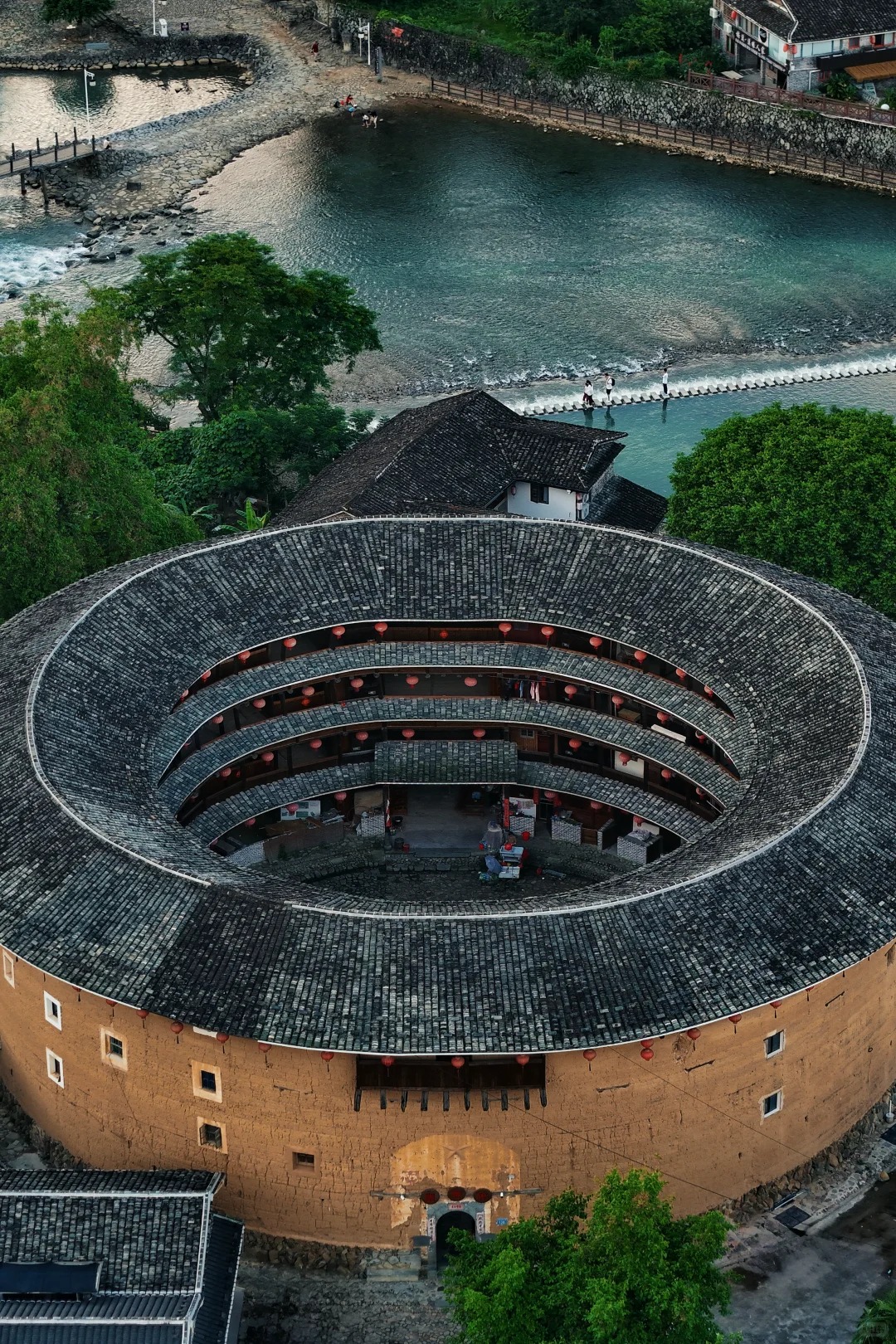
My first stop is Chengqi Lou, the largest and most famous tulou in Yongding. Known as the “King of Tulou,” Chengqi Lou was built in 1709 by the Jiang family. It’s a circular tulou with four floors, 270 rooms, and a diameter of 73 meters. As I walk through the massive wooden gate, I’m greeted by a bustling scene—local residents going about their daily lives, children playing in the courtyard, and vendors selling local snacks. The interior of the tulou is like a small village, with a central courtyard surrounded by wooden corridors and rooms. I climb up to the second floor, where I get a bird’s-eye view of the courtyard. The walls are made of earth, sand, lime, and glutinous rice, a mixture that makes them extremely strong and durable. The small windows on the upper floors are designed for defense, allowing residents to see outside and shoot arrows at intruders if necessary. A local guide tells me that Chengqi Lou has withstood numerous wars, floods, and earthquakes over the centuries, a testament to the ingenuity of the Hakka people.
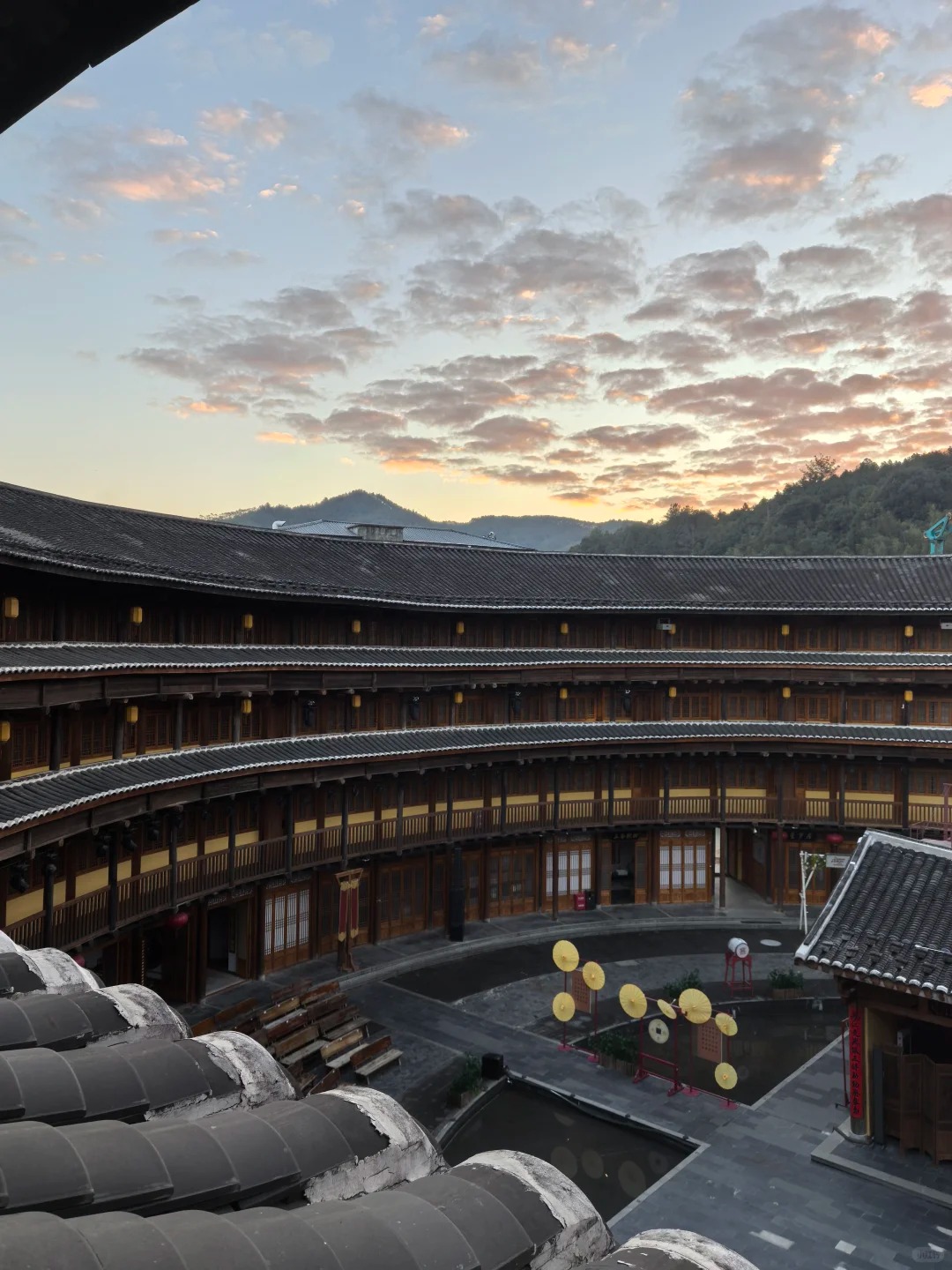
As I wander through Chengqi Lou, I meet several elderly residents who have lived there all their lives. One grandmother invites me into her home, a small room on the third floor. Her home is simple but cozy, with a wooden bed, a small table, and a shelf filled with family photos. She offers me a cup of tea and tells me about her life in the tulou. She explains that the Hakka people are a migratory group who moved to southern China from the north centuries ago, facing persecution and hardship along the way. The tulou were built as a way to protect themselves from bandits and hostile locals. Living in a tulou fosters a strong sense of community, with residents sharing common spaces and helping each other out. She shows me a traditional Hakka embroidery piece that she’s been working on, its intricate patterns and bright colors a reflection of the Hakka people’s creativity and resilience.
The next day, I visit several other tulou in the area, each with its own unique characteristics. I see square tulou, rectangular tulou, and even a five-pointed star-shaped tulou. One of my favorites is Zhenfu Lou, a beautiful circular tulou with a blue-tiled roof. Built in 1912, Zhenfu Lou is known for its exquisite wood carvings and decorative paintings. The corridors are lined with wooden panels carved with scenes from Chinese mythology, and the ceiling is adorned with colorful paintings of flowers and birds. I also visit Yuchang Lou, a 600-year-old tulou that’s famous for its “zigzag stairs.” Unlike most tulou, which have straight stairs, Yuchang Lou’s stairs are built in a zigzag pattern, making it more difficult for intruders to climb up. The interior of Yuchang Lou is a bit run-down, but that only adds to its charm, giving visitors a glimpse into the past.
In addition to exploring the tulou themselves, I also learn about the Hakka culture through their food and traditions. I attend a traditional Hakka feast at a local family’s home. The feast includes a variety of dishes, such as braised pork with preserved vegetables, stir-fried taro with bacon, and Hakka stuffed tofu. The stuffed tofu is a local specialty, made by hollowing out tofu and filling it with minced pork, mushrooms, and bamboo shoots. It’s crispy on the outside and soft on the inside, with a savory flavor. The family also serves me a bowl of Hakka rice wine, which is sweet and mild. As we eat, the family tells me about Hakka customs and traditions, such as wedding ceremonies and festivals. They explain that the Hakka people place great importance on family and education, and that many Hakka scholars and successful businessmen have made significant contributions to China’s development.
I also have the opportunity to participate in a traditional Hakka craft workshop. I learn how to make Hakka paper-cutting, a traditional art form that involves cutting intricate patterns into paper with scissors. The instructor, a local artist, shows me the basic techniques, and I try my hand at making a simple pattern of a flower. It’s more difficult than it looks, but with the instructor’s help, I manage to create a decent piece. I also learn about the process of making tulou earthen walls, mixing earth, sand, lime, and glutinous rice together to form a strong, durable material. It’s fascinating to see how the Hakka people used simple materials to build such impressive structures.
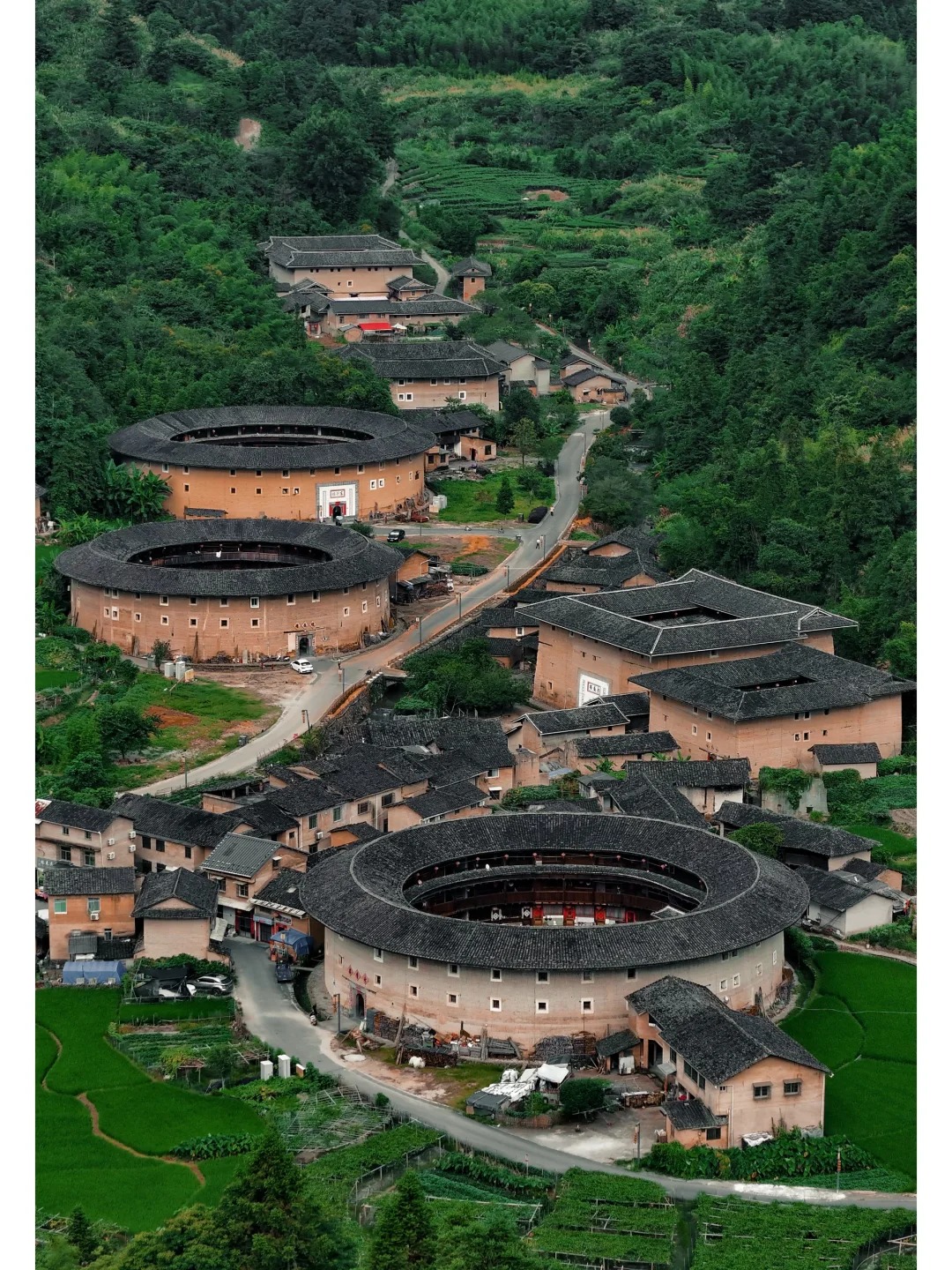
On my last day in Yongding, I watch the sunset over the tulou. The golden light bathes the earthen buildings, making them look even more majestic. I sit on a hilltop, looking out at the sea of tulou below, and reflect on my time there. The tulou are not just buildings; they are a symbol of the Hakka people’s courage, ingenuity, and sense of community. They are a living testament to a bygone era, and a reminder of the importance of preserving our cultural heritage. I leave Yongding with a newfound appreciation for the Hakka people and their unique way of life. The memories of the warm hospitality, the delicious food, and the stunning tulou will stay with me forever.