Let me tell you something about “humble.” In the English language, the word often implies lacking pretension, but in the context of classical Chinese culture, it is a shield. It is a veil drawn over greatness to protect it from the envy of the gods and the interference of the imperial court. I learned this lesson not in a history book, but while stepping over the carved stone threshold of the Humble Administrator’s Garden in Suzhou.
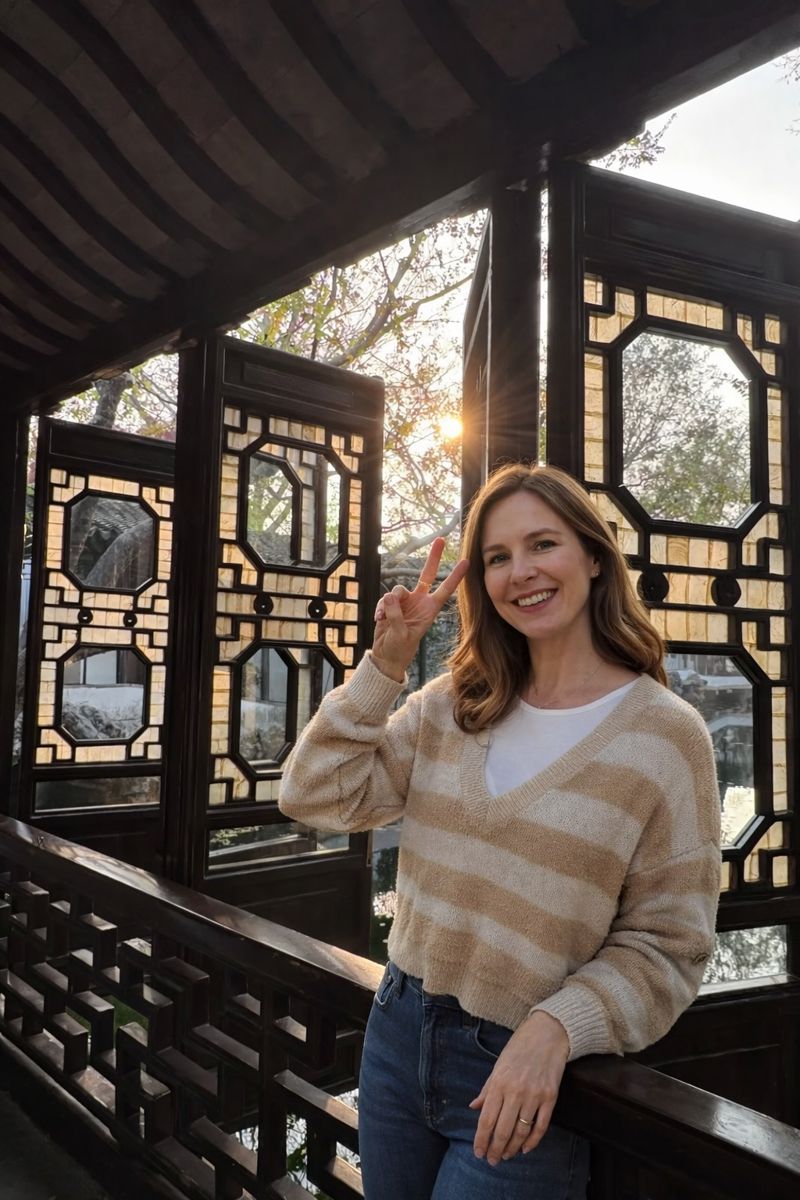
It was a rainy Tuesday morning when I arrived. I have traveled across China, from the arid northwest to the tropical south, but I have a soft spot for the Jiangnan region—the land south of the Yangtze River. The rain here doesn’t just fall; it hangs in the air like a curtain of silk pearls. I bought my ticket, shaking off my umbrella at the gate, and instantly, the noise of modern Suzhou—the traffic, the construction, the frantic pace of life—simply evaporated.
The garden was built in 1509 during the Ming Dynasty by a retired government official named Wang Xianchen. He named it “Humble” as a gesture of self-deprecation, suggesting that he was just a simple man tending to his garden and growing vegetables. But as I walked deeper into the grounds, I realized this was the greatest understatement in architectural history. This wasn’t a vegetable patch; it was a masterpiece of landscape design, a carefully constructed poem made of rock, water, and wood.
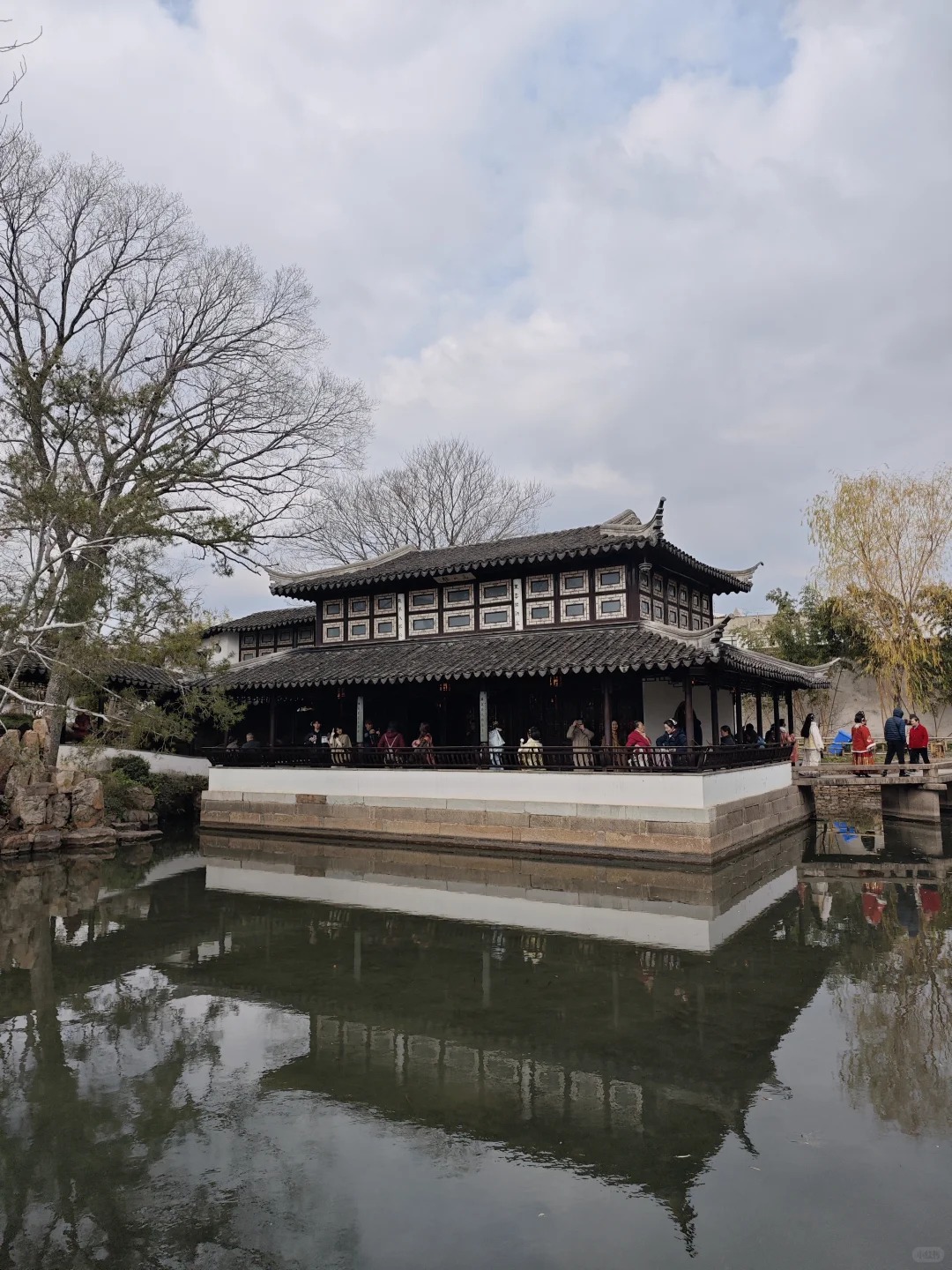
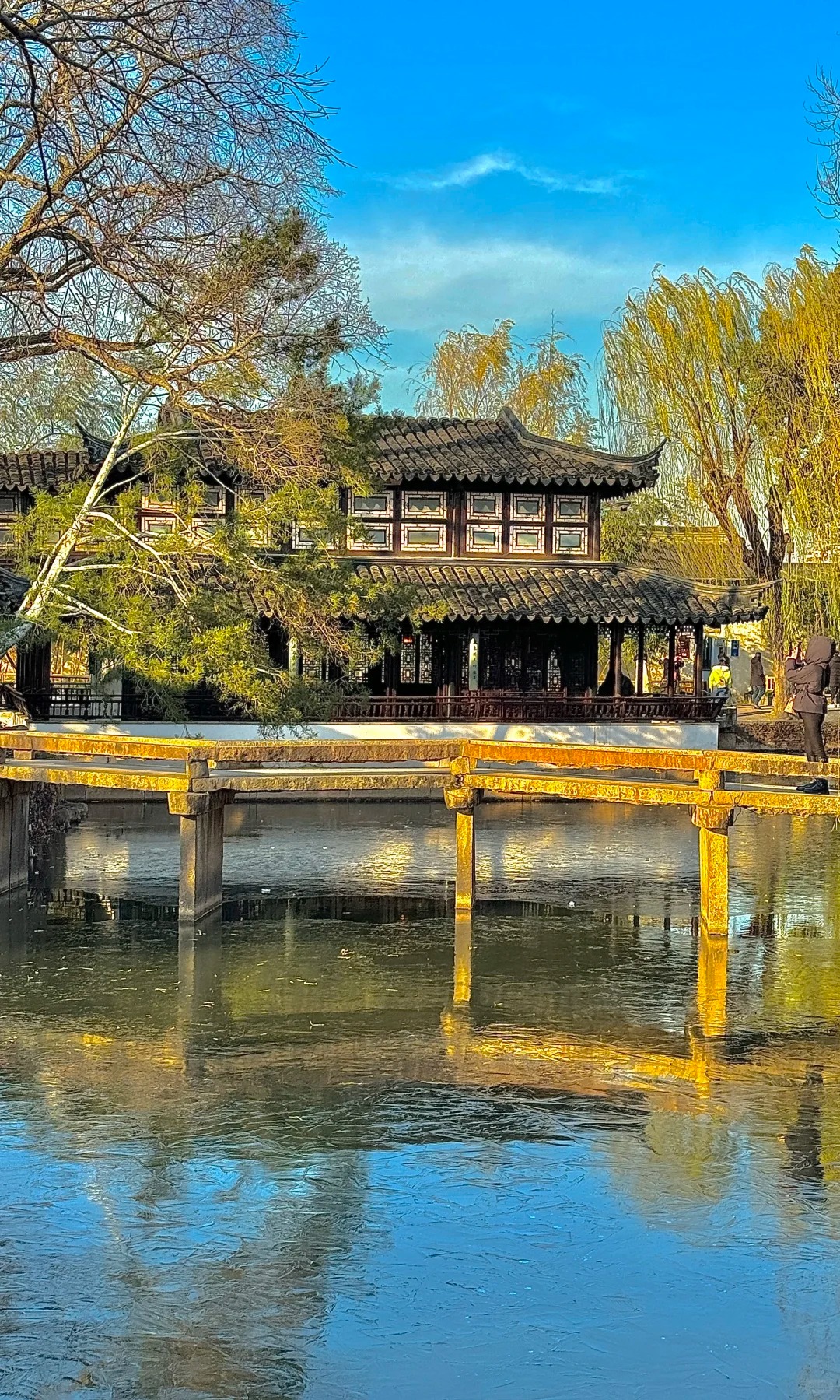
The heart of the garden is water. In Chinese philosophy, water is the blood of the earth; it is soft, yet it can wear down stone. The central pond is massive, covering about a fifth of the entire garden. I stood on the “Small Rainbow” bridge—a low, sweeping stone arch that refracts perfectly in the still water. For a long time, I just watched the reflections. The willow branches dipped into the water, trembling slightly in the breeze, creating ripples that distorted the image of the pavilions behind them. It felt like looking into a dream that was halfway between reality and imagination.
What struck me most profoundly was the concept of “borrowed scenery” (*jie jing*). The designers didn’t just build walls to keep the world out; they framed the world outside to bring it in. Through certain circular “moon gates,” you can glimpse a distant pagoda or a weeping willow that technically sits outside the garden’s walls. By framing it, they made it part of their art. It taught me a lesson about perspective—that what we exclude is just as important as what we include.
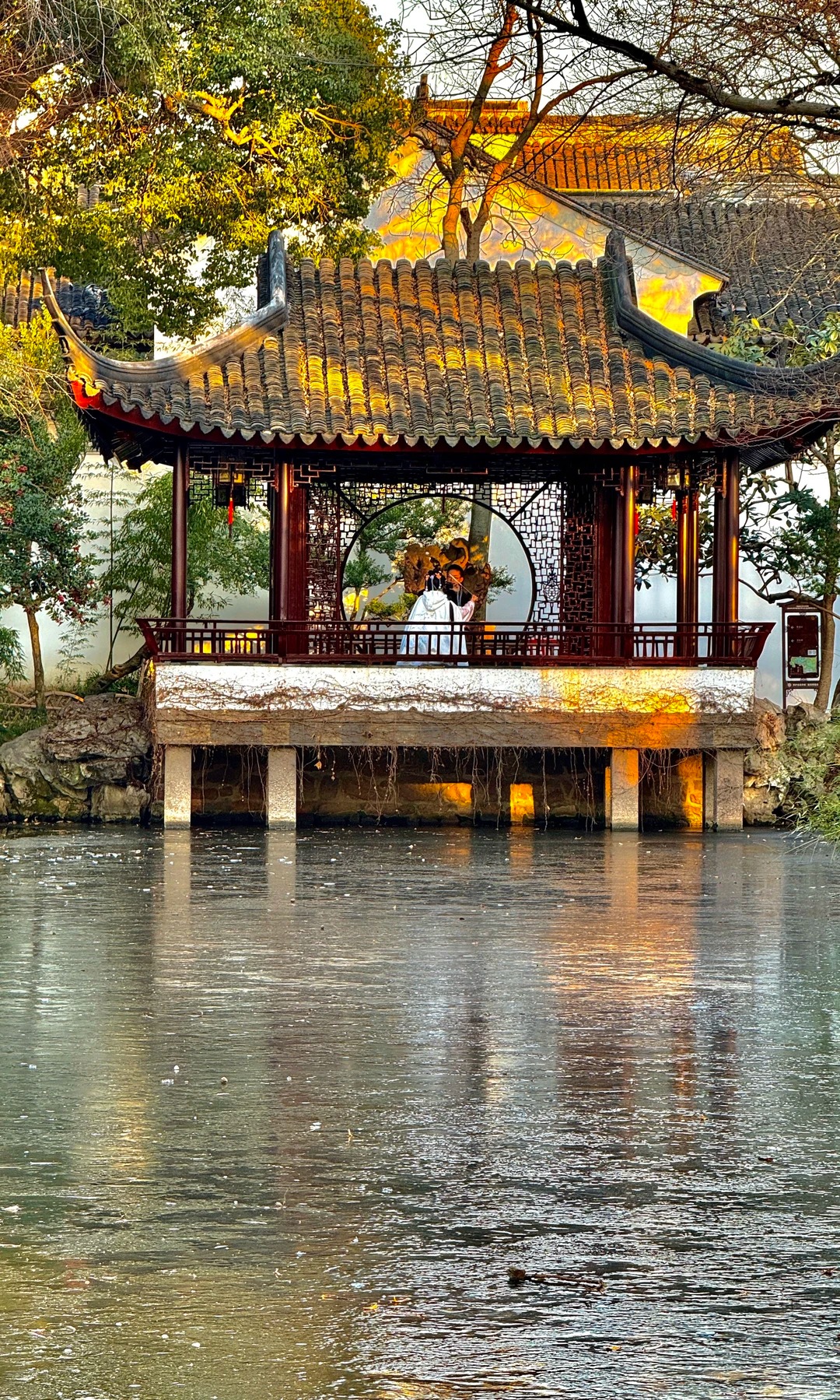
I wandered into the “Dwelling Upon the Mountains” section. Here, the terrain changes. The flat land gives way to artificial hills made from limestone dredged from Lake Tai. These rocks are porous, craggy, and full of holes, looking like petrified clouds. In the quiet of the garden, listening to the rain pattering on the banana leaves—a sound celebrated by Chinese poets for centuries—I felt a profound sense of solitude, but not loneliness. It was a communal solitude, shared by the scholars who sat in these pavilions 500 years ago, drinking wine and composing verses.
I remember sitting in the “Hall of Drifting Fragrance” in late spring. The hall is named for the lotus flowers that bloom in the pond below, their scent drifting up through the open windows. Although it wasn’t blooming season, the air was thick with the smell of wet moss and old wood. The architecture is ingenious; the windows are not panes of glass but intricate latticework that changes how you see the garden depending on where you stand. One moment, the window frames a single twisted pine tree; the next, it frames a heron standing perfectly still in the water.
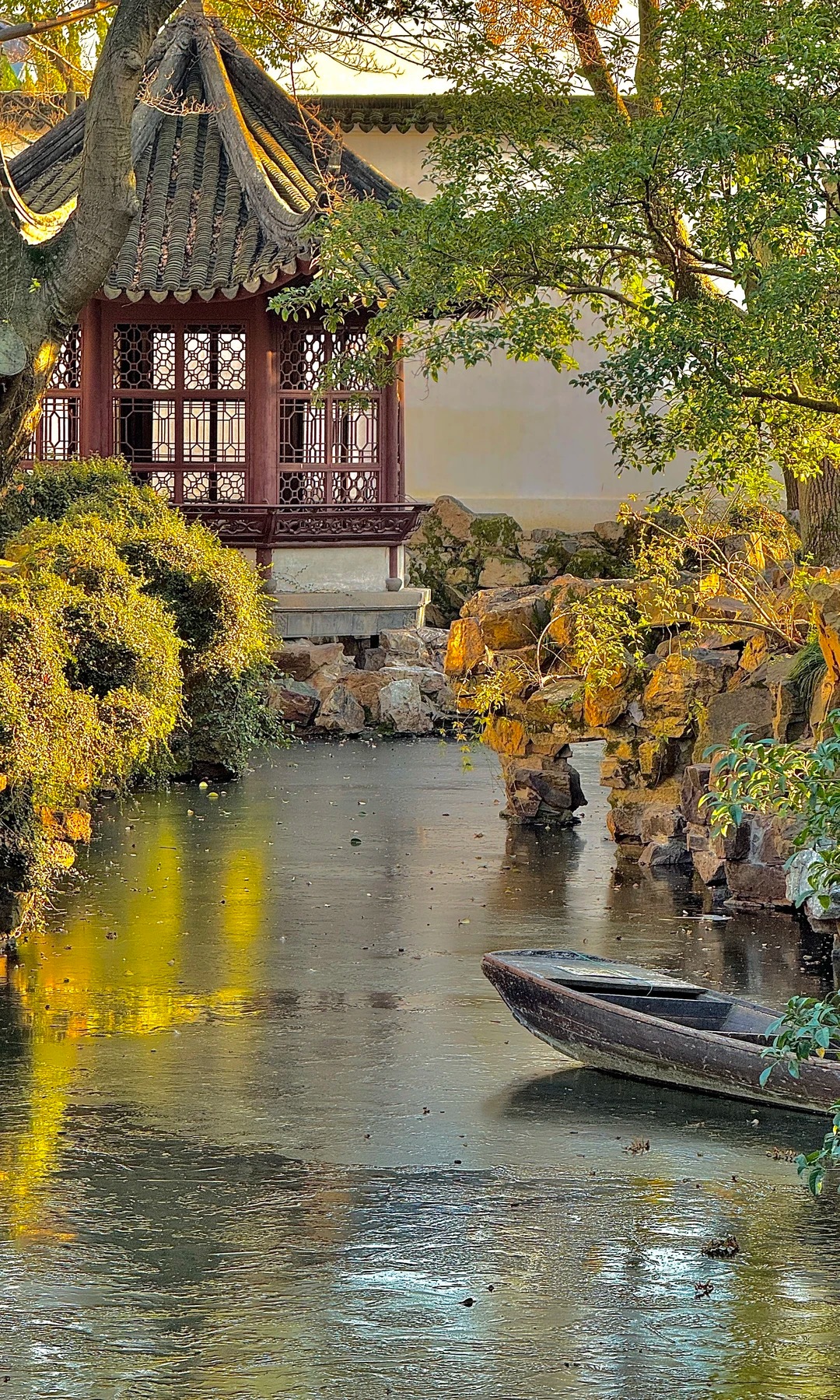
The garden is divided into three distinct sections: the eastern, central, and western parts. Each has its own mood. The eastern part is pastoral and open; the central part is the essence of the garden, dense with pavilions and water; the western part is more compact, almost intimate. I spent hours getting “lost,” though, of course, the path was carefully curated. I remember feeling a sense of gratitude toward the craftsmen who stacked these rocks and planted these bamboo groves. They weren’t just building a retreat for one man; they were building a sanctuary for the human soul, a place where a tired mind could rest.
Leaving the Humble Administrator’s Garden was difficult. I stepped back out onto the busy street, the roar of traffic returning like a slap in the face. But I carried that stillness with me. The garden taught me that humility isn’t about thinking less of yourself; it’s about creating a space so rich in internal beauty that you don’t need to shout about it to the world. It is a quiet confidence, a deep breath held for half a millennium. If you come to China, don’t just look at the buildings; sit on a stone bench, listen to the rain on the lotus leaves, and let the “humbleness” envelop you.