Xi'an's culture is not a relic behind glass; it is a vibrant, breathing performance that unfolds daily in its alleyways, temples, and public squares. I discovered this not in a museum, but in a smoky alley north of the Drum Tower one evening, drawn by the rhythmic, haunting clash of cymbals and drums.

Pushing through a crowd of locals, I found the source: a Shehuo performance, a traditional folk art of the Guanzhong Plain. Dancers with painted faces and elaborate headdresses moved with a powerful, stomping grace, telling stories of ancient heroes and myths. The air vibrated with energy, thick with the smell of sweat, dust, and incense. This was not a show for tourists; it was a community ritual, a thread in the living fabric of local life.
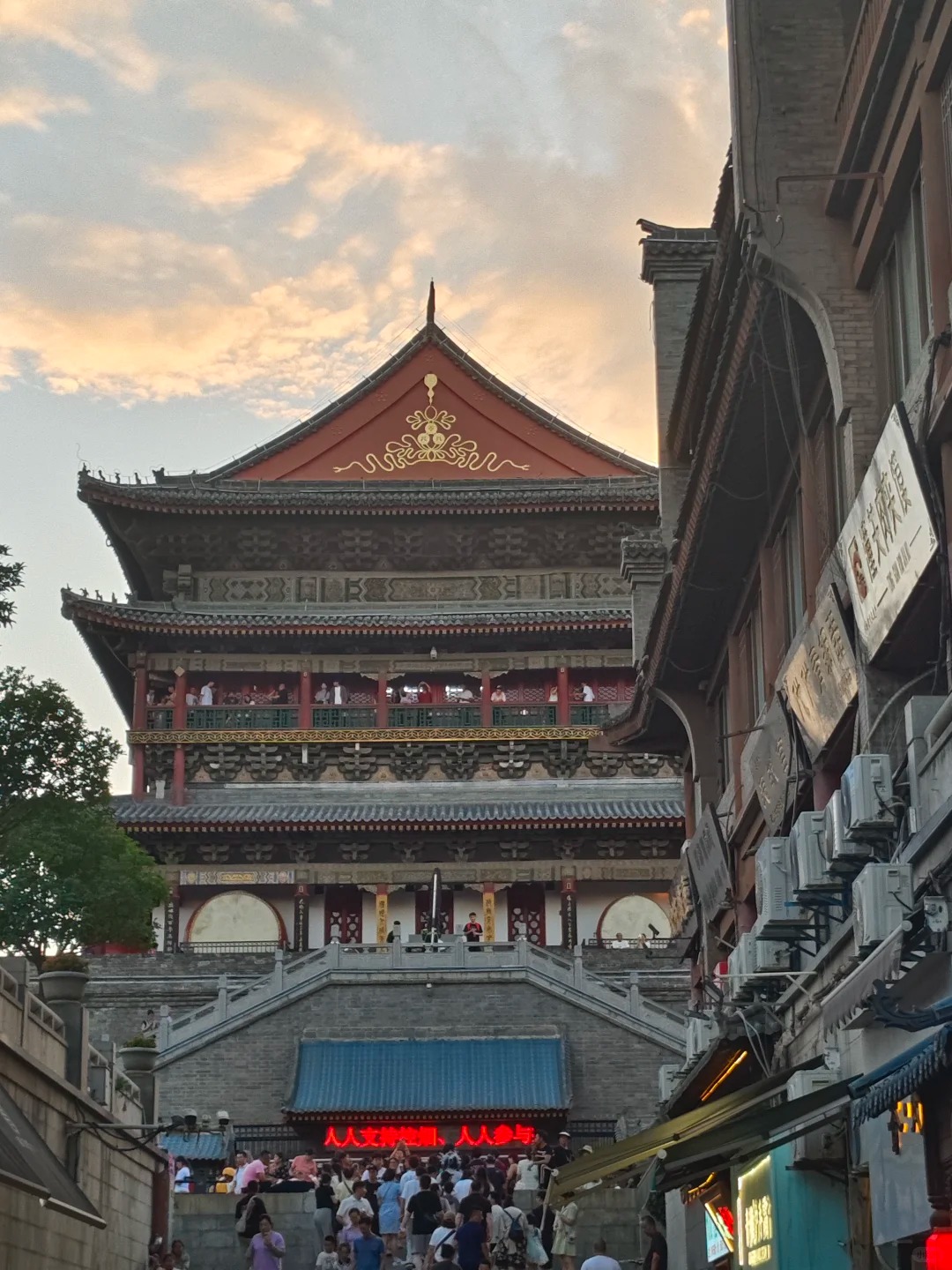
This raw, earthy folk culture exists in dialogue with the sublime refinement of Xi'an's Tang Dynasty heritage. Days later, I witnessed the other end of the spectrum at the Shaanxi History Museum. There, behind impeccable glass, lay exquisitely detailed gold and silver vessels from the Hejiacun Hoard, their craftsmanship speaking of a courtly world of poetry and extreme elegance. I learned that in Tang-era Chang'an, musicians from Kucha, dancers from Samarkand, and theologians from Constantinople walked these same streets, making it arguably the world's first truly cosmopolitan city.
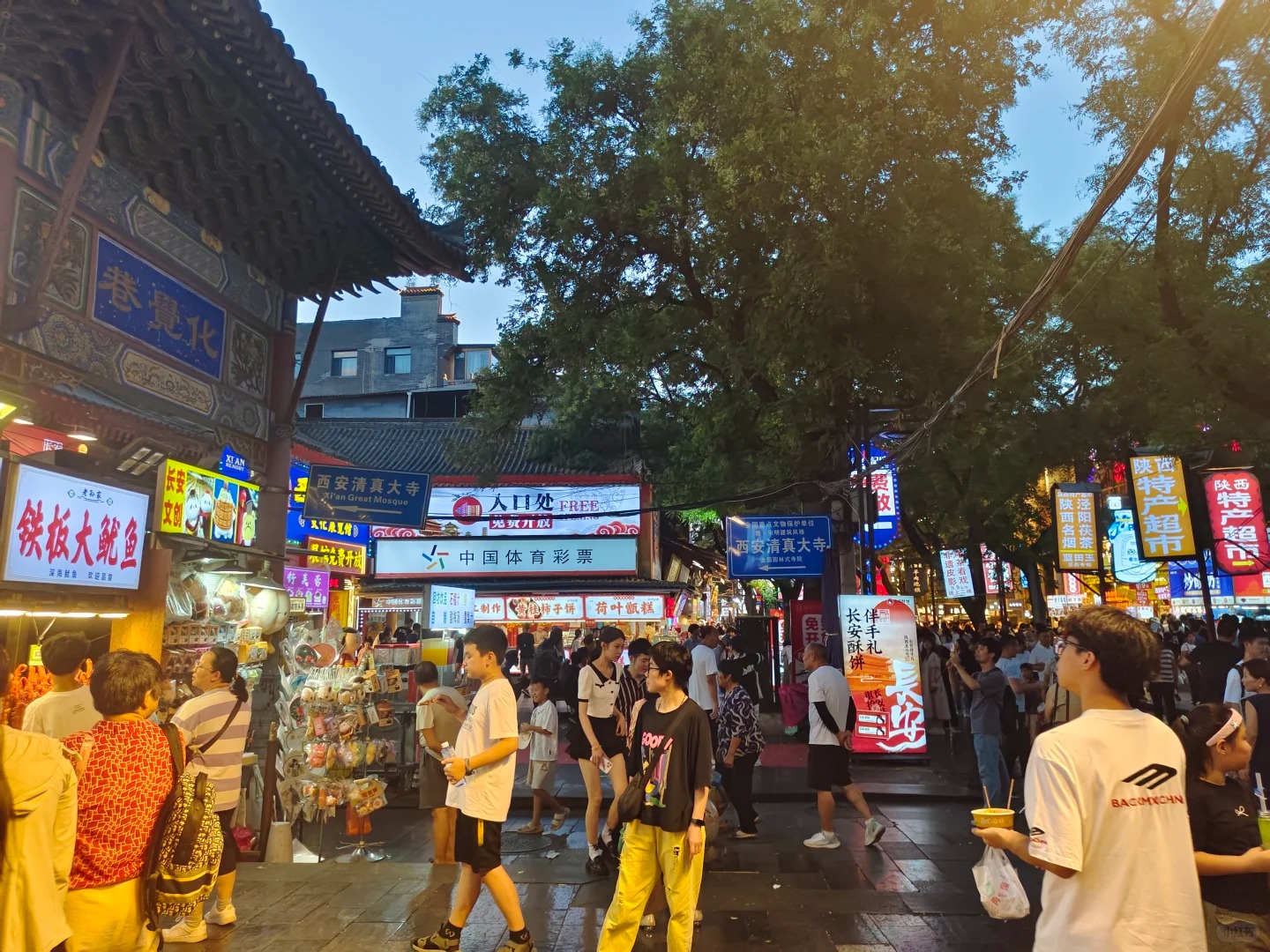
The synthesis of these worlds—the earthy and the elite, the native and the foreign—is what defines Xi'an's culture. You taste it in the food: the rough, satisfying biangbiang noodles served in humble eateries carry the same foundational wheat-based sustenance that fed Terra Cotta Warriors, while the delicate Persian influences can be found in pastries sold in the Muslim Quarter. You hear it in the language, where the thick, musical Shaanxi dialect shares space with the calls to prayer from the Great Mosque.
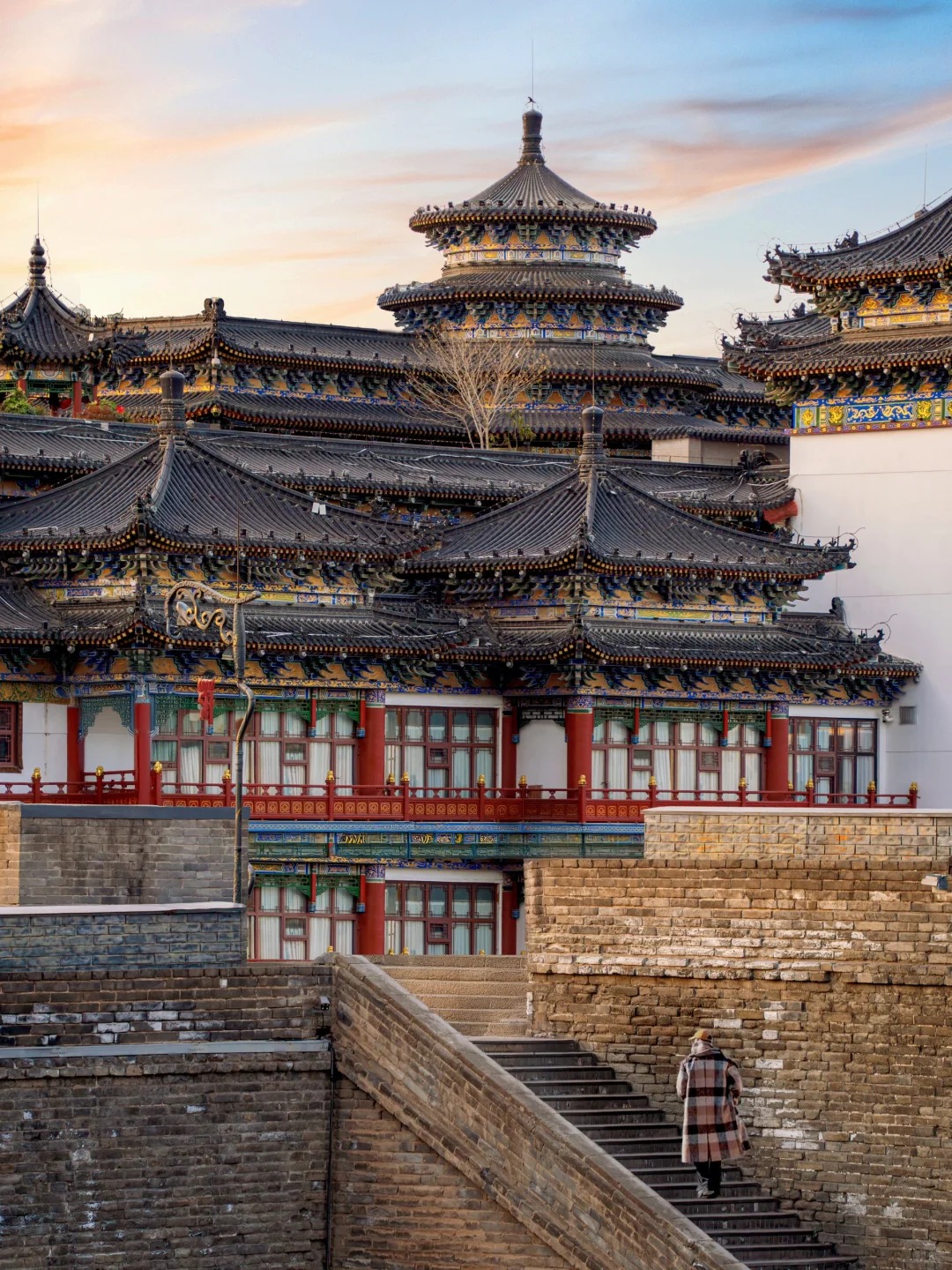
The most profound cultural lesson came from a calligrapher in a small studio near the South Gate. As his brush danced across rice paper, he said, "Our culture is like this ink. It seems simple and black, but it contains infinite shades and depths. It flows from the past but is written anew every day." In Xi'an, culture is not consumed; it is lived, performed, and continually reimagined, from the bustling markets to the quiet courtyards of its ancient mosques and temples.