Let me tell you about Qingdao, or as the locals call it, the “Pearl of the Yellow Sea.” If you think you know China from the skyscrapers of Shanghai or the hutongs of Beijing, Qingdao will surprise you. It feels different the moment you step off the train. There is a scent in the air—a confusing, beautiful mix of salty ocean mist and, oddly enough, yeast. That’s because this city is the beating heart of beer in China, but it’s also so much more than that.
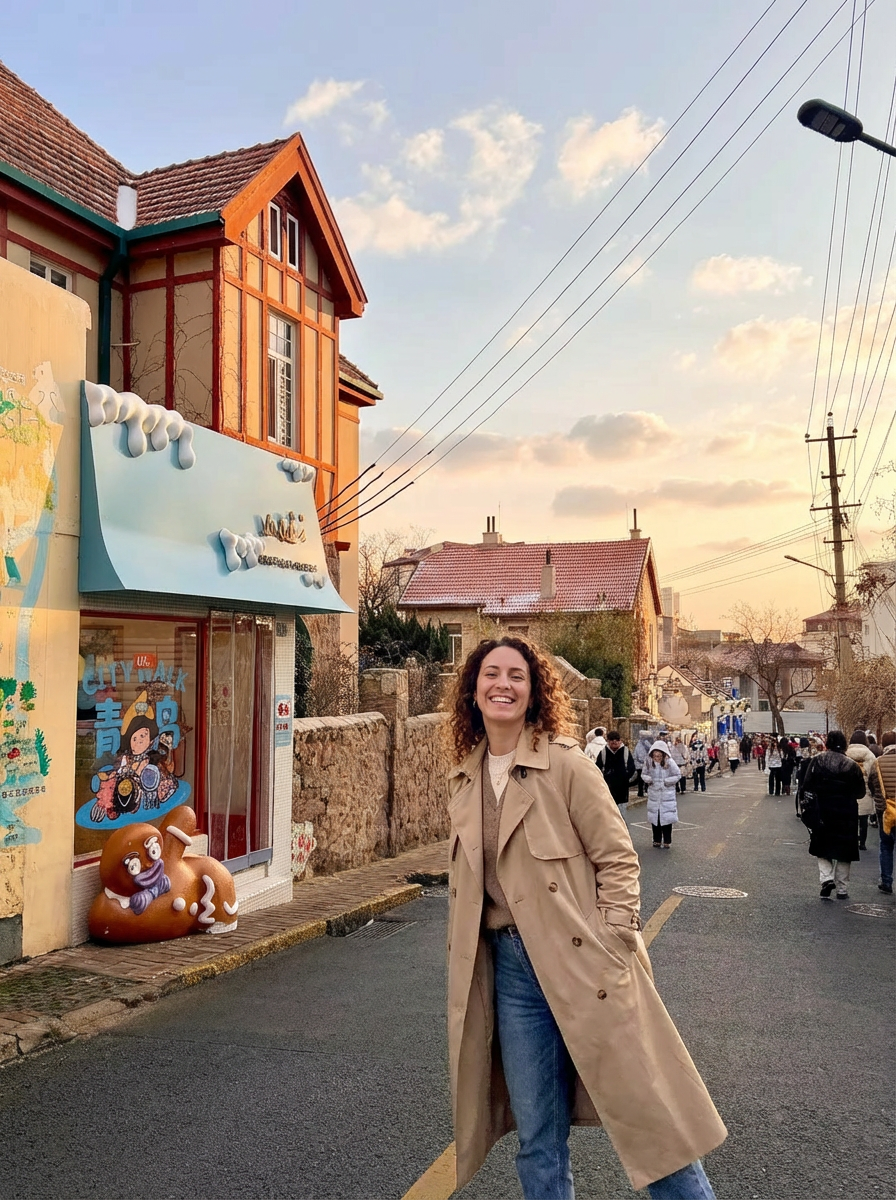
I remember walking down the streets near the coast for the first time. It wasn’t the concrete canyons I was used to. Here, the buildings rise up with red-tiled roofs and pointed steeples, looking like they’ve been plucked straight from a Bavarian fairy tale and dropped onto the shores of the Pacific. It’s a collision of worlds. You turn a corner and see a traditional Chinese pavilion, but behind it, a German-style church looms against the blue sky. That history isn’t just in the guidebooks; it’s etched into the stone of the city. Walking through the badaguan (Eight Great Passes) area is like walking through an architecture museum. The streets are lined with ginkgo and maple trees. In autumn, the leaves turn a brilliant gold, carpeting the ground. I stood there once, just crunching leaves under my shoes, looking at a villa that must be a hundred years old, feeling a strange sense of peace.
But you can’t talk about Qingdao without talking about the beer. It’s not just a drink here; it’s a way of life. Have you ever seen beer sold in plastic bags? I hadn’t until I came here. One hot afternoon, I saw an elderly man walking out of a small corner store with a clear plastic bag filled with a frothy, golden liquid. He stuck a straw in it and sipped it right there on the street. That is “Tsingtao Draft.” It’s unpasteurized, fresh, and has a crispness that the bottled version you buy in supermarkets just can’t touch.
I decided to try it the local way. I went to a bustling *lucai* (cold food) stall. The air was thick with the smell of spices and seafood. I ordered a bag of draft beer and some clams stir-fried with chili peppers. The clams in Qingdao are famous—small, tender, and packed with the flavor of the sea. I sat on a tiny plastic stool on the sidewalk, surrounded by the noisy chatter of locals. The beer was cold, almost freezing, cutting through the humidity of the afternoon. The clams were spicy, numbing my lips just enough. It was a chaotic, messy, utterly delicious moment. I wasn’t a tourist observing; I was just another person enjoying the afternoon sun. That is the magic of Qingdao. It invites you in.
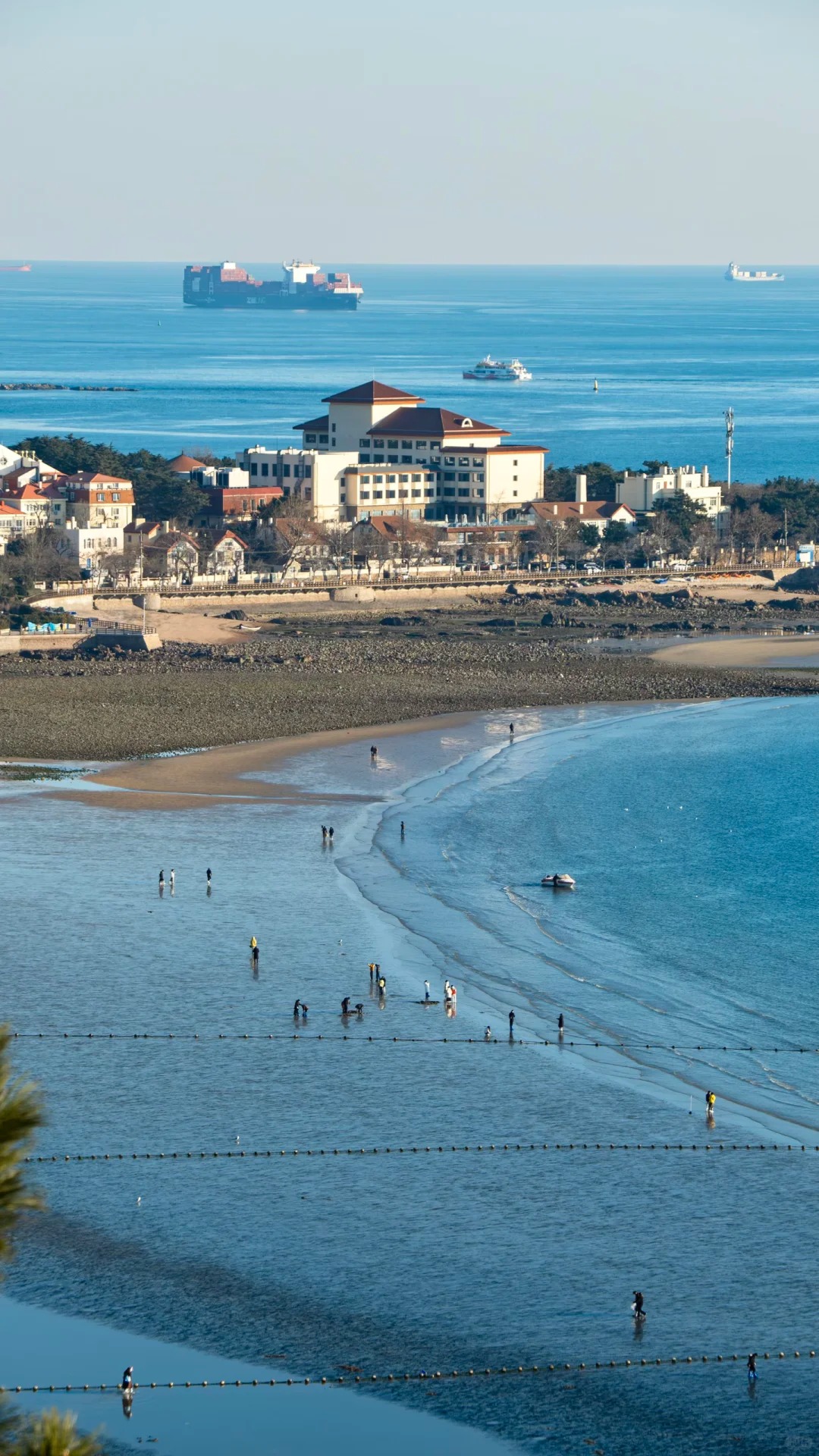
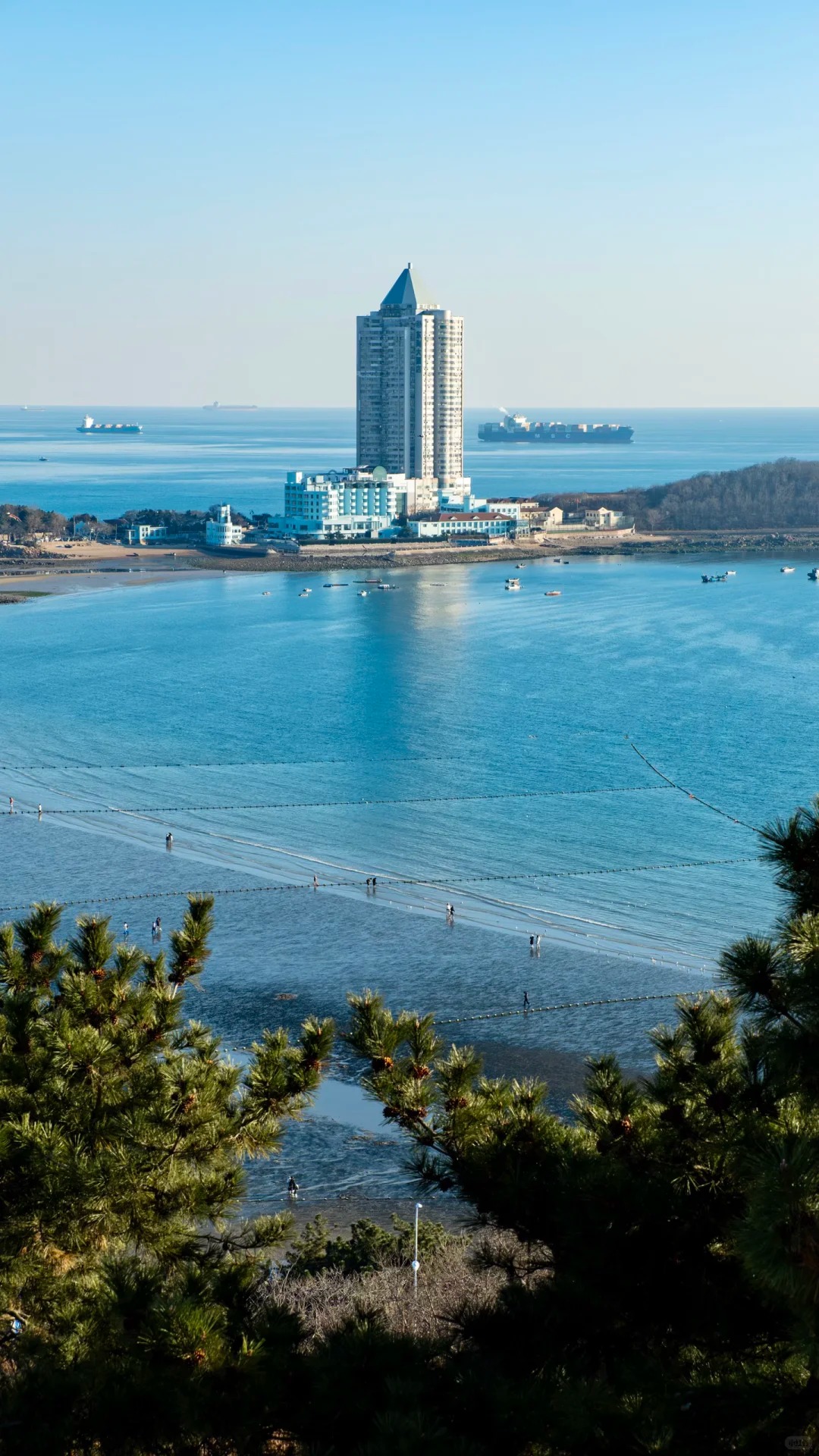
And then there is the sea itself. The coastline here is dramatic. I spent a whole day just wandering along the Zhan Qiao (Trestle Bridge), which stretches out into the ocean like a long arm. It was built over a century ago, and standing at the end of it, with the waves crashing against the stone pillars, you feel the power of the ocean. The wind here doesn’t just blow; it sings. I watched the seagulls—bold, hungry birds that dive-bomb for snacks—wheeling overhead. There were families flying kites, couples taking wedding photos, and old men fishing with long bamboo poles, staring patiently at the water.
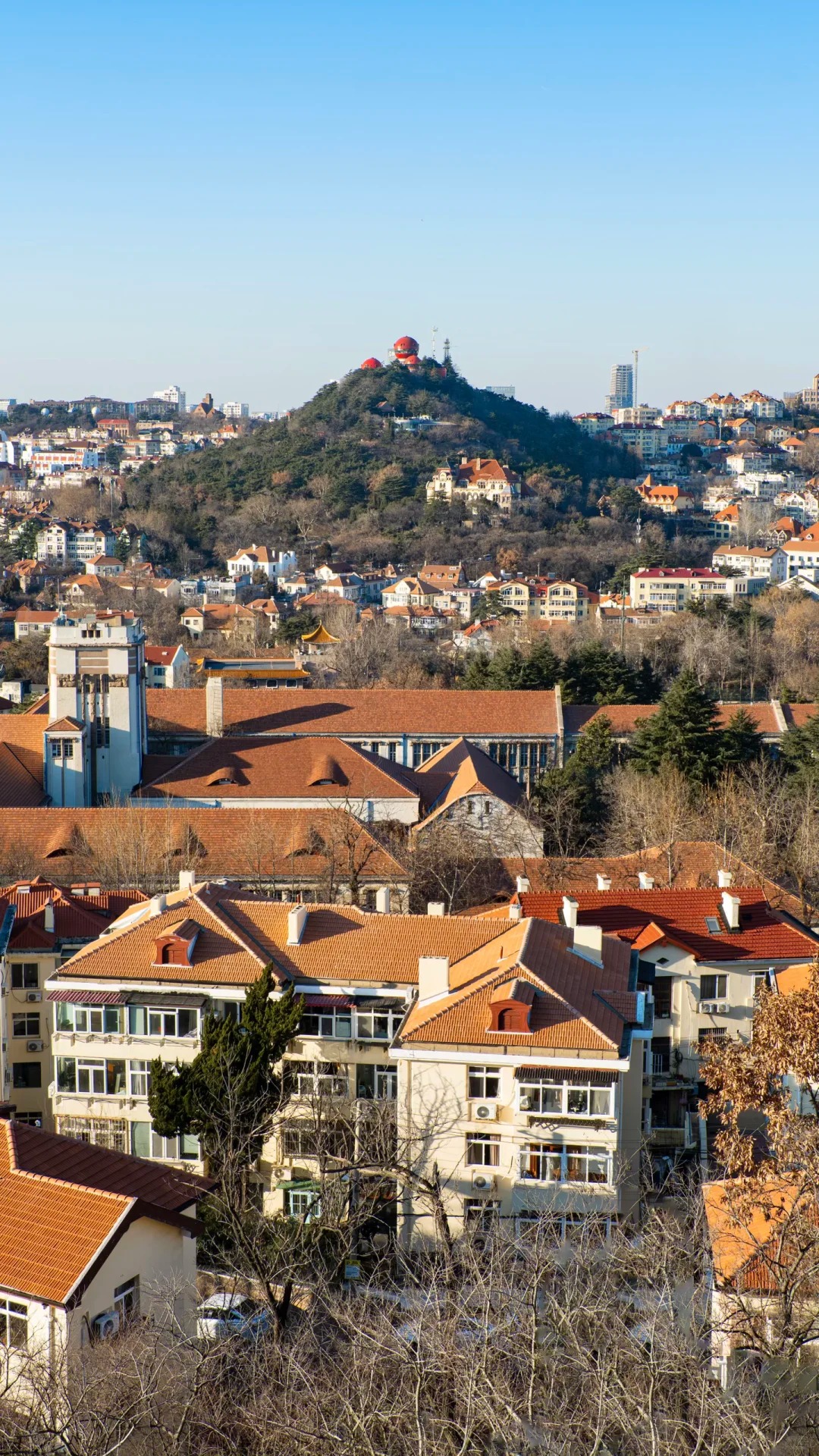
One evening, I made my way up to the Laoshan Mountain. It’s a Taoist sacred site, rising abruptly from the coastline. The hike was steep, my legs burning, but the view from the top was my reward. I could see the city sprawling below me, a patchwork of red roofs and modern glass, and beyond that, the endless blue of the Yellow Sea merging with the sky. I sipped water from a spring there—monks and locals have been drinking it for centuries for its purity. It tasted cold and clean, like rock and time. It was a moment of quiet reflection that I rarely find in my busy life.
Qingdao is a city that wakes up early and goes to bed late. The night markets are a sensory overload. I remember walking through one, steam rising from stalls selling *jianbing* (crepes), skewers of lamb, and sweet potatoes roasted in metal drums. The vendors shout out prices, laughter rings out, and the neon lights reflect off the wet pavement. It feels alive.
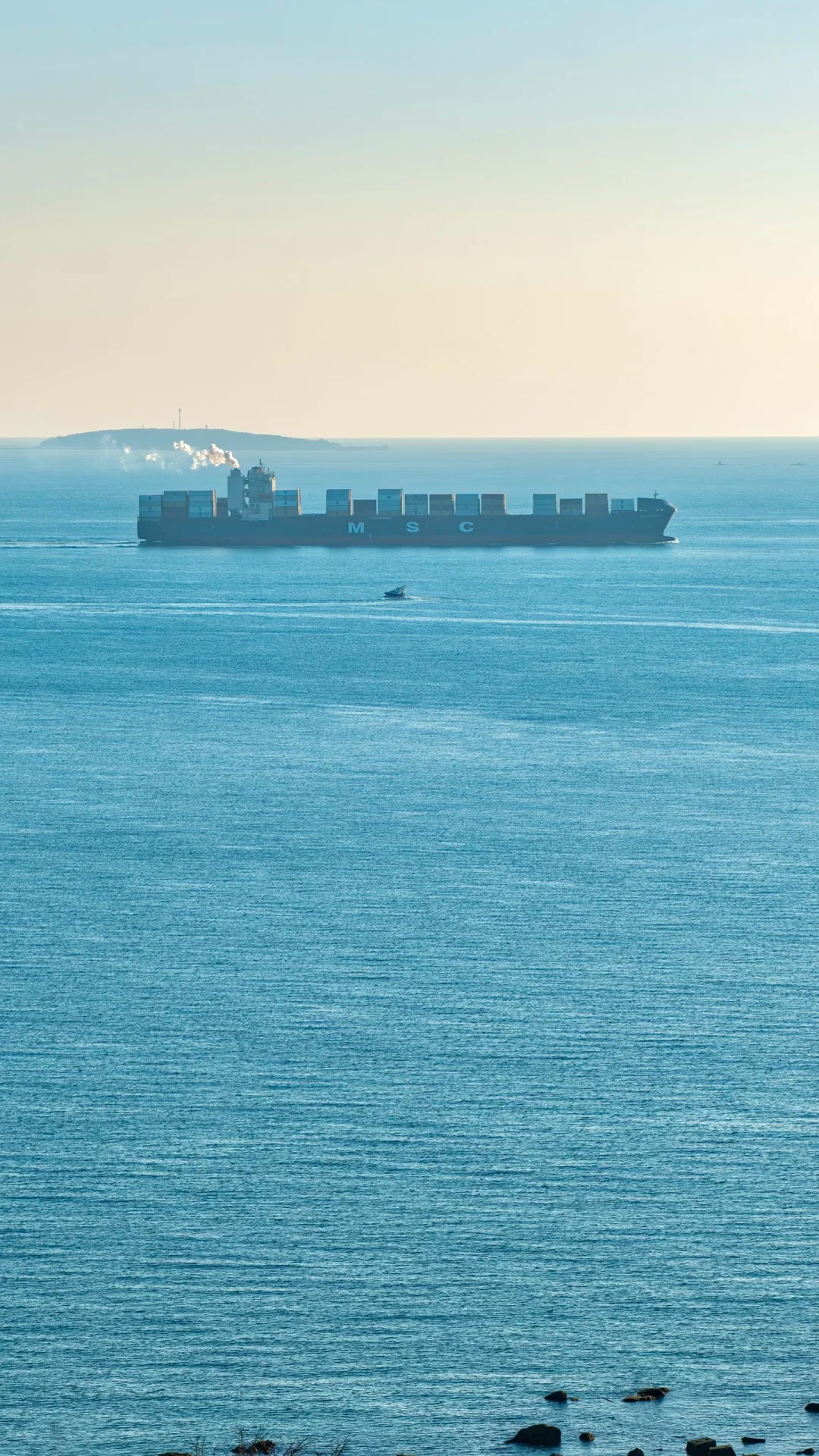
People often ask me what my favorite place in China is, and it’s a hard question because this country is so vast. But Qingdao holds a special piece of my heart. It’s the contrast. It’s the history rubbing shoulders with modernity, the East meeting the West, the quiet mountains watching over the wild ocean. It’s the taste of fresh seafood and the foam of a cold beer on a hot day. It’s real. It’s unpretentious.
If you come here, don’t just stay in a hotel downtown. Go to the old streets. Talk to the beer sellers. Eat the spicy clams until your fingers are messy with sauce. Watch the sunset over the bridge. You’ll leave smelling like the ocean and feeling like you’ve discovered a secret that the world is only just starting to realize. Qingdao isn’t just a city to visit; it’s a city to experience with every sense you have.