The air in Qufu tastes of old varnish, dusty parchment, and the faint, sweet decay of millennia-old cypress trees. There is a hush here, different from the silence of a wilderness. It’s the quiet of profound, uninterrupted thought. As the birthplace, teaching ground, and final resting place of Confucius, Qufu is not a mere collection of tourist sites; it is the physical manuscript of a philosophy that shaped East Asia.
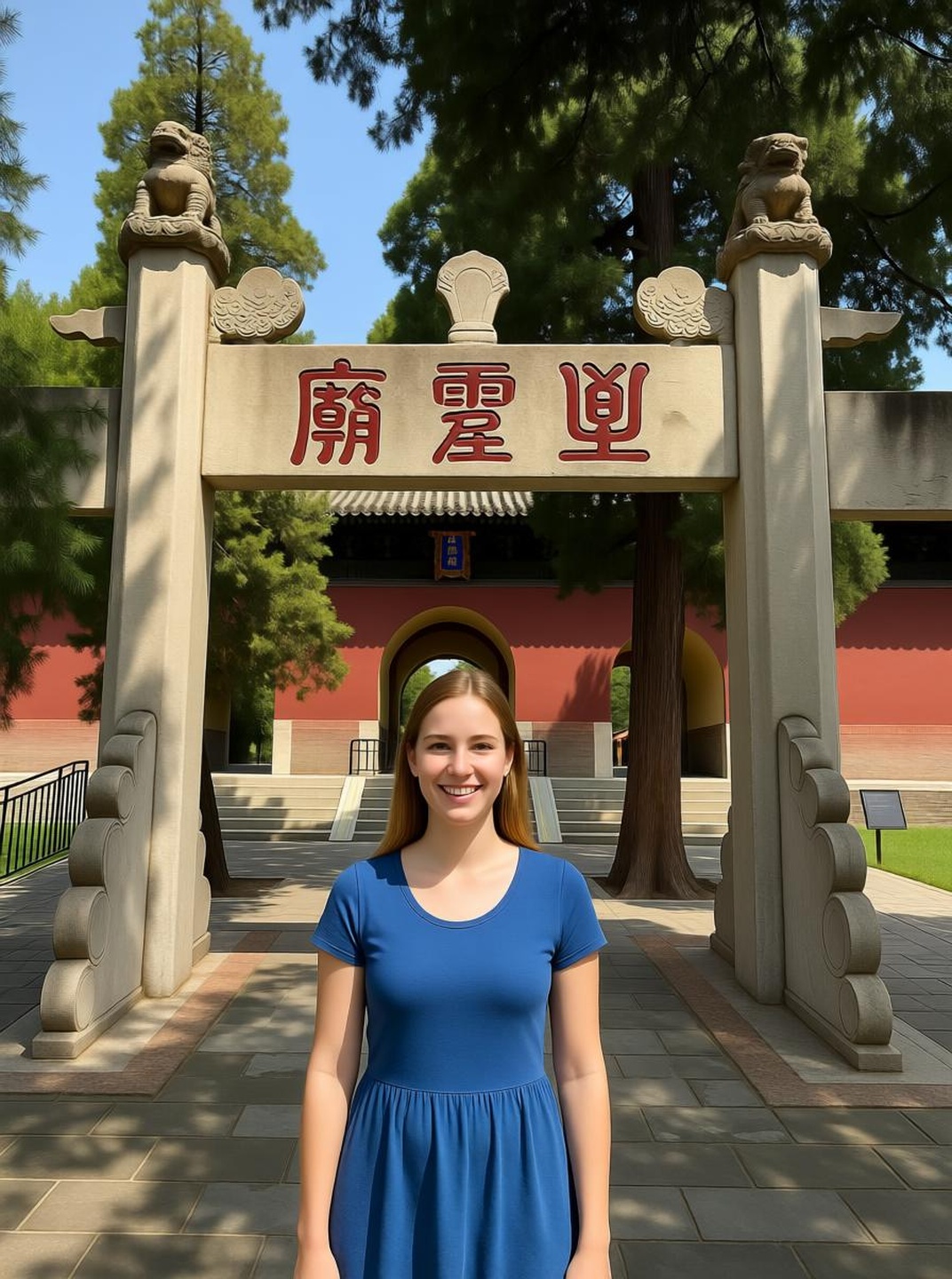
I entered the Confucius Temple (Kong Miao) through the Lingxing Gate, leaving the honking tricycles of modern Qufu behind. Instantly, I was swallowed by a forest of stone. Not trees, but stelae—over 2,100 of them, recording imperial visits, renovations, and dedications across every major dynasty. It was a stone library of political legitimacy, for to rule China was to honor Confucius. Walking through its nine courtyards, the scale is deliberately overwhelming, meant to inspire awe for the sage’s teachings. In the Dacheng Hall, the smell of ancient cedarwood was thick. Before the solemn statue, I saw a young student, not praying, but bowing with a modern textbook in hand—a quiet plea for exam success, connecting a 21st-century worry to a 2,500-year-old source of wisdom.
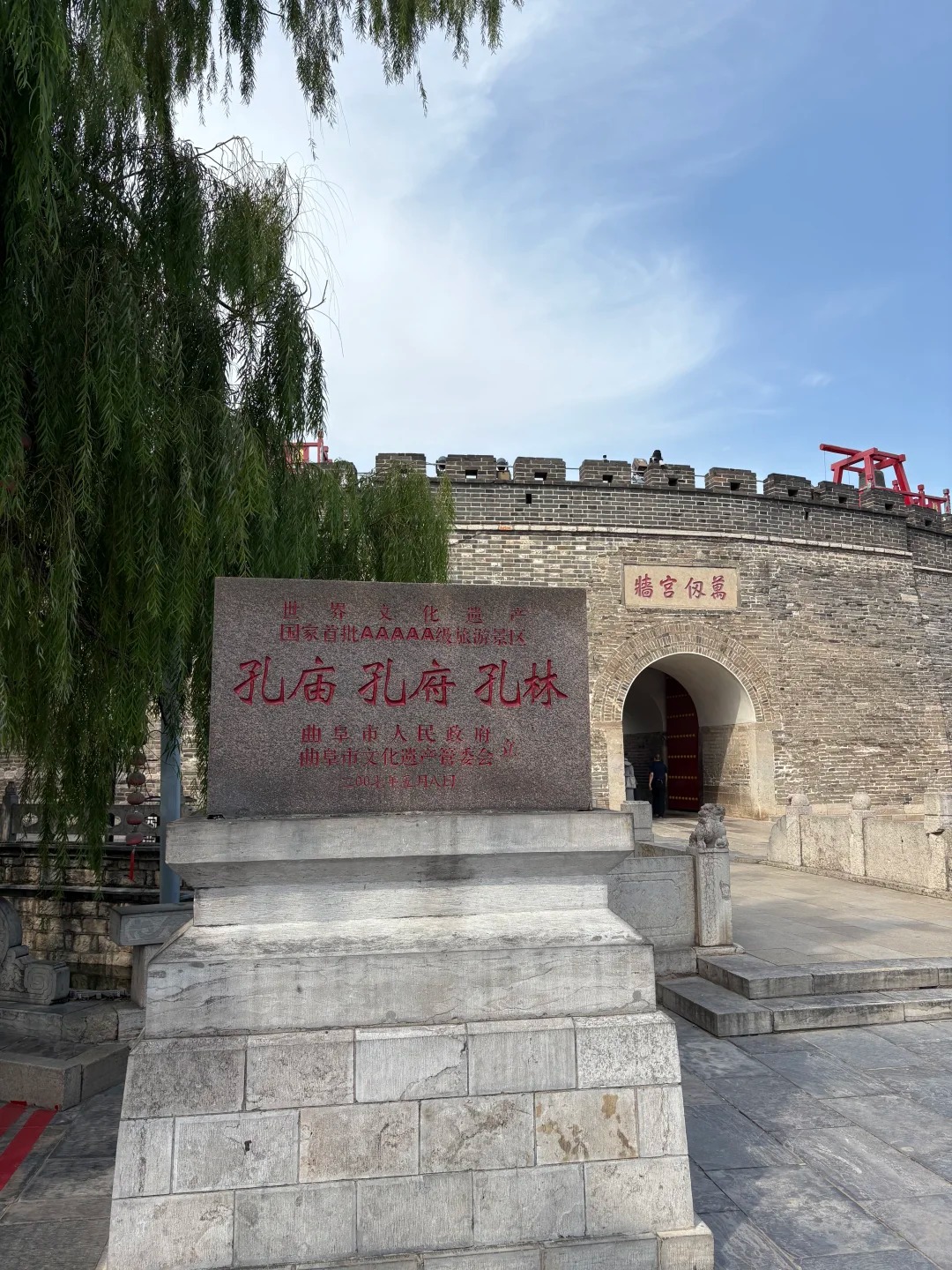
A short walk away, the Kong Family Mansion offered a startling contrast. This was not just a philosopher’s home, but the administrative heart of a “mini-dynasty” that managed the temple, the cemetery, and vast estates for 76 generations. Wandering its labyrinthine halls and gardens, I glimpsed the human side. In the back quarters, the simple wooden furniture and inner courtyards spoke of family life, duty, and the very li (ritual propriety) Confucius espoused, enacted daily for centuries. It made the philosophy tangible—not abstract ideals, but the rules governing how a family poured tea, addressed elders, and celebrated weddings.
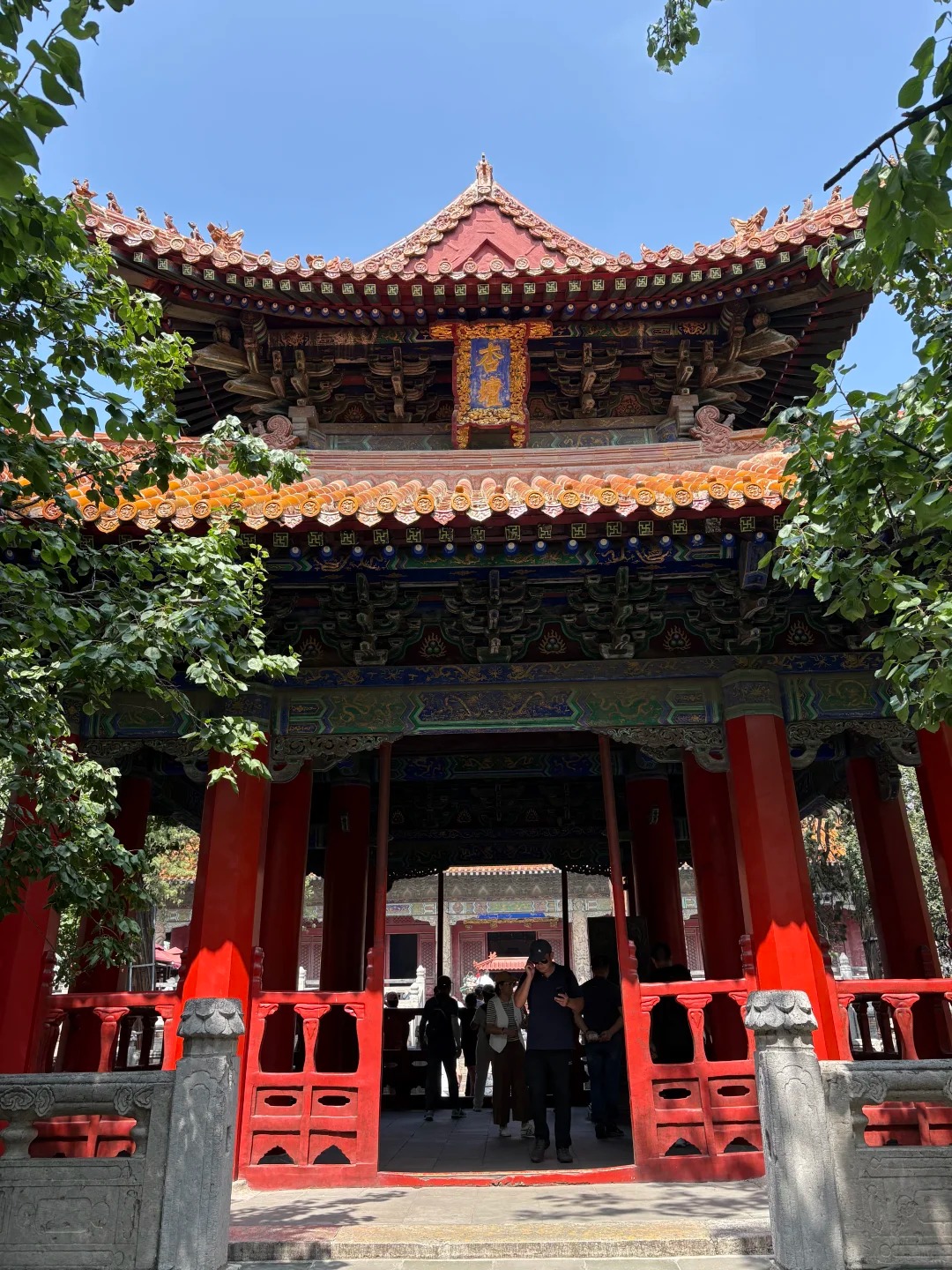
But the soul of Qufu lies in the Confucius Forest (Kong Lin). This is not a cemetery of gloom, but a serene, sprawling ecosystem. Ancient pines, oaks, and cypresses—some planted in the Song Dynasty—tower over a labyrinth of pathways. Tombstones from every era, from simple Ming-era markers to elaborate Qing monuments, nestle among the roots and fallen leaves. Finding the tomb of Confucius himself is an exercise in humility. It’s a simple grass mound beside a carved stone, shaded by trees. No grand pyramid, just an eternal resting place. As I stood there, a breeze rustled through ten thousand leaves, sounding like the gentle turning of pages. It felt like the forest itself was the living, breathing embodiment of his teachings—order within nature, respect for ancestors, the quiet, enduring influence of a virtuous life.
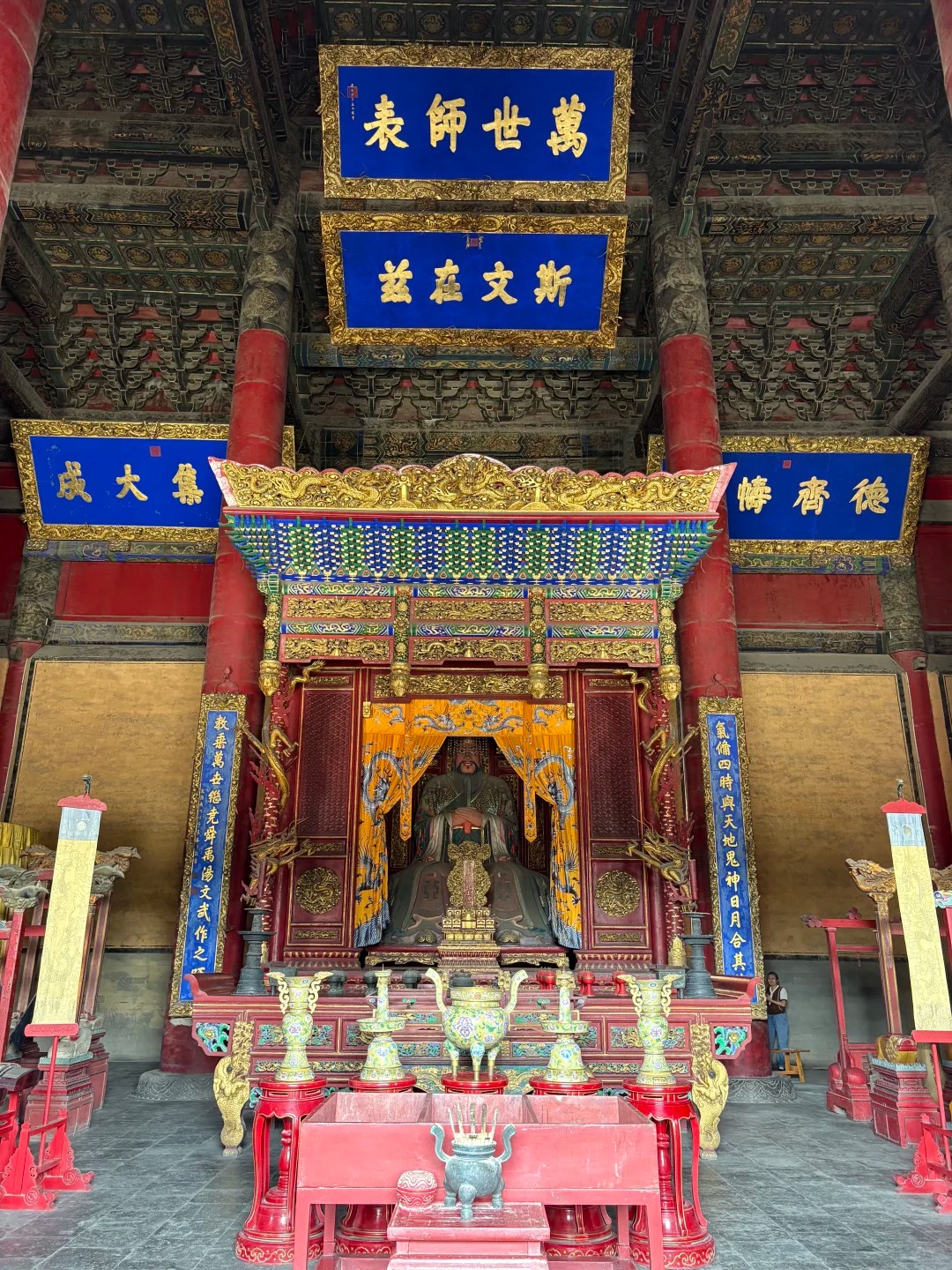
I left Qufu not feeling like I had visited a museum, but like I had sat in on a lecture that lasted for millennia. The stones, the trees, the very layout of the city, all whispered the same core tenets: ren (benevolence), li (ritual), and the perpetual quest for a harmonious society. In a world of noise, Qufu remains a sanctuary for contemplation, where the past speaks clearly to anyone who cares to listen.