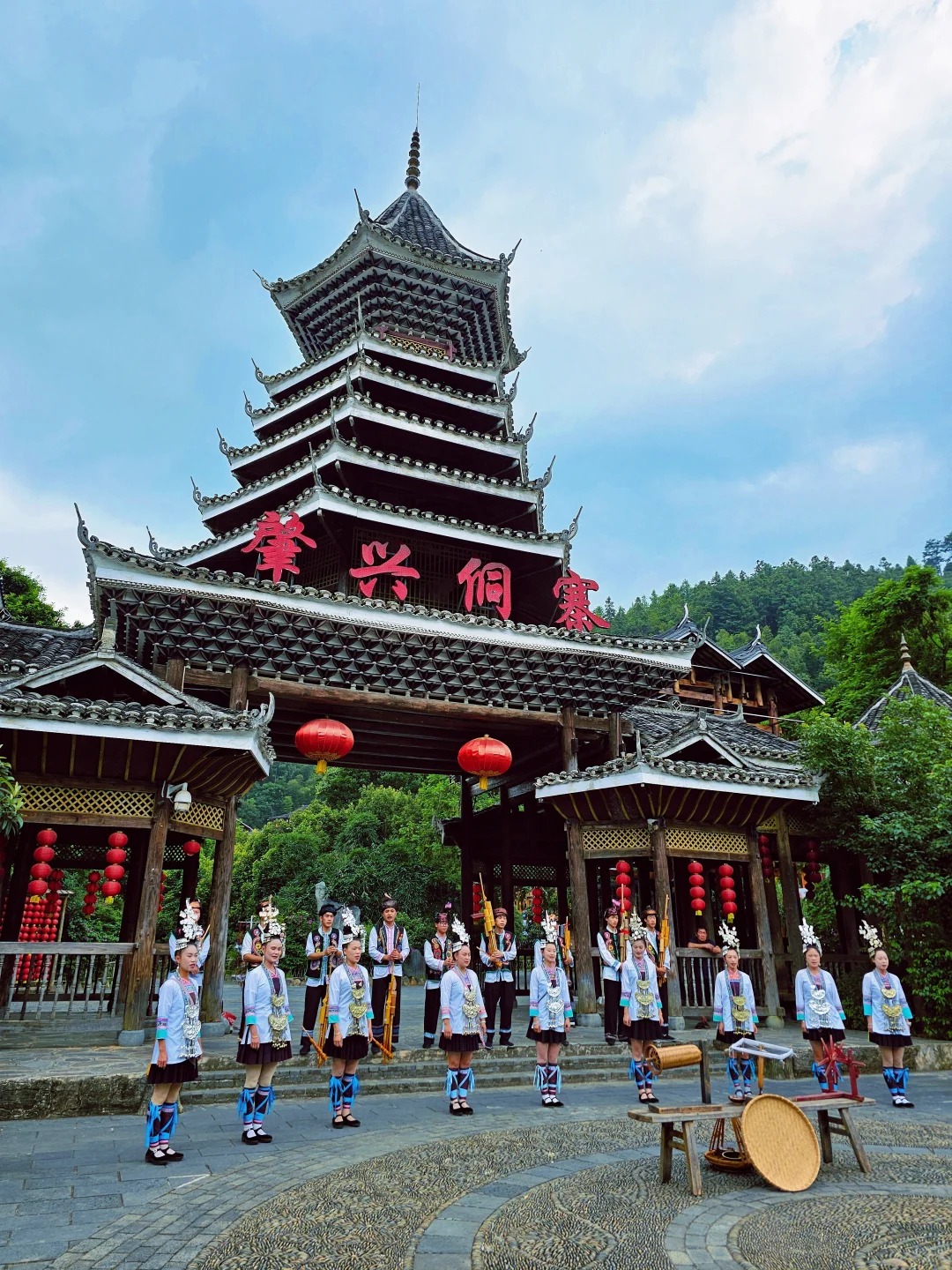
Entering Zhaoxing feels like entering a musical. I don't mean that people randomly burst into choreographed dance numbers (though, actually, they kind of do), but that music is the structural integrity of the community. This is the heart of the Dong people, famous for the "Grand Song" (Kam Grand Choir)—a polyphonic singing tradition that requires no conductor and no instruments, just human voices mimicking the sounds of nature.
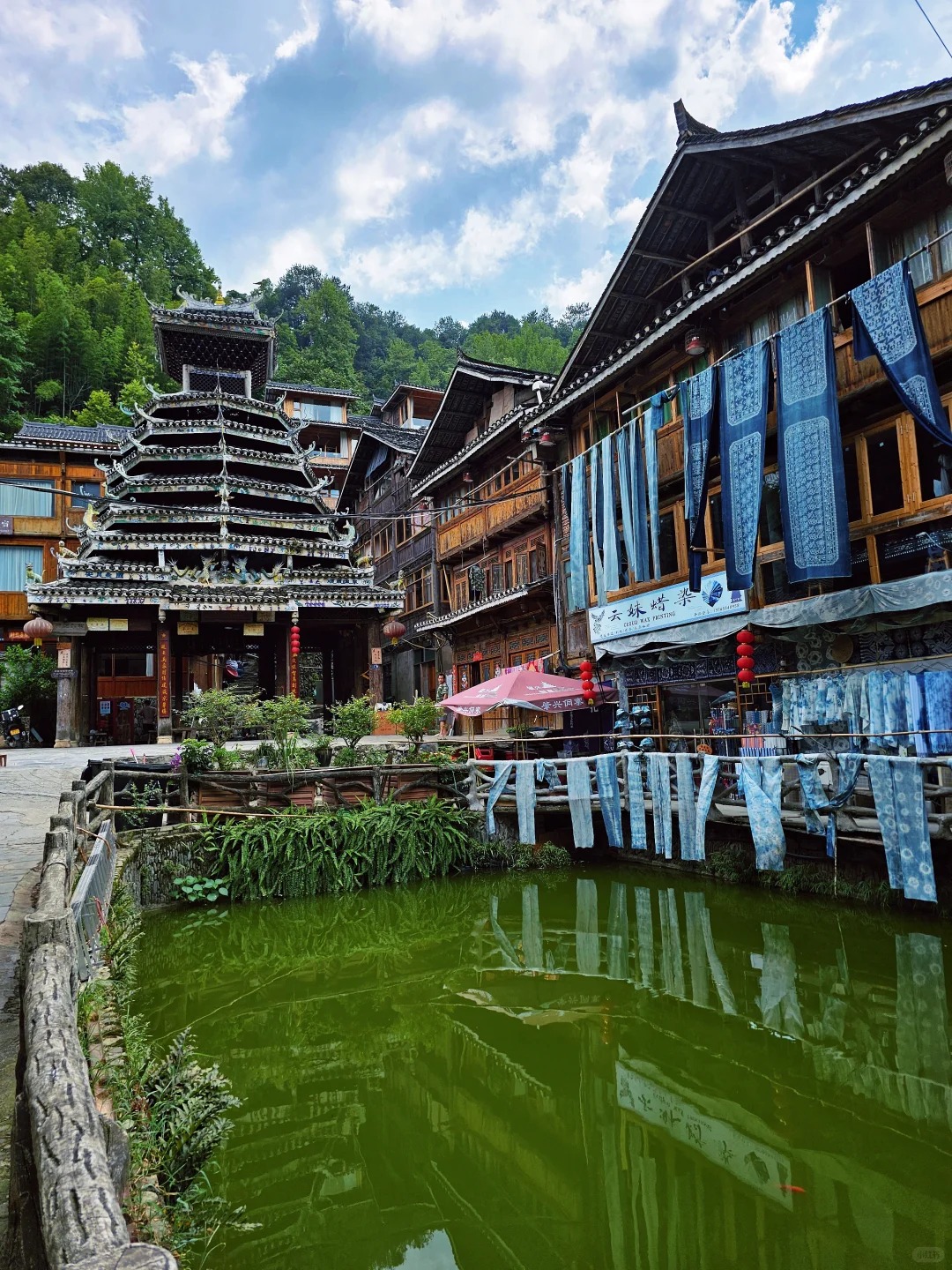
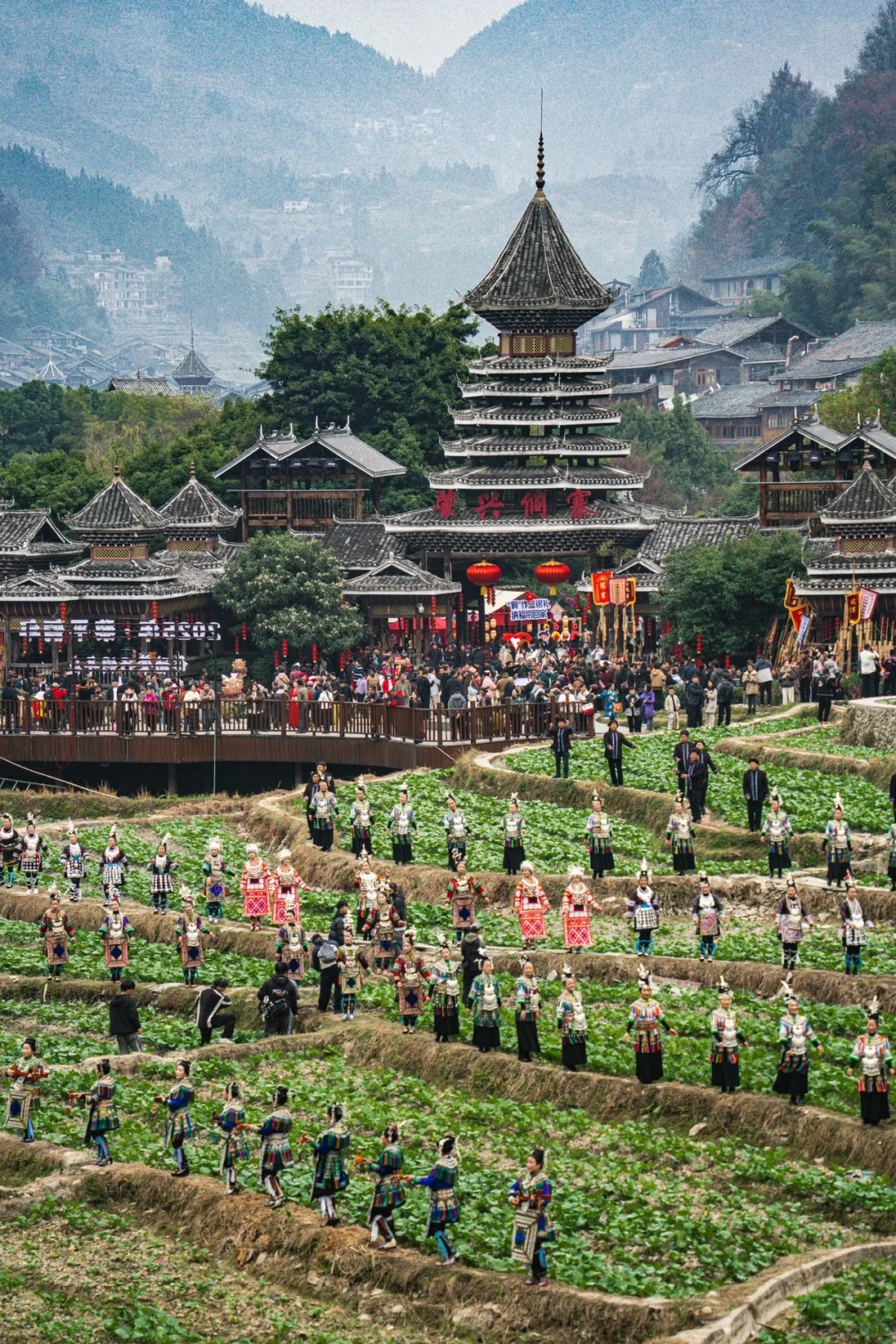
Zhaoxing is stunningly beautiful. It’s nestled in a valley, bisected by a river, and dominated by five "Drum Towers." These towers are masterpieces of timber architecture—tiered pagodas that rise up like cedar trees, built without a single nail. Each tower represents a different clan within the village (Benevolence, Righteousness, Propriety, Wisdom, and Trustworthiness). They serve as the town squares, the newsrooms, and the concert halls.
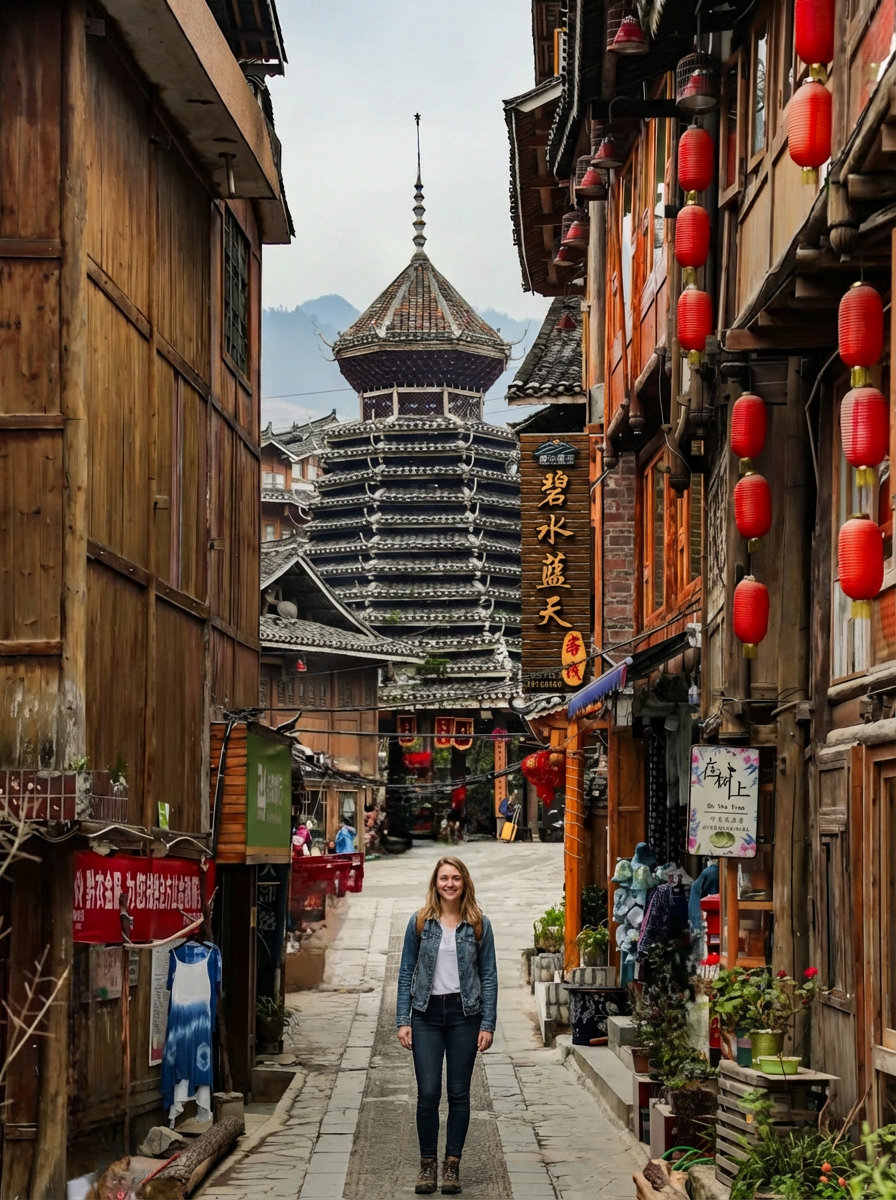
I arrived in the late afternoon and headed straight for the "Wisdom" Drum Tower. Underneath the pagoda, a group of women were sitting on wooden benches, embroidering. They wore the traditional indigo-dyed clothes, the fabric beaten with egg whites until it shimmers like metal.
"Hello!" one of them chirped.
I sat down near them. Within minutes, without any signal I could discern, they started humming. The low hum grew into a melody, weaving in and out, high pitches chasing low drones. It was the "Grand Song." It sounded like a stream rushing over rocks, then like cicadas in the summer, then like birds calling to each other. I sat there, goosebumps rising on my arms. It was raw, unpolished, and utterly perfect.
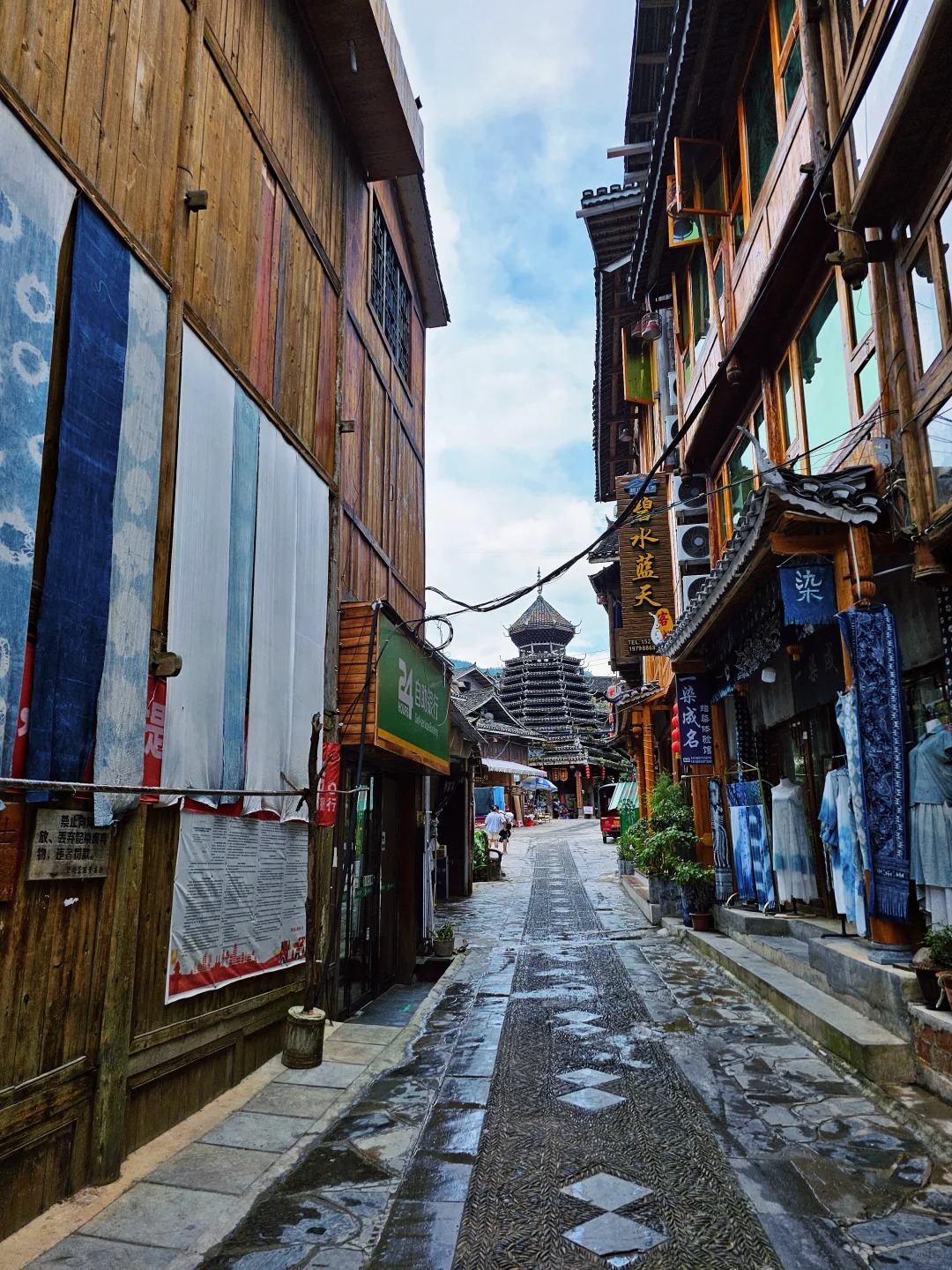
The village itself is a joy to explore. Canals wind through the wooden houses, lined with flower boxes. I watched men dyeing fabric in the river, their hands stained a deep, permanent blue. I saw fish traps being mended. Life here revolves around the water and the wood.
That night, I was invited to a "long table banquet." This is exactly what it sounds like. Tables are placed end-to-end down the middle of the street, stretching for dozens of meters. The food was simple but hearty: sour fish, glutinous rice, pickled vegetables. But the main course was the toast.
Dong hospitality is aggressive. Girls in full silver regalia came down the line, singing to each guest. They held a bowl of rice wine to my lips. As they sang, they tilted the bowl. The rule is: you can't touch the bowl with your hands. You just have to drink until they stop singing.
"High mountains flow with water!" they sang (or something like that), and the wine flowed. It was sweet, potent, and endless. By the end of the meal, the whole street was a blur of laughter, singing, and red faces.
But my favorite memory is from later that night. I was walking back to my inn. The banquet was over, the tourists had gone to bed. I passed by one of the Drum Towers. Inside, a fire was burning in the central pit. A group of old men sat around it, smoking pipes, their faces illuminated by the orange glow. They weren't performing for anyone. They were just talking, their low voices blending with the crackle of the wood. It felt ancient. It felt like I was witnessing the village's heartbeat.
Zhaoxing is one of the few places where tourism hasn't completely drowned out tradition. The songs are still sung because they need to be sung, not just because a ticket was sold.