Before I went to the Tengger Desert, which sprawls across Inner Mongolia and Ningxia, I thought of deserts as empty, silent places. I was wrong. The Tengger is not empty; it is full—full of shapes, of light, of shadows, and of a deep, resonant silence that is not an absence of sound, but the presence of something vast and ancient. My base was the tourist zone of Shapotou on its southern edge, but I was determined to find the desert's true heart, so I joined a small, two-day guided trek into its interior.
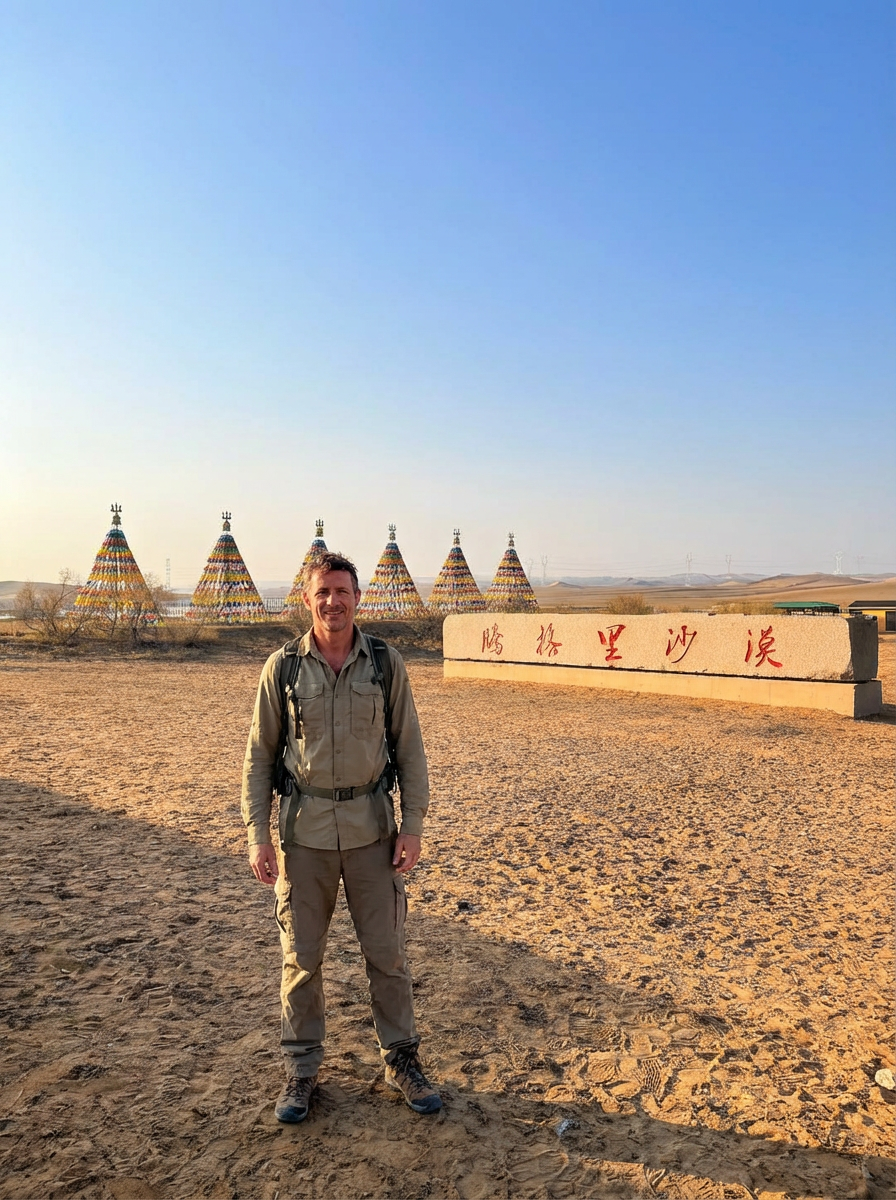
We set off on camelback from a remote village. The initial hour was filled with the groans and snorts of our "ships of the desert," the swaying rhythm almost hypnotic. But then we dismounted and began to walk. This is when the desert started to speak. The first thing you notice is the sand. It’s not a uniform yellow, but a palette of creams, golds, and pale ambers, changing hue with every shift of the sun. It squeaks underfoot with a high-pitched, clean sound. The wind sculpts the dunes into perfect, sinuous curves—ripples on a petrified ocean. Our guide, a man of few words named Batu, pointed to patterns in the sand: the tiny tracks of beetles, the sweeping brushstroke left by a sidewinder snake, the delicate claw marks of a jerboa.
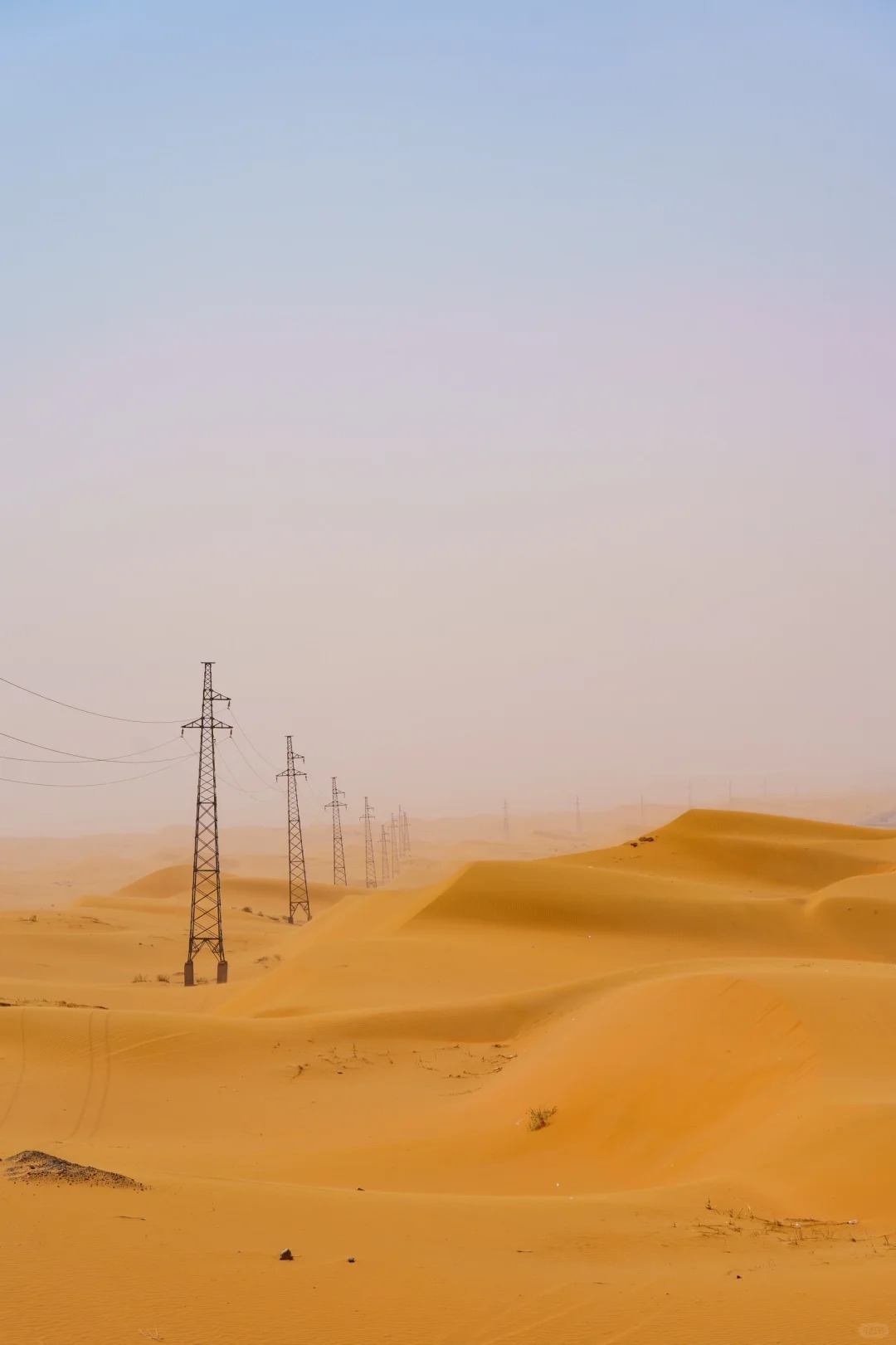
We camped in a hollow between two massive dunes. As the sun dipped, the temperature plummeted. Batu brewed salty milk tea over a small, efficient stove. We drank it huddled in thick coats, watching the stars emerge one by one, then in torrents, until the Milky Way was a thick, luminous river splitting the sky. The silence was so complete I could hear my own heartbeat. But then, in the deepest part of the night, I heard it: a low, resonant hum. Batu, seeing my puzzled look, whispered, "The desert is singing." It was the sand, vibrating as the temperature changed, creating an otherworldly chorus. It felt less like hearing and more like feeling the desert breathe.

The next morning, I climbed the highest dune near our camp to watch the sunrise. The climb was exhausting—two steps up, slide one step back in the soft sand. But reaching the razor-sharp crest was a revelation. Before me, an endless succession of dunes rolled to the horizon, each one casting long, deep-blue shadows in the low morning light. The play of light and shadow gave the landscape a three-dimensional, living quality. In that moment of utter solitude and awe, I understood the Tengger's power. It doesn't overwhelm you with its emptiness; it reveals the universe in a grain of sand. It strips away the
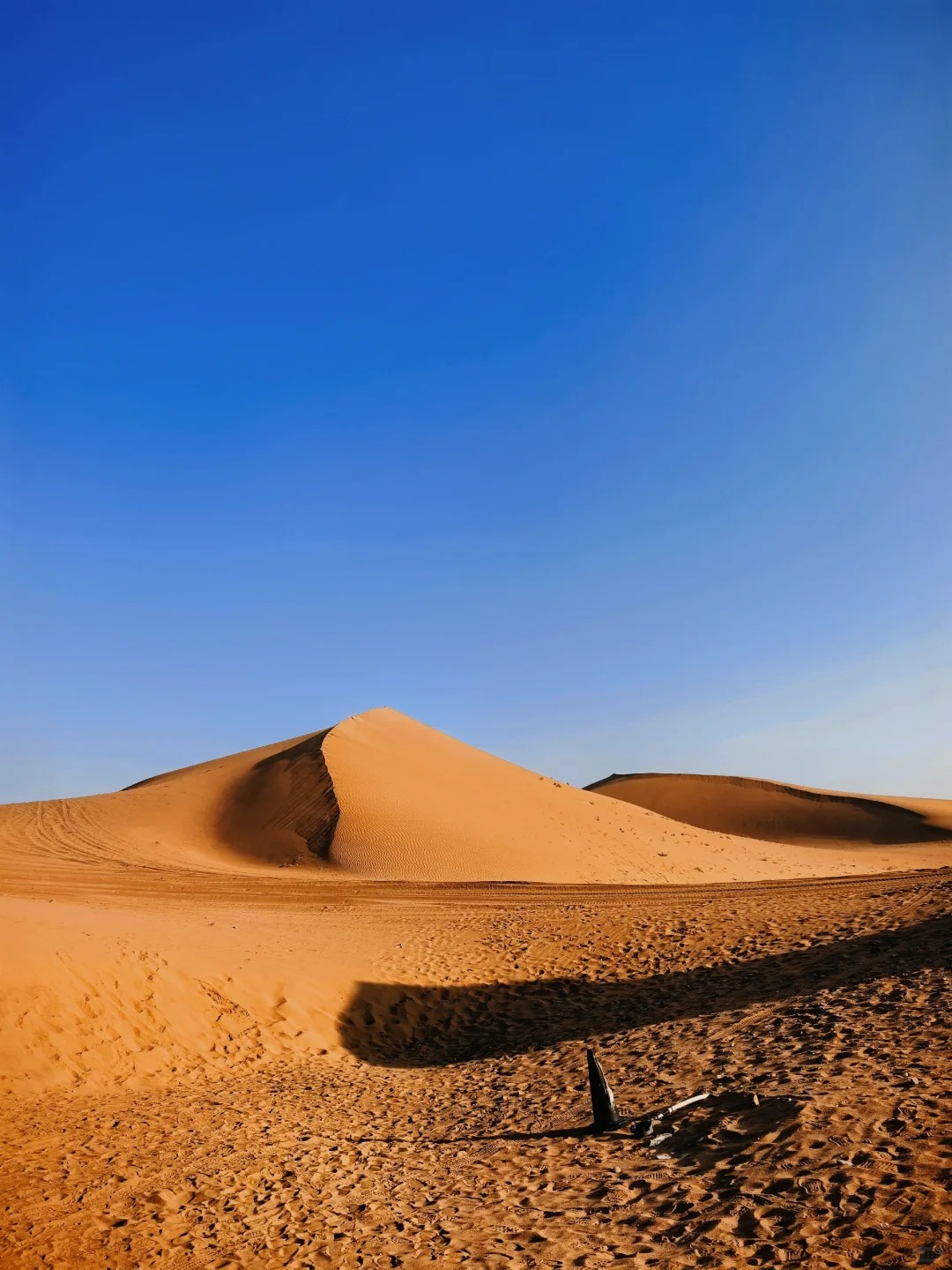
noise of the modern world and leaves you with the fundamentals: earth, sky, light, and your own insignificance within the grandeur. I scooped up a handful of sand, let it trickle through my fingers, and knew I was letting go of something I no longer needed.