I remember the morning air hitting my face as I stepped out of the cable car—it wasn’t just cold; it was wet, clingy, and tasted of ancient earth. I had seen the photos, of course. Everyone has. The floating mountains from the movie *Avatar* were inspired here, but photos don’t prepare you for the sheer, overwhelming scale of Zhangjiajie National Forest Park. It feels less like a park and more like a planet that evolution forgot to finish.
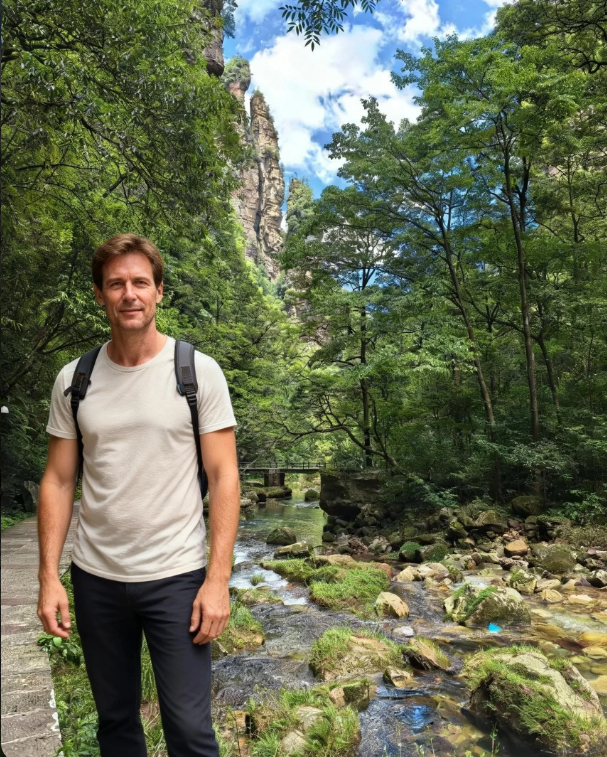
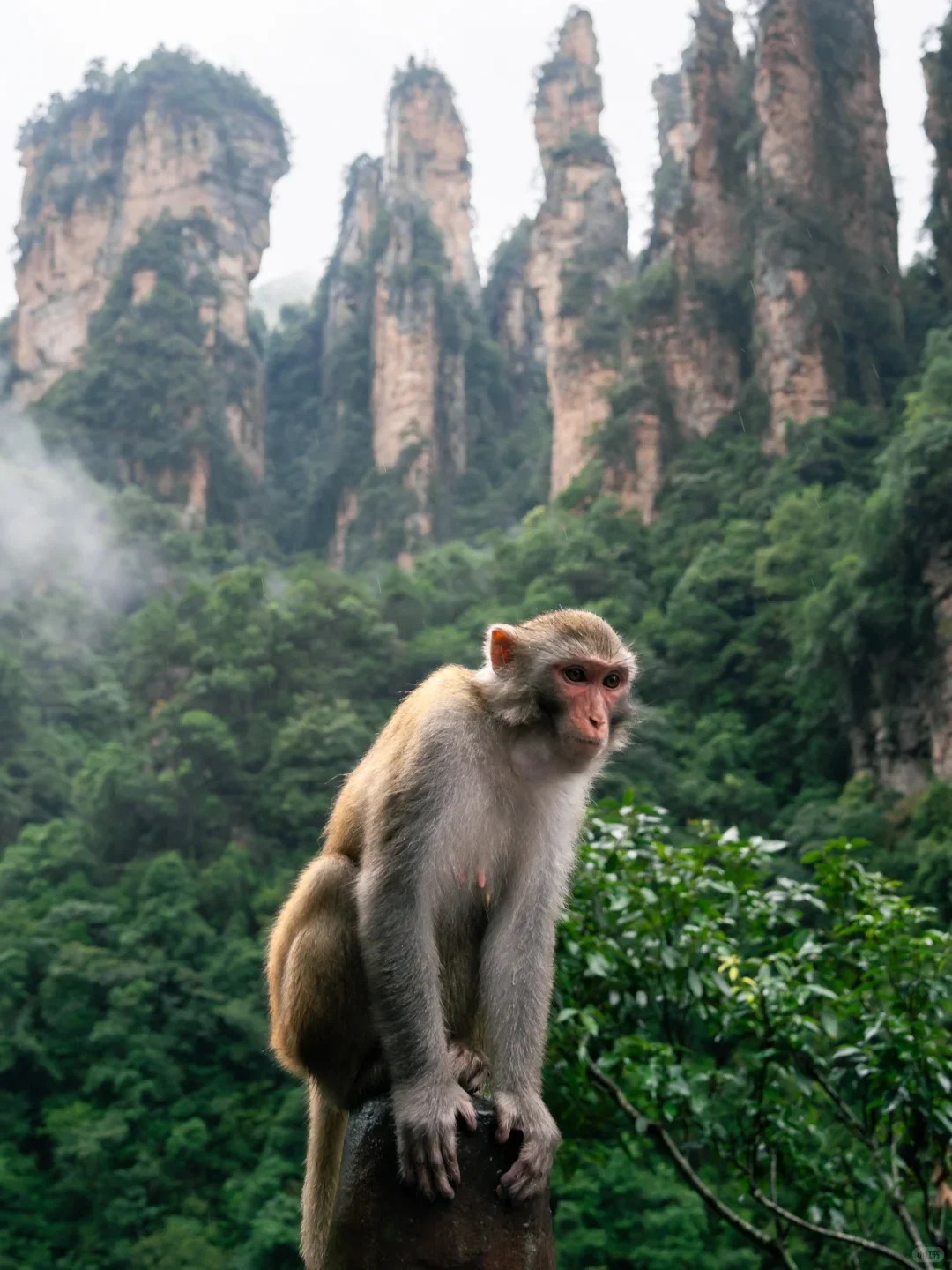
My hike began at the Golden Whip Stream (Jinbianxi). If you come here, do what I did: skip the crowds at the top for a few hours and start at the bottom. The path winds through a canyon that feels primeval. Towering sandstone pillars rise straight up like skyscrapers built by giants, covered in thick, verdant moss. I walked along the stream, the water so clear it looked like liquid glass. It was quiet here, save for the sound of rushing water and the occasional rustle in the trees. That rustle, I learned quickly, was the local wildlife. The wild monkeys of Zhangjiajie are notorious bandits. I saw a tourist lose a bag of chips within seconds of a monkey leaping from a branch. They are bold, aggressive, and hilarious to watch—as long as it’s not your food they’re stealing.
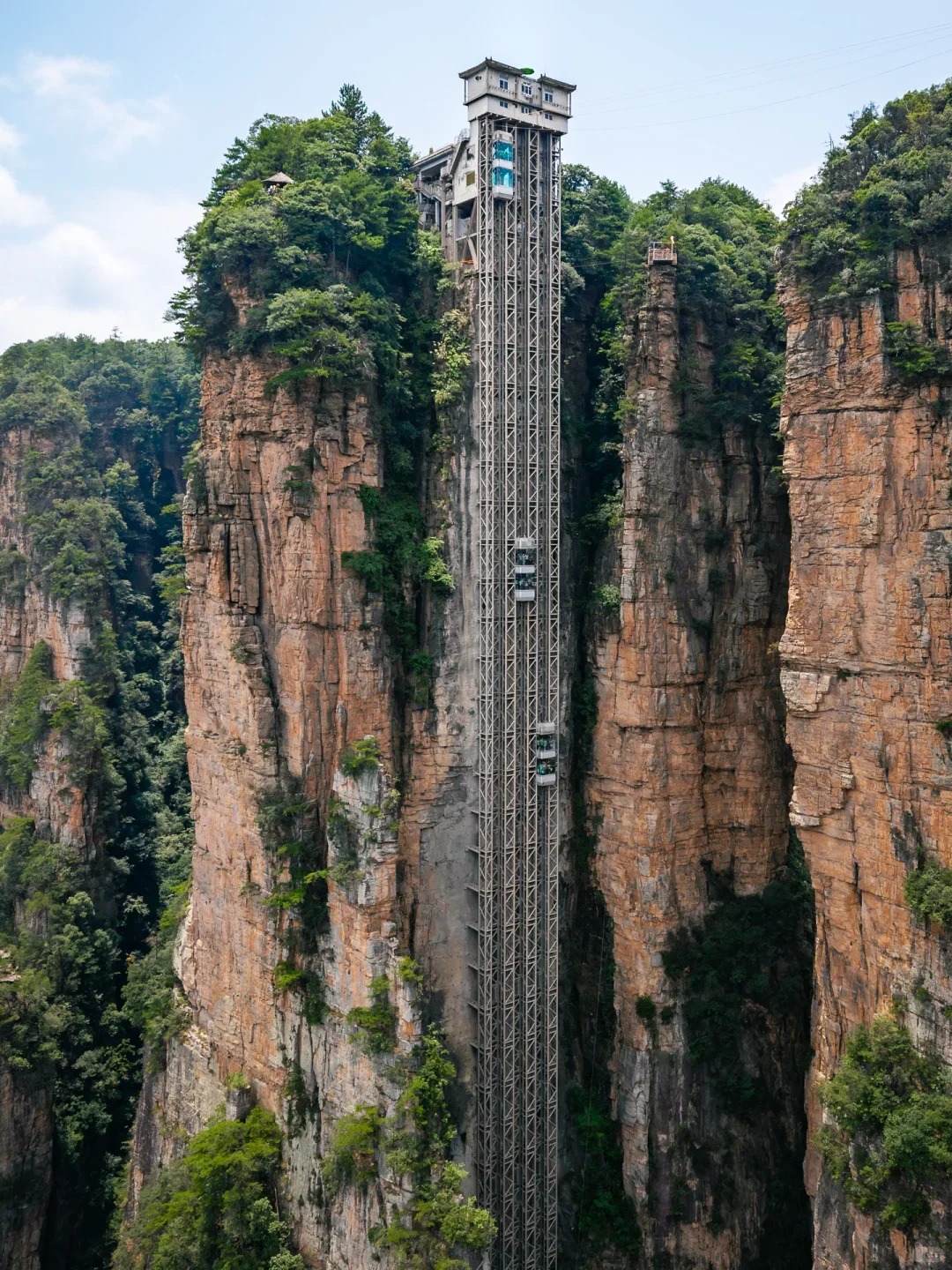
But the real magic happens when you ascend. I took the Bailong Elevator—the “Hundred Dragons Elevator”—a massive glass elevator built into the side of a cliff. It shoots up 326 meters in just over a minute. As the ground receded, my stomach did a little flip, not just from the speed, but from the view that unfolded.
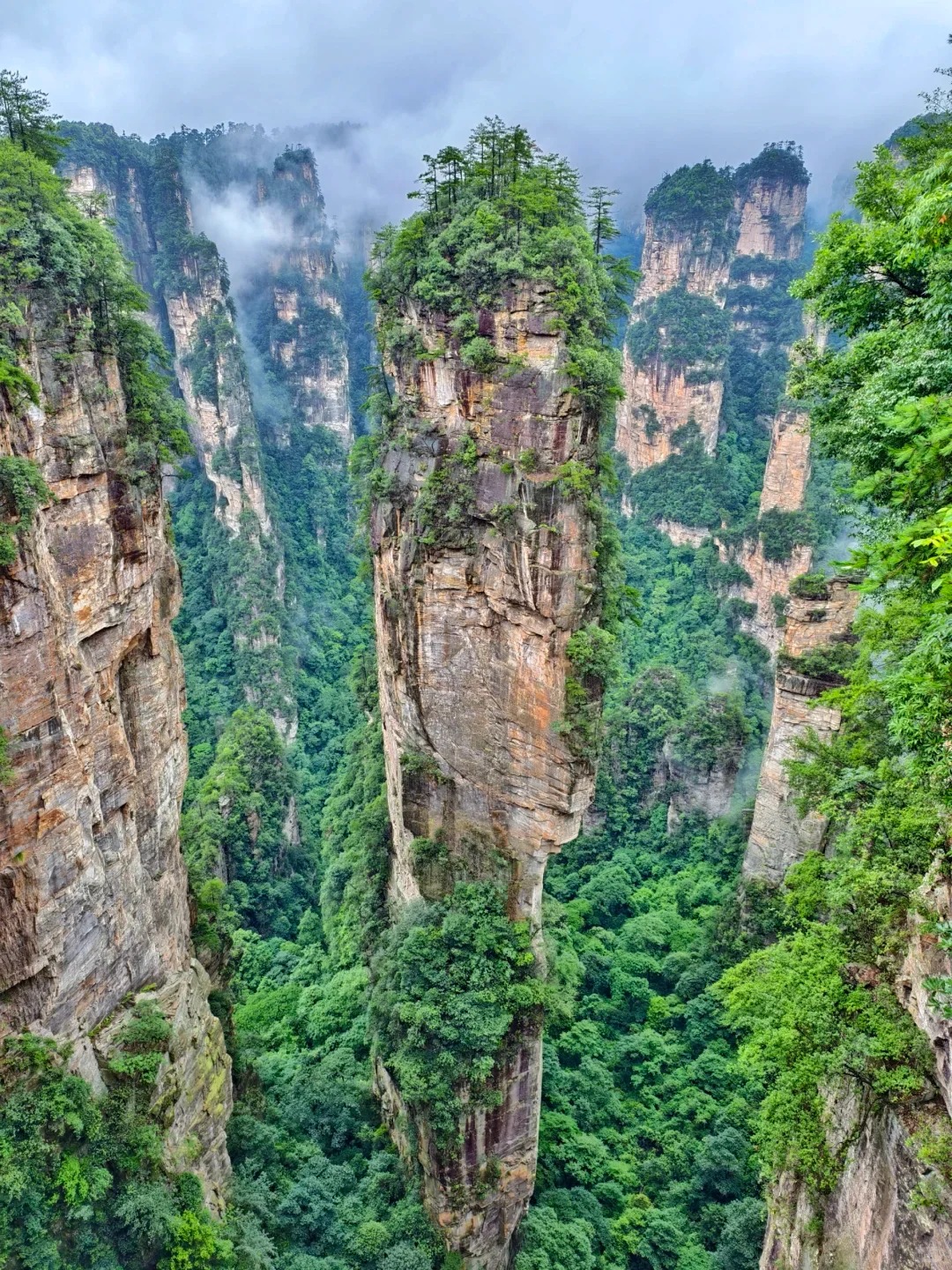
When I stepped out at the top of Yuanjiajie, the world had changed. We were above the cloud line. The famous sandstone pillars were now islands in a white ocean of mist. This is the “Southern Sky Column,” the inspiration for the Hallelujah Mountains. Standing on the cliff edge, looking out at thousands of these peaks stretching endlessly into the distance, I felt incredibly small. It’s a humbling feeling, realizing that nature carved these masterpieces over 300 million years, while we are just fleeting visitors.
I spent the entire day wandering the plank roads that hug the cliffs. At times, the path was barely wide enough for two people, with a sheer drop on one side. My heart raced, not just from the vertigo, but from the exhilaration of it. I stopped at a small stall run by a local grandmother who was selling pickled chilli and cucumbers. She didn’t speak English, and my Mandarin is shaky, but she smiled, handing me a slice. It was spicy, crisp, and exactly what I needed to wake up my senses.
As the sun began to dip, the mist turned a bruised purple and gold. The park transforms in the evening; the crowds thin out, and the wind howls through the stone pillars, creating a low, mournful song that you can feel in your chest. I sat on a rock, ignoring the dampness seeping into my jeans, just watching the shadows lengthen across the “Avatar” mountains. Zhangjiajie isn’t just a place you see; it’s a place you feel. It’s raw, untamed, and absolutely unforgettable. If you want to understand the majesty of China’s natural history, this is where you start.