If you are on a low-carb diet, I have bad news: You need to cheat on it in Xi'an.
Xi'an was the starting point of the Silk Road. For centuries, merchants from the Middle East brought spices (cumin, chili, pepper) here, mixing them with the local obsession for wheat noodles and bread.
The result? A cuisine that is heavy, spicy, fragrant, and unlike anything else in China.
Most tourists head straight to the main street of the Muslim Quarter (Huimin Jie).
My Honest Advice: The main street is great for photos, but the food there is overpriced and made for tourists.
The Secret: Walk 5 minutes off the main strip to the side alleys like Dapi Yuan (大皮院) or Sajin Qiao (洒金桥). That’s where the locals are eating.
Here are the 7 dishes you must hunt down.
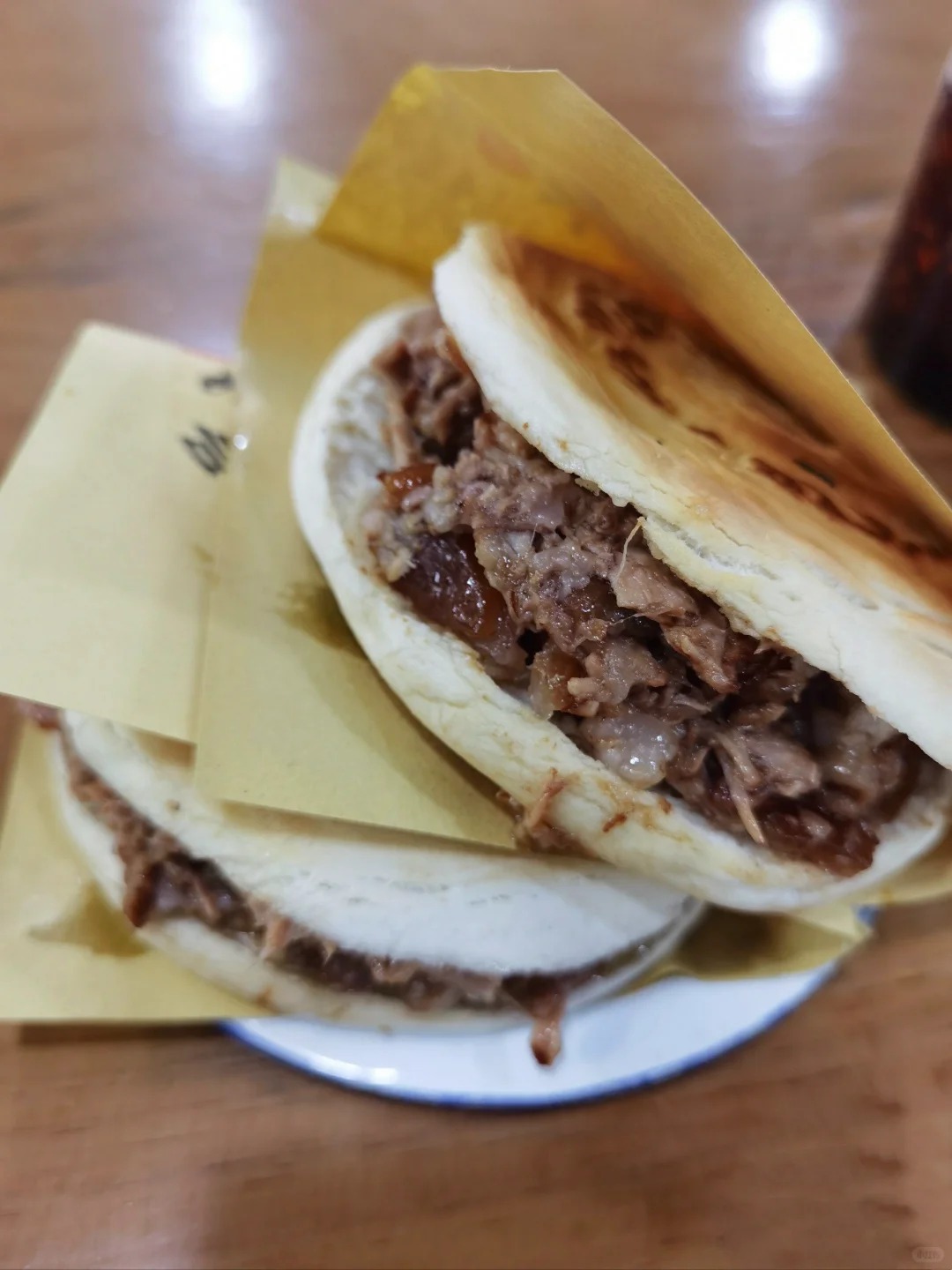
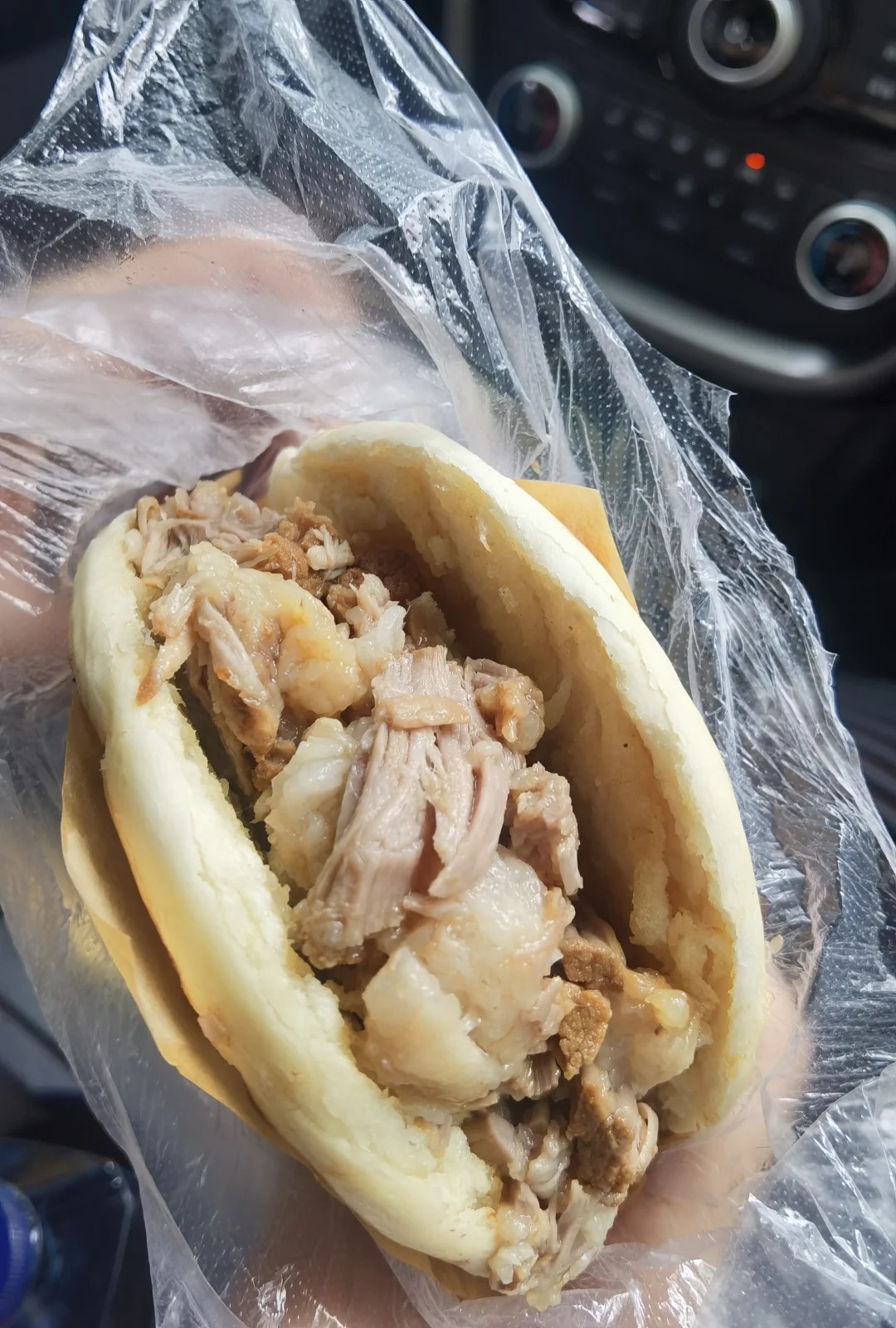
1. Roujiamo (肉夹馍) – The "Chinese Hamburger"
Forget McDonald's. This is the world's oldest hamburger.
What is it? A crispy, clay-oven-baked bun sliced open and stuffed with braised meat.
The Taste: The meat (usually beef in the Muslim Quarter, pork elsewhere) is stewed for hours in 20+ spices. It melts in your mouth. The bun is crunchy on the outside, soft inside.
Where to get it: Look for a long line. If the juices don't drip down your hand, ask for a refund.
2. Biangbiang Noodles (𰻞𰻞面)
What is it? The noodle with the most complicated Chinese character (50+ strokes!). It’s named after the sound the dough makes when the chef slaps it against the table: Biang! Biang!
The Taste: These are thick, wide, belt-like noodles. They are usually topped with chili oil, garlic, vinegar, and bean sprouts. One bowl is heavy enough to put you in a food coma.
3. Yangrou Paomo (羊肉泡馍) – The "DIY" Soup
This isn't just a meal; it’s an activity.
What is it? Lamb and bread soup.
How to eat it:
You are given a bowl and two pieces of hard, unleavened bread.
You have to break the bread into tiny pieces (size of a bee's head). This takes 20 minutes. Don't be lazy! If the pieces are too big, the chef will judge you.
You hand the bowl back to the chef, who cooks it in rich lamb broth with glass noodles.
The Verdict: It’s the ultimate comfort food. Served with pickled garlic (sugar garlic) to cut the grease.
4. Chuan’er (串儿) – Lamb Skewers
What is it? Juicy chunks of lamb on a willow branch stick.
The Taste: Coated in heavy cumin and chili flakes, grilled over charcoal.
Pro Tip: Don't buy the tiny machine-made ones. Look for the stalls with huge hanging lamb carcasses where they cut the meat fresh in front of you.
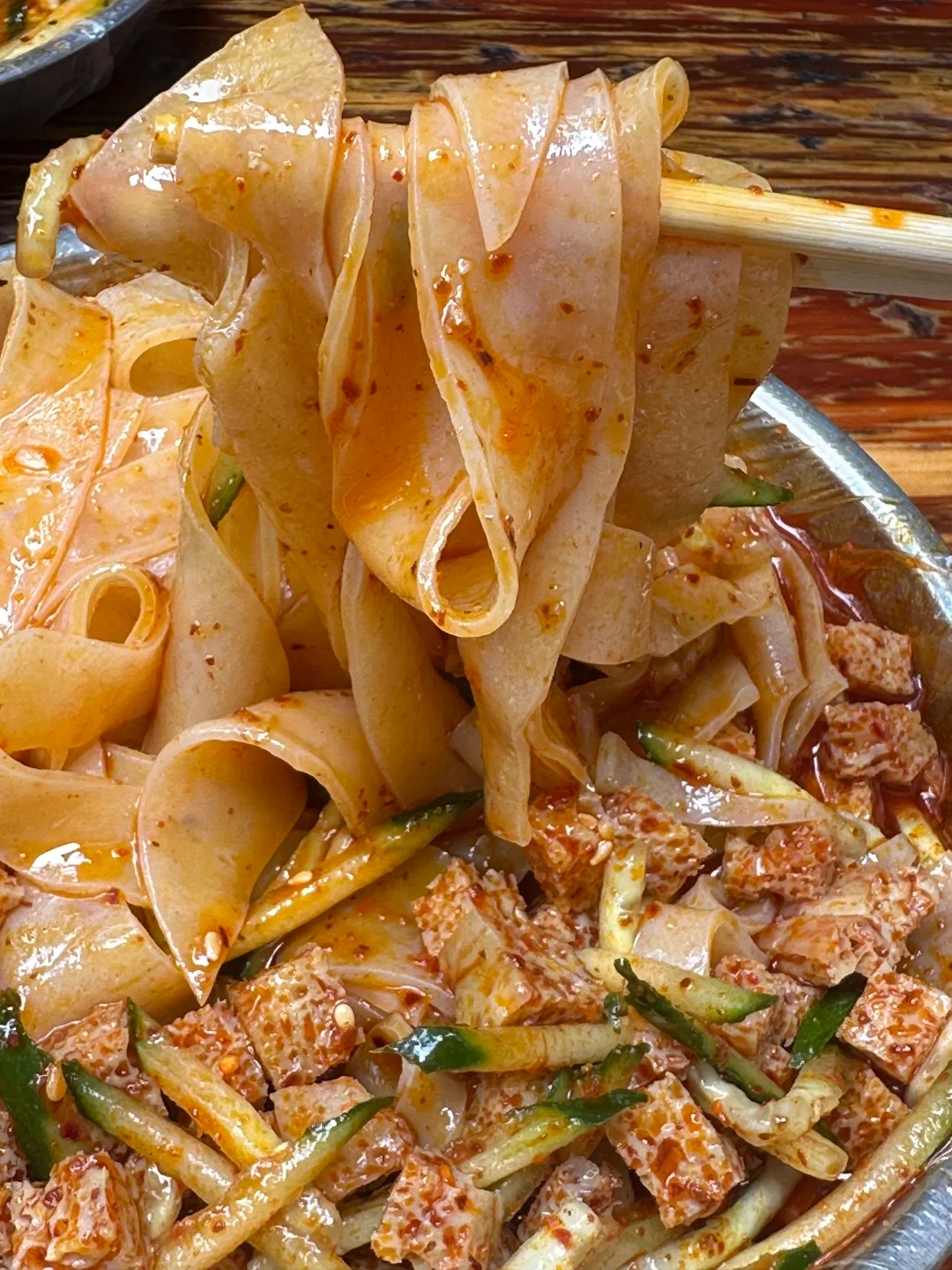
5. Liangpi (凉皮) – Cold Skin Noodles
What is it? Cold, translucent noodles made from wheat or rice starch.
The Taste: Served with julienned cucumber, sesame paste, and chili oil. It is cold, slippery, and refreshing.
When to eat: Perfect lunch on a hot summer day after visiting the Terracotta Warriors.
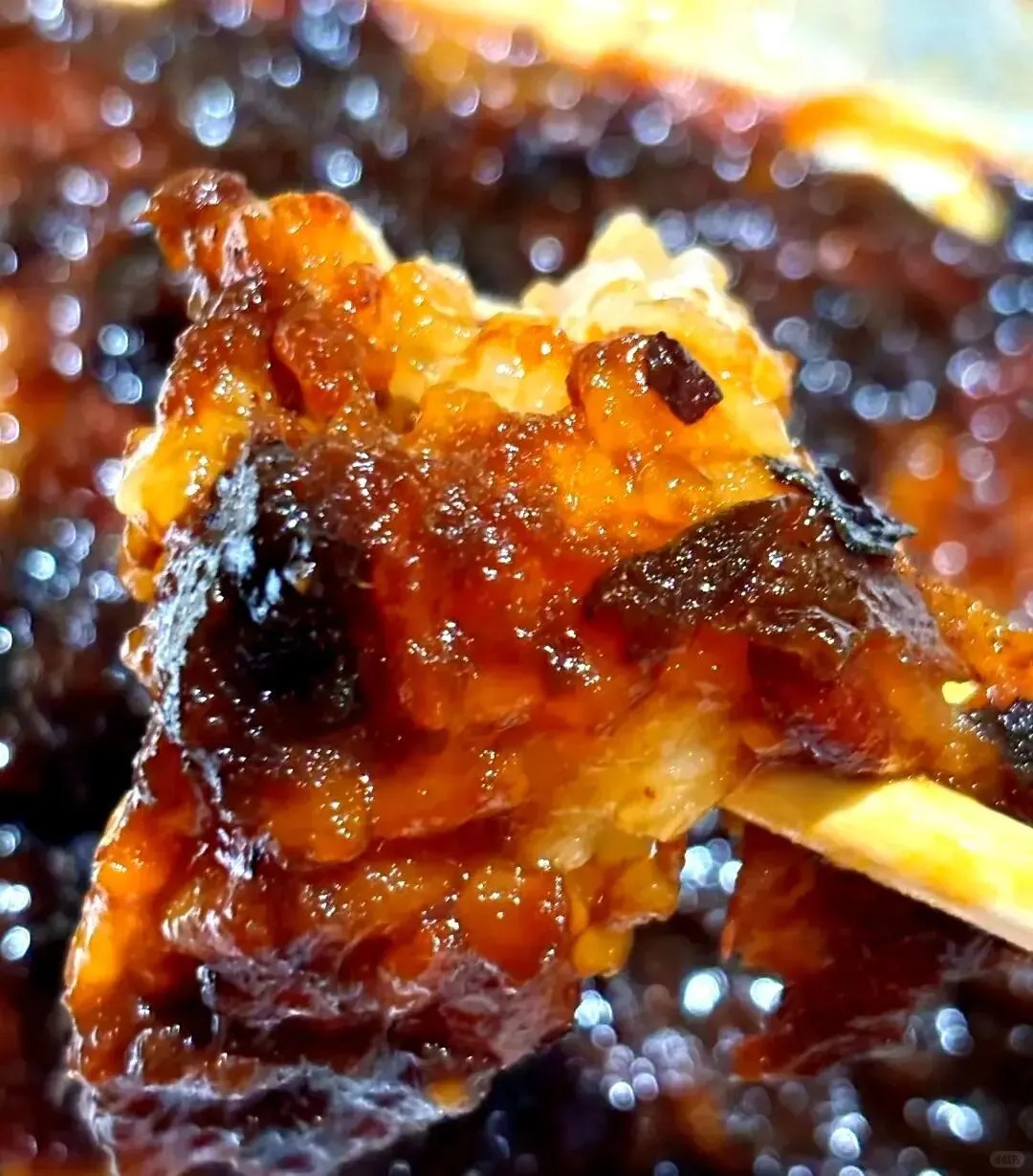
6. Zenggao (甑糕) – The Sticky Breakfast
What is it? A layer cake made of glutinous rice, red dates, and kidney beans, steamed in a giant ancient-style vessel.
The Taste: Sweet, sticky, and gooey. It looks messy, but it tastes like a warm hug. Locals eat this for breakfast.
7. Pomegranate Juice (石榴汁)
What is it? Freshly pressed juice.
Why here? The best pomegranates in China grow near the Terracotta Warriors. In Autumn, the streets are filled with mountains of red fruit.
The Taste: Sweet, tart, and the perfect palate cleanser after all that spicy lamb.
The Sunny China Travel "Foodie Tour"
Navigating the back alleys of the Muslim Quarter can be intimidating (and the menus are rarely in English).
That’s why we created our "Xi'an Twilight Food Tour."
We take you to the hidden family-run shops (no tourist traps).
We do the ordering.
We explain the history behind every bite.
Bonus: We finish with a beer at a local brewery near the City Wall.
Come hungry. Leave happy.