The dust of Luoyang has a particular scent—a mixture of dry earth, distant coal smoke, and the faint, persistent fragrance of aged incense that seems baked into the very soil. It coats your throat as you journey south along the Yi River. I came not for the city, but for what lies in its silent, limestone cliffs. I arrived at Longmen just as the dawn mist was retreating from the water, revealing the western bank not as a simple hillside, but as a colossal, honeycombed face gazing eternally eastward. This was my first sight of the Longmen Grottoes.
Crossing the bridge, the scale of devotion unfolded. Over 100,000 statues, from majestic Buddhas taller than ancient trees to miniature figures no larger than a thumb, are cradled in 2,300 caves. The history books cite numbers—construction spanning the Northern Wei to Tang dynasties, over 400 years of continuous carving. But numbers are cold. The reality is a symphony in stone, played by the wind through the caverns.

I avoided the main thoroughfares crowded with tour groups. A narrow, moss-slicked path led me away from the roar of the main Buddha niches. Here, in the quieter, higher caves, the true conversation began. I ran my fingers (where permitted) over a wall of gongde or "merit" niches. Each tiny, perfect Buddha seated within was commissioned by a common person—a merchant for safe travels, a mother for a son’s health, a farmer for a good harvest. The stone, under my touch, was not cold. It was dense with a thousand whispered hopes, a millennium of human yearning made permanent. The act of carving here was not merely artistic; it was a direct transaction with the divine, a permanent deposit of faith into the bank of the universe.
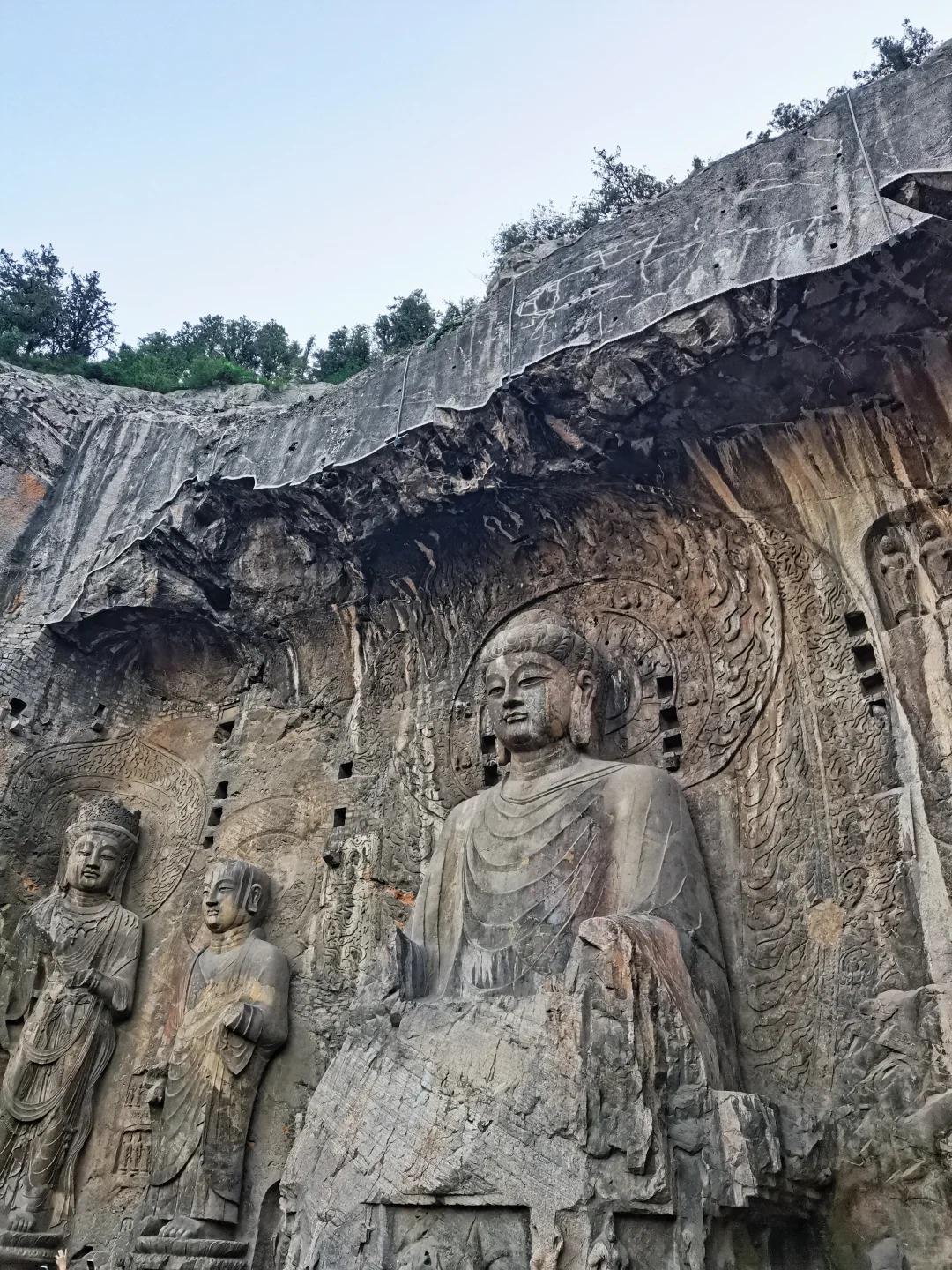
My most profound moment came not before the 17-meter-tall Vairocana Buddha in Fengxian Temple (though its serene, all-knowing smile is a spiritual landmark), but in a half-collapsed, nameless grotto. A Bodhisattva’s face had been eroded by centuries of rain, leaving only a smooth curve where a nose should be, and faint hollows for eyes. Yet, in the play of afternoon light, an expression of profound peace emerged from the ruin. It was more moving than any perfectly preserved statue. The erosion hadn’t destroyed the art; it had collaborated with time to create a new one—a testament to impermanence, the central Buddhist teaching, etched by nature itself. I sat on a sun-warmed rock for an hour, listening. You hear the river, the tourists below, but if you still your own breath, you hear the echoes of chisels—the collective tap-tap-tap of faith that built a mountain.
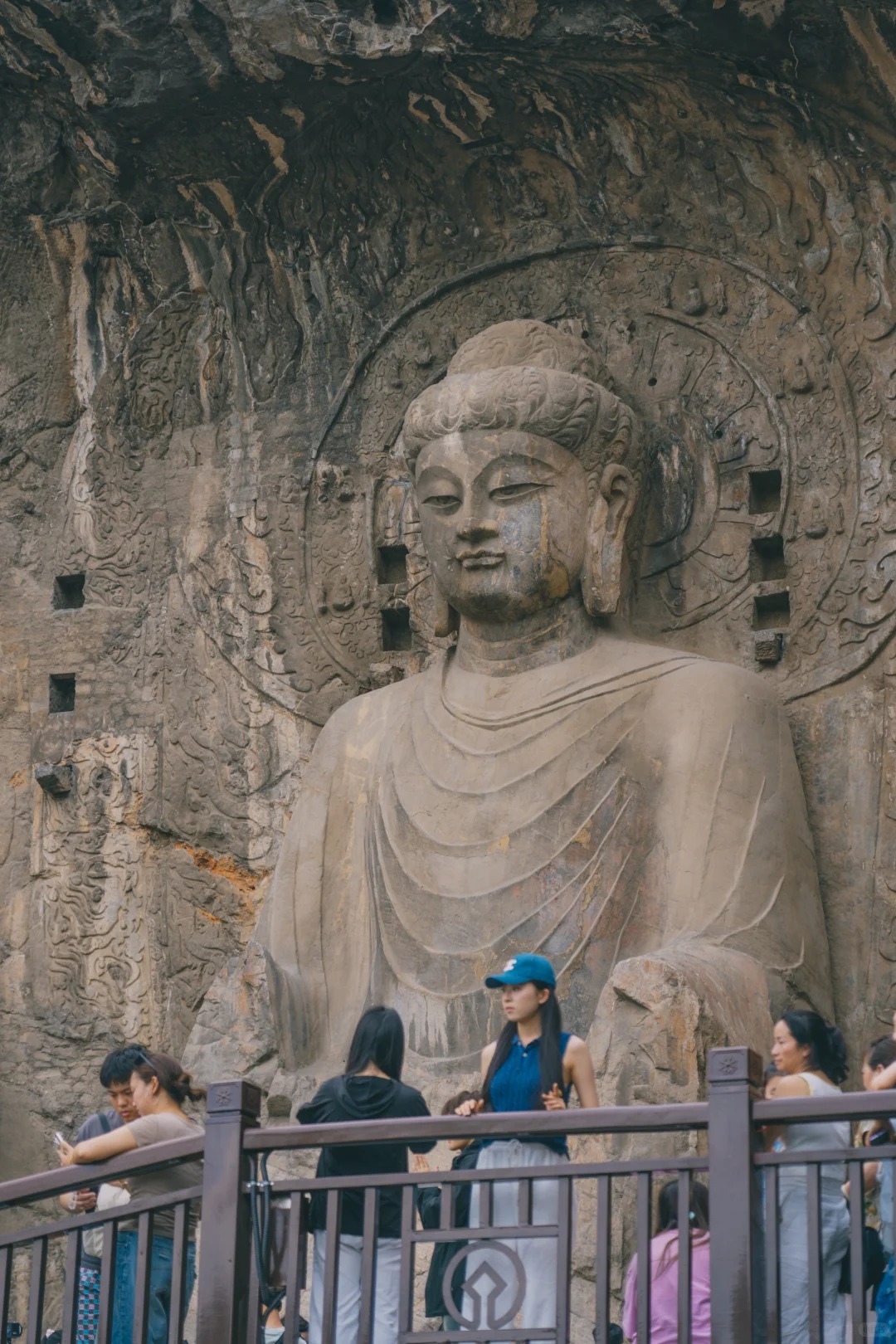
Leaving at dusk, the low sun set the entire cliff face ablaze in a warm, orange glow. The statues, shadowed in their niches during the day, now seemed to step forward, their stone robes flowing in the golden light. The Chinese phrase for this is foguang, "Buddha's light." In that moment, it wasn't a trick of the atmosphere. It felt like a final, gentle exhalation from the mountain, a silent acknowledgment to those who come seeking not just a sight, but a feeling.
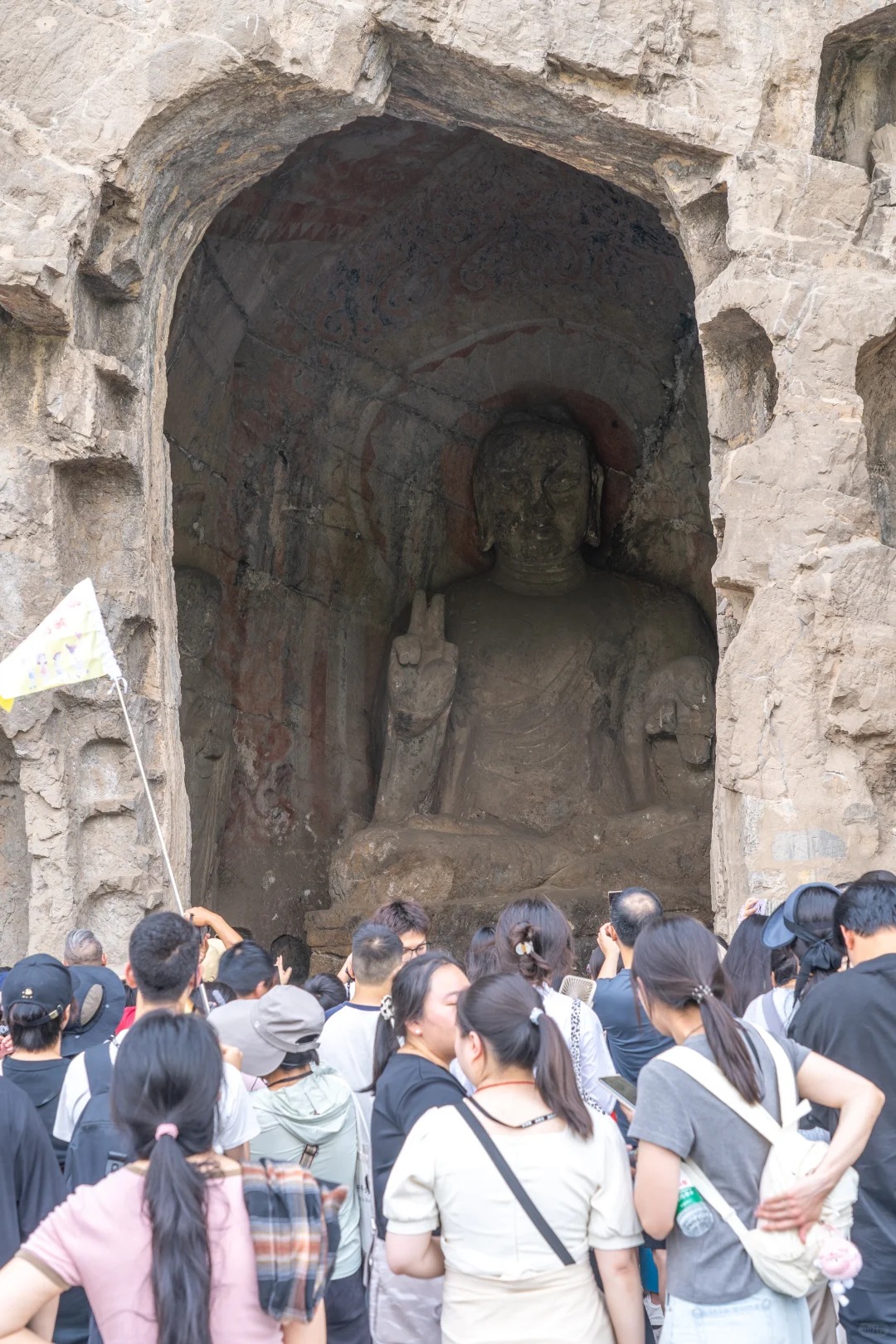
Longmen doesn’t shout. It whispers. It asks you to lean in, to touch the hopes of the past, and to see in a weathered stone face the timeless, gentle smile of human aspiration. It is not a museum of religion, but a living mountain of souls.