There are mountains, and then there is the “King.” I have trekked through the Rockies and seen the Alps, but nothing prepared me for the sheer vertical dominance of Gongga Snow Mountain. The locals call it “Minya Konka,” the supreme mountain of the snowy lands. At 7,556 meters, it pierces the sky like a jagged spear. It is the highest peak in Sichuan, and reaching its base is a journey into the heart of the wild. I didn’t come here to climb to the summit—that is a feat reserved for elite mountaineers with years of training—but to stand at its feet and look up is an adventure in itself.
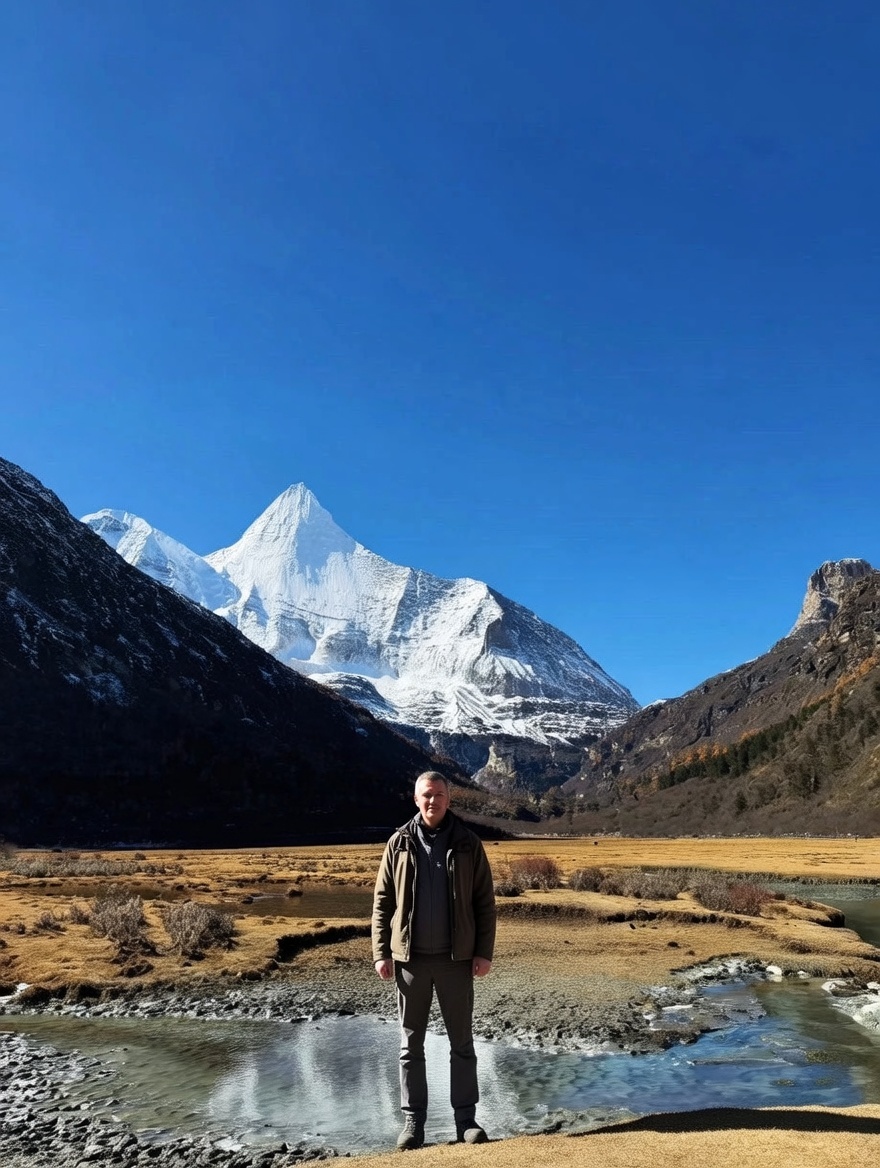
The journey began in the small town of Moxi, the gateway to the mountain. From there, I took a 4x4 truck that rattled and shook over the rough, rocky road toward Lidiping. As we gained altitude, the vegetation thinned. The air grew crisp and cold. I could see the river below, a milky grey-blue torrent of glacial meltwater. The driver, a Tibetan man who had driven this road a thousand times, kept glancing at the sky. “The King is shy today,” he said, pointing to the thick clouds ahead. “He hides his face.” I felt a knot of nervousness in my stomach. Had I come all this way just to see a wall of fog?
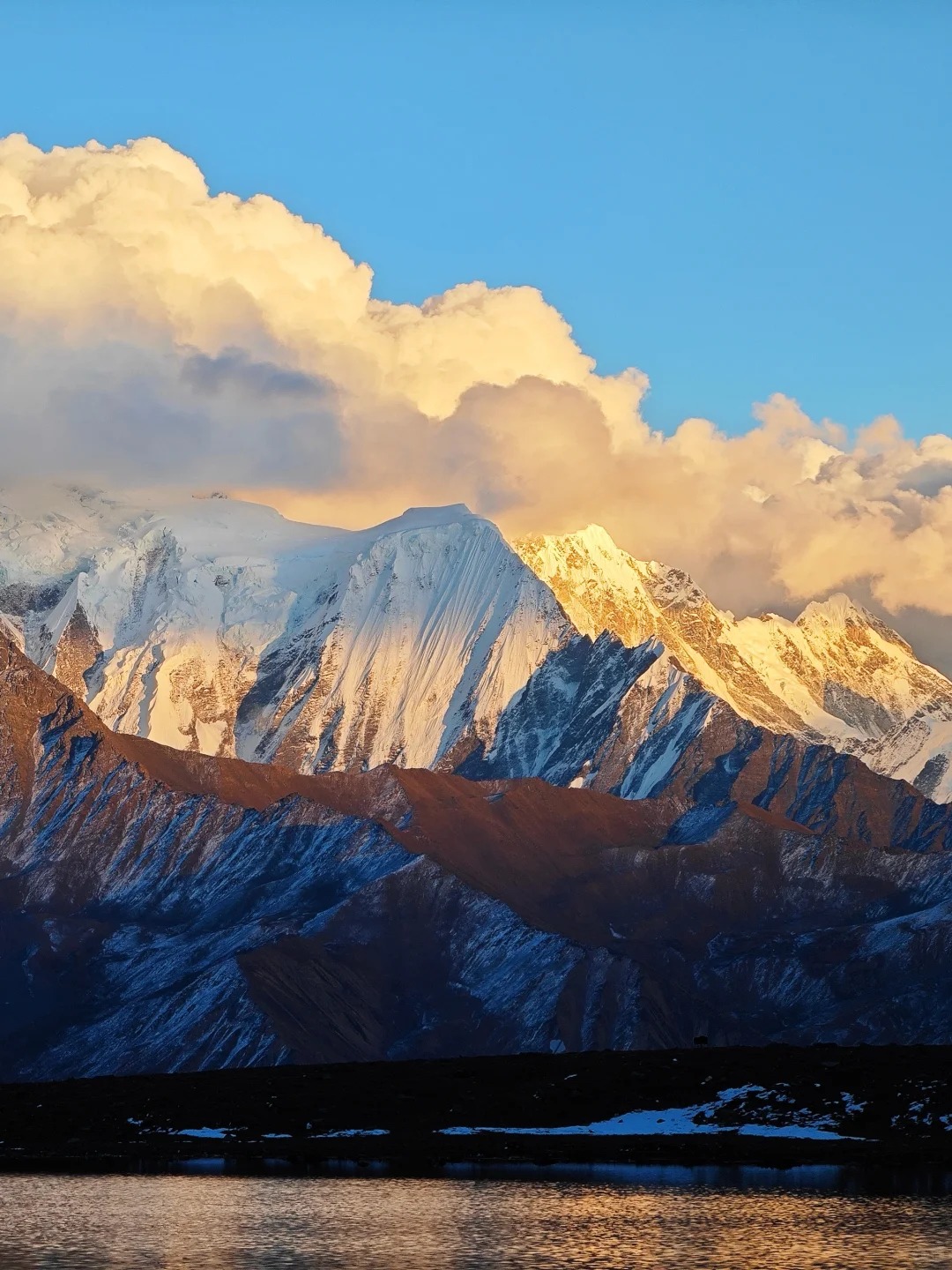
We arrived at the base camp at around 3,600 meters. The air was thin, and I felt the familiar tightness in my chest. From here, the real trek began. We started hiking toward the Gongga Monastery (Gongga Si). It is an ancient Tibetan Buddhist temple that looks like it is glued to the side of the mountain. The path was steep and uneven, winding through rhododendron forests and past prayer flags that snapped violently in the wind. With every step, the silence deepened. The roar of the distant river was my only company.
After a grueling three-hour hike, we reached the monastery. It is a humble structure, made of stone and wood, weathered by centuries of wind and snow. The walls were painted in vibrant reds and yellows, contrasting starkly with the grey rock and white snow. I sat on a stone wall outside the temple, breathing heavily, trying to catch my breath. I looked up.
The clouds were swirling violently around the peak. One minute it was hidden, the next a patch of white appeared. And then, suddenly, the wind changed direction. The mist lifted, and there it was. The Main Peak.
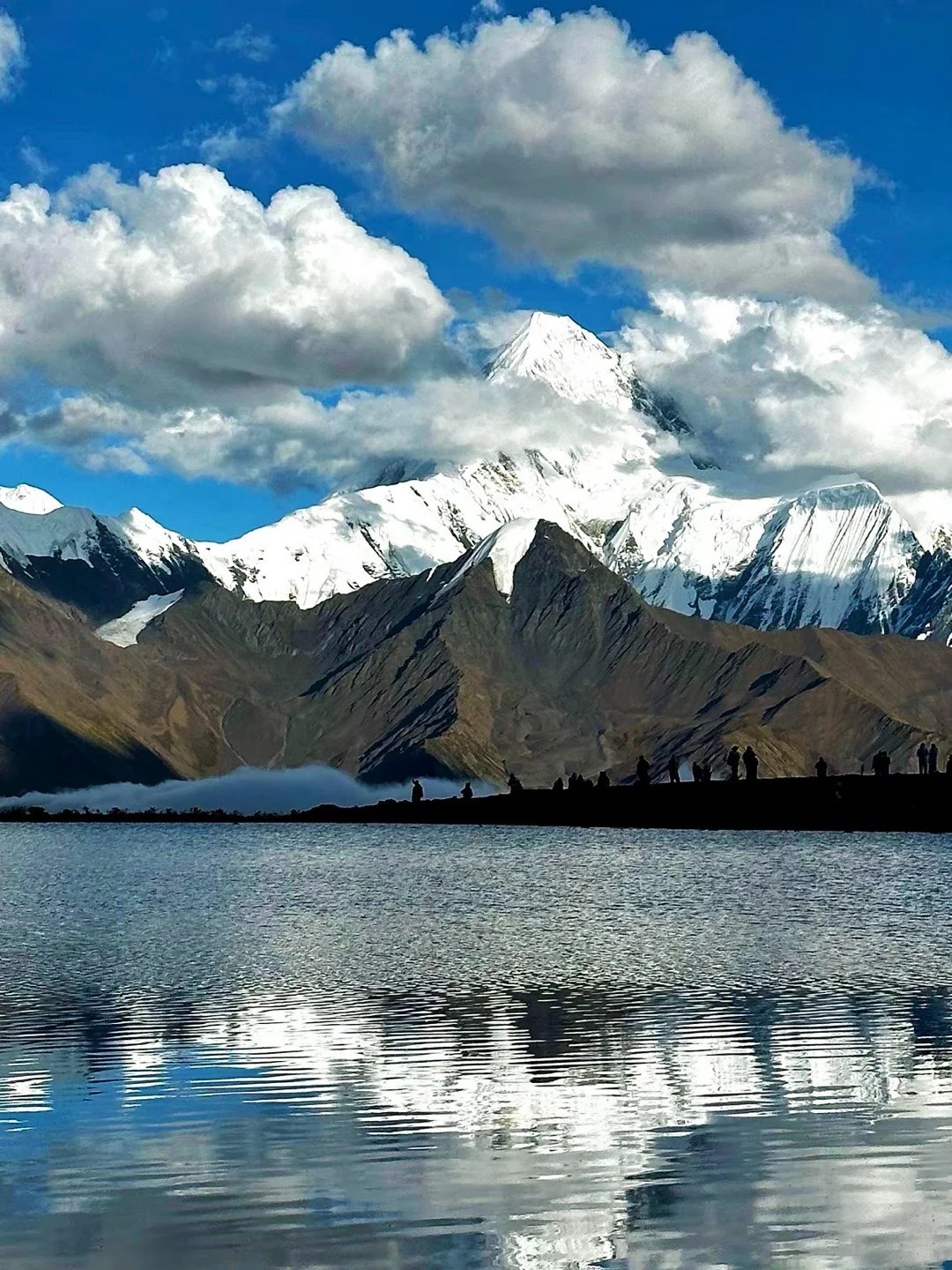
It is hard to describe the feeling. It was like looking at a wall of white gold. The peak was sharp, steep, and impossibly high. It looked so close yet so untouchable. The glaciers on its sides looked like frozen waterfalls, caught in the middle of crashing down. The sun was just starting to set, hitting the snow and turning it a brilliant pink and orange. It was the “Alpenglow,” a phenomenon I had only seen in photographs. Seeing it in person, feeling the cold air on my face and the sunlight on the snow, was a spiritual experience. I felt small. I felt insignificant. I felt tears prickling in my eyes. I wasn’t sad; I was just overwhelmed by the beauty of it. The world felt vast, and I was just a speck of dust.
We spent the night in a nearby guesthouse, a simple stone hut run by a local family. There was no heating, just thick yak wool blankets on the bed. The electricity was provided by a generator that turned off at 9 PM. In the darkness, the silence was absolute. The wind howled outside, rattling the windows. I lay in my sleeping bag, listening to the mountain. It felt like the mountain was breathing.
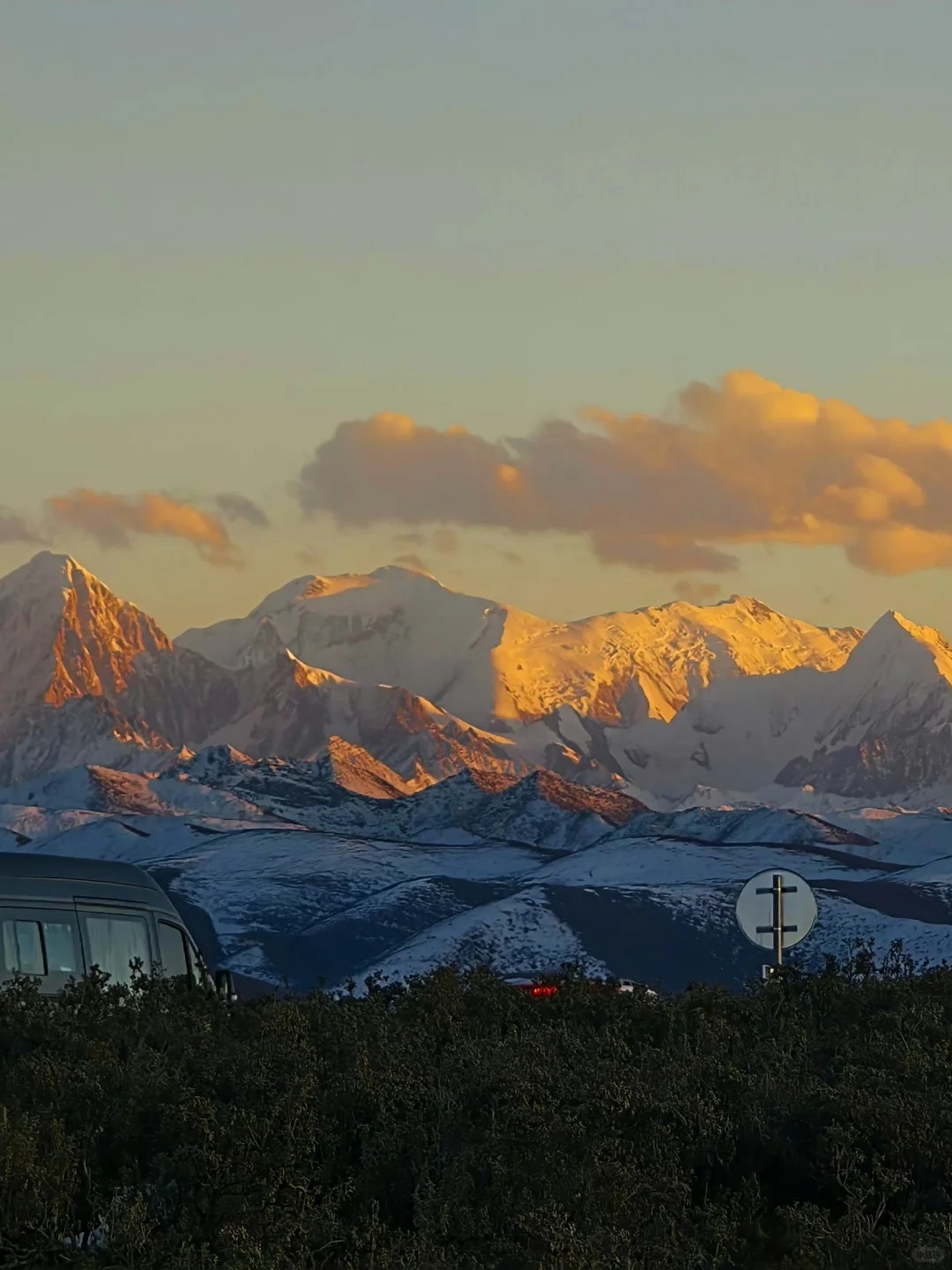
The next morning, I woke up at 5 AM. I stepped outside into the freezing dark. The sky was clear, filled with millions of stars. The air was so cold it hurt to breathe. I waited. Slowly, the eastern horizon began to lighten. The stars faded. The mountains turned from black to dark blue to purple. And then, the sun breached the horizon. A beam of golden light shot out and hit the tip of Gongga. It was a single moment of fire. The peak turned into a burning torch of light. It was the “Golden Summit.” I watched the light move down the mountain, illuminating the glaciers, the ridges, and finally the valleys below.
Later that day, I hiked to the edge of the Glacier. Standing on the terminal moraine, looking out over the ice, I could see the cracks and crevasses. The ice looked blue, a deep, surreal blue that looked almost alien. It is a dangerous place; the ground underfoot was loose and unstable. I could hear the glacier moving, the deep rumble of the ice shifting. It sounded like a beast growling in its sleep.
Climbing down from the mountain, I felt a sense of gratitude. Gongga is a sacred mountain to the local Tibetans. They believe the gods live on the summit. They do not climb it; they circumambulate it (Kora). I felt a deep respect for this belief. Standing in its presence, I didn’t want to conquer it. I just wanted to witness it. I wanted to let it be.
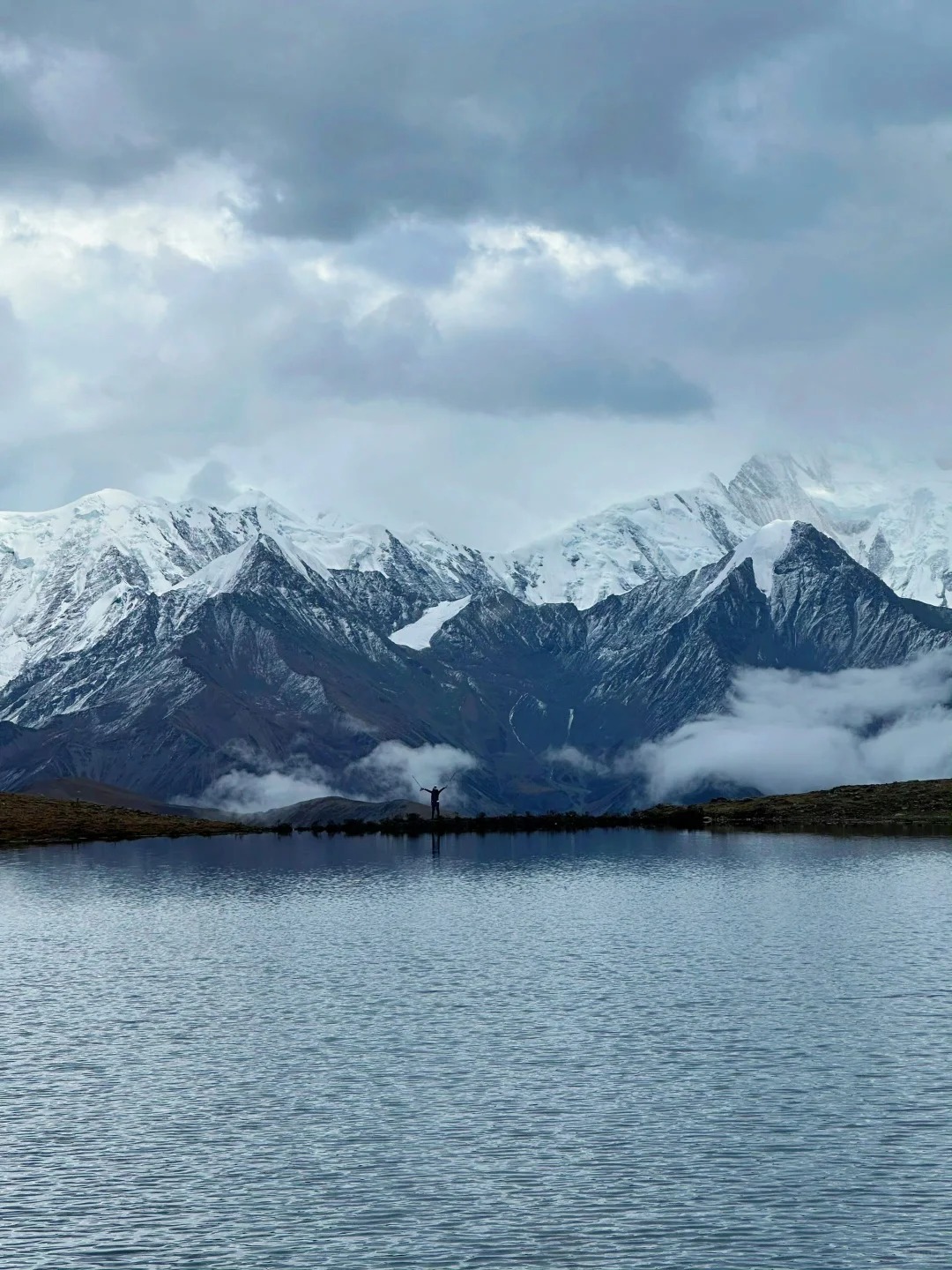
If you are an adventurer, a photographer, or someone who seeks silence, Gongga Snow Mountain must be on your list. It is not an easy place to reach. The roads are rough, the altitude is punishing, and the weather is unpredictable. But that is the point. Beauty shouldn’t be easy. The harder the journey, the more magnificent the reward. Standing before the King, watching the sunrise paint the snow, is a moment that will stay with you for the rest of your life. It is the rawest, most beautiful face of nature.