The growl that greeted our reinforced bus at the Northeast Tiger Park wasn’t the full-throated roar of cinema. It was lower, a visceral vibration that came up through the tires and into my spine—a rolling, diesel-like rumble that spoke of sheer mass and latent power. This is not a zoo; it’s a semi-wild kingdom, one of the world's largest breeding and conservation bases for the endangered Amur tiger, and it operates on the tigers' terms.
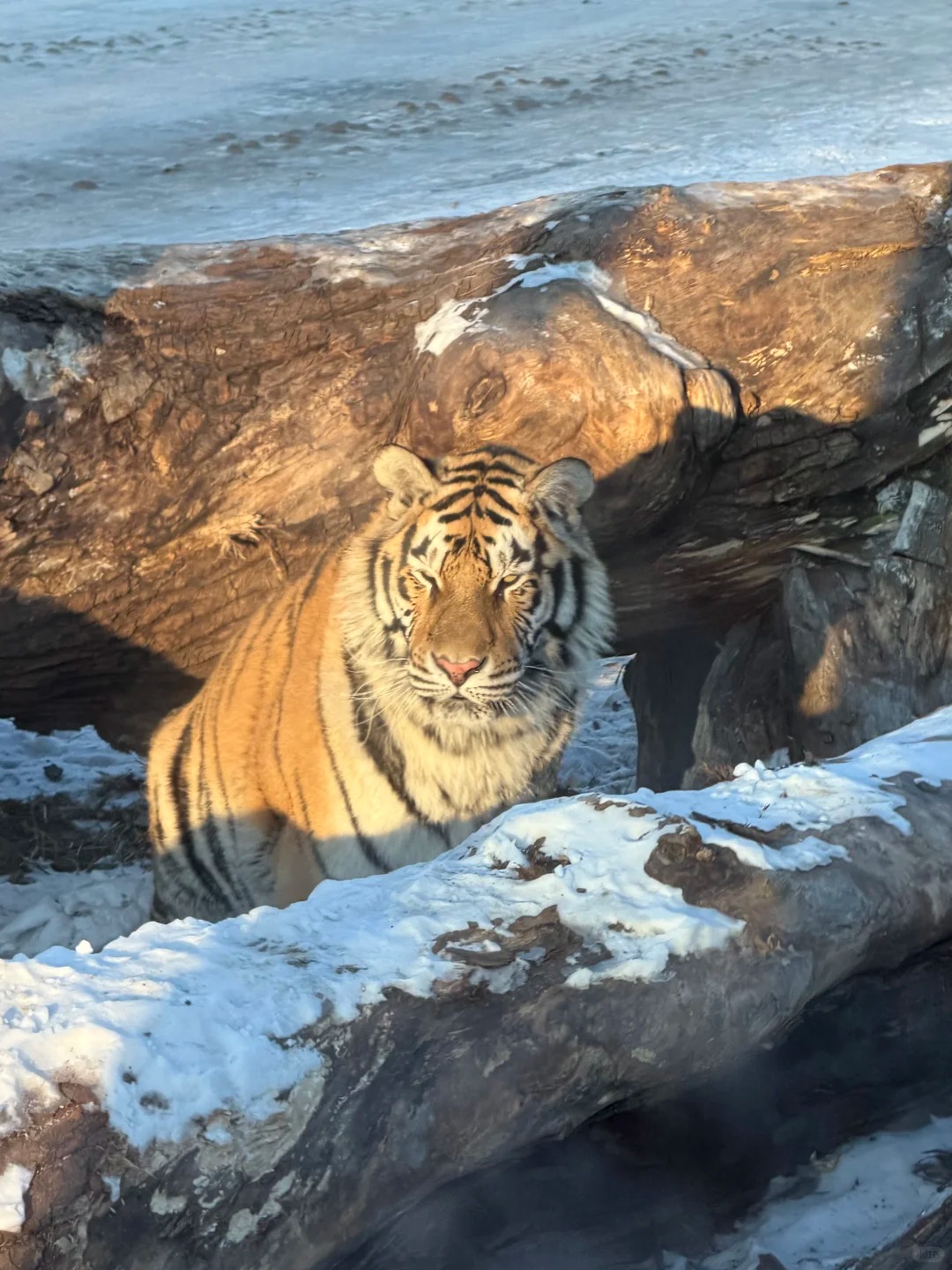
The park is divided into vast, open areas simulating different habitats: woodland, grassland, and rocky terrain. Visitors observe from the safety of caged buses or enclosed walkways. My first real sighting was of a massive male, his orange coat brilliant against the stark white snow, lounging on a rocky outcrop. He turned his head slowly, and his amber eyes locked onto the bus. There was no fear, no curiosity even—just a calm, absolute acknowledgment of his domain. That gaze, indifferent and potent, was worth the entire journey.
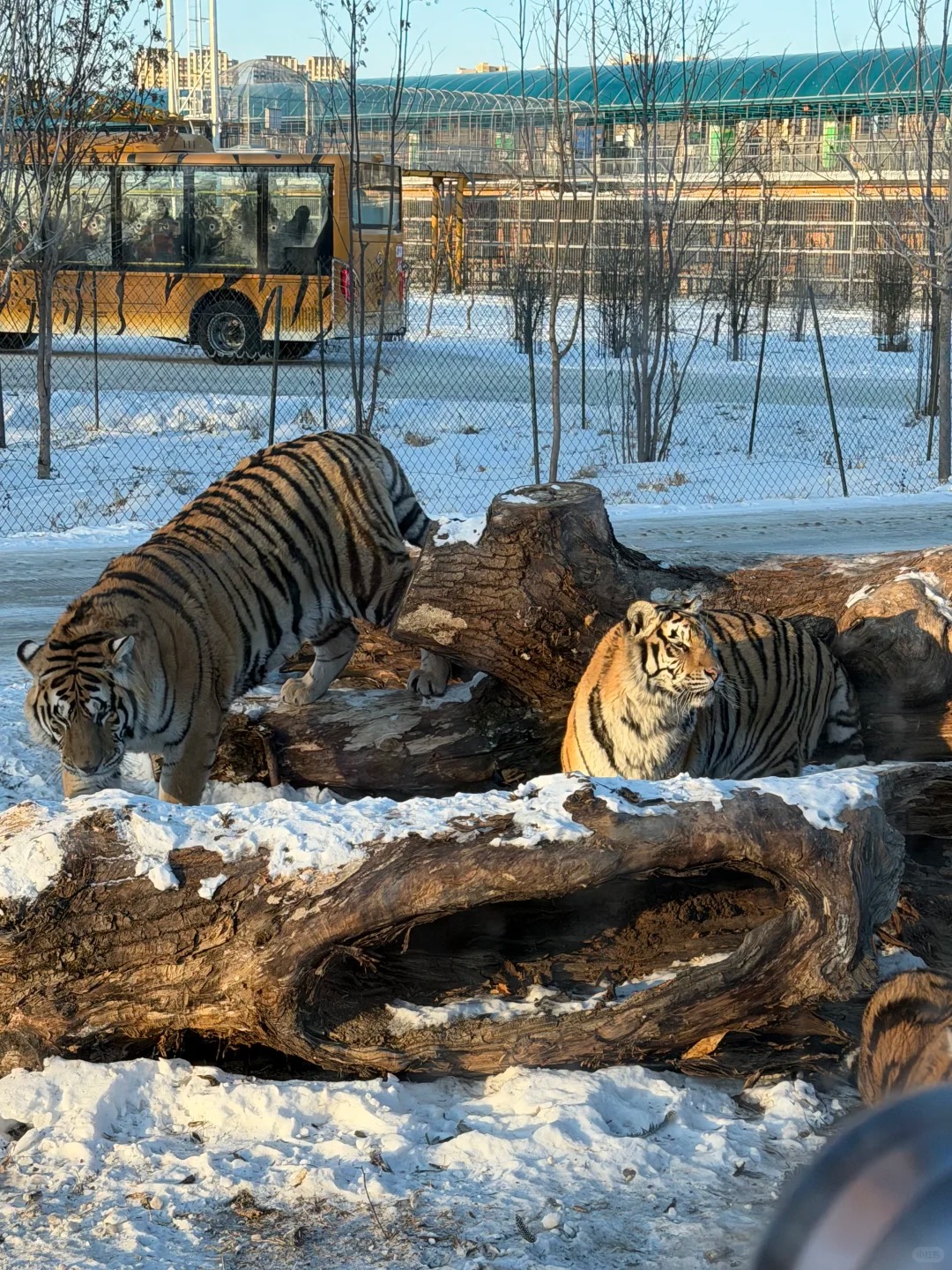
The highlight for many is the feeding tour. From a secured observation tower, park staff launch live chickens or chunks of beef into a designated area. What follows is a breathtaking, and admittedly raw, display of primal athleticism. Tigers that moments before seemed lazy and ponderous explode into motion. The acceleration is shocking, a blur of orange and black culminating in a powerful leap. It’s nature stripped of sentiment, a necessary reminder of the predator these conservation efforts are trying to save. It’s not presented as entertainment, but as education—a window into the behaviors that ensure survival in the wild.
But the park offers softer moments too. At the cub interaction area (for an additional fee), I had the chance to bottle-feed a three-month-old tiger cub. Holding the squirming, fuzzy bundle, listening to its surprisingly loud purr vibrate through my gloves, was a profoundly moving experience. The contrast between this vulnerable infant and the formidable adults was stark, highlighting the park’s dual mission: to foster awe for the species' power and a protective instinct for its future.
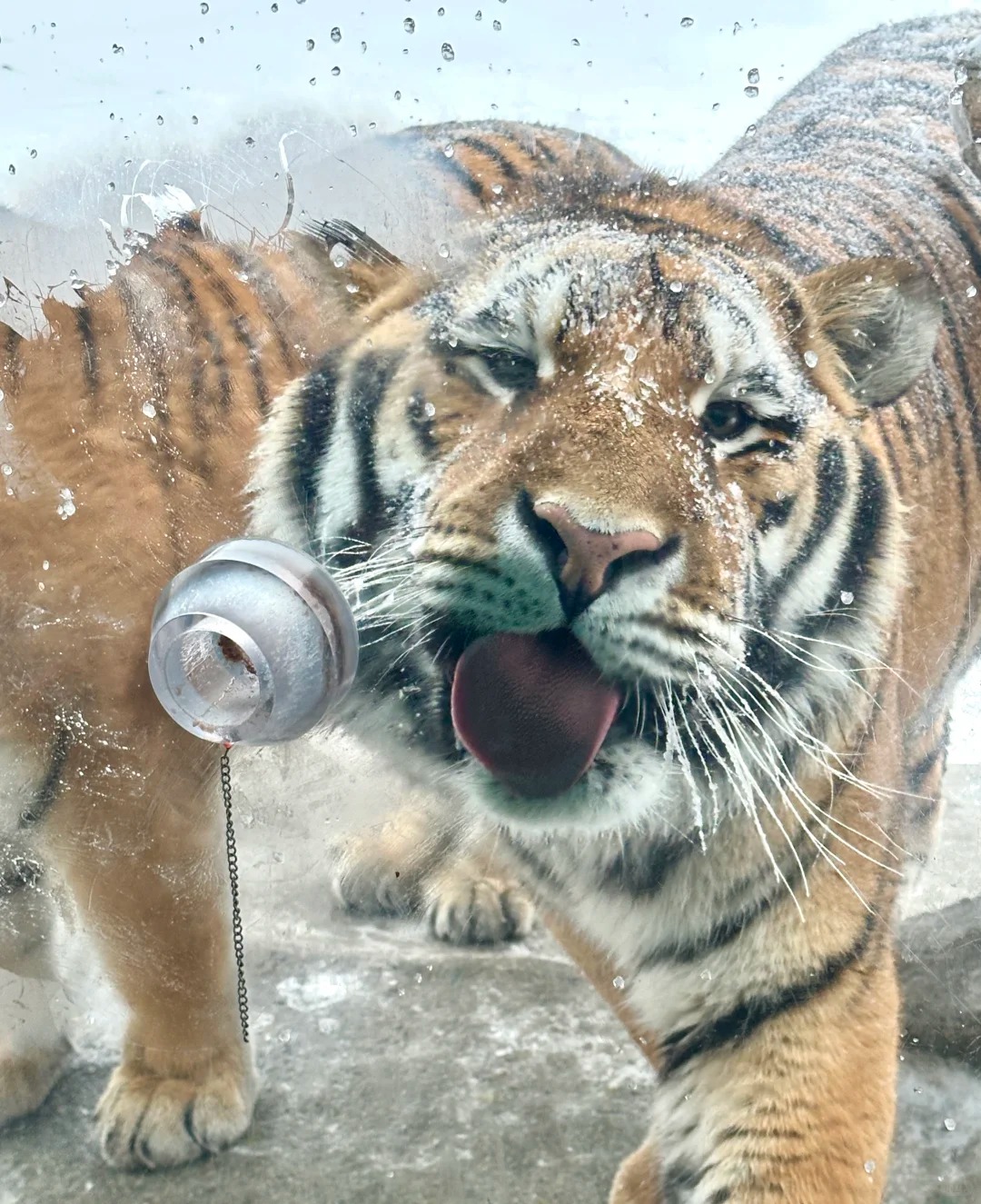
Walking the elevated pathways later, I saw tigers swimming in purpose-built pools (they are strong swimmers), playing with enrichment toys, and interacting in complex social groups. Informative signs detail the threats they face—habitat loss, poaching—and the park’s successful breeding programs. The message is clear: these are not prisoners, but ambassadors.
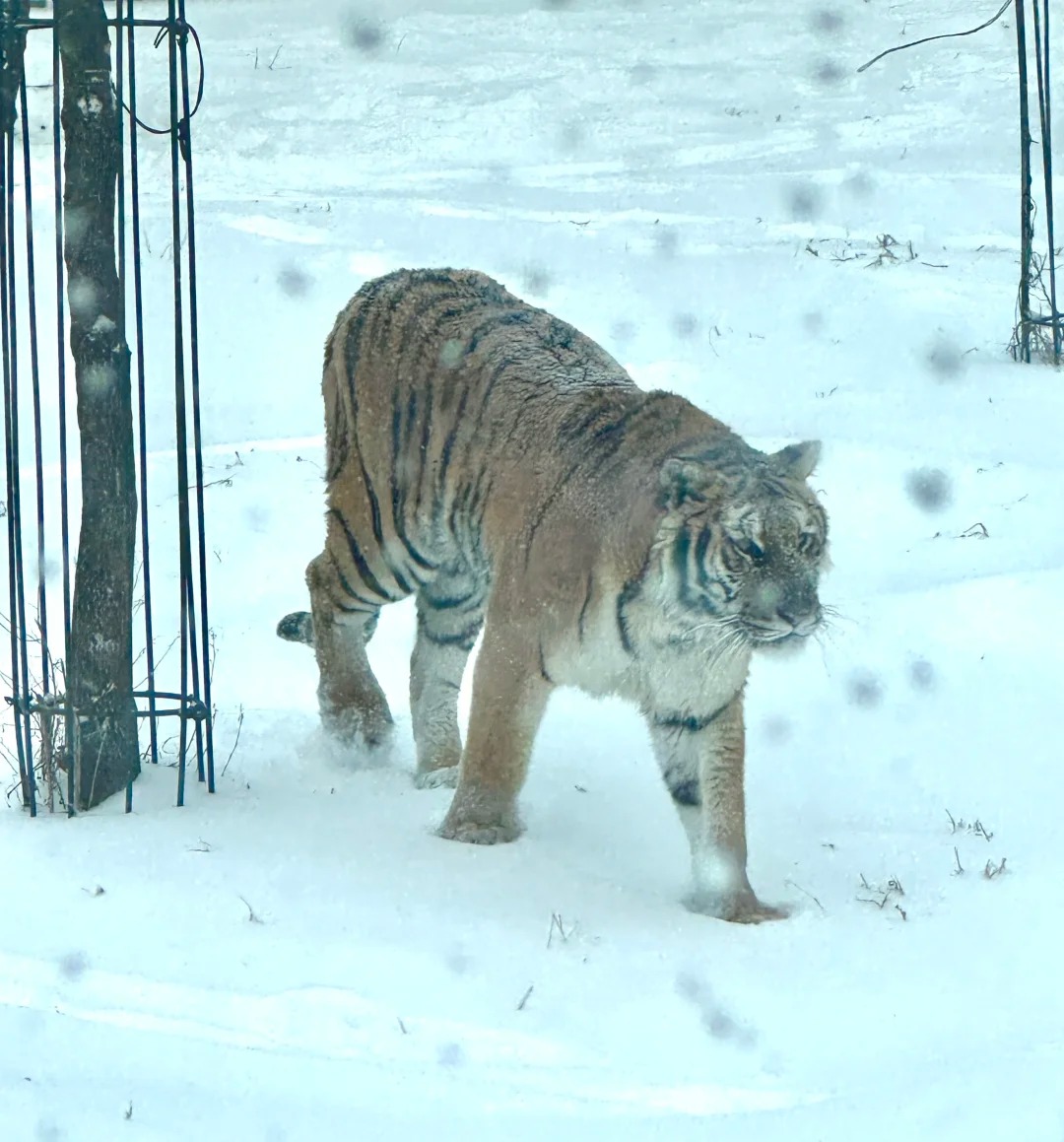
Leaving the park, the memory of that first low growl lingered. The Northeast Tiger Park doesn’t sugarcoat the wild nature of its residents. It provides an unfiltered, respectful, and ultimately humbling encounter with one of the planet's most magnificent and vulnerable predators. It’s an experience that resonates long after you've warmed up, a crucial piece of understanding the complex natural heritage of Northeast China.