They say you can’t have it all, but Shapotou laughs in the face of that saying. Before I set foot in Zhongwei, Ningxia, I couldn't conceive of a place where the brutal, endless gold of the Tengger Desert could abruptly crash into the life-giving, emerald-tinged currents of the Yellow River. It sounds like a paradox, a glitch in the matrix. But standing there, wind whipping sand into my hair, watching a sheepskin raft bob precariously on the water, I realized this wasn't just scenery. It was a collision of worlds.
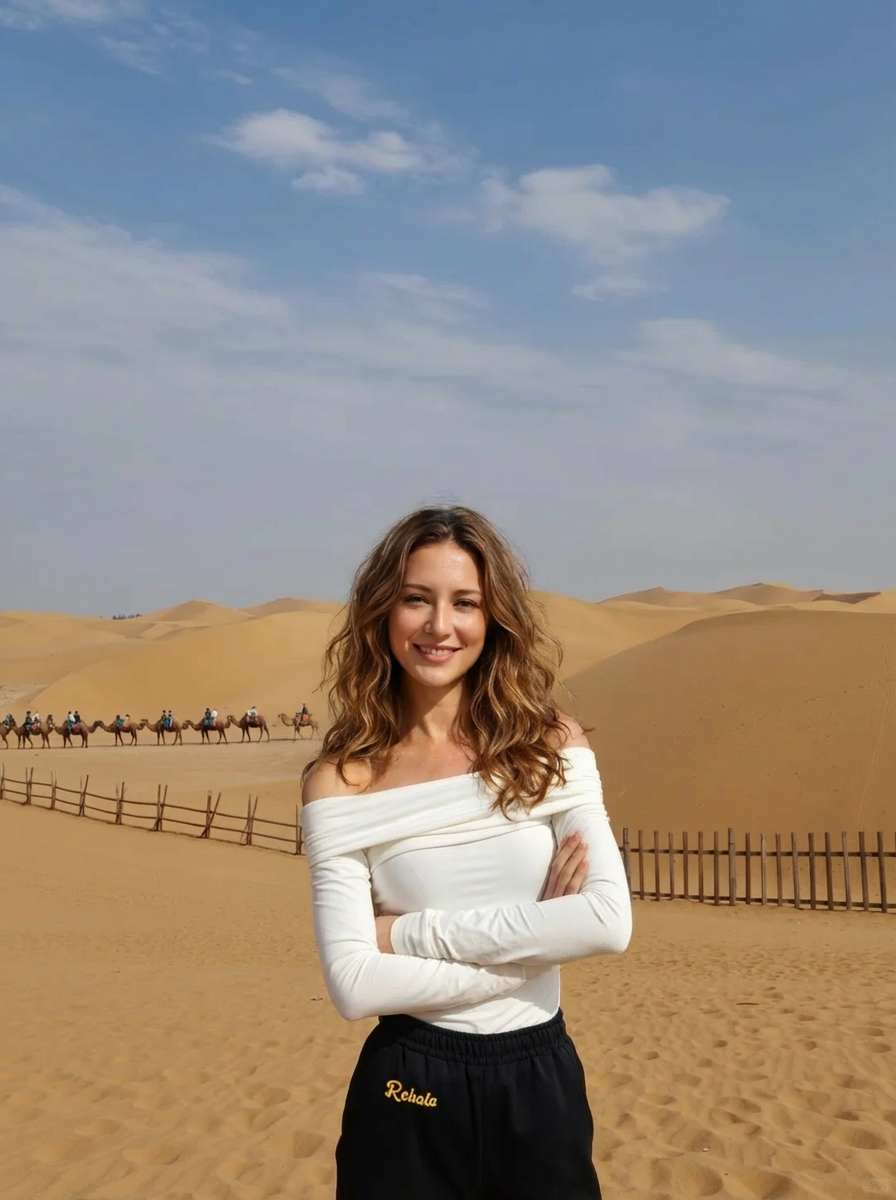
I remember my arrival vividly. It wasn't the air-conditioned, sterile transfer of a typical tour. I took a local train that chugged slowly through the arid landscapes of northwest China. The air grew drier, the sun harsher. By the time I reached the scenic area, the first thing that hit me wasn't the view—it was the sound. It was a low hum, a vibration in the air. They call it the "Bell Sand" (Mingfusha). When the wind slides over these massive dunes, the sand sings. It’s eerie and magnificent, like the desert is breathing.
The Leap of Faith: Sand Sliding
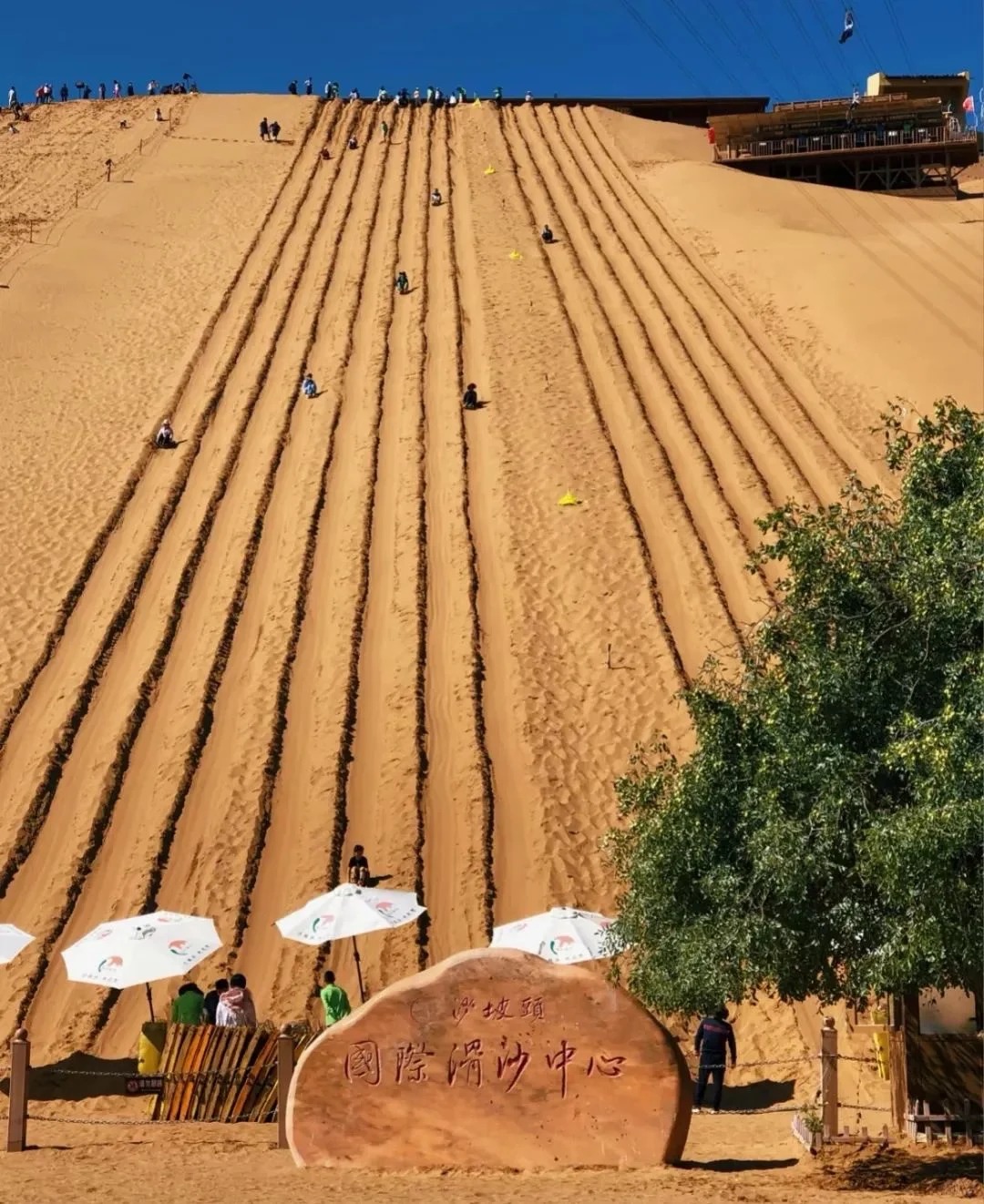
Standing at the top of the "King of Sand Hills," a 100-meter steep slope dropping straight towards the riverbank, my heart did a little somersault. The view from up here is the kind that ruins other views for you. To my north, the Tengger Desert stretches out into infinity—a sea of undulating gold waves that look soft but feel gritty and real. To my south, lush green oases and the snaking Yellow River form a picture of pastoral calm.
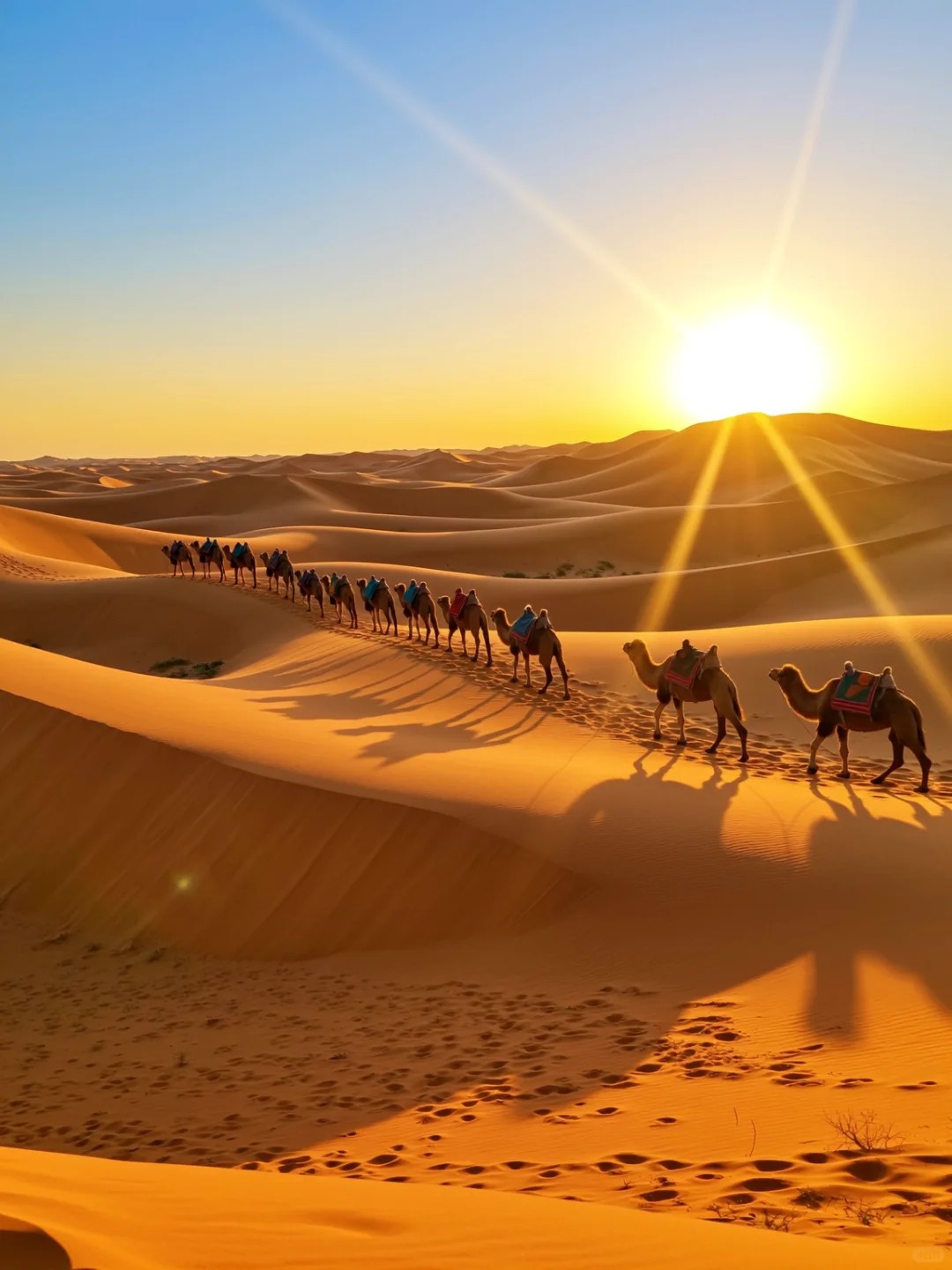
"Go on!" a local guide shouted, grinning. I sat on the sand sled. The friction of the sand here is unique; it doesn't just slide; it roars. As I pushed off, the world blurred. The rush of wind, the golden grains flying, the adrenaline spiking—it was pure, unadulterated joy. For a few seconds, I wasn't a tourist; I was just a speck of dust tumbling down the spine of the earth. When I hit the bottom, breathless and covered in fine sand, I looked up at the towering wall of gold I had just conquered. I felt small, but infinitely alive.
Riding the Sheepskin Raft: A Dance with History
If sand sliding was the thrill, the sheepskin raft was the soul of Shapotou. This is no modern kayak experience. We’re talking about a vessel made of inflated whole sheepskins lashed to a wooden frame—a craft that has been used on the Yellow River for two thousand years.
I must admit, looking at the bloated, air-filled skins, I was skeptical. "Is this safe?" I asked the raft master, a weathered man whose face mapped the geography of the region. He didn't answer with words; he just laughed and motioned for me to sit.
Drifting on the Yellow River here is surprisingly gentle. The water is cold, a stark contrast to the burning sun overhead. As the raft master paddled, he began to sing a "Hua'er" (a local folk song style). His voice was raspy, piercing through the sound of the water. “High mountains, long rivers, the road is far…” In that moment, staring at the ancient Great Wall remnants crumbling on the distant cliffs, I felt the weight of centuries. I wasn't just floating on water; I was floating on history. This wasn't a "attraction"; it was a living, breathing slice of the Silk Road that somehow survived into the 21st century.
Sunset and Solitude
The real magic happened after the tour buses left. I chose to stay in a desert hotel deep within the scenic area. As the sun began to dip, the harsh white light softened into a bruising purple and deep orange. The temperature dropped rapidly. I walked out onto a dune, away from the glamping tents.
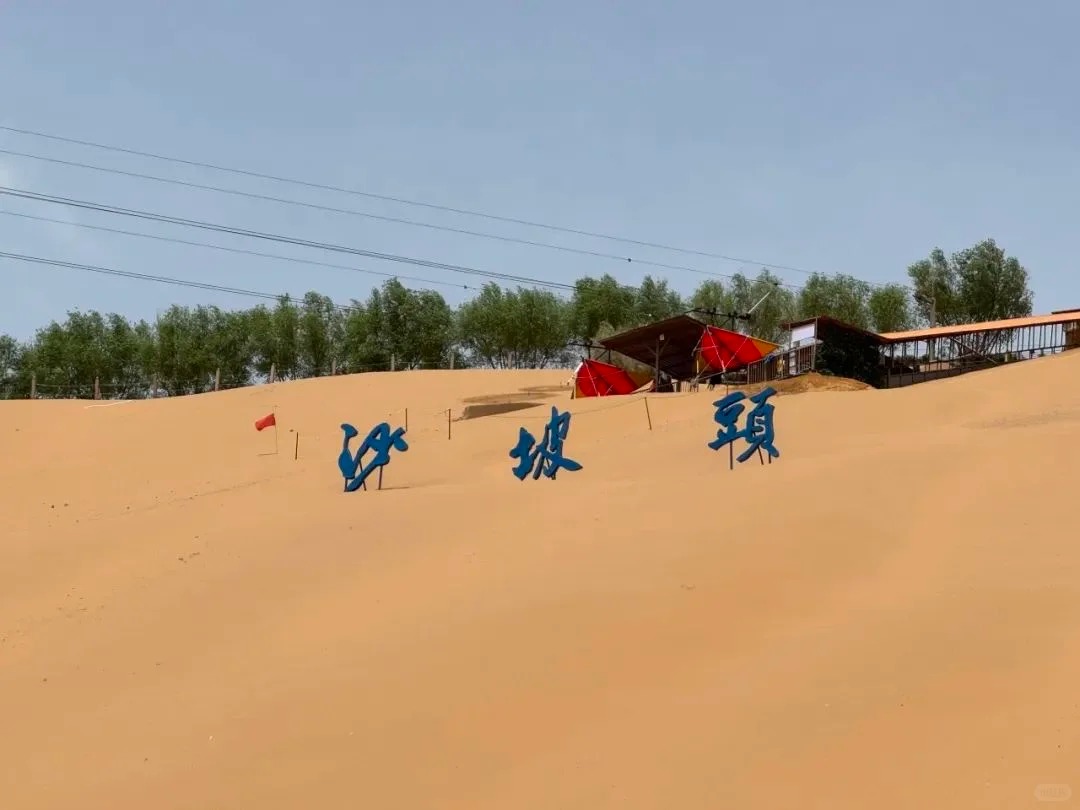
Silence in the desert is heavy. It presses against your ears. I sat there until the stars came out—so many stars it looked like someone had spilled milk across the black sky. The Milky Way wasn't a concept; it was a ceiling. I took a sip of the local Xixia beer I had brought along. It tasted crisp, washing down the dust of the day.
Shapotou isn't just a scenic spot.
It’s a place that forces you to confront the vastness of nature. You leave with sand in your shoes that you’ll be finding for weeks, but more importantly, you leave with a sense of awe that stays with you forever.