They call Tongli the “Venice of the East,” but that does it a disservice. Tongli isn’t a grand opera; it’s a gentle, watery lullaby. I arrived early, before the day-trip crowds from Shanghai, when the mist still clung to the network of canals like cobwebs.
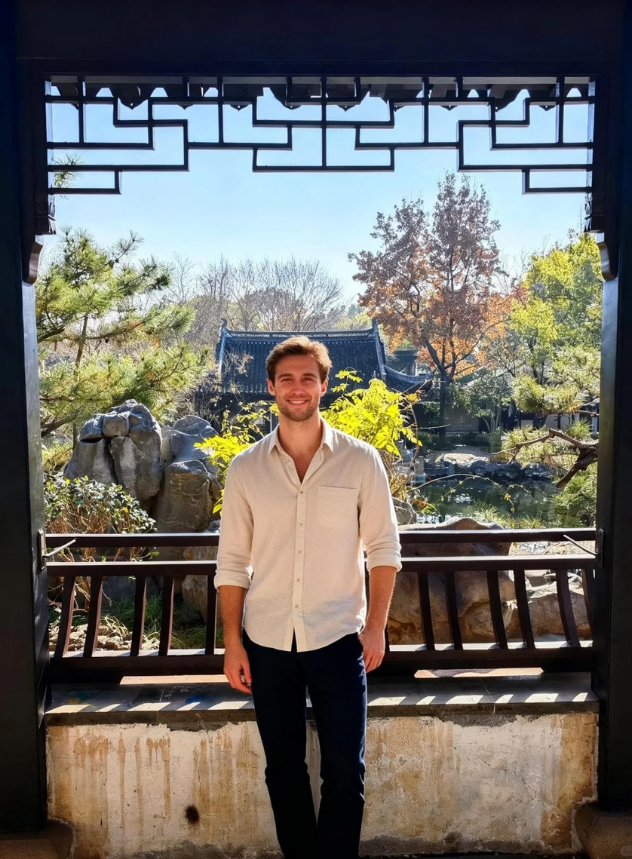
My guesthouse was right on the water, accessible only by a slender stone bridge. The owner, Mrs. Wu, greeted me with a bowl of freshly made zongzi (sticky rice dumplings) wrapped in bamboo leaves. “Eat,” she said. “Then go get lost. That’s the only way to see Tongli.” So I did.
The town is built on a latticework of 15 canals, crisscrossed by 49 ancient stone bridges. Each bridge has a name and a story: the “Bridge of Gathering Luck,” the “Bridge of Peace and Prosperity.” I started walking, my footsteps echoing on the worn flagstones. Laundry hung from wooden poles above the canals. An old woman in a blue apron washed vegetables in the river from a small dock. A cat slept soundly on a windowsill, a pot of scarlet geraniums beside it.
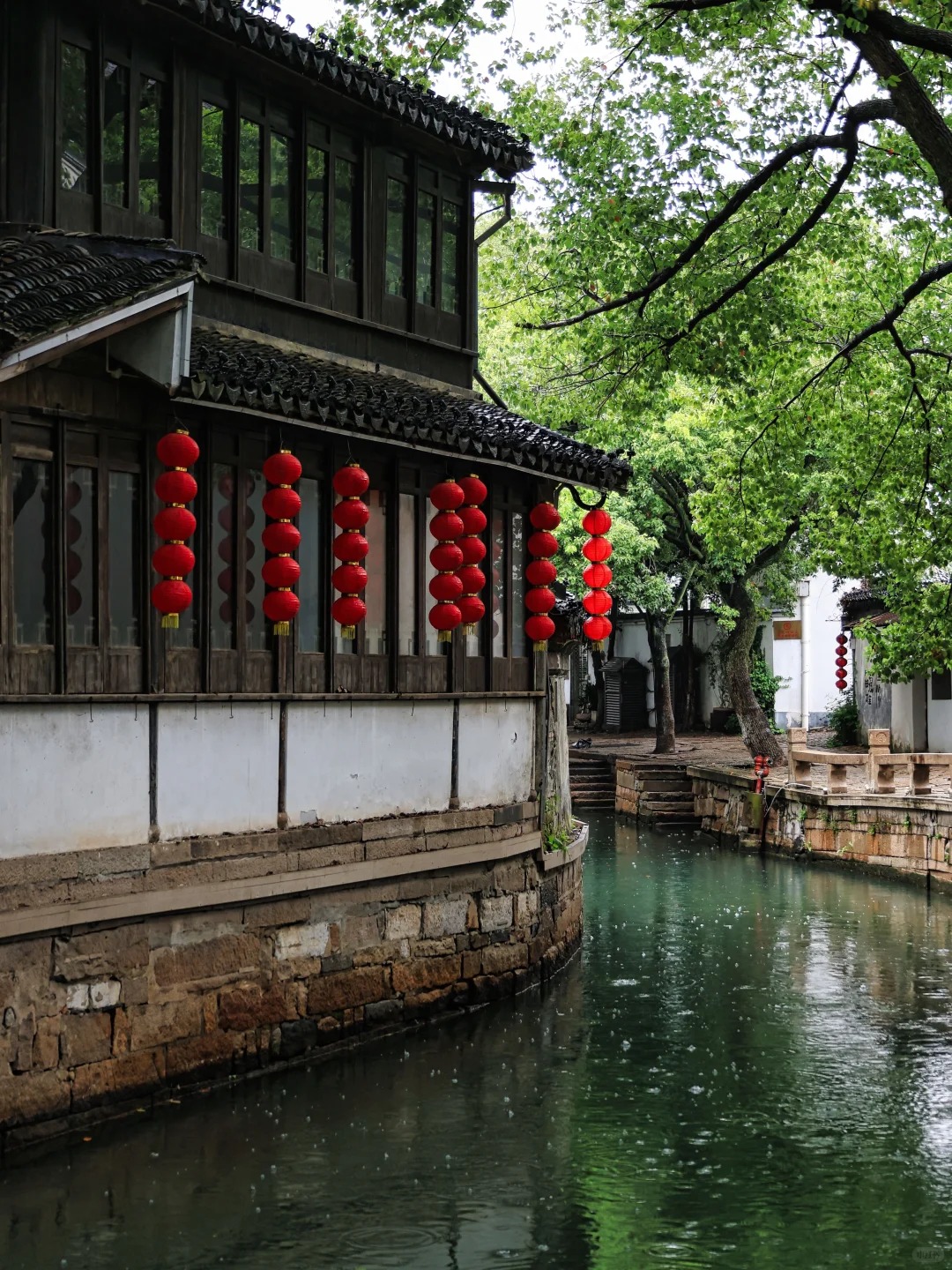
Unlike some ancient towns that feel like open-air museums, Tongli is stubbornly, beautifully lived-in. You peek through an open door and see a family eating breakfast around a courtyard, a bicycle propped against a Ming-dynasty screen wall. The sound of a Peking opera recording floated from a radio, mixing with the splash of a boatman’s oar.
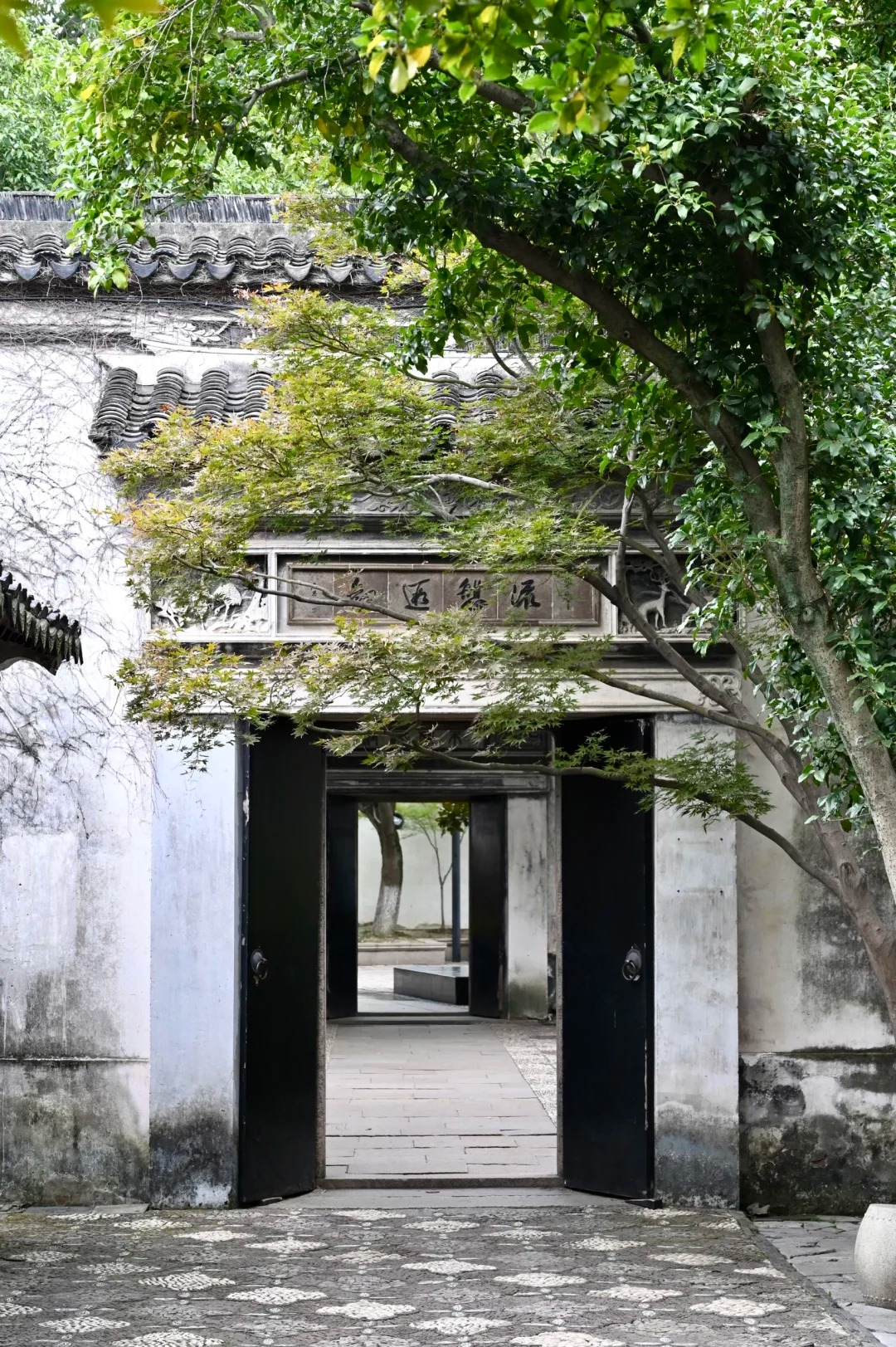
I paid the small fee to see the Tuisi Garden (“Garden of Retreat and Reflection”). It was more intimate and compact than Suzhou’s famous giants, with a clever use of water and mirrors to create an illusion of space. Sitting in its quiet pavilion, I understood its name. This was a place built by a retired official to “retreat from the world and reflect upon his past.” Tongli itself feels like that—a retreat from China’s roaring cities into a slower, more reflective pace of life.
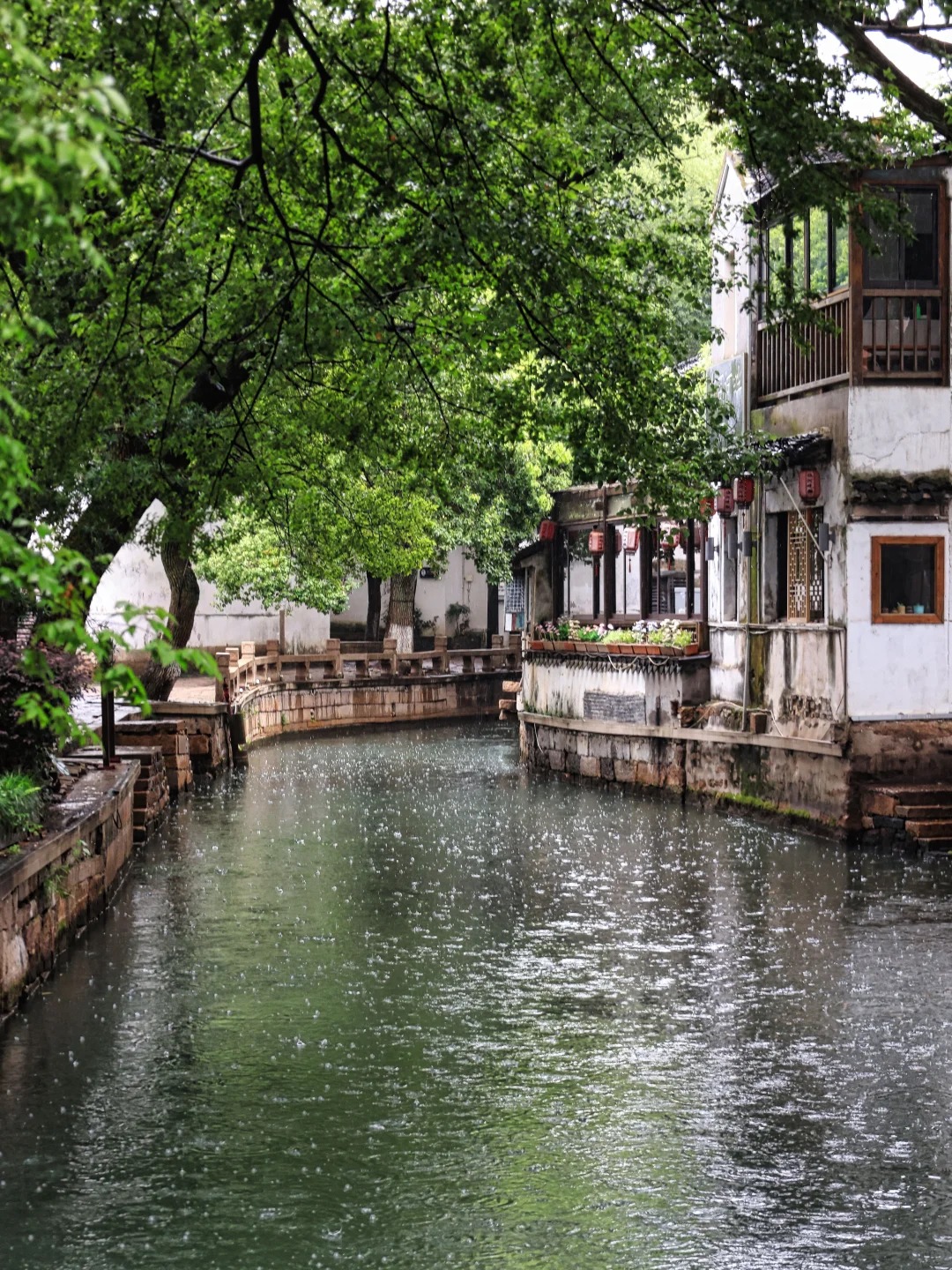
By late afternoon, I sat at a waterside tea house, sipping Biluo Chun green tea. Tour boats passed by, their guides’ amplified explanations in multiple languages bouncing off the water. But the essence of Tongli wasn’t in those boats. It was in Mrs. Wu hanging her sheets, in the soft clatter of mahjong tiles from a back room, in the way the setting sun turned the canals from green to liquid gold. Tongli isn’t just a place you see. It’s a rhythm you feel in your bones.