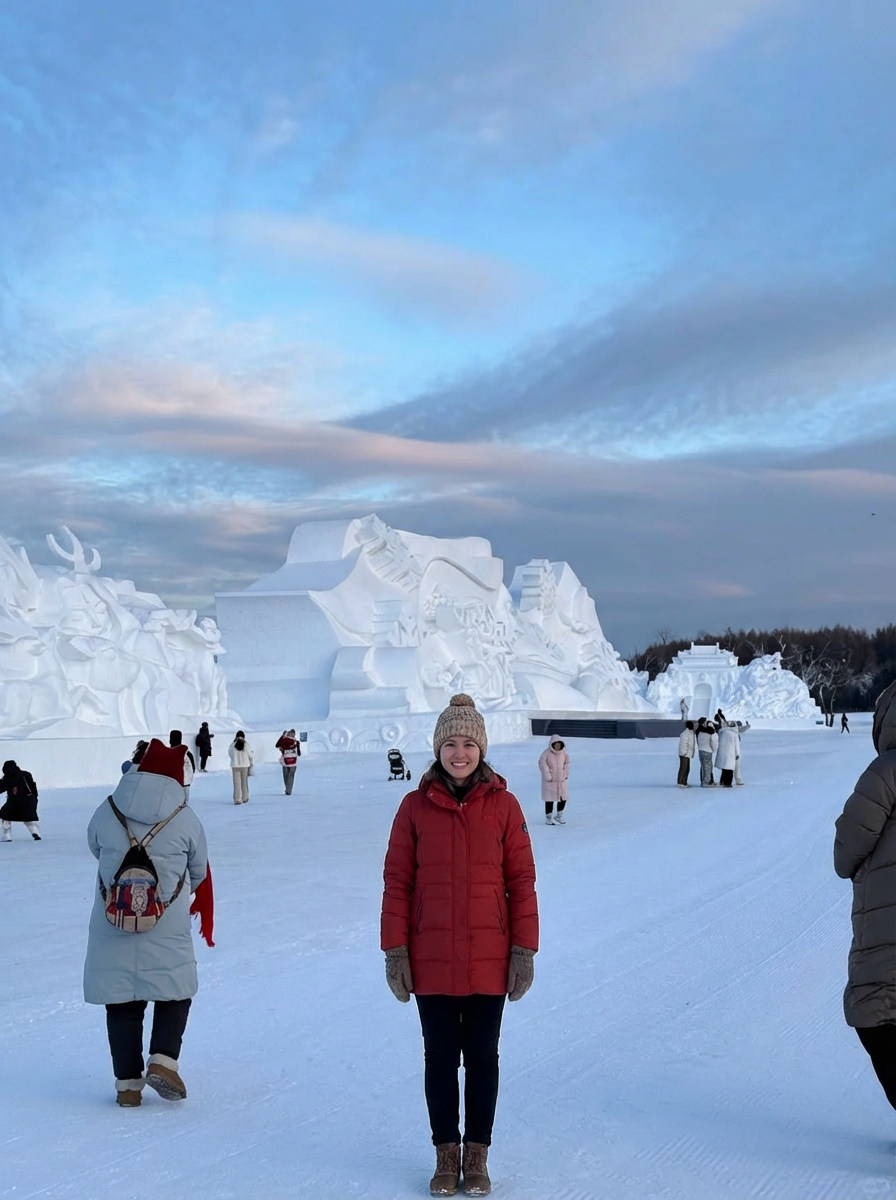
Jingyuetan National Forest Park: Changchun’s Green Lung and Winter Sports Paradise Abstract:
Discover Jingyuetan (Net Moon Lake), a massive man-made forest park that serves as the ecological heart of Changchun. From autumn foliage cycling to the international Vasaloppet ski race and massive winter ice sculptures, this article explores the park's dual identity as a serene nature retreat and a vibrant winter sports hub
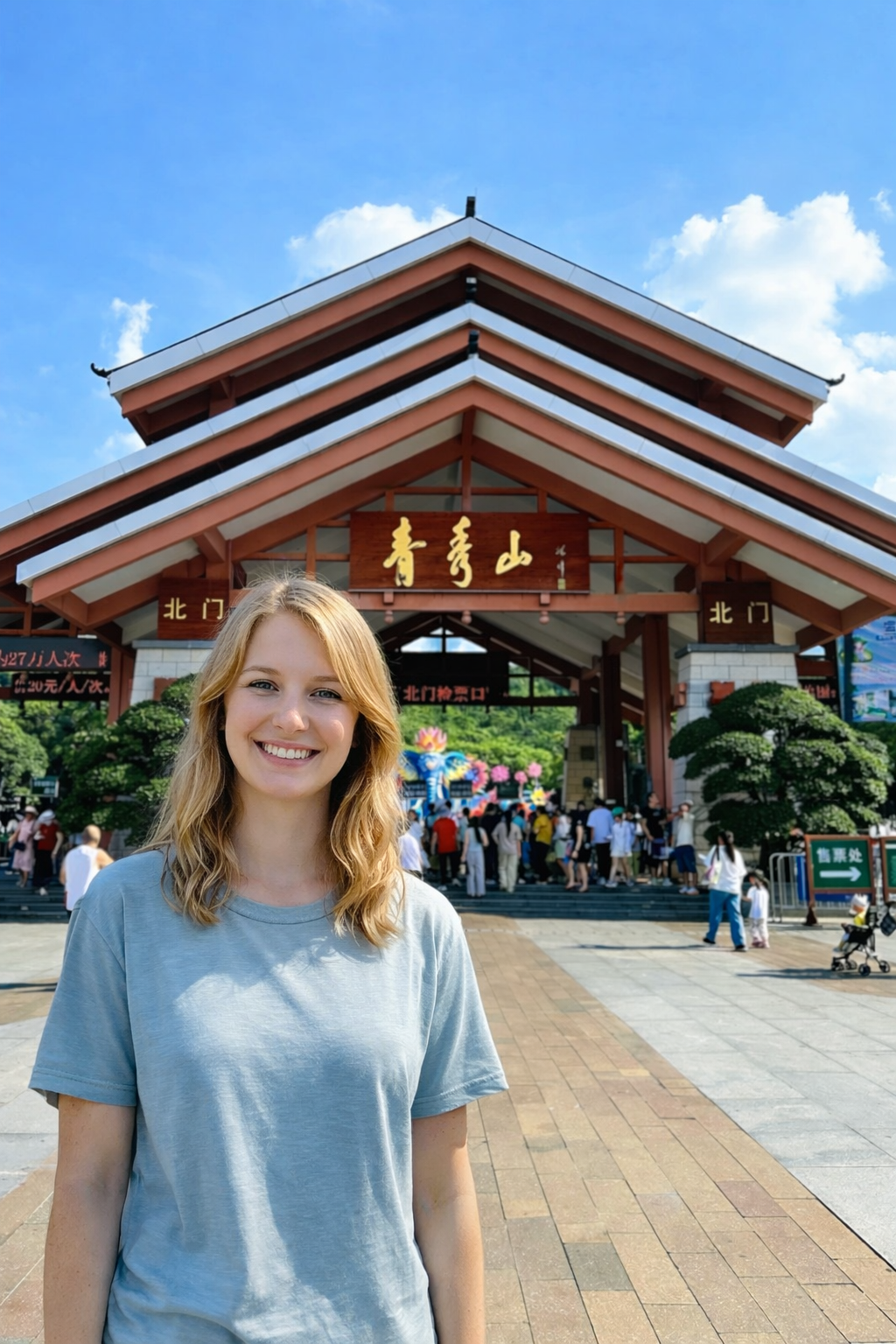
Qingxiu Mountain Guide: Discover Nanning’s Cultural & Natural Gem
a peaceful green oasis on the outskirts of Nanning. Seeking escape from the city’s hustle, the author details early-morning walks through banyan-lined paths, visits to the 600-year-old Shuiyue Nunnery with its serene lake and Buddhist murals, and interactions with local elders practicing tai chi and sharing tea. Highlights include panoramic views from the Qingxiu Mountain Pagoda, tasting authentic snail noodles at a mountain restaurant, and exploring the botanical garden with its diverse plant species and butterfly garden. The piece vividly portrays the mountain’s role as a cultural and natural sanctuary, blending ancient traditions with lush landscapes, and offers a perfect guide for travelers looking to unwind and connect with local culture in Nanning.
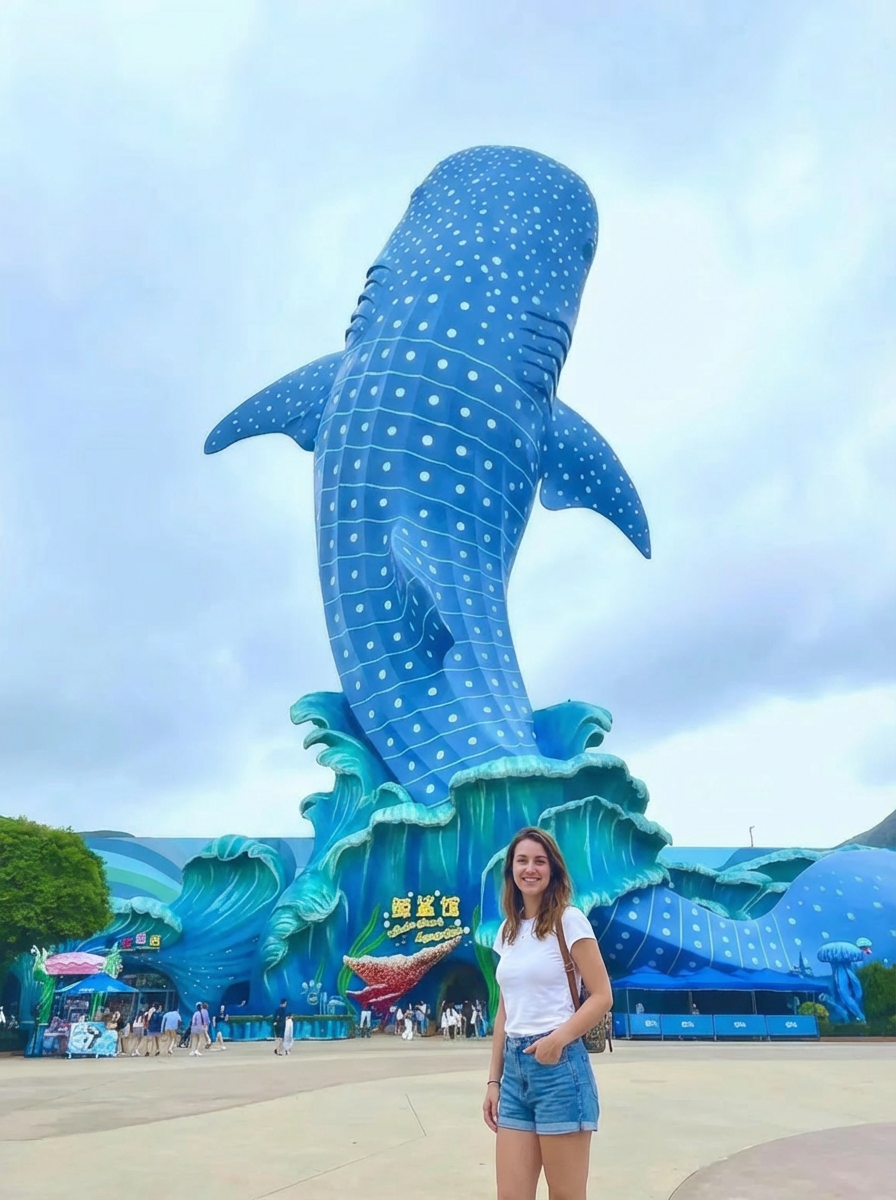
Zhuhai Chimelong Ocean Kingdom Review: Is the Whale Shark Aquarium Worth the Hype?
This travelogue recounts a personal, midweek visit to Zhuhai Chimelong Ocean Kingdom, focusing primarily on the emotional and sensory impact of the Whale Shark Aquarium. The author contrasts the "cathedral-like" atmosphere of the record-breaking main tank with the vibrant, chaotic energy of the park's outdoor parades. Key moments include a meditative 45-minute observation of the whale sharks and a playful interaction at the beluga exhibit. The story moves beyond typical theme park reviews to explore the feelings of awe, connection with nature, and the jarring but delightful shifts between the serene underwater world and the festive surface.

Beidaihe China: Ultimate Coastal Resort Guide – Beaches, Seafood & Relaxing Getaway
This article shares the author’s five-day relaxing vacation in Beidaihe, a famous coastal resort known as the “Pearl of the Bohai Sea” in Hebei Province, China. The author describes the refreshing sea breeze upon arrival, the experience of walking on the clean golden beach, and interacting with local fishermen mending nets. Highlights include waking up early to visit the harbor and buy fresh seafood for a delicious meal, hiking Lianfeng Mountain and enjoying the panoramic view of Beidaihe from Wanghai Pavilion, exploring Tiger Rock Park with its tiger-shaped rock formations, and riding a bicycle along the scenic coastal road. The author also enjoys local delicacies like Beidaihe pancake and seaweed jelly, and recounts peaceful evenings watching the sunset on the beach and making new friends. The article conveys Beidaihe’s charm as the perfect relaxing getaway, offering beautiful beaches, clear sea water, fresh seafood, and a pleasant summer climate.

Eastern Qing Tombs China: A Comprehensive Guide to Qing Dynasty Royal Mausoleums & Historical Relics
This article narrates the author’s visit to the Eastern Qing Tombs, a large and well-preserved Qing Dynasty royal mausoleum complex in Hebei Province, China. The author describes the solemn and mysterious atmosphere upon arrival, starting with the grand Grand Red Gate inscribed in three languages. Key experiences include walking along the 6.5-kilometer Sacred Way lined with exquisite stone carvings of animals and officials, visiting Xiaoling Mausoleum (Emperor Shunzhi’s mausoleum) with its yellow glazed tile Hall of Eminent Favor and well-preserved murals, exploring the excavated underground palace of Ding Mausoleum (Emperor Guangxu’s mausoleum) with its marble sarcophagi, and admiring the exquisite architecture of Yuling Mausoleum (Emperor Qianlong’s mausoleum). The author also shares insights from a professional guide about the mausoleums’ feng shui selection, strict royal funeral customs, and architectural hierarchy. Local snacks like royal cake are mentioned, and the article conveys the Eastern Qing Tombs’ significance as a treasure trove of Chinese history and architecture, offering a profound understanding of the Qing Dynasty’s rise and fall.

Ultimate Guide to Chengde Mountain Resort: History, Attractions, and Travel Tips
Discover the Chengde Mountain Resort, a UNESCO World Heritage site and former imperial summer retreat in Hebei Province, China. Built in the 18th century by Qing emperors, this vast complex spans over 560 hectares, blending palaces, temples, gardens, and natural landscapes. My journey began with a train ride from Beijing, leading to days of cycling through pine-scented paths, boating on serene lakes, and hiking to panoramic viewpoints. Highlights include the golden-roofed Danbo Jingcheng Hall, the massive Buddha at Puning Temple, and the Tibetan-inspired Putuo Zongcheng Temple. I encountered wildlife like grazing deer, savored local buckwheat noodles and roast lamb, and immersed in cultural shows of Manchu dances. Mishaps like a runaway horse added fun, while interactions with locals revealed stories of the site's revival. Ideal for history buffs and nature lovers, visit in autumn for vibrant foliage. Practical tips: Rent bikes, wear comfy shoes, and stay in family-run guesthouses for authentic experiences. This escape offers a perfect harmony of imperial grandeur and tranquil beauty, making it a must-see for any China traveler.

Yimeng Mountain Travel: Experience the Red Revolutionary Spirit & Lush Green Landscapes of Shandong
Journey into the soul of Shandong at Yimeng Mountain, where revolutionary history intertwines with stunning natural beauty. This personal account explores memorial villages, verdant waterfalls, and warm local hospitality, revealing a land of profound resilience and peace.
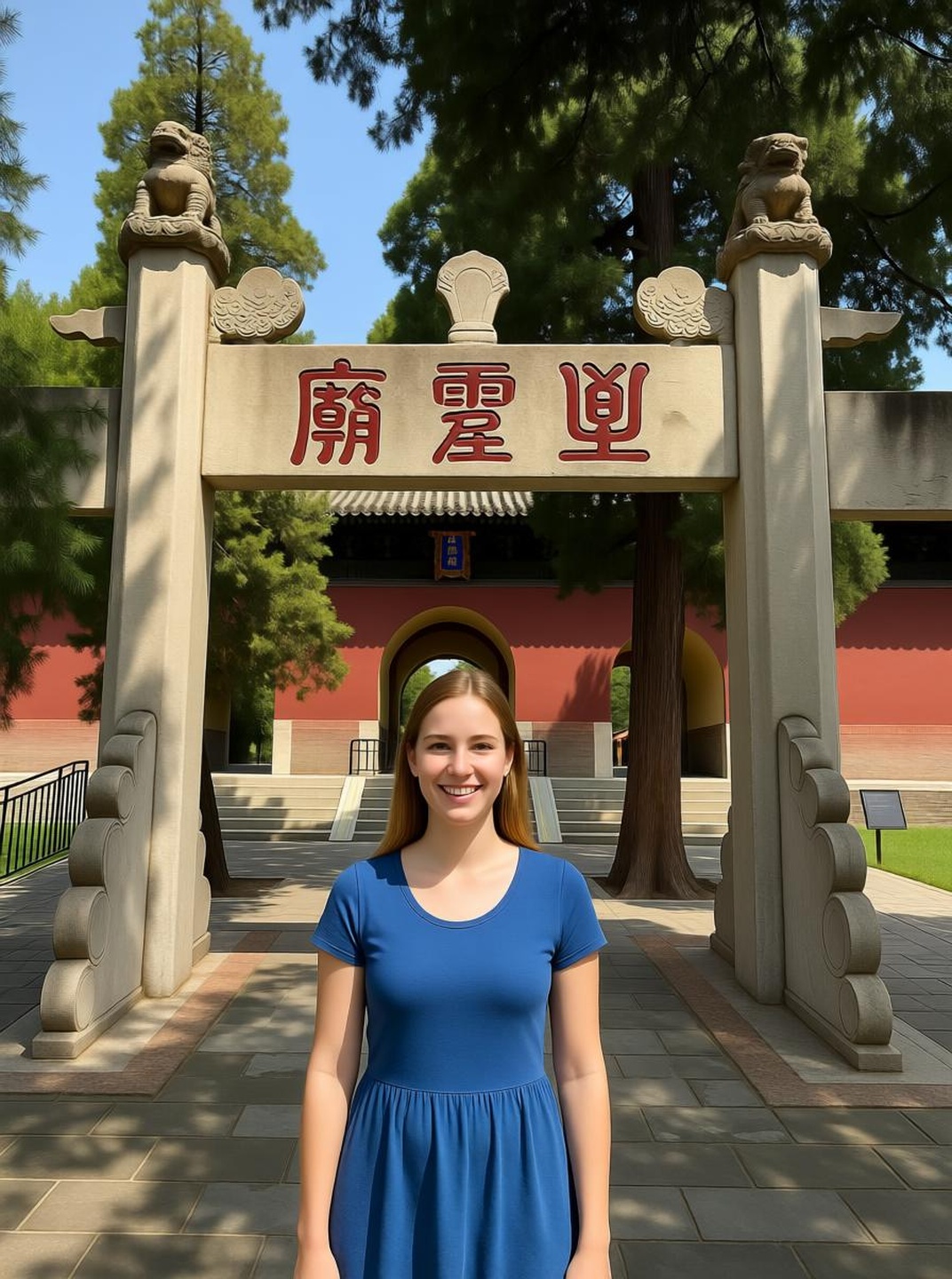
Qufu Travel Guide: Walking Through History at the Three Confucian Sites (Temple, Mansion, Forest)
Step into the living heart of Confucianism in Qufu. This personal exploration of the Temple, Family Mansion, and Forest reveals not just ancient architecture, but the enduring pulse of a philosophy that shaped a civilization. Discover where stone stelae, family rituals, and a sacred forest keep a sage’s wisdom alive.

Wudang Mountain Hiking Guide: Taoist Temples, Tai Chi, and the Golden Summit Sunrise
This article takes the reader on a spiritual and physical journey up Wudang Mountain, the cradle of Taoism and Tai Chi. The narrator describes the grueling hike up the ancient stone steps, the serene atmosphere of the Purple Heaven Hall, and the mesmerizing sight of martial arts students practicing in silence. The climax of the story is the sunrise at the Golden Summit, where the author witnesses the famous "sea of clouds," experiencing a moment of perfect harmony between nature and the self.

Zhouzhuang Ancient Town Suzhou: Overnight Guide, Boat Rides & Avoiding Crowds
This travelogue argues for an overnight stay in Zhouzhuang to experience its authentic charm beyond the famous crowds. It contrasts the hectic daytime atmosphere with the serene, magical hours of early evening and dawn, when the canals belong to residents and the glow of lanterns reflects on quiet water. Details of a night boat ride and exploring ancient mansions like the Shen House paint a picture of a living water community, offering practical advice for travelers seeking the soul of this iconic “No. 1 Water Town.”
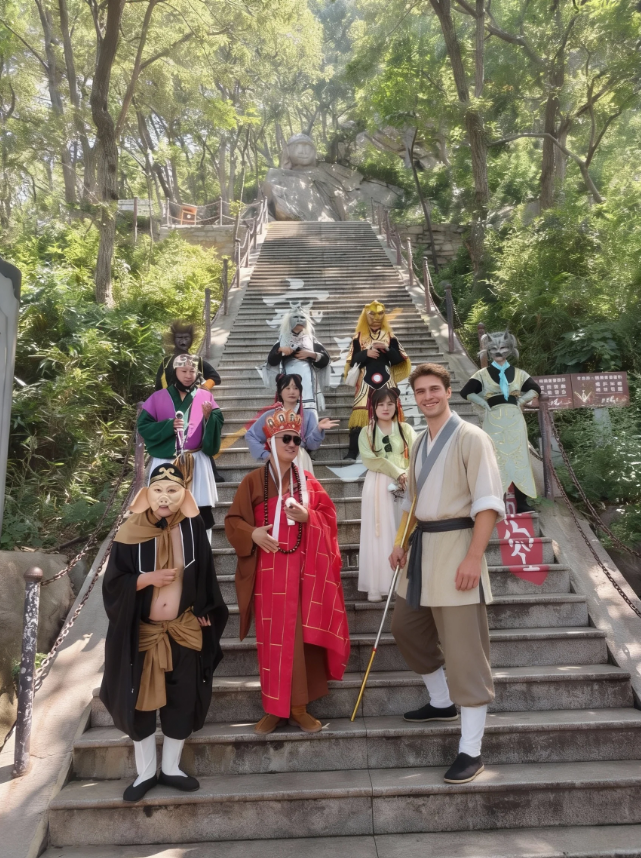
Lianyungang Huaguoshan: Journey to the West Myth, Hiking Trails & Water Curtain Cave
This travel story explores Lianyungang's Huaguoshan, the legendary birthplace of the Monkey King, Sun Wukong, from the classic Journey to the West. It blends the experience of hiking its dramatic peaks and visiting sites like the Water Curtain Cave with reflections on how the mountain's fantastical landscape inspired the myth. The narrative captures the site's playful, adventurous atmosphere and its deep connection to Chinese folklore, offering more than just scenery but a journey into a living cultural imagination.

Decoding the Classical Gardens of Suzhou: A Deep Dive into Their Philosophy, Design & Beauty
This in-depth exploration treats Suzhou's Classical Gardens as a complex language of landscape design. It moves beyond listing gardens to explain their underlying philosophy, using specific examples like the Master-of-Nets Garden and Lion Grove Garden to illustrate concepts like "borrowed scenery," symbolism in rockery, and the interplay of Yin-Yang elements. Framed through conversations with a local, the article guides readers in "reading" the gardens as three-dimensional poetry and philosophical statements, offering a deeper appreciation for their UNESCO World Heritage status.