The alarm buzzed at 4:30 a.m.—not my usual travel rhythm, but then again, volunteering at the Chengdu Panda Base isn’t your usual travel experience. I’d signed up months in advance for the one-day panda volunteer program, lured by promises of “feeding pandas” and “behind-the-scenes access.” What I didn’t expect was how deeply it would recalibrate my understanding of conservation—not as a distant scientific endeavor, but as daily, sweaty, joyful labor.
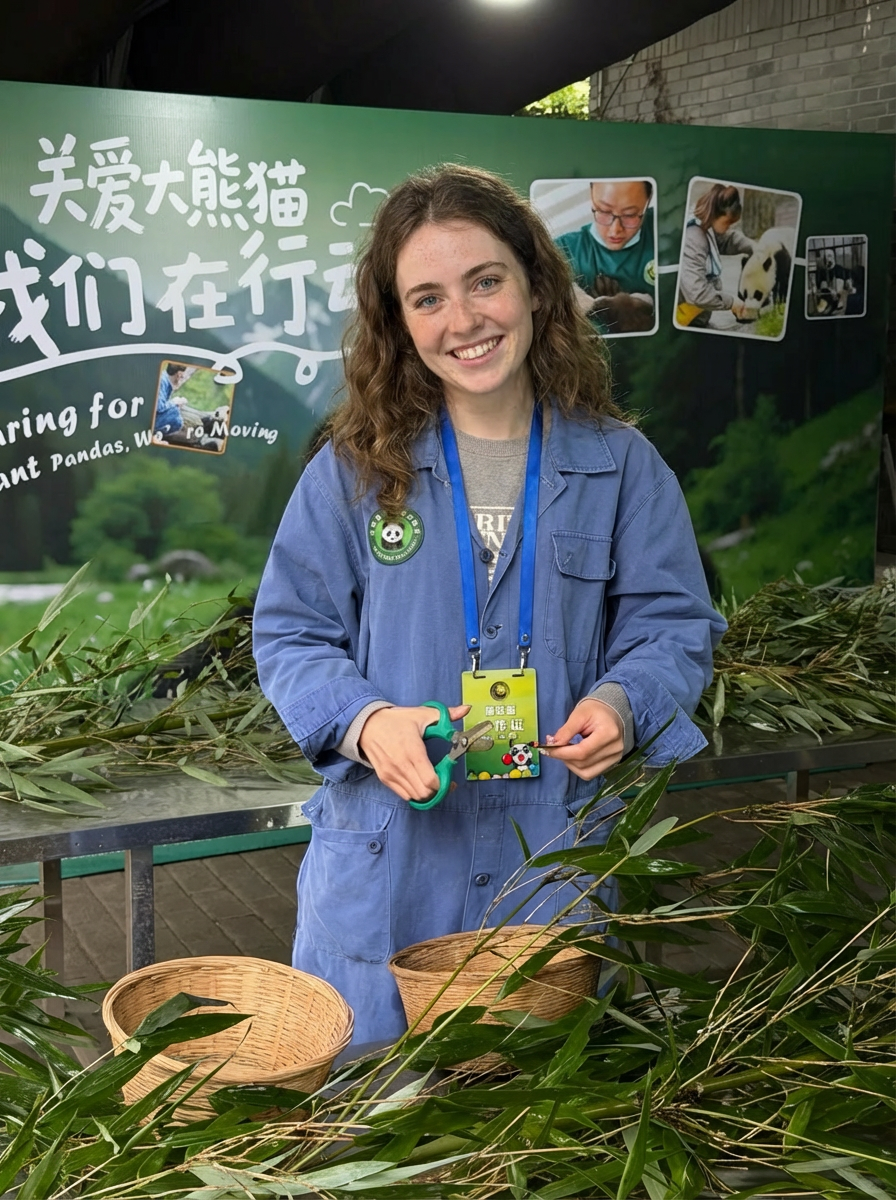
After a quick breakfast of congee and pickled vegetables at my hostel near Kuanzhai Alley, I took a taxi through the sleeping streets of Chengdu. The city’s famous mist hung low, softening the neon signs of closed hotpot joints. By 6:00 a.m., I stood at the North Gate of the Chengdu Research Base of Giant Panda Breeding, clutching my printed confirmation and a nervous excitement. A staff member in a green uniform checked my ID and led our small group—eight of us from six countries—into a briefing room that smelled faintly of bamboo and disinfectant.
“You are not tourists today,” said Ms. Chen, our coordinator, her voice firm but kind. “You are temporary panda keepers. Your work supports real conservation. No phones near enclosures. No loud noises. And absolutely no touching the pandas.” She paused. “They may look cuddly, but they are wild animals with the strength of ten men.”
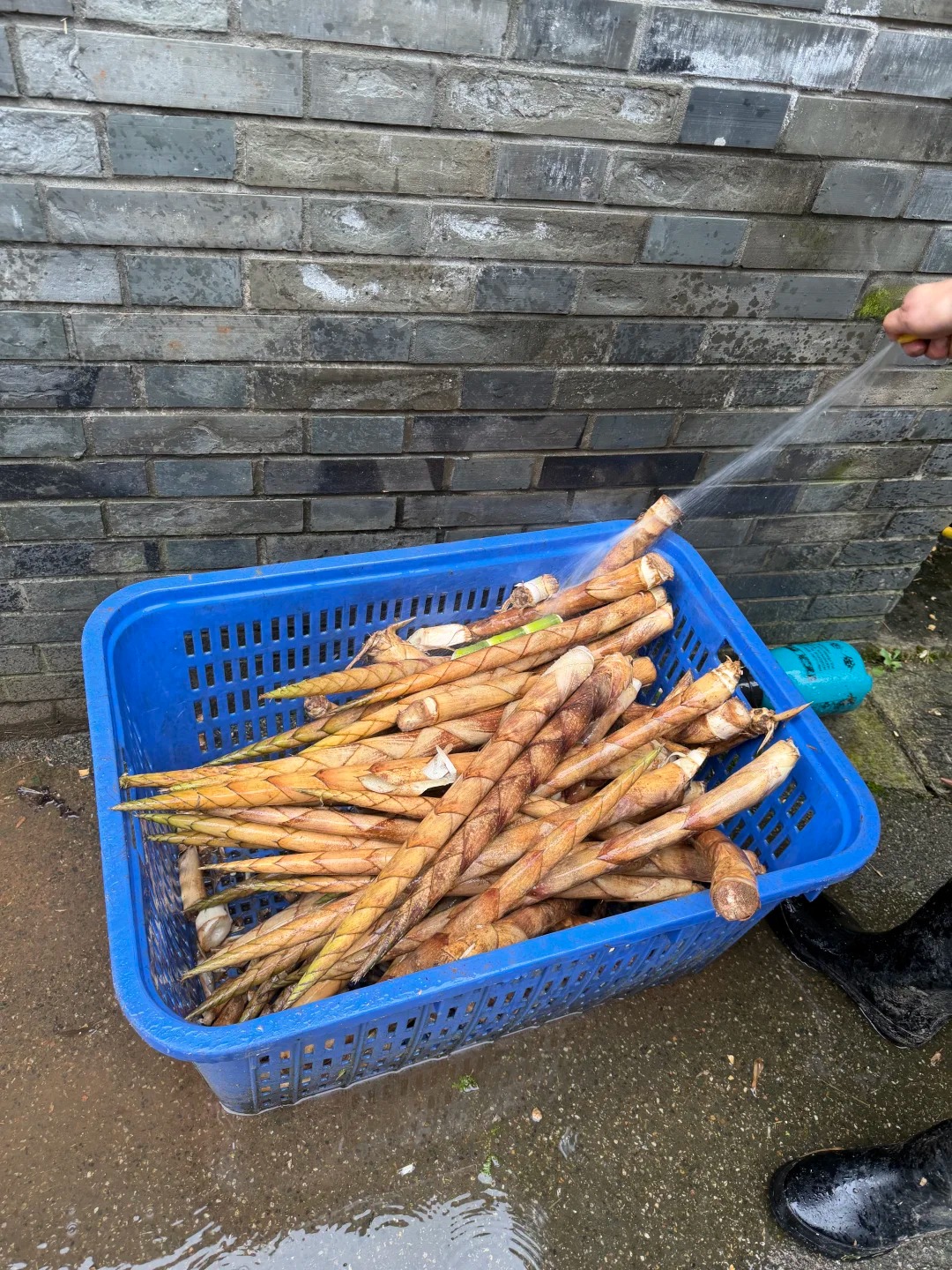
Our training began with a safety video, followed by a lesson in panda dietetics. Did you know an adult giant panda eats 20–40 kilograms of bamboo every day? And that they prefer different parts—shoots in spring, leaves in summer, stems in winter? We learned to identify fresh arrow bamboo versus stale stock, and how to weigh apple slices (a treat) to the exact gram. Then came the gear: rubber boots, gloves, aprons, and hairnets. I felt like a chef preparing for a Michelin-starred meal—except my diners weighed 100 kilos and couldn’t say “thank you.”
By 7:30 a.m., we were in the cleaning zone. My assigned enclosure belonged to Da Mao, a five-year-old male with a lazy eye and a fondness for rolling in mud. Armed with shovels and wheelbarrows, we removed yesterday’s bamboo remnants, feces (surprisingly odorless, thanks to their inefficient digestion), and soiled bedding. It was physical work—bending, lifting, sweeping—but strangely meditative. As I scraped the concrete floor clean, I thought about how this humble act protected Da Mao from parasites and disease. Conservation, I realized, begins with a broom.
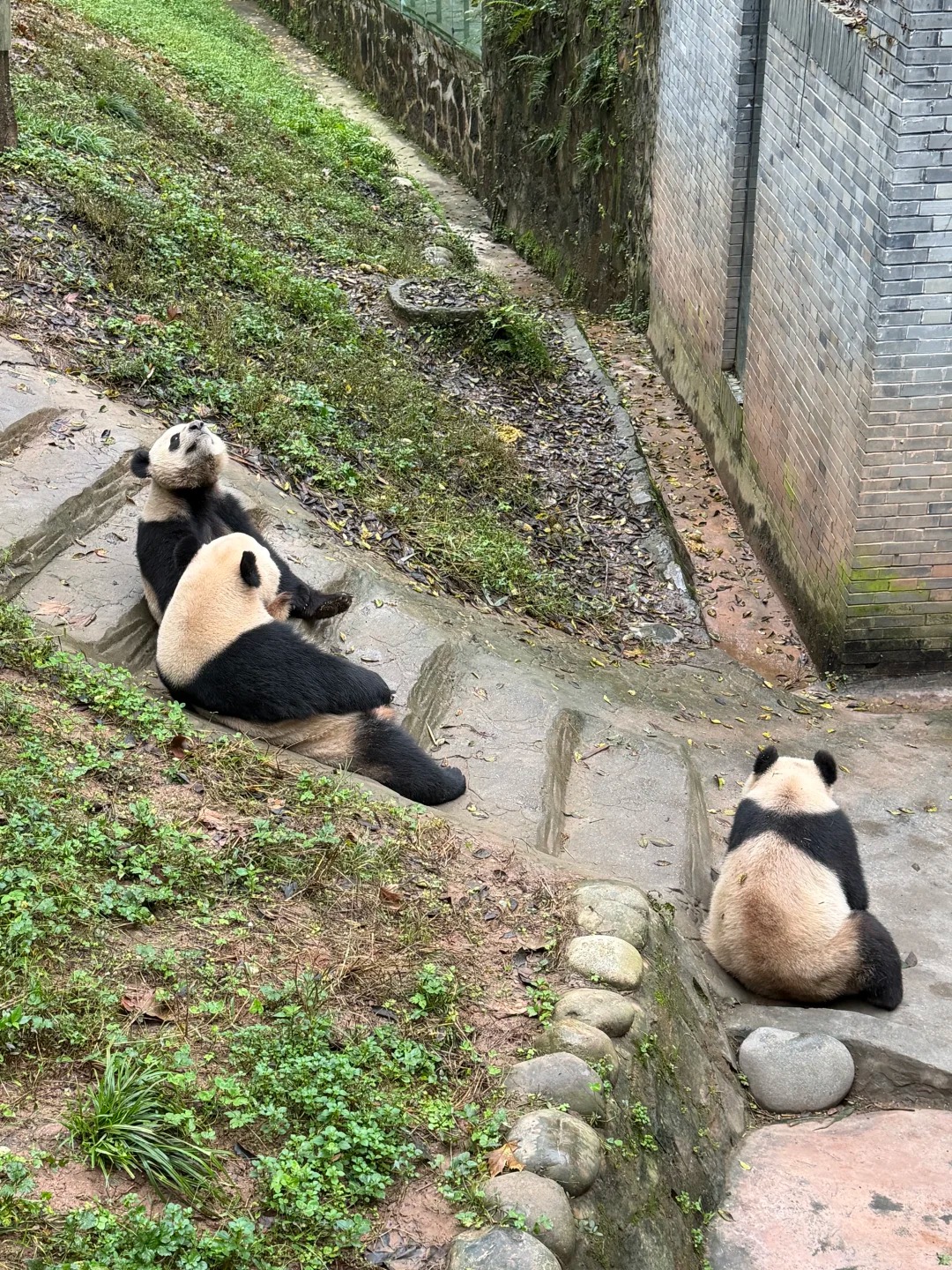
Then came feeding time. Heart pounding, I carried a tray of freshly cut bamboo shoots and two apple quarters into the outer yard. Da Mao watched me from his hammock, chewing slowly, eyes half-lidded. When I placed the food in his designated spot and retreated behind the barrier, he ambled over with surprising grace. He picked up an apple with his pseudo-thumb—a wrist bone evolved to grip—and crunched it with audible delight. In that moment, I wasn’t just observing; I was participating in his survival.
Later, we helped prepare enrichment toys—bamboo puzzles filled with honey or fruit—to stimulate natural foraging behaviors. One volunteer from Germany fashioned a “panda piñata” from woven reeds. Another from Japan carefully painted scent marks (using safe, diluted musk) on logs to mimic territorial cues. These weren’t gimmicks; they were cognitive lifelines for animals born in captivity who might one day be candidates for reintroduction.
At lunch, over simple rice boxes in the staff canteen, I spoke with Lao Zhang, a keeper of 18 years. “People think volunteering is about playing with pandas,” he said, stirring his tea. “But real care is invisible. It’s clean water. Sharp bamboo. Quiet mornings. It’s loving them enough to stay out of their way.” His words stayed with me.

In the afternoon, we visited the nursery, where newborns—pink, blind, and weighing less than a stick of butter—are raised with military precision. Through glass, I watched a keeper bottle-feed a cub using a tiny pink glove to simulate a mother’s paw. The fragility of life here was palpable. Yet so was the hope: over 300 pandas have been born at this base since 1987, many later loaned to global zoos as ambassadors of Sino-international conservation.
As I handed back my apron at 4:00 p.m., exhausted but glowing, Ms. Chen gave each of us a certificate and a photo with our assigned panda’s name. Mine read: “Volunteer Caretaker for Da Mao – Chengdu Panda Base, June 12, 2024.” I didn’t get to hug a panda. I didn’t even enter their inner sanctum. But I left with something deeper: the quiet pride of having contributed, however briefly, to the daily miracle of keeping this species alive.
And that, I now believe, is the true gift of the Chengdu panda volunteer experience—not proximity, but purpose.