I have always been a city person, addicted to the hum of traffic and the convenience of concrete. But standing in the middle of the Ruoergai Grassland, I felt a longing to trade my apartment key for a tent and a herd of yaks. This place is different. It is not just a field; it is an ocean of grass. Located in the north of Sichuan, straddling the border with Gansu, Ruoergai is the largest high-altitude marsh in the world. They call it the “Kidney of the Earth.” To me, it felt like the lungs.
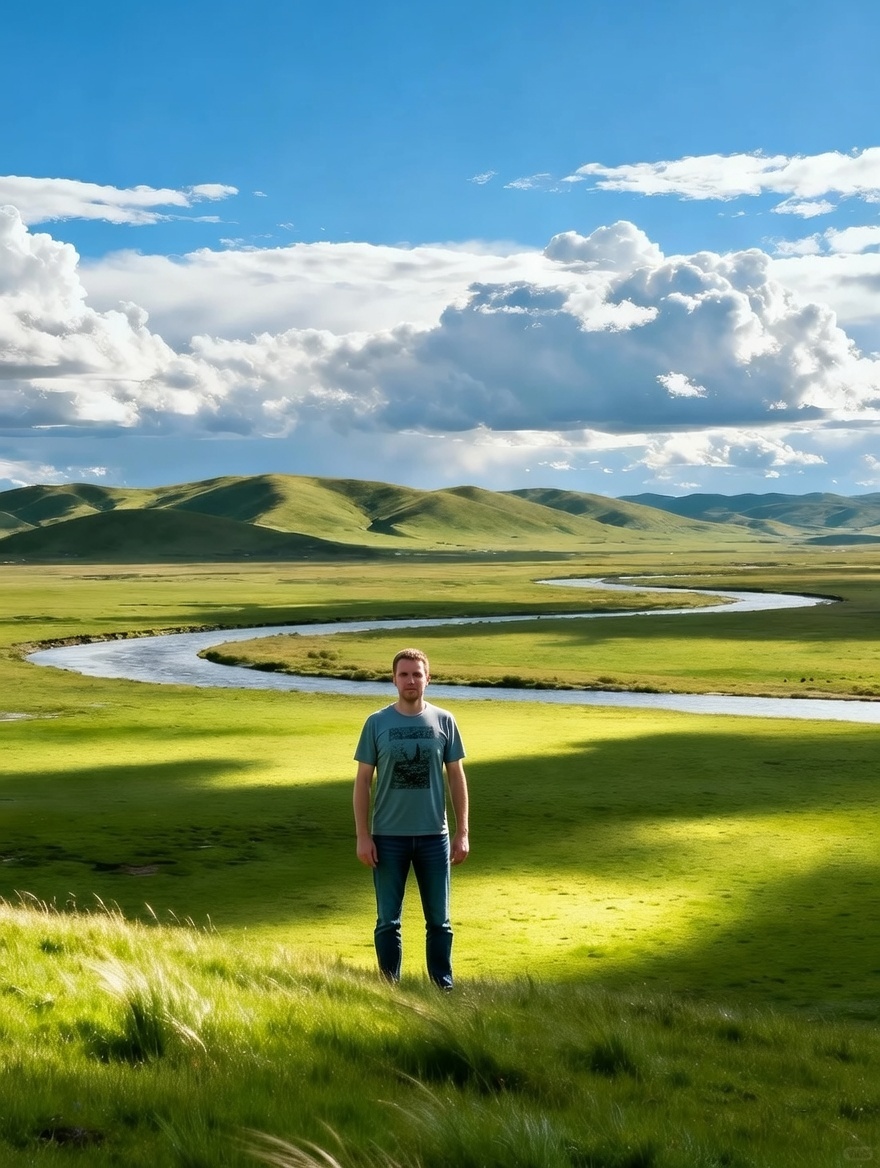
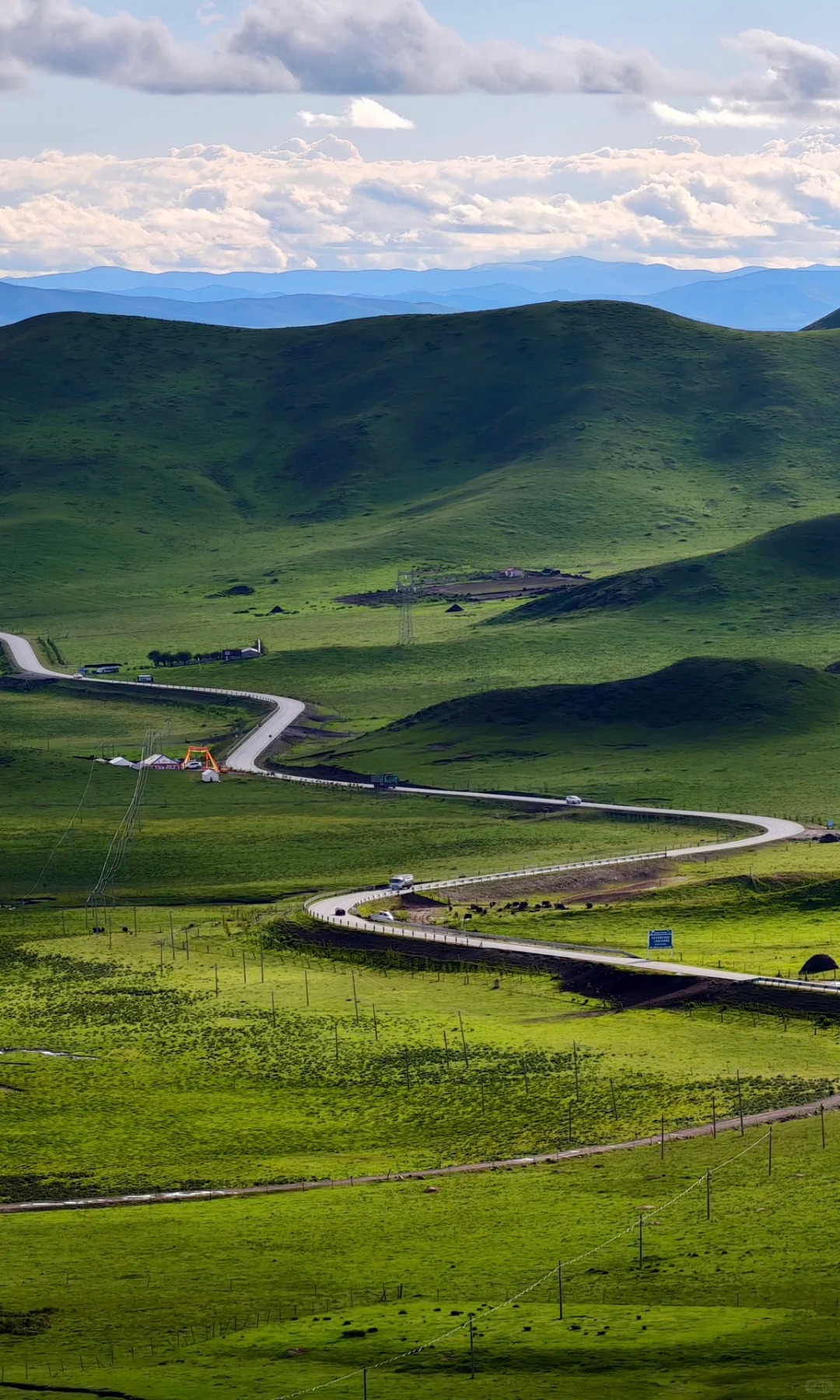
The drive to get there is an adventure of vastness. We left the mountains behind and entered a world that was perfectly flat, stretching out to the horizon in every direction. The sky was a deep, piercing blue—the kind of blue you only see at 3,500 meters above sea level. The clouds were low and fluffy, casting shadows that raced across the green prairie. I put my head out the car window, and the air rushed in. It was cold, incredibly clean, and smelled of wild grass and earth. My phone lost signal miles ago, and honestly, it felt like a weight lifting off my shoulders.
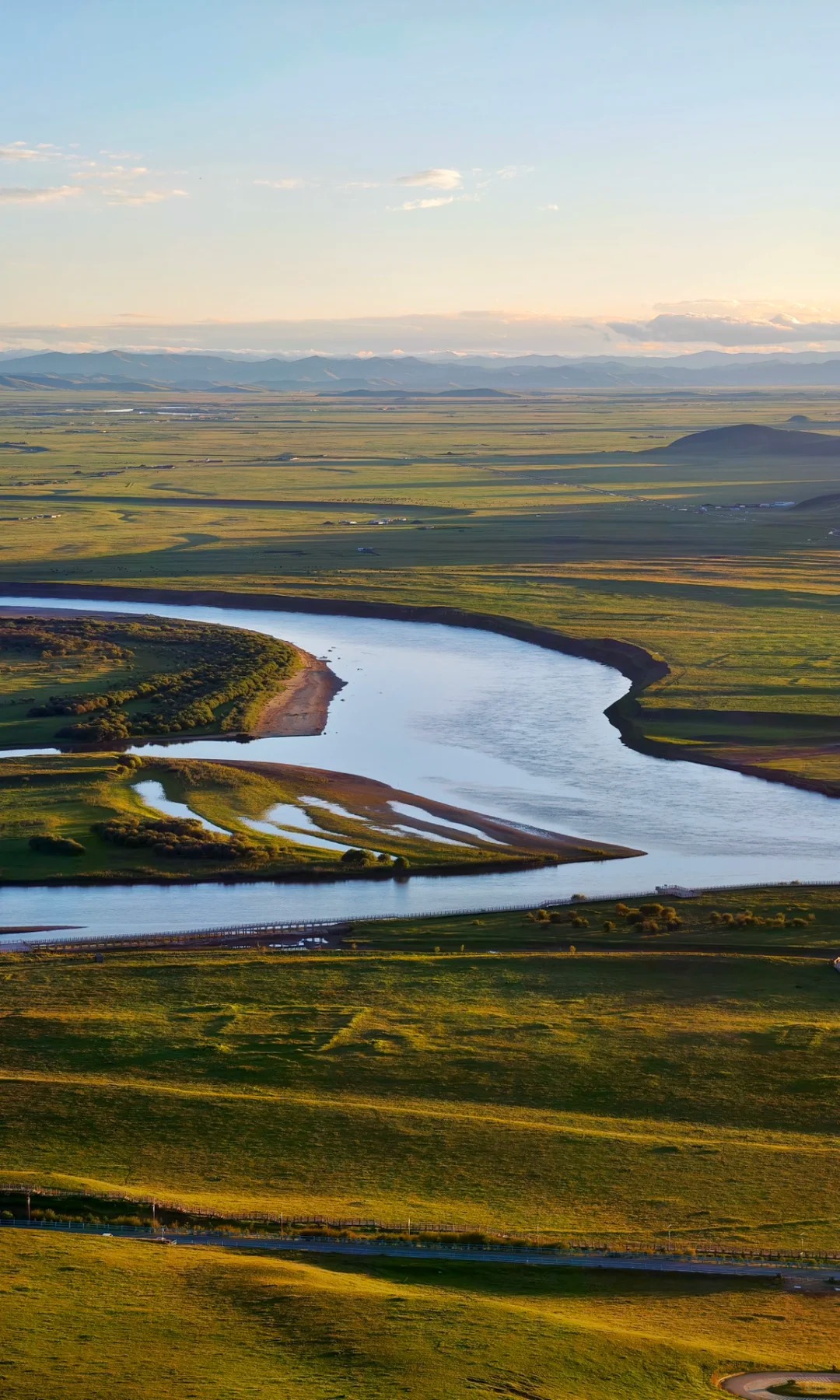
Our first stop was the famous First Bend of the Yellow River. I had seen photos, but photos don’t capture the scale. We climbed to the top of a high observation point, looking down at the valley below. The Yellow River, usually brown and muddy in the lowlands, here is clear and bright. It flows from the west, makes a gentle, graceful U-turn, and then flows back to the north. The sunlight was hitting the water just right, turning the river into a ribbon of gold and silver. It looked like a calligraphy brush stroke painted by a god. I sat on the stone wall at the viewing platform, the wind whipping my hair, and just stared at the river for an hour. I watched the light change, turning the water from gold to pink as the sun began to set. It was a moment of absolute peace. The river has been flowing here for thousands of years, long before the first road was built, and it will be here long after I am gone.
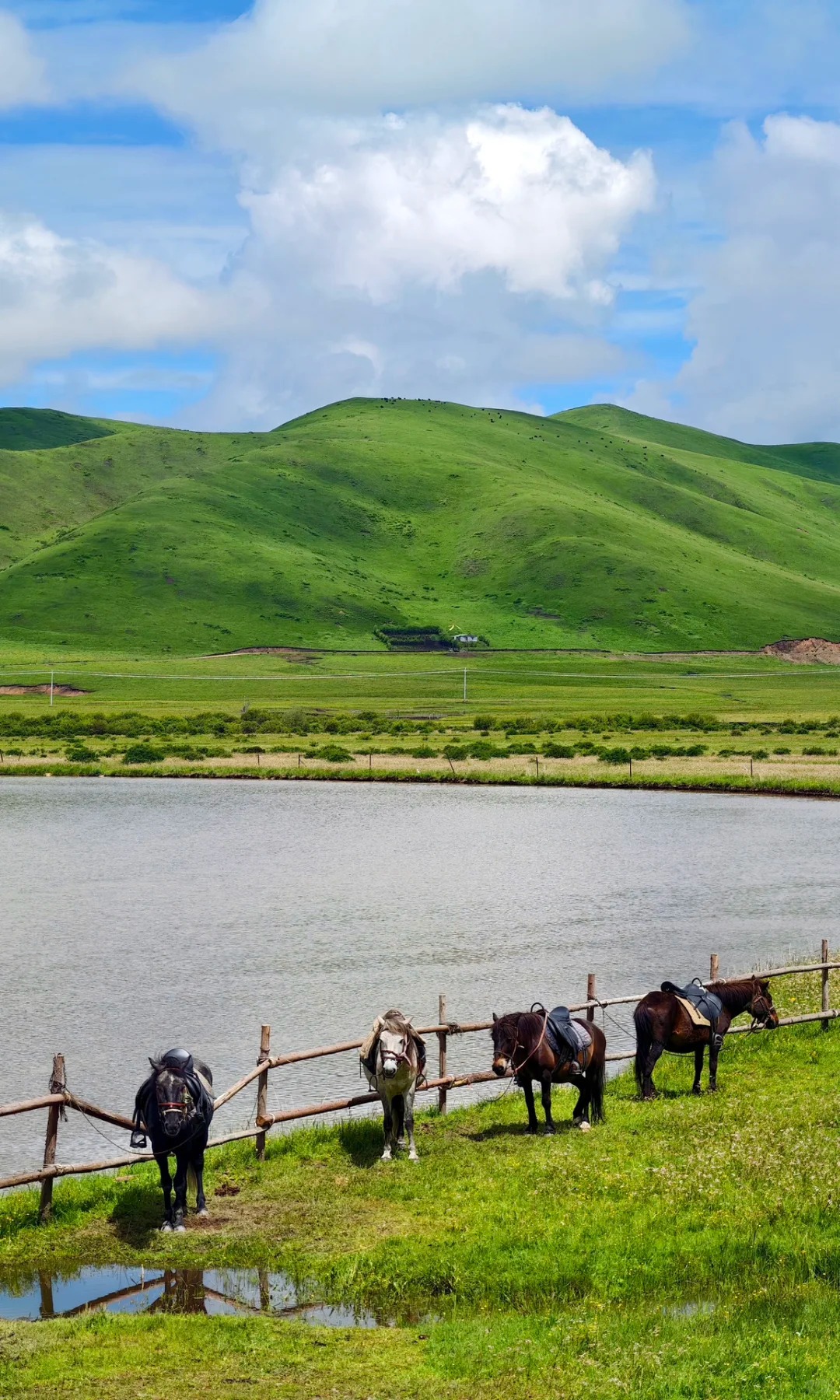
The next morning, I woke up early to visit the Flower Lake (Huahu). This is a protected wetland within the grassland. The boardwalk stretches out into the lake for kilometers. When I arrived, the water was still like a mirror. The lake is shallow, creating a perfect reflection of the sky and the clouds. Walking out into the middle of the lake, with water on both sides of the boardwalk, felt like walking on water. It is a bird-watcher’s paradise. I saw black-necked cranes, a protected species, standing elegantly in the reeds. Their call is haunting and resonant. The water is so clear you can see the fish swimming below and the plants swaying in the current. In July and August, the lake is surrounded by blooming wildflowers—purple, yellow, and white dots covering the green marsh. It is colorful and vibrant, like a patchwork quilt thrown over the earth.
But the highlight of Ruoergai was the people. We spent the night in a Tent Camp run by a local Tibetan family. The tents are spacious and warm, decorated with colorful Tibetan rugs and thangkas (Buddhist paintings). The father of the family, a man with a face weathered by the high-altitude sun, welcomed us with bowls of hot yak butter tea. It was my third or fourth day on the plateau, and I had actually grown to love the taste. It was salty and rich, giving you instant energy.
Dinner was a feast. We had roasted mutton, cooked over a dung fire. The meat was slightly gamey but incredibly tender, seasoned with local herbs. We ate with our hands, tearing the meat off the bone. After dinner, the family brought out a guitar and started singing Tibetan folk songs. The music was melancholic but joyful, full of love for the land and the sky. I sat there, sipping the tea, listening to the wind flapping the tent walls outside, and felt completely at home. These are nomadic people. They move with the seasons. They live simply, but they possess a happiness that is rare in the modern world.
Driving back toward the city the next day, I felt a strange heaviness. I didn’t want to leave. The Ruoergai Grassland gets under your skin. It changes you. When you are used to looking at skyscrapers, and then you spend three days looking at nothing but grass and sky, your perspective shifts. You realize that you don’t need as much as you think you do.
If you visit Ruoergai, come in the summer. July and August are when the grass is greenest and the flowers are in bloom. But be prepared. The altitude is high, so take it easy. The weather changes fast—sun in the morning, hail in the afternoon, and rain at night. Dress in layers. And bring a good camera, but don’t spend the whole time behind the lens. Put the camera down. Lie down in the grass. Look up at the clouds. Listen to the wind. Let the vastness of the plateau swallow you for a little while. It is a cleansing experience. It is a reminder that the world is big, and we are small, and that is a beautiful thing.