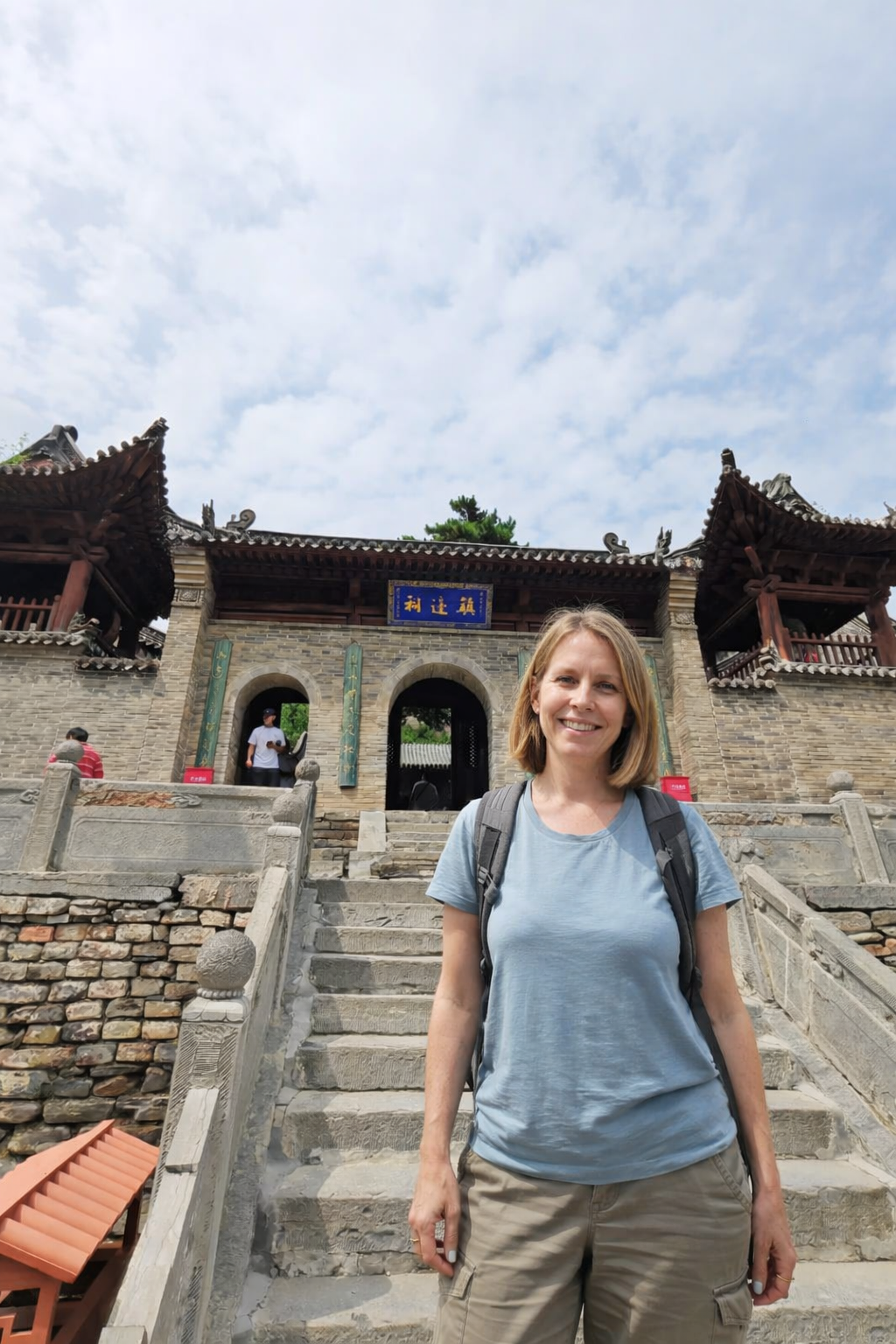
Yanmen Pass Great Wall: Exploring the Strategic Gateway of Ancient China
Journey to the rugged frontier of Yanmen Pass, one of the most historically significant and strategically vital fortifications along the Great Wall of China. This personal account details the experience of braving the fierce mountain winds, climbing the ancient watchtowers, and walking the Stone Avenue worn deep by centuries of Silk Road traffic. Discover the legend of the Yang family generals, taste the local spicy mutton stew, and feel the profound solitude of a place that has witnessed the rise and fall of empires
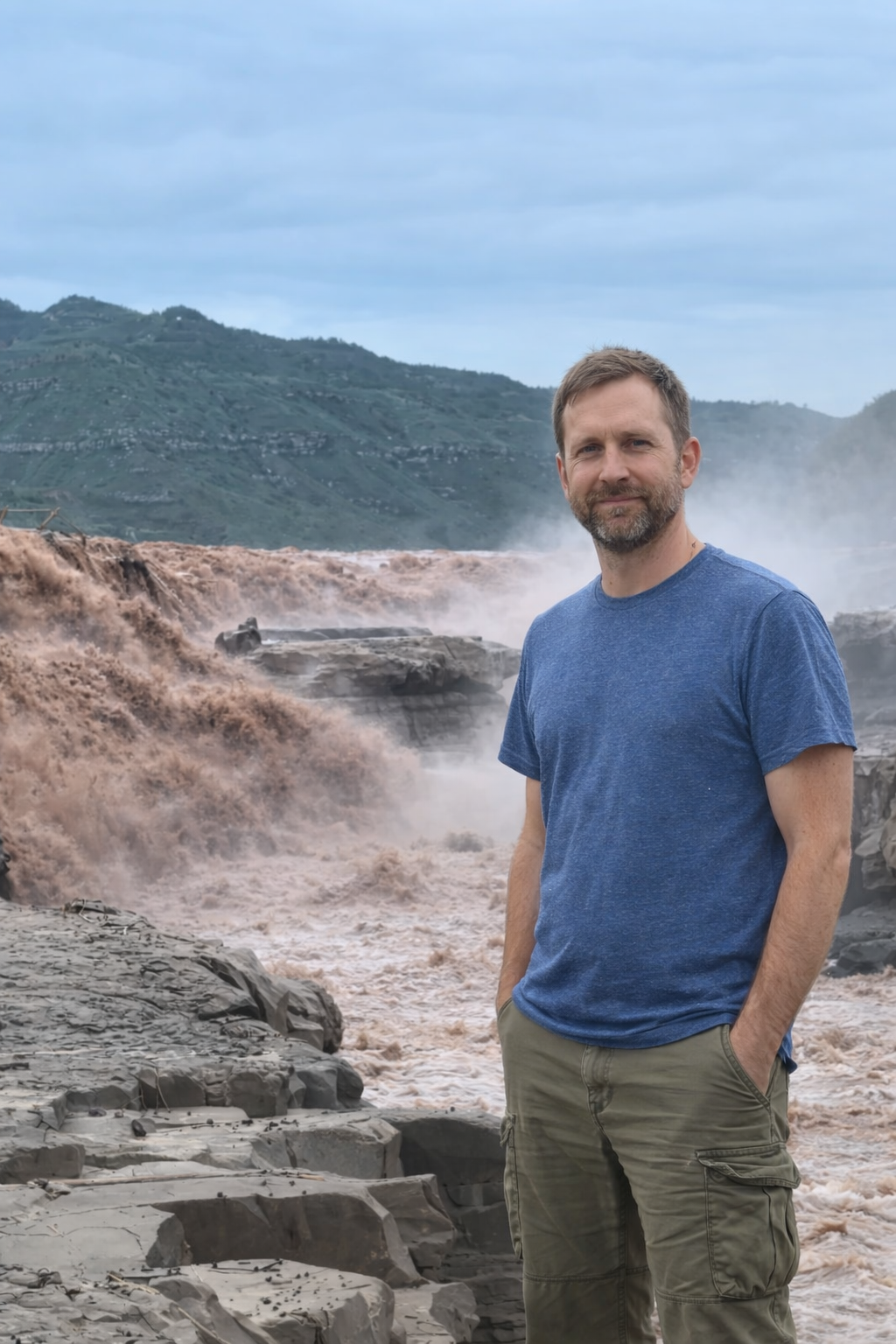
Hukou Waterfall Yellow River: The Ultimate Guide to China’s Roaring Dragon
Feel the raw power of China’s Mother River at Hukou Waterfall, where the mighty Yellow River narrows and crashes into the Jin-Shaan Grand Canyon. This vivid travelogue describes the deafening roar, the thick yellow mist, and the mesmerizing golden currents that make this waterfall unique. From walking through the spray to donkey riding along the riverbank and savoring local street food, discover why Hukou is an unforgettable sensory experience that captures the untamed spirit of the Chinese landscape
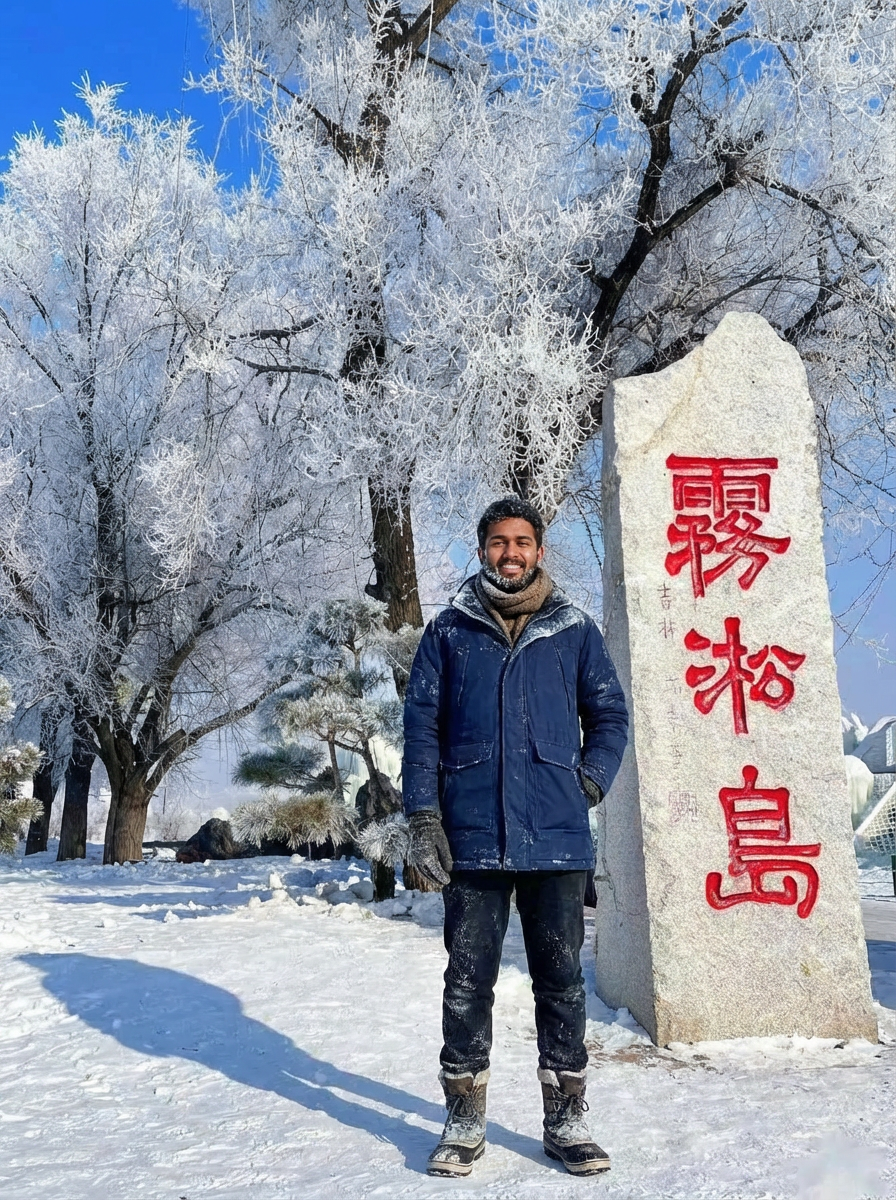
Wusong Island: A Winter Wonderland Guide to China’s Best Rime Ice Scenery
Join a deep-dive exploration of Wusong Island, the premier destination for witnessing the "Rime Ice" phenomenon in Jilin Province. This article details the surreal experience of frozen willow trees, the photography hotspots at sunrise, and the resilient local culture that thrives in extreme cold. A must-read for winter travel enthusiasts.
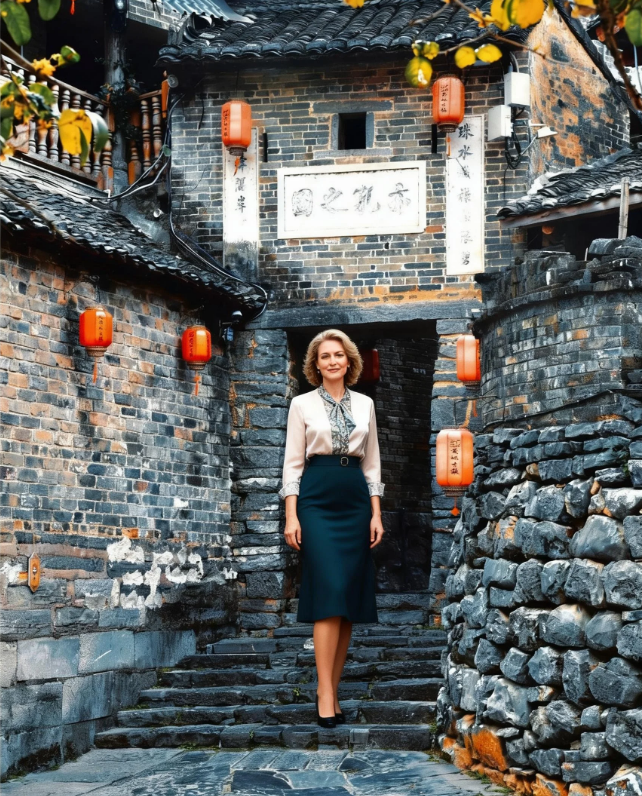
Huangyao Ancient Town Travel Guide: Explore 900-Year-Old Architecture & Traditional Crafts
a 900-year-old Song Dynasty town in Guangxi that preserves traditional Chinese life. Visiting early to avoid crowds, the author explores stone-paved streets, black-tiled white-wall houses, and ancient stone bridges. Highlights include visits to the Ming Dynasty Town God’s Temple, a woodcarving workshop where crafts are passed down through generations, a traditional Chinese medicine shop, and a riverside restaurant serving local specialties. The author also takes a river boat tour with a local guide, learning about the town’s commercial history as a Ming-Qing trade hub, and visits the Huangyao Ancient Town Museum. The piece captures the town’s timeless charm, blending ancient architecture, traditional crafts, and peaceful rural life, offering a comprehensive guide for travelers seeking to step back in time and experience China’s traditional past.

Tongling Grand Canyon Exploration: Discover Underground Rivers & Karst Wonders in Guangxi
a hidden natural wonder in Guangxi’s mountains. From the scenic drive to the canyon entrance, the author details encounters with a 168-meter waterfall, steep cliffside paths lined with moss and ferns, and a guided tour of the magical Underground River Cave—home to stunning stalactites, stalagmites, and colored light displays. Highlights include crossing a swaying suspension bridge for panoramic canyon views, tasting authentic local cuisine in a bottom-canyon Yao village, and exploring additional waterfalls and pools. The author shares insights from the local guide about rare wildlife and conservation efforts, as well as visits to the 300-year-old Tongling Temple. The piece captures the canyon’s surreal beauty, adventure opportunities, and cultural richness, making it an essential guide for nature and adventure lovers
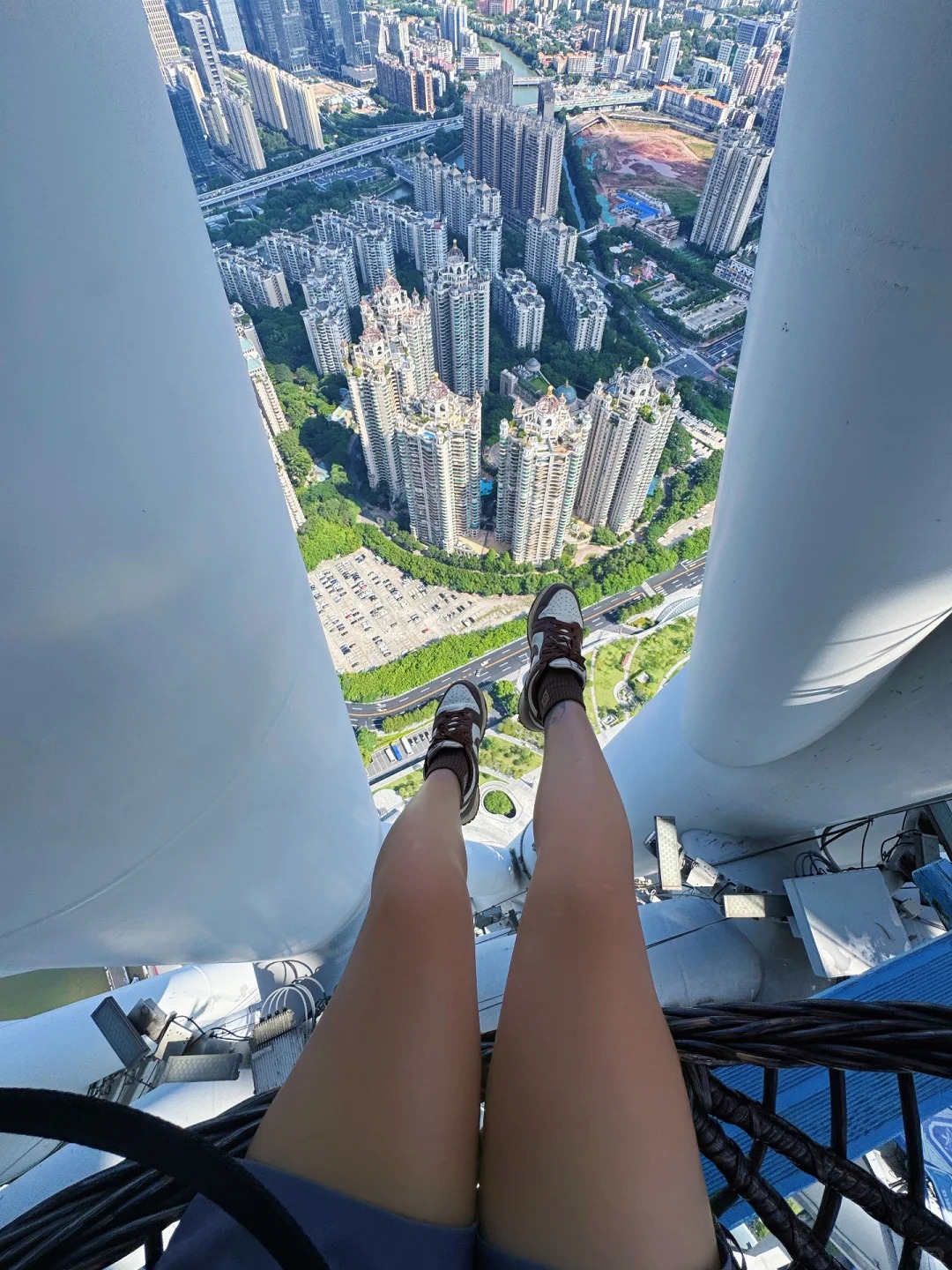
Canton Tower Bubble Tram Review: Is the Sky-High Ride Worth It?
This article provides a thrilling, first-hand account of the interior experience of the Canton Tower, specifically focusing on the famous "Bubble Tram" ride at the summit. The author details the sensory progression of the visit: the ear-popping elevator ascent, the vertigo-inducing view through the slanted glass walls, and the unique mix of fear and awe while floating in a glass sphere 460 meters above the ground. The narrative captures the transition of the city skyline at sunset from a bird's-eye view and concludes with a grounding moment in the high-altitude café. It offers readers a realistic expectation of the thrill and the atmosphere inside Guangzhou's most famous landmark.
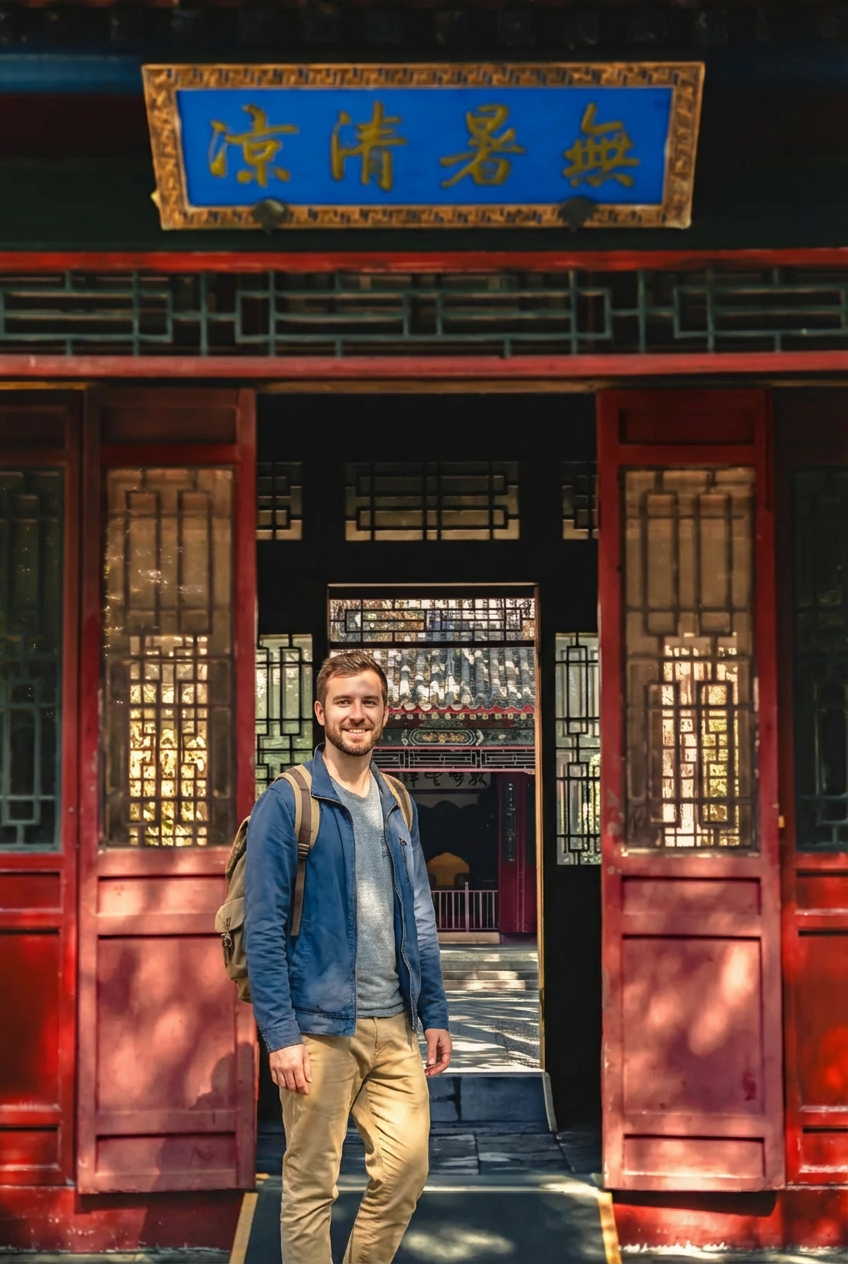
Exploring Chengde Summer Palace: A Complete Visitor's Guide to Imperial Splendor
The Chengde Summer Palace, also known as the Mountain Resort, is an 18th-century Qing Dynasty retreat in Hebei, China, offering a blend of architecture, nature, and culture across vast gardens and temples. On my return trip in spring, cherry blossoms transformed the grounds, and I explored the Palace Zone's ornate halls like Yanyu Building. Fishing in Wenjin Lake, touring imperial boats, and climbing to viewpoints provided serene escapes. Temples like Anyuan showcased ethnic fusions, while museum artifacts revealed historical depths. Indulged in imperial feasts of abalone and lotus root, and enjoyed festivals with lion dances. Personal moments in pavilions during rain highlighted its poetic allure. Perfect for cultural immersion, visit off-peak for fewer crowds. Tips: Use audio guides, try local teas, and hike for stunning vistas—this palace embodies China's harmonious heritage
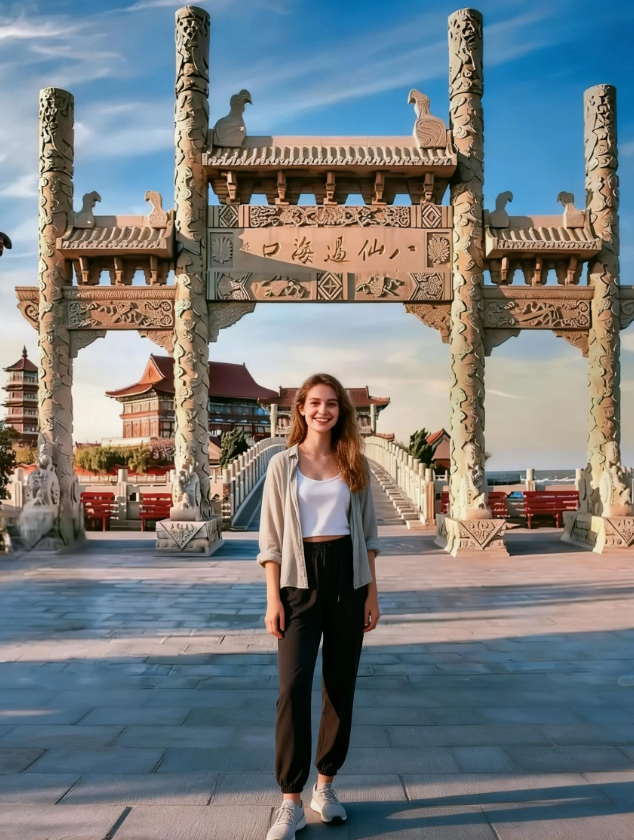
Penglai Pavilion Travel Guide: Myths, Mirages & History on China's Fairyland Coast
Stand on the edge of Chinese myth at Penglai Pavilion. This personal narrative explores the legendary home of the Eight Immortals, the elusive sea mirage, and the ancient water fortress, capturing the enduring human hope that built this coastal dreamscape

Longmen Grottoes Travel Guide: Witness 100,000 Buddhist Statues & China's Stone-Carved Soul | A Personal Pilgrimage
Beyond the majestic Buddhas, Longmen Grottoes is a mountain of whispered hopes. This personal travelogue explores the quiet caves, the touch of ancient prayers in stone, and the profound lesson of a weathered Bodhisattva’s face. Discover the soul of China's greatest rock-cut treasure
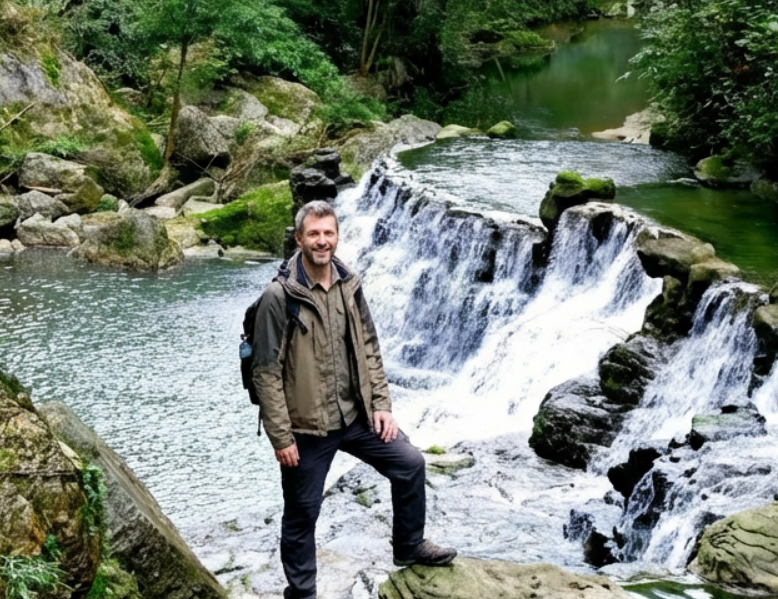
Three Gorges Waterfall Guide: Walk Through the Waterfall and Scenic Yichang Travel
A sensory-rich account of visiting the Three Gorges Waterfall, known as one of the few waterfalls in China where visitors can walk behind the curtain of water. The author describes the deafening roar, the soaking mist, and the exhilarating feeling of being immersed in the power of nature. The story captures the fun of the "Shaky Bridge" and the simple joy of getting wet, presenting the waterfall as a playful and cleansing escape from the ordinary.

Yellow Crane Tower Travel Guide: History, Views, and Authentic Wuhan Food
This travelogue recounts a visceral visit to Wuhan’s iconic Yellow Crane Tower. The author explores the juxtaposition of ancient poetry and modern urban life, standing on the observation deck overlooking the Yangtze River. The narrative weaves together the legends of the Tang Dynasty poets with the sensory reality of the present day, concluding with an authentic culinary experience of eating Reganmian (Hot Dry Noodles) in a nearby alley. It highlights the tower not just as a structure, but as a symbol of departure and longing in Chinese culture.
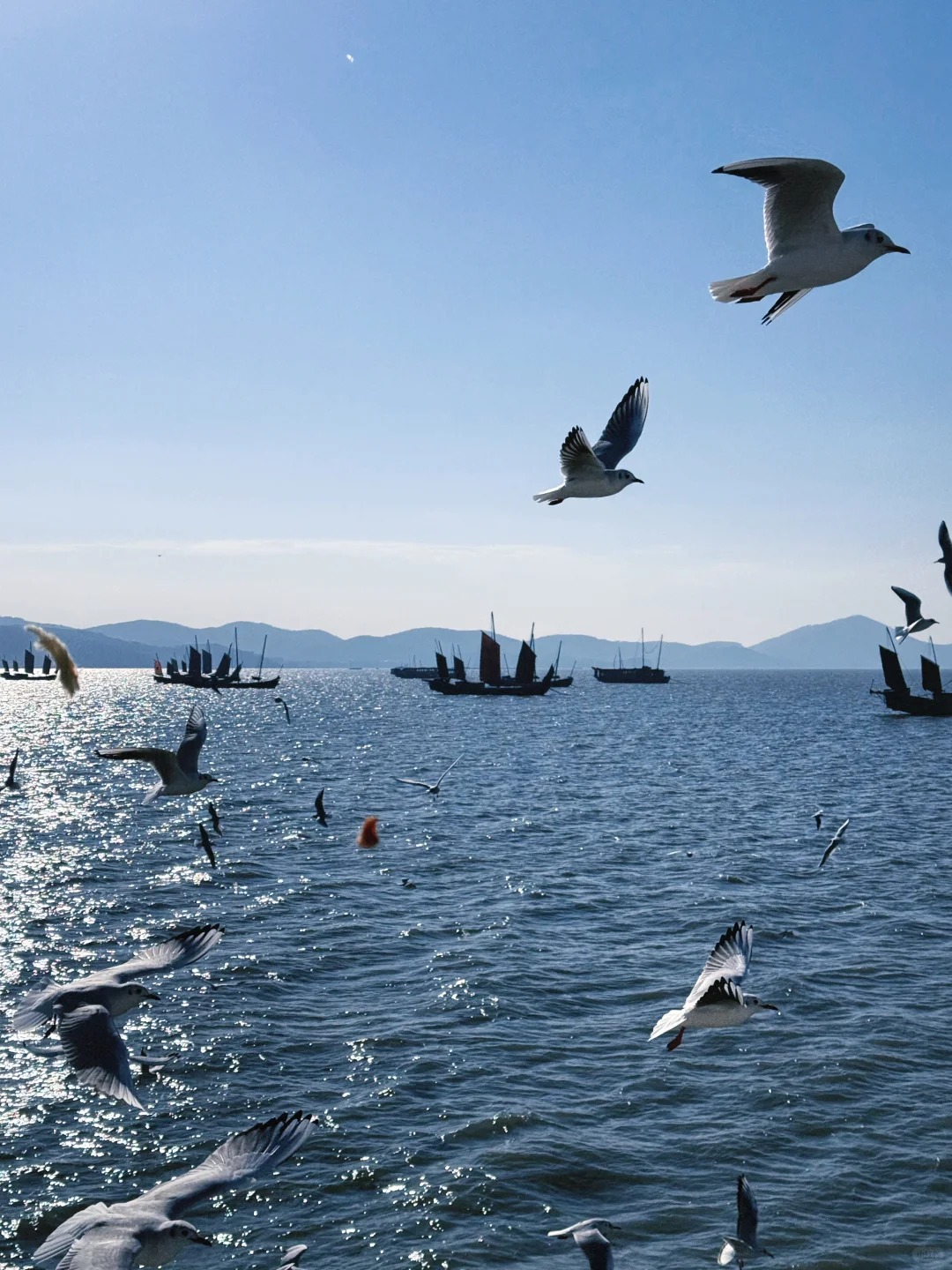
Yuantouzhu Wuxi Travel Guide: Best Spot for Sunset Over Lake Tai & Scenic Views
This article captures the elemental experience of visiting Yuantouzhu (Turtle Head Isle) in Wuxi. Centered around witnessing a spectacular sunset over Lake Tai, it describes the atmospheric journey to the peninsula's tip and the communal, almost reverent silence that accompanies the celestial display. The narrative emphasizes the location's raw, natural appeal—its vast waterscapes and dramatic skies—over man-made attractions, positioning it as a must-visit for anyone seeking a moment of profound natural beauty near Shanghai.