
Your Ultimate Guide to Nanjing Sun Yat-sen Mausoleum: History, Visit Tips & Profound Reflections
This personal travel narrative details a poignant visit to the Sun Yat-sen Mausoleum in Nanjing on a misty morning. It moves beyond basic facts to capture the solemn atmosphere, the physical and symbolic experience of climbing the 392 steps, and the quiet interactions with Chinese visitors paying their respects. The article conveys the site's power as a place of historical contemplation and national identity, emphasizing its architectural grandeur and the palpable sense of reverence for Dr. Sun Yat-sen's legacy. It offers an immersive, sensory description aimed at travelers seeking a deeper understanding of China's modern history.

Xidi: Explore China’s Timeless Ancient Village of Huizhou Charm
This personal narrative explores Xidi, a 900-year-old ancient village in Yixian County, Huangshan City, Anhui Province, renowned for its well-preserved Ming and Qing dynasty Huizhou-style architecture (white walls, black tiles). Unlike reconstructed ancient sites, Xidi is a living community with over 1,000 residents, where traditional life coexists with tourism. The author visits key landmarks: the intricately carved Memorial Archway of Hu Wenguang, the grand Dafu Mansion (a 18th-century merchant residence with stunning wood carvings), and the village’s narrow alleyways and historic stone bridges. Along the way, the author interacts with locals—washing clothes in the village river, chatting with farmers, and enjoying authentic local cuisine (stir-fried bamboo shoots with dried shrimp, braised tofu skin) at a family restaurant. The narrative also includes a relaxing stop at a Qing Dynasty tea house and a visit to the Xidi Museum, which delves into the village’s merchant history and cultural heritage. Xidi offers a peaceful, authentic glimpse into ancient Chinese village life, making it ideal for travelers seeking tranquility and cultural immersion.

Jiu Hua Shan: Find Peace in China’s Serene Buddhist Mountain
This intimate personal narrative explores Jiu Hua Shan, a sacred Buddhist mountain range in Anhui Province, China, spanning 120 square kilometers with 99 lotus-like peaks. The author shares a spontaneous journey of discovery, originally planning a one-day visit but staying longer to soak in the mountain’s quiet, gentle spirit. The narrative details moments of connection: chatting with a young monk at Fahua Temple about kindness and peace, sharing rice cakes with elderly pilgrims at a mountain pavilion, and experiencing the warmth of a local family-run inn. Highlights include a scenic hike through bamboo and pine forests, past streams and vividly shaped rocks, and witnessing a breathtaking sunset from Tianzhu Peak that paints the sky and valleys golden. The author also enjoys simple, flavorful vegetarian cuisine made with fresh mountain ingredients and explores the Jiuhua Mountain Scenic Area Museum to learn about the mountain’s history. Jiu Hua Shan offers a peaceful, unforgettable escape for anyone seeking rest for their heart and mind.

Huangshan Scenic Area: A Personal Journey Through China’s Misty Mountain Magic
This personal account of Huangshan Scenic Area (southern Anhui Province) captures the intimate, sensory experience of exploring China’s iconic mountain landscape. From the pine-scented air at the foot of the mountain to the mist-shrouded peaks and centuries-old Welcoming Pine, the author shares vivid, firsthand moments: chatting with local guides and fellow travelers, marveling at the precarious Flying Stone, and witnessing the breathtaking sea of clouds from Lotus Peak. The narrative also includes quiet, memorable details—soaking in the mineral hot springs as the sun sets, tasting fresh-picked mountain mushrooms from a local stall, and finding peace in a small mountain temple. More than just a description of Huangshan’s “four wonders,” this article highlights the scenic area’s ability to connect visitors with nature, history, and local culture, making it an unforgettable destination for anyone seeking an authentic Chinese mountain experience.

Best Time to Visit Tibet: Weather, Festivals, and Crowds (The 2026 Calendar)
Planning a trip to Tibet? Timing is everything. Located at 4,000 meters above sea level, Tibet’s extreme and unpredictable weather dramatically impacts visibility, accessibility, and cultural experiences. The ideal travel period depends on your priorities: clear mountain views, warm weather, or authentic local culture. For the best balance of pleasant temperatures and clear skies, spring (April–May) and autumn (September–October) are ideal. These months offer excellent visibility of Mount Everest and comfortable trekking conditions. Summer (June–August) brings warm weather and vibrant festivals like the Shoton Festival, but frequent monsoon rains often obscure mountain views. Winter (November–January) is a hidden gem—cold but sunny, with fewer tourists, stunning visibility, and lower prices. Note that February and March are typically closed to foreign tourists due to Tibetan New Year and permit restrictions. Whether you're a photographer seeking pristine light or a traveler chasing cultural authenticity, choosing the right season ensures an unforgettable Tibetan journey.

10 Essential Apps for Traveling in China (And How to Use Them Like a Local)
Traveling to China requires digital preparation unlike anywhere else. With Google, Facebook, and Uber unavailable, you can easily become stranded without the right apps. This guide outlines the essential “China Survival Kit”—10 apps every traveler needs to navigate, pay, communicate, and explore with confidence. Must-haves include Alipay and WeChat for cashless payments, a reliable VPN to access Western sites, and Didi for taxi rides. Navigation apps like Apple Maps and MetroMan help you get around, while Trip.com simplifies train and hotel bookings. Don’t forget Google Translate’s camera feature for instant menu translations. Download and set these up before arrival to ensure a connected, hassle-free journey.
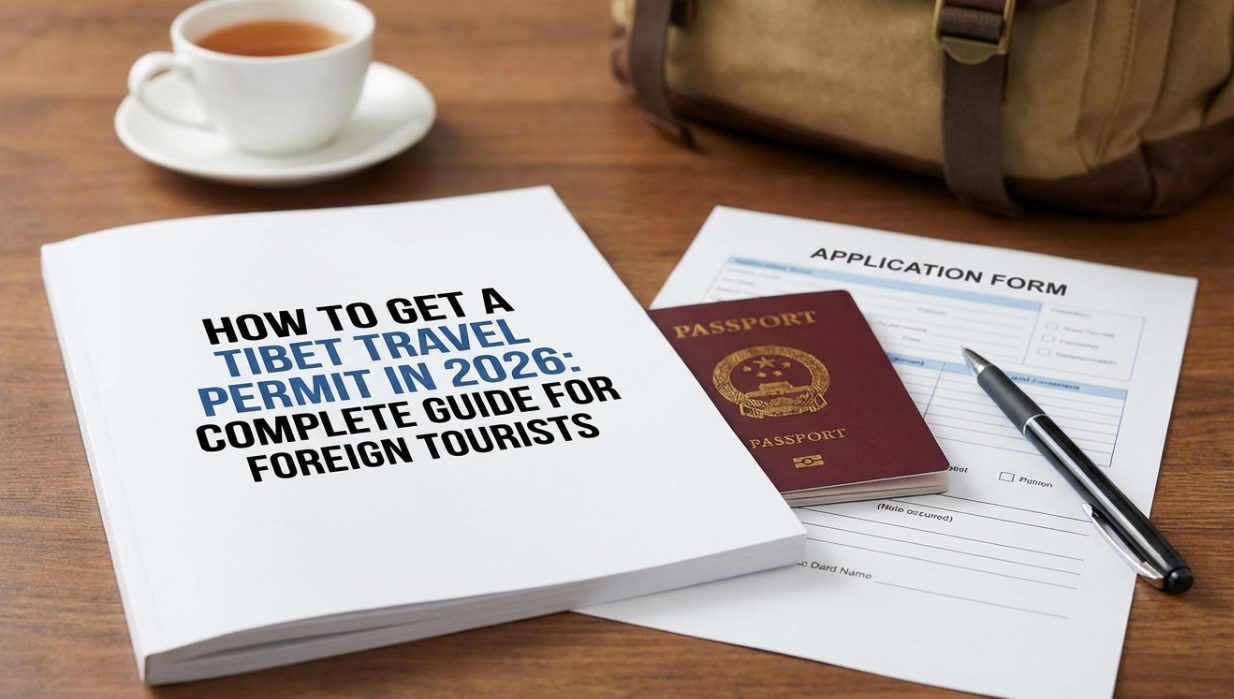
How to Get a Tibet Travel Permit in 2026: The Complete Guide for Foreign Tourists
Planning a trip to Tibet? Foreign travelers often face confusion regarding permits and regulations. This guide clarifies the essential steps for obtaining a Tibet Travel Permit (TTP) in 2025. First, understand the “Golden Rule”: all non-Chinese passport holders must join an organized tour with a pre-arranged itinerary, licensed guide, and private vehicle. You cannot travel independently. The TTP, issued only by registered agencies like Sunny China Travel, requires a valid Chinese visa and must be applied for 20–30 days in advance. Additional permits may be needed for destinations like Everest Base Camp or Mount Kailash. Remember, the original permit is required for flights to Lhasa, while a color copy suffices for train travel. Start planning early to ensure a smooth journey to the roof of the world.
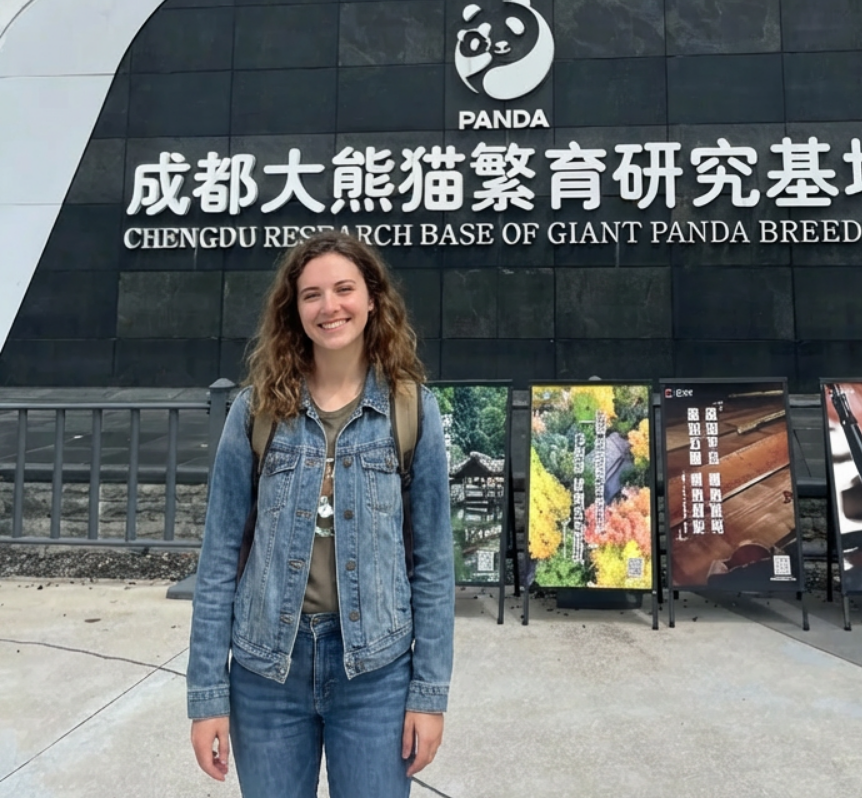
Chengdu Research Base of Giant Panda Breeding – Your Complete Guide to Visiting China’s Premier Panda Sanctuary
My firsthand journey through the Chengdu Research Base of Giant Panda Breeding reveals more than just adorable pandas—it’s a world-leading conservation center where science, education, and emotional connection converge. From dawn feedings and interactive exhibits to insights from dedicated keepers, this sanctuary offers a profound experience that blends ecological awareness with cultural pride. Discover why this 3.07-square-kilometer haven is not merely a tourist stop, but a vital ark for one of Earth’s most beloved endangered species.

Shanghai Trip: Jazz, Soup Dumplings, and the Dazzling Skyline of the Bund
This article explores the dynamic duality of Shanghai, contrasting its colonial past with its futuristic present. takes the reader on a sensory tour from the leafy, coffee-scented streets of the French Concession to the vertigo-inducing heights of the Shanghai Tower in Lujiazui. The author provides a detailed guide to the "sport" of eating Xiaolongbao (soup dumplings) and Shengjianbao. The narrative captures the nostalgia of the Old Jazz Band at the historic Peace Hotel and the cyberpunk visual of the city at night. It is a tribute to Shanghai’s unique ability to blend high-end luxury with authentic street food, and history with hyper-modernity.

Beijing China: Imperial History, Hutong Life & Ultimate Travel Guide
Join Emma, an American East Asian imperial history student, on a captivating journey through Beijing China—where 800 years of imperial legacy meets vibrant local hutong life. Hosted by a former Forbidden City tour guide, Mr. Li, she explores iconic sites: the Forbidden City’s golden throne halls and imperial jewelry collections, the Temple of Heaven’s echo-amplifying walls, and the Summer Palace’s dragon boat rides on Kunming Lake. She witnesses the solemn Tiananmen Square flag-raising ceremony at dawn, then dives into local culture—savoring Granny Wang’s 40-year-old jianbing recipe in Nanluoguxiang, sipping jasmine tea with mahjong-playing locals, and cycling around Shichahai Lake at sunset. Beyond the palaces, Emma discovers Beijing’s soul: erhu players under ginkgo trees, tai chi practitioners in temple courtyards, and generations of families living in siheyuan courtyard houses. This guide blends her immersive diary with practical tips: subway navigation hacks, top Peking duck restaurants, hutong etiquette, and a 3-day itinerary balancing must-see imperial spots and off-the-beaten-path local experiences—perfect for history buffs and culture seekers alike.

Shanghai China: Things to Do in Shanghai – A Perfect 1-Day Travel Diary & Guide
Join Lila, a French exchange student, on a vivid 1-day journey through Shanghai China to discover the best things to do in Shanghai. Start with Yuyuan Garden, a 400-year-old classical garden where she joined locals in tai chi and sipped jasmine tea. Then, savor authentic crab roe xiaolongbao at Yuyuan Bazaar’s famous Nanxiang Restaurant—learning the local trick to avoid burning your tongue. Head to trendy Wukang Road for Art Deco gems like Wukang Building, get a street portrait, and relax at a cozy café while chatting with locals. In late afternoon, wander the Bund, admiring 52 historic Western-style buildings opposite Lujiazui’s futuristic skyscrapers. Catch the sunset and skyline light show on a Huangpu River cruise, then explore hidden alleys near Nanjing Road to find a vintage bookstore run by a French-speaking local. End with spicy Sichuan food and late-night jazz at Tianzifang. The guide includes essential tips: navigating subways with Alipay, booking cruise tickets in advance, avoiding tourist traps for authentic eats, and choosing the best areas to stay. It’s your go-to for experiencing Shanghai’s unique East-meets-West charm.
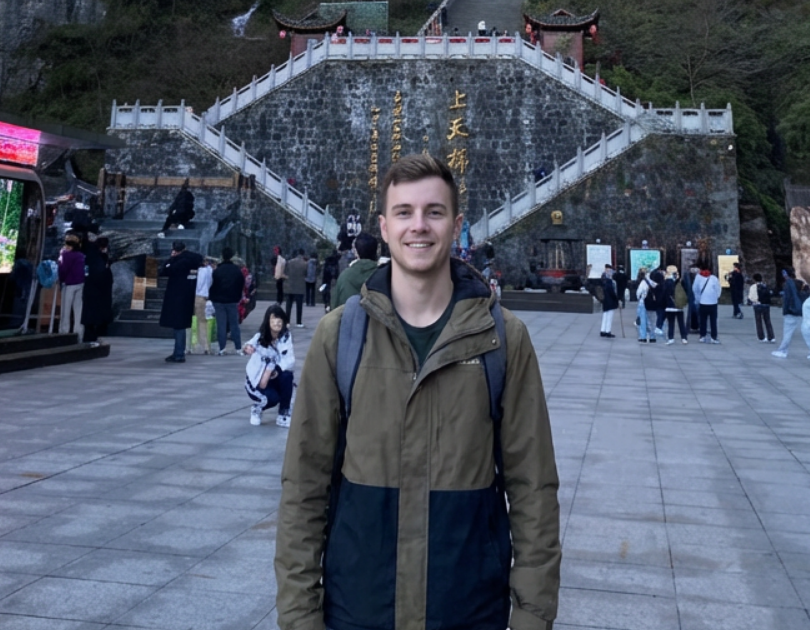
Hunan Zhangjiajie National Forest Park: My Avatar-Inspired Travel Diary & Guide | Zhangjiajie China
Join Emma, an outdoor enthusiast from London, on a magical adventure through Hunan Zhangjiajie National Forest Park—the real-life inspiration for Pandora’s floating mountains in Avatar. This travel diary takes you from the heart-stopping ascent of the Bailong Elevator, a glass lift clinging to a cliffside that rockets 326 meters in 66 seconds, to the thrilling Tianmen Mountain Glass Plank Road, where 1,430-meter-high panoramic views of mist-shrouded peaks erase all fears. Emma shares warm encounters with local hikers, savoring fresh mountain dishes like wild mushroom pork and stir-fried bamboo shoots at a family-run restaurant, and conquering the 999 steps to Tianmen Cave for a sunset view that paints the mountains pink and orange. The accompanying guide reveals essential tips: booking timed tickets online 3 days in advance to skip lines, choosing the right hiking gear for wet trails, and navigating Zhangjiajie’s transportation seamlessly. Whether you’re planning a trip to Zhangjiajie China or craving a virtual escape into nature’s wonders, this article is your ultimate companion for an unforgettable journey.