
Gulangyu Island Xiamen: A Serene Escape with Rich History and Culture
This article takes readers on a virtual journey to Gulangyu Island in Xiamen. It describes the island's peaceful atmosphere, well - preserved colonial - style buildings, the stunning view from Sunlight Rock, the fascinating Piano Museum, and the delicious local seafood. It offers an in - depth look at what makes Gulangyu Island a must - visit destination.
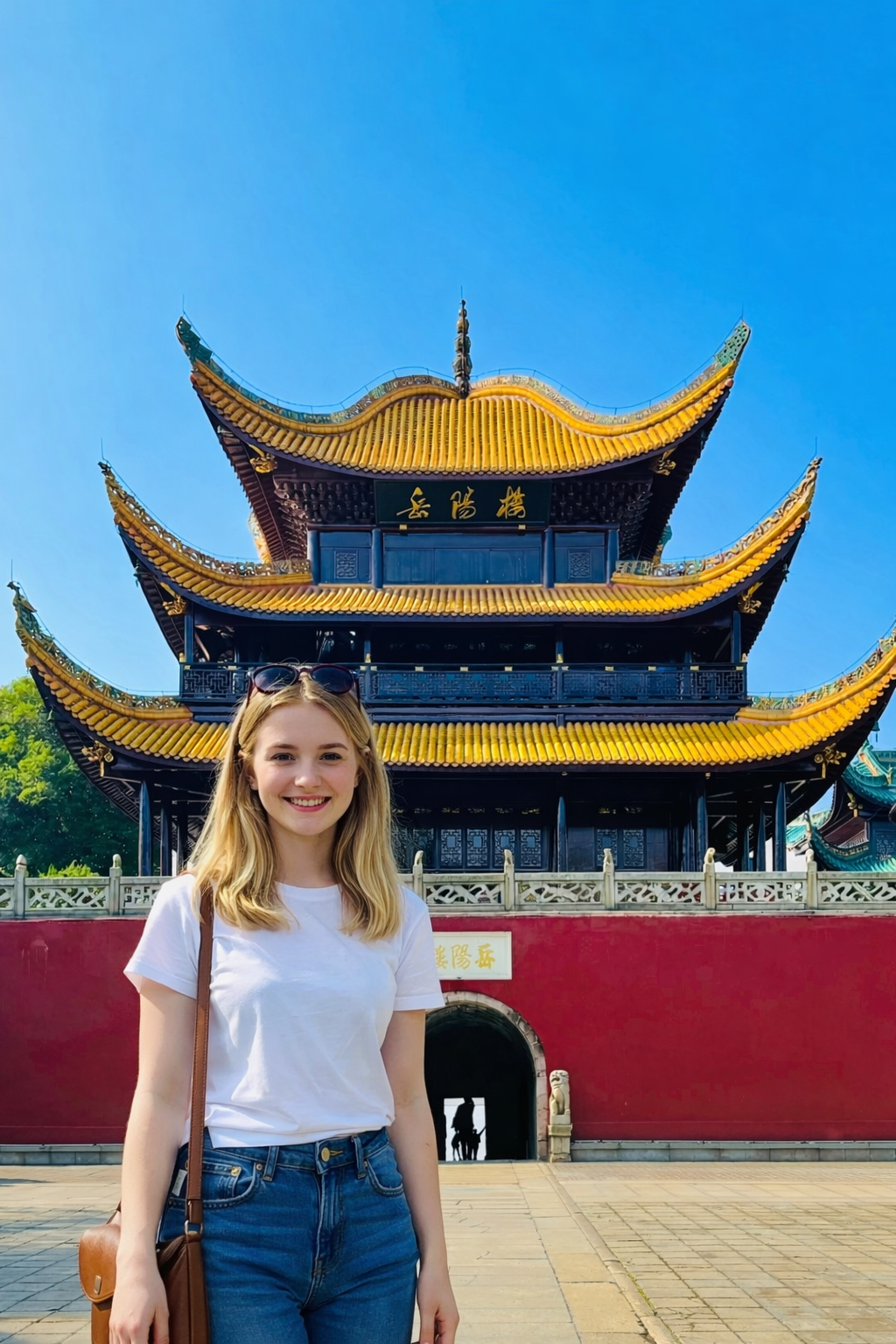
Legends of the Lake: Time Travel at Yueyang Tower
Explore the cultural significance and architectural beauty of Yueyang Tower, a literary icon standing beside the vast Dongting Lake. This article reflects on the famous poems and essays associated with the tower, particularly Fan Zhongyan’s legendary work, and captures the experience of climbing the wooden structure to gaze out at the expansive waters. It is a journey into the heart of Chinese literary tradition, offering insight into the values and aesthetics that have shaped the country’s history

Orange Isle Changsha: A Stroll Through History and Modernity
A journey to Orange Isle in Changsha reveals more than just a park; it offers a deep dive into the soul of the city. This article details the leisurely tram ride, the vibrant local life of kite flyers and Tai Chi practitioners, and the awe-inspiring encounter with the colossal Young Mao Zedong sculpture. Reflecting on the poetry and history associated with the site, the narrative captures the unique blend of political significance, modern relaxation, and the scenic beauty of the Xiangjiang River
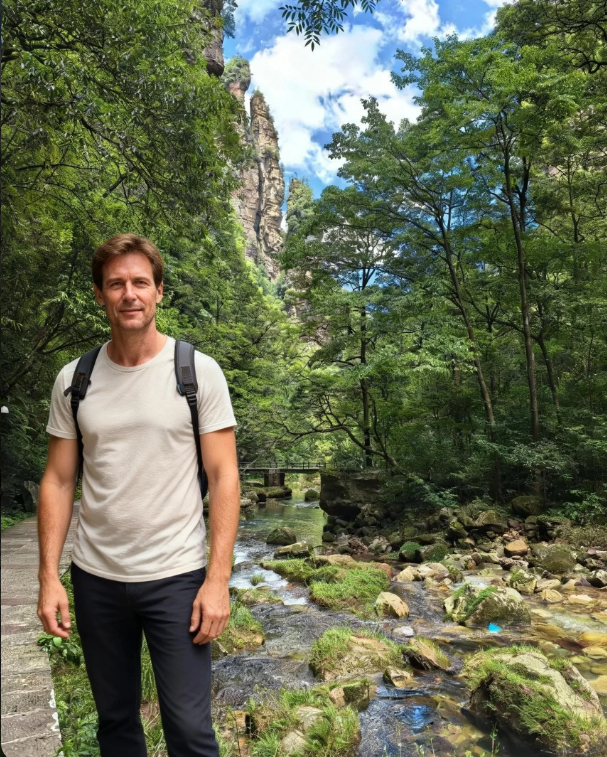
Beyond Avatar: A Personal Journey into the Mists of Zhangjiajie National Forest Park
Join a seasoned traveler on an immersive journey through Zhangjiajie National Forest Park, the inspiration behind the *Avatar* mountains. This personal narrative explores the primeval Golden Whip Stream, encounters with mischievous wild monkeys, and the breathtaking ascent via the Bailong Elevator. Discover the raw, untamed beauty of the sandstone pillars above the cloud line, the taste of local spicy snacks, and the humbling sensation of standing amidst 300 million years of geological history. It is a vivid account of adventure, sensory details, and the profound silence of China’s most iconic landscape.
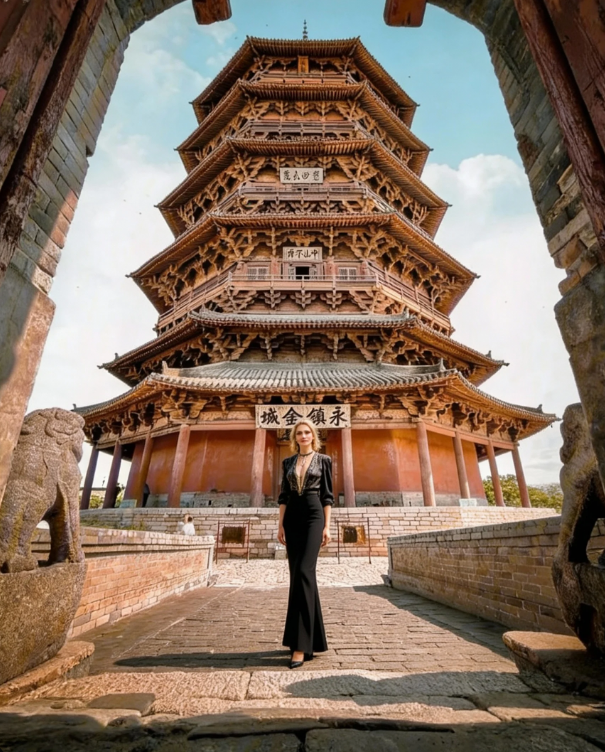
Yingxian Wooden Pagoda: Exploring the Oldest Wooden Pagoda in the World
Discover the architectural miracle of the Yingxian Wooden Pagoda, the oldest and tallest all-wooden pagoda in the world, built without a single iron nail. This personal reflection captures the experience of standing inside this 1,000-year-old structure, admiring the intricate “Dou-gong” brackets, and gazing up at the colossal tilted Buddha statues. Learn about the “living” nature of the wood, the challenges of preservation, and the profound sense of history that permeates this survivor of earthquakes and wars
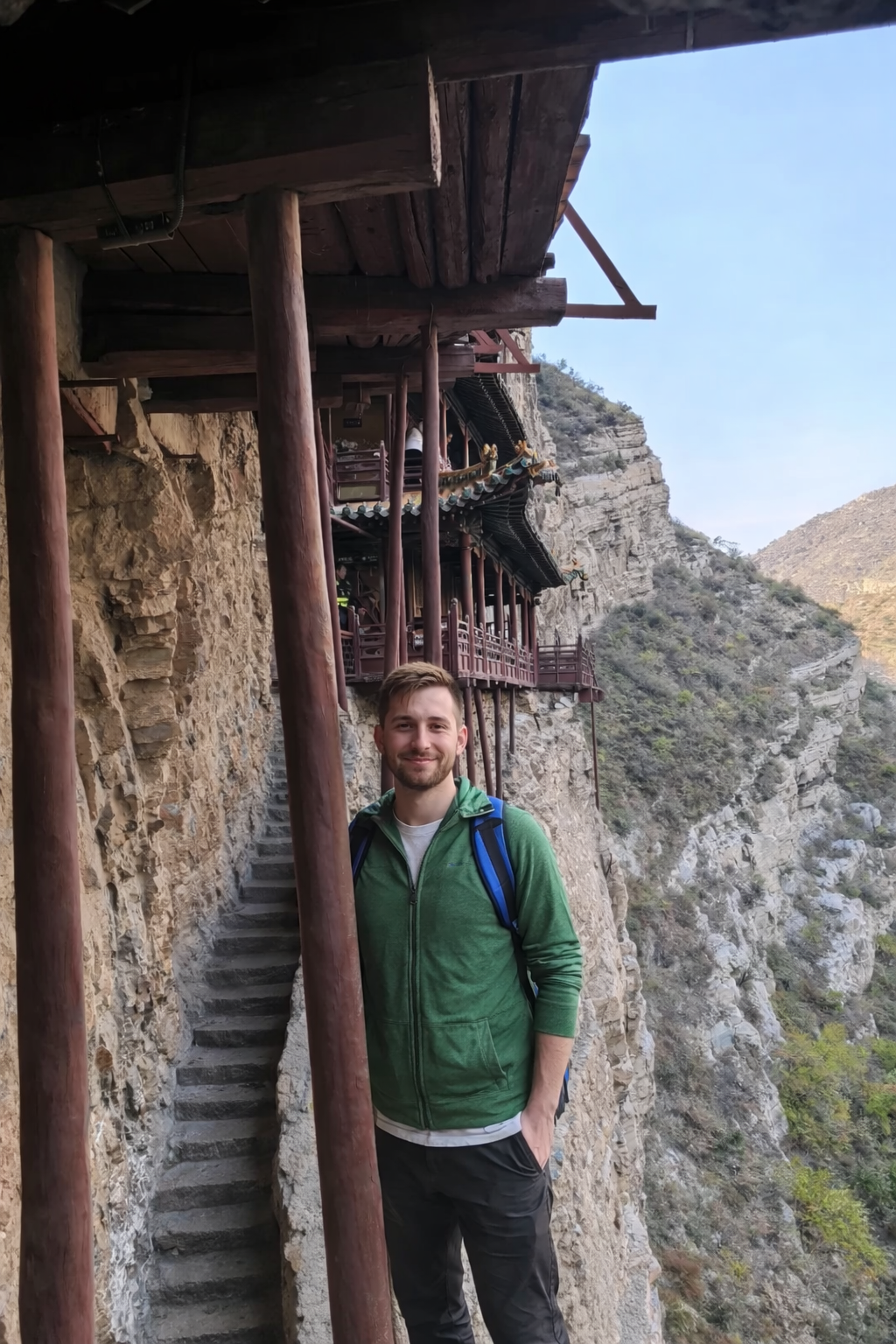
Hanging Temple Xuankong Si: Defying Gravity at Mount Heng’s Wooden Marvel
Experience the vertigo-inducing beauty of the Hanging Temple (Xuankong Si), a 1,500-year-old architectural wonder clinging to the sheer cliffs of Mount Heng. This first-person narrative describes the heart-pounding walk along narrow wooden bridges, the thrill of looking down hundreds of meters into the abyss, and the unique harmony of finding statues of Buddhism, Taoism, and Confucianism side-by-side. Discover why this perilous sanctuary is considered one of China’s most unique and awe-inspiring spiritual sites.
Hanging Temple Xuankong Si: Defying Gravity at Mount Heng’s Wooden Marvel
Experience the vertigo-inducing beauty of the Hanging Temple (Xuankong Si), a 1,500-year-old architectural wonder clinging to the sheer cliffs of Mount Heng. This first-person narrative describes the heart-pounding walk along narrow wooden bridges, the thrill of looking down hundreds of meters into the abyss, and the unique harmony of finding statues of Buddhism, Taoism, and Confucianism side-by-side. Discover why this perilous sanctuary is considered one of China’s most unique and awe-inspiring spiritual sites.
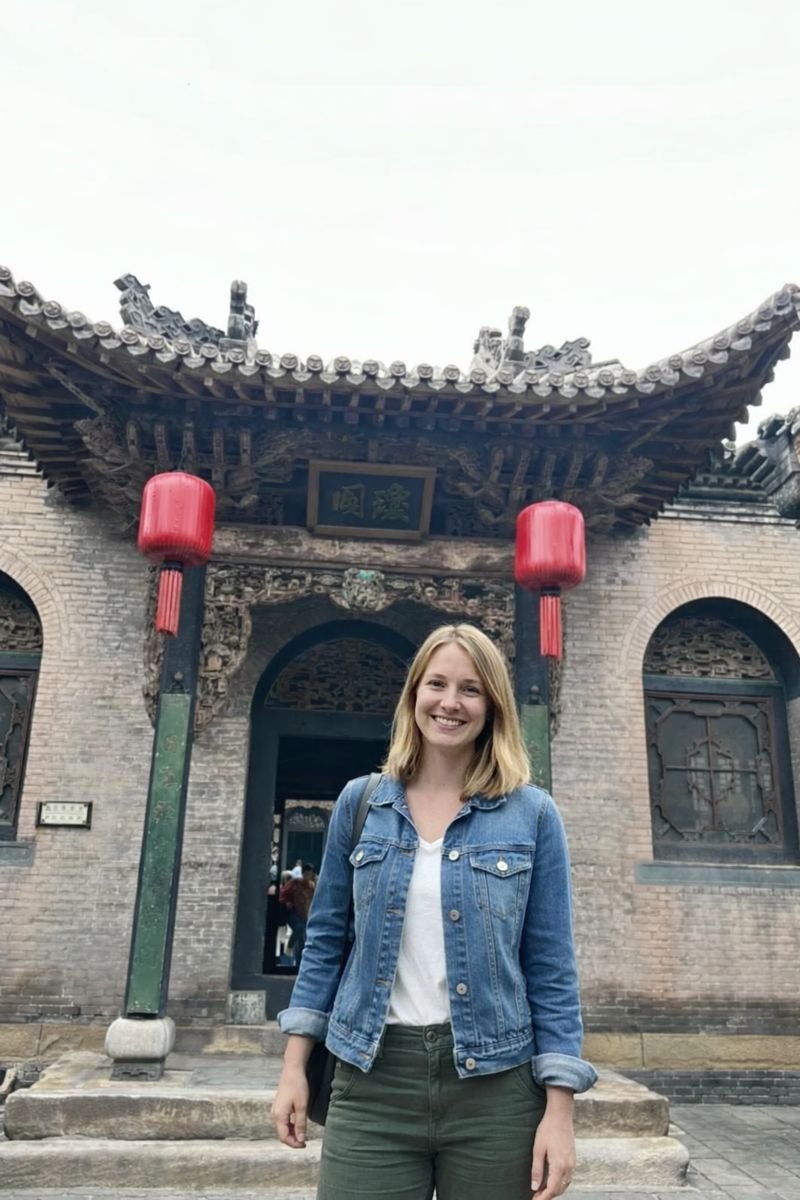
Qiao Family Compound Tour: Inside the Ancient Mansion of Raise the Red Lantern
Step back in time with a personal tour of the Qiao Family Compound, the sprawling 18th-century fortress-home that inspired the film “Raise the Red Lantern.” This article explores the intricate brick carvings, the strict Confucian hierarchy of the 313 rooms, and the poignant history of the wealthy Jin merchants who lived here. From the grandeur of the main halls to the quiet secrets of the inner courtyards, discover the architectural and cultural significance of one of China’s best-preserved courtyard residences.
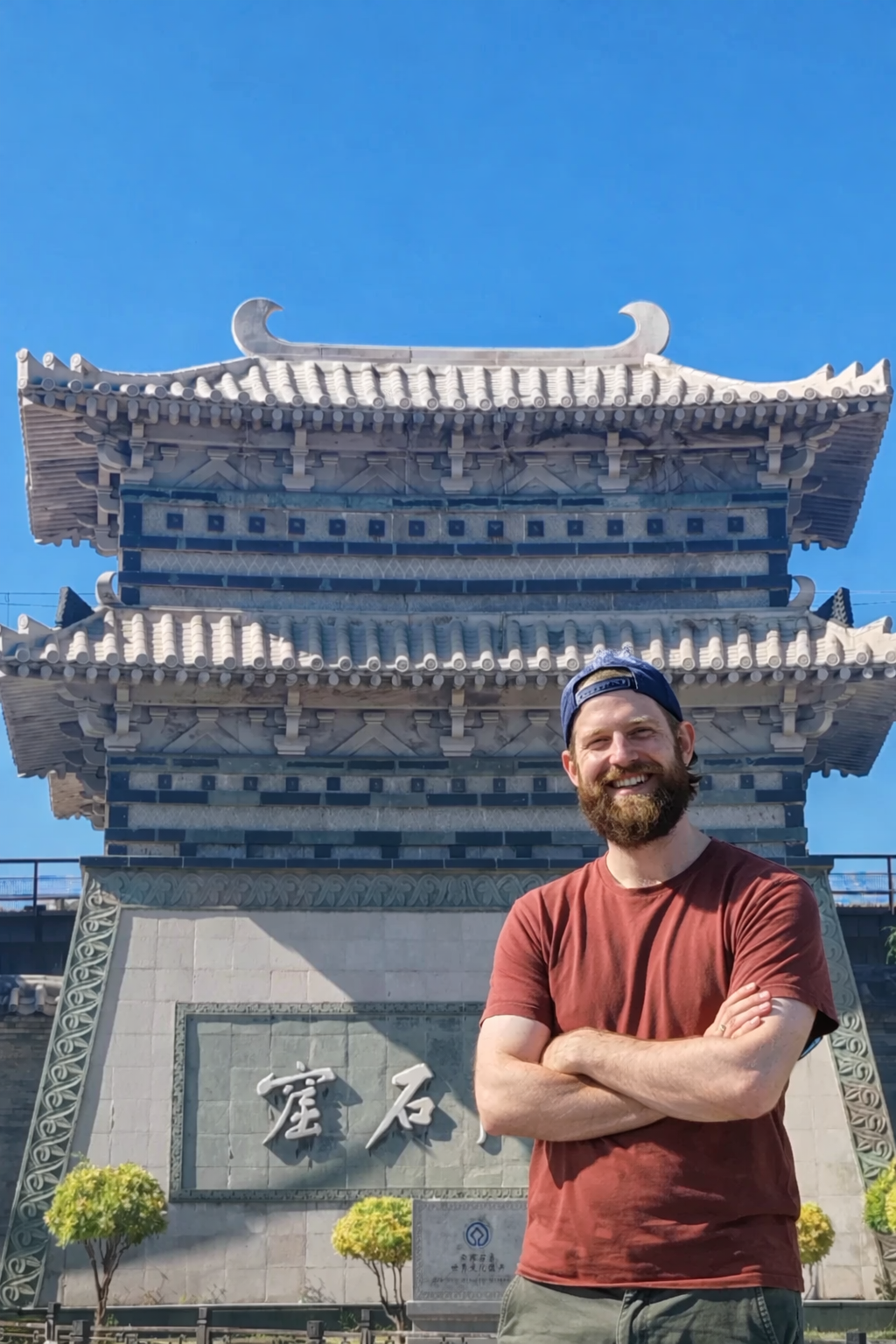
Yungang Grottoes Travel Guide: Exploring the Ancient Buddhist Caves of Datong
Join a seasoned traveler on a personal journey through the Yungang Grottoes, a UNESCO World Heritage site in Datong, China. This article goes beyond the guidebooks, offering a vivid, first-hand account of standing before the colossal 17-meter Buddhas, discovering the hidden colors of the Northern Wei Dynasty, and exploring the intricate architectural marvels carved into the sandstone cliffs. From the serenity of the Great Buddha to the intimate details of lesser-known niches, discover why the Yungang Grottoes are a testament to human devotion and a must-visit destination for history buffs and spiritual seekers alike.

Chagan Lake Winter Fishing: Experiencing the Ancient Mongolian Net-Fishing Ritual
Witness the spectacular ancient fishing ritual at Chagan Lake, one of China's last remaining winter fishing sites. This article details the pre-dawn horse-drawn net hauling, the shamanistic "Awakening the Net" ceremony, and the thrill of the massive catch, followed by a taste of the famous on-ice fish soup

Changbai Mountain Scenic Area: The Ultimate Guide to Heaven Lake and Volcanic Wonders
Explore the mystical Changbai Mountain Scenic Area with a seasoned traveler. This guide dives deep into the volatile beauty of Tianchi (Heaven Lake), the thrilling winding roads, the unique sulfur-boiled eggs, and the distinct Korean-Chinese culture of the region. Discover why this active volcano is considered a sacred, living entity in Northeast China.

Longji Rice Terraces Travel Guide: Explore Zhuang Culture & Golden Harvest Landscapes
This article shares the author’s immersive experience in the Longji Rice Terraces, a 2,300-year-old agricultural masterpiece carved by Zhuang and Yao peoples. Visiting in late September during the golden harvest season, the author details stays in a local Zhuang guesthouse, tasting authentic bamboo rice and Longji tea, and waking at dawn to witness sunrises over mist-shrouded terraces. Highlights include hiking through narrow terrace paths, learning rice harvesting from local farmers, visiting Zhuang embroidery workshops in Ping’an and Jinlong Villages, and exploring the Longji Rice Terraces Museum. The author captures the harmony between humans and nature, the wisdom of traditional farming practices, and the rich cultural heritage of the local ethnic groups. The piece offers a comprehensive guide for travelers seeking to experience the beauty and culture of one of China’s most iconic landscapes.