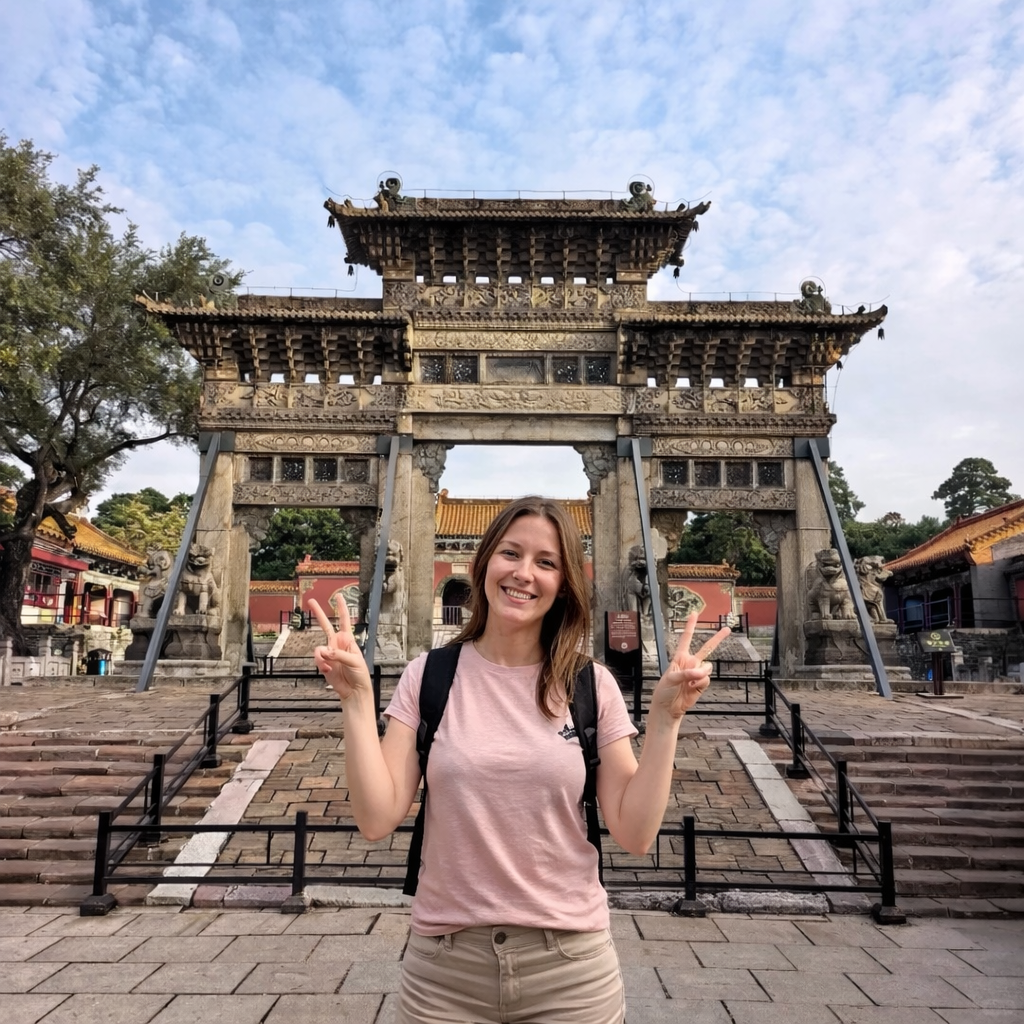
Qing Zhaoling Mausoleum (Beiling Park): A Serene UNESCO Site of Qing Emperor Huang Taiji
Qing Zhaoling Mausoleum, or Beiling Park, is a UNESCO World Heritage Site and the grand resting place of Qing Dynasty’s first emperor Huang Taiji and Empress Xiaozhuang in Shenyang. This first-hand account takes readers on a journey through the mausoleum’s serene grounds, starting with the elaborate stone archway—carved with dragons, phoenixes, and clouds—and the impressive Sacred Way lined with 18 pairs of stone statues (horses, elephants, lions, qilin, etc.), each a masterpiece of ancient craftsmanship. The article explores the inner courtyard, including the Dacheng Hall (used for imperial sacrifices) and the circular Baocheng covering the emperor’s tomb, offering panoramic views of the mist-shrouded pine forests and stone walls. Beyond the historical sites, the piece highlights the vibrant blend of ancient history and modern life, as locals practice tai chi, dance, and picnic in the surrounding Beiling Park. Personal anecdotes, such as interacting with a local elder about the qilin statue and savoring Manchu snacks like sachima and shaobing, add warmth and authenticity. Qing Zhaoling is not just a tomb but a living cultural heritage site, exuding peace and reverence, making it a must-visit for those seeking to connect with Qing Dynasty history and Shenyang’s local life.
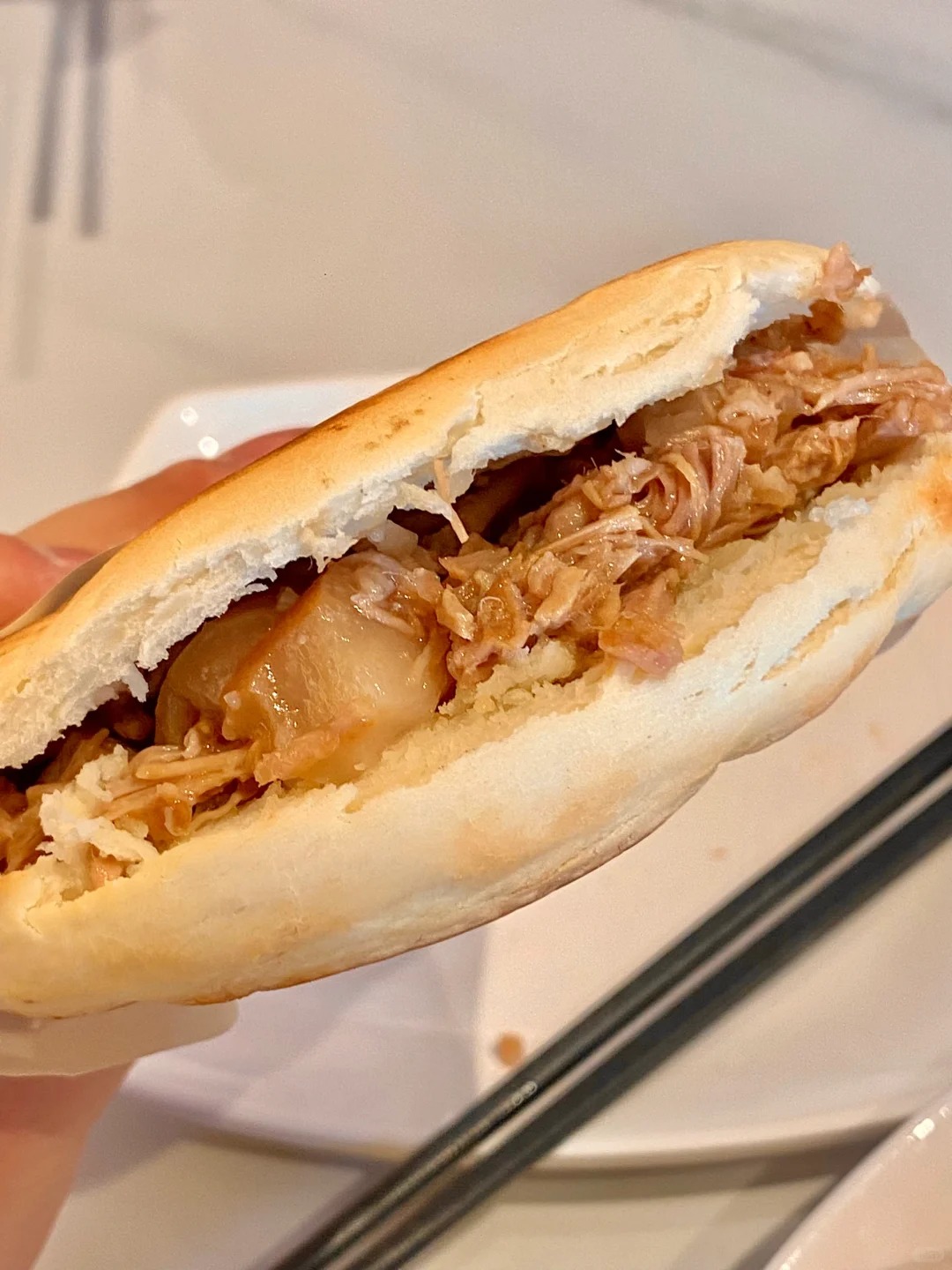
Roujiamo: Why This 2,000-Year-Old "Chinese Hamburger" Ruins Fast Food Forever
This culinary essay is a love letter to the Roujiamo, Xi'an's iconic street food often dubbed the "Chinese Hamburger." The author recounts the quest for an authentic version in a back alley shop, emphasizing the importance of the "master stock" used to braise the pork. The narrative breaks down the anatomy of the perfect Roujiamo: the "Baiji Mo" bun with its crispy "tiger skin" crust and dense interior, paired with the rich, hand-chopped braised meat. The tasting experience is described in visceral detail—the crunch, the soaking gravy, and the complex spice profile. The author concludes that the Roujiamo is a reflection of the region's character—straightforward, hearty, and unpretentious—and argues that this ancient staple far surpasses modern Western fast food in depth and soul.
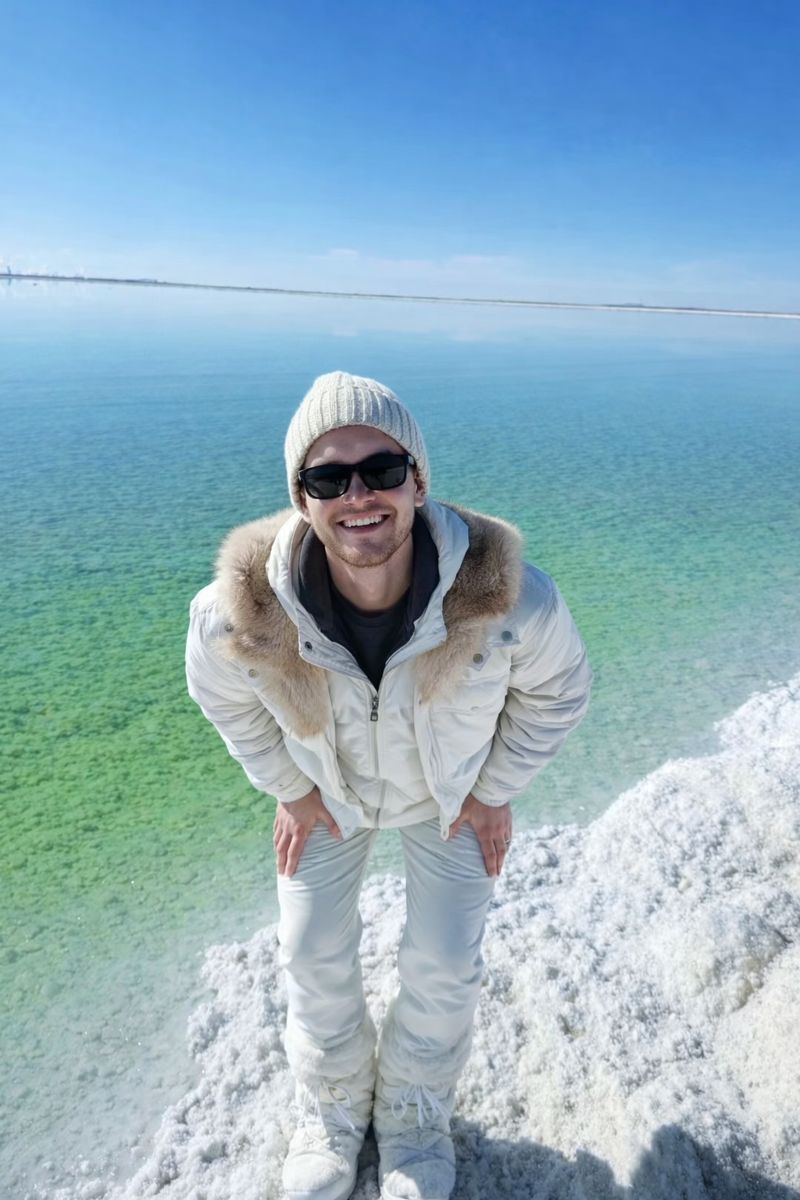
Qarhan Salt Lake: Exploring the Vast Salt Kingdom and the Miracle Salt Bridge
This article details my expedition to Qarhan Salt Lake, the colossal industrial salt lake in Qinghai Province, offering a stark contrast to the more touristy Chaka Salt Lake. I describe the experience of driving on the famous 32-kilometer Salt Bridge, a highway constructed entirely from salt, and witnessing the surreal, blindingly white landscape that stretches for thousands of square kilometers. The narrative explores the industrial scale of the salt flats, the massive trucks, and the unique “Salt Flower” formations that resemble coral. I share a rare glimpse into the lives of the truck drivers working in this alien environment and the intricate salt carvings created by local artisans. This piece is a tribute to the raw, untamed beauty of Qinghai’s “Salt Kingdom” and the harsh but fascinating reality of industrial life on the plateau.
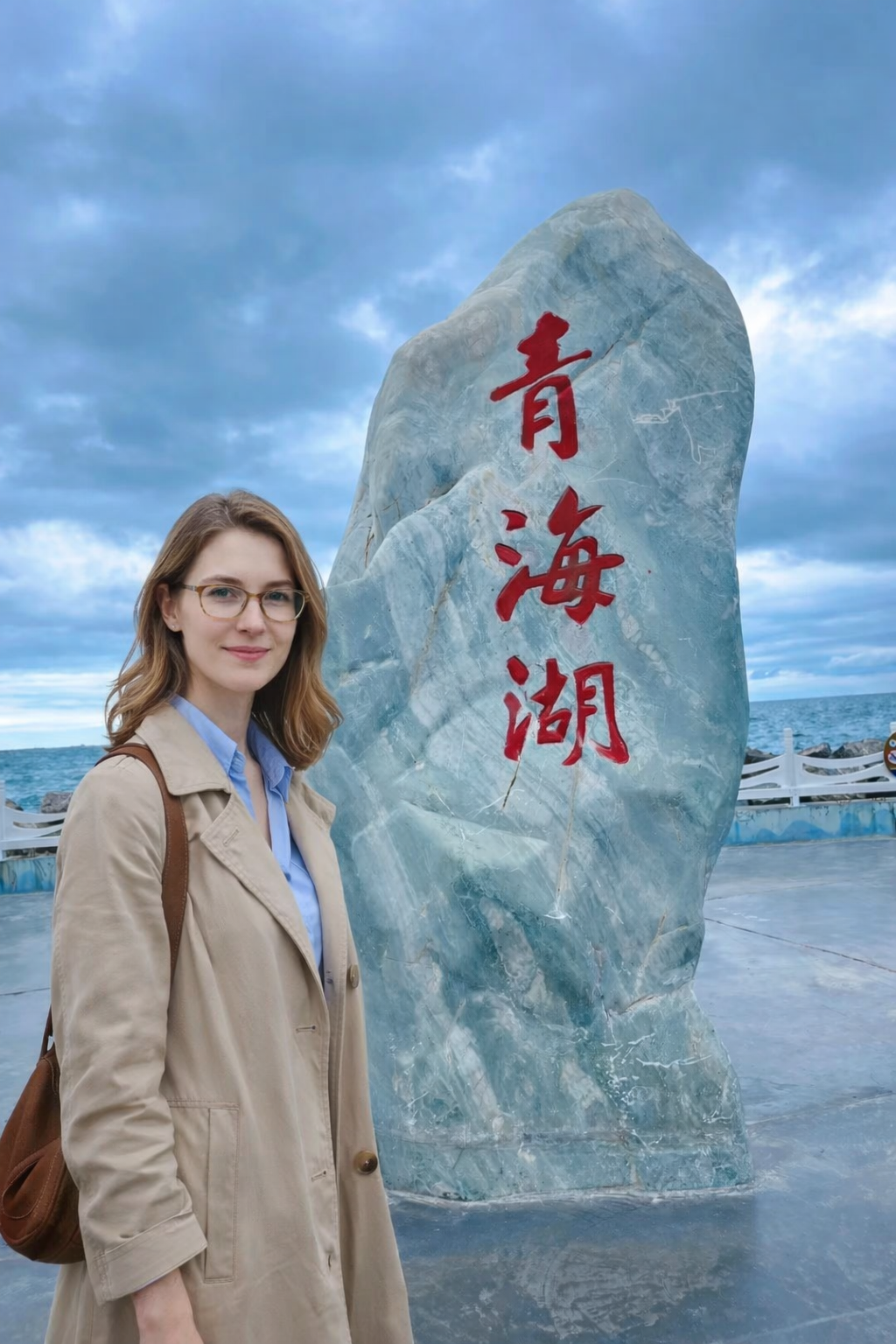
Qinghai Lake Travel Guide: Experience the Sacred Blue Beauty of China’s Largest Saltwater Lake
In this personal narrative, I recount my transformative journey to Qinghai Lake, the majestic “Blue Jewel” of the Tibetan Plateau. I detail the sensory experience of standing at 3,200 meters, where the thin, crisp air meets the vast, sapphire waters. The article explores the breathtaking contrast between the deep blue lake and the vibrant yellow rapeseed flowers that carpet the shores in July. I share intimate moments of cycling along the lakeside, interacting with local Tibetan nomads, and savoring traditional salty milk tea. Beyond the scenery, I delve into the spiritual significance of the lake to the local people and the profound sense of peace that comes from witnessing such raw, unfiltered nature. This guide offers an immersive look at why Qinghai Lake is a must-visit destination for those seeking silence, scale, and a connection to the ancient rhythms of the earth.
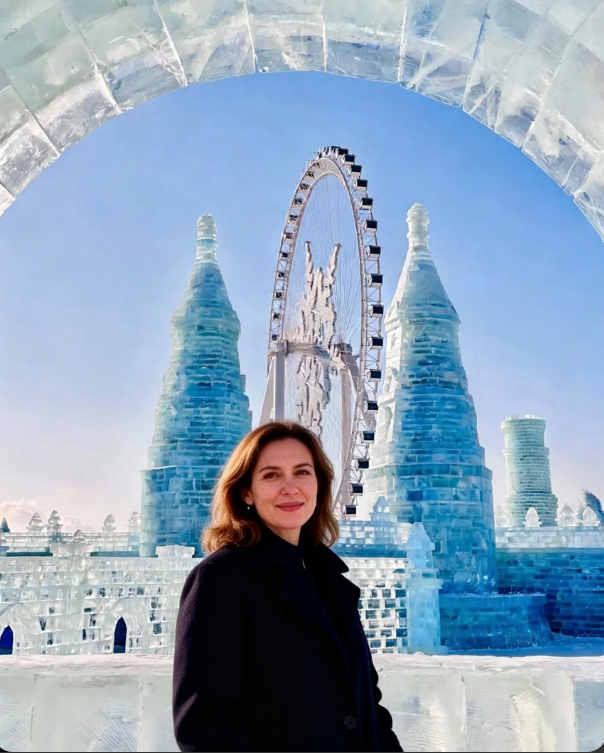
China Harbin Ice Festival: The Complete Guide to the World's Greatest Winter Celebration
The China Harbin Ice Festival is a monumental winter extravaganza that transforms a city into a frozen wonderland. This ultimate guide goes beyond the basics to capture the full depth and spirit of this world-famous event. It details the festival's iconic sites—the Harbin Ice and Snow World, Sun Island Snow Sculpture Expo, and Zhaolin Park—while also uncovering the local experiences that give it soul: street-side ice carving, winter swimming, and vibrant food culture. The article provides essential practical advice on dates, tickets, and the critical "how to dress" for extreme cold. It delves into the rich history and cultural significance of the festival, from its humble Manchu ice lantern origins to its current status as a global spectacle. Written from a first-person perspective, the narrative blends useful information with evocative storytelling, conveying the awe of witnessing architectural marvels made of ice and the simple joy of sharing a hot street snack in the frosty air. This guide is indispensable for anyone planning a trip, offering a realistic view of the crowds, the cold, and the unparalleled magic. It positions the festival not just as a collection of tourist attractions, but as a profound cultural celebration that showcases human resilience, artistry, and the unique character of Harbin and Northeast China. Prepare to be informed, inspired, and ready to embrace the cold at this unforgettable winter celebration

Sun Island Scenic Area in Harbin: Beyond the Ice, a Snow Sculpture Epic
Discover the serene and artistic heart of Harbin's winter on Sun Island. This comprehensive guide moves beyond the island's summer reputation to focus on its spectacular winter identity as the home of the International Snow Sculpture Art Expo. Experience a world where snow is the sole medium for breathtaking art on a gargantuan scale. Walk among silent, majestic sculptures—dragons, temples, and abstract forms—that tower over visitors, showcasing incredible detail and craftsmanship from artists worldwide. The article provides a vivid first-person narrative of crossing the frozen Songhua River, the unique quality of light and silence on the island, and the profound impact of witnessing such ephemeral beauty. It contrasts the experience with the more famous Ice and Snow World, highlighting Sun Island's role as a place for contemplation and appreciation of pure sculptural art in a natural, park-like setting. Practical details on accessing the island, navigating the expo, and additional winter activities like snow biking are seamlessly woven into the personal journey. This piece is essential for travelers seeking a deeper, less commercialized layer of the Harbin ice festival experience, offering cultural context on the significance of snow sculpture and why Sun Island is a must-visit for art lovers and winter enthusiasts alike. It captures the temporary, poignant nature of the sculptures and the quiet magic of a snowy landscape transformed by human imagination.

Hello 2026! 🐴 Gallop into the Year of the Horse with Shanghai's Grandest Festivities!
As the seasons change and everything renews, the Shanghai "Cross-Year Welcoming Season" has officially launched! With warmth and anticipation, Shanghai invites friends from all over the world to gather in this vibrant city. Come and experience the unique charm and urban warmth of "Celebrating the New Year in Shanghai," where tradition meets modernity.
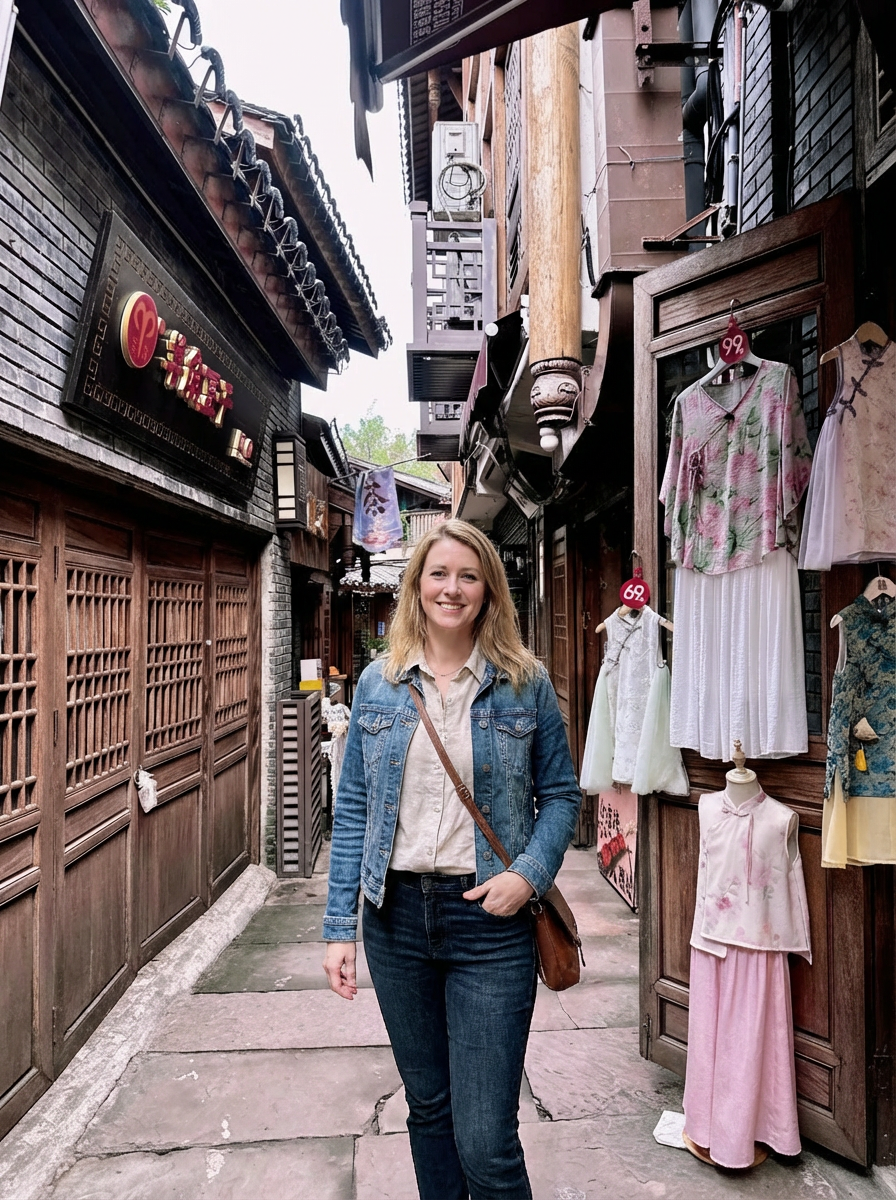
Ciqikou Ancient Town Guide: Escaping the Tourist Trap to Find Old Chongqing’s Soul
This narrative challenges the common perception of Ciqikou Ancient Town as a mere "tourist trap." The author begins by acknowledging the chaos, noise, and commercialization of the main street but quickly diverges into the quiet back alleys to find the town's authentic pulse. The story details a serene tea break in a hidden courtyard, offering a view of the ancient rooftops against the modern skyline, and reflects on the town's history as a bustling porcelain port. Key experiences include observing a silent, skilled embroiderer at work—a stark contrast to the noisy street vendors—and a visceral description of eating Mao Xuewang, a spicy local dish that embodies the region's gritty, working-class history. The article concludes that Ciqikou’s true charm lies in its hidden corners and that its commercial energy is actually a continuation of its historical legacy as a trading hub.
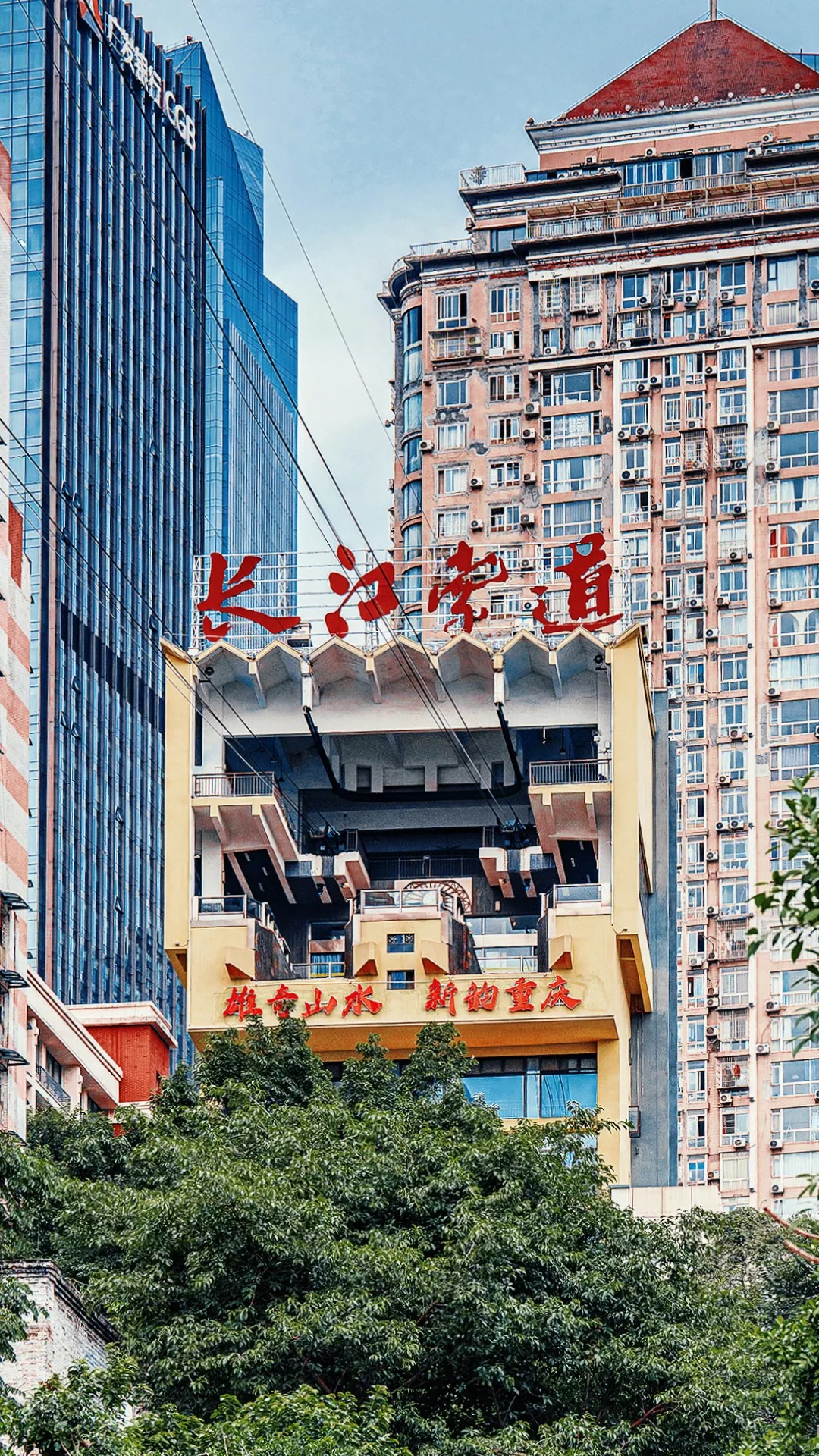
Yangtze River Cableway: A Lonely Ride Over Chongqing’s Rusty Soul – Not Just a Tourist Trap
This article offers a deeply personal and sensory-rich account of riding the iconic Yangtze River Cableway in Chongqing. Moving beyond the typical tourist guide format, the author narrates the experience from the perspective of a veteran traveler who seeks the "grit" behind the glamour. The story begins with a skeptical taxi driver and the oppressive heat of a Chongqing afternoon, setting a realistic scene of the city's atmosphere. The core of the narrative focuses on the sensory details of the ride: the shudder of the vintage carriage, the smell of the muddy Yangtze River, and the visual chaos of Chongqing’s "cyberpunk" skyline. The author reflects on the cableway not as a sightseeing attraction, but as a historical lifeline that once connected the working class of the two riverbanks. The journey concludes on the Nan'an side, with a quiet moment of reflection over a bowl of local ice jelly (Bingfen), watching the carriage slide against the night sky. It captures the essence of Chongqing—a city suspended between its industrial past and its neon-lit future.
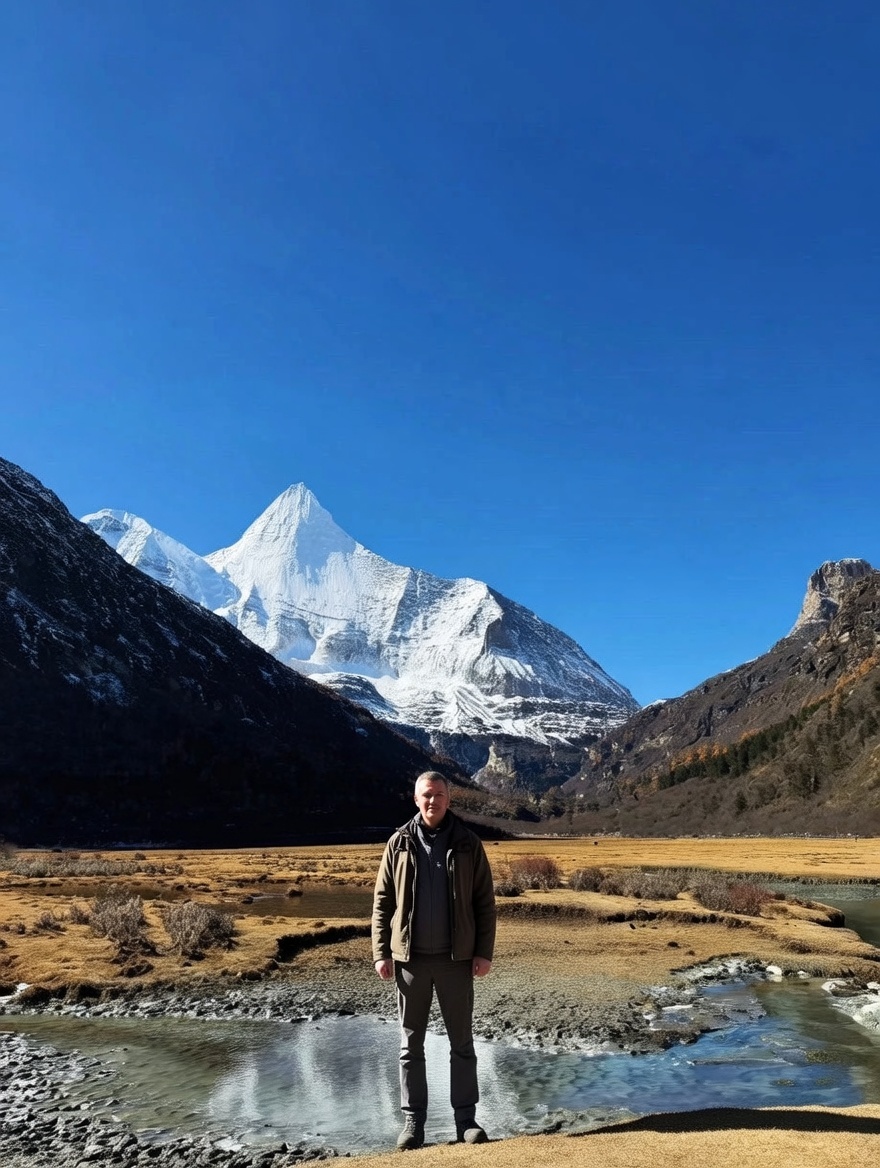
Chasing the King: A Personal Odyssey to the Summit of Gongga Snow Mountain
This article recounts my awe-inspiring encounter with Gongga Snow Mountain, known as the “King of Mountains in Sichuan.” Standing at 7,556 meters, it is the highest peak east of the Himalayas and a destination reserved for the most dedicated adventurers. I describe the journey through the Moxi Valley, the anticipation of seeing the main peak, and the trek to the ancient Gongga Monastery, which offers a stunning vantage point. The narrative vividly portrays the moment the clouds parted to reveal the snow-capped pyramid, a sight so powerful it brought tears to my eyes. I explore the glaciers that cascade down its slopes, describing them as frozen rivers of ice that look otherworldly. The piece also touches on the deep spiritual connection the Tibetans have with this sacred mountain, where climbing is discouraged out of respect for the deity believed to reside there. I share the challenges of high-altitude trekking and the humbling experience of sleeping in a remote mountain camp. This article is a tribute to the raw, untamed beauty of the Hengduan Mountains and a guide for those seeking to witness the majesty of one of the world’s most elusive giants
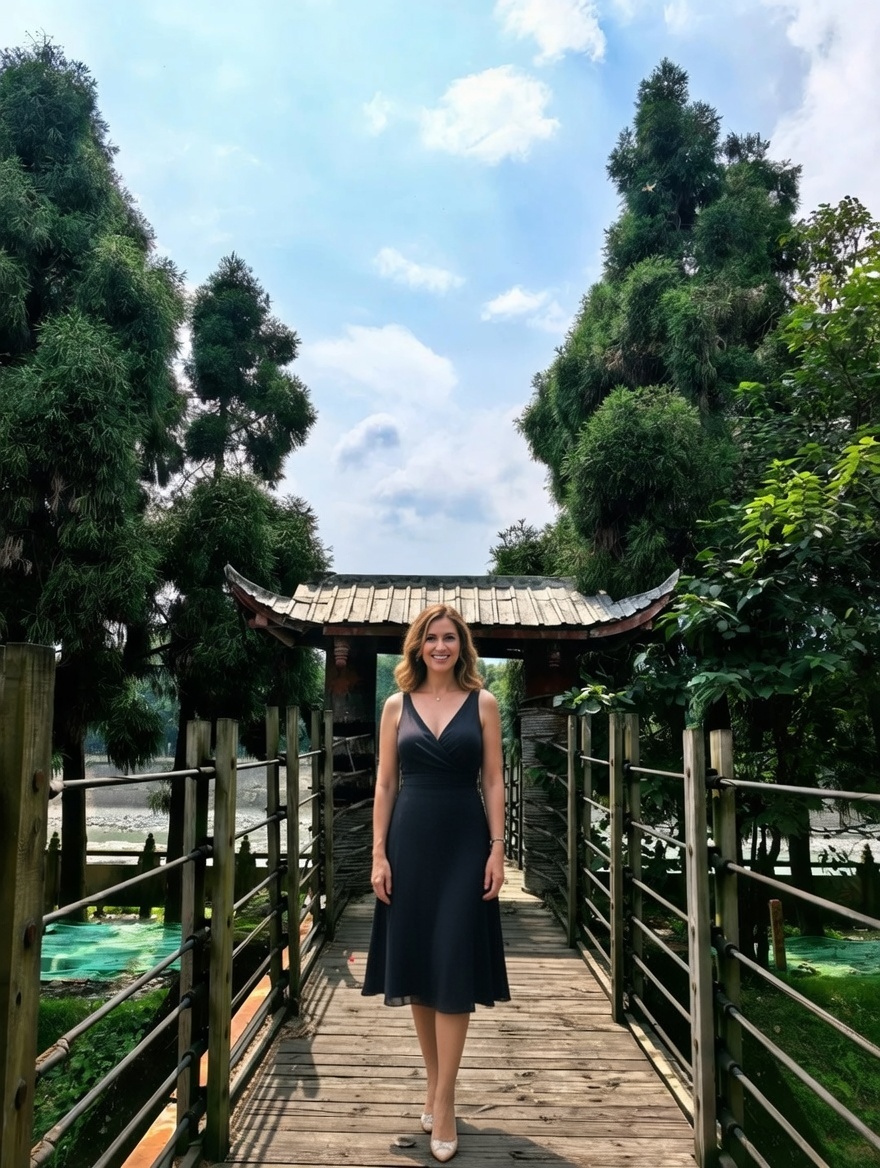
Dujiangyan Irrigation System: A Journey Through Time to the World’s Oldest Functioning Dam
In this narrative, I explore the Dujiangyan Irrigation System, a marvel of ancient engineering that has tamed the ferocious Min River for over 2,000 years. Unlike modern concrete dams that block the flow of water, Dujiangyan is a testament to Taoist philosophy, working *with* nature rather than against it. I recount my experience walking across the swaying Anlan Suspension Bridge, feeling the spray of the river, and standing in awe at the “Fish Mouth” levee, which splits the river into an inner and outer flow. The article delves into the history of Li Bing, the governor who designed this system in 256 BC, and the ingenuity behind the “Flying Sand Weir” and “Bottle-Neck Channel.” I describe the breathtaking view from the Erwang Temple, where one can see the entire system functioning just as it did millennia ago, preventing floods and irrigating the fertile Chengdu Plain. Beyond the mechanics, I reflect on the spiritual connection the locals have with the water and the annual Qingming Festival water-releasing ceremony. This piece serves as a historical and philosophical guide, inviting travelers to witness a living legacy that turned Sichuan into the “Land of Abundance” and continues to sustain millions today
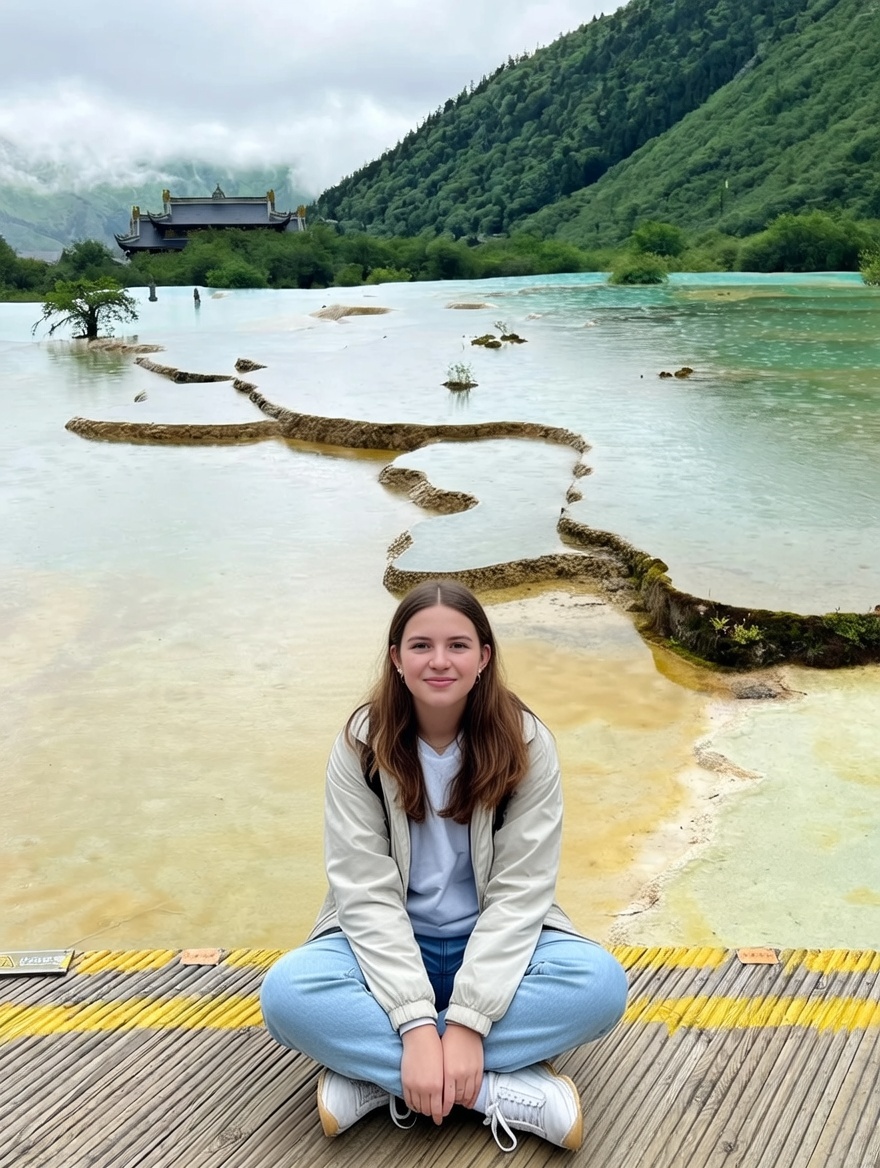
Huanglong Scenic Area: Walking the Golden Dragon – A First-Hand Account of China’s Rainbow Pools
This narrative captures my awe-inspiring visit to Huanglong Scenic Area, a UNESCO World Heritage site often described as a golden dragon winding through the snow-capped mountains of Sichuan. I recount the journey through the Minshan Mountains, where the anticipation builds as the altitude rises. The article focuses on the surreal beauty of the travertine landscapes—calcite pools that create a palette of colors ranging from deep turquoise to bright gold. I detail the physical challenge of the hike, emphasizing the importance of acclimatization as the air grows thin near the summit. The centerpiece of my story is the Five-Color Pond (Wucaichi), where the water shifts colors with the changing light, creating a mystical atmosphere that feels untouched by time. I also describe the cascading waterfalls and the distinct sulphuric scent of the mineral-rich water, reminding travelers that this is a living geological wonder. Beyond the visuals, I explore the legend of the golden dragon and the spiritual significance of the site to the local Tibetan and Qiang people. This piece serves as an honest reflection on the grandeur of nature, offering practical advice on navigating the boardwalks while encouraging travelers to embrace the silence and majesty of this high-altitude paradise.