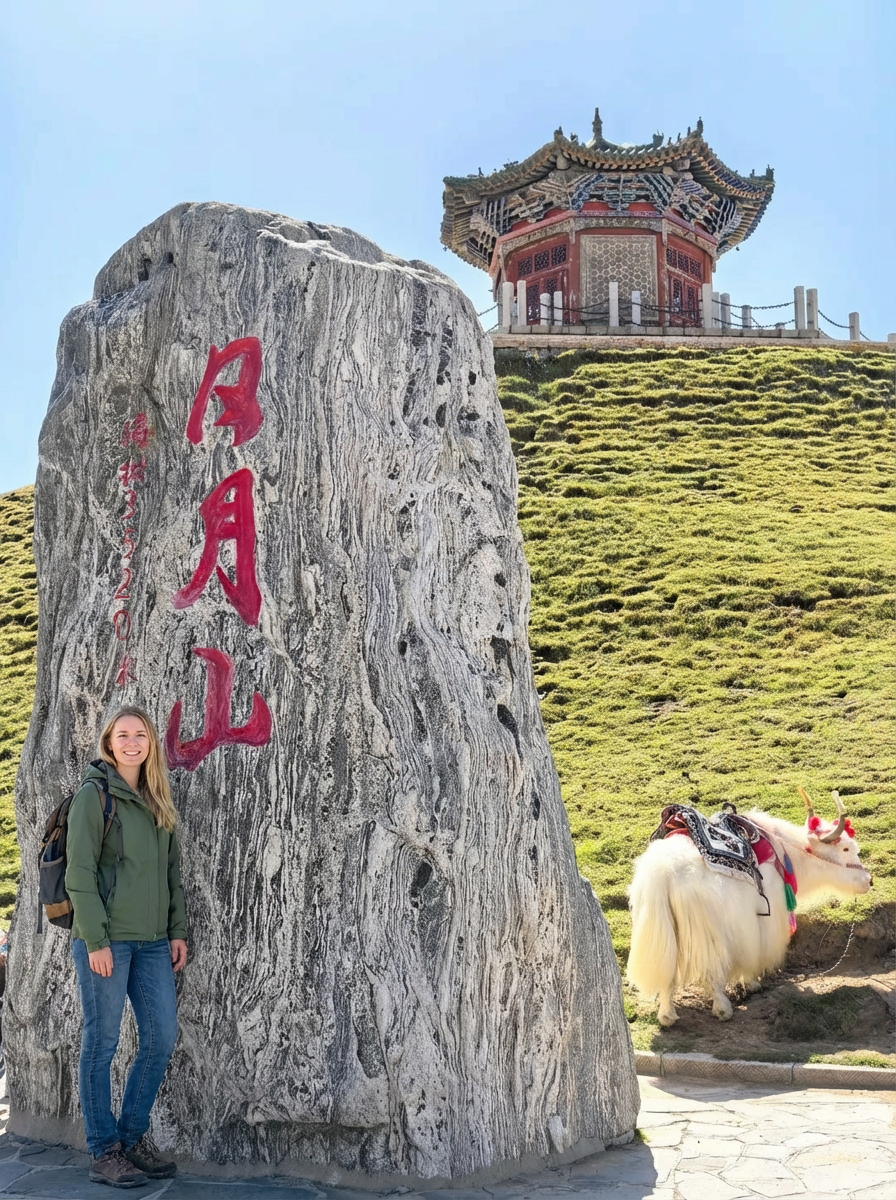
Riyue Mountain: The Legendary Pass Where Princess Wencheng Bade Farewell to Home
This article recounts my emotional journey to Riyue Mountain (Sun and Moon Mountain), the historic pass dividing agricultural China from the Tibetan grasslands. I describe the striking visual contrast from the summit: terraced fields to the east and vast nomadic pastures to the west. The narrative centers on the tragic legend of Princess Wencheng of the Tang Dynasty, who shattered the Sun and Moon Mirror here before her marriage to the Tibetan king, symbolizing her sacrifice for peace. I detail the experience of battling the fierce mountain winds at the Sun and Moon Pavilions and the unique phenomenon of the Daotang River that flows backwards. The article also captures the transition in culture and landscape as one descends the western slope, enjoying roasted potatoes with local herders. It is a story of history, geography, and the emotional weight of crossing borders.
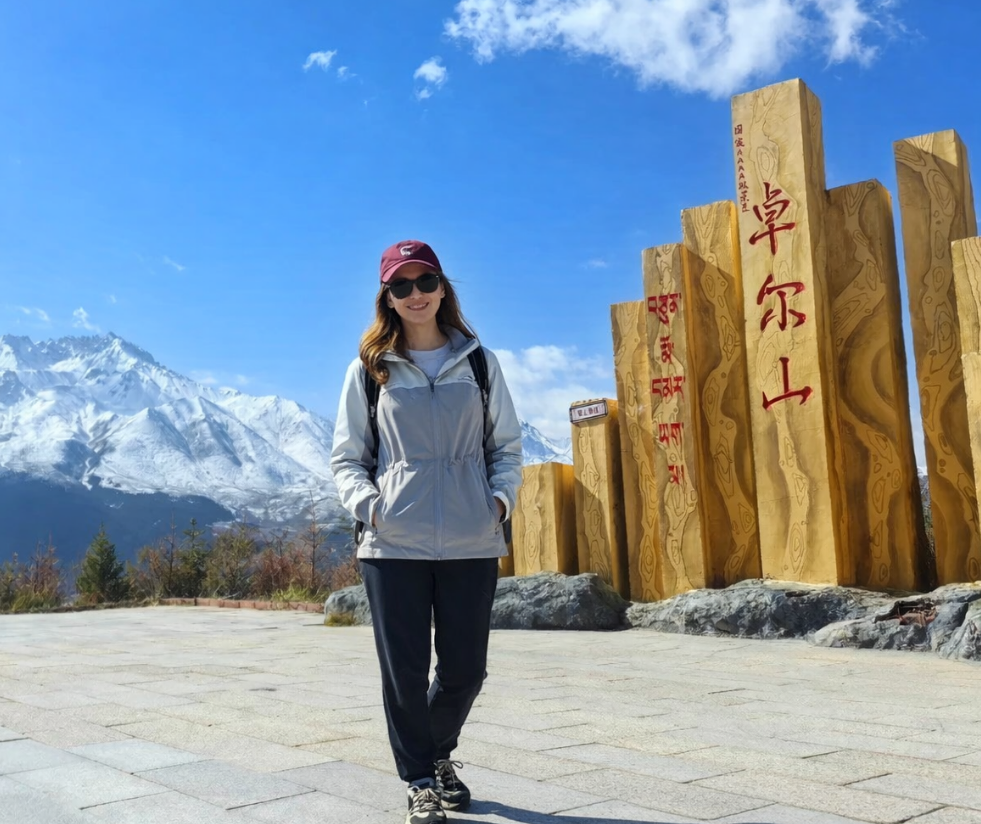
Qilian Zhuoer Mountain: A Majestic Hike Through Alpine Meadows and Red Cliffs
This personal narrative takes readers on a vivid journey to the summit of Qilian Zhuoer Mountain, one of the most scenic peaks in the Qilian range. I describe the ascent through birch and poplar forests, emerging into alpine meadows bursting with colorful wildflowers. The article highlights the breathtaking panoramic views of the Qilian grasslands, dotted with nomadic tents and grazing yaks. I focus on the unique geological beauty of the area, specifically the striking contrast between the red sandstone cliffs of the Danxia landform, the lush green valleys, and the snow-capped peaks. I also share a touching interaction with Tibetan pilgrims at the summit and the experience of savoring authentic local yogurt in a yurt. This piece captures the essence of the “Wet Island of the Arid Northwest” and the spiritual rejuvenation found in high-altitude nature.

Harbin Ice and Snow World: A First-Hand Journey into the Frozen Kingdom
Harbin Ice and Snow World is not merely an attraction; it is a profound, multi-sensory experience that redefines winter. Built annually from ice harvested from the Songhua River, it stands as the glittering centerpiece of the Harbin International Ice and Snow Festival. This first-hand account takes you beyond the postcard images into the heart of this frozen metropolis. Walk through towering, illuminated replicas of global architectural wonders, from Chinese pagodas to European cathedrals, all crafted from crystal-clear ice. Feel the thrill of sliding down ice slides amidst the laughter of families, and discover the serene moments of awe in quieter, moonlit corners. The article delves into the incredible craftsmanship behind the scenes, where artisans wield chainsaws and chisels with artistic precision. It captures the unique atmosphere—the smell of frost and street food, the sensation of cold that is both challenging and exhilarating, and the warm, defiant spirit of the locals who create this ephemeral art. More than just a guide, this narrative explores the cultural significance of the festival as a celebration of human ingenuity in the face of extreme cold. It provides practical insights intertwined with personal reflection, making it an essential read for anyone planning a visit or seeking to understand why this frozen kingdom captures the imagination of the world. Prepare to see winter not as a season to escape, but as a canvas for spectacular, transient beauty.
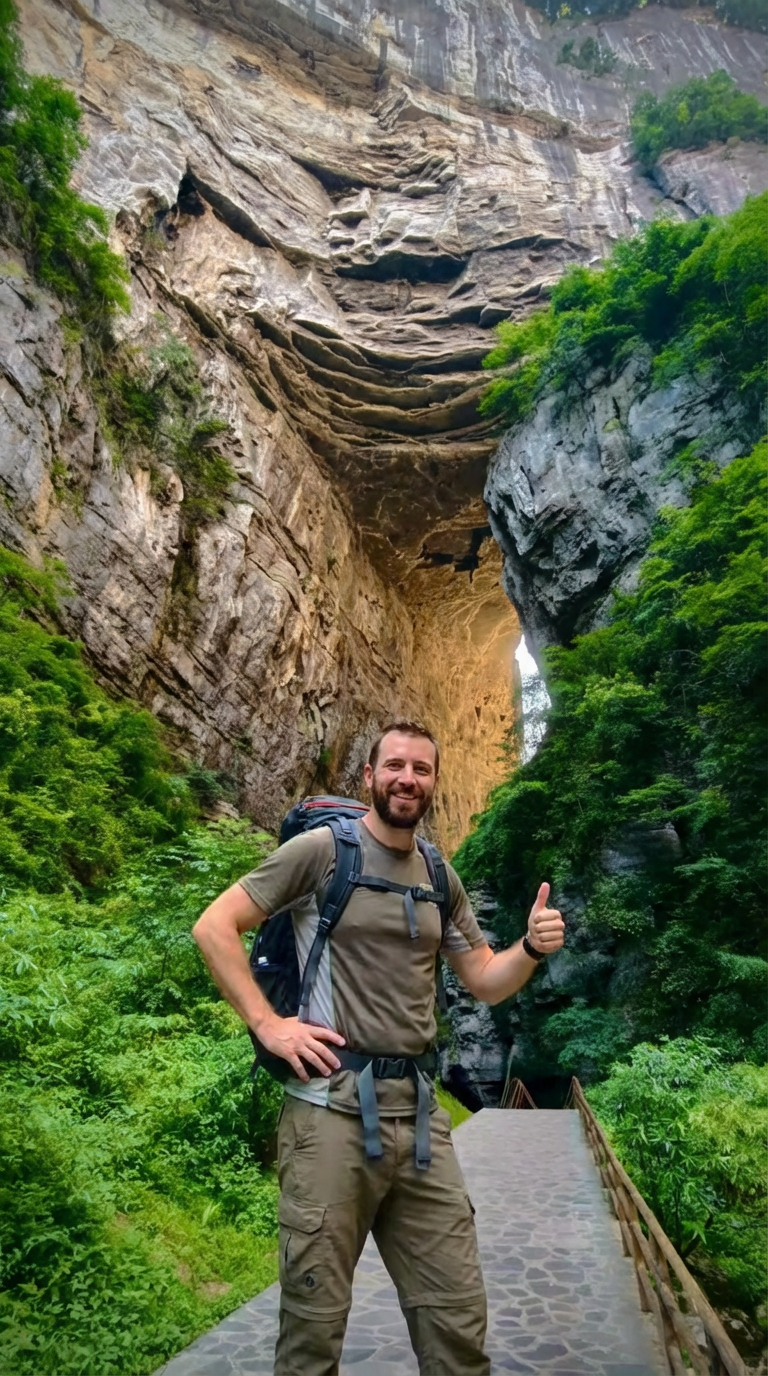
Wulong Karst National Geology Park: A Hiker’s Journey Through the Natural Three Bridges
This travelogue recounts a transformative hiking experience at the Wulong Natural Three Bridges, a UNESCO World Heritage site. The narrative emphasizes the overwhelming scale of the karst landscape, describing the descent into the valley via a glass elevator as entering a "different world." The author vividly describes the Tianfu Official Post, an ancient courtyard made famous by film, highlighting its fragility against the massive limestone cliffs. The journey continues through the prehistoric-like vegetation of the canyon, detailing the sensory experience of the cool air, dripping water, and the looming presence of the Green and Black Dragon Bridges. The story captures the feeling of insignificance one feels in such a majestic environment. It concludes with the ascent back to the surface, reflecting on the sharp contrast between the timeless, silent valley below and the modern world above, presenting the hike as a humbling encounter with nature’s power.
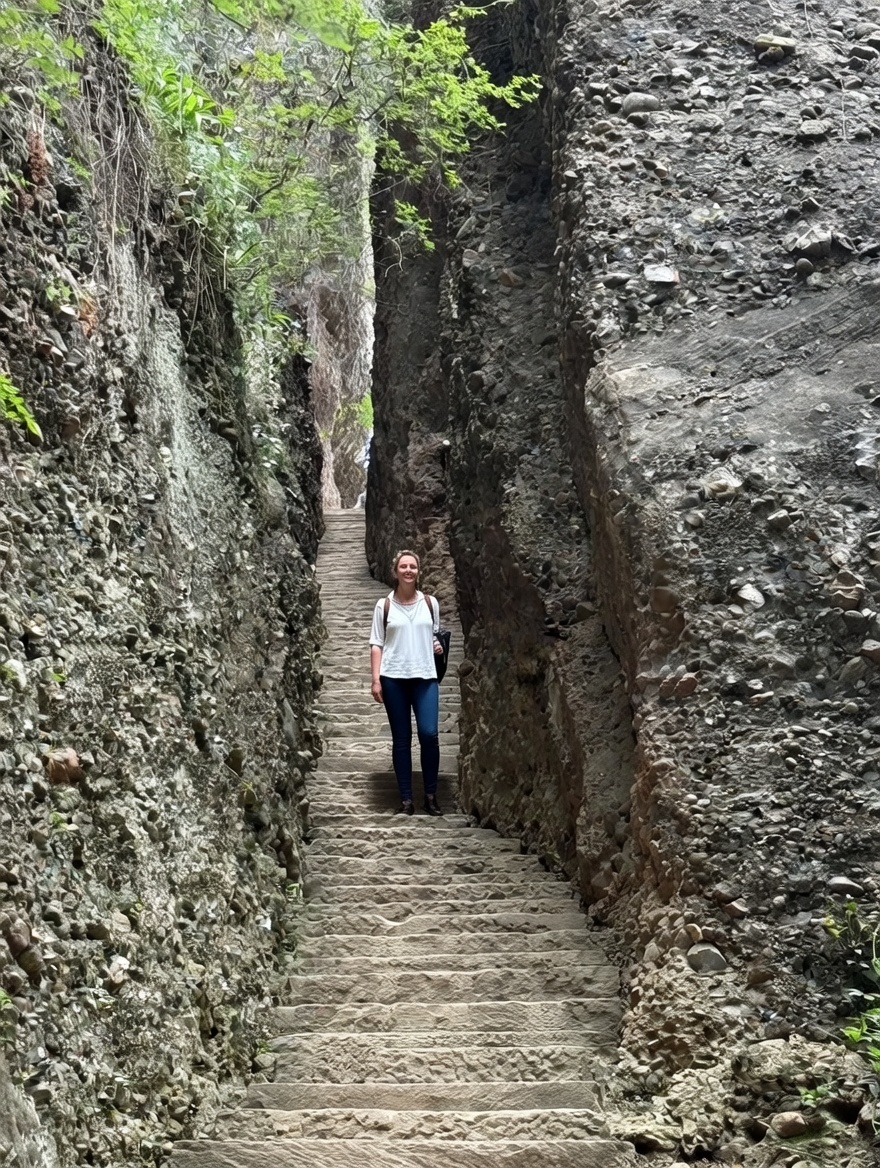
Jianmen Pass: Walking the Plank Roads of China’s Most Impregnable Fortress
This narrative details my adventurous trip to Jianmen Pass, historically known as the “Number One Pass Under Heaven” and a key location in the ancient Three Kingdoms era. Located in Guangyuan, Sichuan, this site is defined by its dramatic geography—two steep cliffs facing each other like a closed gate, with a narrow path in between. I recount the heart-pounding experience of walking the ancient “Bird Plank Road” carved into the vertical cliff face, looking down at the sheer drop into the valley. The article explores the rich military history of the pass, from the Shu Han dynasty to the Tang Dynasty, highlighting how this narrow gap prevented armies from invading the Chengdu Plain. I share the thrill of ascending to the Guan Tower (Guanlou) and viewing the panorama of the “Jianmen Seventy-Two Peaks,” which look like swords piercing the sky. I also touch upon the culinary tradition of the area, specifically the famous “Jianmen Pass Bean Curd,” a savory comfort food that has fueled travelers for centuries. This piece is a journey through history and geology, inviting travelers to witness the rugged beauty and strategic genius of a landscape that truly embodies the saying, “One man guards the pass, ten thousand cannot open it.”
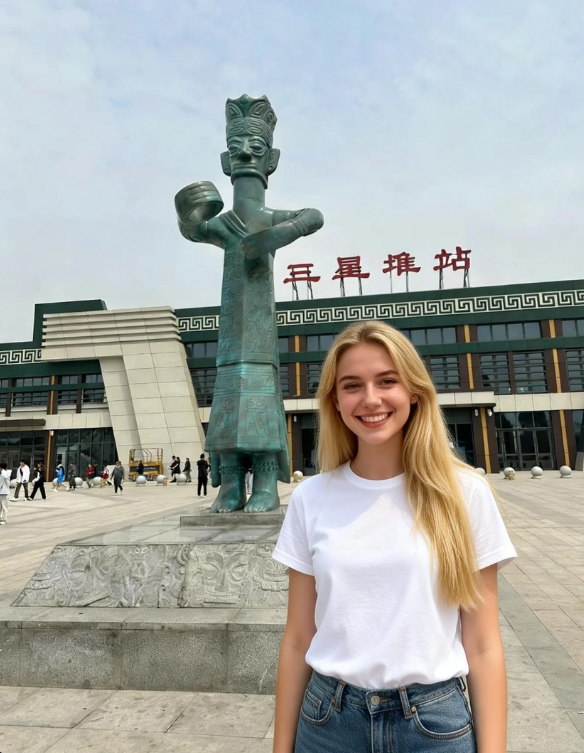
Sanxingdui Museum: Unlocking the Secrets of a Lost Civilization and the Mystery of the Bronze Masks
In this narrative, I recount my mesmerizing visit to the Sanxingdui Museum in Guanghan, a place that challenges everything we thought we knew about ancient Chinese history. Walking through the halls of the newly built museum, I felt less like a tourist and more like an explorer stepping onto an alien planet. The article details my encounter with the baffling artifacts of the Shu Kingdom—bronze masks with protruding eyes, giant golden ceremonial staffs, and the awe-inspiring Divine Tree that stretches toward the heavens. I describe the sensory experience of standing face-to-face with the 2.6-meter-tall “Bronze Standing Figure,” imagining the rituals that once took place in this vanished civilization. The narrative delves into the mystery that shrouds Sanxingdui: no written records, no known human remains of the kings, and sudden disappearance. I reflect on the craftsmanship that dates back over 3,000 years, posing questions that archaeologists are still trying to answer. This piece serves as a journey through time and mystery, inviting travelers to look beyond the familiar dynastic histories and embrace the enigma of a culture that worshipped gods with eyes that could see into other worlds.
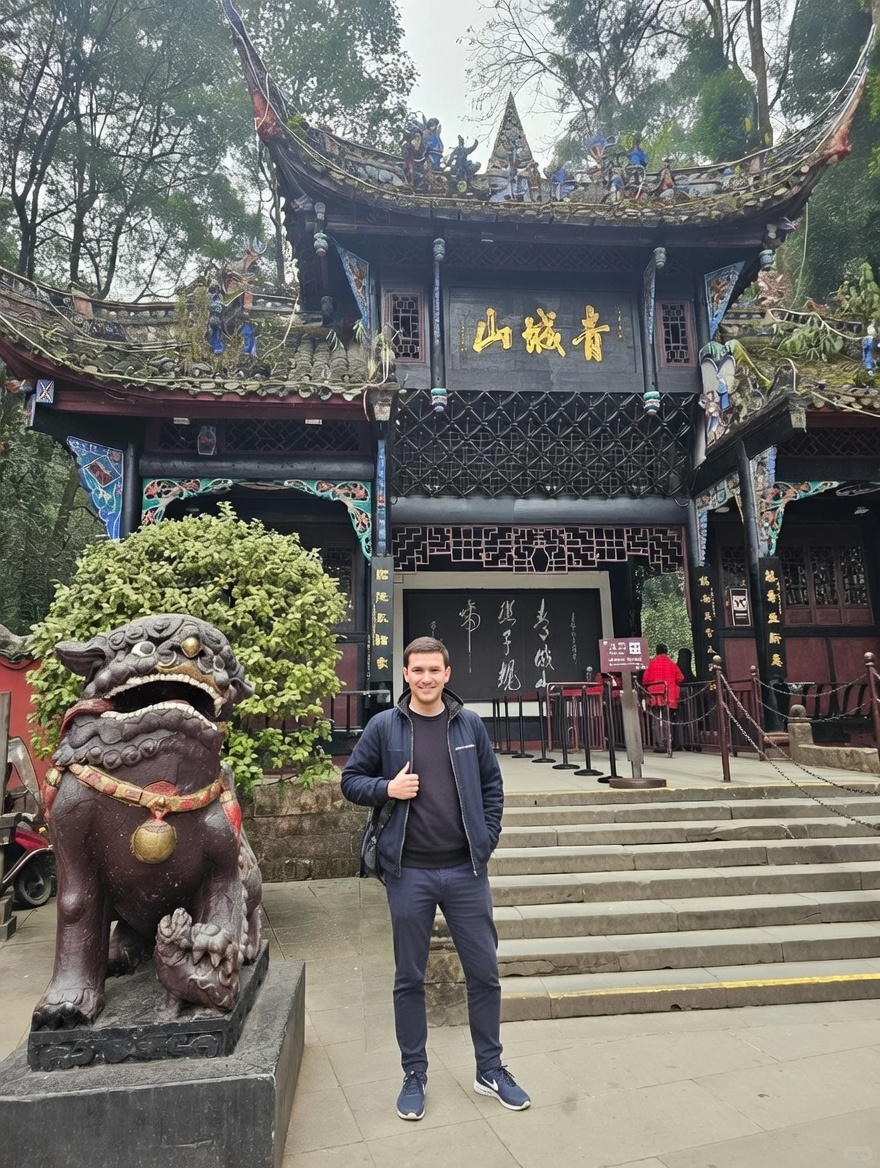
Qingcheng Mountain: Discovering the Taoist Heart of China in the Greenest Place Under Heaven
In this article, I recount my meditative escape to Qingcheng Mountain, the birthplace of Taoism and a place celebrated for its profound tranquility. Known as “Qingcheng Tianxia You” or “Qingcheng is the most secluded place under heaven,” this mountain offers a sharp contrast to the bustling city life of nearby Chengdu. I detail the physical journey of climbing the mountain, a trek characterized by endless stone steps that wind through a dense, ancient forest canopy so thick it filters the sunlight into a soft, green glow. The narrative captures the spiritual essence of the mountain, exploring the historic Taoist temples nestled in the valleys and peaks, such as the Laojun Pavilion. I share moments of quiet reflection, observing pilgrims and monks alike, and the philosophical realization of “Wu Wei,” or effortless action, amidst the physical exertion of the hike. The article also touches on the culinary delights of the region, specifically the famous Daocheng BBQ, offering a taste of the local culture after a day of climbing. This piece serves as an invitation to slow down, breathe the mountain air, and connect with the ancient wisdom that permeates the moss-covered stones and towering cypress trees of Qingcheng.
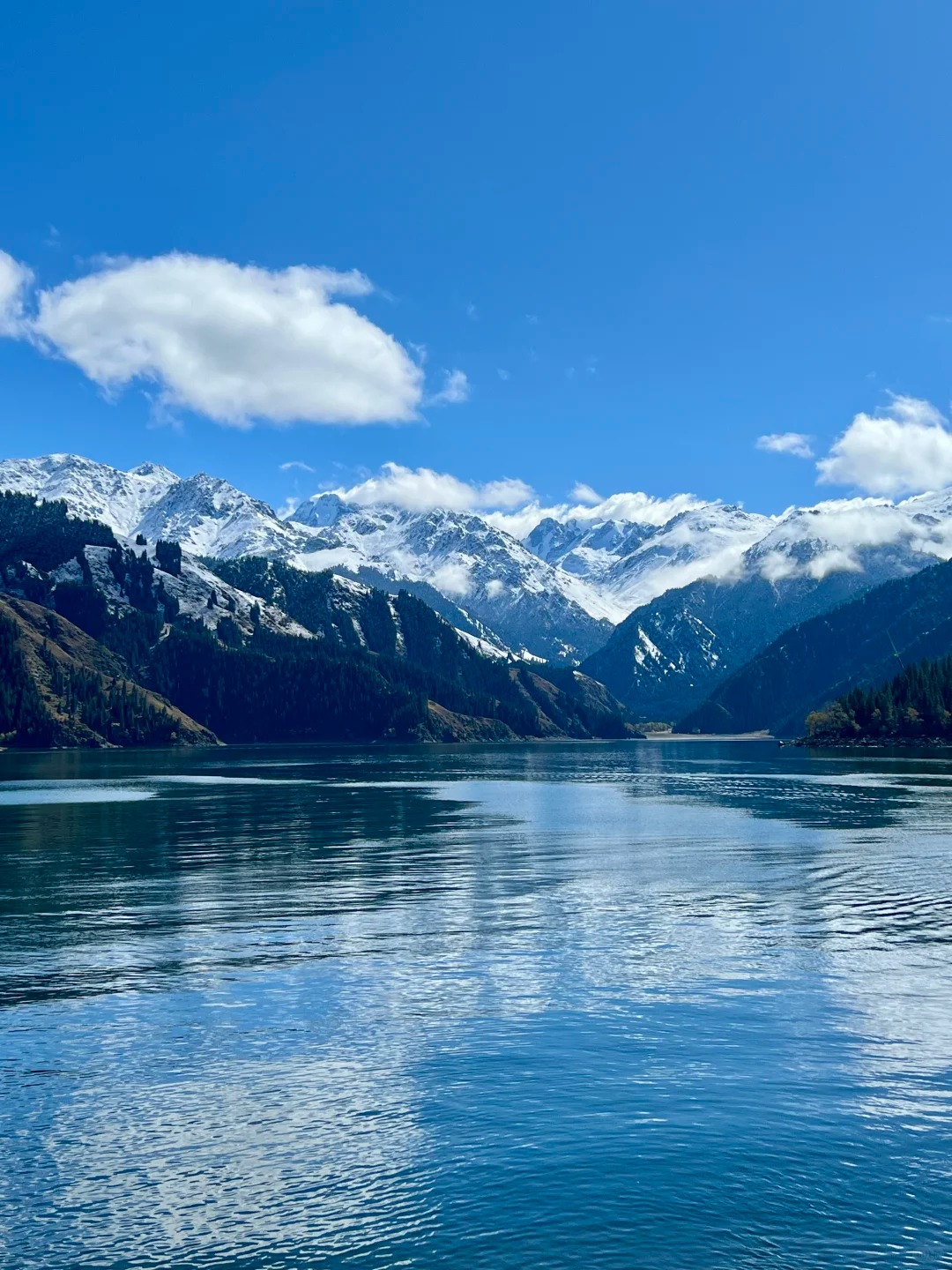
Tianchi Lake (Heavenly Lake) Guide: The Sacred Alpine Jewel of Xinjiang
Tianchi Lake, or Heavenly Lake, is a celebrated alpine gem nestled in the Tianshan Mountains, revered in Taoist mythology and beloved by travelers for its serene beauty. This article describes my early morning excursion to this sacred site, seeking tranquility away from the usual tourist bustle. I recount the ascent through lush forests of Siberian fir and the thrill of first seeing the lake’s intense azure waters, which sit like a jewel at the foot of the snowy Bogda Peak. The narrative follows my hike along the boardwalk trail, offering intimate observations of the ancient trees, the crystal-clear moraine water, and the spiritual significance of the Dragon King Temple. I detail the climb to Wawu Mountain for a panoramic view of the lake, described as a teardrop from the sky, and the diverse wildlife and flora that inhabit this protected ecosystem. The article also includes a cultural interaction with the local Kazakh community in traditional yurts, emphasizing their role as stewards of the land and offering a glimpse into their nomadic lifestyle. Despite its popularity and accessibility from Urumqi, Tianchi Lake is portrayed as a place of profound natural harmony and spiritual renewal, where the elements converge to create a landscape that truly feels heavenly

Sayram Lake Travel Guide: The Last Drop of the Atlantic Ocean
Known poetically as the “last tear of the Atlantic,” Sayram Lake is a stunning alpine jewel nestled high in the Tianshan Mountains of Xinjiang. This narrative recounts my deeply moving experience traveling to this pristine body of water, which serves as the final resting stop for the moist Atlantic currents before they are blocked by the towering peaks. I describe the scenic drive around the lake’s 90-kilometer loop, which offers ever-changing perspectives of the sapphire-blue waters, the snow-capped mountains, and the vibrant wildflower meadows that border the shore. The article explores the sensory details of the trip: the biting cold of the glacier-fed water, the surreal clarity of the lake which acts as a perfect mirror for the sky, and the tranquility of watching elegant swans glide in the wetlands. Beyond the natural beauty, I delve into the human element, sharing a heartwarming encounter with a Kazakh herder in a traditional yurt, tasting *kumis*, and hearing stories of the changing climate from someone who has witnessed the landscape’s evolution over decades. Sayram Lake is presented not just as a tourist destination, but as a fragile sanctuary that offers spiritual respite and a profound connection to the raw power of nature. This guide is an invitation for travelers to slow down, breathe the thin mountain air, and immerse themselves in the legendary blue of one of China’s most beautiful lakes.
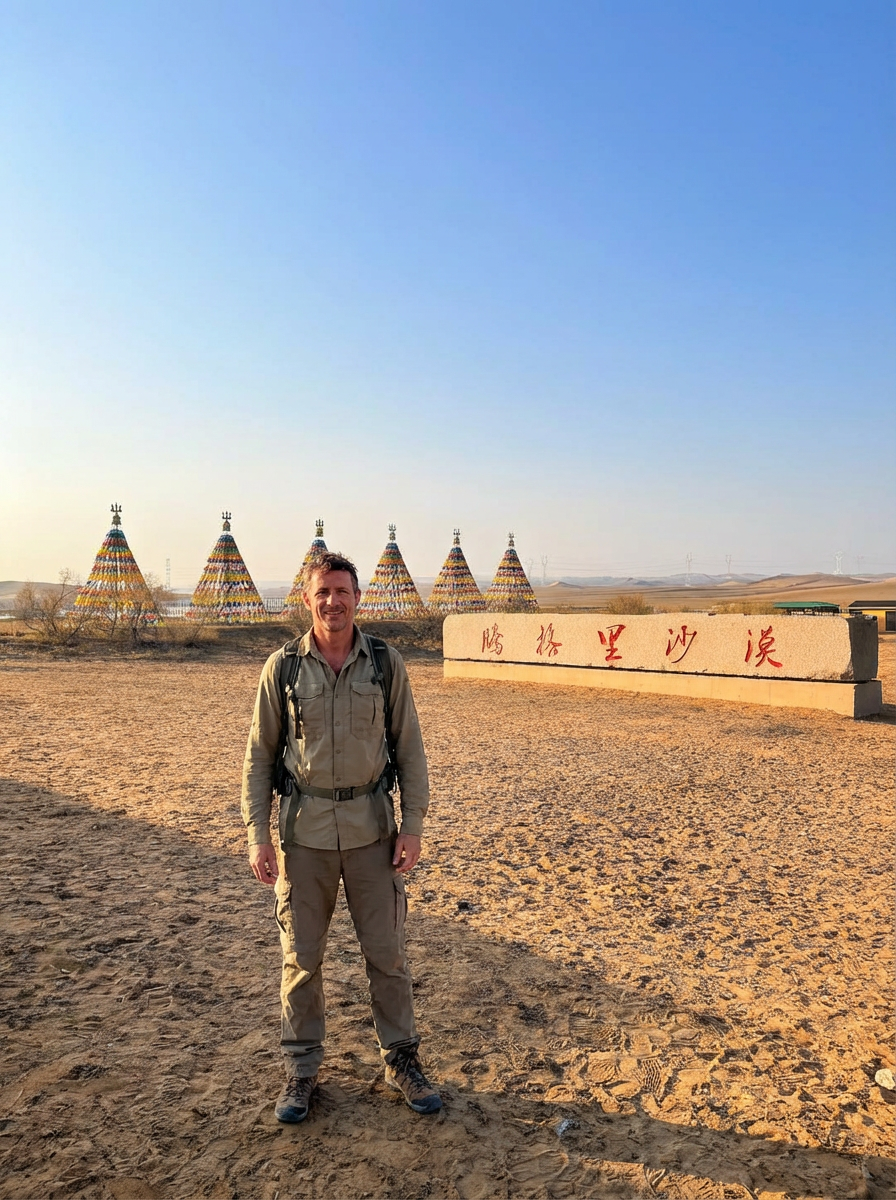
Trekking the Tengger Desert: Camel Rides, Singing Sands & Camping Under Stars in Inner Mongolia
This personal account of a trek into the Tengger Desert challenges the notion of deserts as empty wastelands, portraying it instead as a landscape full of detail, sound, and profound presence. It describes a journey from Shapotou into the desert interior, transitioning from camel travel to walking, where the true textures—the multi-hued sand, its squeaking sound, and intricate animal tracks—are revealed. The core experience is a night spent camping between dunes, marked by extreme temperature shifts, stargazing under a brilliant Milky Way, and the eerie phenomenon of the "singing sands." The narrative culminates in a solitary sunrise from a dune crest, conveying the desert's power to instill awe and a sense of perspective by stripping away modern clutter. The piece frames the Tengger as a place of deep, resonant silence and elemental revelation.
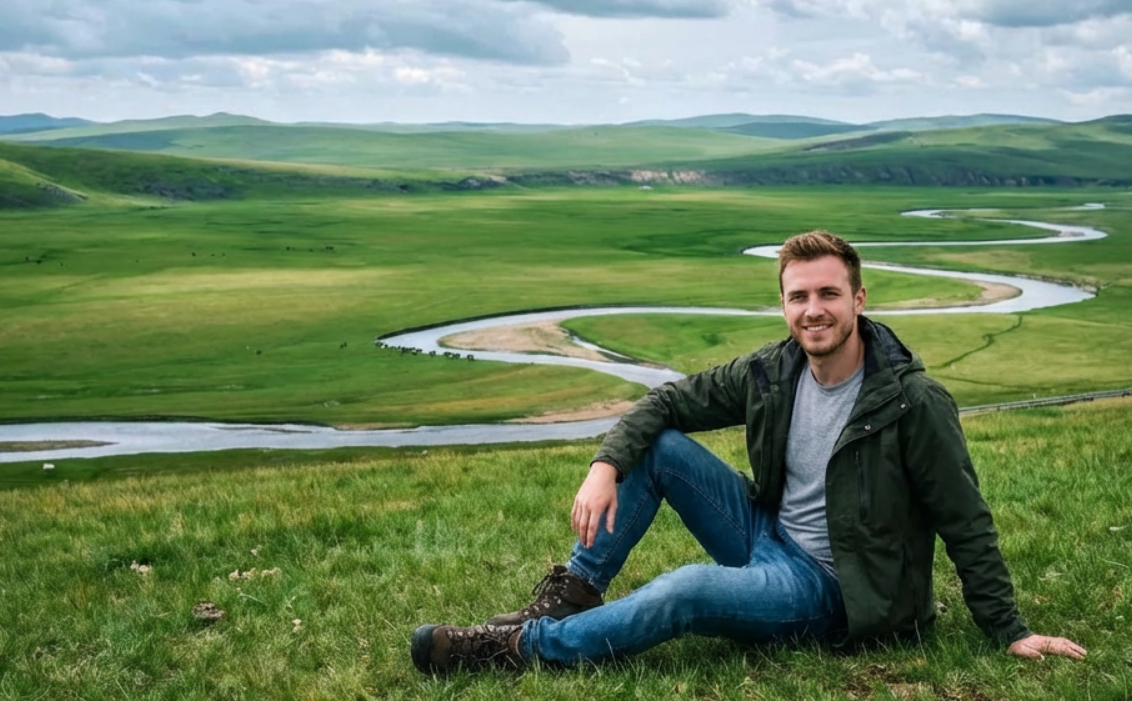
Hulunbuir Grassland Travel Guide: Experiencing Mongolia's Vast Prairie | Nomadic Life & Landscape
This personal travel narrative details an immersive experience living with a nomadic family on China's Hulunbuir Grassland. It moves beyond scenic description to capture the profound sense of space, the rhythm of daily life involving horse milking and airag drinking, and the humbling connection to a timeless landscape. The account focuses on intimate moments—learning from herders, riding across boundless terrain, and witnessing a misty sunrise—to convey the grassland's essence not as a tourist destination but as a living, breathing entity. The story emphasizes the emotional impact of the vast horizons and simple, deep-rooted way of life, offering a genuine glimpse into the soul of this iconic prairie.

Luoyang Bridge Quanzhou: A Guide to China's Ancient Sea Crossings Engineering Marvel
Luoyang Bridge, an ancient stone bridge built during the Northern Song Dynasty near Quanzhou, is a extraordinary feat of ancient Chinese engineering. This first-hand exploration takes readers across the 834-meter-long stone bridge, admiring its intricate stone carvings of lions and dragons, and marveling at its innovative design—boat-shaped piers to resist waves and oyster-shell foundations to consolidate the structure. The author delves into the bridge’s construction techniques, including how ancient engineers used tides and boats to transport massive stone blocks (some over 100 tons) without modern machinery. The article also covers nearby attractions like the Zhenwu Pavilion and Luoyang Bridge Museum, which showcase artifacts and models of the bridge’s history. Set against the backdrop of the sea, Luoyang Bridge offers a serene and awe-inspiring experience, blending engineering brilliance with historical and cultural significance. For travelers interested in ancient Chinese technology and maritime history, Luoyang Bridge is a must-visit landmark that highlights the ingenuity of ancient Chinese civilization.