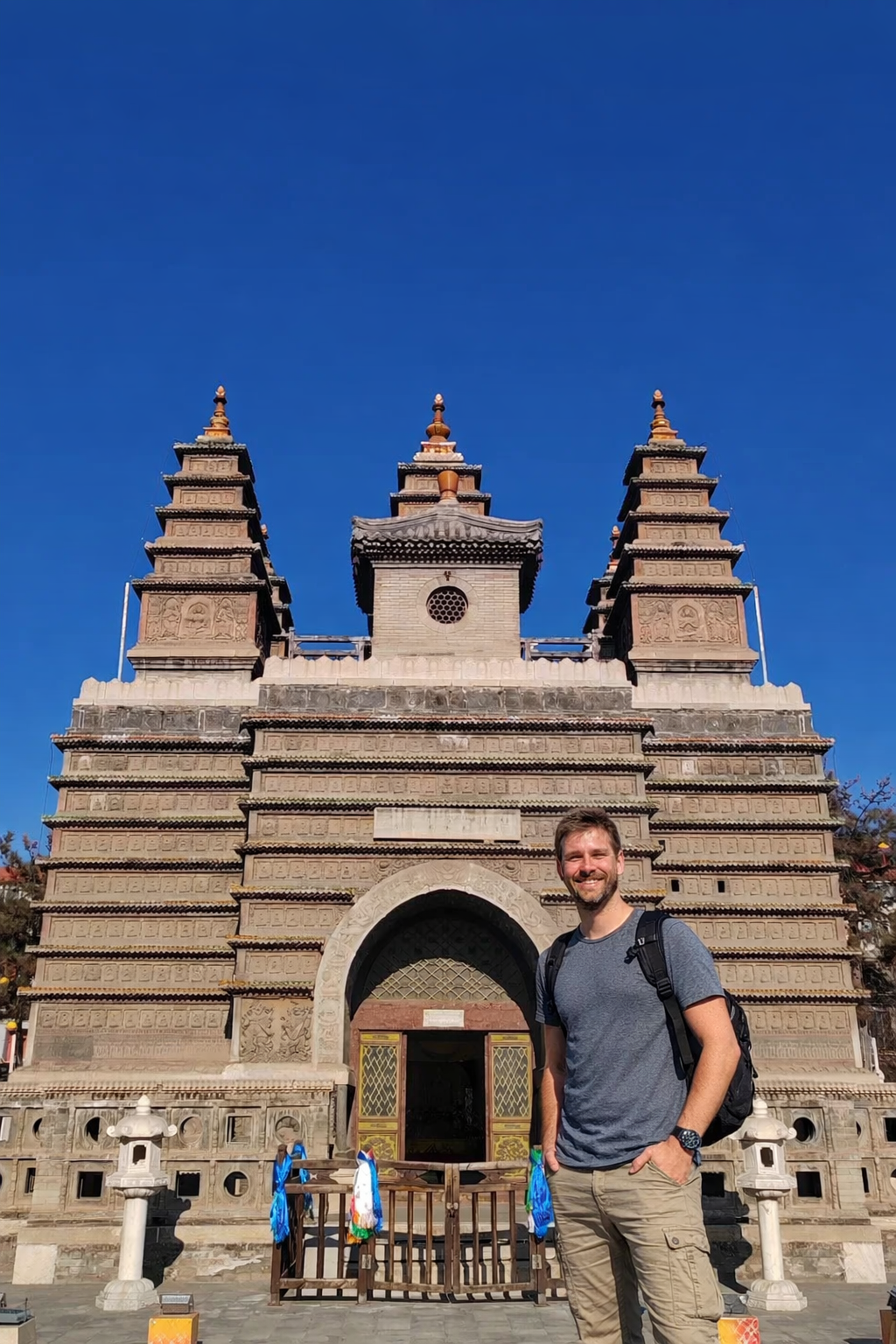
Beyond the Grasslands: A Personal Journey into the Heart of Hohhot and Mongolian Culture
This article provides a heartfelt, first-person account of a journey to Hohhot, the capital of Inner Mongolia, exploring the vibrant intersection of nomadic tradition and urban life. The narrative moves beyond typical tourist stereotypes to deliver a genuine experience of the region’s unique culture. It details the author’s initial encounter with the famous salty milk tea and meat pastries, describing how these culinary traditions offer warmth and community in the face of the harsh Gobi winds. The story captures the spiritual atmosphere of the Dazhao Temple, highlighting the blend of Tibetan and Han influences, before transporting the reader to the vast, serene beauty of the Huitengxile Grassland. Key experiences include staying in a traditional yurt, witnessing the breathtaking clarity of the Milky Way, and participating in a profound cultural exchange with local herders over a meal featuring sheep’s eye. The article paints a vivid picture of the rugged landscape, the immense sky, and the overwhelming hospitality of the Mongolian people. It is a story about finding humility and connection in the vastness of the steppe, inviting travelers to embrace the sensory and emotional depths of Hohhot.
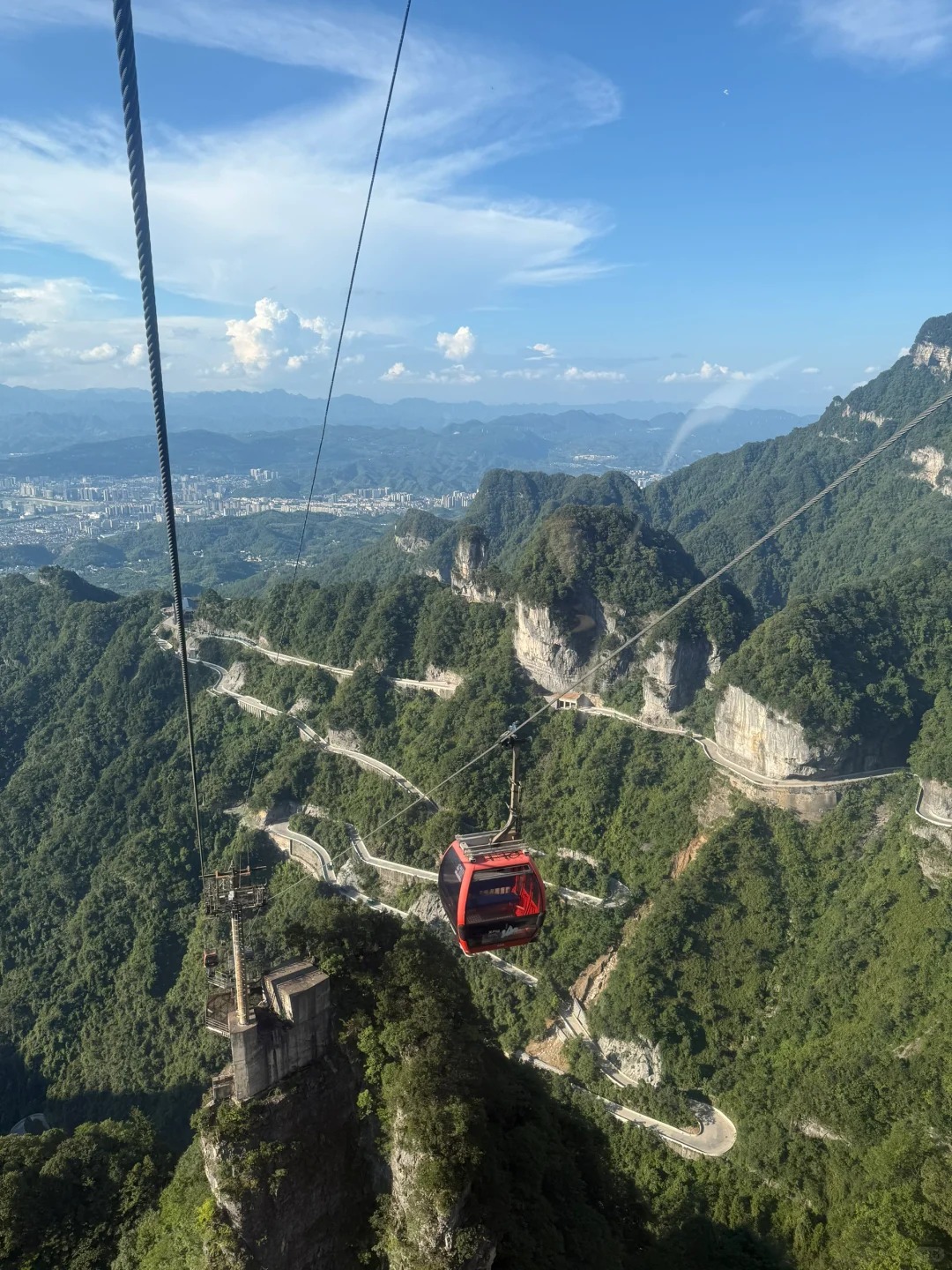
Tianmen Mountain Cableway: Soaring Above the Clouds on the World’s Longest Cable Car Ride
This article describes the breathtaking experience of riding the Tianmen Mountain Cableway, the world’s longest passenger cableway, which transports travelers from the city center to the mountain’s summit. It vividly captures the thrill of the ascent, the disorientation of passing through thick clouds, and the awe-inspiring moment of emerging above a “sea of clouds” to see golden sunlit peaks. The narrative highlights the sheer scale of the engineering and the terrifyingly beautiful vertical drops, creating a sense of flying without wings. Ultimately, the piece portrays the cableway as an unforgettable journey through the elements that offers a profound perspective on nature’s grandeur and the sensation of being suspended between the earth and sky.
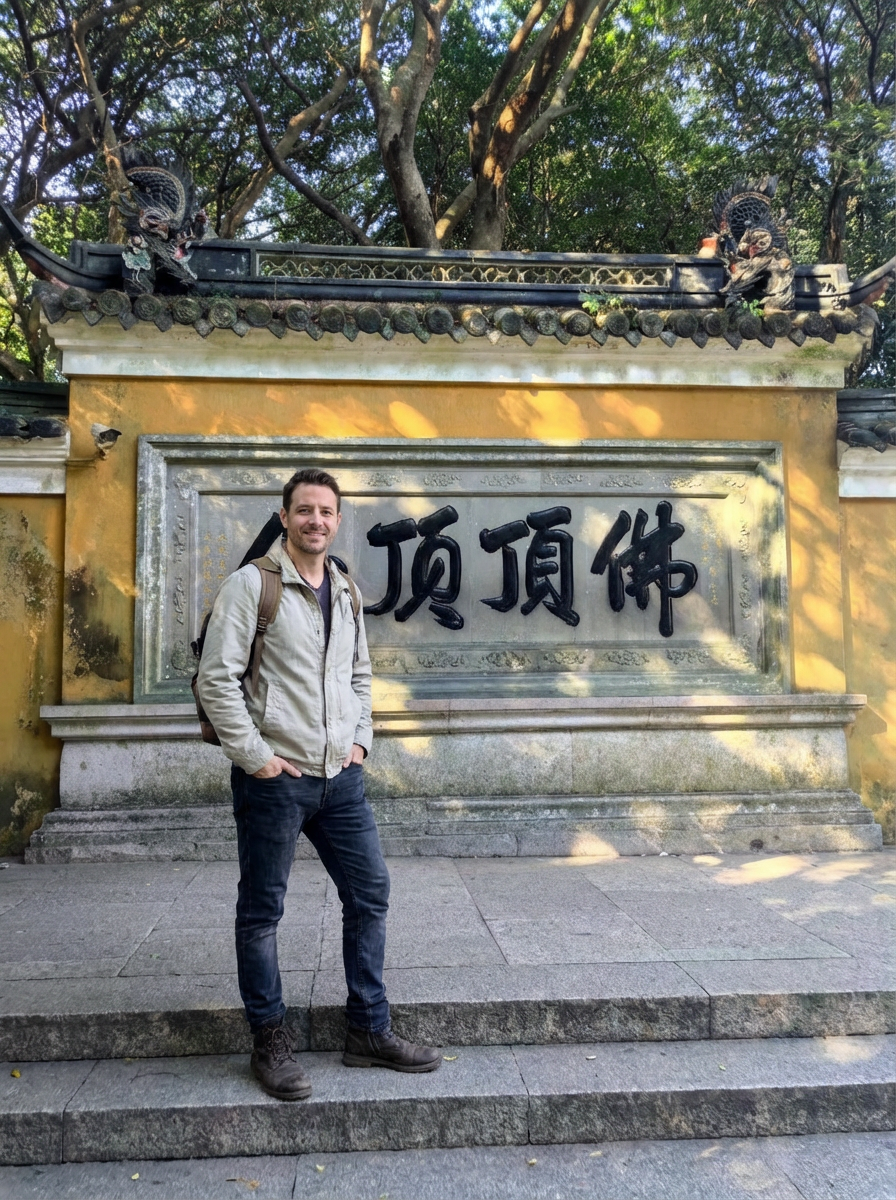
Putuoshan Travel Guide: The Sacred Island of Guanyin and Buddhist Culture
This article provides a deeply personal account of a pilgrimage to Mount Putuo, a sacred island in China dedicated to the Bodhisattva of Compassion, Guanyin. The narrative guides readers through the immersive experience of visiting ancient temples like Puji and Fayu, detailing the sensory richness of sandalwood incense and chanting monks. The author describes the physical hike up Fodingshan for panoramic ocean views and the cultural discovery of Buddhist vegetarian cuisine. Beyond the travel logistics, the piece explores the spiritual atmosphere of the island, offering insights into the traditions of pilgrimage and the serene intersection of nature and faith found in Putuoshan
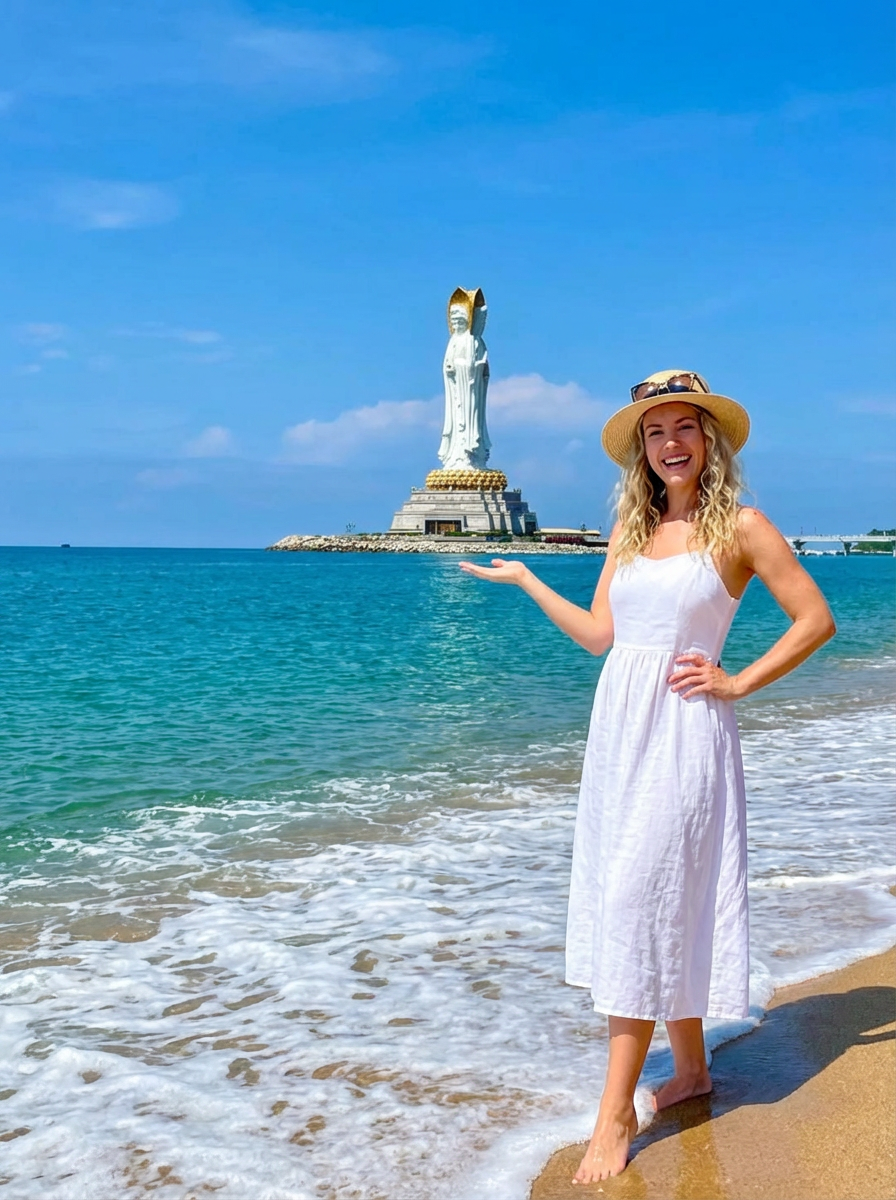
Sanya Hainan Island: A Deep Dive into Surf, Rainforest, Culture & Li Ethnic Village Life
Meta Description (EN): Go beyond Sanya's beaches. This in-depth travelogue explores the surf culture of Houhai, the lush biodiversity of Yanoda Rainforest, the sacred Nanshan site, and an authentic Li ethnic family meal. Discover how Sanya offers a rich, multi-layered tropical experience of adventure, spirituality, and indigenous culture

Libo Xiaoqikong Travelogue: Wading Through the Water Forests and Emerald Pools of Guizhou
This travel article explores Libo Xiaoqikong (Small Seven Arches Scenic Area) in southern Guizhou, China, presenting it not just as a scenic spot but as an immersive emerald dreamscape. The narrator takes the reader beyond the iconic Qing Dynasty stone bridge that gives the park its name, delving into the heart of this karst valley where water defines the landscape. Key experiences include walking along the 68-Step Waterfall, a kilometer-long cascade of turquoise water, and the surreal "Water Forest," where trees grow directly out of the flowing riverbed. The author describes the sensory details of wading barefoot in the cold river water, surrounded by ancient trees and the ubiquitous sound of rushing currents. The journey culminates at Wolong Tan (Crouching Dragon Pond), a deep blue pool that offers a stark, silent contrast to the rushing waters elsewhere in the park. Through personal reflection, the article emphasizes the therapeutic nature of the visit—how the "unreal" blue-green colors and the seamless blend of forest and river create a sense of timelessness and mental clarity. It paints Libo Xiaoqikong as a place of connection and immersion, rather than just a sightseeing checklist.
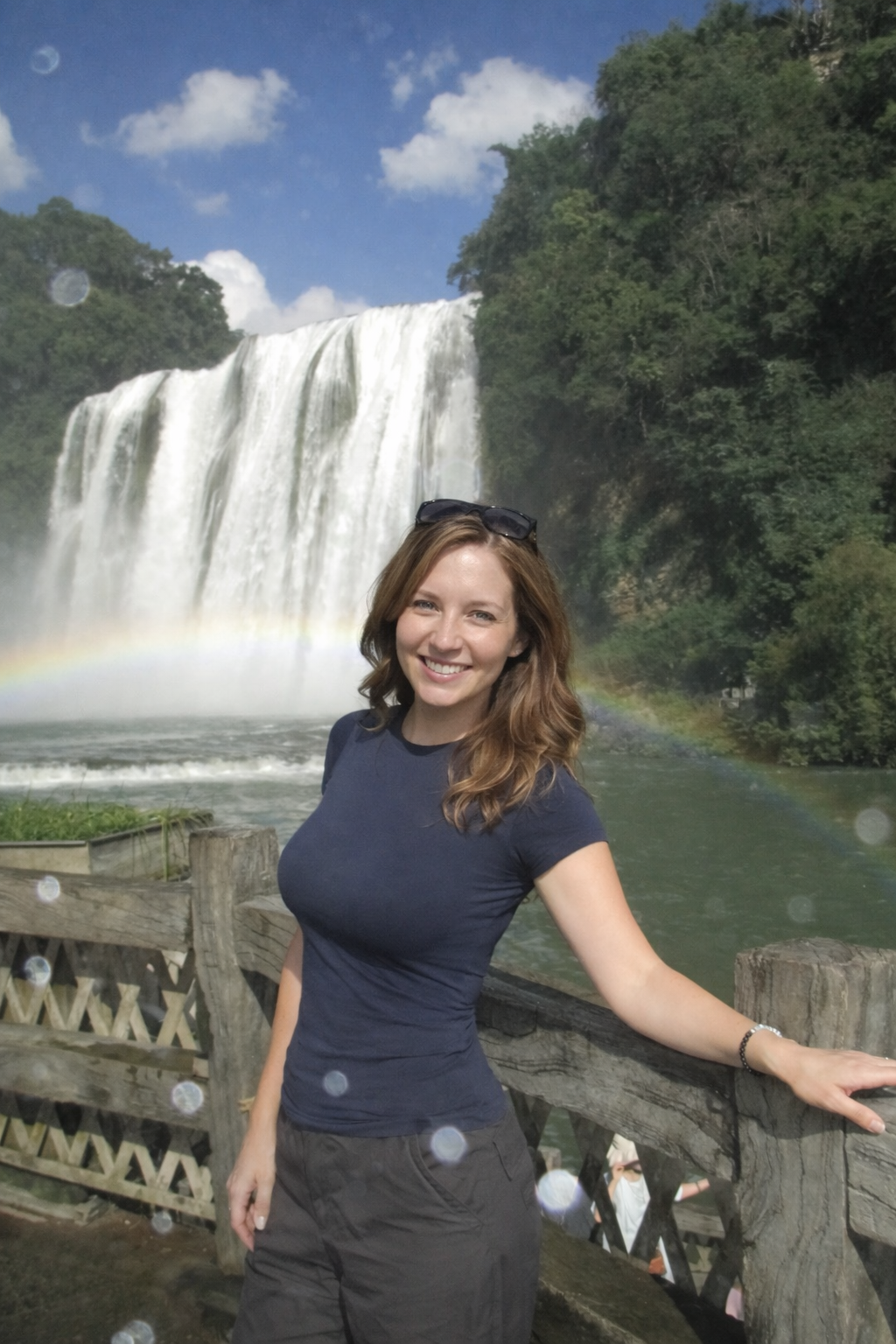
Title: Inside the Waterfall: A Traveler’s Guide to Huangguoshu’s Water Curtain Cave and Scenic Wonders
Huangguoshu Scenic Area in Anshun, Guizhou, is home to one of Asia's largest waterfalls, but this travelogue explores the visceral experience beyond the statistics. The article describes a visit during the peak rainy season (July), transforming the typically graceful falls into a display of raw, thundering power. The narrator takes the reader on a sensory journey, starting with the deafening roar that can be felt in the chest long before the waterfall comes into view. The highlight of the piece is the traversal of the "Water Curtain Cave," a natural tunnel located directly behind the waterfall itself. The author vividly recounts the experience of walking through the dripping, dark cave, looking out through natural "windows" at the crashing sheet of water just inches away. It captures the thrill of getting soaked despite rain gear and the unique perspective of viewing the world through a veil of falling water. The narrative also covers the Doupotang Waterfall, famous for its width and its connection to the classic Chinese TV series Journey to the West, offering a nostalgic cultural touchstone. Finally, the article touches on the Tianxingqiao Scenic Area, a more serene section of the park featuring a "water stone forest," contrasting the violent power of the main falls with the playful, intricate nature of the karst landscape. The story concludes with a reflection on the primal connection to nature one feels when surrounded by such immense geological forces.
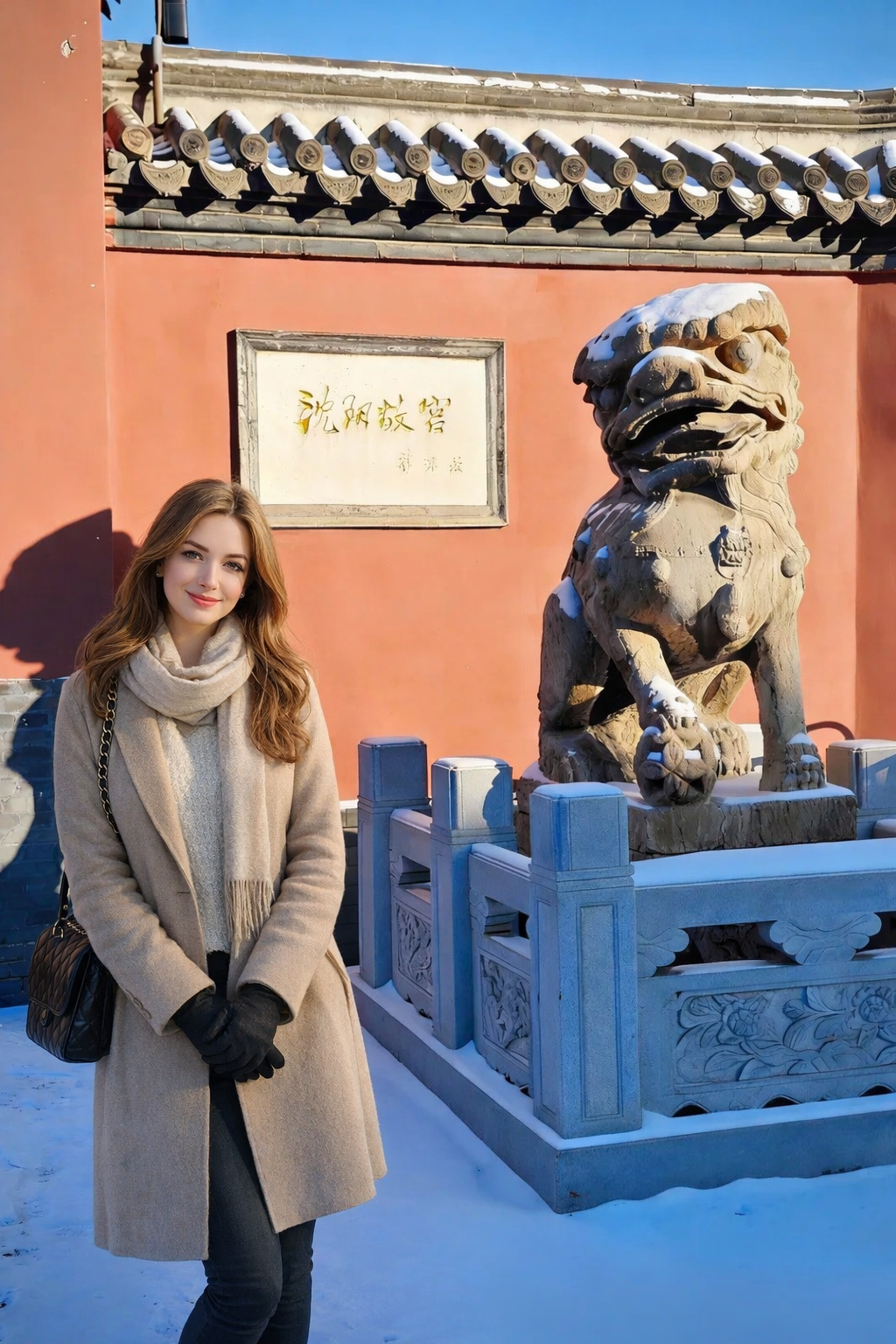
Shenyang Imperial Palace: A Comprehensive Guide to Qing Dynasty’s Hidden Architectural Gem
Shenyang Imperial Palace, a vital cultural heritage site of China’s Qing Dynasty, offers a unique and intimate glimpse into the early imperial era, distinct from Beijing’s Forbidden City. This article shares a first-hand exploration of the palace’s three main sections—Eastern Route (built by Nurhachi), Central Route (Huang Taiji’s throne hall), and Western Route (Qianlong’s elegant gardens)—highlighting the blend of Manchu and Han architectural styles. From the octagonal Dazheng Hall and Ten Princes’ Pavilions to the delicate Juanqinzhai with its star-like glass bead ceiling, the palace’s unique features are brought to life through personal anecdotes, including interactions with a long-serving guide and observations of local life blending with imperial history. The article also touches on the palace’s rich relic collection, from Qianlong’s embroidered robes to Manchu warriors’ weapons, and captures the magical atmosphere of the sunset in the rear garden. A must-visit for history and architecture enthusiasts, Shenyang Imperial Palace is a hidden gem that reveals the collaborative governance and military might of the early Qing Dynasty, offering a quieter, more immersive alternative to Beijing’s iconic imperial sites.
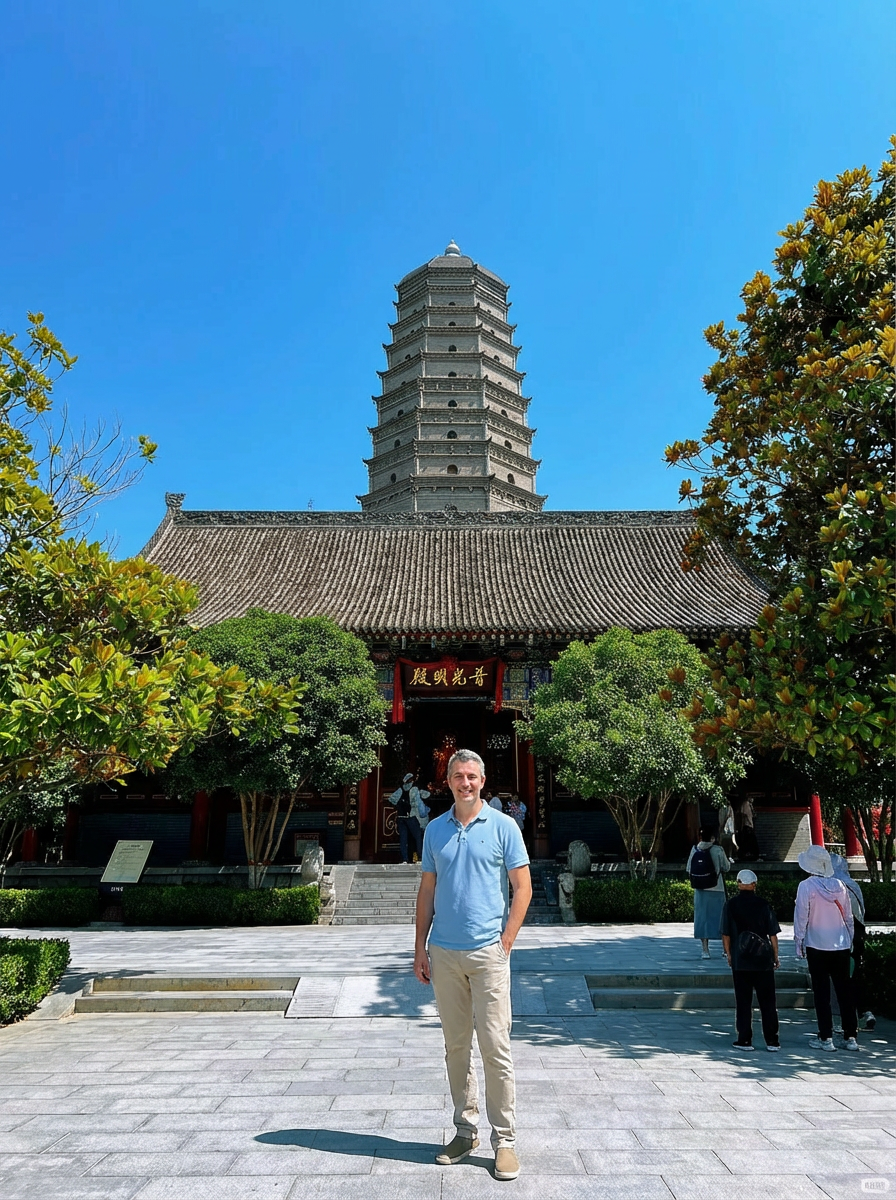
Famen Temple: Uncovering the Secret Underground Palace and the Buddha's Finger Bone
This article recounts a pilgrimage to Famen Temple, a site renowned for housing the finger bone relic of the Buddha and a secret underground palace discovered by chance in the 1980s. The author describes the awe-inspiring approach through the modern complex and the descent into the ancient crypt, capturing the palpable spiritual intensity and emotional reactions of fellow visitors. The narrative delves into the significance of the archaeological find—not just the religious relic, but the Tang Dynasty treasures that rewrote the history of tea culture and global trade. Balancing the grandeur of the "Namaste Dagoba" with the quiet contemplation of the museum artifacts, the piece offers a personal reflection on faith, history, and the miraculous preservation of the past.
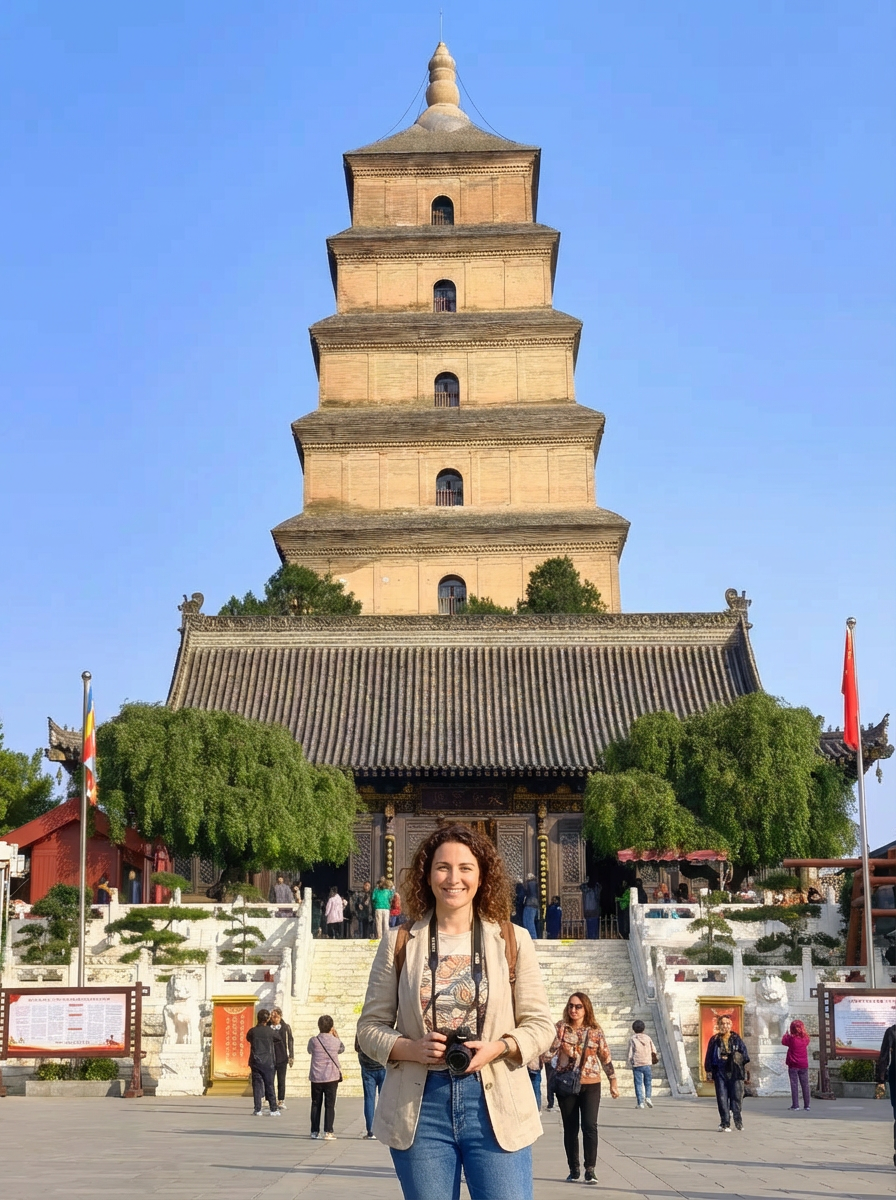
Xi'an Big Wild Goose Pagoda: Chasing Shadows of the Tang Dynasty in a Modern
This narrative explores the author's visit to the iconic Big Wild Goose Pagoda in Xi'an, offering a blend of historical reverence and modern observation. The article contrasts the bustling, carnival-like atmosphere of the surrounding plaza with the serene, incense-filled sanctuary of the Da Ci'en Temple. The author describes the physical exertion of climbing the ancient wooden staircase and the reward of a panoramic view that juxtaposes Tang Dynasty architecture with Xi'an's futuristic skyline. The experience concludes with the famous musical fountain show—initially met with skepticism but ultimately appreciated as a communal celebration—and a grounding meal of Biang Biang noodles. The piece portrays the pagoda not as a static monument, but as a living anchor in a vibrant, evolving city.

Chaka Salt Lake Guide: Walking on the Sky at China’s Mirror of the Heaven
This article chronicles my surreal visit to Chaka Salt Lake, famously known as the “Mirror of the Sky,” in Qinghai Province. I describe the unique sensation of walking on the shallow, hyper-saline waters that create a perfect reflection, making visitors feel as though they are treading on the clouds. The narrative covers the practical aspects of the visit, from wearing protective overshoes to riding the charming small train that traverses the salt flats. I highlight the stunning visual contrasts, especially when visitors bring colorful props to set against the stark white and blue landscape. I also touch upon the industrial history of the salt mining and the region’s connection to the ancient Tea Horse Road. The piece captures the serene, almost otherworldly atmosphere of the lake and the unforgettable experience of witnessing the sunset turning the water into liquid gold
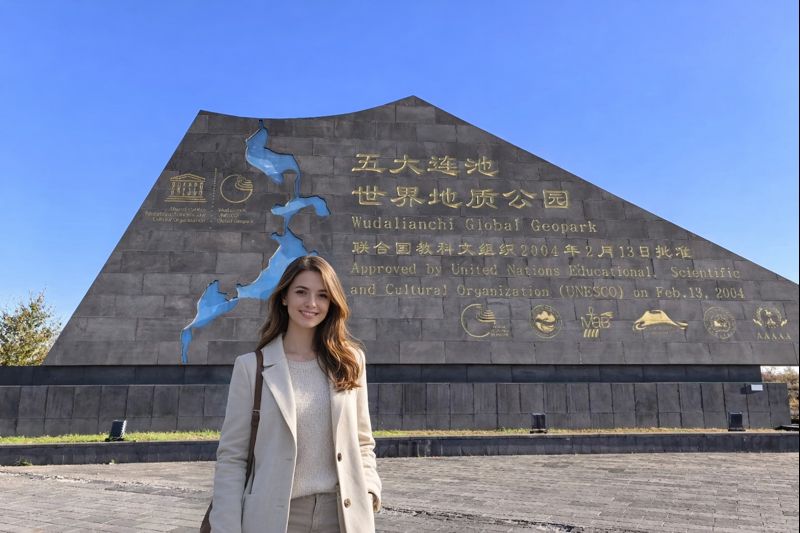
Wudalianchi Travel Guide: China's Volcanic Wonderland and Healing Springs
Venture off the beaten path to Wudalianchi, a UNESCO-listed volcanic wonderland in Northern China. This immersive travelogue guides you through one of the country's most unique geological and wellness destinations. Formed by eruptions just 300 years ago, Wudalianchi's landscape feels startlingly fresh, featuring vast oceans of frozen lava, perfectly formed volcanic cones, and a chain of five stunning interconnected lakes. The article provides a vivid first-hand account of hiking across the dramatic Gelaqiao lava flow, peering into the crater of Laoheishan volcano, and boating on the deep, clear lakes. It then delves into the area's other great attraction: its natural mineral springs. Discover the ritual of drinking from the cold, effervescent Fanhua Spring and experience the unforgettable "contrast bath" tradition, alternating between an icy lake and a natural geothermal hot spring. Practical advice covers how to get there from Harbin, the best hiking routes, where to experience the springs, and accommodation options in the local village. This piece is more than a guide; it captures the dual essence of Wudalianchi—its raw, powerful geological drama and its deeply restorative, healing qualities. It’s an essential read for geology enthusiasts, wellness seekers, and travelers looking for an authentic, off-the-grid Chinese adventure that engages both the body and the mind, offering a stunning natural alternative to the manicured winter spectacles of the cities.
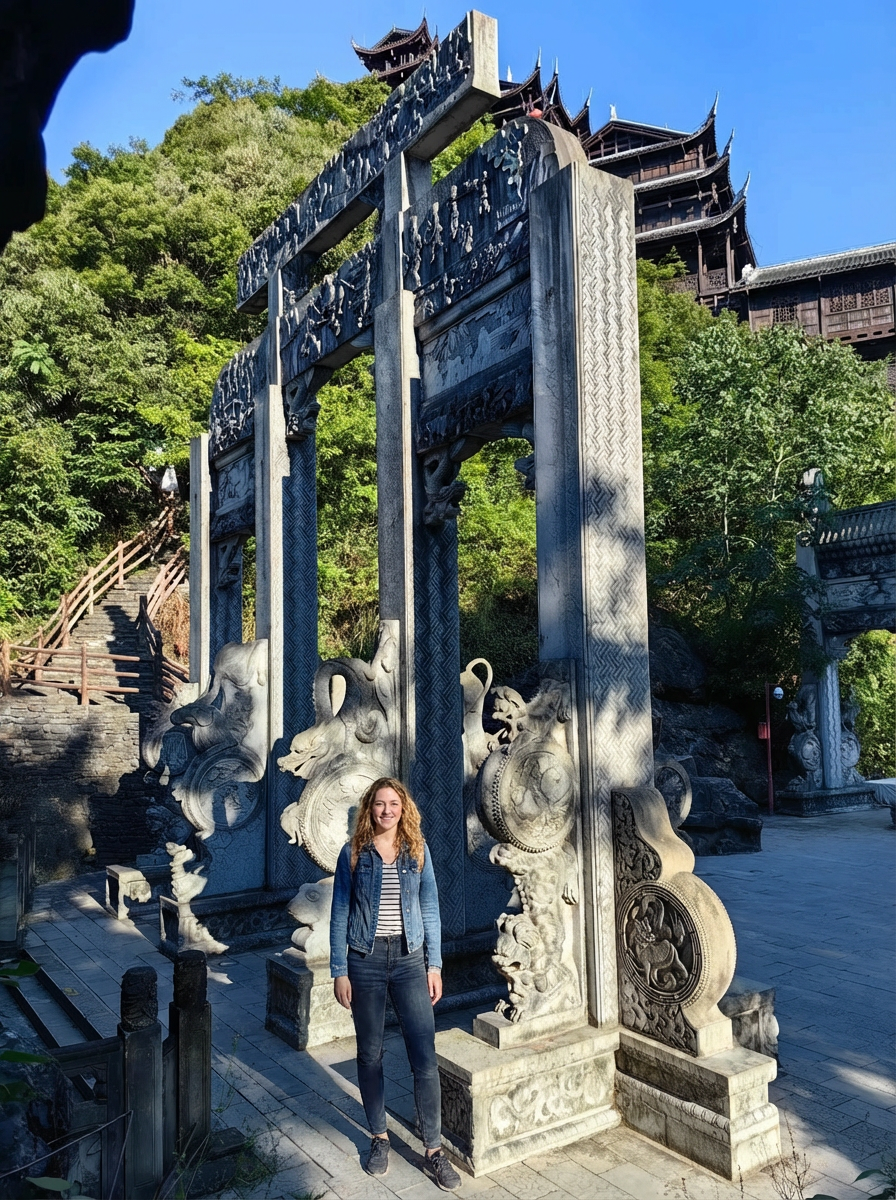
Chiyou Jiuli City Review: Exploring the Largest Miao Architectural Wonder
This travel story explores Chiyou Jiuli City in Pengshui, the largest traditional Miao architectural complex in the world. The author expresses awe at the visual impact of the stilt-house architecture, marveling at the carpentry skill involved in building the massive wooden palace without a single nail. The narrative highlights the cultural vibrancy of the Miao people, focusing on the sensory details of the jingling silver ornaments and the heavy, intricate traditional dress. Personal interactions include a moment with a local Miao woman who explains the significance of the silver jewelry, and watching a raw, energetic drum performance that felt like an authentic ritual. The culinary experience of tasting the local Sour Soup Fish adds a flavorful dimension to the story. The article concludes with a reflection from the top of the complex, viewing the site as a defiant and beautiful preservation of Miao identity in the face of modernization.