Authentic Travel Diaries & Private Tours,Discover the Real China with Local Experts and Genuine Stories

Jiu Hua Shan: Find Peace in China’s Serene Buddhist Mountain
This intimate personal narrative explores Jiu Hua Shan, a sacred Buddhist mountain range in Anhui Province, China, spanning 120 square kilometers with 99 lotus-like peaks. The author shares a spontaneous journey of discovery, originally planning a one-day visit but staying longer to soak in the mountain’s quiet, gentle spirit. The narrative details moments of connection: chatting with a young monk at Fahua Temple about kindness and peace, sharing rice cakes with elderly pilgrims at a mountain pavilion, and experiencing the warmth of a local family-run inn. Highlights include a scenic hike through bamboo and pine forests, past streams and vividly shaped rocks, and witnessing a breathtaking sunset from Tianzhu Peak that paints the sky and valleys golden. The author also enjoys simple, flavorful vegetarian cuisine made with fresh mountain ingredients and explores the Jiuhua Mountain Scenic Area Museum to learn about the mountain’s history. Jiu Hua Shan offers a peaceful, unforgettable escape for anyone seeking rest for their heart and mind.
80 views
View Details

Jiuhua Mountain: Exploring China’s Compassionate Buddhist Mountain of Wonders
This personal journey to Jiuhua Mountain, one of China’s four great Buddhist mountains in southern Anhui Province, captures the mountain’s sacred spirit and natural beauty. The author recounts visits to iconic sites: the Corporeal Body Temple housing the thousand-year-old incorruptible body of Monk Jin Qiaojue (Ksitigarbha’s incarnation), the 1,600-year-old Huacheng Temple with its ancient murals and lotus ponds, and the challenging climb to Tianzhu Peak with its panoramic views of green peaks and misty valleys. The narrative highlights Jiuhua’s rich flora and fauna, including rare species and blooming azaleas, as well as the warm hospitality of a local family-run guesthouse and delicious mountain-grown cuisine. A visit to the Jiuhua Mountain Museum provides insight into the mountain’s Taoist origins and Buddhist history. Jiuhua Mountain offers a profound blend of spirituality, nature, and culture, leaving visitors with a sense of compassion and connection.
86 views
View Details
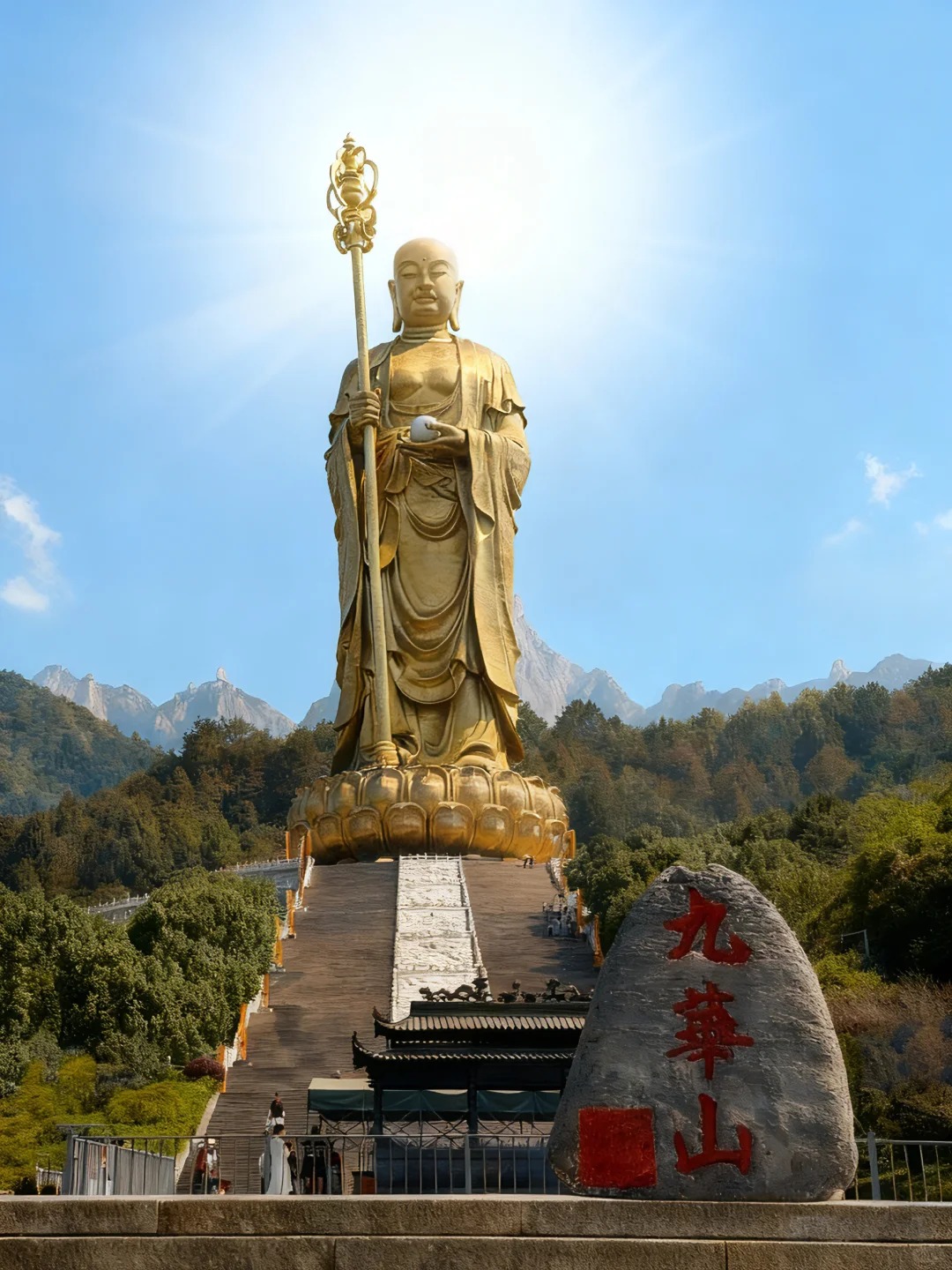
Jiuhua Mountain Scenic Area: A Sacred Journey Through China’s Buddhist Haven
This personal account explores Jiuhua Mountain Scenic Area, one of China’s four great Buddhist mountains in Chizhou City, Anhui Province. The author captures the scenic area’s sacred, serene atmosphere from the moment of arrival—misty mornings filled with the scent of incense, pilgrims in gray robes, and the soft chanting of monks. The narrative details visits to key sites: Ksitigarbha Temple with its 12-meter-tall Bodhisattva statue, the challenging climb to Heavenly Capital Peak with its panoramic views, and the powerful dawn Buddhist ceremony at Fahua Temple. The author also shares quiet moments at Dragon Pool, a clear, holy lake, and indulges in delicious mountain-grown vegetarian cuisine. Through conversations with pilgrims, monks, and locals, the article delves into Jiuhua’s spiritual history and the lessons of peace and gratitude it offers. Jiuhua Mountain Scenic Area is more than a tourist destination; it’s a place of healing and connection for anyone seeking spiritual renewal.
76 views
View Details

Huang Shan Mountain: My Unforgettable Journey Through China’s Iconic Peak
This personal narrative recounts a three-day journey to Huang Shan Mountain (Yellow Mountain), one of China’s most iconic peaks in southern Anhui Province. From the author’s childhood dream of visiting the mountain to the surreal experience of watching the dawn sea of clouds, the article captures intimate, firsthand moments: hiking cliffside plank roads, admiring the 800-year-old Welcoming Pine, and exploring ancient Taoist temples like Hongcun Temple. The author shares encounters with fellow travelers from around the world, bonding over shared views and stories, and delves into the mountain’s local cuisine—fresh bamboo shoots, steamed stone frog, and fragrant Huangshan Maofeng tea. More than a description of natural beauty, this article highlights Huang Shan Mountain’s ability to foster connection, inspire wonder, and offer moments of quiet reflection, making it a must-visit destination for anyone seeking an authentic Chinese travel experience.
81 views
View Details

Huangshan Scenic Area: A Personal Journey Through China’s Misty Mountain Magic
This personal account of Huangshan Scenic Area (southern Anhui Province) captures the intimate, sensory experience of exploring China’s iconic mountain landscape. From the pine-scented air at the foot of the mountain to the mist-shrouded peaks and centuries-old Welcoming Pine, the author shares vivid, firsthand moments: chatting with local guides and fellow travelers, marveling at the precarious Flying Stone, and witnessing the breathtaking sea of clouds from Lotus Peak. The narrative also includes quiet, memorable details—soaking in the mineral hot springs as the sun sets, tasting fresh-picked mountain mushrooms from a local stall, and finding peace in a small mountain temple. More than just a description of Huangshan’s “four wonders,” this article highlights the scenic area’s ability to connect visitors with nature, history, and local culture, making it an unforgettable destination for anyone seeking an authentic Chinese mountain experience.
86 views
View Details
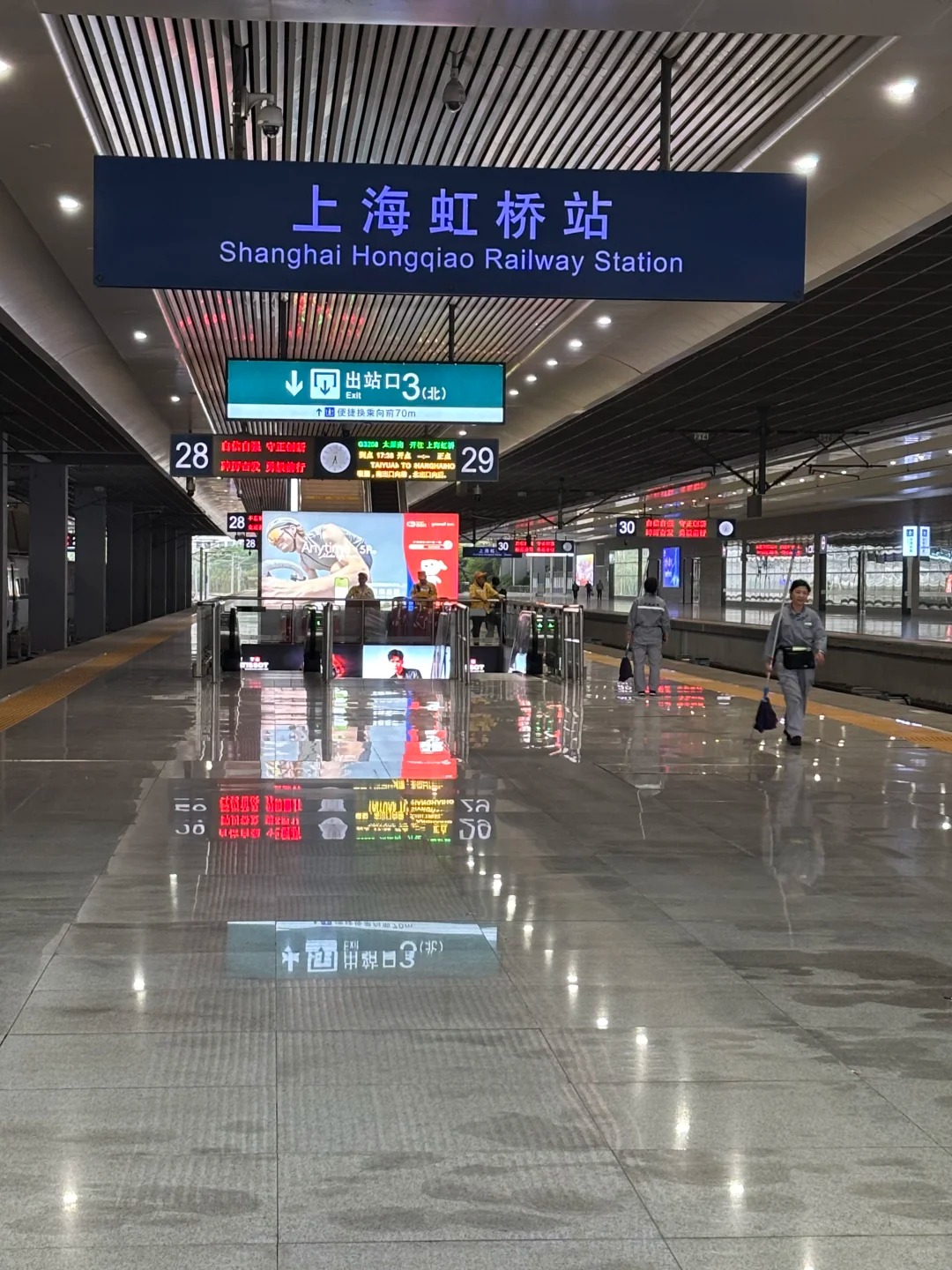
China Travel2026 : High-Speed Rail vs Plane – Which is Faster, Cheaper & Better?
Traveling in China? Forget the old rule of flying for trips over 4 hours. China’s High-Speed Rail (HSR) network—the world’s largest—offers a competitive alternative to air travel for many key routes. In this 2025 showdown, we compare trains and planes across four categories: door-to-door speed, punctuality, comfort, and cost.
For journeys under 1,200 km (like Beijing–Shanghai), HSR is often as fast as flying when you factor in airport hassles. Trains are also far more reliable, rarely delayed, and provide a comfortable ride with ample legroom, mobile connectivity, and scenic views. While airfares can vary widely, train tickets have fixed pricing.
We recommend taking the train for routes such as Beijing–Shanghai, Beijing–Xi’an, and Xi’an–Chengdu, but suggest flying for longer distances like Beijing–Guilin or Chengdu–Lhasa. Ready to ride? Use platforms like Trip.com or let a travel agency handle your booking for a seamless experience.
117 views
View Details

Xi'an Food Guide: 7 Must-Try Dishes & Local Tips Beyond the Muslim Quarter
If you think Xi’an is just about history, think again—it’s a paradise for food lovers, especially if you’re willing to wander beyond the tourist hubs. As the Silk Road’s starting point, Xi’an blends Middle Eastern spices with hearty wheat-based staples, creating a unique culinary scene that’s both bold and flavorful. Skip the overpriced main street of the Muslim Quarter and explore local alleys like Dapi Yuan or Sajin Qiao for authentic eats. From the crispy, meat-filled Roujiamo (often called the world’s oldest hamburger) to the wide, chili-topped Biangbiang noodles, each dish tells a story. Don’t miss the interactive Yangrou Paomo soup, cumin-spiced lamb skewers, refreshing Liangpi noodles, sweet Zenggao rice cake, and fresh pomegranate juice from nearby groves. For a stress-free experience, consider a guided food tour to uncover hidden family-run spots and savor Xi’an’s real flavors—ideally ending with a local beer by the ancient City Wall.
81 views
View Details

Best Time to Visit Tibet: Weather, Festivals, and Crowds (The 2026 Calendar)
Planning a trip to Tibet? Timing is everything. Located at 4,000 meters above sea level, Tibet’s extreme and unpredictable weather dramatically impacts visibility, accessibility, and cultural experiences. The ideal travel period depends on your priorities: clear mountain views, warm weather, or authentic local culture.
For the best balance of pleasant temperatures and clear skies, spring (April–May) and autumn (September–October) are ideal. These months offer excellent visibility of Mount Everest and comfortable trekking conditions. Summer (June–August) brings warm weather and vibrant festivals like the Shoton Festival, but frequent monsoon rains often obscure mountain views. Winter (November–January) is a hidden gem—cold but sunny, with fewer tourists, stunning visibility, and lower prices. Note that February and March are typically closed to foreign tourists due to Tibetan New Year and permit restrictions.
Whether you're a photographer seeking pristine light or a traveler chasing cultural authenticity, choosing the right season ensures an unforgettable Tibetan journey.
89 views
View Details
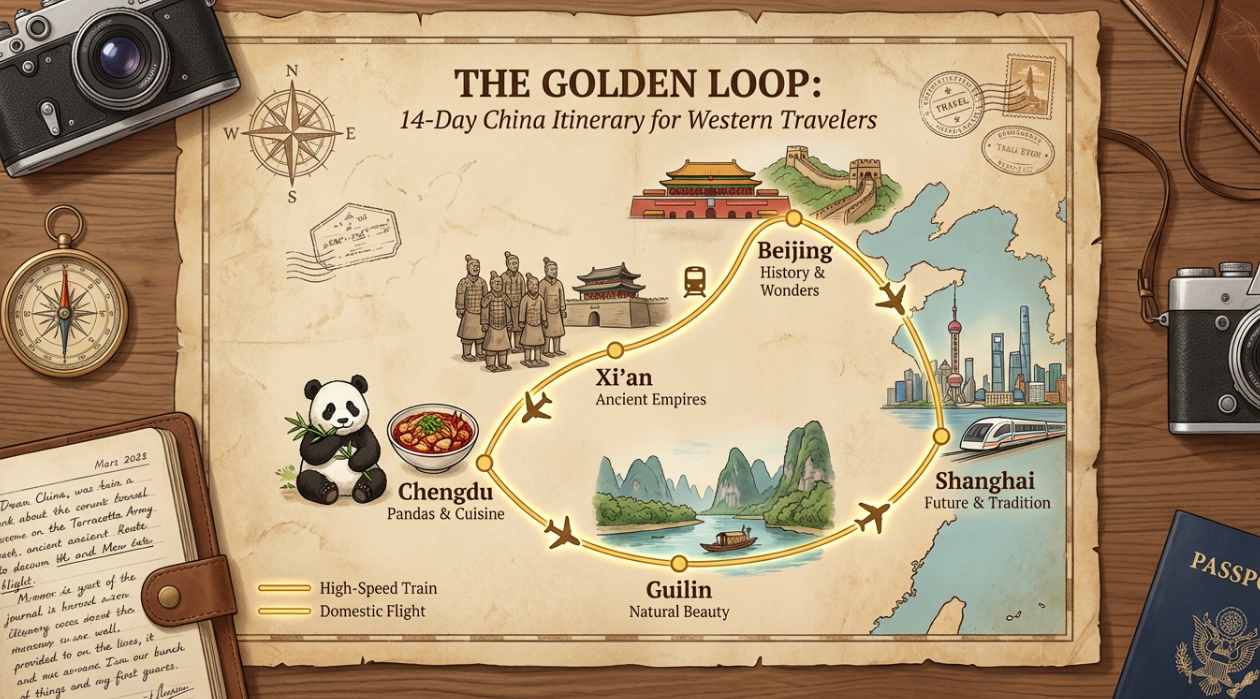
China 14-Day Itinerary: Golden Loop Route for First-Time Travelers | Beijing, Xi'an, Chengdu, Guilin, Shanghai
Discover the perfect 14-day China itinerary designed for Western travelers seeking a balanced and immersive experience. This "Golden Loop" covers China’s essential highlights without feeling rushed, blending history, culture, modernity, and natural beauty. Start in Beijing with the Forbidden City and Great Wall, then explore Xi’an’s Terracotta Army and ancient city wall. In Chengdu, meet giant pandas and savor Sichuan cuisine before cruising the scenic Li River in Guilin and Yangshuo. End in futuristic Shanghai with the Bund and Maglev train. The route optimizes travel time with high-speed trains and domestic flights, ensuring a seamless journey. Whether you love history, food, nature, or city life, this itinerary offers a well-paced introduction to China’s most iconic destinations.
81 views
View Details

10 Essential Apps for Traveling in China (And How to Use Them Like a Local)
Traveling to China requires digital preparation unlike anywhere else. With Google, Facebook, and Uber unavailable, you can easily become stranded without the right apps. This guide outlines the essential “China Survival Kit”—10 apps every traveler needs to navigate, pay, communicate, and explore with confidence. Must-haves include Alipay and WeChat for cashless payments, a reliable VPN to access Western sites, and Didi for taxi rides. Navigation apps like Apple Maps and MetroMan help you get around, while Trip.com simplifies train and hotel bookings. Don’t forget Google Translate’s camera feature for instant menu translations. Download and set these up before arrival to ensure a connected, hassle-free journey.
90 views
View Details

Mutianyu vs. Badaling: Which Great Wall Section Should You Visit? (The Definitive Comparison)
Choosing between Badaling and Mutianyu can define your Great Wall experience. Badaling is the most famous and accessible section, with direct high-speed train access, elevators, and wheelchair-friendly paths. However, it’s often overcrowded, commercialized, and feels less authentic. Mutianyu, located further from Beijing, offers a more relaxed visit with manageable crowds, stunning forest scenery, and a sense of history. Its standout feature is the thrilling toboggan ride down from the wall—a unique and fun highlight. While Mutianyu requires more effort to reach (about 1.5 hours by car), it rewards visitors with better photo opportunities, a peaceful atmosphere, and a more memorable adventure. For most travelers, especially those avoiding crowds and seeking a balanced mix of culture and fun, Mutianyu is the clear winner.
133 views
View Details

Be a Panda Keeper for a Day: The Honest 2026 Guide to Volunteering in Chengdu
The Panda Volunteer Program offers an unforgettable, behind-the-scenes experience at conservation bases near Chengdu, far beyond typical tourist visits. Participants become honorary keepers for a day—cleaning enclosures, preparing food, and hand-feeding pandas under expert supervision. Two main bases are available: Dujiangyan (accessible and well-organized) and Wolong (wild and scenic). The program includes transport, a guided tour, meals, and an official certificate, with a significant portion of the fee donated to panda conservation. Strict requirements apply, including age limits (12–65) and health checks. Despite the cost ($300–$500 USD), it’s a meaningful way to support conservation while creating lifelong memories. Booking early is essential due to limited daily slots.
89 views
View Details