Authentic Travel Diaries & Private Tours,Discover the Real China with Local Experts and Genuine Stories
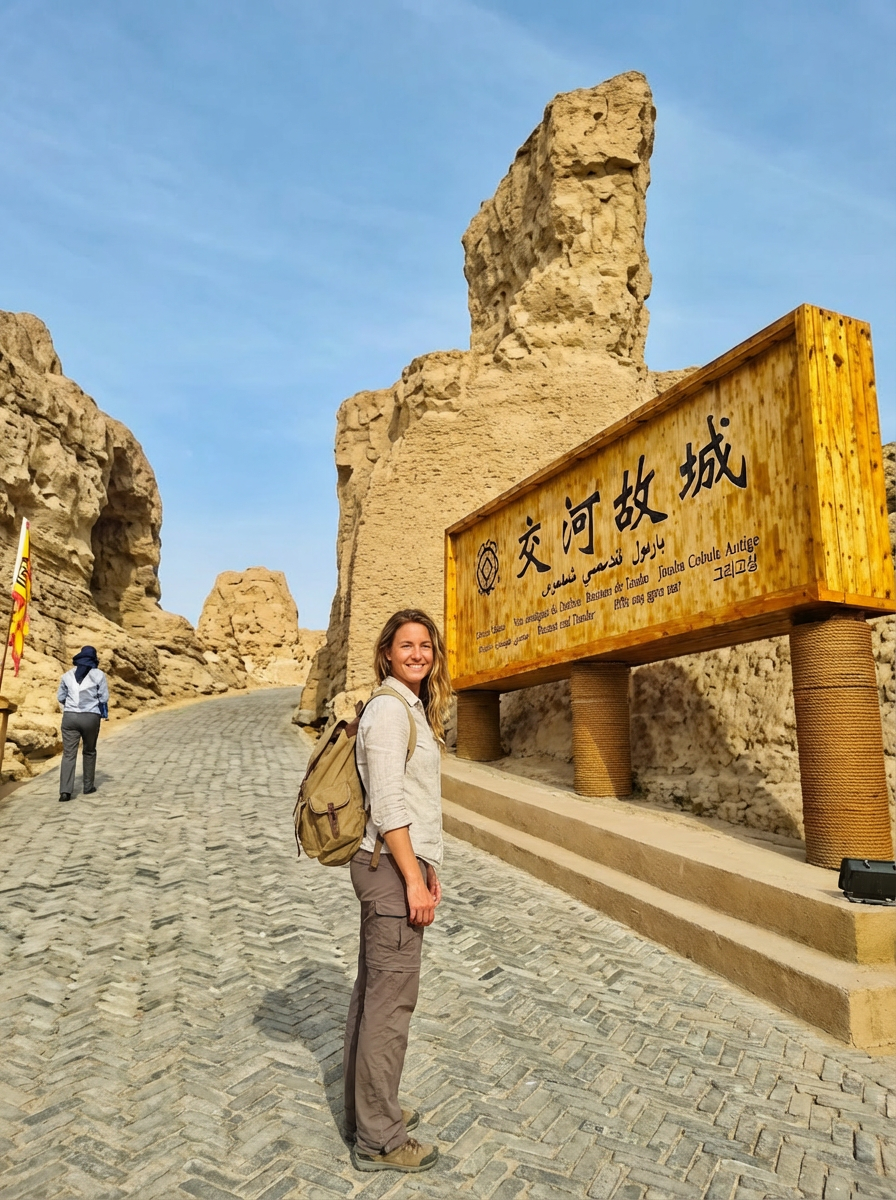
Jiaohe Ancient City: Exploring the World’s Best Preserved Clay Ruins
Jiaohe Ancient City, located on a river-island plateau near Turpan, is the world’s oldest and best-preserved earthen city ruins. This article narrates my solemn journey through this 2,000-year-old archaeological site, which served as the capital of the Cheshi Kingdom. I describe the dramatic setting of the city, built on a willow-leaf-shaped islet protected by deep river valleys, creating a natural fortress. The narrative details my exploration of the silent, labyrinthine streets, where I walked through the remnants of a dense residential area with houses dug directly into the earth, and the imposing foundations of the Great Temple and Stupa Forest. I reflect on the poignant atmosphere of the ruins, imagining the bustling life that once filled these now-empty spaces, and witnessing the fragility of the sun-dried loess structures as they slowly succumb to the elements. The article captures the visual spectacle of the sunset, when the ruins turn a deep gold against the backdrop of the vineyards and rivers. Jiaohe Ancient City is presented as a place of deep historical resonance, a “ghost ship” of time that offers a tangible connection to the civilizations that once thrived along the Silk Road.
74 views
View Details
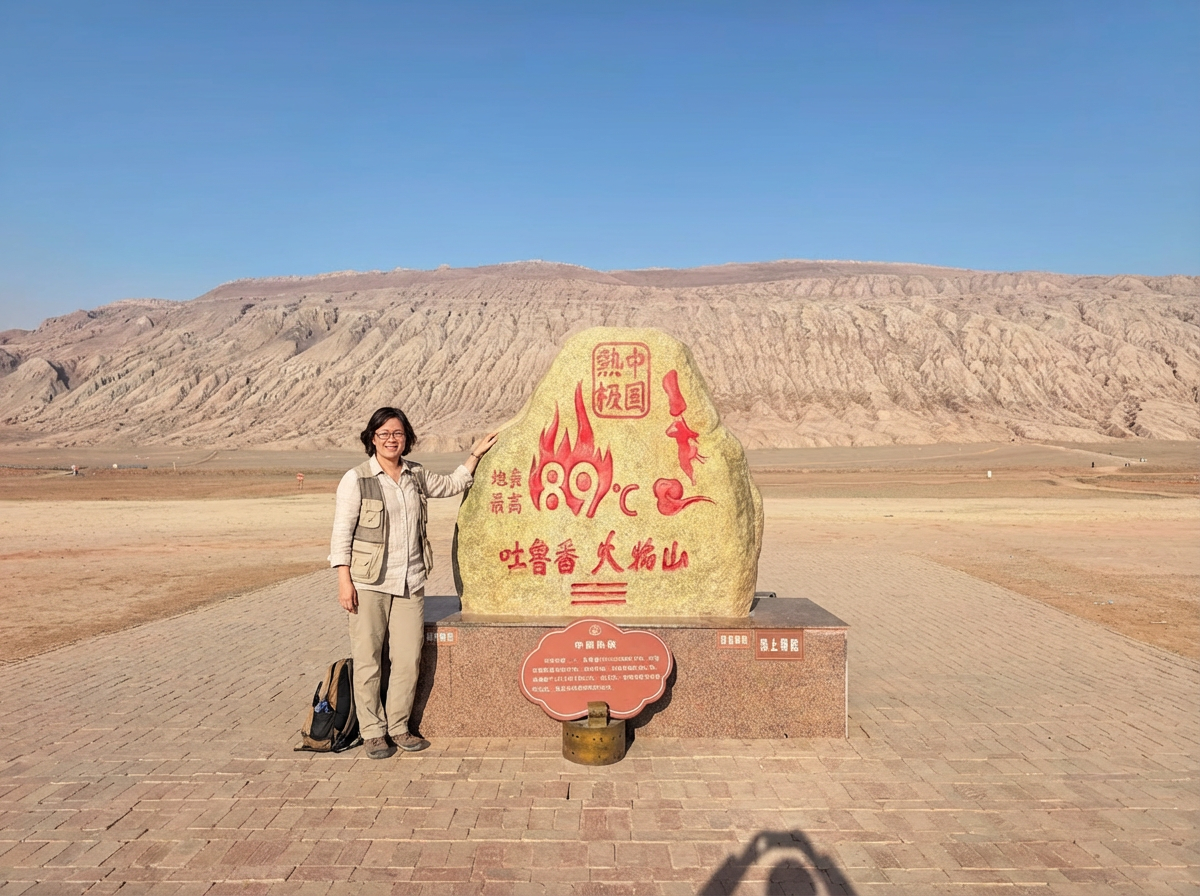
Flaming Mountain Turpan: Surviving the Heat of the Legend
The Flaming Mountain in Turpan is one of China’s most iconic natural landmarks, famous for its blistering heat and striking red sandstone landscape. This article recounts my intense encounter with this “Land of Fire,” where temperatures can soar to over 70°C on the ground. I describe the physical sensation of the heat—a blow to the senses that feels like opening an oven—and the visual hallucinations caused by the heat waves shimmering off the barren rocks. The narrative details a visit to the famous “Ground Temperature Barometer,” where I witnessed the surreal sight of tourists attempting to cook eggs on the searing ground. I explore the geology of the area, noting the iron oxide that gives the mountains their fiery red hue, and hike a short distance to observe the wind-eroded formations that resemble pagodas and mythical beasts. The article captures the eerie silence of the landscape, where no life can survive the midday sun. Finally, I describe the spectacular sunset, when the mountains truly look like they are on fire, glowing with an intense crimson light. The Flaming Mountain is presented as a challenging but rewarding destination that offers a visceral encounter with the raw, elemental power of nature and a tangible connection to the legends of the Silk Road.
67 views
View Details
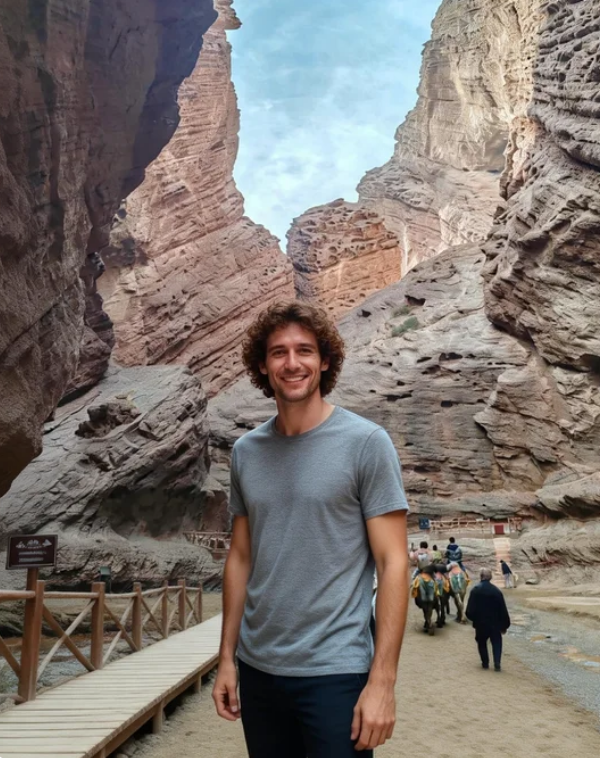
Kuqa Grand Canyon Guide: Witnessing the Fiery Red Cliffs of the Tianshan
The Kuqa Grand Canyon, located in the Aksu region of Xinjiang, is a spectacular geological wonder known for its fiery red sandstone walls and deep, narrow gorges. This article describes my trek through this “Tianshan Mysterious Grand Canyon,” a landscape that feels like a violent wound in the earth, sculpted by wind and water. I recount the experience of walking between towering vertical cliffs that glow with blood-red hues under the desert sun, creating an atmosphere of raw, aggressive beauty. The narrative details the sensory journey—the intense heat trapped in the canyon, the haunting melody of the wind, and the texture of the ancient stratified rocks that tilt and twist like pages of a geological book. I highlight key spots such as the “Yu Pavilion,” a natural grotto that exudes a spiritual energy, and the “Panlong Platform,” which offers a panoramic view of the labyrinthine red trenches carved by nature. I also touch upon the geological history of the area, noting the iron oxide that gives the rocks their rusted color. The article captures the dramatic transformation of the canyon at sunset, when the walls turn a burning crimson. Kuqa Grand Canyon is presented as a raw, untamed adventure that demands physical exertion and offers a profound connection to the elemental forces of the Tianshan Mountains.
77 views
View Details
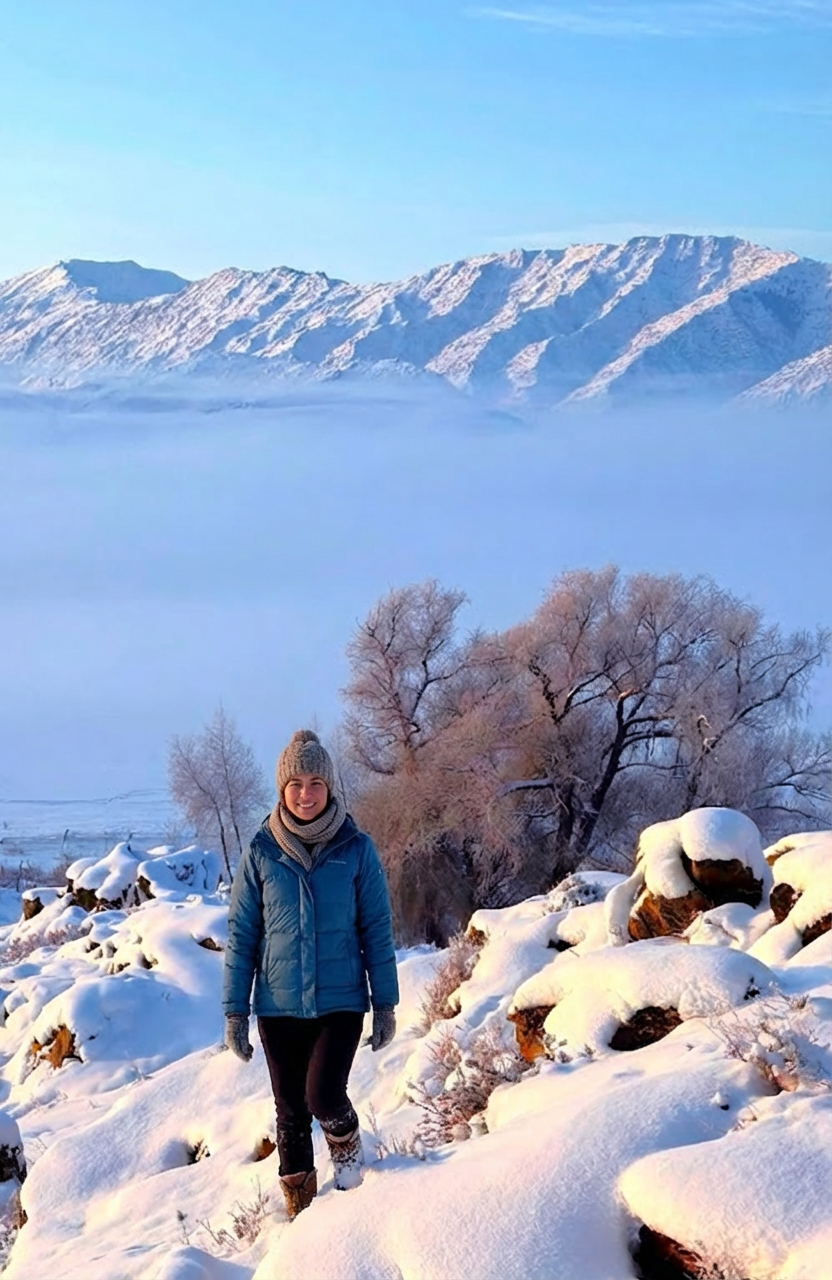
Keketuohai: The Geological Marvel of Altay and the Source of the Irtysh
Keketuohai, located in the Altai Mountains, is a geological wonderland that has transformed from a historic mining hub into a breathtaking national geopark. This article details my exploration of this rugged landscape, which is defined by the dramatic Irtysh Grand Canyon and the only river in China that flows into the Arctic Ocean. I recount standing on the canyon rim, feeling the ferocious winds and watching the milky blue surge of the water as it carves through ancient granite. The narrative includes a descent into the Canyon Cocoa Stone, a massive crater of jagged, multi-colored granite rocks that look like a prehistoric lair, and visits to the serene Sister Lakes and Bell Lake, where the water clarity and color shifts create a mystical atmosphere. I also delve into the industrial history of the area, meeting a retired miner and exploring the abandoned facilities that stand as a testament to the human cost of the region’s prosperity. The article describes the bizarre rock formations of the Granite Gorges, including the “God Bell” that sings in the wind. Keketuohai is portrayed as a place of healing and transformation, where nature is reclaiming the land, offering a profound and ruggedly beautiful experience for travelers seeking the wild heart of Xinjiang.
76 views
View Details

Kanas Lake: Exploring the Alpine Enigma and Monster Legends of Northern Xinjiang
Kanas Lake, hidden deep in the Altai Mountains of Northern Xinjiang, is a place of breathtaking natural beauty and enduring mystery. This article details my pilgrimage to this “God’s Garden,” often associated with legends of a lake monster but revered for its stunning, pristine alpine scenery. I describe the journey through the taiga forests and the first glimpse of the lake’s deep, enigmatic blue waters. The narrative follows my hike along the “Three Bays,” exploring the iconic Moon Bay, the swirling Dragon Bay, and the tranquil Immortal Bay, each offering a unique perspective on the crystal-clear glacial waters and the surrounding golden birch forests. I recount a boat trip to the center of the lake, where we searched for the legendary monster and instead encountered giant *Hucho taimen* trout, a testament to the lake’s wild ecosystem. A significant part of the story is the stay in a log cabin in the traditional Tuvan village, experiencing the warm hospitality of the Tuvan people, listening to their haunting folk music, and marveling at the brilliant, unpolluted night sky. The article concludes with the climb to Guanyu Pavilion for a panoramic view of the “Color-changing Lake,” witnessing a spectacular sunrise that transformed the landscape. Kanas is presented as a spiritual sanctuary that offers a profound connection to the raw, untouched beauty of nature.
73 views
View Details
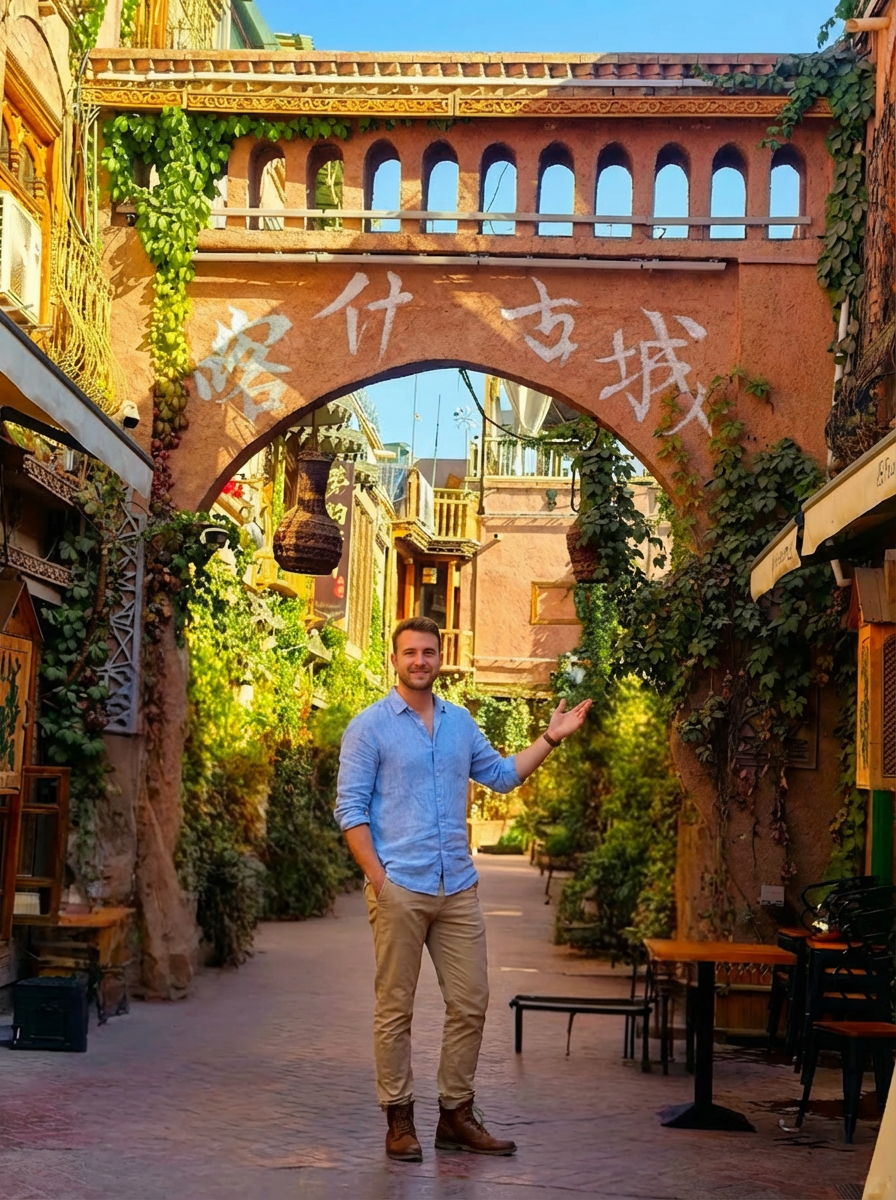
Kashgar Old City: A Timeless Journey Through the Labyrinths of Xinjiang
Kashgar Old City represents the living heartbeat of the ancient Silk Road, a mesmerizing labyrinth of mud-brick buildings, narrow alleyways, and vibrant culture in Xinjiang. This article recounts my dawn-to-dusk exploration of this historic quarter, where time appears to have stood still amidst the clamor of modern life. I describe the sensory richness of the experience: the smell of fresh naan bread baking in tandoor ovens, the sound of copper smiths hammering metal, and the sight of artisans carving intricate woodwork. The narrative highlights the architectural ingenuity of the traditional homes, featuring cool courtyards and earthquake-resistant wooden frames, as well as the panoramic views from the rooftops that look out over the earthen “sandcastle” city. I delve into the atmosphere of the Grand Bazaar, a chaotic and colorful marketplace where locals trade spices, dried fruits, and tools, capturing the commercial spirit that has defined the city for centuries. A significant portion of the story is dedicated to the warmth of the local Uighur people, sharing tea in a teahouse and experiencing their legendary hospitality. Despite ongoing renovations, Kashgar Old City is portrayed as an essential destination that preserves the soul and history of the region, offering a profound connection to the past for any intrepid traveler.
74 views
View Details
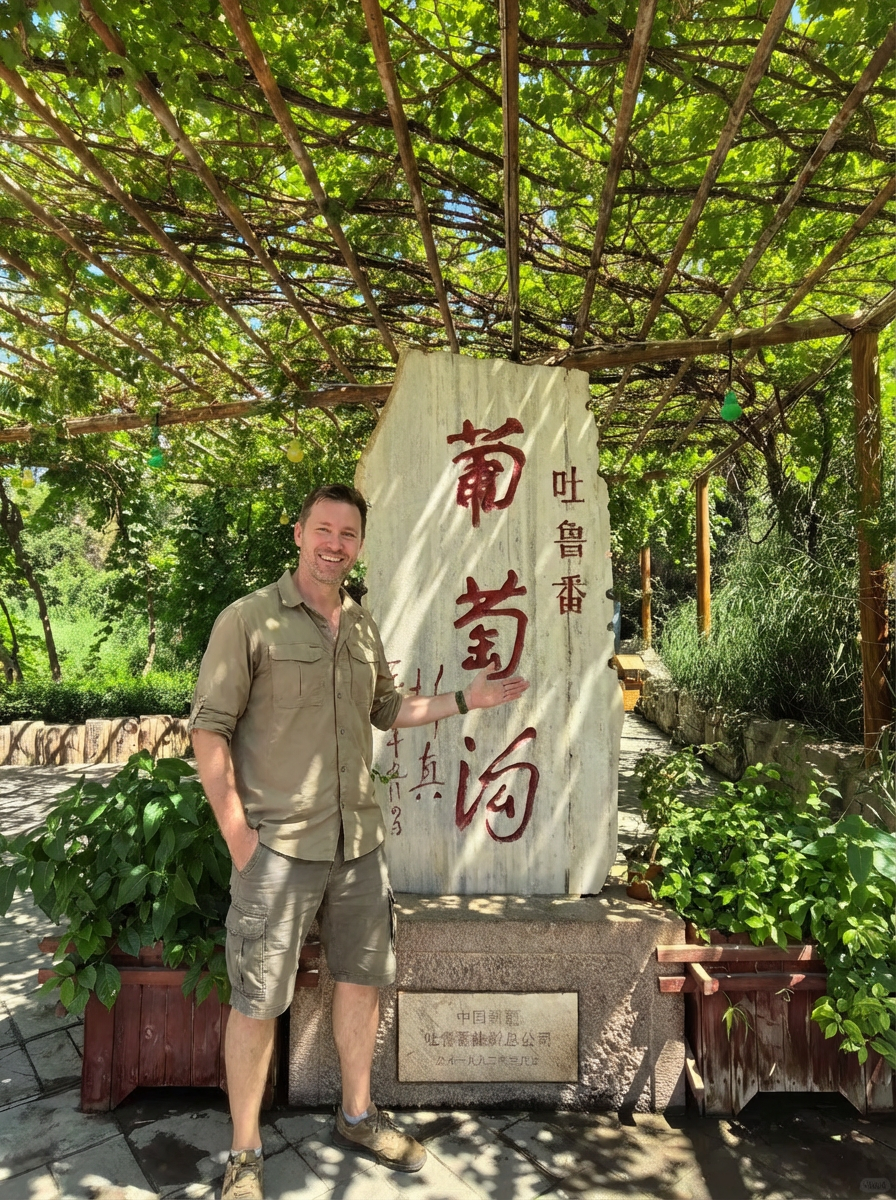
Grape Valley Turpan: A Journey into the Heart of the Silk Road’s Vineyards
Nestled in the scorching embrace of the Flaming Mountains, the Grape Valley is a miraculous oasis of coolness and abundance in the heat of Turpan. This article describes my sensory journey into this lush strip of verdant life, where the temperatures drop significantly, offering a respite from the desert inferno. I recount walking under trellises laden with over a hundred varieties of grapes, from the sugary white Thompson to the dark purple Manaizi, and the air thick with the scent of ripening fruit. The narrative includes a visit to a local Uighur family’s vineyard, where I learned the secrets of drying raisins in traditional perforated brick houses and sampled raisins that taste like captured sunshine. Beyond the agriculture, I explore the historical significance of the valley, examining the ancient *karez* irrigation system that has nurtured these vines for over 2,000 years, sustaining civilizations on the Silk Road. The article captures the vibrant atmosphere of the local market and the joy of a traditional *meshrep* gathering, celebrating the culture that revolves around the harvest. Grape Valley is presented as a symbol of resilience and sweetness, a place where nature’s harshness is tempered by human ingenuity, resulting in a refreshing and unforgettable travel experience in the heart of Xinjian
101 views
View Details

Bayinbuluke Grassland: Home of the Swan Lake and the Nine Turns of the River
Bayinbuluke Grassland, situated in a high-altitude basin surrounded by the Tianshan Mountains, is a sanctuary of immense natural beauty and ecological significance. This article chronicles my exploration of this vast steppe, which is renowned for being the summer habitat for thousands of migratory swans and the dramatic meandering of the Kaidu River. I describe a serene encounter at the Swan Lake protected wetlands, observing the grace and resilience of mute swans and their cygnets gliding through the reeds. The narrative captures the awe-inspiring view from the “Nine Turns and Eighteen Bends” overlook, where the river creates intricate, geometric patterns on the green canvas of the grassland, culminating in a magical moment when the setting sun illuminates a specific bend like a glowing dragon. Beyond the scenery, I discuss the harsh climate of the region and the warmth of the local Mongolian culture, sharing a meal of boiled mutton and learning about the deep respect the herders have for the “Mother River.” Bayinbuluke is portrayed as a place of fragile balance and profound tranquility, offering a humbling experience for travelers who wish to witness the harmonious coexistence of water, land, and wildlife on the “Roof of the World.”
68 views
View Details
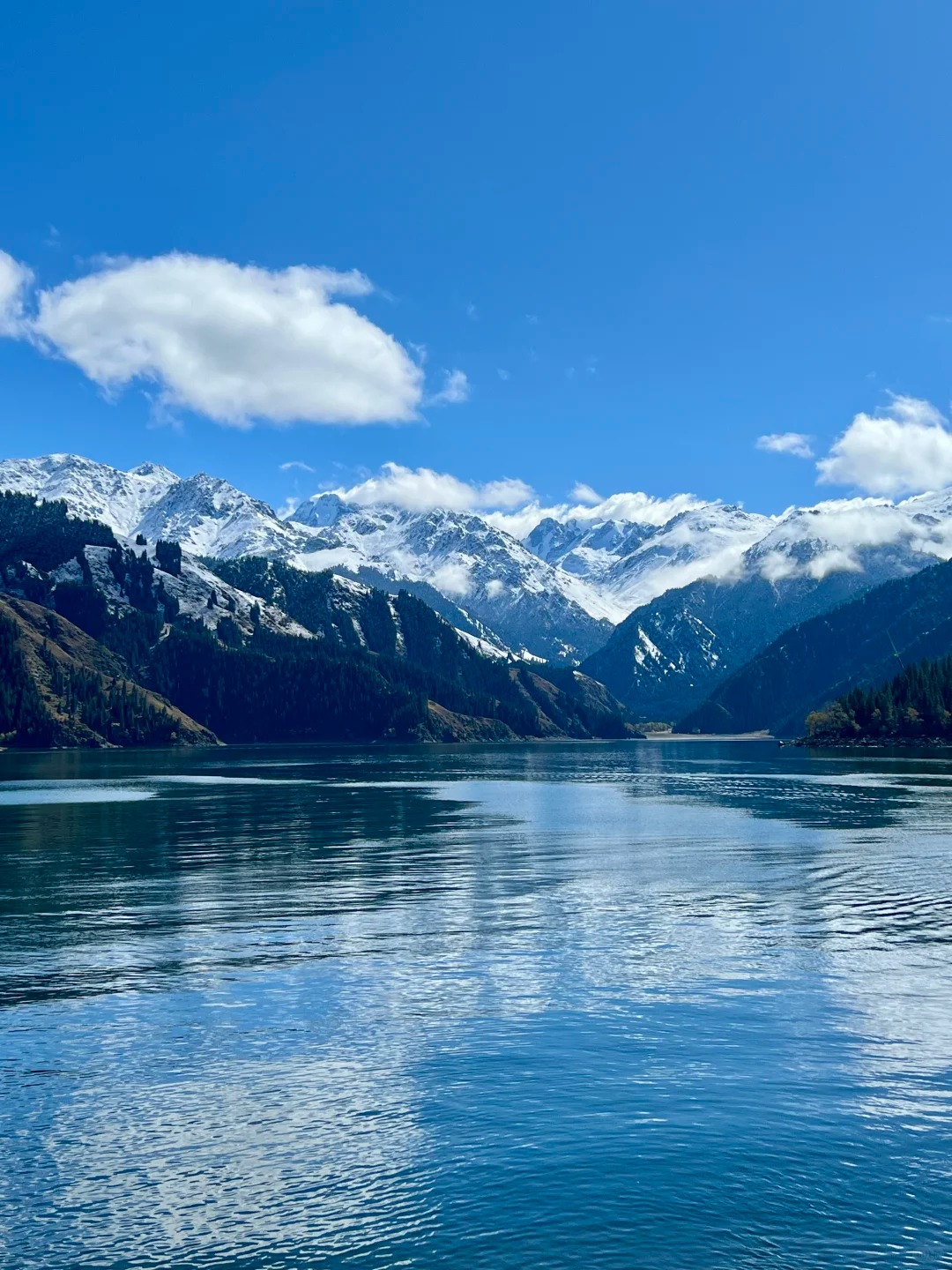
Tianchi Lake (Heavenly Lake) Guide: The Sacred Alpine Jewel of Xinjiang
Tianchi Lake, or Heavenly Lake, is a celebrated alpine gem nestled in the Tianshan Mountains, revered in Taoist mythology and beloved by travelers for its serene beauty. This article describes my early morning excursion to this sacred site, seeking tranquility away from the usual tourist bustle. I recount the ascent through lush forests of Siberian fir and the thrill of first seeing the lake’s intense azure waters, which sit like a jewel at the foot of the snowy Bogda Peak. The narrative follows my hike along the boardwalk trail, offering intimate observations of the ancient trees, the crystal-clear moraine water, and the spiritual significance of the Dragon King Temple. I detail the climb to Wawu Mountain for a panoramic view of the lake, described as a teardrop from the sky, and the diverse wildlife and flora that inhabit this protected ecosystem. The article also includes a cultural interaction with the local Kazakh community in traditional yurts, emphasizing their role as stewards of the land and offering a glimpse into their nomadic lifestyle. Despite its popularity and accessibility from Urumqi, Tianchi Lake is portrayed as a place of profound natural harmony and spiritual renewal, where the elements converge to create a landscape that truly feels heavenly
121 views
View Details
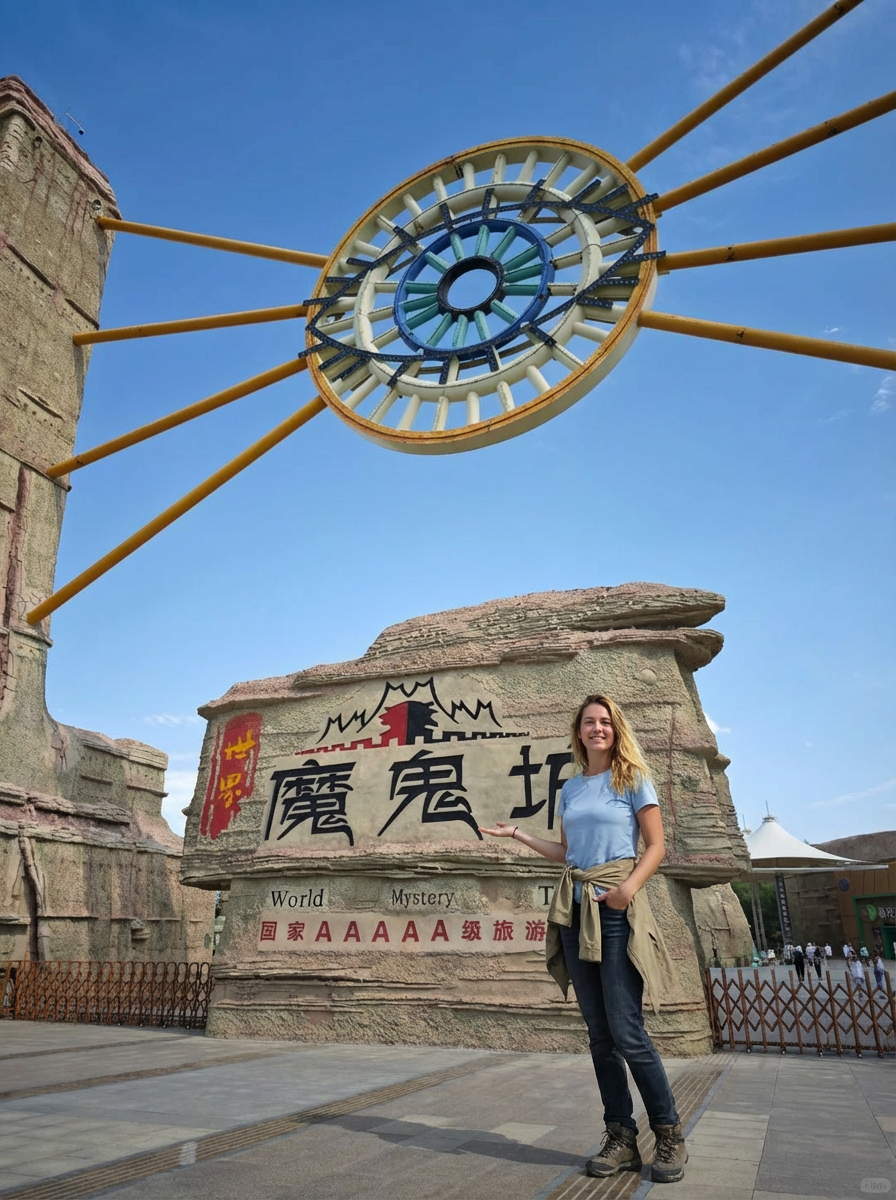
Urho Ghost City: Exploring the Mystical Yardang Landscape of Xinjiang
The Urho Ghost City, also known as the World Devil City, is a surreal and hauntingly beautiful landscape located in the Junggar Basin of Xinjiang. This article recounts my eerie and fascinating journey into this vast expanse of yardang landforms, where the relentless wind has sculpted the earth into a labyrinth of stone castles, mythical beasts, and towering monoliths. I describe the sensory experience of exploring the “Wind City,” where the howling wind creates spectral sounds that echo through the rocks, giving rise to local legends of trapped demons and haunted spirits. The narrative captures the dramatic transformation of the landscape at sunset, when the rocks glow with a burning red-orange hue against a darkening sky, creating an atmosphere of otherworldly beauty. Beyond the visual spectacle, I delve into the geological history of the area, explaining how an ancient lake bed was carved by natural elements over millions of years. I also touch upon the strange juxtaposition of this ancient, desolate landscape with the modern oil industry of Karamay, which surrounds it. Urho Ghost City is presented as a place that challenges the senses and the imagination, offering a unique travel experience for those willing to embrace the desolation and listen to the whispers of the wind in one of China’s most peculiar natural wonders.
92 views
View Details
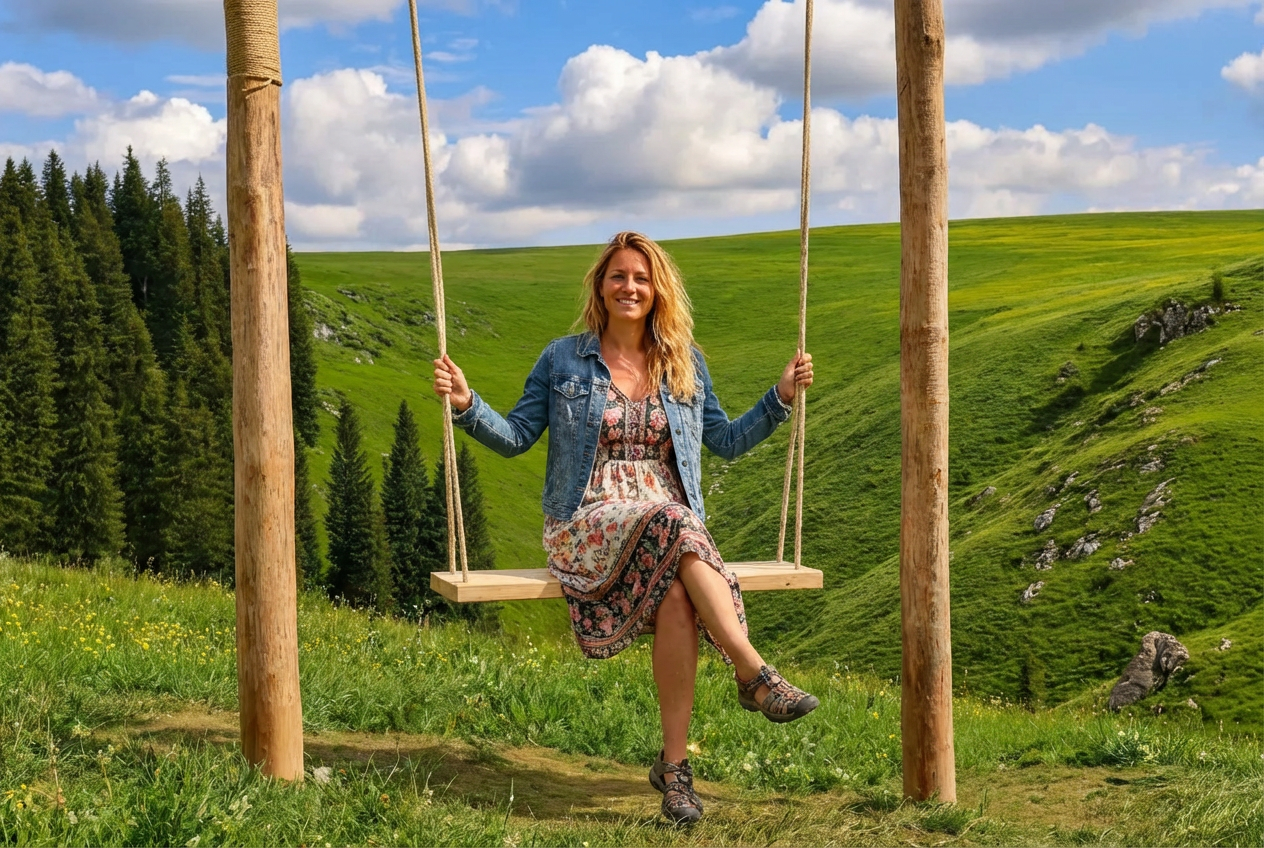
Kalajun Grassland: Discovering the Body Grasslands of the Ili Valley
Kalajun Grassland, known as the “Body Grassland” for its sensuously rolling hills that resemble the curves of a human figure, offers a landscape experience that is distinct from any other in Xinjiang. This article details my journey into the heart of the Gongnaisi grassland, where the earth is sculpted into smooth, endless waves of green velvet. I describe the sensation of standing on the Falcon Platform ridge, gazing out at the vast, convex and concave slopes that stretch to the horizon under a dramatic sky. The narrative explores the unique topography of Kalajun, from the mysterious wild peach forests in the valleys to the mesmerizing “Nine-Eighteen Bends” of the Kuerdening River, which snakes elegantly through the valley floor. A highlight of the trip was the rare morning sea of clouds, which transformed the ridges into floating islands, creating a mystical, dreamlike atmosphere. Beyond the scenery, I delve into the warmth of the local culture, sharing a meal of *polu* with a host family and learning about the deep connection between the people and the “sweet grass” that sustains their livestock. Kalajun is presented not just as a visual feast, but as a place of grace, intimacy, and healing, where the silence and the curves of the earth induce a state of Zen. For travelers seeking a poetic and serene encounter with nature, Kalajun is an unmissable destination in the Ili Valley.
72 views
View Details

Narat Grassland: A Journey into the Sky Grasslands of the Tianshan
The Narat Grassland, often referred to as the “Sky Grassland” due to its elevation and ethereal beauty, is one of Xinjiang’s most enchanting destinations. This article captures the essence of my three-day immersion into this sub-alpine paradise located in the Ili River valley. I describe the journey from the dusty roads to the sudden revelation of a vast, velvet-green ocean that stretches to the horizon. Unlike the flat steppes of Inner Mongolia, Narat is a landscape of rolling hills, deep valleys, and alpine forests, offering a rich tapestry of colors and textures. My narrative focuses on the experience of exploring the grassland on horseback, which allows for a profound connection with the land. I recount riding through patches of mystical mist and fields teeming with over a hundred species of wildflowers, engaging all the senses with the scent of herbs and the sound of the wind. A significant portion of the story is dedicated to the cultural exchange with the local Kazakh nomads, sharing a meal of boiled lamb in a traditional yurt and witnessing the blend of ancient customs with modern technology. The article also vividly describes the stunning sunset that turns the landscape gold and the breathtaking night sky where the Milky Way shines bright. For travelers seeking a tranquil escape into nature and a glimpse of a timeless nomadic lifestyle, the Narat Grassland offers an unforgettable journey into the heart of the Tianshan mountains.
78 views
View Details