Authentic Travel Diaries & Private Tours,Discover the Real China with Local Experts and Genuine Stories

China Travel App Guide & Spring Festival Travel Tips
For international travelers eager to explore China, mobile payment apps and a well-planned itinerary are the keys to a smooth and enjoyable trip—especially during the Spring Festival, China’s most important traditional holiday. This guide will walk you through binding overseas credit cards to Alipay and WeChat Pay, and share essential tips to avoid common pitfalls during the Spring Festival rush.
64 views
View Details
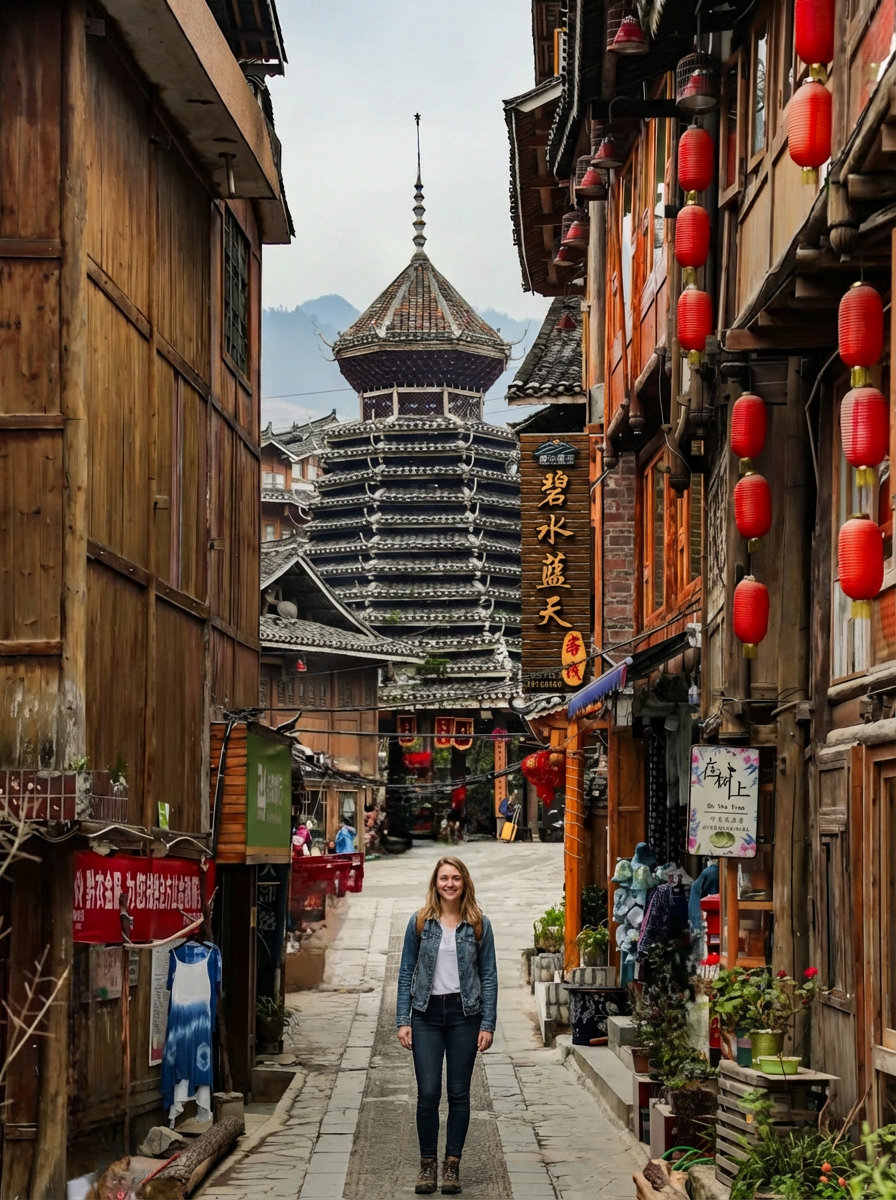
Zhaoxing Dong Village: Polyphonic Songs and Drum Towers in China’s Largest Dong Settlement
Zhaoxing Dong Village offers a vibrant immersion into the culture of the Dong people, renowned for their "Grand Song" (polyphonic singing) and unique architectural heritage. This travelogue describes the village as a place held together by music and community. The narrator highlights the five magnificent Drum Towers, nail-less wooden pagodas that serve as the social hubs for the village's five clans. A spontaneous encounter with women singing under the "Wisdom" tower illustrates the organic, nature-mimicking beauty of the Grand Choir tradition.
The article details the visual charm of the village, with its winding canals and residents engaged in traditional indigo dyeing. A vivid description of the "Long Table Banquet" captures the aggressive hospitality of the Dong people, featuring the "high mountain flowing water" drinking toast where guests are fed rice wine while being serenaded. The narrative concludes with a quiet, poignant moment late at night, observing elders gathered around a fire in a Drum Tower. This scene reinforces the author's sentiment that Zhaoxing retains an authentic heartbeat, where traditions are preserved for the community itself, not just for the tourists.
64 views
View Details
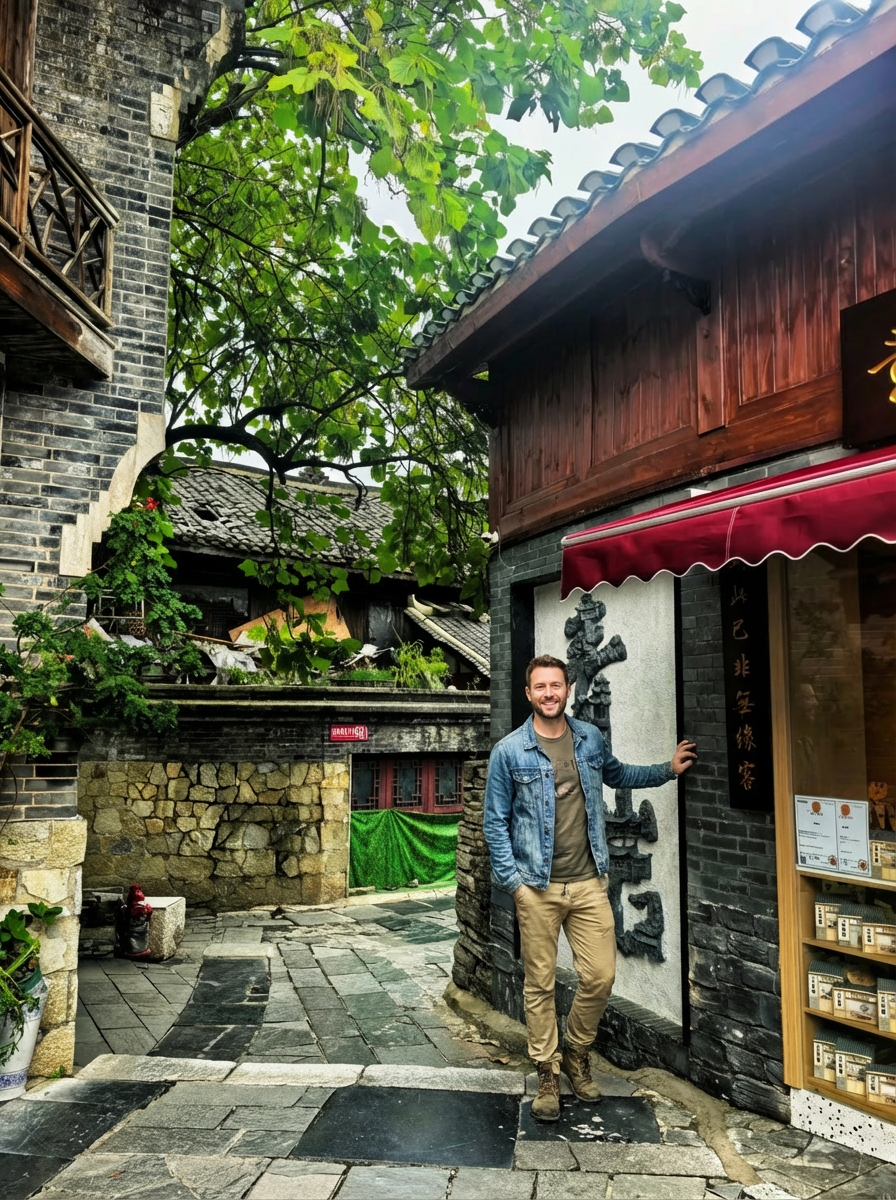
Qingyan Ancient Town Travel Guide: Braised Trotters and Stone Fortresses in Guizhou
Qingyan Ancient Town, located south of Guiyang, stands out from other Chinese "ancient towns" due to its authentic, lived-in atmosphere and military origins. Originally a Ming Dynasty garrison, the town is defined by its imposing stone architecture—walls, pillars, and streets—giving it a stoic, fortified character. This travelogue captures the sensory experience of the town, starting with the ubiquitous aroma of "Champion's Trotters," a local delicacy of braised pig's feet that the author samples and describes with gusto.
Beyond the food, the article highlights the remarkable cultural and religious diversity of Qingyan. The narrator marvels at finding a Buddhist temple, Taoist palace, Christian church, and Catholic cathedral all coexisting within a small radius, a symbol of harmony in a town built for war. A climb up the steep city walls offers a panoramic view of the town's defensive layout, while a quiet moment in a tea house with an erhu player provides a touch of intimacy. The story portrays Qingyan as a place of textures and history, inviting travelers to look beyond the surface and appreciate its resilience and unique blend of cultures.
61 views
View Details

Beyond the Crowds in Xijiang Miao Village: Finding Authenticity in the Thousand Household Settlement
Xijiang Miao Village, the largest Miao settlement in the world, often faces criticism for being over-commercialized. This travel narrative confronts those preconceptions head-on, acknowledging the crowds and tourist traps while revealing the authentic soul that still exists beneath the surface. The author describes the magical transformation of the village at twilight, where thousands of stilted wooden houses light up the valley, resembling a galaxy or a massive bull's head totem.
The key to experiencing the real Xijiang, the article suggests, is timing and exploration. By waking up at 6:00 AM, the author witnesses the village reclaiming its daily rhythm: locals washing vegetables in the river, the smell of breakfast fires, and the sounds of daily chores. A visit to a silversmith's workshop offers a glimpse into the intricate, traditional craftsmanship that defines Miao culture, far removed from mass-produced souvenirs. The story captures the atmosphere of the "Wind and Rain Bridges" where elders socialize, and concludes that while Xijiang is a paradox of tourism and tradition, it remains a living, breathing community for those willing to climb the steps and look beyond the main street.
68 views
View Details
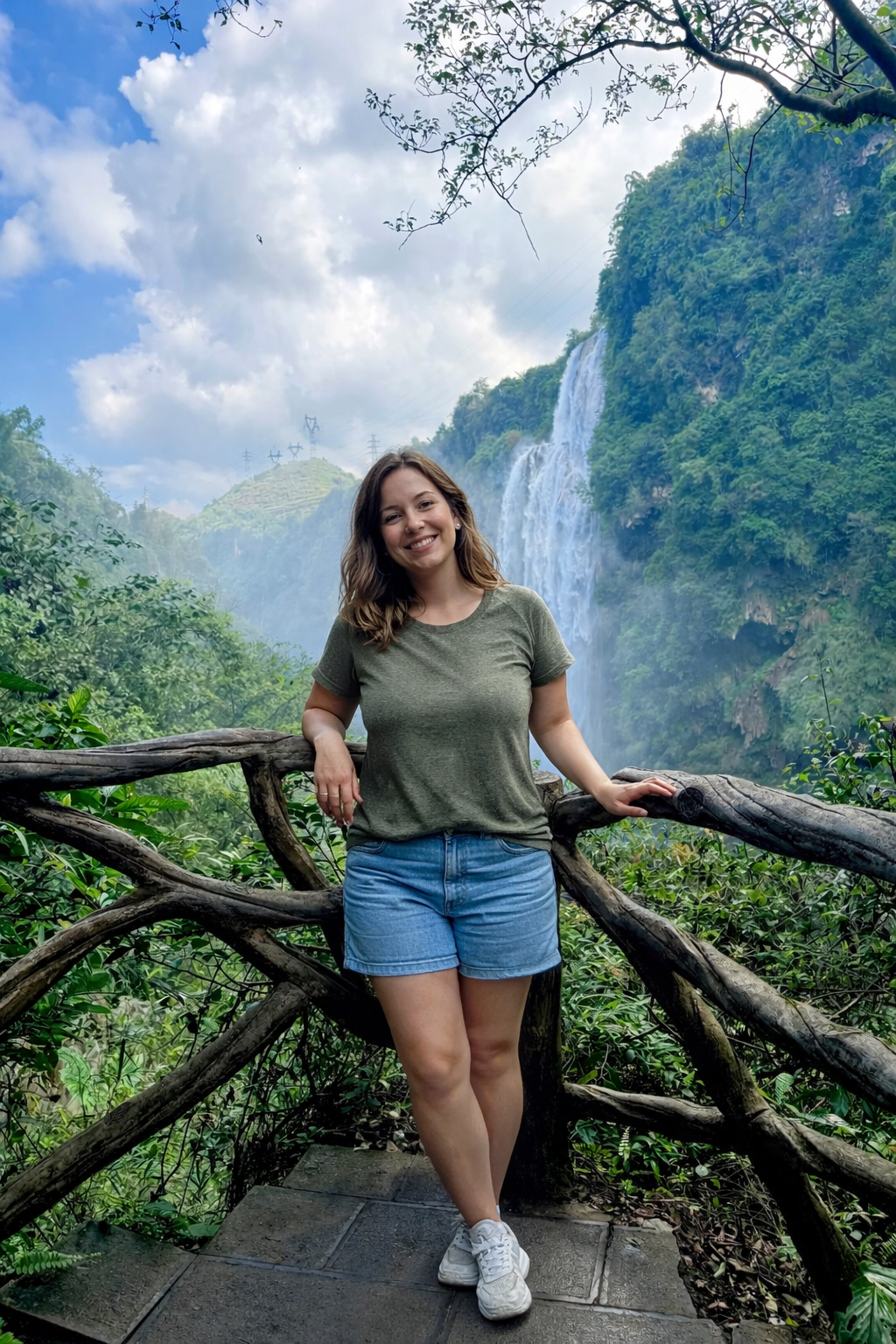
Exploring Malinghe Canyon: Hiking the "Earth's Beautiful Scar" and Its Hundred Waterfalls
Malinghe Canyon in Xingyi, Guizhou, offers a dramatic contrast to the surrounding plateau, described aptly as the "Earth's Beautiful Scar." This travelogue details a descent into this deep fissure, exploring a prehistoric-looking world enclosed by towering cliffs draped in unique calcium carbonate "tufa" tapestries. The author vividly recounts walking along the cliff-side plank paths, often ducking behind curtains of water from the canyon's numerous waterfalls.
The narrative highlights the sensory experience of the canyon—the overwhelming roar of converging waterfalls, the cooling spray on the face, and the claustrophobic yet comforting feeling of being "hugged by the earth." A walk across the suspension bridge offers a perspective suspended between the thin strip of sky above and the churning Maling River below. The article contrasts the deep, enclosed environment of the gorge with the open plateau above, portraying Malinghe as a hidden, secret world teeming with life and geological wonder. It captures the awe of feeling small amidst the sheer scale of the canyon walls and the power of the water.
68 views
View Details
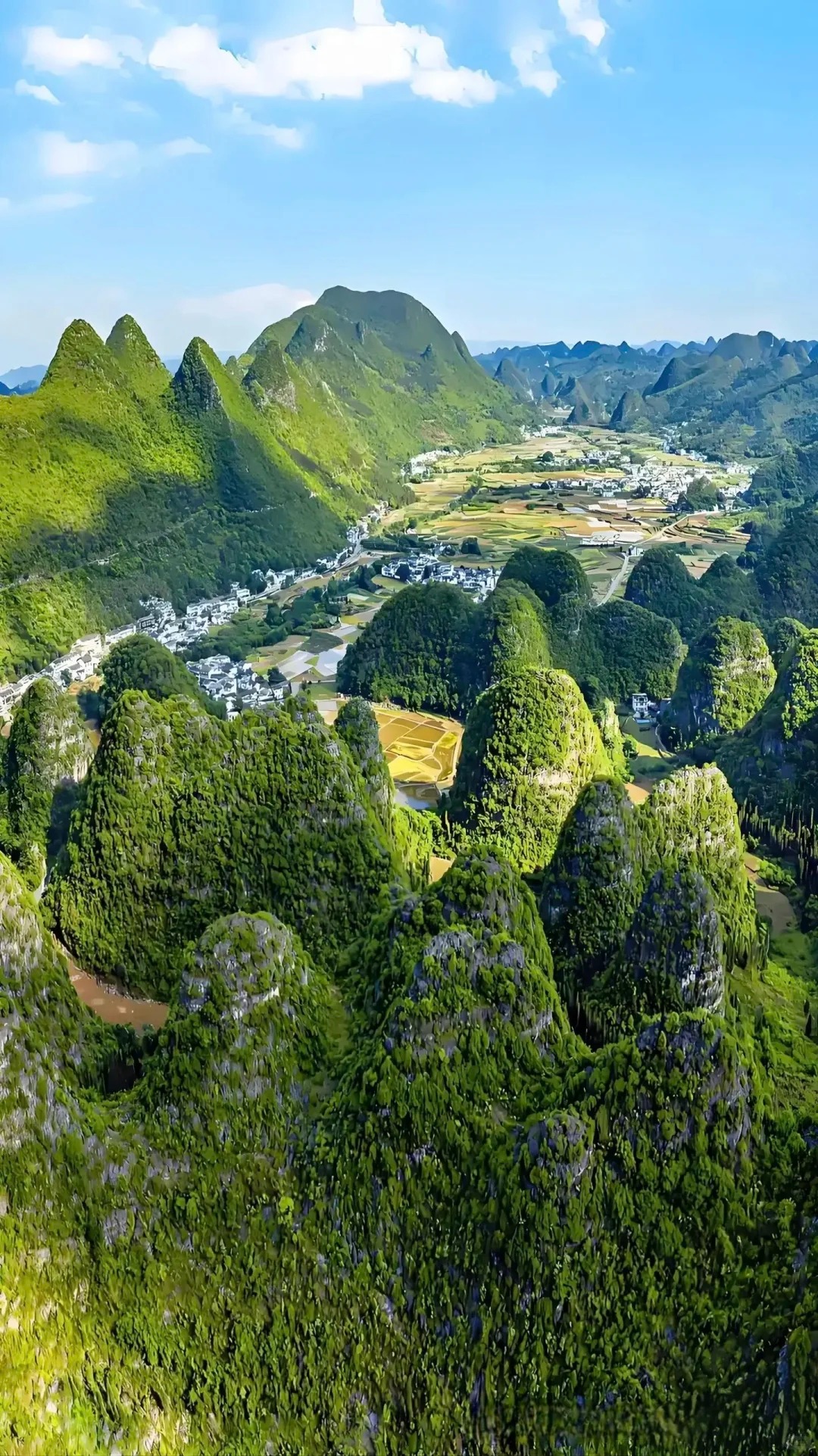
Cycling Through the Forest of Ten Thousand Peaks: A Solo Journey in Wanfenglin, Xingyi
Wanfenglin (Forest of Ten Thousand Peaks) in Xingyi, Guizhou, offers a unique karst landscape experience that differs significantly from other famous Chinese sites. This article recounts a solo bicycle journey through the valley floor, nestled amongst thousands of conical, green-covered limestone peaks. The narrative focuses on the harmonious blend of geology and human life. Unlike the dramatic cliffs of other regions, Wanfenglin is defined by the peaceful coexistence of the Bouyei ethnic minority villages and the surrounding mountains.
The author describes riding an old bike through Nahui Village, observing traditional stone architecture and the slow pace of local life. A highlight includes a roadside stop to taste authentic Bouyei "colorful rice" and an interaction with a local vendor. The journey takes the rider through the famous "Bagua" (Eight Trigrams) fields, where getting lost in the maze of crops becomes a cherished moment of solitude and connection with the land. The article captures the "magic hour" lighting and the timeless rhythm of agricultural life, concluding that Wanfenglin offers a grounded perspective on the permanence of nature versus the fleeting nature of human endeavor. It is a story of tranquility, culture, and the simple joy of exploration on two wheels.
65 views
View Details

Libo Xiaoqikong Travelogue: Wading Through the Water Forests and Emerald Pools of Guizhou
This travel article explores Libo Xiaoqikong (Small Seven Arches Scenic Area) in southern Guizhou, China, presenting it not just as a scenic spot but as an immersive emerald dreamscape. The narrator takes the reader beyond the iconic Qing Dynasty stone bridge that gives the park its name, delving into the heart of this karst valley where water defines the landscape. Key experiences include walking along the 68-Step Waterfall, a kilometer-long cascade of turquoise water, and the surreal "Water Forest," where trees grow directly out of the flowing riverbed.
The author describes the sensory details of wading barefoot in the cold river water, surrounded by ancient trees and the ubiquitous sound of rushing currents. The journey culminates at Wolong Tan (Crouching Dragon Pond), a deep blue pool that offers a stark, silent contrast to the rushing waters elsewhere in the park. Through personal reflection, the article emphasizes the therapeutic nature of the visit—how the "unreal" blue-green colors and the seamless blend of forest and river create a sense of timelessness and mental clarity. It paints Libo Xiaoqikong as a place of connection and immersion, rather than just a sightseeing checklist.
66 views
View Details
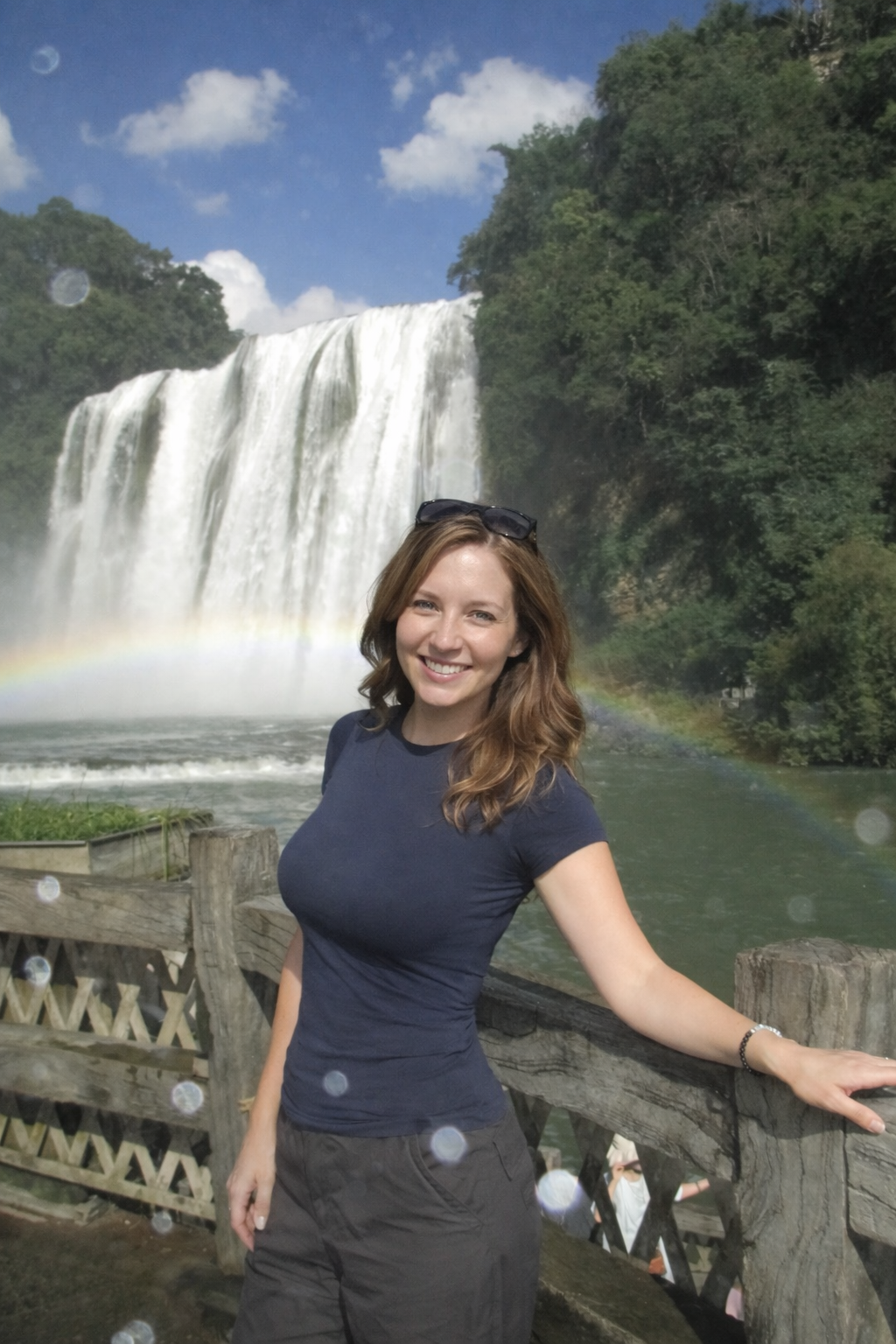
Title: Inside the Waterfall: A Traveler’s Guide to Huangguoshu’s Water Curtain Cave and Scenic Wonders
Huangguoshu Scenic Area in Anshun, Guizhou, is home to one of Asia's largest waterfalls, but this travelogue explores the visceral experience beyond the statistics. The article describes a visit during the peak rainy season (July), transforming the typically graceful falls into a display of raw, thundering power. The narrator takes the reader on a sensory journey, starting with the deafening roar that can be felt in the chest long before the waterfall comes into view. The highlight of the piece is the traversal of the "Water Curtain Cave," a natural tunnel located directly behind the waterfall itself.
The author vividly recounts the experience of walking through the dripping, dark cave, looking out through natural "windows" at the crashing sheet of water just inches away. It captures the thrill of getting soaked despite rain gear and the unique perspective of viewing the world through a veil of falling water. The narrative also covers the Doupotang Waterfall, famous for its width and its connection to the classic Chinese TV series Journey to the West, offering a nostalgic cultural touchstone. Finally, the article touches on the Tianxingqiao Scenic Area, a more serene section of the park featuring a "water stone forest," contrasting the violent power of the main falls with the playful, intricate nature of the karst landscape. The story concludes with a reflection on the primal connection to nature one feels when surrounded by such immense geological forces.
60 views
View Details
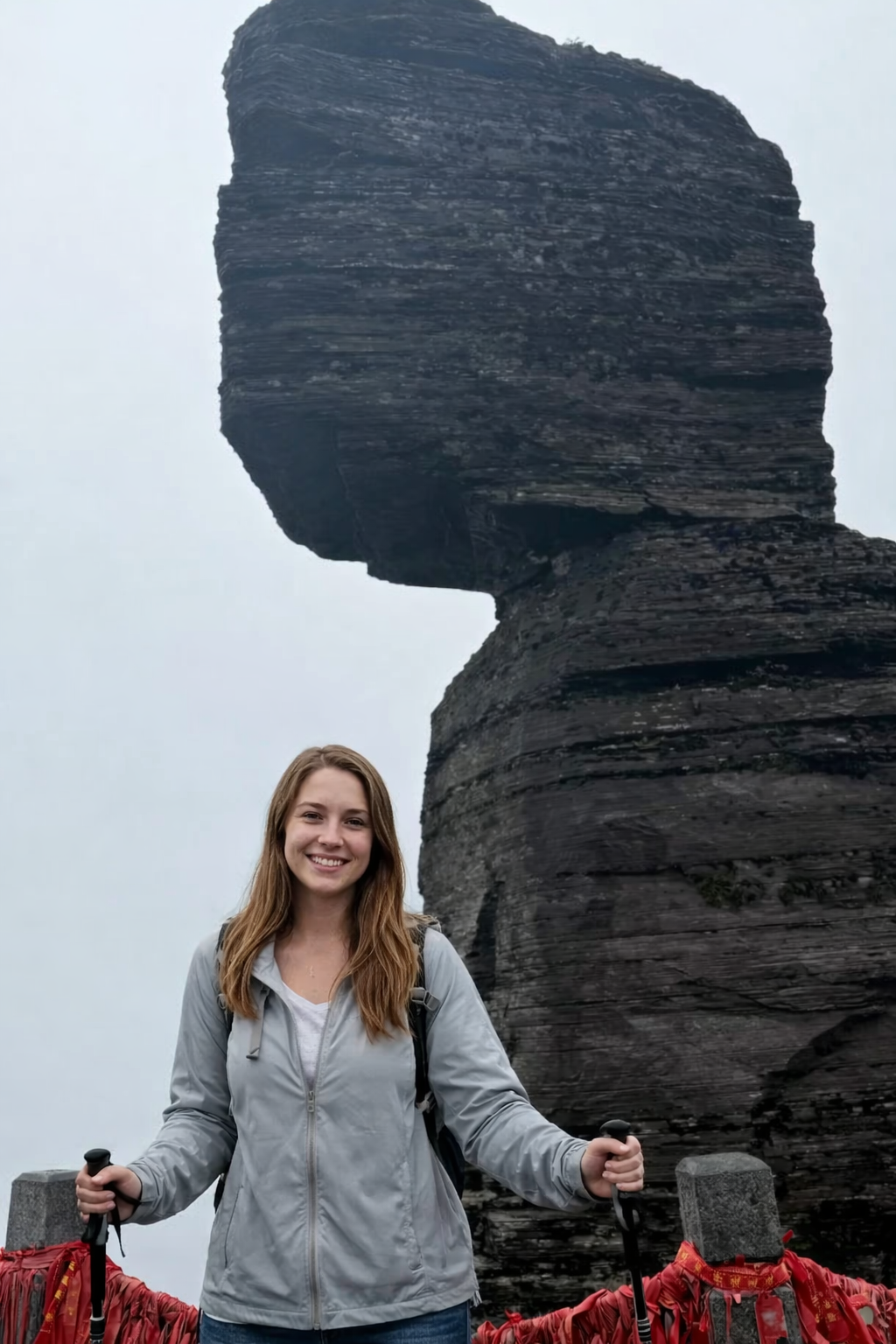
Fanjingshan Travel Guide: Hiking the Red Cloud Golden Summit and 8,888 Steps to China’s Sky Temples
Fanjingshan, or Mount Fanjing, located in the Wuling Mountains of Guizhou, China, is a UNESCO World Heritage site and a sacred Buddhist mountain known for its unique rock formations and precarious mountaintop temples.
This article recounts a personal journey of hiking the mountain rather than taking the cable car, detailing the grueling ascent up the famous 8,888 steps through dense subtropical forests. The narrative captures the physical challenge of the climb, the transition of vegetation zones, and the fickle nature of the mountain's weather, which often shrouds the peak in heavy fog.
Key highlights of the experience include the first sighting of the Mushroom Stone, a precariously balanced rock formation that has withstood erosion for over a billion years, and the terrifyingly steep final climb up the Red Cloud Golden Summit. The author vividly describes the sensory details of the ascent—the cold iron chains, the swirling mist, and the smell of incense at the summit temples. The climax of the journey occurs at the Fairy Bridge, a small stone structure connecting the two peaks of the summit, where a break in the weather reveals the majestic "Cloud Sea" and the rare optical phenomenon known as "Buddha's Light." The article concludes with the descent and a reflection on the spiritual and physical impact of the journey, offering practical advice for future travelers regarding gear and the physical demands of the hike. It emphasizes that Fanjingshan is not just a sightseeing destination but a demanding physical encounter with nature that rewards patience and perseverance.
67 views
View Details
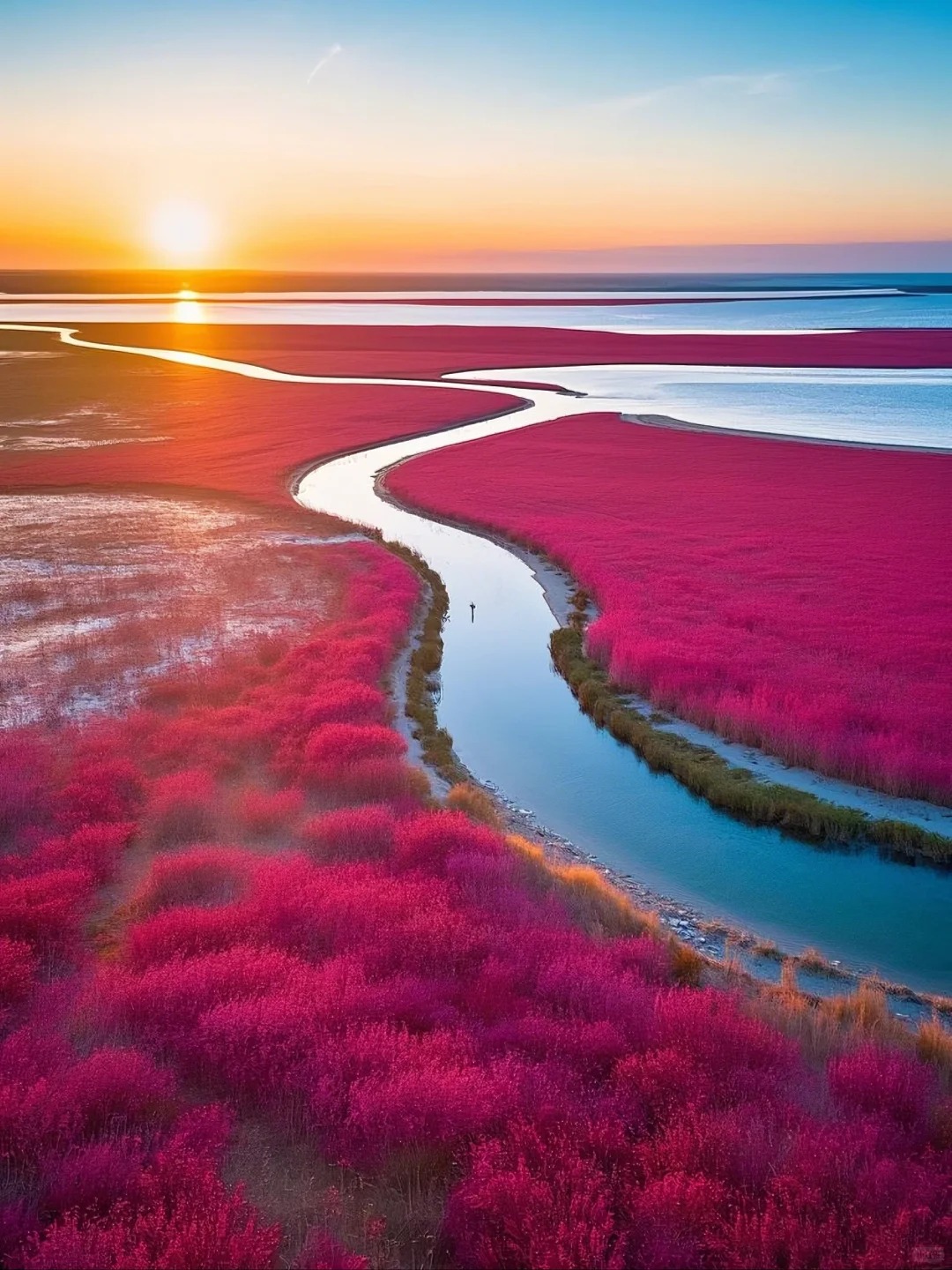
Panjin Red Beach Liaoning: A Guide to China’s Vibrant Autumn Wetland Wonderland
Panjin Red Beach, located in Liaoning’s Liaohe Delta, is a unique and breathtaking natural landscape that stands out from traditional beaches—its shore is covered with vibrant red suaeda salsa plants that bloom into a sea of red each autumn. This first-person account shares a late-September visit, when the beach is at its peak color, describing the awe-inspiring sight of the red “carpet” stretching to the horizon. The narrative details exploring the wetland via elevated wooden plank roads, offering unobstructed views of the suaeda salsa, winding streams reflecting the red hues, and surrounding green reeds. Highlights include the Observation Tower for panoramic views of the red beach and Bohai Sea, the Bird Watching Pavilion where migratory birds (red-crowned cranes, geese) can be observed, and interactions with a local photographer who shares tips for capturing the beach’s beauty at sunrise/sunset. The article also includes tasting local specialties: stir-fried suaeda salsa and Panjin rice crabs. As a national nature reserve, Panjin Red Beach is not just a scenic spot but a sanctuary for wildlife, showcasing nature’s adaptability and artistry. A must-visit for nature lovers, photographers, and travelers seeking a unique autumn experience in China, offering unforgettable views and a chance to connect with the natural world.
78 views
View Details
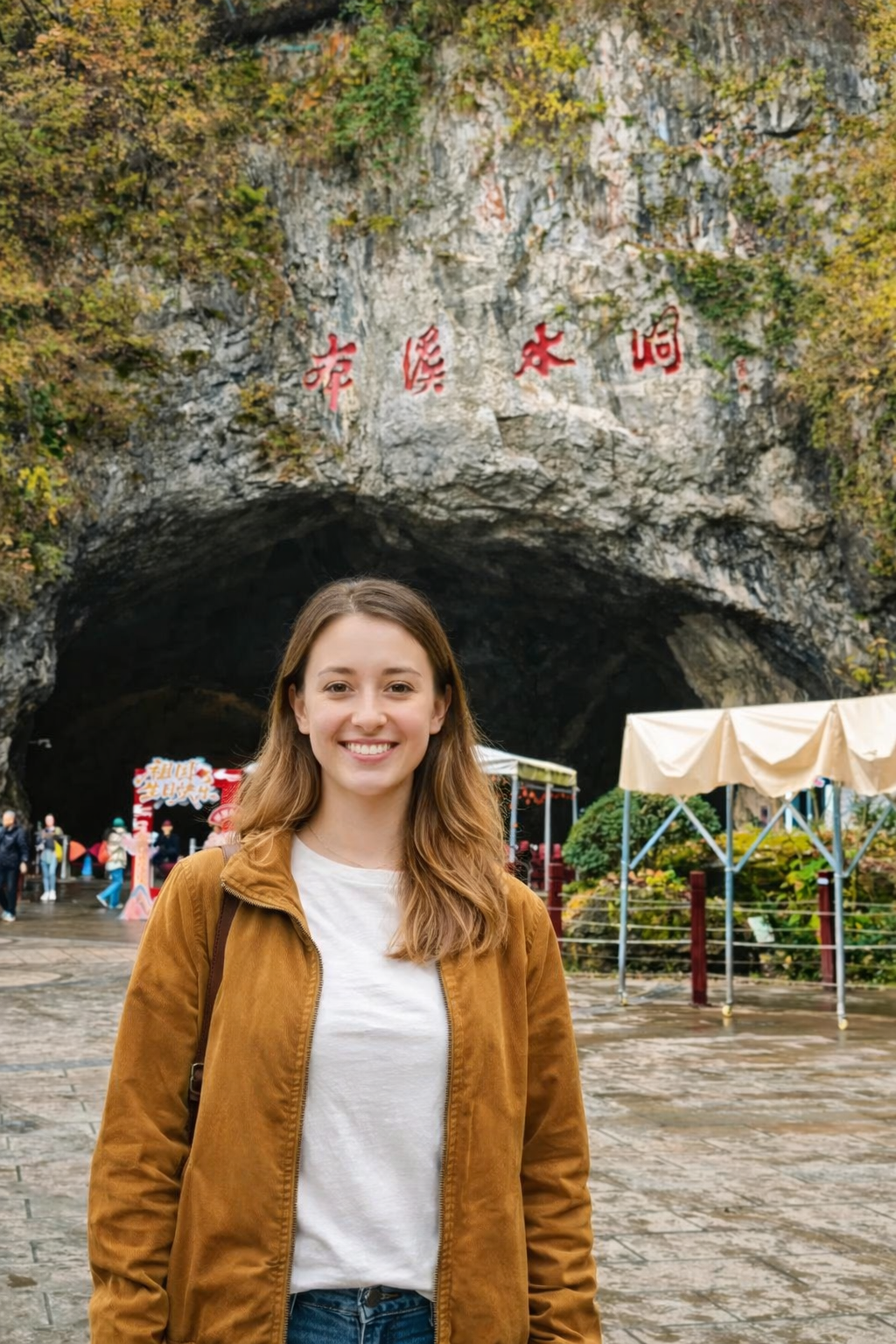
Benxi Water Cave Liaoning: Explore China’s Most Beautiful Underground River Wonderland
Benxi Water Cave in Liaoning Province, hailed as “China’s most beautiful water cave,” is a stunning underground wonderland that combines natural beauty, adventure, and geological marvels. This first-hand account details a summer visit to the cave, starting with its grand natural archway entrance framed by greenery and a waterfall, offering a cool escape from the sweltering heat. The narrative follows a boat journey through the 5,800-meter-long cave (2,800 meters navigable), gliding on crystal-clear underground rivers where colorful lights illuminate breathtaking limestone formations—stalactites, stalagmites, columns, and curtains—each vividly named (e.g., “Dragon King’s Palace,” “Jade Curtain,” “Goddess of Mercy”). The article also describes exploring the dry section of the cave on foot, with highlights like the “Thousand-Hand Guanyin” and “Stone Forest,” and notes the cave’s fresh, negative ion-rich air. Personal touches include savoring local specialties like fried water cave fish and mountain vegetable soup, and learning about the cave’s 1983 discovery by local farmers. Benxi Water Cave is a must-visit for adventure seekers, nature lovers, and those seeking a unique geological experience, offering an unforgettable journey into a magical underground world shaped by millions of years of natural forces.
71 views
View Details
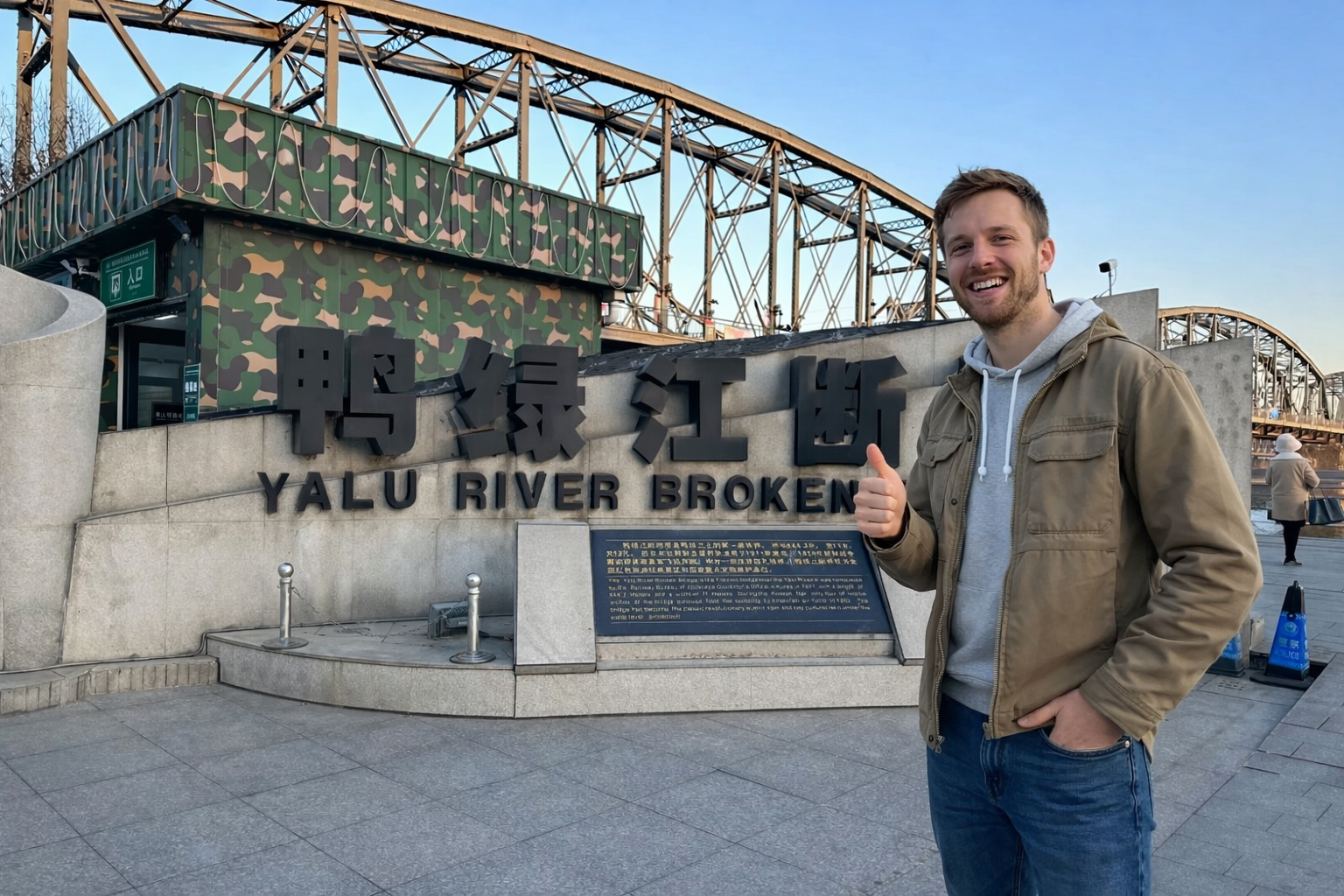
Broken Bridge on the Yalu River Dandong: History, Sacrifice and China-North Korea Friendship
The Broken Bridge on the Yalu River in Dandong is a poignant historical landmark that connects China and North Korea, bearing witness to war, sacrifice, and enduring friendship. This first-person narrative recounts a visit to the bridge, which was built in 1909 and partially destroyed by U.S. bombings during the War to Resist U.S. Aggression and Aid Korea (1950-1953). The article describes the bridge’s rusted steel frame, the broken end spanning into the Yalu River, and the exhibition boards and Memorial Hall that preserve its history—featuring old photos, war artifacts, and touching stories of Chinese volunteer soldiers. Personal experiences, such as observing locks of love and friendship hanging on the bridge, meeting elderly veterans revisiting their wartime crossing, and savoring local cold noodles in nearby Yalu River Park, add emotional depth and authenticity. The piece captures the contrast between the bridge’s war-torn past and the peaceful present, as locals and tourists enjoy the riverfront. More than a tourist spot, the Broken Bridge is a symbol of courage, resilience, and China-North Korea friendship, offering visitors a profound understanding of historical sacrifice and the value of peace. A must-visit for history enthusiasts and anyone seeking to connect with this pivotal chapter of East Asian history.
62 views
View Details