Authentic Travel Diaries & Private Tours,Discover the Real China with Local Experts and Genuine Stories
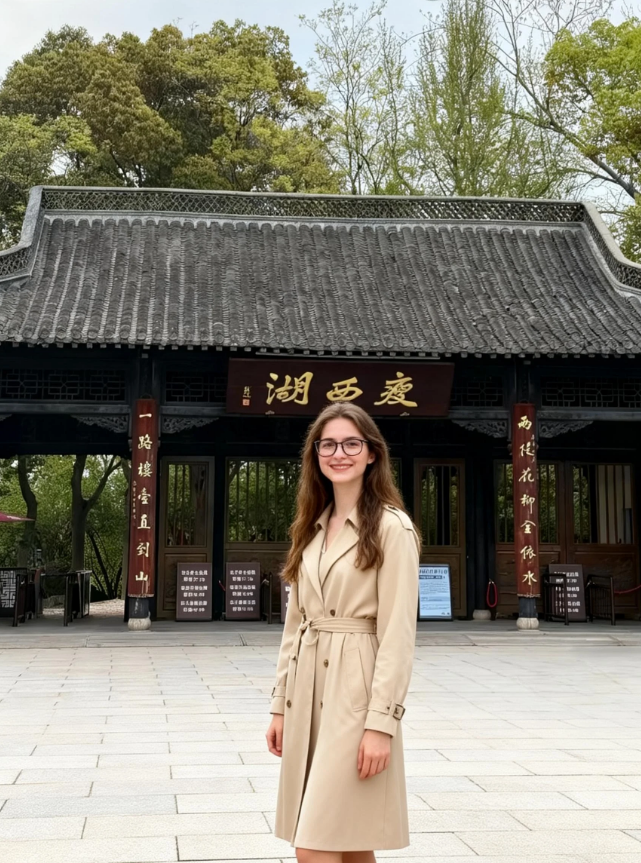
Exploring Slender West Lake in Yangzhou: Scenic Boat Rides, Bridges & Poetic Landscapes
This narrative recounts a serene exploration of Yangzhou's Slender West Lake, highlighting its intentionally crafted beauty. It describes a boat ride offering unique views of iconic structures like the Five-Pavilion Bridge and White Dagoba, and reflects on the lake's history as a creation of wealthy salt merchants. The article emphasizes the site's poetic, intimate atmosphere—especially at dusk—and positions it as a condensed, idealized version of classic Jiangnan water scenery, perfect for leisurely contemplation.
100 views
View Details

Decoding the Classical Gardens of Suzhou: A Deep Dive into Their Philosophy, Design & Beauty
This in-depth exploration treats Suzhou's Classical Gardens as a complex language of landscape design. It moves beyond listing gardens to explain their underlying philosophy, using specific examples like the Master-of-Nets Garden and Lion Grove Garden to illustrate concepts like "borrowed scenery," symbolism in rockery, and the interplay of Yin-Yang elements. Framed through conversations with a local, the article guides readers in "reading" the gardens as three-dimensional poetry and philosophical statements, offering a deeper appreciation for their UNESCO World Heritage status.
77 views
View Details
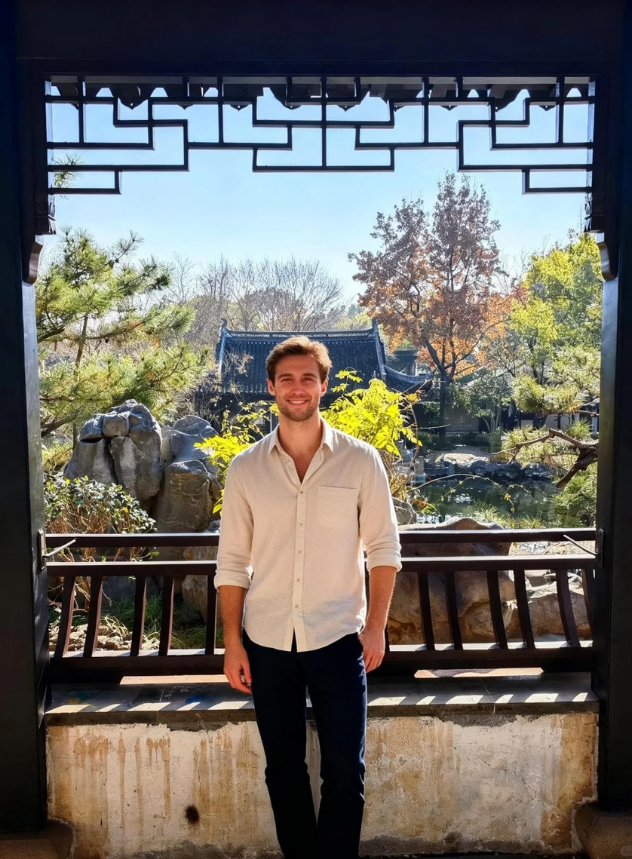
Tongli Ancient Town Suzhou: A Complete Travel Guide to the Water Village's Charm & Secrets
This personal travelogue paints an intimate portrait of Tongli Ancient Town, focusing on its authentic, lived-in atmosphere rather than its "water town" cliché. It describes a quiet morning exploration of its canals and bridges, interactions with residents, and a visit to the contemplative Tuisi Garden. The article emphasizes Tongli’s role as a retreat from modern haste, capturing the rhythms of daily life that continue amidst its ancient architecture. It’s a guide for travelers seeking to experience the serene, unvarnished soul of a Jiangsu canal town
83 views
View Details

Experiencing the Humble Administrator's Garden in Suzhou: A Journey Through a Living Classical Painting
This article offers an immersive walkthrough of Suzhou's Humble Administrator's Garden, a UNESCO World Heritage site. It focuses on the experiential and philosophical aspects of the garden, describing its design as a series of framed landscapes, the strategic use of "borrowed scenery," and the serene atmosphere that transports visitors into a classical Chinese painting. The narrative captures the sensory details of a rainy-day visit and reflects on the garden's original purpose as a scholarly retreat, presenting it as a masterpiece of landscape poetry and philosophical design.
85 views
View Details

Discover Nanjing Confucius Temple (Fuzimiao): A Vibrant Guide to Culture, Food & Qinhuai River
This vivid account explores the dynamic duality of Nanjing's Confucius Temple (Fuzimiao). It describes the stark contrast between the serene, scholarly temple grounds and the exhilarating chaos of the surrounding markets, snack streets, and Qinhuai River scenery. The narrative captures the sensory overload of sights, sounds, and smells, emphasizing the location's role as a living cultural hub where ancient reverence and modern leisure coexist seamlessly. It’s a guide to experiencing both the spiritual heritage and the festive energy of one of Nanjing's most iconic districts.
78 views
View Details

Your Ultimate Guide to Nanjing Sun Yat-sen Mausoleum: History, Visit Tips & Profound Reflections
This personal travel narrative details a poignant visit to the Sun Yat-sen Mausoleum in Nanjing on a misty morning. It moves beyond basic facts to capture the solemn atmosphere, the physical and symbolic experience of climbing the 392 steps, and the quiet interactions with Chinese visitors paying their respects. The article conveys the site's power as a place of historical contemplation and national identity, emphasizing its architectural grandeur and the palpable sense of reverence for Dr. Sun Yat-sen's legacy. It offers an immersive, sensory description aimed at travelers seeking a deeper understanding of China's modern history.
77 views
View Details
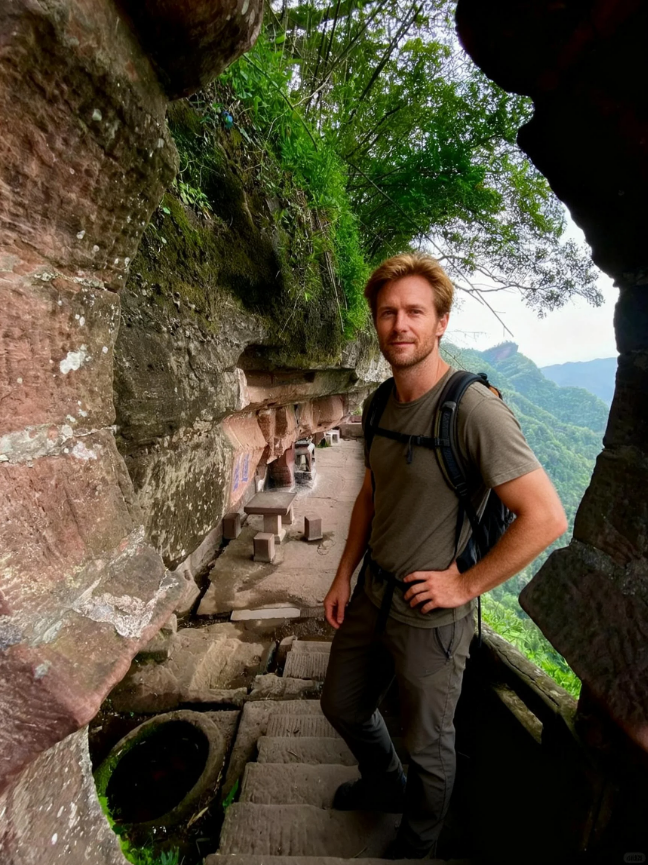
Qiyun Mountain: A Journey Through China’s Sacred Taoist Mountain of Red Sandstone
This personal narrative takes readers on a two-day journey through Qiyun Mountain, a sacred Taoist mountain in Xiuning County, Huangshan City, Anhui Province. Known for its striking red sandstone peaks (with evocative names like Giant Turtle Peak) and 1,600-year-old Taoist heritage, the mountain offers a subtle, magical charm. The author explores the mountain with a local guide, visiting the Tang Dynasty Yuquan Temple (a Taoist scholar’s retreat), hiking to the sacred Tianmen Cave (a natural archway linking heaven and earth), and enjoying panoramic views from Giant Turtle Peak. The narrative includes authentic experiences: staying in a local family guesthouse, savoring mountain-grown cuisine (braised chicken with mushrooms, herbal soup), and learning to make Huizhou-style tofu in the 1,000-year-old Lucun Ancient Village. The author captures Qiyun Mountain’s peaceful atmosphere, rich history, and warm local hospitality, highlighting its appeal to spiritual seekers, nature lovers, and culture enthusiasts seeking an off-the-beaten-path Chinese mountain experience.
78 views
View Details
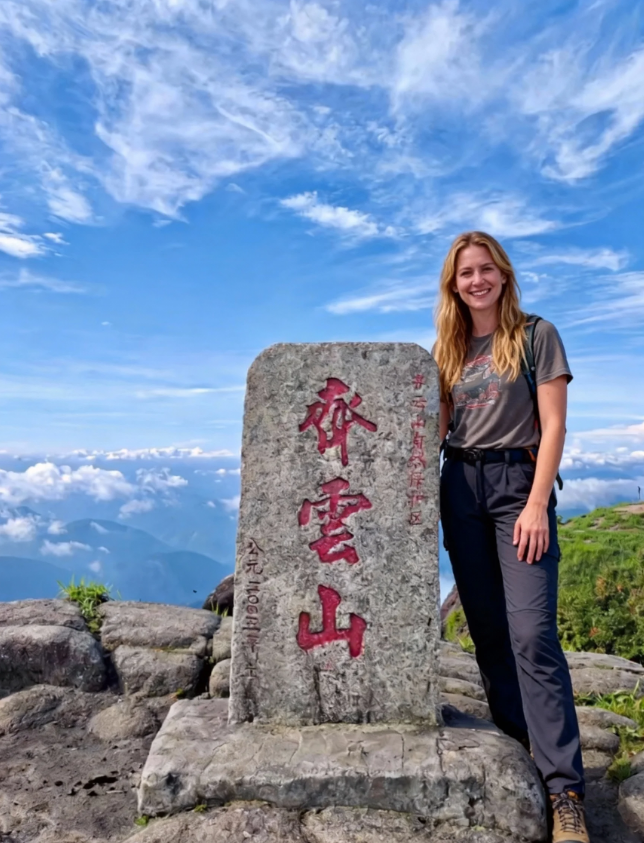
Qiyun Mountain Scenic Area: Discover China’s Magical Taoist Mountain with Red Sandstone Peaks
This personal account explores Qiyun Mountain Scenic Area, a magical Taoist mountain in Xiuning County, Huangshan City, Anhui Province, covering over 110 square kilometers. Renowned for its unique red sandstone peaks, karst landforms, and 1,600-year-old Taoist heritage, the scenic area offers a blend of natural beauty and spiritual tranquility. The author visits the Tang Dynasty Yuquan Temple, takes a cable car to the main mountain area, and hikes the cliffside plank road with breathtaking valley views. Highlights include the Yunu Peak (Jade Maiden Peak) with its panoramic vistas and a relaxing bamboo raft ride down the clear Hengjiang River. The author enjoys a mix of Taoist vegetarian cuisine and local Huizhou dishes (braised pork with chestnuts) and explores the 800-year-old Hengcun Ancient Village. The narrative captures the scenic area’s ethereal, magical atmosphere and its appeal to nature lovers, spiritual seekers, and culture enthusiasts seeking an authentic Chinese mountain experience.
112 views
View Details
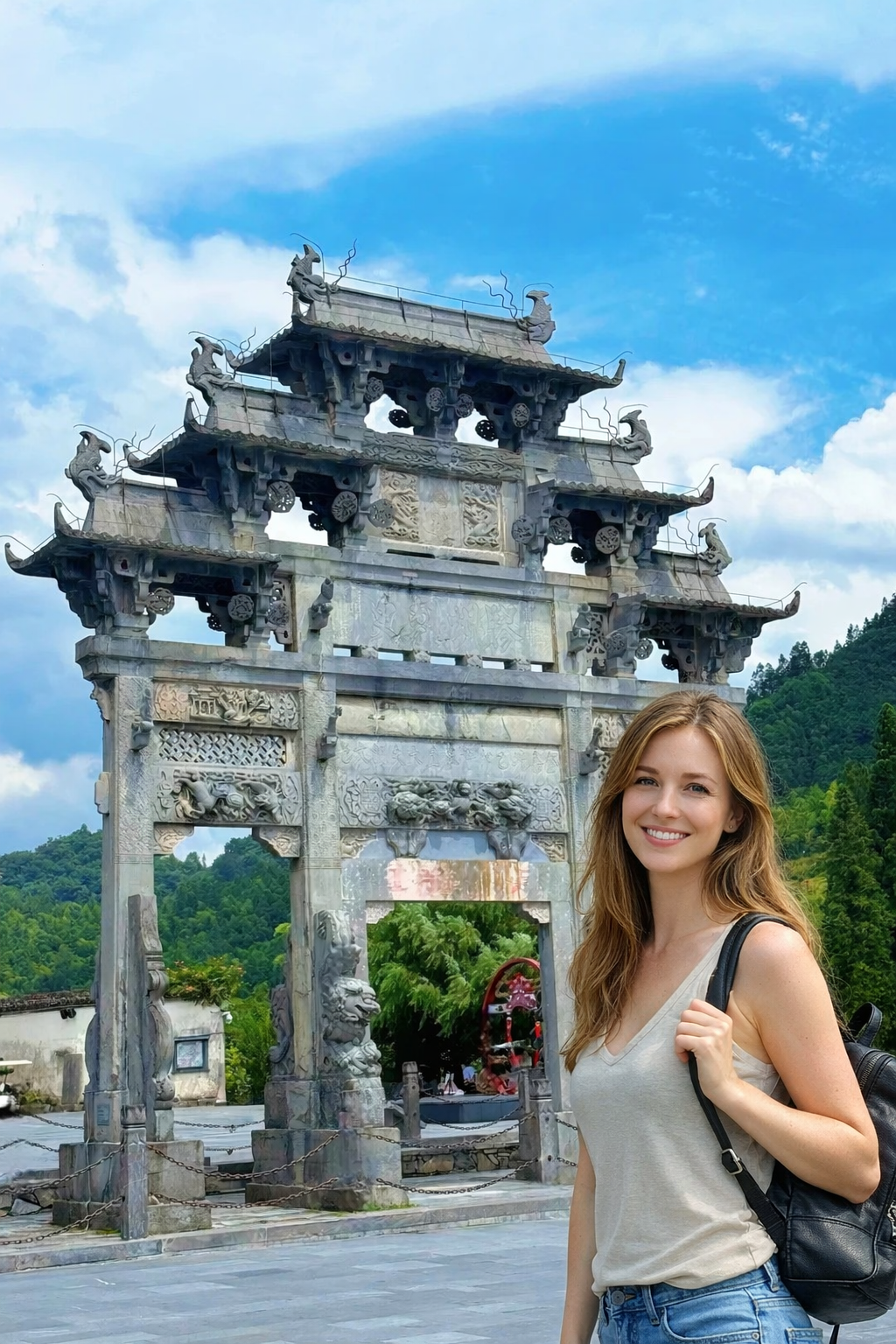
Xidi: Explore China’s Timeless Ancient Village of Huizhou Charm
This personal narrative explores Xidi, a 900-year-old ancient village in Yixian County, Huangshan City, Anhui Province, renowned for its well-preserved Ming and Qing dynasty Huizhou-style architecture (white walls, black tiles). Unlike reconstructed ancient sites, Xidi is a living community with over 1,000 residents, where traditional life coexists with tourism. The author visits key landmarks: the intricately carved Memorial Archway of Hu Wenguang, the grand Dafu Mansion (a 18th-century merchant residence with stunning wood carvings), and the village’s narrow alleyways and historic stone bridges. Along the way, the author interacts with locals—washing clothes in the village river, chatting with farmers, and enjoying authentic local cuisine (stir-fried bamboo shoots with dried shrimp, braised tofu skin) at a family restaurant. The narrative also includes a relaxing stop at a Qing Dynasty tea house and a visit to the Xidi Museum, which delves into the village’s merchant history and cultural heritage. Xidi offers a peaceful, authentic glimpse into ancient Chinese village life, making it ideal for travelers seeking tranquility and cultural immersion.
94 views
View Details
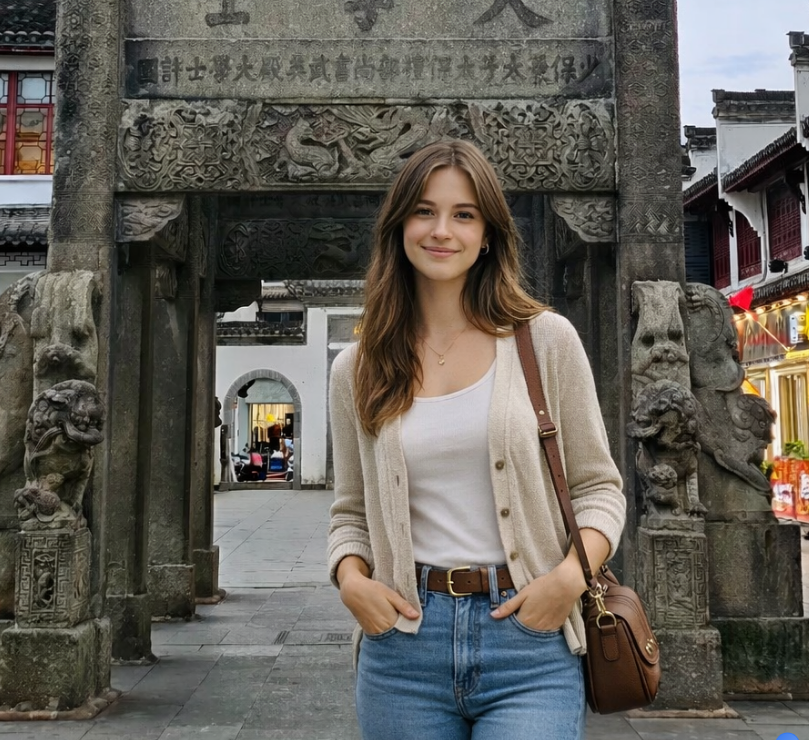
Huizhou Ancient City: Step Back in Time to China’s Living Museum of Huizhou Culture
This personal account takes readers on a journey through Huizhou Ancient City, one of China’s four great ancient cities in She County, Huangshan City, Anhui Province. With a history of over 2,200 years, the city is a living museum of Huizhou culture, featuring well-preserved Ming and Qing dynasty architecture (white walls, black tiled roofs, intricate wood carvings) and 8-kilometer-long ancient city walls. The author explores key sites: the magnificent South Gate, the historic Huizhou Government Office (a well-preserved ancient governance center), and the Feng Shui-inspired Chengkan Village. Along the way, the author interacts with locals, tries authentic Huizhou cuisine (braised pork, sesame cakes), and learns about Huizhou crafts (ink sticks, ink stones) and the region’s merchant history at the Huizhou Culture Museum. The narrative captures the city’s unique charm—where modern life coexists with historic traditions—and highlights its appeal to history and culture enthusiasts seeking an authentic glimpse into ancient Chinese life
106 views
View Details

Tianzhushan: China’s Hidden Granite Gem – A Quiet Journey Through Beauty and Culture
This personal narrative explores Tianzhushan, a lesser-known but stunning granite mountain range in Qianshan City, Anhui Province. Unlike China’s more famous peaks, Tianzhushan offers a quiet, subtle beauty that captivates visitors. The author recounts a journey from the cable car ascent to the challenging climb of Tianzhu Peak, with its breathtaking views of mist-shrouded valleys. Highlights include exploring the adventurous Mysterious Valley (a maze of granite rocks and hidden waterfalls) and witnessing the powerful Longtan Waterfall. The narrative also delves into Tianzhushan’s cultural heritage, visiting the Tang Dynasty Chaotian Temple and learning about poet Li Bai’s connection to the mountain. The author enjoys delicious, locally sourced cuisine (braised bamboo shoots with bacon, stream-caught fish) and experiences warm hospitality from hotel staff and local families. Tianzhushan, a hidden gem, is ideal for travelers seeking peace, nature, and authentic cultural experiences away from crowded tourist spots.
119 views
View Details

Tianzhushan Scenic Area: Explore the Natural Wonders and History of China’s “First Mountain in the South of the Yangtze River”
This personal account takes readers on a journey through Tianzhushan Scenic Area, known as the “First Mountain in the South of the Yangtze River,” located in Qianshan City, Anhui Province. Covering over 486 square kilometers, the scenic area is famous for its dramatic granite peaks, including the 1,488-meter Tianzhu Peak (its symbol). The author recounts the challenging yet rewarding climb to Tianzhu Peak, exploring the maze-like Mysterious Valley with its wind-shaped granite rocks and hidden waterfalls, and witnessing the spectacular 100-meter Longtan Waterfall. The narrative also delves into the scenic area’s rich history, visiting the Tang Dynasty Chaotian Temple with its ancient carvings and stone inscriptions. The author enjoys delicious local cuisine made with fresh, regional ingredients (bamboo shoots, freshwater fish) and chats with local artists inspired by Tianzhushan’s beauty. Tianzhushan Scenic Area offers a perfect blend of adventure, history, and natural beauty, appealing to adventure seekers, culture enthusiasts, and anyone seeking peace in nature.
83 views
View Details