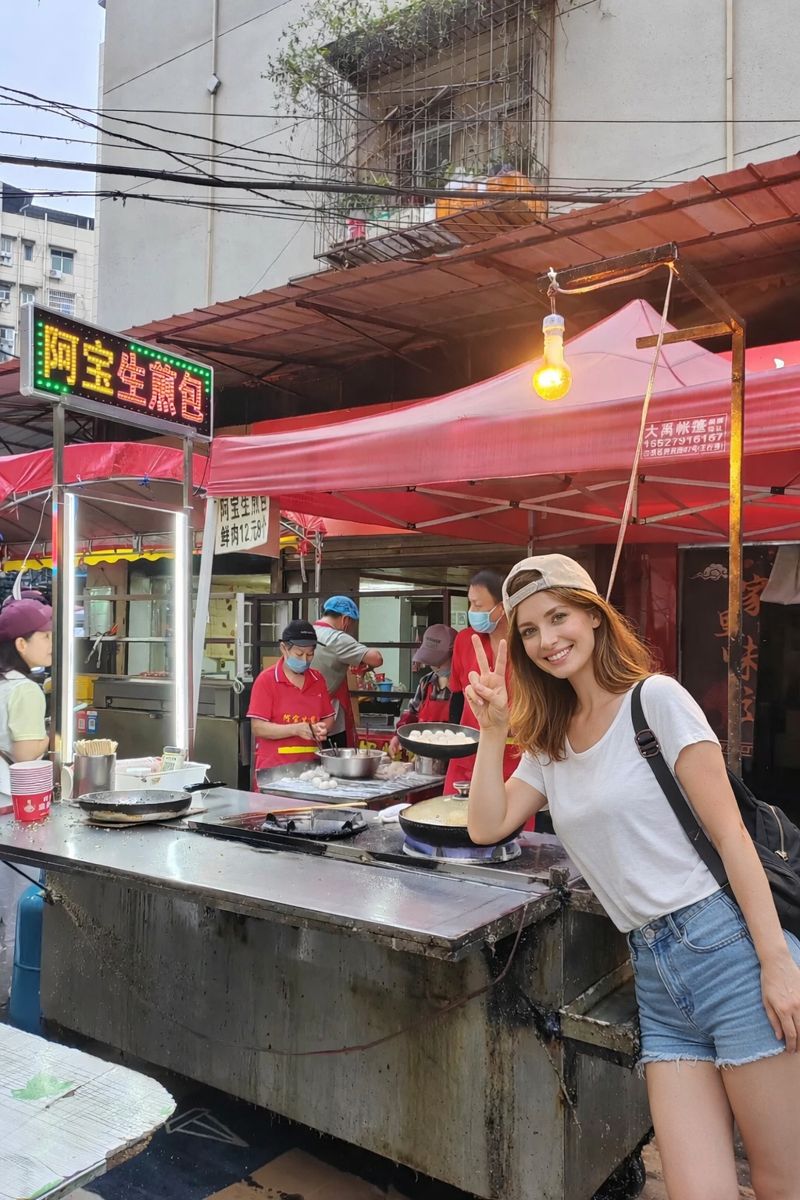
Wuhan Baimajing: The Soulful Heartbeat of Hubei’s Culinary Heritage and Street Life
This article offers an immersive, sensory-driven exploration of Baimajing, a renowned food street in Wuhan that epitomizes the city’s celebrated breakfast culture known as “Guo Zao.” The author recounts the vibrant atmosphere of this bustling alleyway, capturing the chaotic energy, the cacophony of street vendors, and the warmth of the locals. The narrative focuses on a personal culinary journey, detailing the experience of eating Wuhan’s signature Hot Dry Noodles (Re Gan Mian). The process of watching a vendor expertly prepare the dish and the author’s first bite of the chewy, sesame-rich noodles are described with visceral intensity. The article continues to explore other delicacies found in Baimajing, such as Doupi (Bean Skin) with its crispy exterior and sticky glutinous rice filling, and sweet Tangyuan. Beyond the food, the story highlights the authentic, unpolished character of the street and the genuine human connections formed with local stall owners. It portrays Baimajing not just as a food market, but as a cultural institution where the true spirit of Wuhan—bold, resilient, and communal—can be tasted and felt. It is a passionate invitation for travelers to embrace the messiness and vibrancy of local street life.
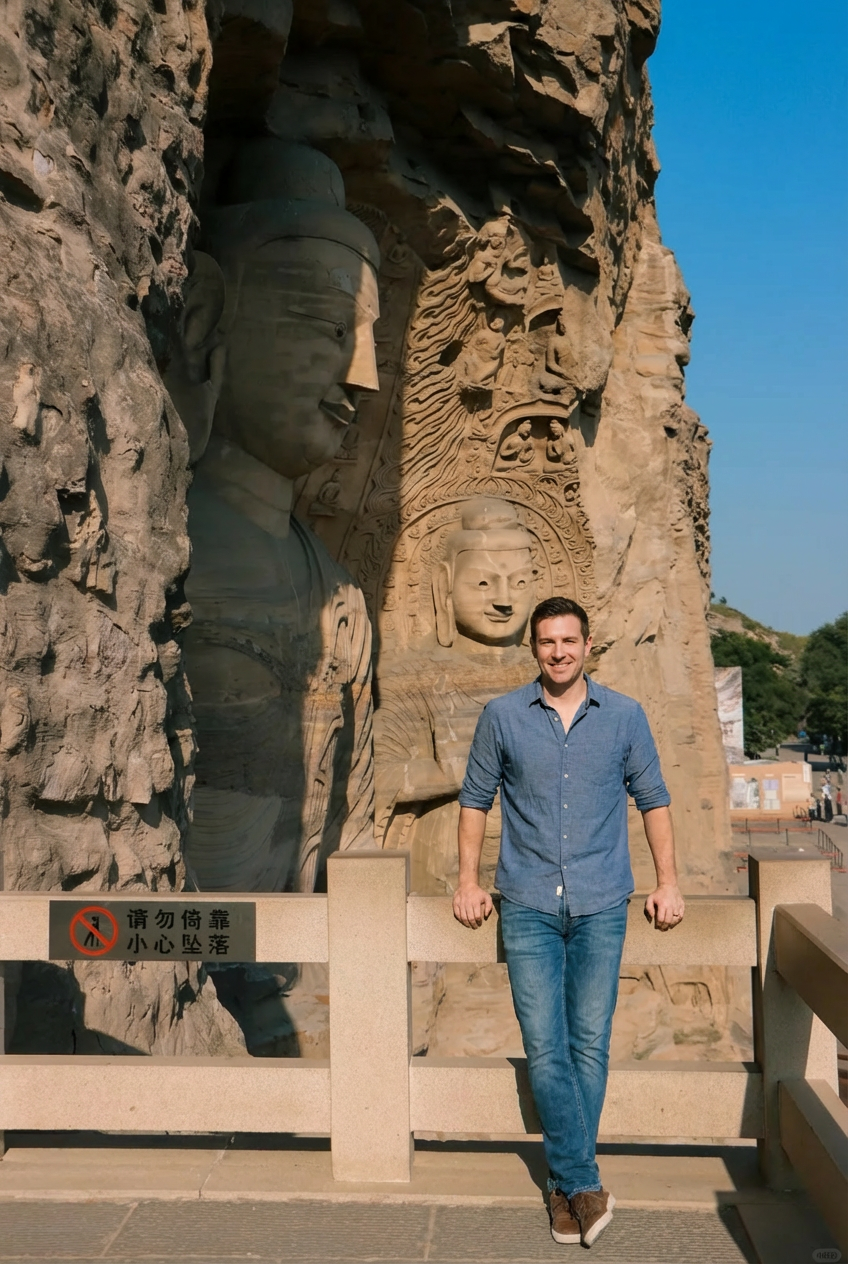
Datong Travel Guide: Yungang Grottoes, Hanging Temples & The Best Knife-Cut Noodles
In this passionate travelogue, the author shatters the common misconception of Datong as merely a grim industrial "Coal Capital," revealing it instead as a hidden gem of Northern Chinese culture and history. Written from a first-person perspective, the narrative takes the reader on a journey of discovery, starting with the awe-inspiring Yungang Grottoes. The author describes the emotional impact of standing before the massive, 1,500-year-old Buddha statues and tracing the multicultural influences of the Silk Road carved into stone. The adventure escalates with a visceral description of the Hanging Temple (Xuankong Si). The writer conveys the physical sensation of vertigo and exhilaration while walking along the creaky, narrow wooden paths suspended on a sheer cliff face, celebrating the audacity of ancient Chinese engineering. The story then moves back to the city center for a sunset bicycle ride along the reconstructed City Wall, highlighting the stark but fascinating contrast between the ancient and modern sides of the city. Finally, the article grounds the experience in the local culinary soul: Daoxiao Mian (Knife-Cut Noodles). The author vividly depicts the "violent and beautiful" art of making the noodles and the satisfaction of eating the chewy, spicy dish in a loud, local eatery. The piece concludes by positioning Datong as a destination for travelers seeking "grit and texture," arguing that its rough edges make its historical treasures shine even brighter.
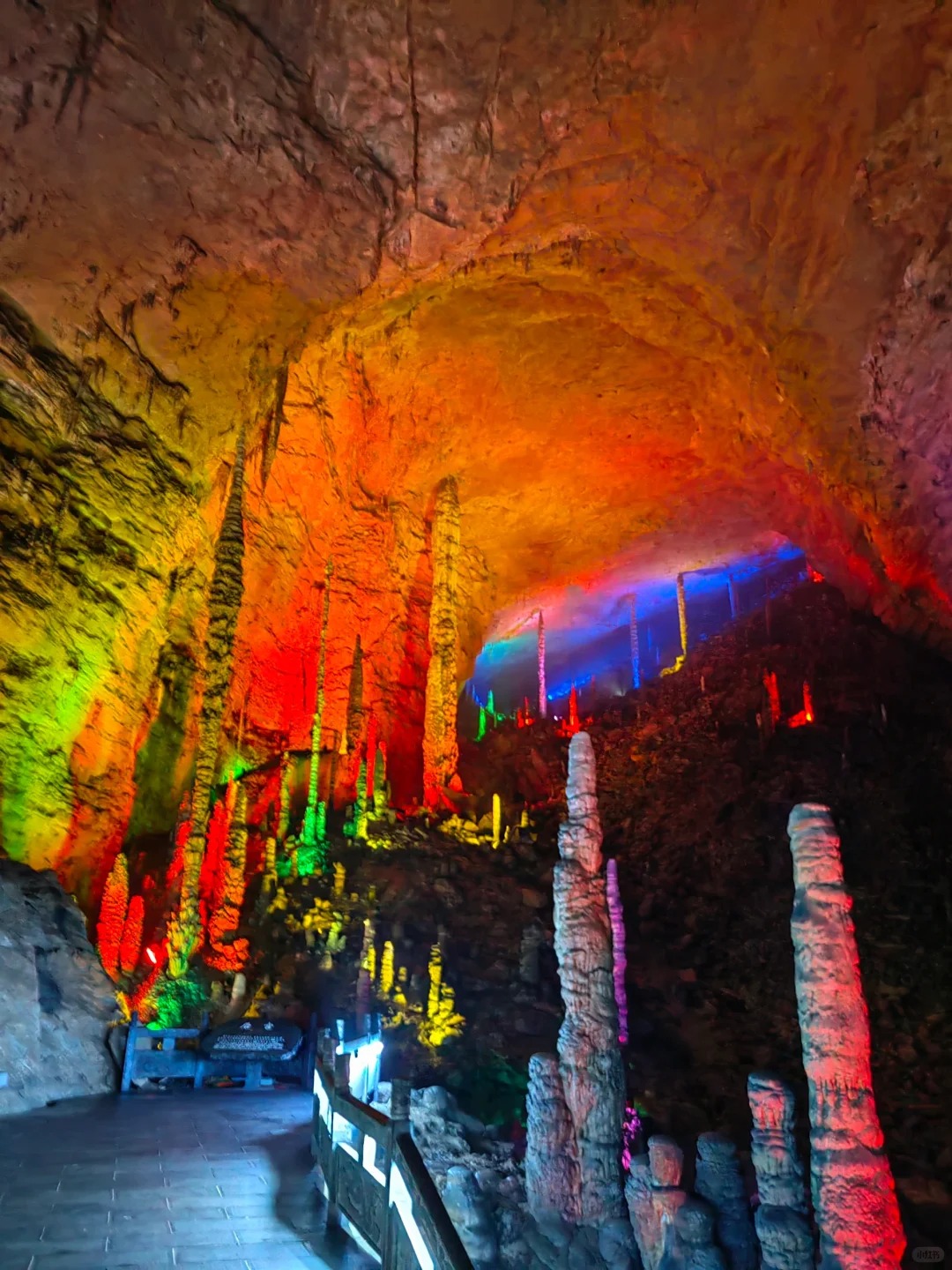
Exploring Zhangjiajie Huanglong Cave: A Journey into China’s Spectacular Underground Kingdom
This article narrates a mesmerizing descent into the Huanglong Cave in Zhangjiajie, describing it as a breathtaking subterranean kingdom rather than a simple cave. Through personal anecdotes of crossing natural stone bridges, touching growing stalagmites, and drifting silently along underground rivers, the story captures the cave’s immense scale and geological beauty. The narrative emphasizes the awe-inspiring contrast between the massive, cathedral-like halls and the delicate, slow-forming rock structures. Highlighting the profound silence and the ancient process of erosion, the piece presents Huanglong Cave as a humbling spiritual journey that offers a unique perspective on the deep, hidden mysteries of the natural world
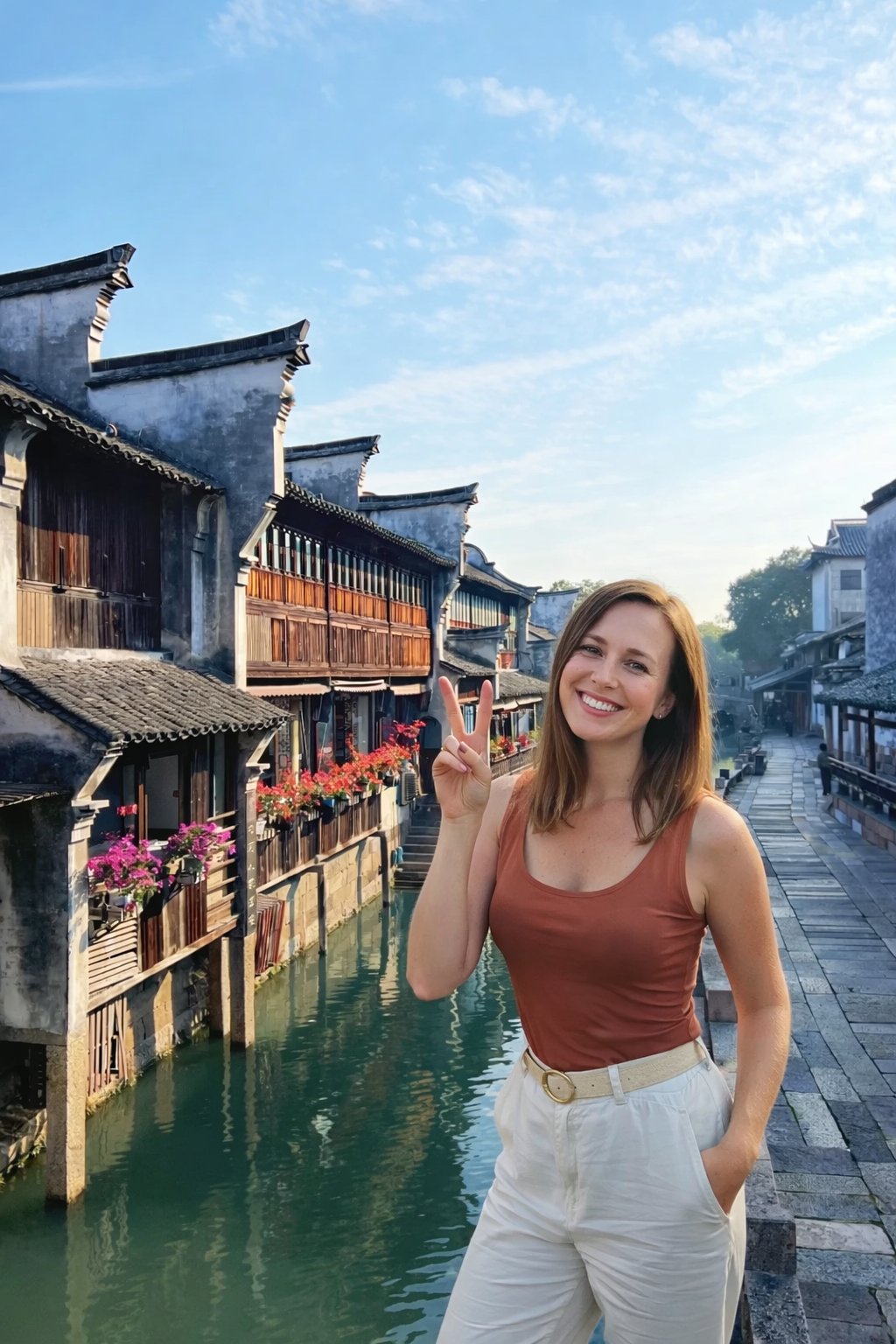
Tongli Ancient Town: Discovering the Timeless Canals and Hidden Gems of China’s Water Towns
This article recounts a vivid journey to Tongli Ancient Town, a living water city near Shanghai where history thrives amidst the daily lives of its residents. Through personal experiences of navigating the canals by rowboat, walking across the historic Three Bridges, and savoring local delicacies like squirrel-shaped mandarin fish, the narrative captures the town’s authentic charm and serene atmosphere. It explores the philosophy of the Retreat and Reflection Garden, highlighting the beauty of disconnecting from the modern grind. The story paints a picture of Tongli as a place where time slows down, offering travelers a peaceful escape into a landscape of white-washed walls, red lanterns, and gentle river flows.
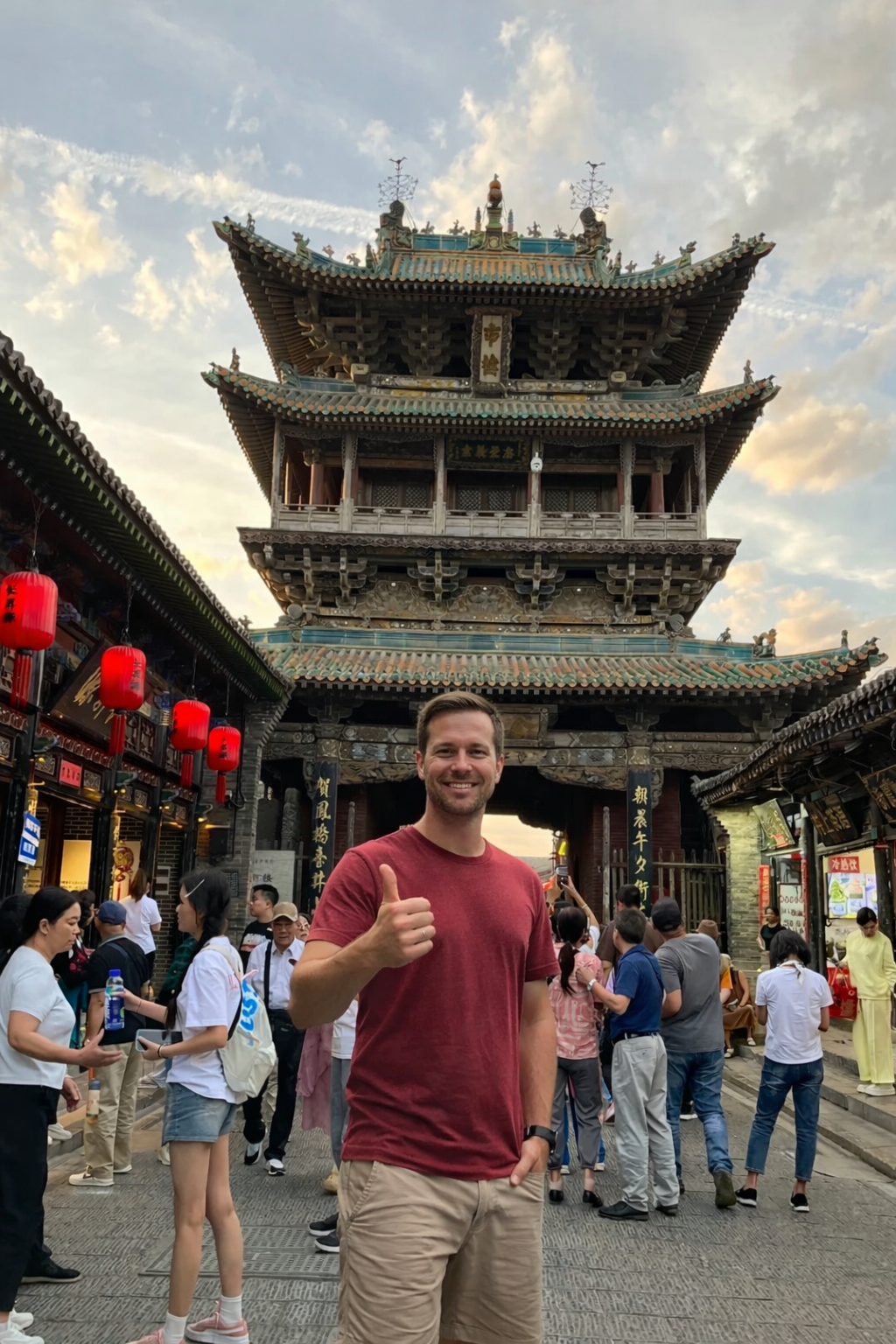
Pingyao Ancient City Guide: Exploring China’s Best-Preserved Walled Town
This article invites readers to step back in time with a personal exploration of Pingyao Ancient City in Shanxi Province. The narrative details the experience of cycling along the massive ancient city walls, exploring the labyrinth of grey-tiled alleyways, and visiting the historic Rishengchang Draft Bank, the precursor to modern Chinese banking. The author vividly describes the atmospheric evenings lit by red lanterns, a stay in a traditional courtyard guesthouse, and the culinary delights of local dishes like Pingyao beef and steamed corn buns. Through visits to the Ancient Government Office and interactions with local artisans, the piece paints a comprehensive picture of Pingyao as a living museum of Ming and Qing dynasty culture.
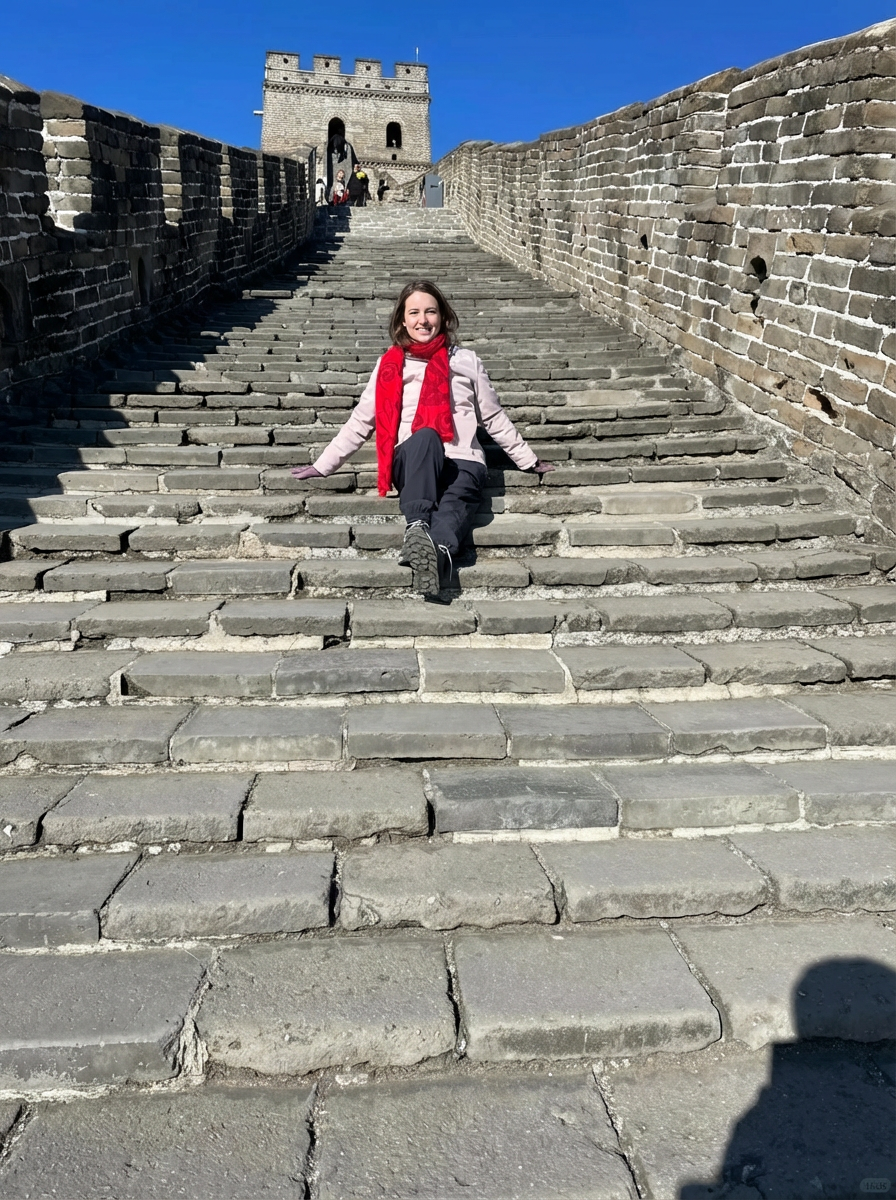
Mutianyu Great Wall: A Hiker’s Guide to Beijing’s Most Breathtaking Section
This article chronicles a personal solo journey to the Mutianyu section of the Great Wall of China, offering a vivid alternative to the crowded tourist experience. Detailing the early morning ascent via chairlift, the physical challenge of hiking the steep Ming Dynasty steps, and the meditative solitude found at the highest watchtowers, the narrative captures the wall’s historical gravity and engineering majesty. The author also describes the thrill of the toboggan descent and the culinary delight of a traditional *Huairou Rainbow Trout* meal in a local village, providing a holistic guide for travelers seeking both adventure and authentic culture. Readers will gain practical insights and emotional inspiration for visiting one of the world’s most iconic landmarks.

Lijiang China Travel Guide: Dawn in the Old Town, Jade Dragon Snow Mountain & Naxi Ancient Music
Meta Description (EN): Experience the soul of Lijiang beyond the crowds. This immersive guide details finding solitude in the ancient canal town at dawn, the humbling pilgrimage to sacred Jade Dragon Snow Mountain, and the profound Naxi Ancient Music ceremony. Discover practical tips for connecting with the authentic culture and breathtaking landscapes of this Yunnan treasure
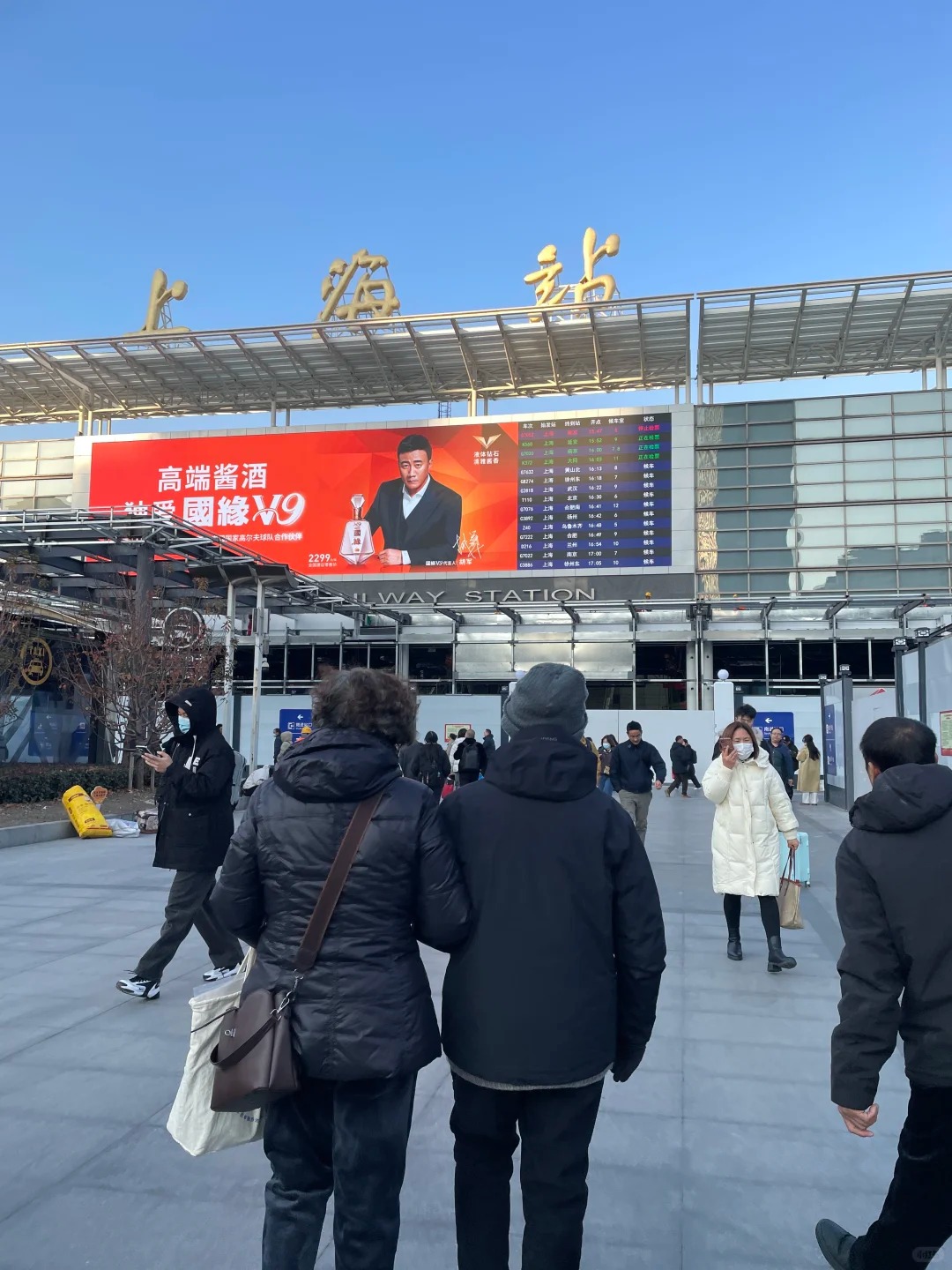
China Travel: Shanghai→Qingdao Train & Hotel Guide
Shanghai→Qingdao Train Station Selection Best Departure Station in Shanghai Shanghai Hongqiao Railway Station is your top pick: - Most G/D trains to Qingdao depart here (e.g., G234, D2928, D2152). - Connects to metro Lines 2/10/17; easy access from Pudong/Hongqiao airports and downtown. - Alternative: Shanghai Station (central location, fewer high-speed options).
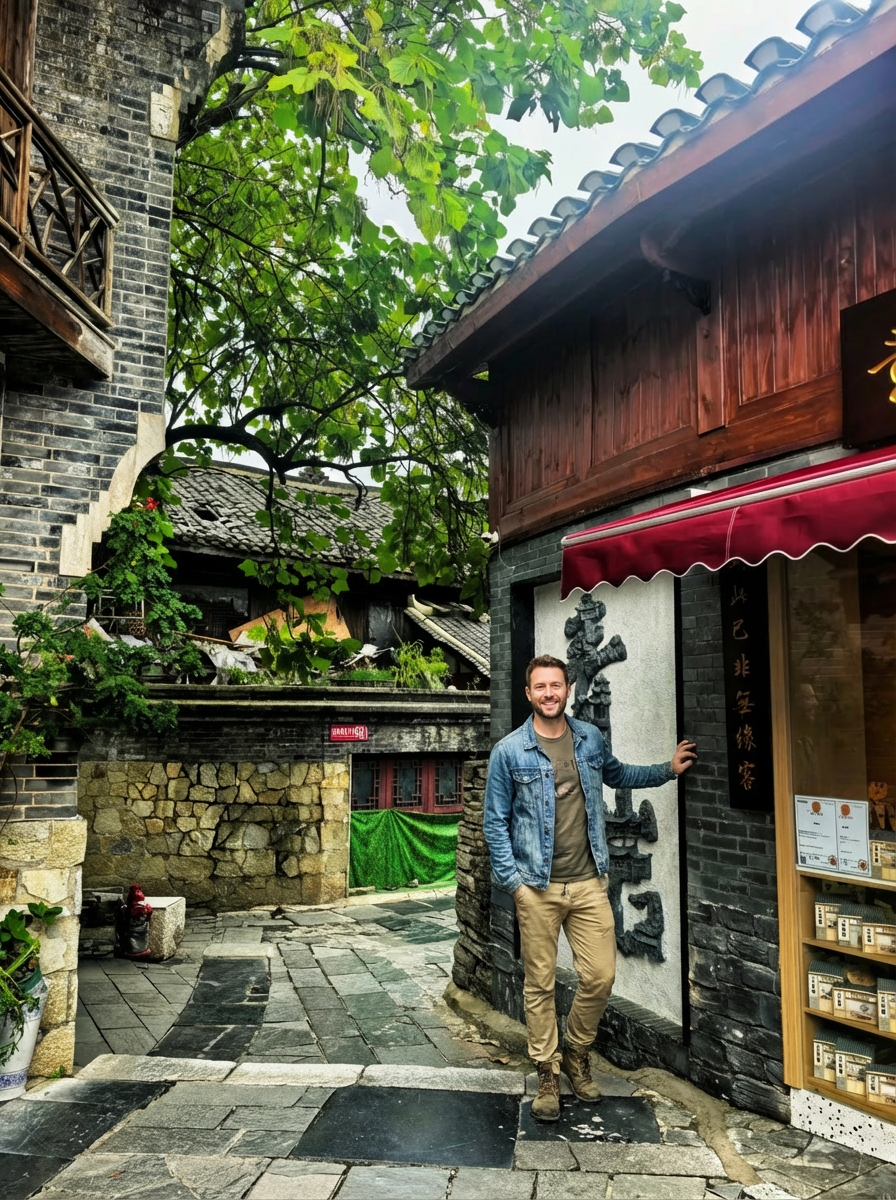
Qingyan Ancient Town Travel Guide: Braised Trotters and Stone Fortresses in Guizhou
Qingyan Ancient Town, located south of Guiyang, stands out from other Chinese "ancient towns" due to its authentic, lived-in atmosphere and military origins. Originally a Ming Dynasty garrison, the town is defined by its imposing stone architecture—walls, pillars, and streets—giving it a stoic, fortified character. This travelogue captures the sensory experience of the town, starting with the ubiquitous aroma of "Champion's Trotters," a local delicacy of braised pig's feet that the author samples and describes with gusto. Beyond the food, the article highlights the remarkable cultural and religious diversity of Qingyan. The narrator marvels at finding a Buddhist temple, Taoist palace, Christian church, and Catholic cathedral all coexisting within a small radius, a symbol of harmony in a town built for war. A climb up the steep city walls offers a panoramic view of the town's defensive layout, while a quiet moment in a tea house with an erhu player provides a touch of intimacy. The story portrays Qingyan as a place of textures and history, inviting travelers to look beyond the surface and appreciate its resilience and unique blend of cultures.
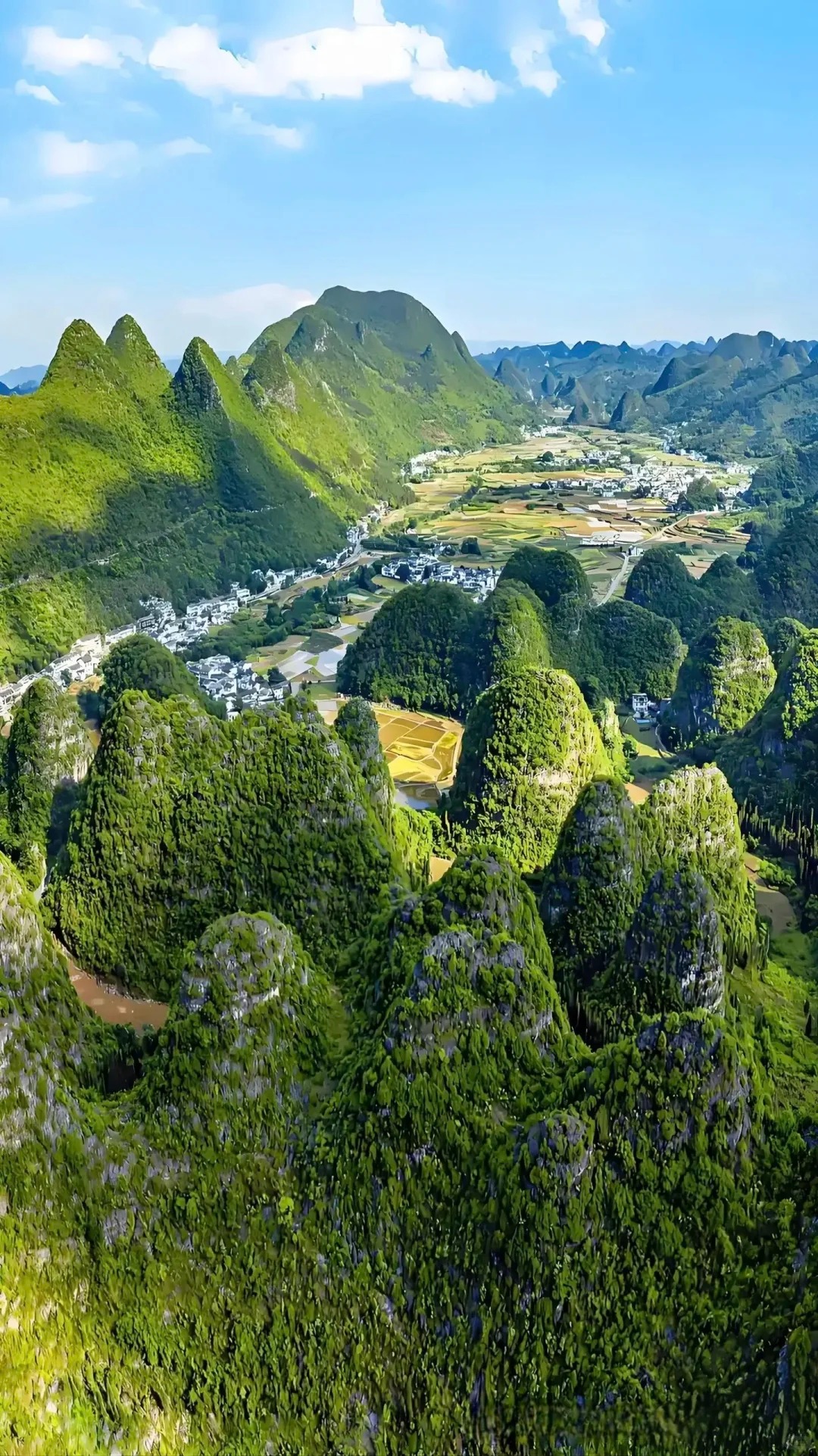
Cycling Through the Forest of Ten Thousand Peaks: A Solo Journey in Wanfenglin, Xingyi
Wanfenglin (Forest of Ten Thousand Peaks) in Xingyi, Guizhou, offers a unique karst landscape experience that differs significantly from other famous Chinese sites. This article recounts a solo bicycle journey through the valley floor, nestled amongst thousands of conical, green-covered limestone peaks. The narrative focuses on the harmonious blend of geology and human life. Unlike the dramatic cliffs of other regions, Wanfenglin is defined by the peaceful coexistence of the Bouyei ethnic minority villages and the surrounding mountains. The author describes riding an old bike through Nahui Village, observing traditional stone architecture and the slow pace of local life. A highlight includes a roadside stop to taste authentic Bouyei "colorful rice" and an interaction with a local vendor. The journey takes the rider through the famous "Bagua" (Eight Trigrams) fields, where getting lost in the maze of crops becomes a cherished moment of solitude and connection with the land. The article captures the "magic hour" lighting and the timeless rhythm of agricultural life, concluding that Wanfenglin offers a grounded perspective on the permanence of nature versus the fleeting nature of human endeavor. It is a story of tranquility, culture, and the simple joy of exploration on two wheels.

Fanjingshan Travel Guide: Hiking the Red Cloud Golden Summit and 8,888 Steps to China’s Sky Temples
Fanjingshan, or Mount Fanjing, located in the Wuling Mountains of Guizhou, China, is a UNESCO World Heritage site and a sacred Buddhist mountain known for its unique rock formations and precarious mountaintop temples. This article recounts a personal journey of hiking the mountain rather than taking the cable car, detailing the grueling ascent up the famous 8,888 steps through dense subtropical forests. The narrative captures the physical challenge of the climb, the transition of vegetation zones, and the fickle nature of the mountain's weather, which often shrouds the peak in heavy fog. Key highlights of the experience include the first sighting of the Mushroom Stone, a precariously balanced rock formation that has withstood erosion for over a billion years, and the terrifyingly steep final climb up the Red Cloud Golden Summit. The author vividly describes the sensory details of the ascent—the cold iron chains, the swirling mist, and the smell of incense at the summit temples. The climax of the journey occurs at the Fairy Bridge, a small stone structure connecting the two peaks of the summit, where a break in the weather reveals the majestic "Cloud Sea" and the rare optical phenomenon known as "Buddha's Light." The article concludes with the descent and a reflection on the spiritual and physical impact of the journey, offering practical advice for future travelers regarding gear and the physical demands of the hike. It emphasizes that Fanjingshan is not just a sightseeing destination but a demanding physical encounter with nature that rewards patience and perseverance.
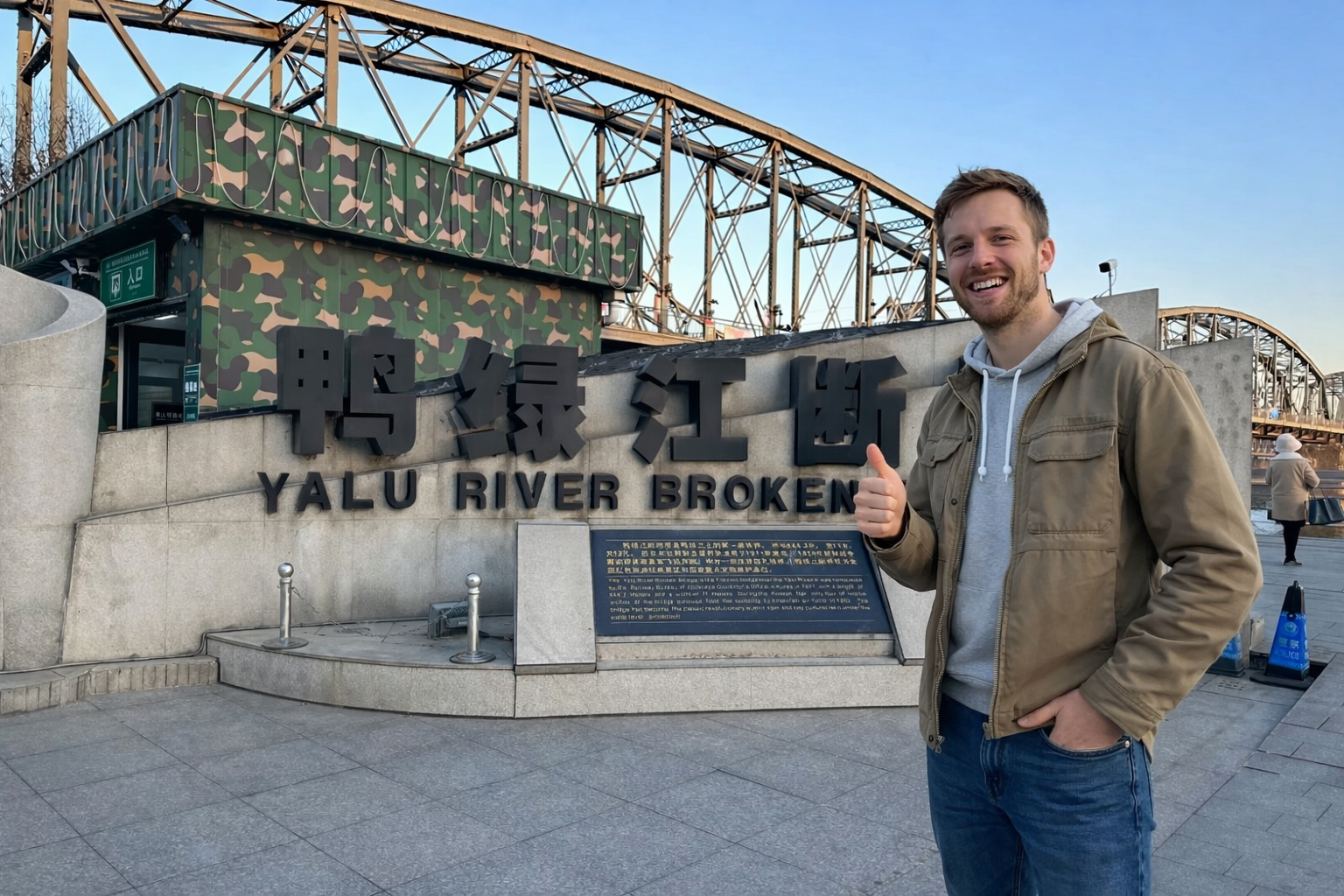
Broken Bridge on the Yalu River Dandong: History, Sacrifice and China-North Korea Friendship
The Broken Bridge on the Yalu River in Dandong is a poignant historical landmark that connects China and North Korea, bearing witness to war, sacrifice, and enduring friendship. This first-person narrative recounts a visit to the bridge, which was built in 1909 and partially destroyed by U.S. bombings during the War to Resist U.S. Aggression and Aid Korea (1950-1953). The article describes the bridge’s rusted steel frame, the broken end spanning into the Yalu River, and the exhibition boards and Memorial Hall that preserve its history—featuring old photos, war artifacts, and touching stories of Chinese volunteer soldiers. Personal experiences, such as observing locks of love and friendship hanging on the bridge, meeting elderly veterans revisiting their wartime crossing, and savoring local cold noodles in nearby Yalu River Park, add emotional depth and authenticity. The piece captures the contrast between the bridge’s war-torn past and the peaceful present, as locals and tourists enjoy the riverfront. More than a tourist spot, the Broken Bridge is a symbol of courage, resilience, and China-North Korea friendship, offering visitors a profound understanding of historical sacrifice and the value of peace. A must-visit for history enthusiasts and anyone seeking to connect with this pivotal chapter of East Asian history.