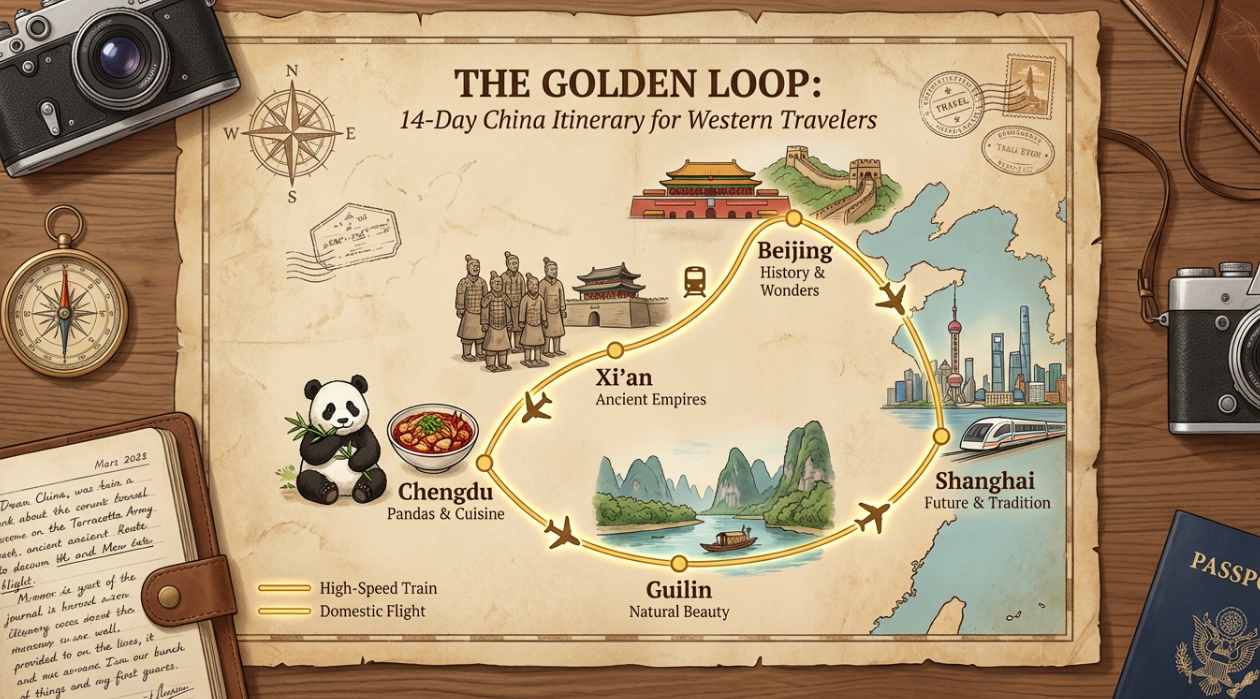
China 14-Day Itinerary: Golden Loop Route for First-Time Travelers | Beijing, Xi'an, Chengdu, Guilin, Shanghai
Discover the perfect 14-day China itinerary designed for Western travelers seeking a balanced and immersive experience. This "Golden Loop" covers China’s essential highlights without feeling rushed, blending history, culture, modernity, and natural beauty. Start in Beijing with the Forbidden City and Great Wall, then explore Xi’an’s Terracotta Army and ancient city wall. In Chengdu, meet giant pandas and savor Sichuan cuisine before cruising the scenic Li River in Guilin and Yangshuo. End in futuristic Shanghai with the Bund and Maglev train. The route optimizes travel time with high-speed trains and domestic flights, ensuring a seamless journey. Whether you love history, food, nature, or city life, this itinerary offers a well-paced introduction to China’s most iconic destinations.
Be a Panda Keeper for a Day: The Honest 2026 Guide to Volunteering in Chengdu
The Panda Volunteer Program offers an unforgettable, behind-the-scenes experience at conservation bases near Chengdu, far beyond typical tourist visits. Participants become honorary keepers for a day—cleaning enclosures, preparing food, and hand-feeding pandas under expert supervision. Two main bases are available: Dujiangyan (accessible and well-organized) and Wolong (wild and scenic). The program includes transport, a guided tour, meals, and an official certificate, with a significant portion of the fee donated to panda conservation. Strict requirements apply, including age limits (12–65) and health checks. Despite the cost ($300–$500 USD), it’s a meaningful way to support conservation while creating lifelong memories. Booking early is essential due to limited daily slots.
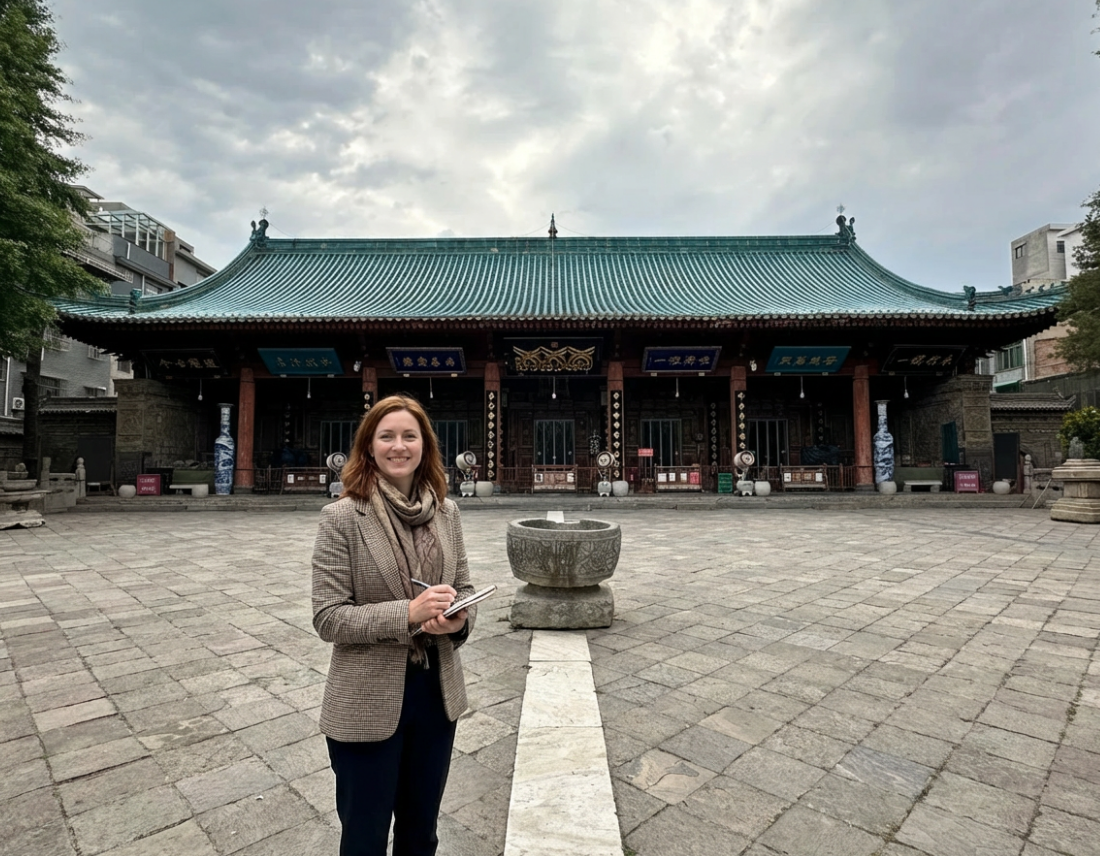
The Great Mosque of Xi'an: A Stunning Blend of Chinese & Islamic Architecture
This article provides a detailed and reflective visit to the Great Mosque of Xi'an, highlighting its unique architectural and historical significance. It describes the mosque's serene, pavilion-and-courtyard design that perfectly integrates traditional Chinese architectural forms with the functional requirements of an Islamic place of worship. The piece emphasizes the mosque's role as a symbol of the peaceful integration of the Hui Muslim community into Chinese society since the Tang Dynasty. Personal observations convey the atmosphere of tranquil spirituality, contrasting it with the surrounding bustle of the Muslim Quarter, and underscore the site's message of cultural harmony.
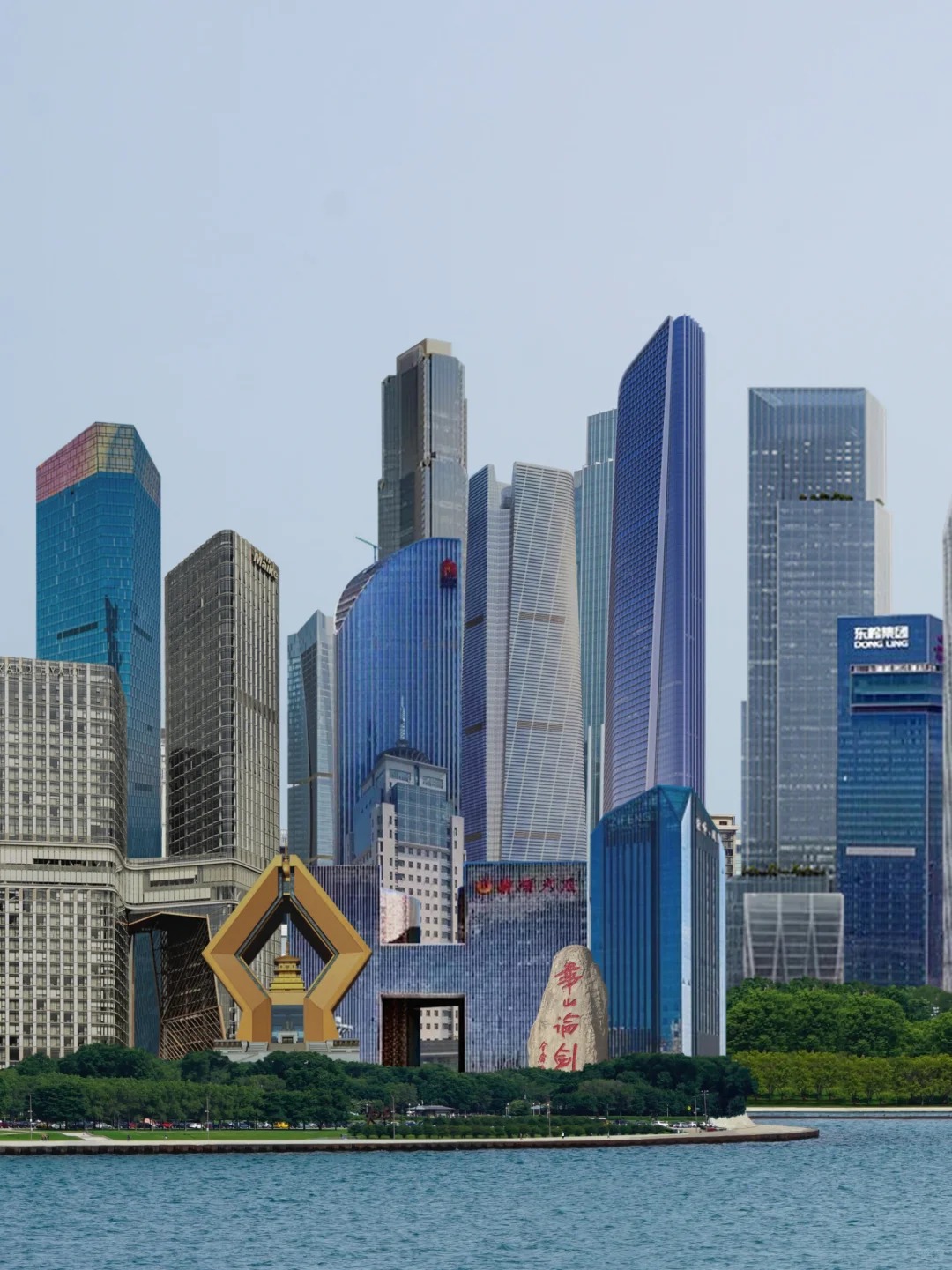
Xi'an Economy: From Ancient Silk Road to Modern Tech & Innovation Hub
This article examines the dynamic transformation of Xi'an's economy from a tourism-centric historical city to a modern hub of technology and innovation. It explores the key drivers of this change: a strong higher education and research base, strategic national projects in aerospace and IT, and the renewed logistics role under China's Belt and Road Initiative. The piece draws parallels between historical patterns of grand organization and modern economic planning. It highlights the unique synergy between the city's cultural heritage and its burgeoning tech sector, particularly in cultural technology, painting a picture of an ancient capital confidently embracing the future.
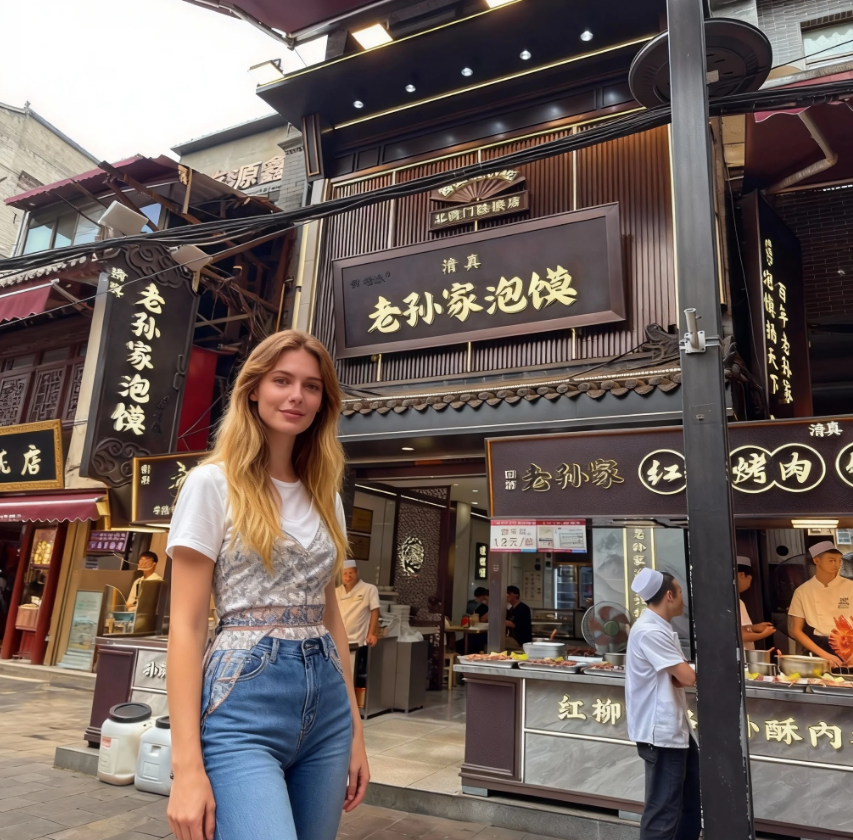
Xi'an Food Guide: From Biangbiang Noodles to Yangrou Paomo - A Silk Road Culinary Adventure
This article takes readers on a immersive culinary tour of Xi'an, positioning its food as a direct expression of its history and geography. It details iconic dishes like Yangrou Paomo (mutton and bread stew) and Biangbiang noodles, explaining their cultural significance and the experience of eating them. The piece highlights the strong wheat-based foundation of the cuisine and the profound influence of the Silk Road, evident in street foods like Roujiamo. It contrasts hearty street fare with refined Tang Dynasty banquet cuisine, presenting Xi'an's food scene as a flavorful journey through time and tradition.

The Terracotta Army of Xi'an: Uncovering the Secrets of China's First Emperor
This article offers a detailed and reflective exploration of the Terracotta Army, moving beyond its status as a world wonder to examine its historical, cultural, and human significance. It describes the awe-inspiring scale and individualized craftsmanship of the figures, while highlighting poignant details like ancient fingerprints. The piece contextualizes the army within Emperor Qin Shi Huang's unification of China and his quest for immortality, presenting the site as a powerful symbol of both monumental achievement and historical transience. Personal observations convey the profound emotional impact of encountering these "whisperers from the past."
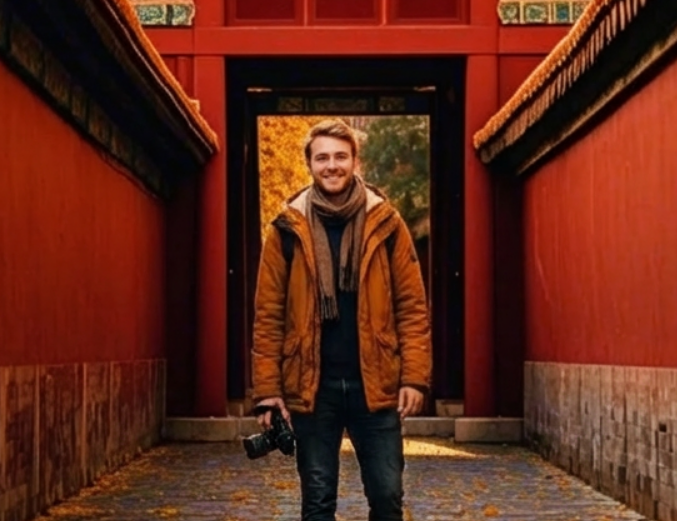
A Golden Dream: Stepping into the Forbidden City in Beijing
This article chronicles a deeply personal and sensory-rich journey into the forbidden city in beijing, capturing the awe-inspiring scale and atmosphere of China's imperial heart. Written from the perspective of a seasoned traveler, it moves beyond standard descriptions to explore the emotional resonance of the architecture, from the blinding gold of the Hall of Supreme Harmony to the haunting calls of the sacred crows. The narrative invites readers to walk the Emperor's path, feeling the texture of history in the worn stones and peeling red paint, portraying the palace not as a museum, but as a living entity that anchors the cultural soul of Beijing.
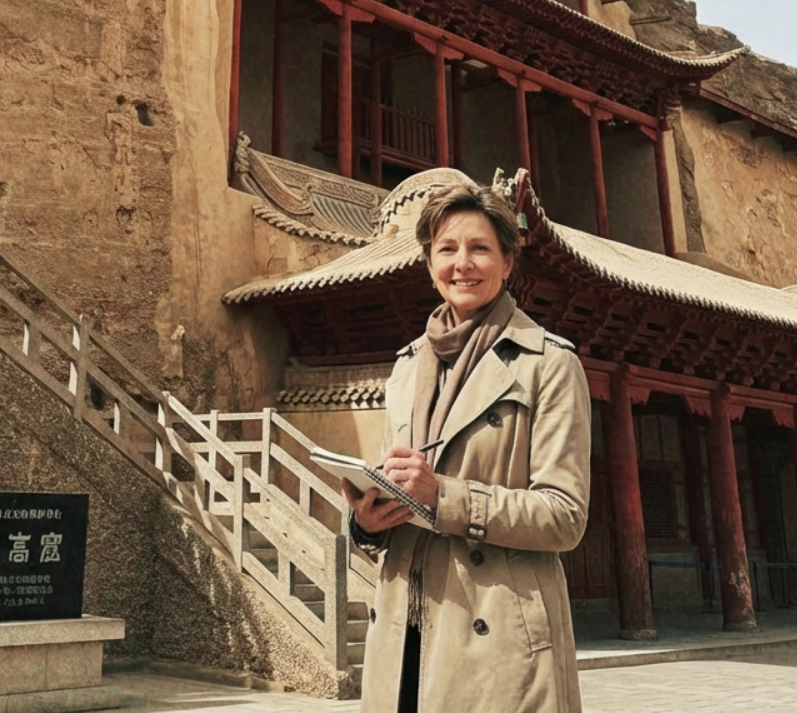
Mogao Caves Dunhuang: A Traveler's Guide to China's Must-See Buddhist Art Sanctuary
This personal narrative details a visit to the Mogao Caves in Dunhuang, a UNESCO site and absolute China must-see. It describes the profound experience of moving from the Gobi Desert's emptiness into the cool, painted universe of the Buddhist grottoes. The article focuses on the sensory and emotional impact: the awe inspired by colossal Buddha statues, the intricate beauty of千年-old frescoes depicting celestial beings and Silk Road life, and the poignant conservation battle to preserve them. It frames Mogao not just as an archaeological site, but as a living, fragile sanctuary of art and devotion that offers a humbling, transcendent connection to a millennium of spiritual history.
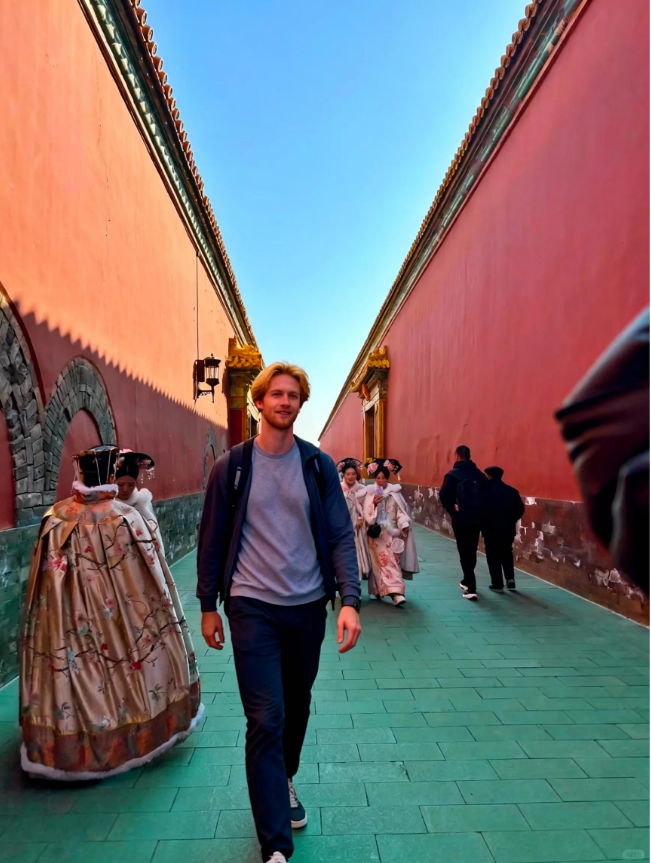
A Trip to Beijing China: Your Personal Guide to the Imperial Capital's Must-See Sights & Hidden Soul
This narrative guide explores a trip to Beijing as a profound pilgrimage through layers of Chinese history and culture. It moves beyond listing famous Beijing tourist spots like the Forbidden City and Great Wall to convey the personal emotional and philosophical impact of each. The journey includes the divine architecture of the Temple of Heaven, the poetic escape of the Summer Palace, the living history of the hutongs, and the modern statements of the Olympic Park and 798 Art District. The article frames Beijing as a palimpsest where imperial grandeur, communist history, and hyper-modernity coexist, offering travelers a uniquely humbling and exhilarating encounter with the scale and spirit of China.
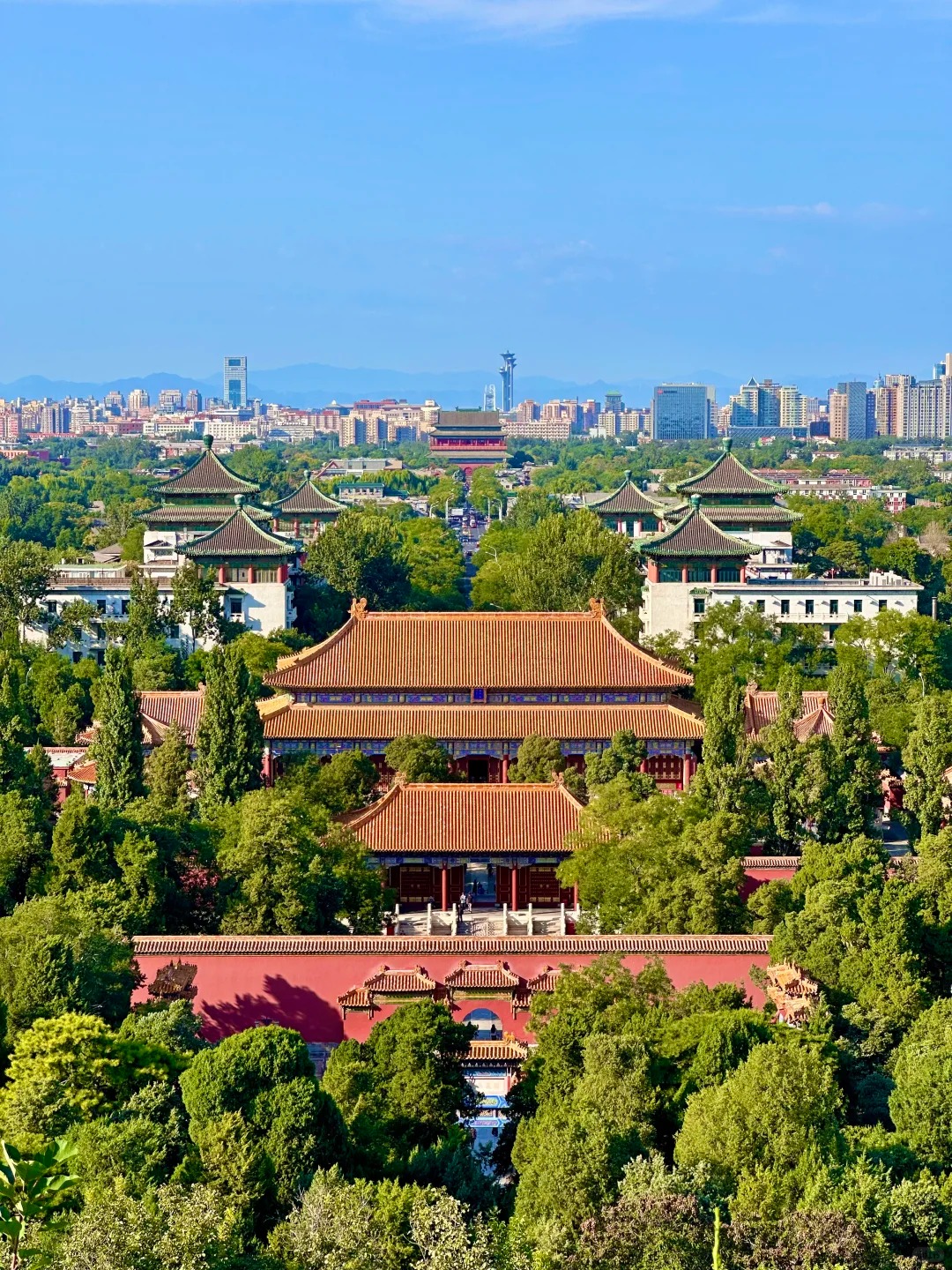
Beijing Travel: Lost in the Hutongs – A Deep Dive into Imperial Memories and Local Life
This article explores the authentic soul of China's capital by going beyond the tourist sites and into the historic Hutongs (alleyways). , the author describes the sights and sounds of daily life in the narrow lanes, from chess-playing neighbors to bird walkers. The narrative includes a thrilling ride in a vintage sidecar motorcycle and an intimate dumpling-making session with a local family, highlighting the warmth of Beijing hospitality. While acknowledging the grandeur of the Forbidden City from the vantage point of Jingshan Park, the article focuses on the "human scale" of the city. It concludes with a mouth-watering description of a traditional Peking Duck dinner, emphasizing the ritual of the meal.
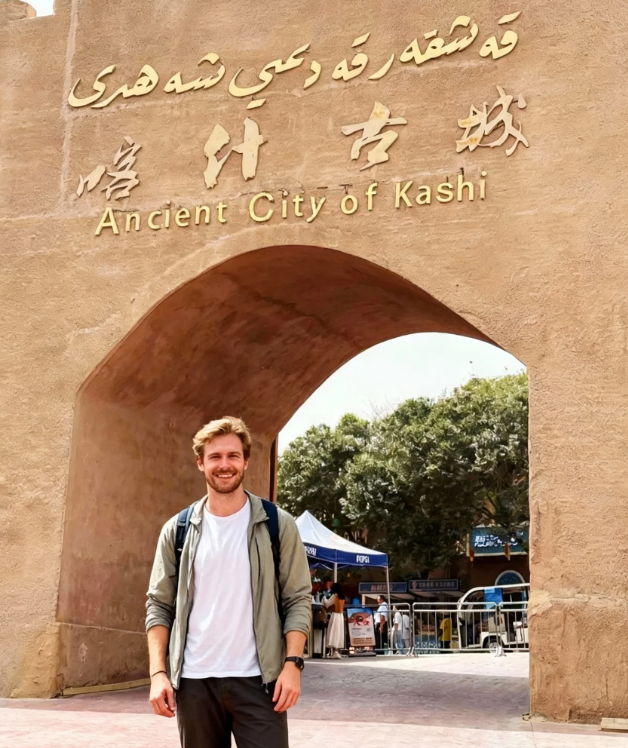
Xinjiang Tour: A Mosaic of Melons, Mountains, and Minarets on the Silk Road
This article transports the reader to the exotic and vast landscapes of Xinjiang, exploring the region's unique blend of Central Asian and Chinese cultures. The author recounts sensory-rich experiences, from the heat of the Turpan Depression to the cool, sweet taste of "Mare's Nipple" grapes. It features a deep dive into the culinary delights of the Urumqi Grand Bazaar, describing the texture of fresh Naan bread and the smoky flavor of authentic lamb kebabs. The journey concludes in the ancient city of Kashgar, with a poignant moment at the Century-Old Tea House where music and dance bridge the language barrier. This is a guide to the sights, sounds, and flavors of China’s wild west.
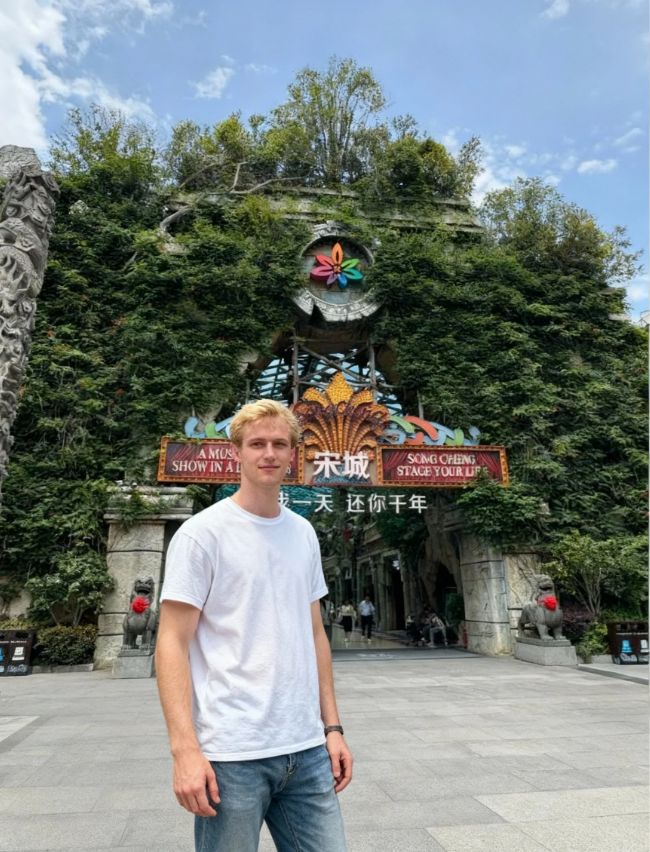
Hangzhou China: West Lake, Longjing Tea & Classical Gardens Travel Guide
Join Oliver, a British landscape architect specializing in East Asian classical gardens, on a poetic journey through Hangzhou China—Marco Polo’s “most beautiful city in the world” and a UNESCO-listed haven of natural harmony. His adventure centers on West Lake, where he glides by wooden boat past iconic Broken Bridge and Three Pools Mirroring the Moon, witnessing how man-made dikes and pavilions “borrow” scenery to blend with nature. He explores Lingyin Temple, marveling at its 500 stone arhats and serene temple gardens, and visits Longjing Village to pick tender tea leaves and learn the art of roasting prized Longjing tea. Oliver wanders Hefang Ancient Street for silk and miniature penjing landscapes, and steps into the Song Dynasty at Songcheng, watching royal parades and traditional musicals. He savors Hangzhou’s delicate cuisine: sweet-sour West Lake Vinegar Fish, lotus-wrapped Beggar’s Chicken, and fragrant osmanthus cakes. Blending immersive garden design insights with practical tips—transport hacks, top eateries, and a 3-day itinerary—this guide reveals Hangzhou as a city where ancient aesthetics, tea culture, and natural beauty converge seamlessly.