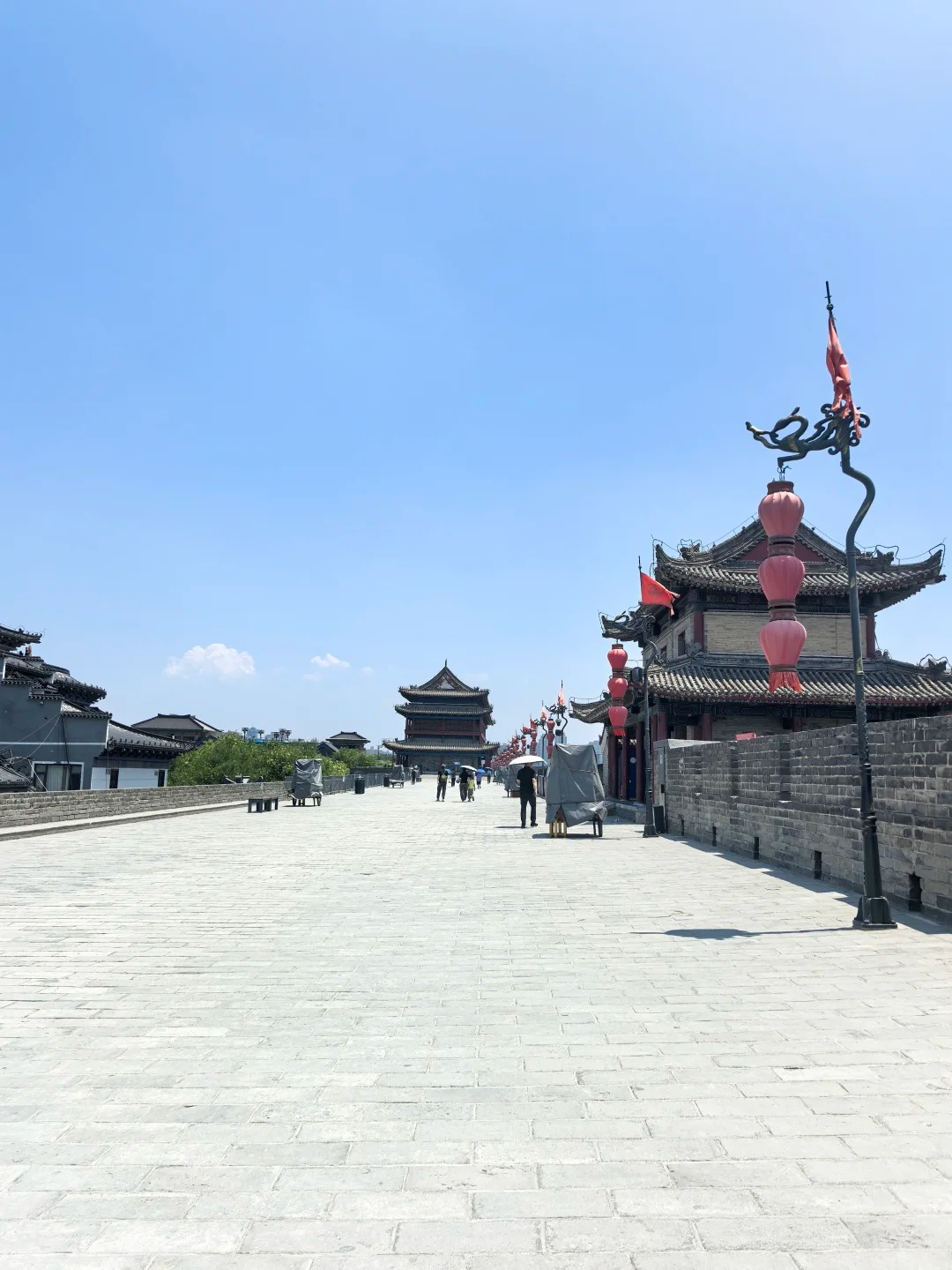
Xi'an China: Ultimate Travel Guide to History, Culture & Food in the Ancient Capital
This comprehensive article serves as a reflective conclusion to a series on Xi'an, synthesizing its multifaceted identity. It presents Xi'an as a living palimpsest where ancient and modern China coexist. The piece summarizes the city's core legacy as a historical "definer"—of empire, capital city planning, cultural exchange, and now, inland innovation. It connects the dots between major themes: the Terracotta Army, Silk Road influence, Islamic integration, Tang poetry, hearty cuisine, and tech-driven growth. Ultimately, it argues that Xi'an offers an unparalleled journey into the continuity and transformation of Chinese civilization, making it an essential destination for understanding the nation's past and future.

Chang'an Ancient Capital: Exploring the Tang Dynasty Global Metropolis in Modern Xi'an
This article explores the legacy of Chang'an, the Tang Dynasty capital that now lies beneath modern Xi'an. It vividly reconstructs the city's historical scale, global significance, and cultural splendor through visits to key sites like the Giant Wild Goose Pagoda, Huaqing Palace, and the Stele Forest Museum. The piece highlights Chang'an's role as a 7th-9th century cosmopolitan hub of the Silk Road, where diverse peoples, religions, and goods converged. It argues that the spirit of openness, intellectual exchange, and cultural synthesis that defined Tang Chang'an continues to shape the identity of Xi'an today.
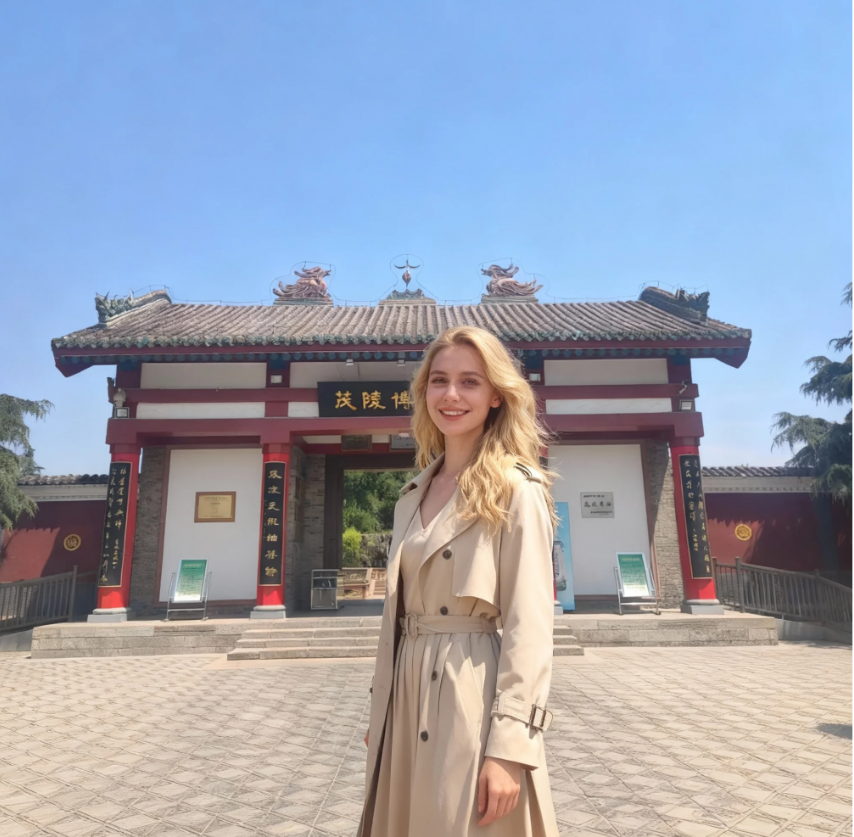
Xi'an China Map: Geographical Heart & Historical Soul of Ancient China
This article explores Xi'an's profound historical significance through the lens of its unique geography. Positioned at the strategic center of China, protected by natural barriers and nourished by the Wei River, Xi'an (ancient Chang'an) became the capital of multiple dynasties and the eastern terminus of the Silk Road. The piece combines personal travel narrative with geographical and historical analysis, explaining how the city's location on the map of China directly shaped its destiny as a political, economic, and cultural crucible. It argues that to understand China's imperial past, one must first understand the land that made Xi'an its perfect

Shadows of the Dynasty: The Forbidden City & The Imperial Palace Beijing
This narrative delves into the private, shadowed world of the Inner Court, emphasizing the dual identity of the forbidden city & the imperial palace beijing. The author explores the living quarters of the concubines and the grand opera stage of Empress Dowager Cixi, evoking the atmosphere of the "gilded cage." Through vivid descriptions of small, intimate chambers and the "deep palace" corridors, the article reflects on the isolation, drama, and human cost of imperial power. It is a story of silence, secrets, and the haunting beauty found in the domestic spaces of China's past rulers.
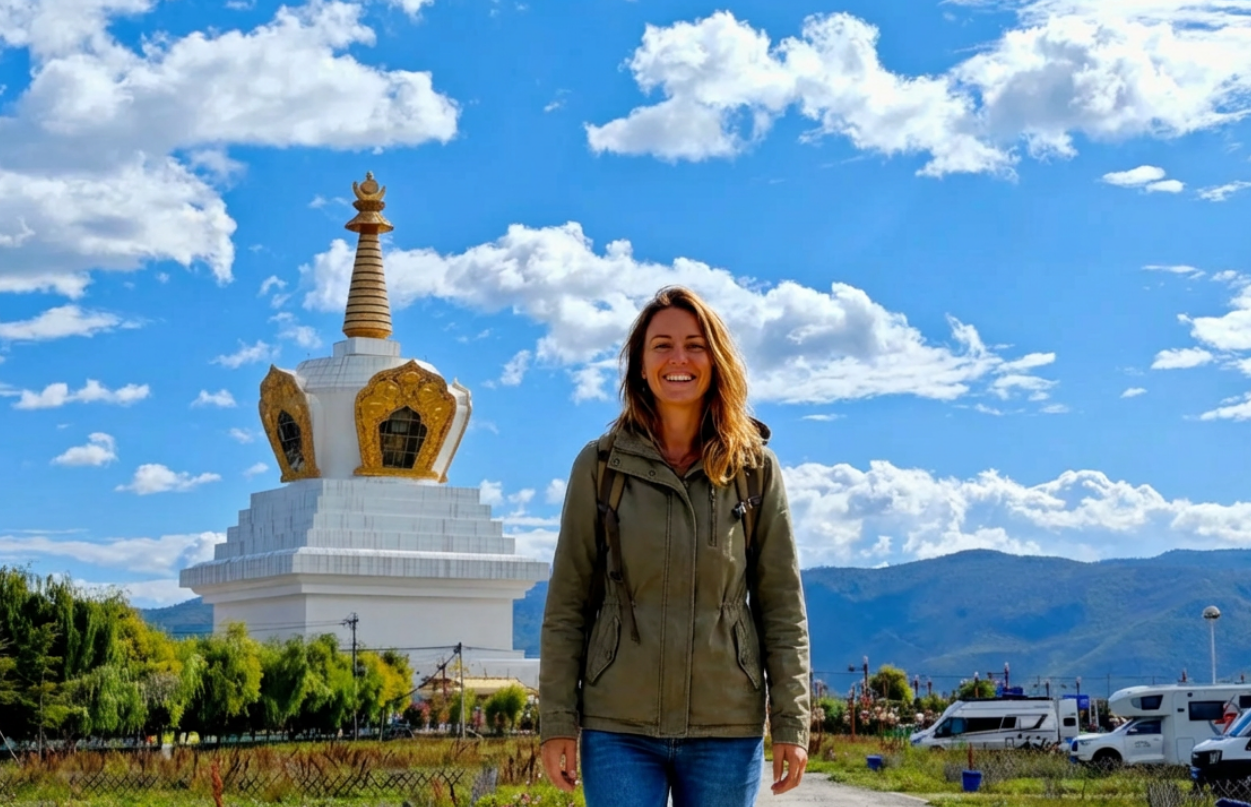
Yunnan Tour Guide : Ancient Towns, Yak Hot Pot & Himalayan Hikes
In this immersive travelogue, a senior Chinese travel enthusiast takes you on an unforgettable Yunnan tour. From the wind-swept shores of Erhai Lake in Dali to the cobblestone alleys of Lijiang Old Town, and finally to the sacred highlands of Shangri-La, experience the diversity of China’s most colorful province. The author shares personal encounters with Naxi tea culture, the adrenaline of hiking Tiger Leaping Gorge, and the mouth-watering flavors of Xizhou Baba and Yak Hot Pot. Discover why Yunnan is the ultimate destination for culture lovers and foodies alike.

Chengdu Panda Volunteer Program – How to Become a One-Day Panda Keeper & Support Conservation
My immersive day as a Chengdu panda volunteer went far beyond feeding cute bears—it was a hands-on lesson in wildlife conservation, discipline, and humility. From cleaning enclosures and preparing bamboo meals to learning enrichment techniques from seasoned keepers, this program offers a rare, ethical glimpse into the daily efforts sustaining China’s iconic giant pandas. Discover how this structured, science-backed volunteer experience transforms tourists into temporary guardians of an endangered species.
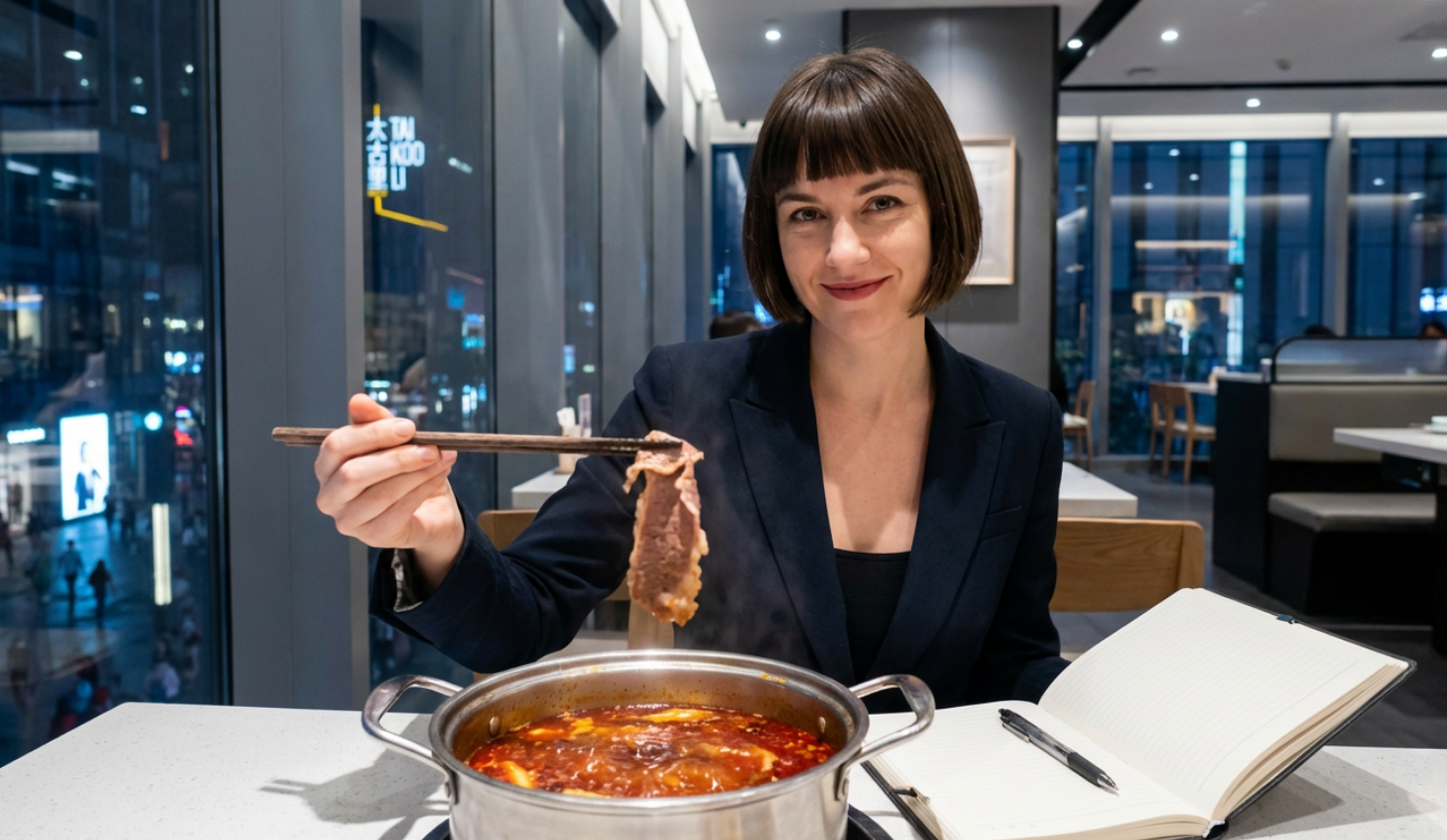
Chengdu Travel Guide: A Food Lover's Pilgrimage to the Heart of Sichuan Cuisine
This is a sensory-driven guide to Chengdu travel, focusing almost exclusively on its world-renowned culinary landscape. It narrates a personal journey through the iconic dishes that define Sichuan cuisine: the communal, thrilling ritual of hotpot; the complex, fiery simplicity of Dan Dan Noodles; and the sublime, brutal elegance of Mapo Tofu. The article captures the mala (numbing-spicy) sensation as a core experience and highlights the democratic, lively settings where the best food is found. It positions Chengdu as a destination where travel is fundamentally a deep, addictive, and joyful exploration of flavor.
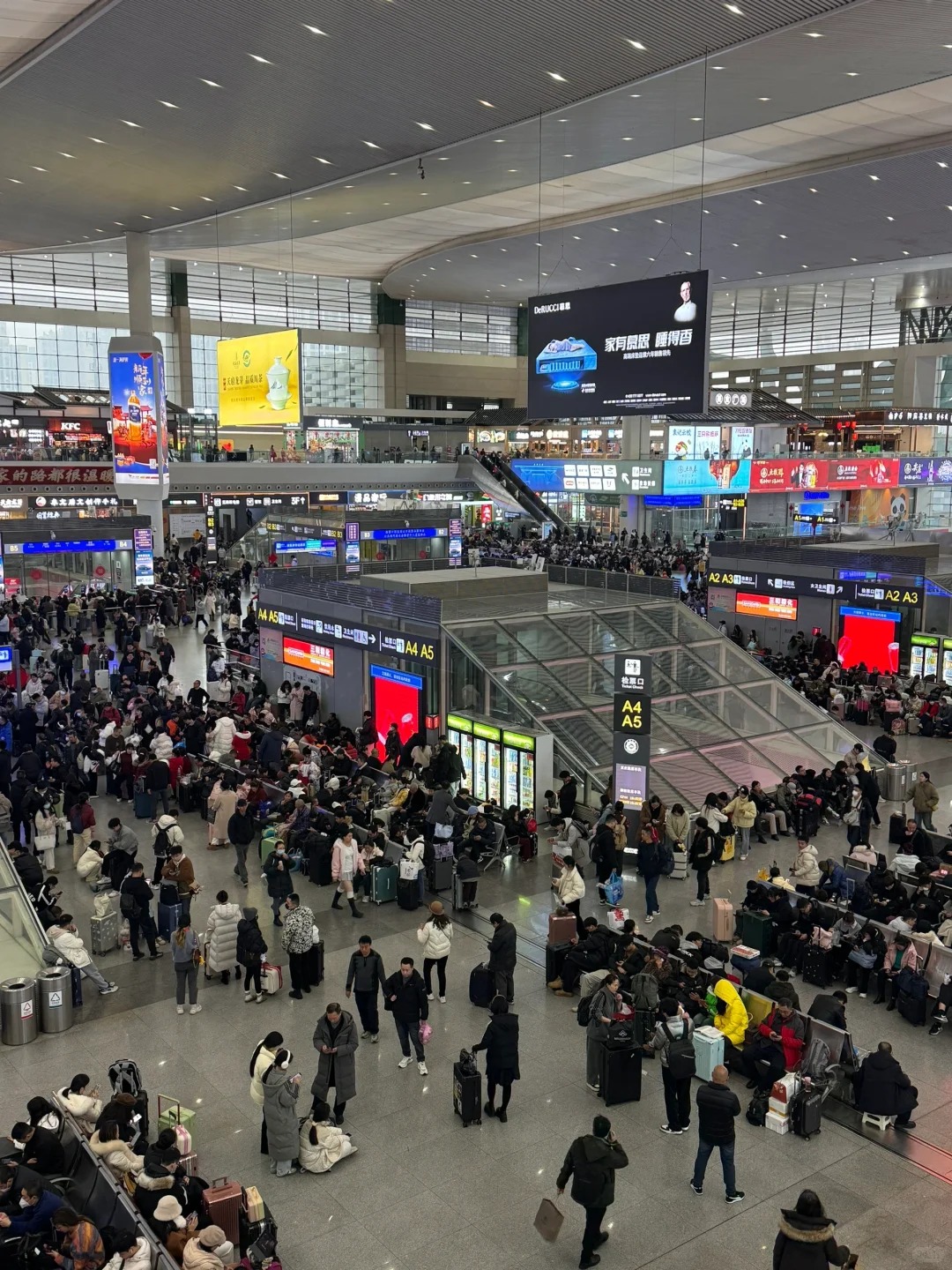
Chengdu to Lhasa Train: The Ultimate Guide to the Epic Tibet Railway Journey
This personal account details the epic 48-hour journey on the Chengdu to Lhasa train, one of the world's highest railways. It goes beyond logistics to capture the philosophical essence of choosing the slow, scenic route into Tibet over flying. The article covers crucial preparation for altitude, describes the social microcosm of the train, and vividly narrates the transforming landscape—from Sichuan's farmland to the breathtaking, barren majesty of the Qinghai-Tibet Plateau and the crossing of the 5,072-meter Tanggula Pass. It frames the journey as a necessary pilgrimage that acclimatizes the body and soul, making the arrival in Lhasa a profoundly earned and transformative experience.

Beijing Tourist Spots: The Ultimate First-Timer's Guide to Visiting the Great Wall of China
This immersive guide moves beyond basic logistics to capture the profound personal experience of visiting the Great Wall as a key Beijing tourist spot. It helps travelers choose the right section—from the restored Mutianyu to the wild Jiankou—and offers essential practical advice on transport, timing, and preparation. The narrative focuses on the sensory and emotional journey: the physical challenge of the climb, the awe-inspiring panoramas, the tangible touch of history in ancient stones, and the poignant moments of solitude that offer a true connection to this world wonder. It frames the Wall not just as a site to photograph, but as a transformative encounter with scale, history, and human perseverance.
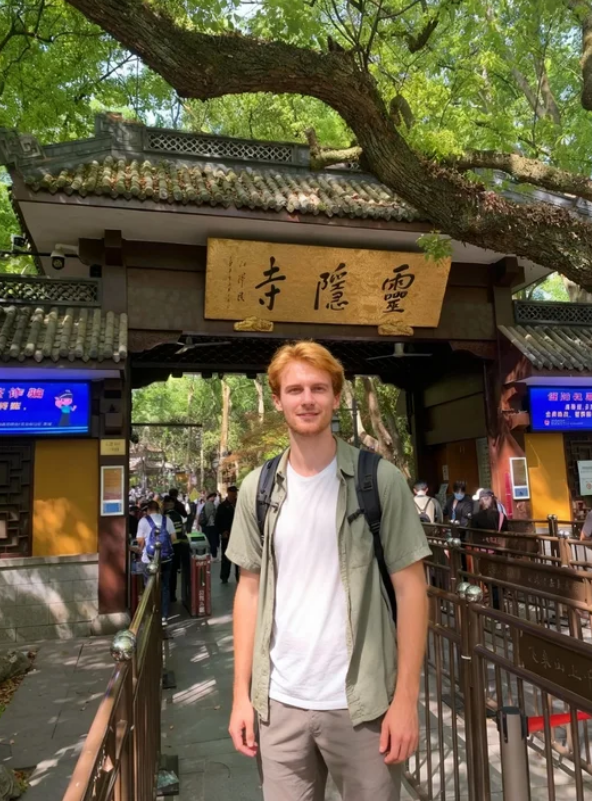
Hangzhou Tour: Savoring Longjing Tea and Poetic Moments on West Lake
This article invites the reader to slow down and embrace the leisurely pace of Hangzhou, China's "City of Heaven." it captures the romance of a hand-rowed boat ride on West Lake, sharing local legends of the White Snake. The author takes the reader into the hills of Longjing Village to experience the harvest and roasting of Dragon Well Tea, describing the sensory details of the famous brew. The culinary journey continues with the interactive experience of cracking open Beggar’s Chicken and savoring the melt-in-your-mouth Dongpo Pork. The trip concludes with a spiritual visit to the Lingyin Temple and its ancient rock carvings. It is a guide to the refined culture, natural beauty, and delicate flavors of the Jiangnan region.
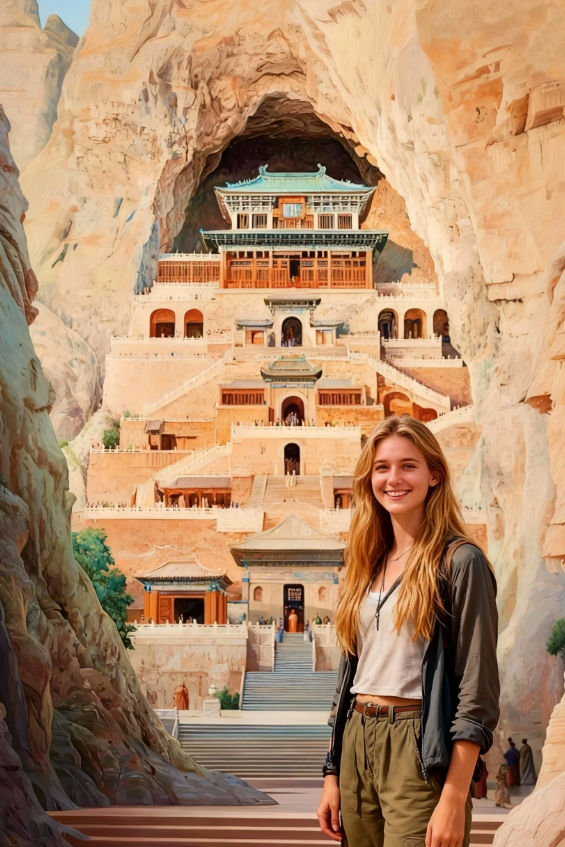
China Silk Road Tours: Echoes of Camel Bells from Xi'an to the Dunhuang Dunes
This article traces the historic path of the ancient Silk Road, guiding the reader from the imperial capital of Xi'an to the desert oasis of Dunhuang. it captures the grandeur of cycling the Xi'an City Wall and the eerie silence of the Terracotta Warriors. The journey continues through the Hexi Corridor to the desolate beauty of Jiayuguan Fort. The highlight is the exploration of the Mogao Caves in Dunhuang, where the author describes the vibrant murals that depict a millennium of cultural exchange. The narrative concludes atop the Singing Sand Mountains, listening to the wind and imagining the ancient caravans. It is a story about the enduring power of history and the human urge to connect across vast distances.

Zhangjiajie Tour: Walking Amongst the Avatar Mountains in Mystic Fog
This article takes the reader on a vertigo-inducing adventure through the otherworldly landscapes of Zhangjiajie National Forest Park. =, it vividly describes the thrill of walking on the glass bridge and the awe of seeing the "floating" sandstone pillars that inspired the movie Avatar. The author shares intimate encounters with the local wildlife along the Golden Whip Stream and details the grueling but rewarding climb up the 999 steps to Heaven's Gate on Tianmen Mountain. The narrative also touches on the local Tujia culture through a description of the spicy and smoky Sanxiaguo hot pot. It is a guide to the visual and physical extremes of one of China’s most famous natural wonders.