
Liziba Station Travel Log: My Surreal Journey Into the Building That Eats Trains
This article takes the reader beyond the viral videos of Liziba Light Rail Station to explore the reality of Chongqing’s unique urban engineering. The narrator begins by hiking down the winding streets of the city, emphasizing the physical challenge of the "Mountain City" terrain. The story contrasts the external spectacle—the train disappearing into a residential block—with the internal experience of riding it. The author details the surprising quietness of the station, explaining the engineering feat that separates the train track from the residential structure. A key moment involves the sudden transition from the dark station interior to the bright, airborne view of the Jialing River. The narrative also includes an interaction with a local vendor, offering a resident's perspective on why this architecture exists: pure pragmatism and survival in a difficult terrain. The article concludes that Liziba is not just a quirky tourist spot, but a symbol of Chongqing’s resilience and its ability to thrive in a three-dimensional space.
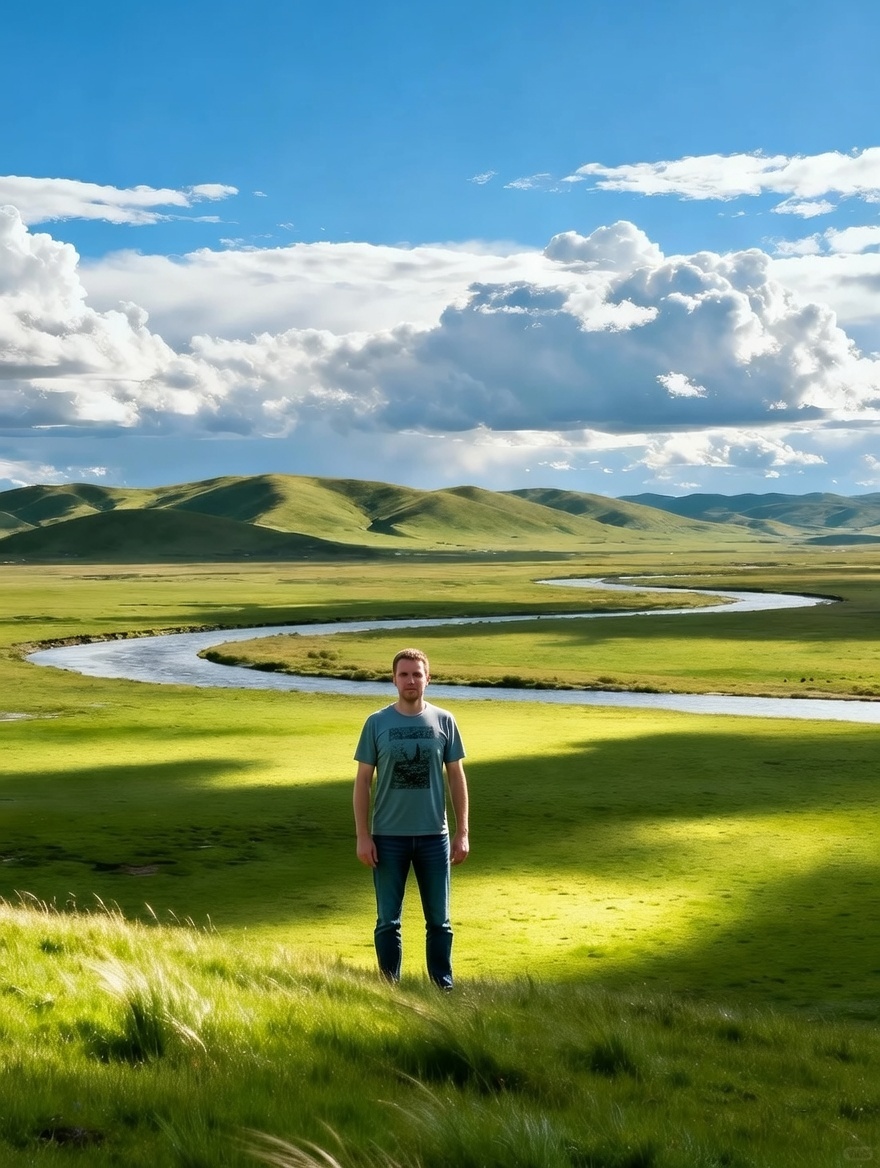
Ruoergai Grassland: The Emerald of the Plateau – Finding Freedom on the First Bend of the Yellow River
In this narrative, I recount my soul-stirring journey to the Ruoergai Grassland, the largest high-altitude peat marsh in the world. Located on the edge of the Tibetan Plateau, this vast expanse of green and gold offers a sense of freedom that is hard to find in the modern world. I describe the long drive through rolling hills that seem to have no end, where the sky is so big it feels like a dome hanging over the earth. The article highlights the breathtaking view of the “First Bend of the Yellow River,” where the great river makes a majestic loop, reflecting the sunlight like liquid gold. I delve into the experience of visiting the Flower Lake (Huahu), a pristine wetland teeming with birds and blooming with wildflowers during the summer months. I also share the warmth of staying in a local Tibetan tent, eating roasted mutton, and drinking yak butter tea while listening to the elders tell stories. This piece is an invitation to disconnect from the digital grid, breathe the thin, crisp air, and experience the nomadic spirit of the Ruoergai Grassland, where nature and humanity exist in perfect harmony
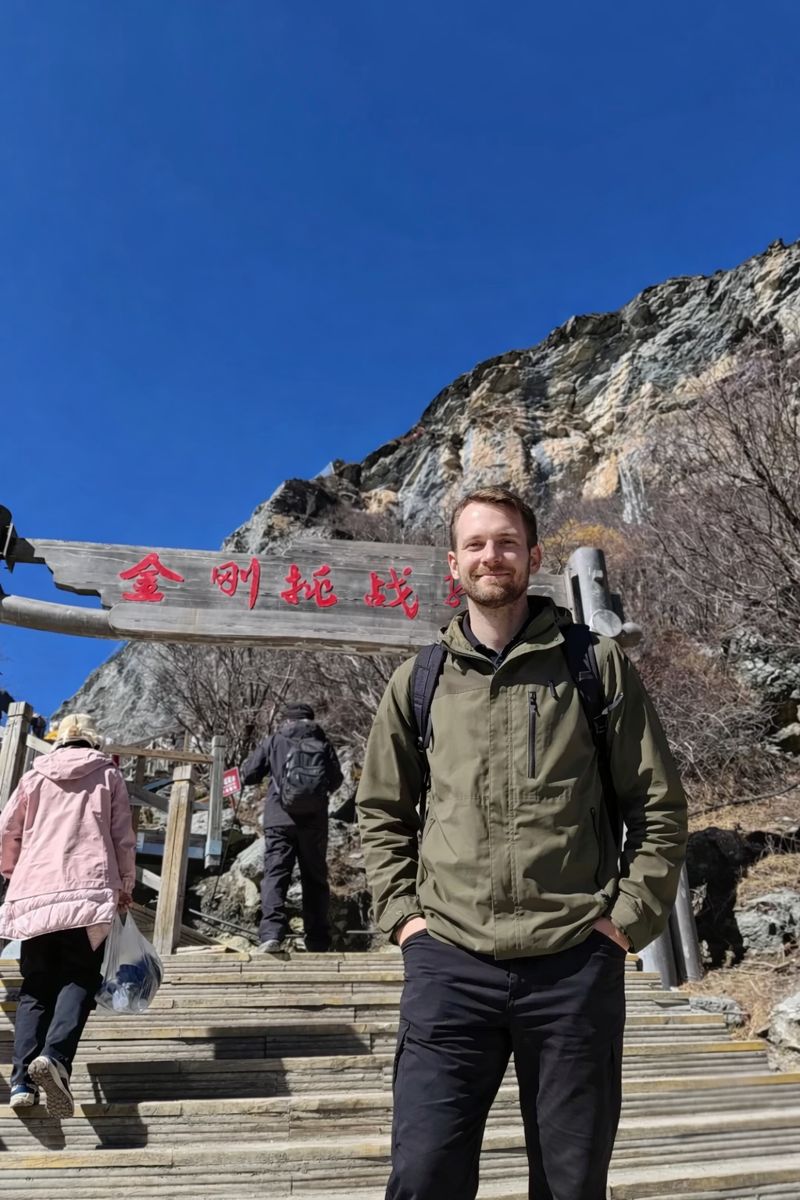
Daocheng Yading: The Last Shangri-La – A Soul-Stirring Journey to the Roof of the World
This narrative chronicles my transformative expedition to Daocheng Yading, often hailed as “The Last Shangri-La.” Located in the remote Garzê Tibetan Autonomous Prefecture, this is not just a destination for the casual tourist, but a sanctuary for the soul seeker. I vividly describe the arduous journey to reach this altitude, the physical toll of thinning air, and the sheer magnificence of the three sacred snow-capped peaks: Chenrezig, Jambeyang, and Chanadorje. The article details the trek through the alpine meadows of Luorong Pasture, where yaks graze against a backdrop of glaciers, and the emotional climax of reaching Milk Lake, a body of water so blue it defies logic. I share moments of vulnerability, battling altitude sickness, and the warmth of the local Tibetan people whose smiles provided encouragement when the trail got tough. Beyond the breathtaking scenery, the piece explores the spiritual atmosphere that permeates the reserve—a feeling of being humbled by nature’s grandeur. It serves as an honest guide for those preparing to brave the high altitude, offering practical tips on acclimatization while capturing the almost mystical allure of this pristine wilderness that feels suspended in time.
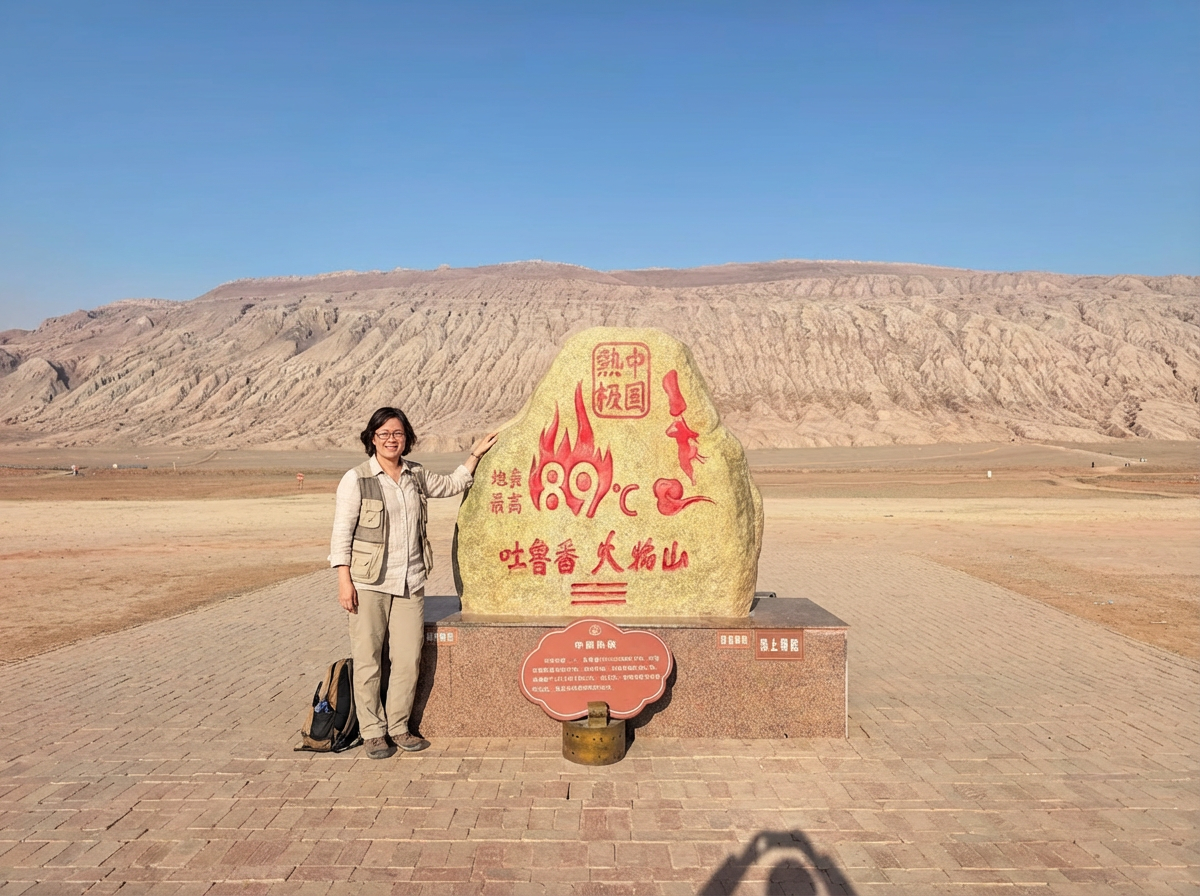
Flaming Mountain Turpan: Surviving the Heat of the Legend
The Flaming Mountain in Turpan is one of China’s most iconic natural landmarks, famous for its blistering heat and striking red sandstone landscape. This article recounts my intense encounter with this “Land of Fire,” where temperatures can soar to over 70°C on the ground. I describe the physical sensation of the heat—a blow to the senses that feels like opening an oven—and the visual hallucinations caused by the heat waves shimmering off the barren rocks. The narrative details a visit to the famous “Ground Temperature Barometer,” where I witnessed the surreal sight of tourists attempting to cook eggs on the searing ground. I explore the geology of the area, noting the iron oxide that gives the mountains their fiery red hue, and hike a short distance to observe the wind-eroded formations that resemble pagodas and mythical beasts. The article captures the eerie silence of the landscape, where no life can survive the midday sun. Finally, I describe the spectacular sunset, when the mountains truly look like they are on fire, glowing with an intense crimson light. The Flaming Mountain is presented as a challenging but rewarding destination that offers a visceral encounter with the raw, elemental power of nature and a tangible connection to the legends of the Silk Road.

Kanas Lake: Exploring the Alpine Enigma and Monster Legends of Northern Xinjiang
Kanas Lake, hidden deep in the Altai Mountains of Northern Xinjiang, is a place of breathtaking natural beauty and enduring mystery. This article details my pilgrimage to this “God’s Garden,” often associated with legends of a lake monster but revered for its stunning, pristine alpine scenery. I describe the journey through the taiga forests and the first glimpse of the lake’s deep, enigmatic blue waters. The narrative follows my hike along the “Three Bays,” exploring the iconic Moon Bay, the swirling Dragon Bay, and the tranquil Immortal Bay, each offering a unique perspective on the crystal-clear glacial waters and the surrounding golden birch forests. I recount a boat trip to the center of the lake, where we searched for the legendary monster and instead encountered giant *Hucho taimen* trout, a testament to the lake’s wild ecosystem. A significant part of the story is the stay in a log cabin in the traditional Tuvan village, experiencing the warm hospitality of the Tuvan people, listening to their haunting folk music, and marveling at the brilliant, unpolluted night sky. The article concludes with the climb to Guanyu Pavilion for a panoramic view of the “Color-changing Lake,” witnessing a spectacular sunrise that transformed the landscape. Kanas is presented as a spiritual sanctuary that offers a profound connection to the raw, untouched beauty of nature.

Narat Grassland: A Journey into the Sky Grasslands of the Tianshan
The Narat Grassland, often referred to as the “Sky Grassland” due to its elevation and ethereal beauty, is one of Xinjiang’s most enchanting destinations. This article captures the essence of my three-day immersion into this sub-alpine paradise located in the Ili River valley. I describe the journey from the dusty roads to the sudden revelation of a vast, velvet-green ocean that stretches to the horizon. Unlike the flat steppes of Inner Mongolia, Narat is a landscape of rolling hills, deep valleys, and alpine forests, offering a rich tapestry of colors and textures. My narrative focuses on the experience of exploring the grassland on horseback, which allows for a profound connection with the land. I recount riding through patches of mystical mist and fields teeming with over a hundred species of wildflowers, engaging all the senses with the scent of herbs and the sound of the wind. A significant portion of the story is dedicated to the cultural exchange with the local Kazakh nomads, sharing a meal of boiled lamb in a traditional yurt and witnessing the blend of ancient customs with modern technology. The article also vividly describes the stunning sunset that turns the landscape gold and the breathtaking night sky where the Milky Way shines bright. For travelers seeking a tranquil escape into nature and a glimpse of a timeless nomadic lifestyle, the Narat Grassland offers an unforgettable journey into the heart of the Tianshan mountains.

Pamir Plateau Travel Guide: A First-Person Journey to the Roof of the World
Embarking on a journey to the Pamir Plateau is akin to stepping into another dimension, traversing one of the most magnificent and unspoiled landscapes in China’s Xinjiang region. My adventure began in Kashgar, leaving behind the chaotic, dusty bazaars to drive along the Karakoram Highway, an engineering marvel often hailed as the Eighth Wonder of the World by travelers. The road winds through deep, breathtaking gorges and climbs up steep cliffs, revealing a new, awe-inspiring vista at every turn that makes one feel incredibly small. As we ascended, the air grew noticeably thinner and colder, temperatures dropping sharply, a reminder that we were on the Roof of the World. The landscape unfolding before me was dominated by snow-capped majestic peaks—Muztagh Ata and Kongur Tagh—their massive glaciers shimmering under the intense, unshielded plateau sun. Stopping by Karakul Lake was a near-religious experience; the dark, still water perfectly mirrored the towering mountains, creating a sacred, surreal stillness between water and sky. Yet, the Pamir is not only defined by geological grandeur; it is defined by its resilient and warm Tajik people, known as the “people of the clouds.” I was privileged to stay in a Tajik village, sharing traditional naan bread and salty milk tea, watching the Eagle Dance, and learning about their nomadic lifestyle preserved amidst the harsh, isolated beauty. This article delves deep into my days on this Roof of the World, offering a practical guide for any traveler seeking an experience that transcends ordinary tourism, covering essential tips on handling altitude sickness and logistics to ensure an unforgettable expedition.

Visiting the Mausoleum of Genghis Khan in Ordos: A Spiritual & Cultural Pilgrimage in Inner Mongolia
This reflective piece explores the Mausoleum of Genghis Khan in Ordos, clarifying its unique role not as a physical tomb but as a spiritual cenotaph safeguarding the Great Khan's legacy. The narrative describes the solemn atmosphere, architectural grandeur, and strict etiquette within the main hall, focusing on the symbolic "Spirit Sanctuary." A firsthand account of a traditional sacrifice ceremony highlights the site's living cultural and religious significance for Mongol pilgrims. Encounters with everyday artifacts and a conversation with a descendant guardian provide depth, shifting focus from historical mystery to enduring spirit. The article concludes that the mausoleum's true purpose is to maintain the unbroken continuity of memory and national identity, offering visitors a profound insight into the soul of Mongol culture rather than a mere historical site.

Arxan National Forest Park Travel: Volcanic Lakes, Hot Springs & Greater Khingan Mountains Autumn
This article chronicles a personal exploration of Arxan National Forest Park during autumn, framing it as a journey into Earth's geological diary. It vividly describes the juxtaposition of dormant volcanic forces—like the deep blue, crater-bound Heavenly Lake—with dynamic landscapes where hot springs, cold rivers, and permanent ice coexist. The narrative focuses on sensory experiences: the smell of sulfur, the feel of wading through crystal-clear waterfalls, and the contrast of soaking feet in warm geothermal streams. A quiet encounter with a local fisherman underscores the park's serene atmosphere. The piece concludes that Arxan's "eternal flame" represents not just subterranean heat, but the enduring, tranquil beauty forged from ancient cataclysm, offering a unique blend of geological wonder and peaceful reflection.

Wuyishan Travel Guide: Explore Misty Peaks, Nine Bend Stream and Da Hong Pao Tea Culture
Wuyishan, a UNESCO World Heritage Site, is renowned for its dramatic Danxia landforms, crystal-clear Nine Bend Stream, and world-famous Wuyi rock tea culture. This first-hand account takes readers on a journey through Wuyishan’s natural and cultural highlights, including a serene bamboo raft ride down the Nine Bend Stream, hiking Heavenly Tour Peak for panoramic views of misty peaks and ancient inscriptions, and visiting the iconic Da Hong Pao tea bushes and local tea factories. The author also explores the Wuyishan National Nature Reserve, encountering diverse flora and fauna, and delves into the local cuisine that integrates tea as a key ingredient. Wuyishan offers a perfect blend of adventure, relaxation, and cultural immersion, making it an ideal destination for travelers seeking to experience the beauty of nature and the depth of Chinese tea culture. From the stunning landscapes to the warm hospitality of the local people, Wuyishan leaves a lasting impression on every visitor.
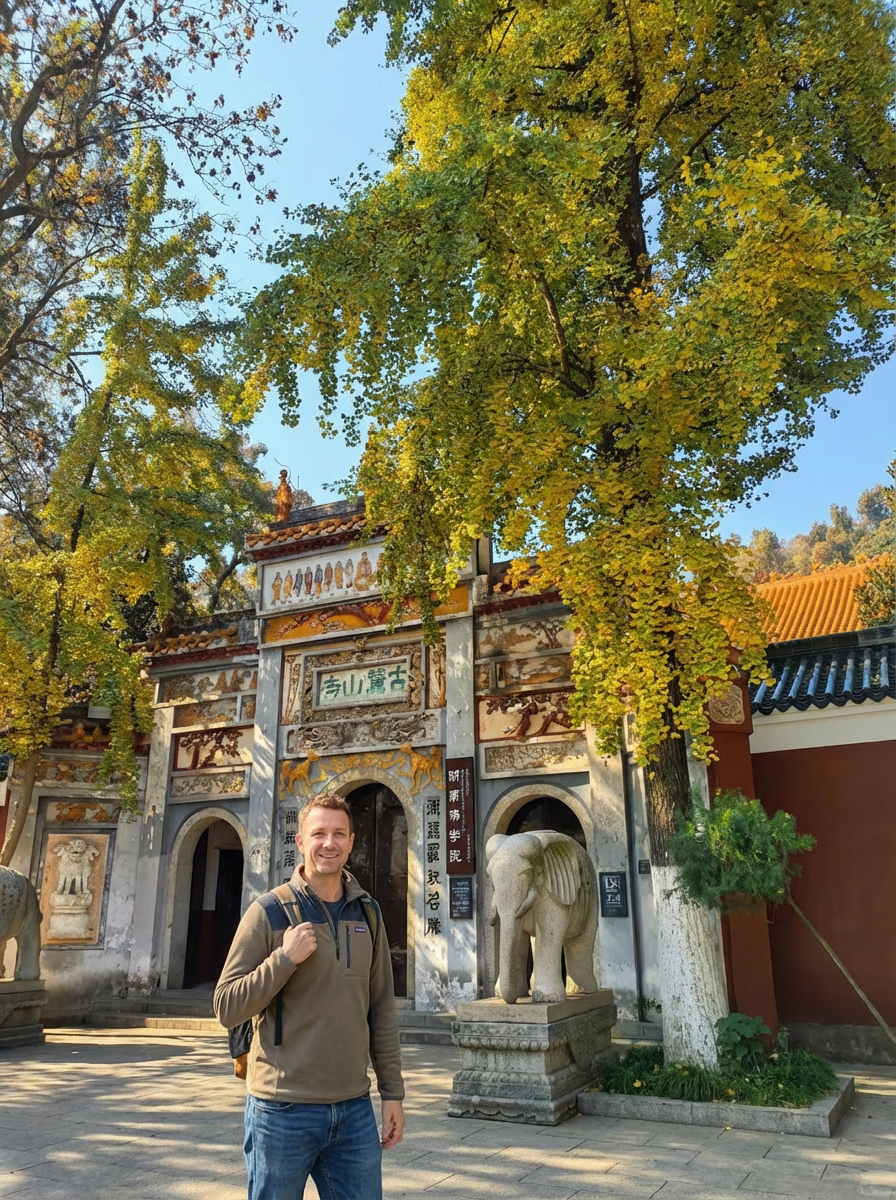
Autumn Leaves and City Views: Hiking Yuelu Mountain
A vivid account of hiking Yuelu Mountain, detailing the journey from the foot of the mountain through the scenic Aiwan Pavilion and the serene Yunlu Palace. The narrative captures the lush greenery, the cultural significance of the autumn leaves, and the rewarding panoramic view of Changsha and the Xiangjiang River from the summit. It is a story that blends physical activity with cultural discovery, offering a fresh perspective on the dynamic relationship between nature and urban life in Hunan
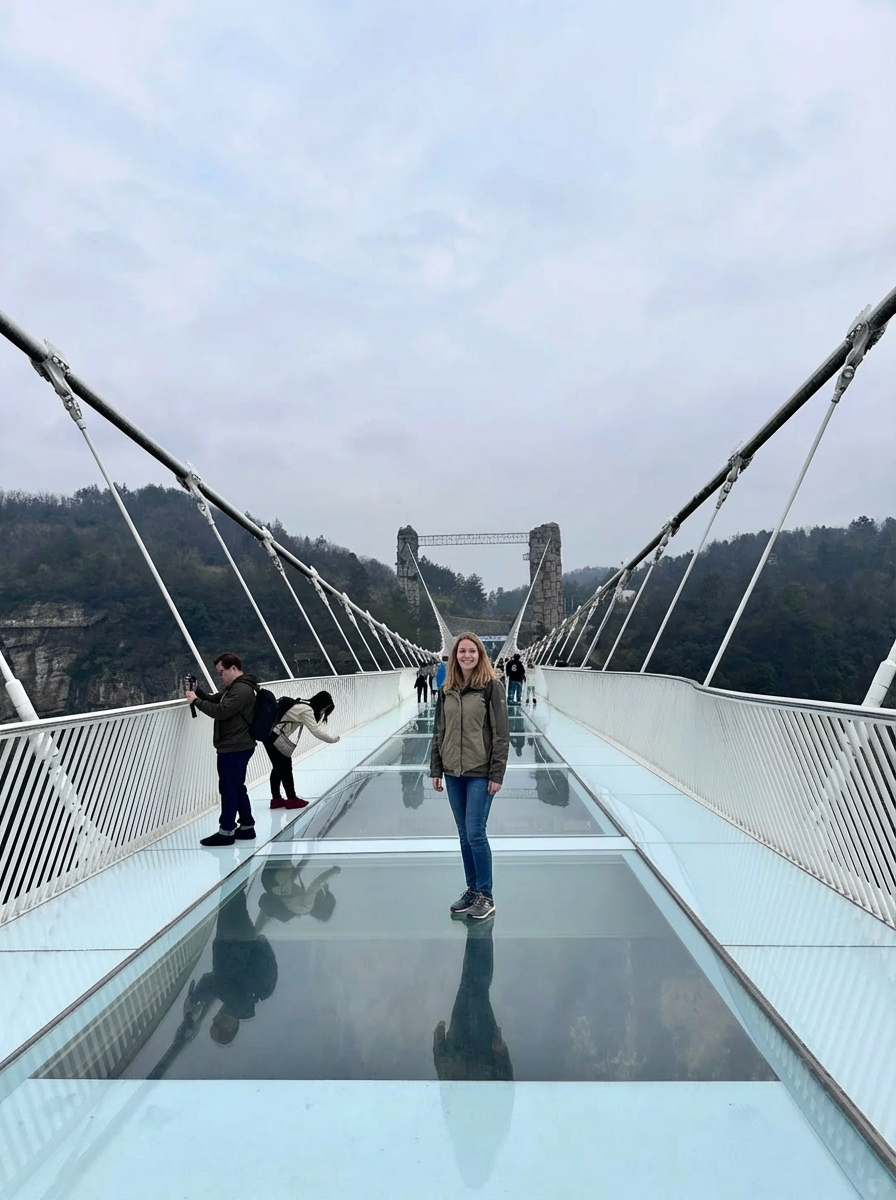
Vertigo and Wonder: My Experience on the Zhangjiajie Grand Canyon Glass Bridge
I have walked across suspension bridges in the Alps and gazed into the Grand Canyon, but nothing prepared me for the Zhangjiajie Grand Canyon Glass Bridge. When it opened, it was touted as the highest and longest glass bridge in the world, and standing at the entrance, looking at the sleek structure stretching across the vast abyss, my knees were shaking just a little. The bridge spans the canyon between two steep cliffs, connecting two sheer drops. Before you even step onto the glass, you have to wear fabric shoe covers to protect the surface—almost like putting on slippers for a dangerous dance. I remember the first step. There is a split second where your brain refuses to accept what your eyes are seeing. You see the canyon floor 260 meters below, but your foot feels solid ground. As I walked out further, the bridge came alive. It wasn’t just me; the bridge actually bounces. It’s designed to be flexible, but feeling the movement beneath your feet while looking down at the trees that look like broccoli adds a whole new layer of adrenaline. The transparency is disorienting. There were moments when I had to look at the steel sides to steady myself. About a third of the way across, I encountered the “bungee jump” platform. Standing there, watching thrill-seekers plummet off the side, screaming until they became tiny dots against the green backdrop, was surreal. I didn’t jump—my stomach wasn’t ready for that—but the energy of the crowd was electric. People were taking selfies, lying flat on the glass to get the most dramatic shot, and helping each other overcome the paralyzing fear. What I loved most, however, was the view that the bridge provides. Usually, to see a canyon like this, you are looking *down* from a rim. Here, you are *in* it. You are part of the landscape. The steep cliffs on either side were covered in lush vegetation, waterfalls trickling down the rock face like white ribbons. The contrast between the high-tech glass and the raw, ancient nature was striking. Halfway across, there is a section with a special 3D effect—paintings of flowers and wild animals on the glass—but honestly, the reality of the drop is scary enough without optical illusions. I spent a long time just standing in the middle, looking down at the stream that carved this canyon over millions of years. The silence of the deep canyon rises up, contrasting with the chatter of the tourists. Crossing the Zhangjiajie Grand Canyon Glass Bridge isn’t just a tourist activity; it’s a confrontation with your own fears and a unique way to witness the geological power of our planet.