
Bayinbuluke Grassland: Home of the Swan Lake and the Nine Turns of the River
Bayinbuluke Grassland, situated in a high-altitude basin surrounded by the Tianshan Mountains, is a sanctuary of immense natural beauty and ecological significance. This article chronicles my exploration of this vast steppe, which is renowned for being the summer habitat for thousands of migratory swans and the dramatic meandering of the Kaidu River. I describe a serene encounter at the Swan Lake protected wetlands, observing the grace and resilience of mute swans and their cygnets gliding through the reeds. The narrative captures the awe-inspiring view from the “Nine Turns and Eighteen Bends” overlook, where the river creates intricate, geometric patterns on the green canvas of the grassland, culminating in a magical moment when the setting sun illuminates a specific bend like a glowing dragon. Beyond the scenery, I discuss the harsh climate of the region and the warmth of the local Mongolian culture, sharing a meal of boiled mutton and learning about the deep respect the herders have for the “Mother River.” Bayinbuluke is portrayed as a place of fragile balance and profound tranquility, offering a humbling experience for travelers who wish to witness the harmonious coexistence of water, land, and wildlife on the “Roof of the World.”
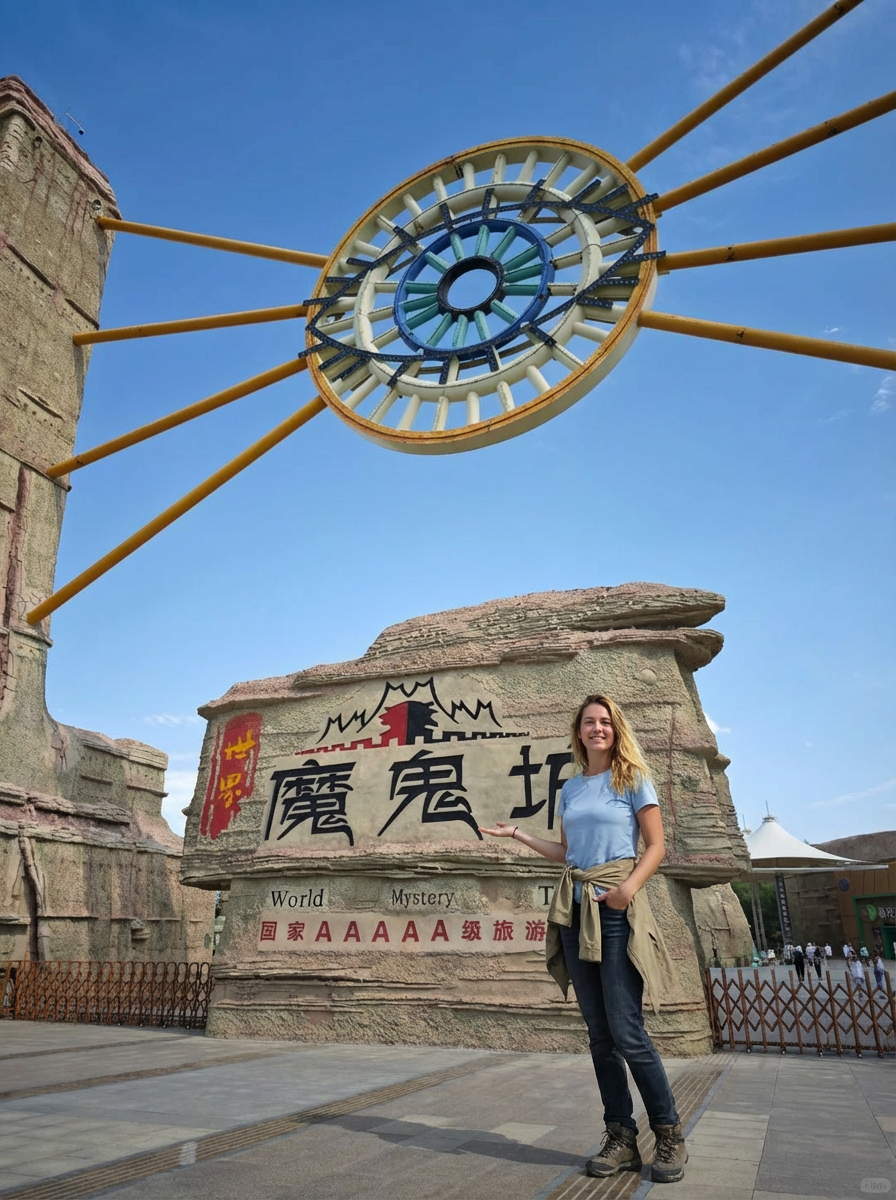
Urho Ghost City: Exploring the Mystical Yardang Landscape of Xinjiang
The Urho Ghost City, also known as the World Devil City, is a surreal and hauntingly beautiful landscape located in the Junggar Basin of Xinjiang. This article recounts my eerie and fascinating journey into this vast expanse of yardang landforms, where the relentless wind has sculpted the earth into a labyrinth of stone castles, mythical beasts, and towering monoliths. I describe the sensory experience of exploring the “Wind City,” where the howling wind creates spectral sounds that echo through the rocks, giving rise to local legends of trapped demons and haunted spirits. The narrative captures the dramatic transformation of the landscape at sunset, when the rocks glow with a burning red-orange hue against a darkening sky, creating an atmosphere of otherworldly beauty. Beyond the visual spectacle, I delve into the geological history of the area, explaining how an ancient lake bed was carved by natural elements over millions of years. I also touch upon the strange juxtaposition of this ancient, desolate landscape with the modern oil industry of Karamay, which surrounds it. Urho Ghost City is presented as a place that challenges the senses and the imagination, offering a unique travel experience for those willing to embrace the desolation and listen to the whispers of the wind in one of China’s most peculiar natural wonders.
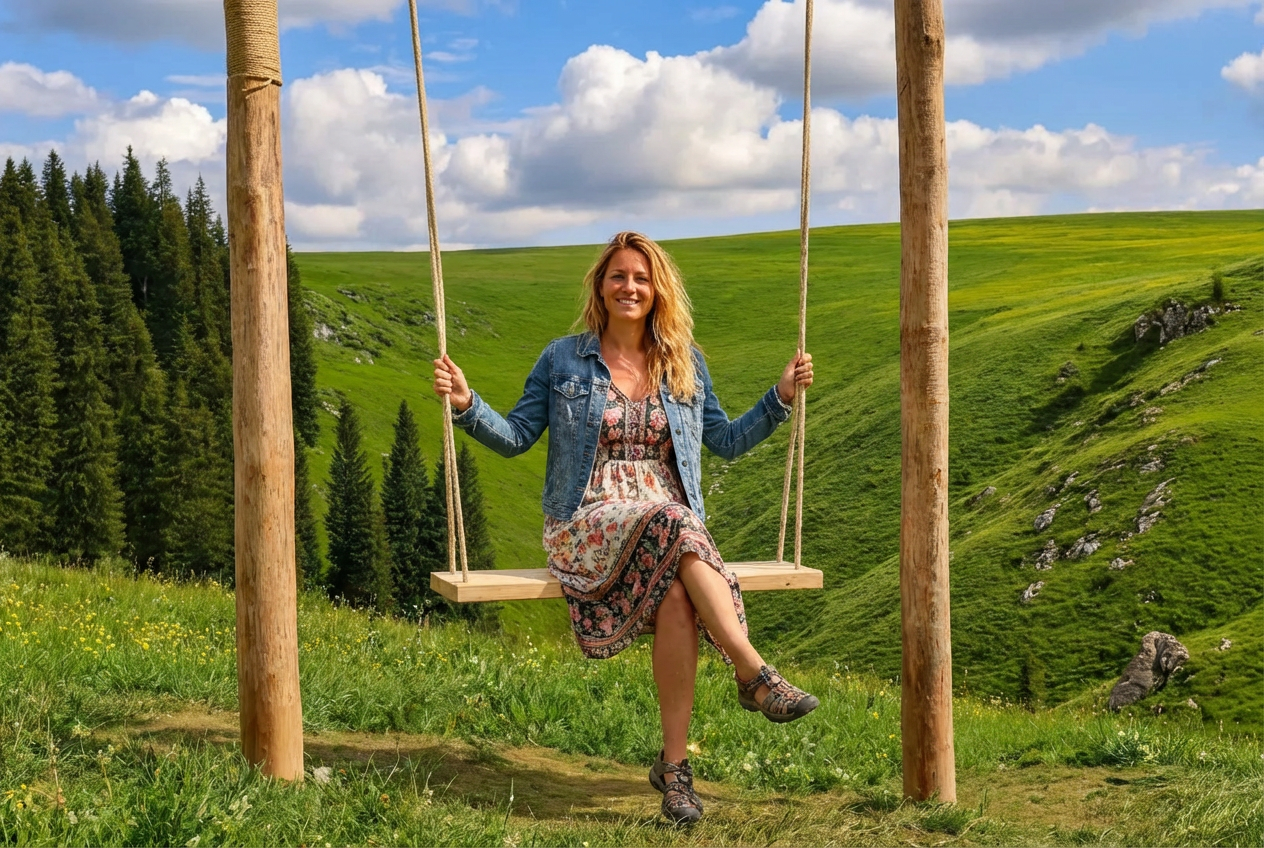
Kalajun Grassland: Discovering the Body Grasslands of the Ili Valley
Kalajun Grassland, known as the “Body Grassland” for its sensuously rolling hills that resemble the curves of a human figure, offers a landscape experience that is distinct from any other in Xinjiang. This article details my journey into the heart of the Gongnaisi grassland, where the earth is sculpted into smooth, endless waves of green velvet. I describe the sensation of standing on the Falcon Platform ridge, gazing out at the vast, convex and concave slopes that stretch to the horizon under a dramatic sky. The narrative explores the unique topography of Kalajun, from the mysterious wild peach forests in the valleys to the mesmerizing “Nine-Eighteen Bends” of the Kuerdening River, which snakes elegantly through the valley floor. A highlight of the trip was the rare morning sea of clouds, which transformed the ridges into floating islands, creating a mystical, dreamlike atmosphere. Beyond the scenery, I delve into the warmth of the local culture, sharing a meal of *polu* with a host family and learning about the deep connection between the people and the “sweet grass” that sustains their livestock. Kalajun is presented not just as a visual feast, but as a place of grace, intimacy, and healing, where the silence and the curves of the earth induce a state of Zen. For travelers seeking a poetic and serene encounter with nature, Kalajun is an unmissable destination in the Ili Valley.
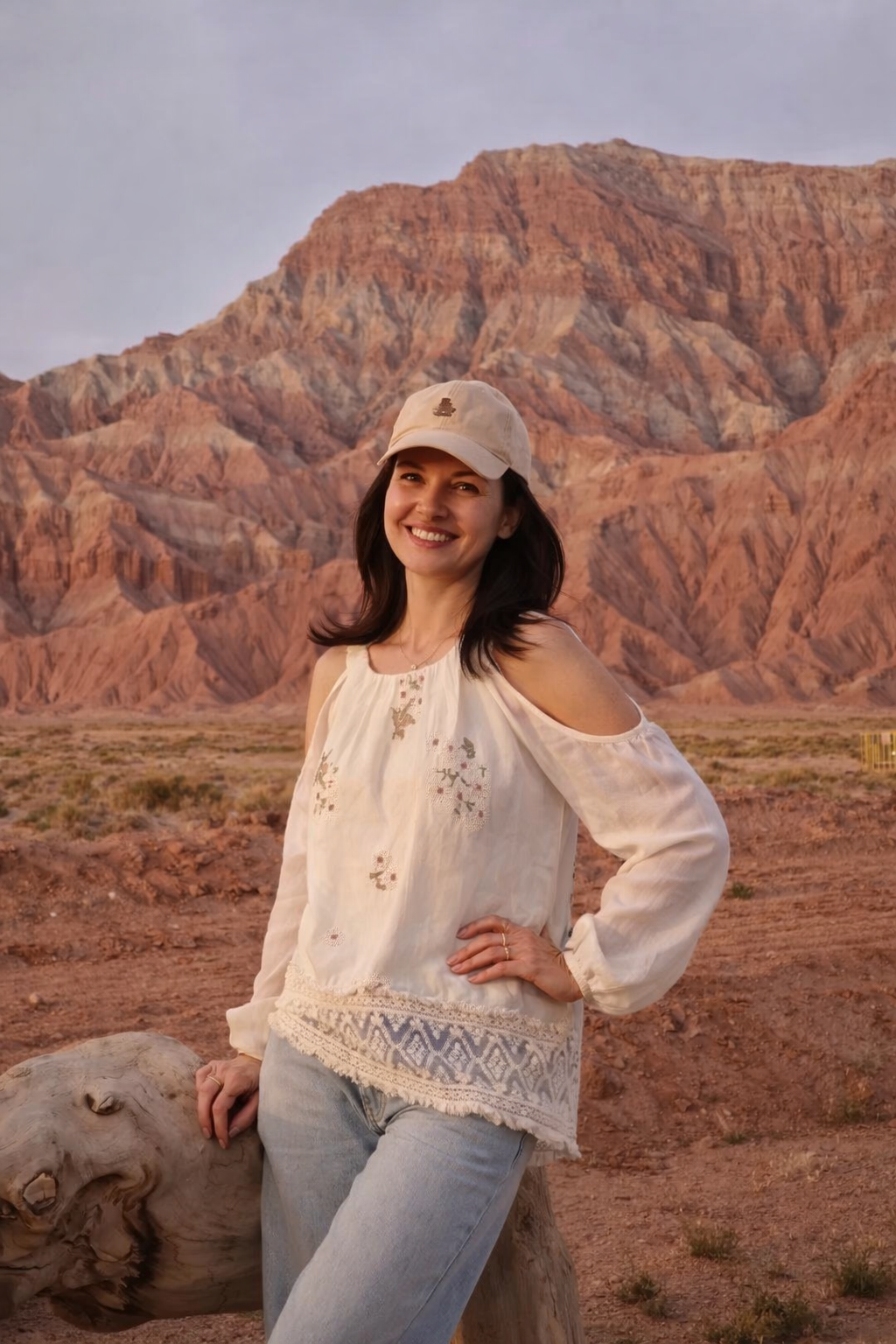
Wensu Grand Canyon Guide: Exploring the Geological Museum of Xinjiang
Venturing deep into the Aksu region of Xinjiang, I discovered the Wensu Grand Canyon, a geological marvel that rivals the surface of Mars in its alien beauty and rugged grandeur. Unlike the narrow confines of other canyons, Wensu is a sprawling, open-air museum of geological history, characterized by vast networks of red sandstone cliffs, towering rock pillars, and intricate earth forests. This article chronicles my solitary hike through this “City of Earth,” detailing the sensory experience of traversing a landscape shaped by wind, time, and violent tectonic shifts. The canyon offers a stark, minimalist beauty where the dominant colors are burning ochre and rust red, glowing intensely under the desert sun. I describe the physical sensation of walking on the ancient seabed, examining the twisted stratifications and salt anticlines that tell the story of a landscape that was once submerged underwater. From the dizzying heights of the ridge lines to the cool, shadowy depths of the narrow gorges, Wensu provides a profound sense of isolation and humility. It is a place where life struggles to exist, offering a silent retreat from the modern world. For the intrepid traveler looking to escape the beaten path, the Wensu Grand Canyon offers an unforgettable encounter with the raw, elemental forces of nature, leaving a lasting impression of the earth’s incredible capacity for transformation.

Yongding Tulou Travel Guide: Explore Hakka's Ancient Earthen Fortress Dwellings
Yongding Tulou, the iconic earthen dwellings of the Hakka people in Southern Fujian, are a fascinating blend of military defense architecture and traditional community living. This first-hand narrative takes readers on a journey through Yongding’s most famous tulou, including Chengqi Lou (the “King of Tulou”) and Zhenfu Lou, exploring their unique circular or square structures, thick earthen walls, and defensive designs. The author interacts with local Hakka residents, learning about their history of migration, community values, and daily life within the tulou. The article also delves into Hakka culture, from traditional feasts featuring stuffed tofu and braised pork to craft workshops on paper-cutting and earthen wall making. Yongding Tulou offers a rare glimpse into an ancient way of life, making it a must-visit destination for travelers interested in Chinese ethnic culture and architectural heritage. The combination of stunning architecture, rich history, and warm local hospitality creates an unforgettable experience
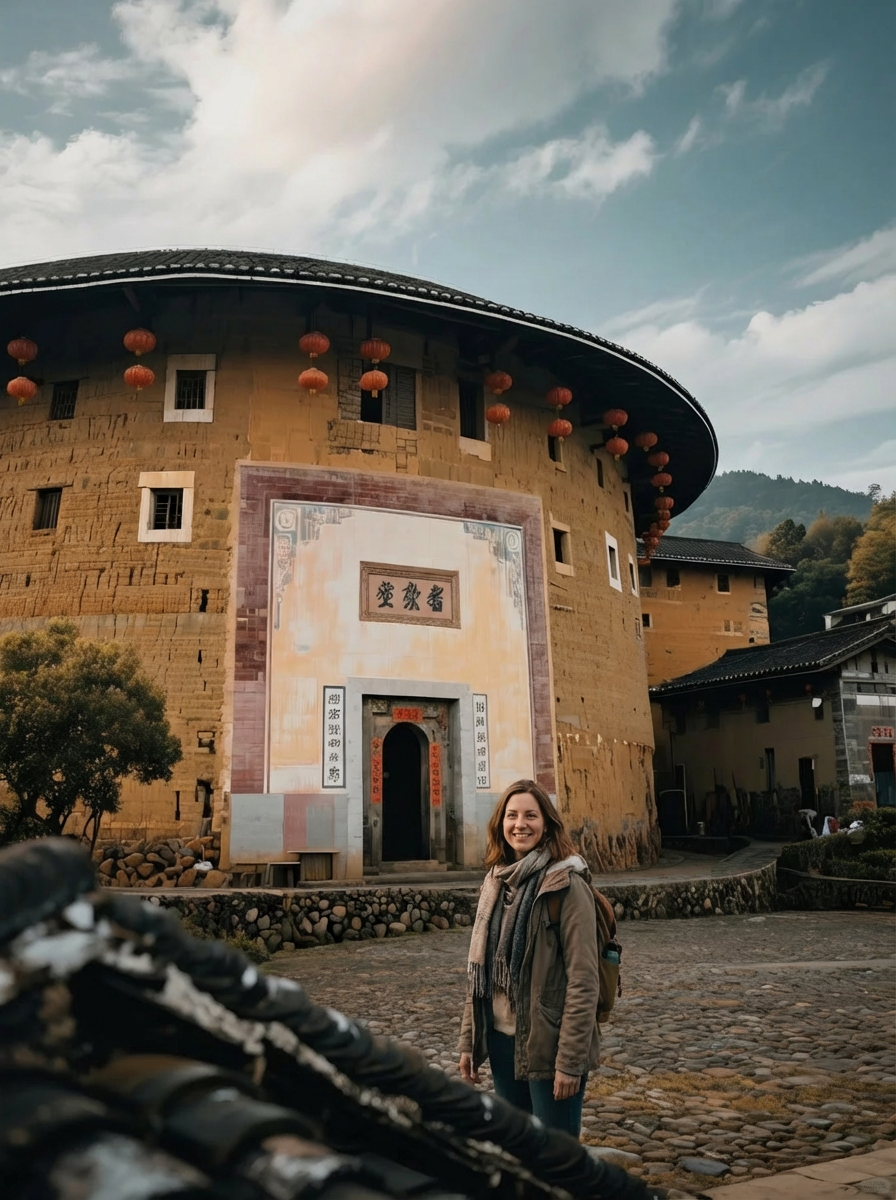
Fujian Tulou Travel Guide: Discover Hakka and Minnan's Ancient Earthen Dwellings
Fujian Tulou, a UNESCO World Heritage Site, represents the unique architectural and cultural heritage of the Hakka and Minnan peoples in Southern Fujian. This first-hand exploration covers tulou clusters across Yongding and Nanjing counties, from the massive communal circular tulou like Chengqi Lou (the “King of Tulou”) to the smaller family-oriented Minnan tulou in Tianluokeng. The author delves into the tulou’s architectural ingenuity, built with earth, sand, lime, and glutinous rice for strength and defense. Beyond architecture, the article explores vibrant cultural traditions, including Hakka weddings and Minnan folk festivals, and savors local cuisines like Hakka stuffed tofu and Minnan oyster omelet. The core of the Fujian Tulou experience lies in the strong sense of community among residents, who share common spaces and support each other. For travelers seeking to immerse in ancient Chinese ethnic culture and unique architecture, Fujian Tulou offers an unforgettable journey into history and community
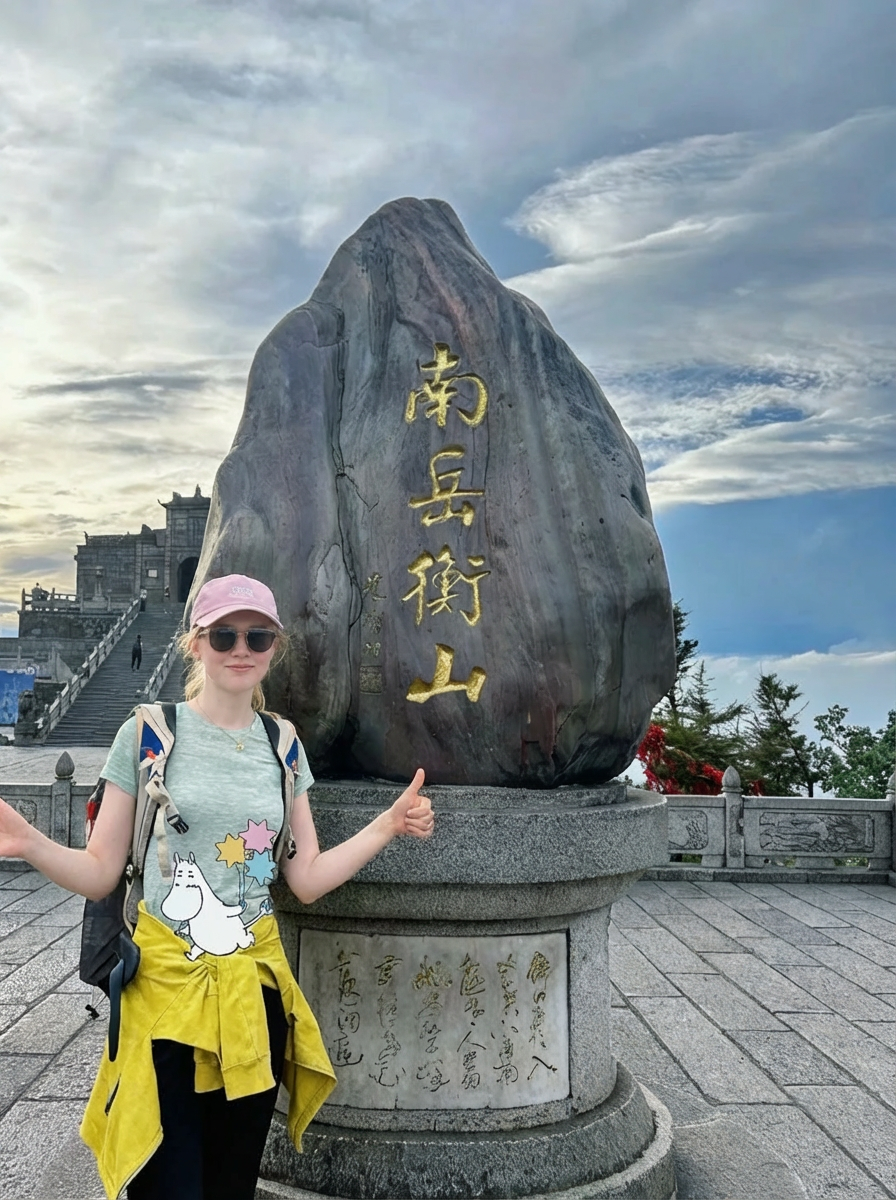
Mist and Monasteries: The Spiritual Ascent of Hengshan Mountain
A spiritual and sensory journey up Mount Heng (Nanyue), one of China’s Five Great Mountains. This article details the visit to the harmonious Taoist and Buddhist temples at the base, the ascent through ancient, moss-draped forests, and the breathtaking view of the Sea of Clouds from Zhurong Peak. It captures the atmosphere of perpetual mist, the smell of incense, and the profound sense of peace found in this sacred landscape.
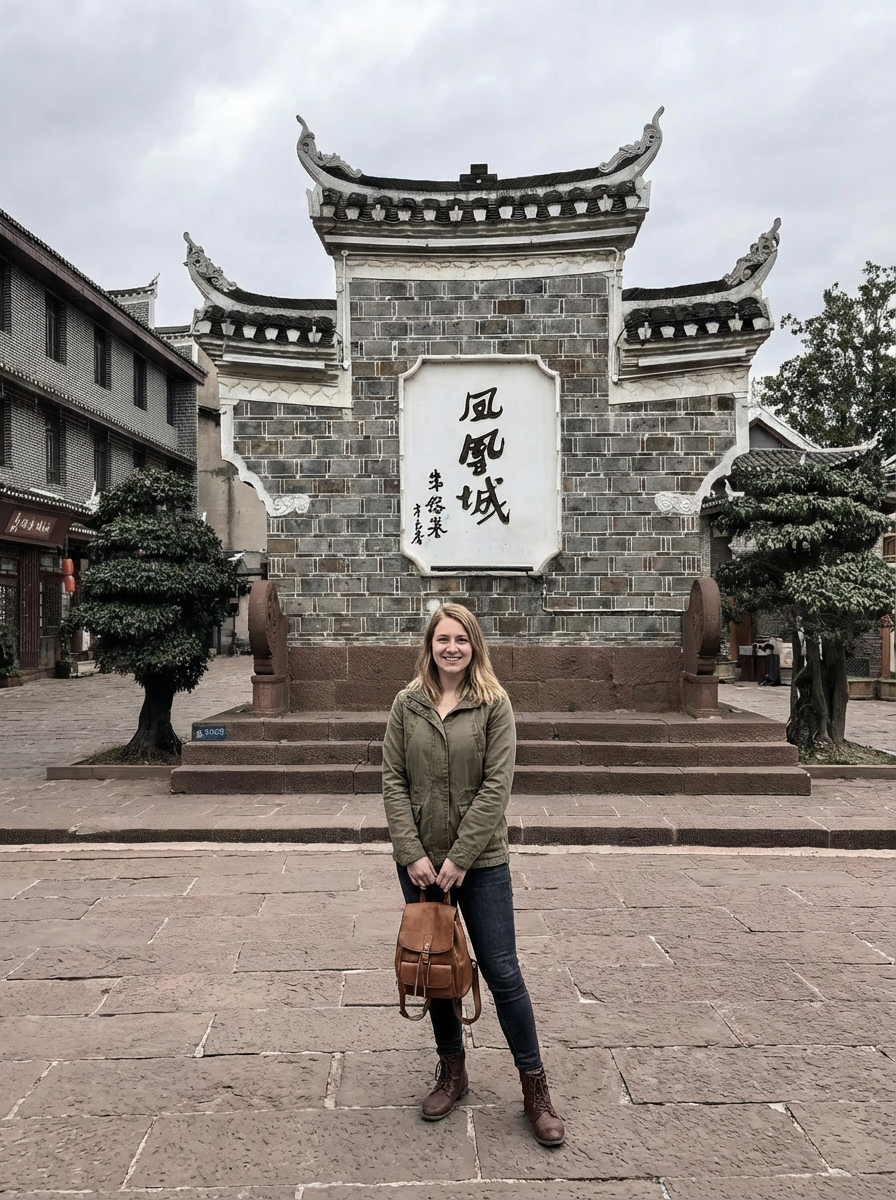
Dreams by the River: Nightfall and Ancient Charm in Fenghuang Ancient Town
Explore the dual personality of Fenghuang Ancient Town, from the historic stilt houses and the quiet legacy of writer Shen Congwen to the mesmerizing spectacle of its red-lantern-lit nights. This personal narrative takes you on a moonlit boat ride down the Tuo River, through the bustling riverside bars and food stalls, and finally into the serene, misty morning where local traditions endure. It is a vivid portrait of a town that is both a living museum and a vibrant modern hub
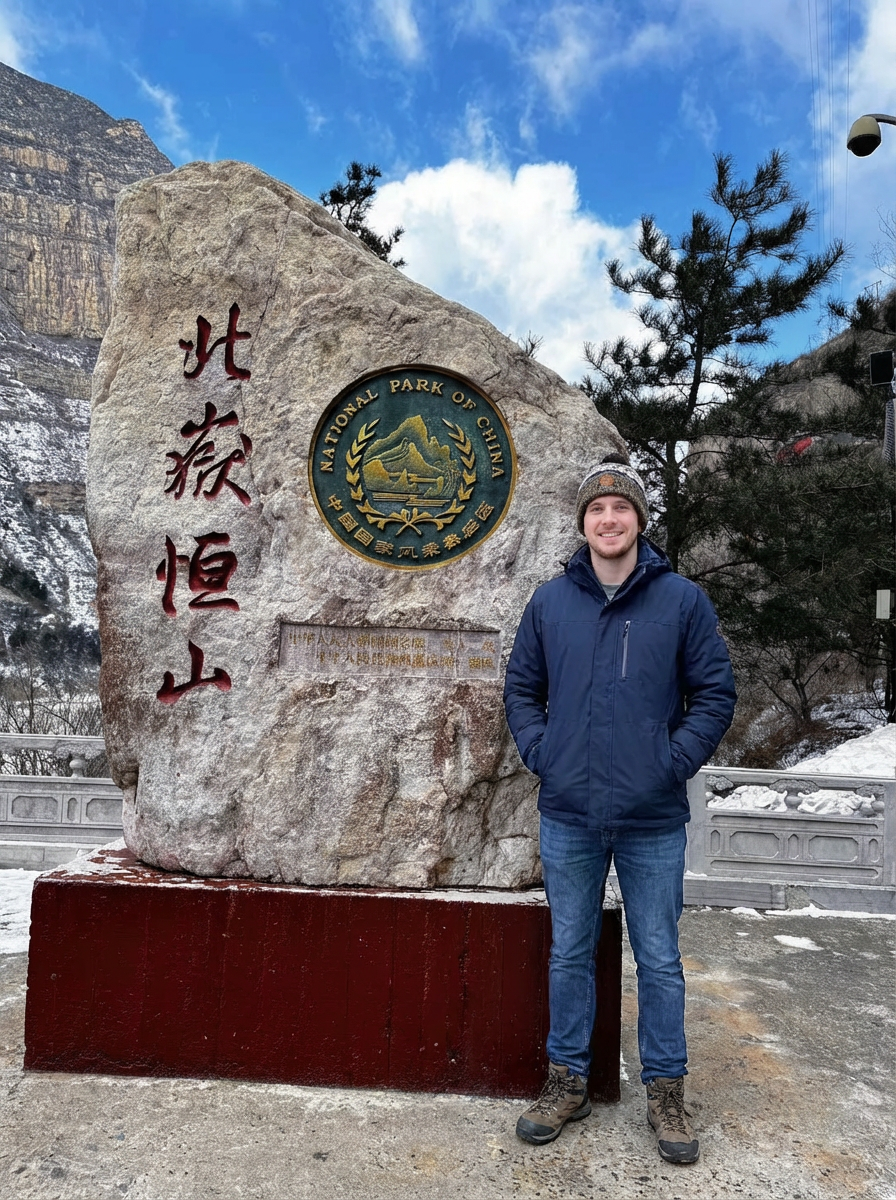
Mount Hengshan Shanxi: Hiking the Sacred North Peak and Ancient Temples
Journey to the rugged North Peak of Mount Hengshan, one of China’s Five Great Mountains, known for its Taoist sanctity and military history. This narrative describes the challenging hike up Tianfeng Ling, the precarious beauty of the cliffside Huixian Mansion, and the grandeur of the Beiyue Temple. Discover the ancient cypress trees, taste local millet porridge, and feel the raw, masculine energy of the mountain that has guarded China’s northern frontier for millennia
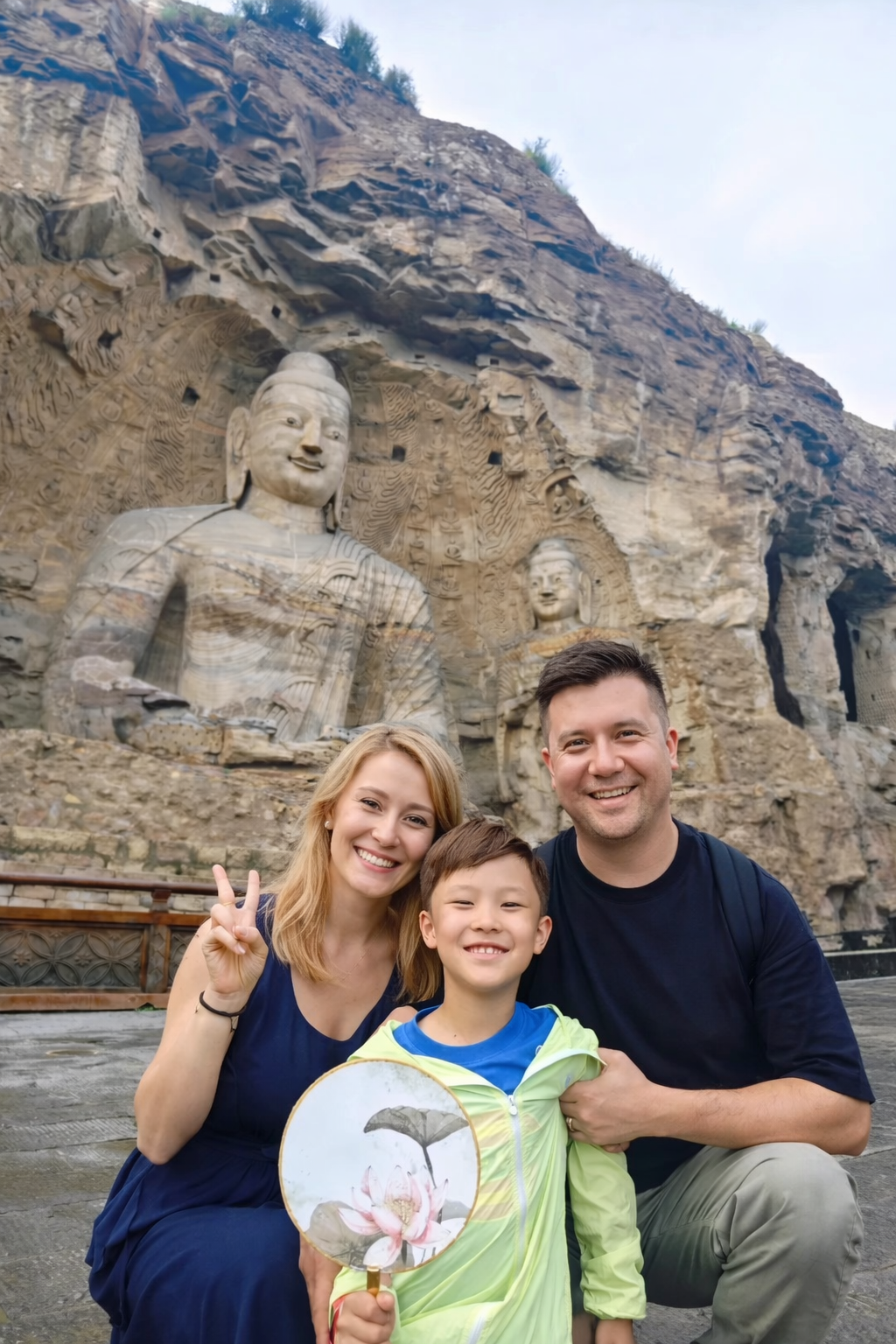
Tianlongshan Grottoes Taiyuan: Hiking the Ancient Buddhist Caves of Shanxi
Discover the haunting beauty of the Tianlongshan Grottoes near Taiyuan, a site where history, art, and nature collide. This first-person narrative details a challenging hike up the mountain to view the exquisite Northern Qi dynasty statues, reflecting on the poignant history of looting and the resilience of the art that remains. From the elegance of the headless Bodhisattvas to the fresh taste of dragon spring water, experience the spiritual atmosphere and rugged landscape that make Tianlongshan a must-visit for off-the-beaten-path travelers in China.

Mount Wutai Travel Guide: Discovering the Spiritual Heart of China’s Buddhism
Embark on a spiritual pilgrimage to Mount Wutai, one of China’s Four Sacred Buddhist Mountains. This article chronicles a personal ascent to the misty peaks, the challenging climb up the “Stairway to Heaven,” and the serene experience of staying in a monastery guesthouse. From the imperial grandeur of Pusading Temple to the humor of Nanshan Temple’s carvings and the taste of local butter tea, discover why Mount Wutai is a sanctuary of wisdom that offers travelers a chance to disconnect from the modern world and reconnect with themselves
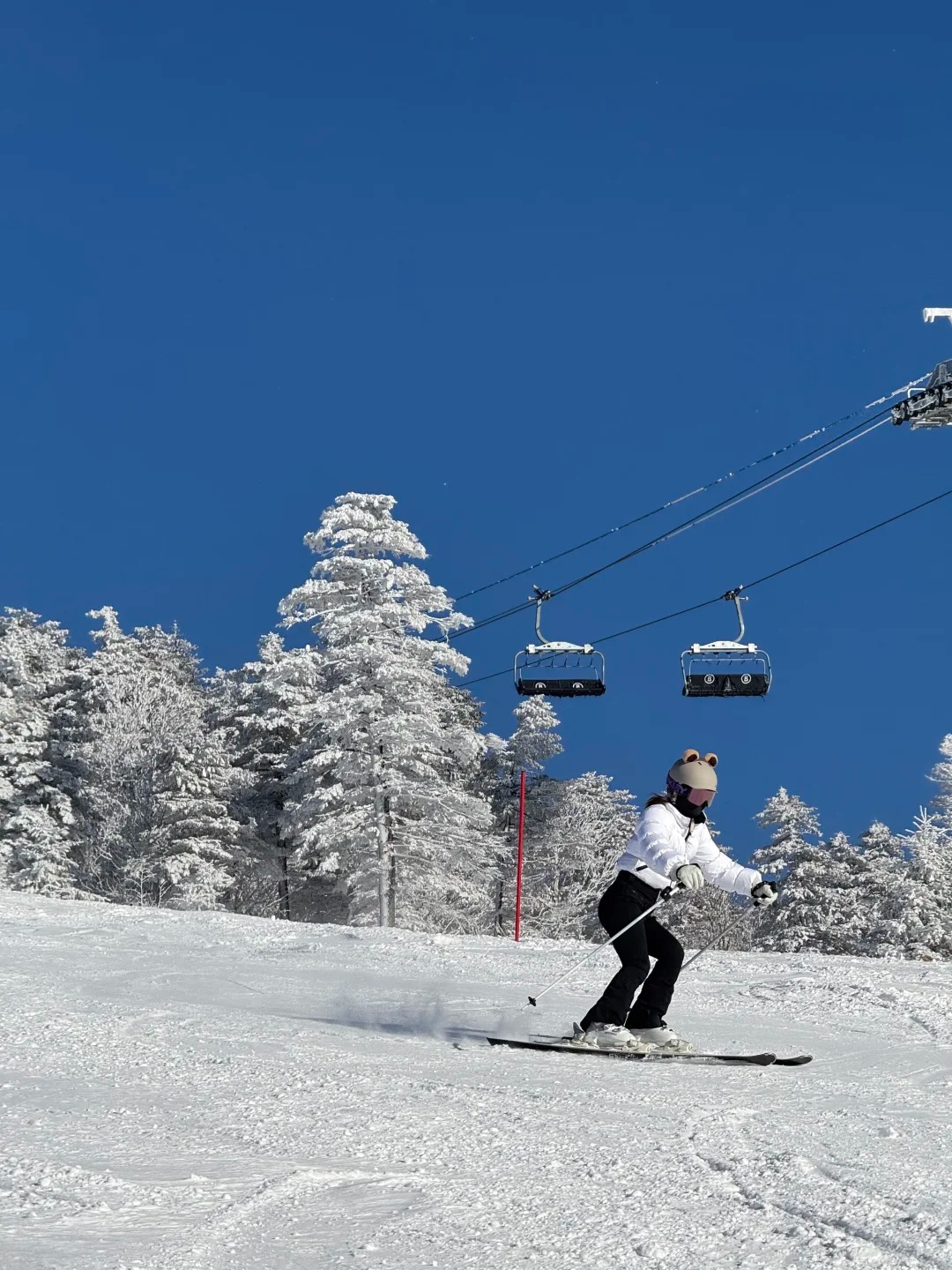
Club Med Beidahu: The Ultimate Luxury Ski Resort Experience in Jilin
Review the premium ski vacation experience at Club Med Beidahu in Jilin. This article highlights the world-class "Champagne Powder" snow quality, the unique blend of modern luxury and traditional Northeast Chinese architecture, the gourmet local cuisine, and the vibrant international après-ski culture.