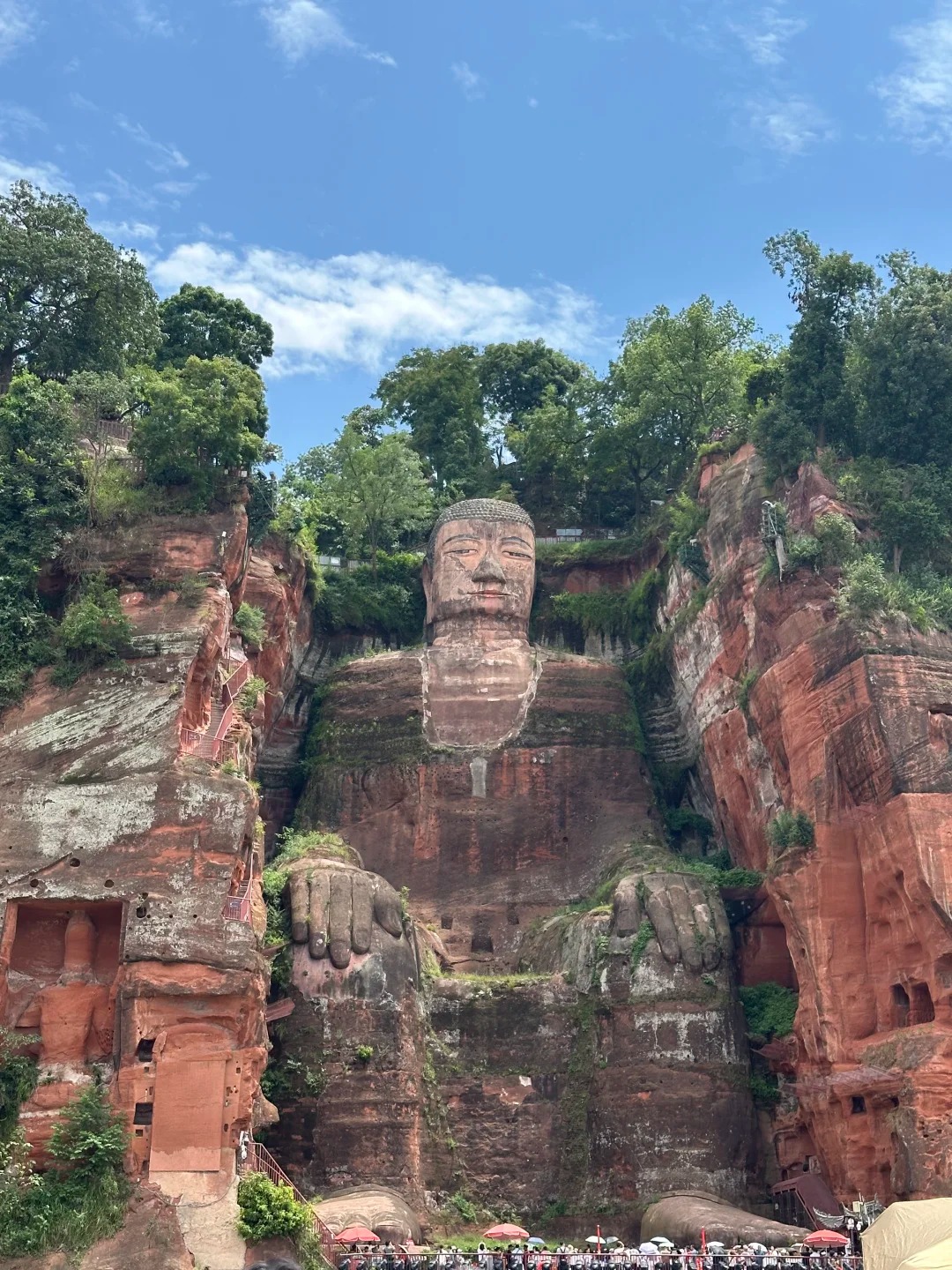
Facing the Giant: A Personal Encounter with the Leshan Giant Buddha and Ancient Engineering
This piece narrates my fascinating visit to the Leshan Giant Buddha, the largest stone carved Buddha in the world, carved directly into the cliff face of Mount Lingyun. I recount the journey from Chengdu to Leshan and the anticipation of seeing a monument that has stood guard over the confluence of three rivers for over 1,200 years. The article describes the unique experience of viewing the statue from a boat on the river, allowing for a full appreciation of its immense scale, followed by the intimate perspective of descending the “Nine Bends” stairs to stand at the Buddha’s feet. I delve into the history of the monk Haitong, whose determination to tame the river’s currents led to the creation of this masterpiece. The narrative captures the tactile details of the red sandstone, the intricate design of the Buddha’s coiled hair, and the sheer overwhelming feeling of insignificance when standing at his toe, which is larger than a living room. Beyond the statue, I explore the serene atmosphere of the surrounding temples and the vibrant life along the riverbanks. This article serves as both a historical reflection and a practical guide, encouraging travelers to look beyond the sheer size and appreciate the spiritual and engineering legacy of this UNESCO World Heritage site.
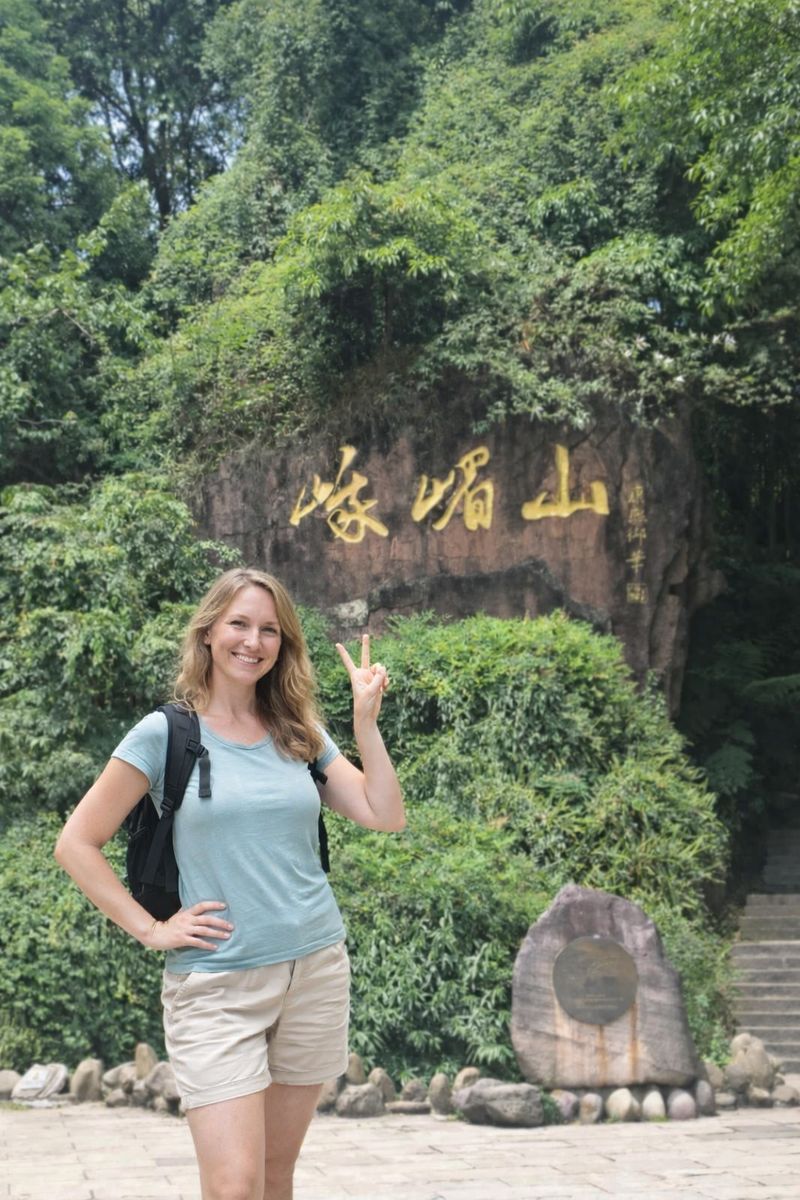
Climbing Mount Emei: A Personal Odyssey to the Golden Summit of China’s Sacred Mountain
This article offers a raw and immersive account of my pilgrimage up Mount Emei, one of China’s Four Sacred Buddhist Mountains. Far beyond a typical hiking guide, it captures the physical and spiritual challenges of ascending the 3,099-meter summit. I recount the grueling yet rewarding trek through the lush subtropical forests at the base, sharing the thrill of encountering the famous Tibetan Macaques—mischievous creatures that are as terrifying as they are adorable. As I ascended above the cloud line, the narrative shifts to a mood of profound tranquility, describing the architectural marvel of the Wannian Temple and the ancient statues that watch over the trail. The climax of the journey is the arrival at the Golden Summit (Jinding), where I stood before the colossal statue of Samantabhadra and witnessed the “Sea of Clouds” phenomenon that turns the world below into a white ocean. I also provide practical insights, such as the best times to visit to catch the sunrise and the reality of the stair-climbing endurance required. This piece is a testament to the beauty of persistence and the spiritual atmosphere that permeates the misty peaks of Mount Emei, inviting travelers to disconnect from the digital world and reconnect with the grandeur of nature.
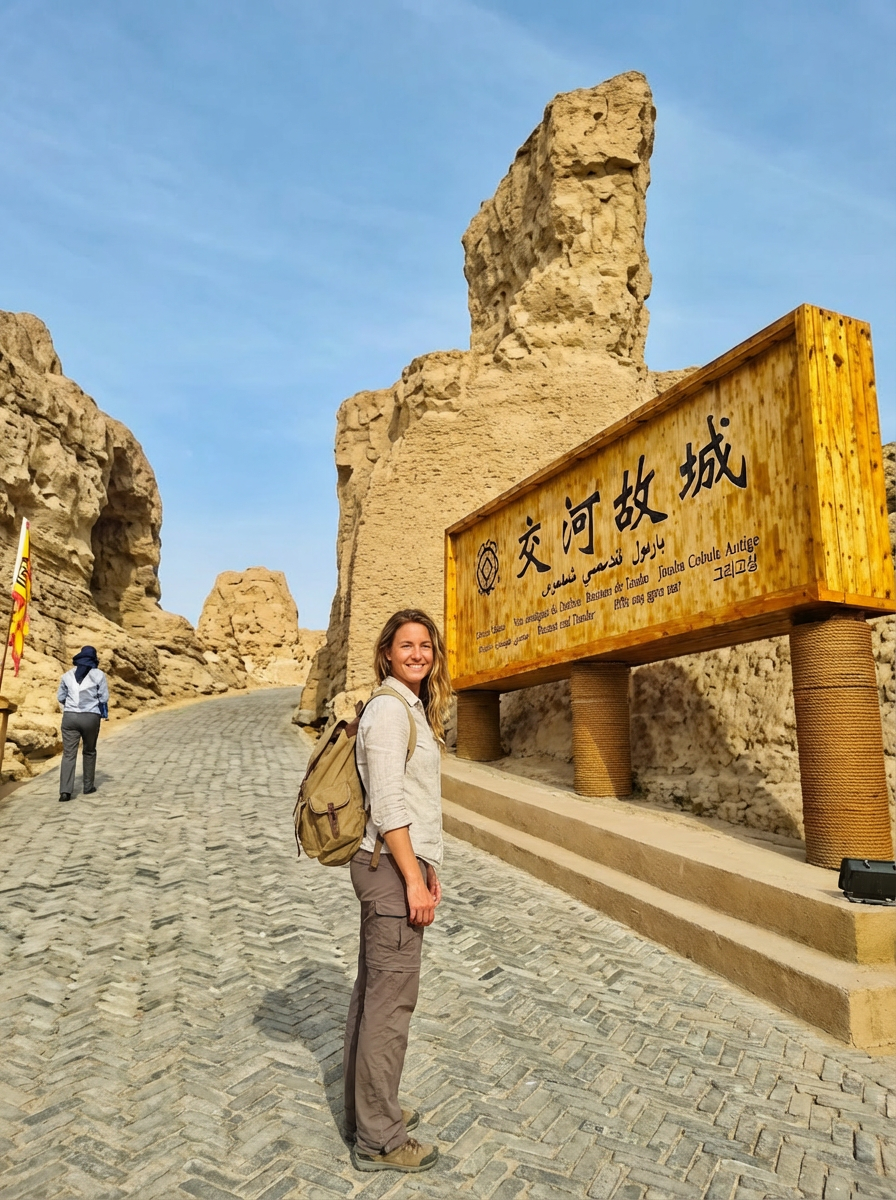
Jiaohe Ancient City: Exploring the World’s Best Preserved Clay Ruins
Jiaohe Ancient City, located on a river-island plateau near Turpan, is the world’s oldest and best-preserved earthen city ruins. This article narrates my solemn journey through this 2,000-year-old archaeological site, which served as the capital of the Cheshi Kingdom. I describe the dramatic setting of the city, built on a willow-leaf-shaped islet protected by deep river valleys, creating a natural fortress. The narrative details my exploration of the silent, labyrinthine streets, where I walked through the remnants of a dense residential area with houses dug directly into the earth, and the imposing foundations of the Great Temple and Stupa Forest. I reflect on the poignant atmosphere of the ruins, imagining the bustling life that once filled these now-empty spaces, and witnessing the fragility of the sun-dried loess structures as they slowly succumb to the elements. The article captures the visual spectacle of the sunset, when the ruins turn a deep gold against the backdrop of the vineyards and rivers. Jiaohe Ancient City is presented as a place of deep historical resonance, a “ghost ship” of time that offers a tangible connection to the civilizations that once thrived along the Silk Road.
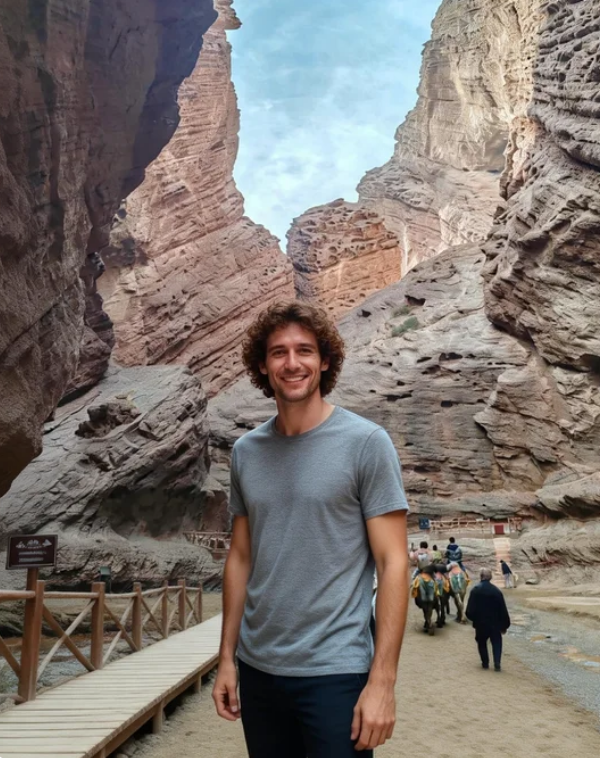
Kuqa Grand Canyon Guide: Witnessing the Fiery Red Cliffs of the Tianshan
The Kuqa Grand Canyon, located in the Aksu region of Xinjiang, is a spectacular geological wonder known for its fiery red sandstone walls and deep, narrow gorges. This article describes my trek through this “Tianshan Mysterious Grand Canyon,” a landscape that feels like a violent wound in the earth, sculpted by wind and water. I recount the experience of walking between towering vertical cliffs that glow with blood-red hues under the desert sun, creating an atmosphere of raw, aggressive beauty. The narrative details the sensory journey—the intense heat trapped in the canyon, the haunting melody of the wind, and the texture of the ancient stratified rocks that tilt and twist like pages of a geological book. I highlight key spots such as the “Yu Pavilion,” a natural grotto that exudes a spiritual energy, and the “Panlong Platform,” which offers a panoramic view of the labyrinthine red trenches carved by nature. I also touch upon the geological history of the area, noting the iron oxide that gives the rocks their rusted color. The article captures the dramatic transformation of the canyon at sunset, when the walls turn a burning crimson. Kuqa Grand Canyon is presented as a raw, untamed adventure that demands physical exertion and offers a profound connection to the elemental forces of the Tianshan Mountains.
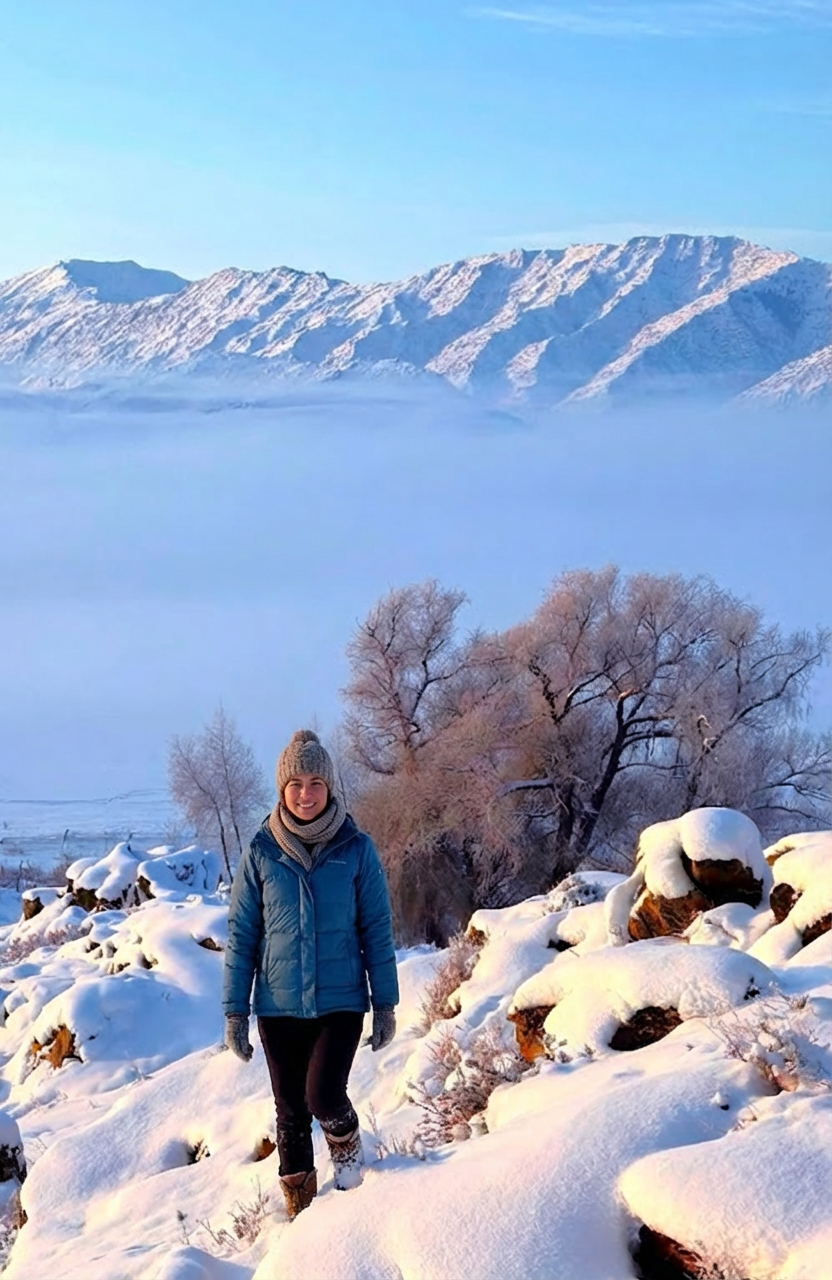
Keketuohai: The Geological Marvel of Altay and the Source of the Irtysh
Keketuohai, located in the Altai Mountains, is a geological wonderland that has transformed from a historic mining hub into a breathtaking national geopark. This article details my exploration of this rugged landscape, which is defined by the dramatic Irtysh Grand Canyon and the only river in China that flows into the Arctic Ocean. I recount standing on the canyon rim, feeling the ferocious winds and watching the milky blue surge of the water as it carves through ancient granite. The narrative includes a descent into the Canyon Cocoa Stone, a massive crater of jagged, multi-colored granite rocks that look like a prehistoric lair, and visits to the serene Sister Lakes and Bell Lake, where the water clarity and color shifts create a mystical atmosphere. I also delve into the industrial history of the area, meeting a retired miner and exploring the abandoned facilities that stand as a testament to the human cost of the region’s prosperity. The article describes the bizarre rock formations of the Granite Gorges, including the “God Bell” that sings in the wind. Keketuohai is portrayed as a place of healing and transformation, where nature is reclaiming the land, offering a profound and ruggedly beautiful experience for travelers seeking the wild heart of Xinjiang.
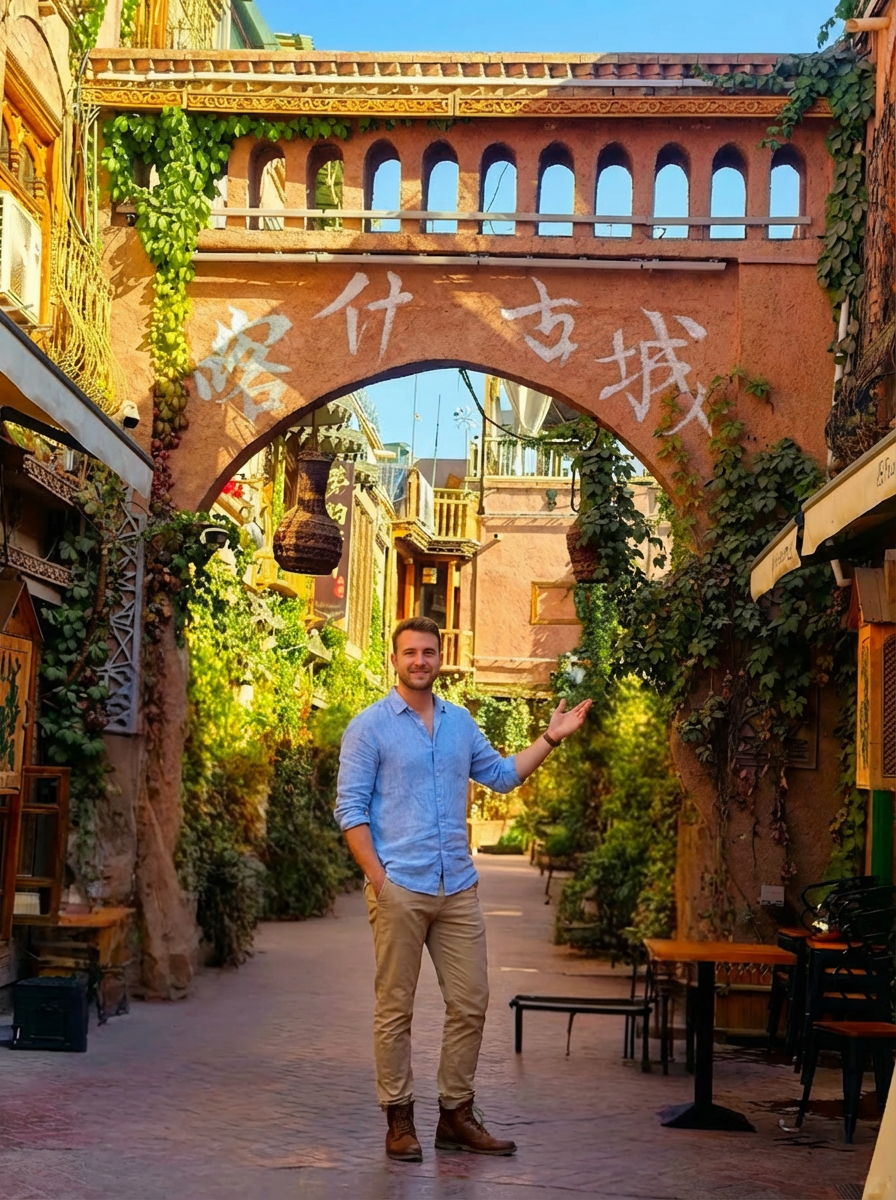
Kashgar Old City: A Timeless Journey Through the Labyrinths of Xinjiang
Kashgar Old City represents the living heartbeat of the ancient Silk Road, a mesmerizing labyrinth of mud-brick buildings, narrow alleyways, and vibrant culture in Xinjiang. This article recounts my dawn-to-dusk exploration of this historic quarter, where time appears to have stood still amidst the clamor of modern life. I describe the sensory richness of the experience: the smell of fresh naan bread baking in tandoor ovens, the sound of copper smiths hammering metal, and the sight of artisans carving intricate woodwork. The narrative highlights the architectural ingenuity of the traditional homes, featuring cool courtyards and earthquake-resistant wooden frames, as well as the panoramic views from the rooftops that look out over the earthen “sandcastle” city. I delve into the atmosphere of the Grand Bazaar, a chaotic and colorful marketplace where locals trade spices, dried fruits, and tools, capturing the commercial spirit that has defined the city for centuries. A significant portion of the story is dedicated to the warmth of the local Uighur people, sharing tea in a teahouse and experiencing their legendary hospitality. Despite ongoing renovations, Kashgar Old City is portrayed as an essential destination that preserves the soul and history of the region, offering a profound connection to the past for any intrepid traveler.

Anjihai Grand Canyon: Nature’s Abstract Art and the Most Spectacular Canyon in Xinjiang
Hidden away in the northern foothills of the Tianshan Mountains lies a geological anomaly that defies the imagination—the Anjihai Grand Canyon. Unlike the verdant, tourist-friendly parks found elsewhere in China, this canyon is a raw, visceral wound in the earth, offering a spectacle of abstract art painted by nature itself. My journey to this remote corner of Xinjiang began with a drive from Shihezi, leading to a sudden, breathtaking encounter with a landscape that appears to have been torn apart by giant hands. The canyon is renowned for its incredibly vivid stratigraphy, where layers of coal-black, rust-red, sulfur-yellow, and grass-green earth are exposed in a chaotic, jagged display. It is not formed by the slow, gentle erosion of water alone, but by the dramatic collapse of loose soil and the relentless carving of the Anjihai River below. Standing on the precipice, with no guardrails to protect you, is a thrilling and terrifying experience; the wind howls out of the abyss, and the silence is heavy and ancient. The article details the sensory overload of visiting Anjihai—the vertigo-inducing views from the highway bridge, the roar of the turquoise river far below, and the ever-changing light that transforms the canyon into a burning palette of colors at sunset. It is a place that feels alive, constantly eroding and reshaping itself, offering a profound sense of solitude and a humbling reminder of nature’s violent creative power. For travelers seeking the untamed, authentic beauty of the “Roof of the World,” Anjihai Grand Canyon is an essential, haunting pilgrimage.
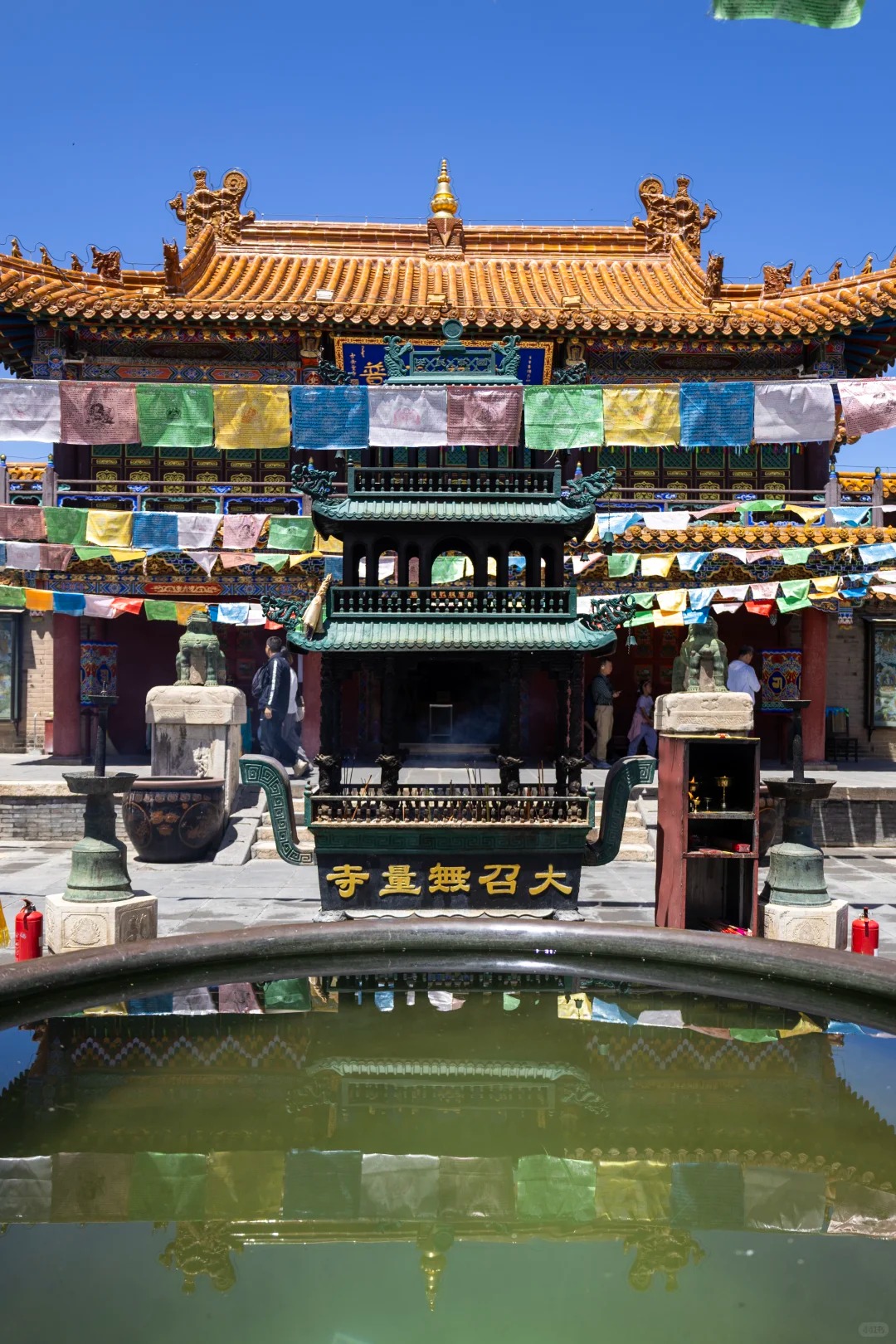
Dazhao Temple Hohhot: History, Golden Buddha & Tibetan Buddhist Culture in Inner Mongolia
This article describes a visit to Dazhao Temple in central Hohhot, portraying it as the enduring spiritual and historical heart of the modern city. It details the temple's architectural fusion of Han, Tibetan, and Mongolian styles and highlights its priceless treasures, notably the revered "Golden Buddha" statue. The narrative focuses on the atmosphere of active devotion observed among diverse pilgrims and the daily rhythms of monastic life, from novice monks to scholarly debates. A conversation with a long-time local resident underscores the temple's role as a constant amidst urban change. The experience is framed as a peaceful immersion into living Tibetan Buddhist culture, offering a profound contrast to the surrounding modernity and revealing the deep, layered identity of Inner Mongolia's capital.

Keshiketeng UNESCO Global Geopark: Hike the Asihatu Stone Forest & Glacial Valleys of Inner Mongolia
This article presents a journey through the Keshiketeng World Geopark as an exploration of geological deep time and natural art. It vividly describes the surreal landscape of the Asihatu Granite Forest, where wind and ice have sculpted towering stone pillars into imaginative shapes, bringing the "stone forest" to life through local lore. The narrative contrasts this with the vast scale of a U-shaped glacial valley at Huanggangliang, emphasizing the disorienting timeframe of glacial activity. A personal, tactile encounter with the smooth pebbles of a "Pebble River" underscores the park's intricate details. The overall experience is framed not as thrilling adventure, but as a meditative and humbling walk through an open-air museum of ice-age history, leaving visitors with a profound sense of connection to Earth's slow, powerful creative forces.

Ejina Poplar Forest Travel: Best Time for Golden Leaves & Photography in Inner Mongolia's Gobi Desert
This evocative travelogue details a pilgrimage to witness the brief, spectacular golden transformation of the Euphrates poplar forests in Ejina, Inner Mongolia. Set against the harsh Gobi Desert, the narrative emphasizes the journey's starkness and the trees' profound resilience. It focuses on the sensory and emotional experience: cycling among the ancient, sculptural trees, the magical light at dawn and dusk that sets the forest ablaze, and the profound silence punctuated by falling leaves. An encounter with a veteran photographer and a local herder provides deeper context, framing the trees not merely as scenic but as historical, stubborn guardians of the desert. The piece portrays the spectacle as a poignant, defiant celebration of life at its ecological limit, leaving the reader with a sense of having witnessed a sacred natural ritual.

Gulangyu Island Xiamen: A Complete Travel Guide to the Car-Free Music Island
Gulangyu Island, a short ferry ride from Xiamen, is a car-free paradise that blends colonial architecture, tropical scenery, and rich cultural heritage. This article shares a first-hand journey through the island’s narrow lanes lined with banyan trees, exploring historic residences like Lin Juemin’s former home, climbing Sunlight Rock for panoramic views, and immersing in its reputation as the “Island of Music” through piano museums and street performances. The author also delves into local culinary delights, from sweet ah-bua to savory shrimp noodles, and highlights the warm hospitality of the island’s residents. Gulangyu is more than a tourist spot; it’s a timeless haven where East meets West, offering a peaceful escape from the chaos of modern life. Whether you’re a history buff, a nature lover, or a food enthusiast, Gulangyu has something to captivate every traveler
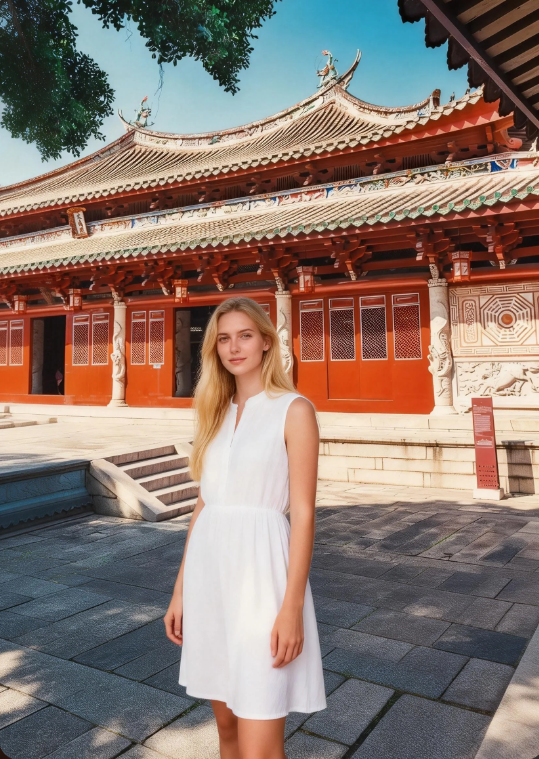
Quanzhou Confucian Temple: A Guide to the Ancient Confucian Sanctuary in Quanzhou
Quanzhou Confucian Temple, a well-preserved ancient sanctuary in the heart of Quanzhou (an ancient maritime capital), stands as a profound symbol of Confucian culture in Southern China. This first-hand account takes readers on a journey through the temple’s serene courtyards and grand halls, including the Lingxing Gate adorned with dragon carvings, the Dacheng Gate guarded by stone lions, and the magnificent Dacheng Hall— a masterpiece of Ming Dynasty architecture with yellow glazed tiles and dragon-carved stone pillars. The author explores the temple’s historical significance, from its Tang Dynasty origins to its current role as a living center for Confucian learning, where students study and visitors reflect on Confucian teachings of benevolence and righteousness. Beyond the temple, the article touches on nearby local cuisine and cultural experiences, such as tieguanyin tea and mahjong. Quanzhou Confucian Temple offers a peaceful escape from the city